Tags
astronomy, aurora, aurora borealis, finland, Lapland, night photography, night skies, northern lights, photography, sapmi, travel, travel photography
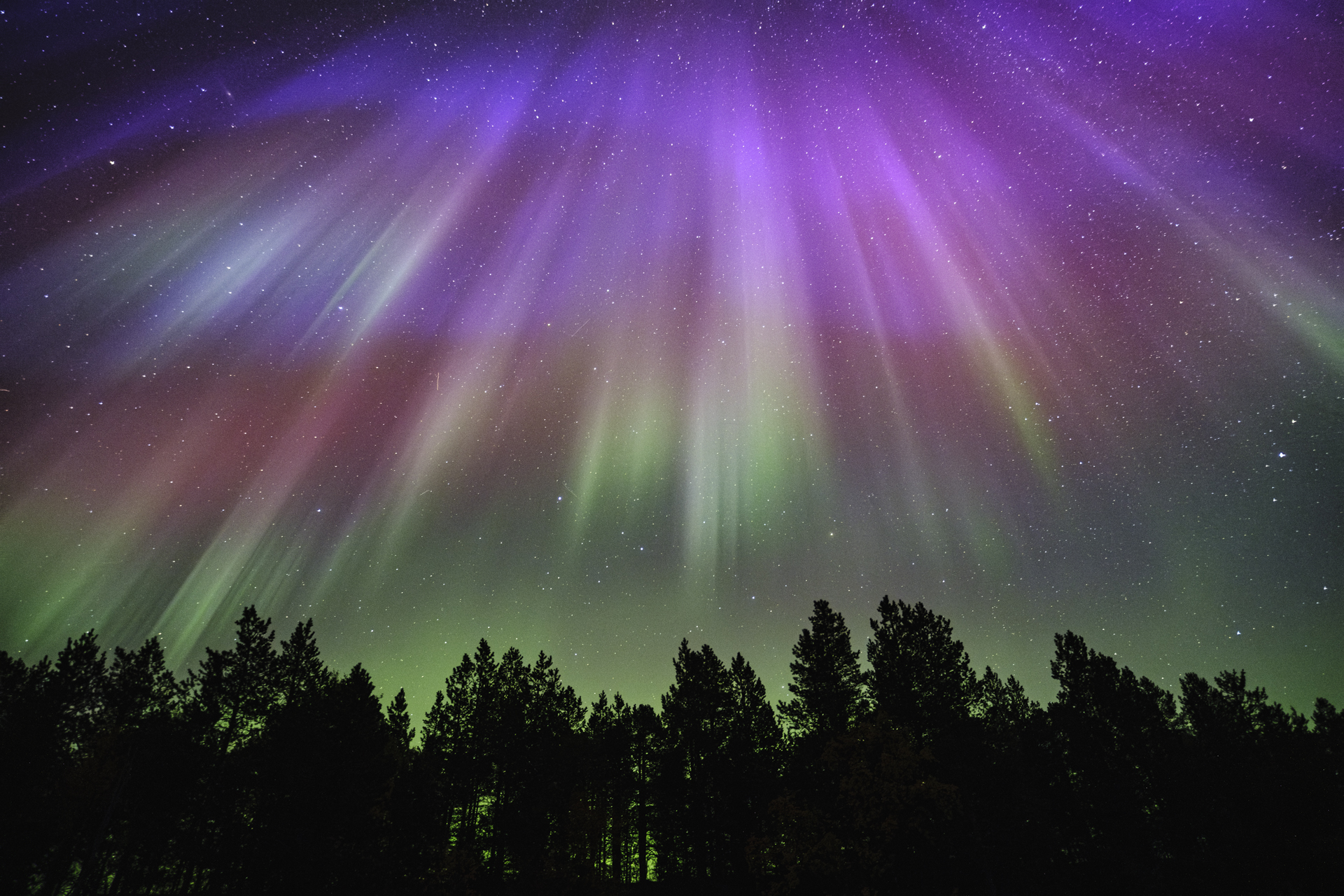
Looking back over my photo folders from the various adventures of the past year, one phenomenon jumps out from everything else: the amazing aurora borealis shows that I was lucky enough, like many other stargazers this year, to witness over the course of 2024. We’ve reached the peak of the 11 year solar cycle when the aurora – in this part of the world, otherwise known as the Northern Lights – is especially active, and that should continue into 2025. It was even clearly visible in southern Finland, in and around Helsinki where I live, on a number of occasions – not something we can take for granted with the amount of development and subsequent light pollution in the capital area. On my annual autumn trip to Sapmi – also known as Lapland – my timing was brilliant, with three clear nights out of four and increasingly intense shows on each night.
The aurora is triggered by the collision of solar wind’s protons and electrons, released by flares on the surface of the Sun and directed towards the polar regions by the Earth’s magnetic fields. The colours depend on the concentration of gas molecules with which the particles collide. Green is the most common colour, and also the easiest for the human eye to register, and results from the collision with oxygen at relatively low altitudes, from about 60 to 180 miles. Red displays occur at higher altitudes where oxygen is more rarified. Less common blue and purple auroras are caused by a collision with nitrogen at up to about 60 miles.
Myths and legends
So much for the science. The myths and legends, conceived long before any prosaic and scientifically devised theories were applied, are almost easier to believe, and much more fun. The Finnish name for the Northern Lights, revontulet, which translates as ‘fox’s fires’, derives from the idea, as plausible as any when they evolved, that the apparition was caused by sparks set off when the tails of scampering foxes brushed the fells. Believing the aurora to be a bad omen, the indigenous Sámi were reluctant to converse about the aurora, believing them to be the souls of the departed, capable of scooping the living into the sky. Other Arctic tribes were similarly in awe, but attributed more benign functions to the aurora, believing them to be a guiding light for the deceased on their way to a well-illuminated afterlife. If I had been alive in a pre-science Lapland, I like to think my own proposal might have gained some traction, that the Northern Lights are orchestrated at the whim of an invisible giant – a specially designated auroral god, perhaps – using a series of mystical hand gestures.
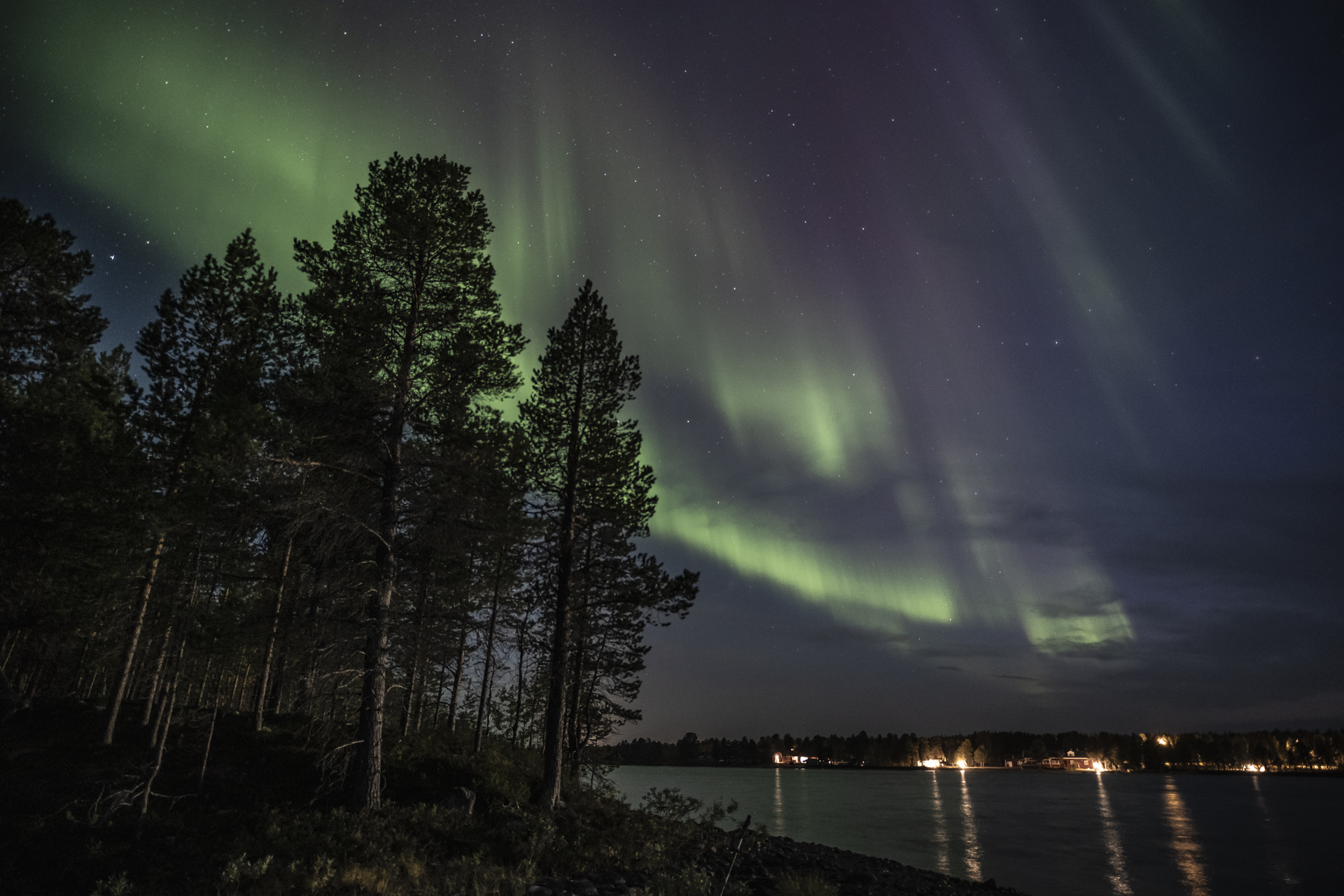
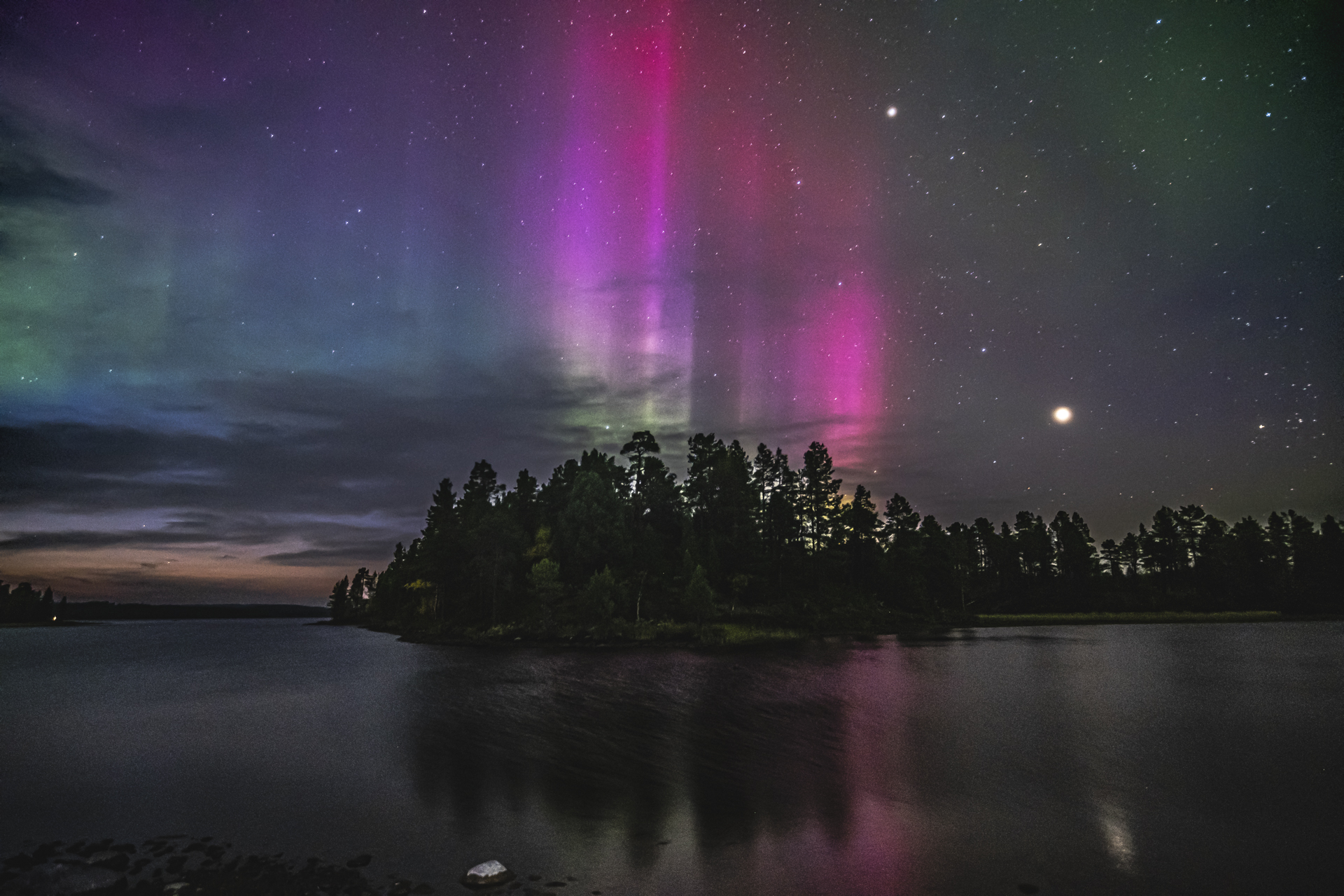
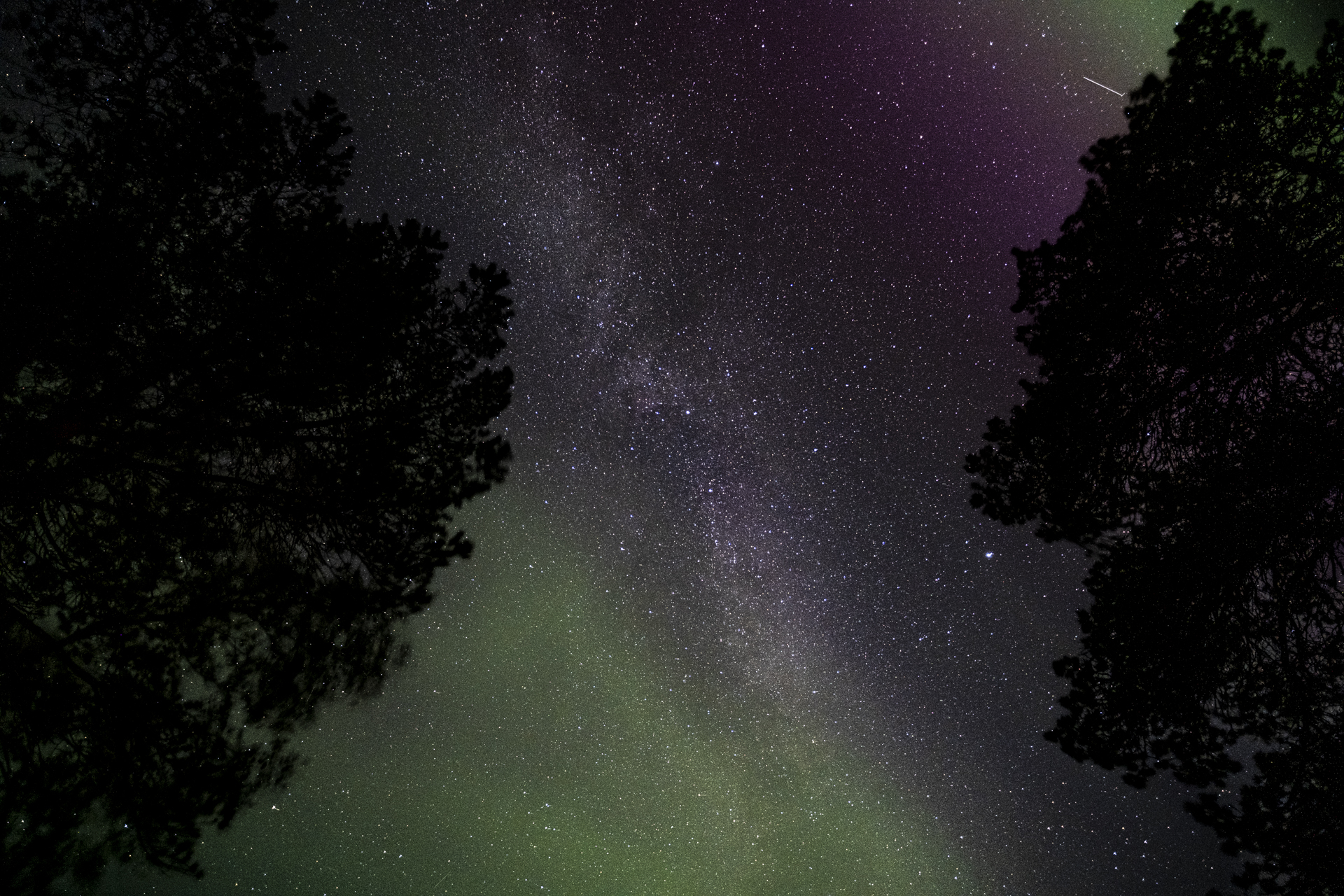
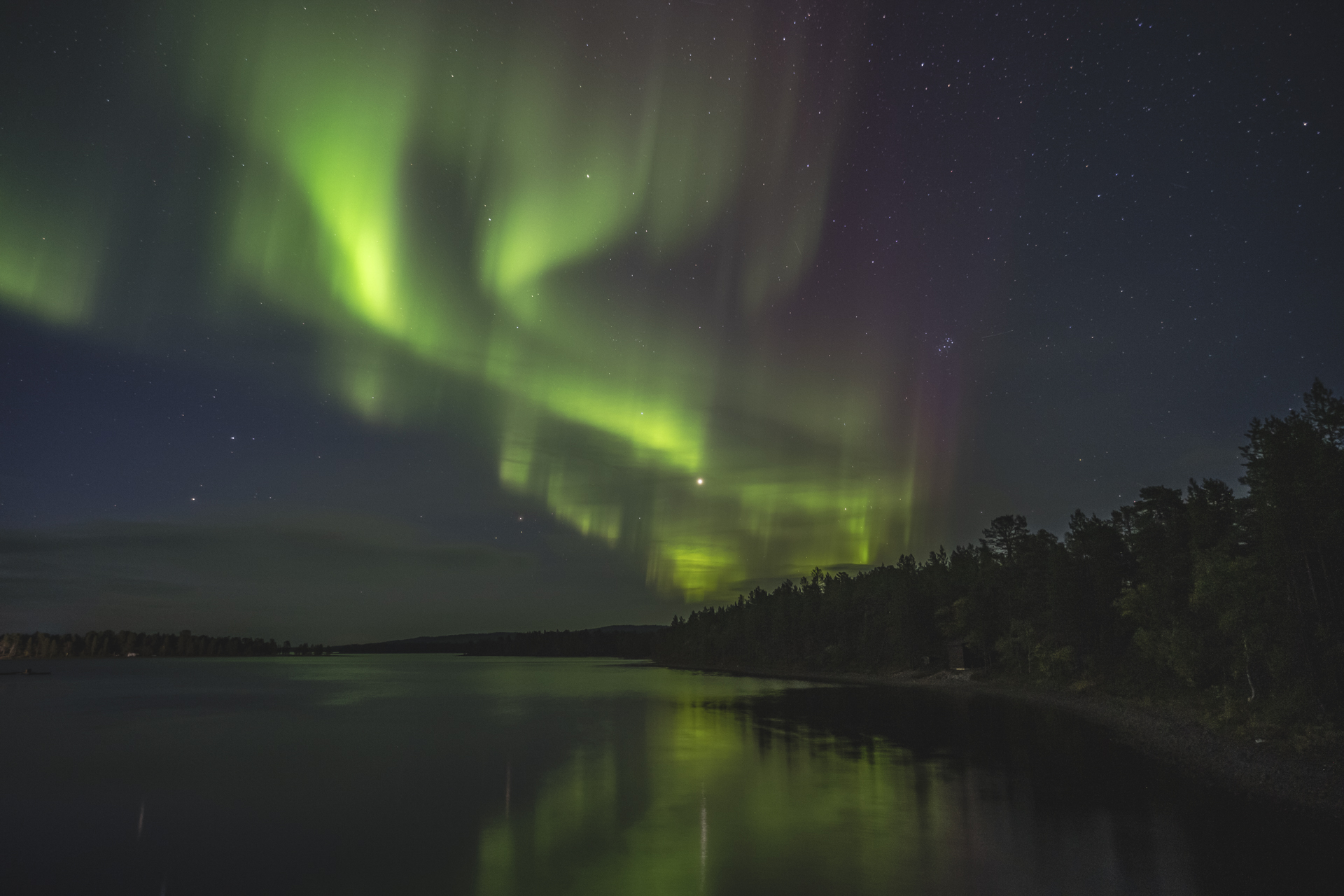
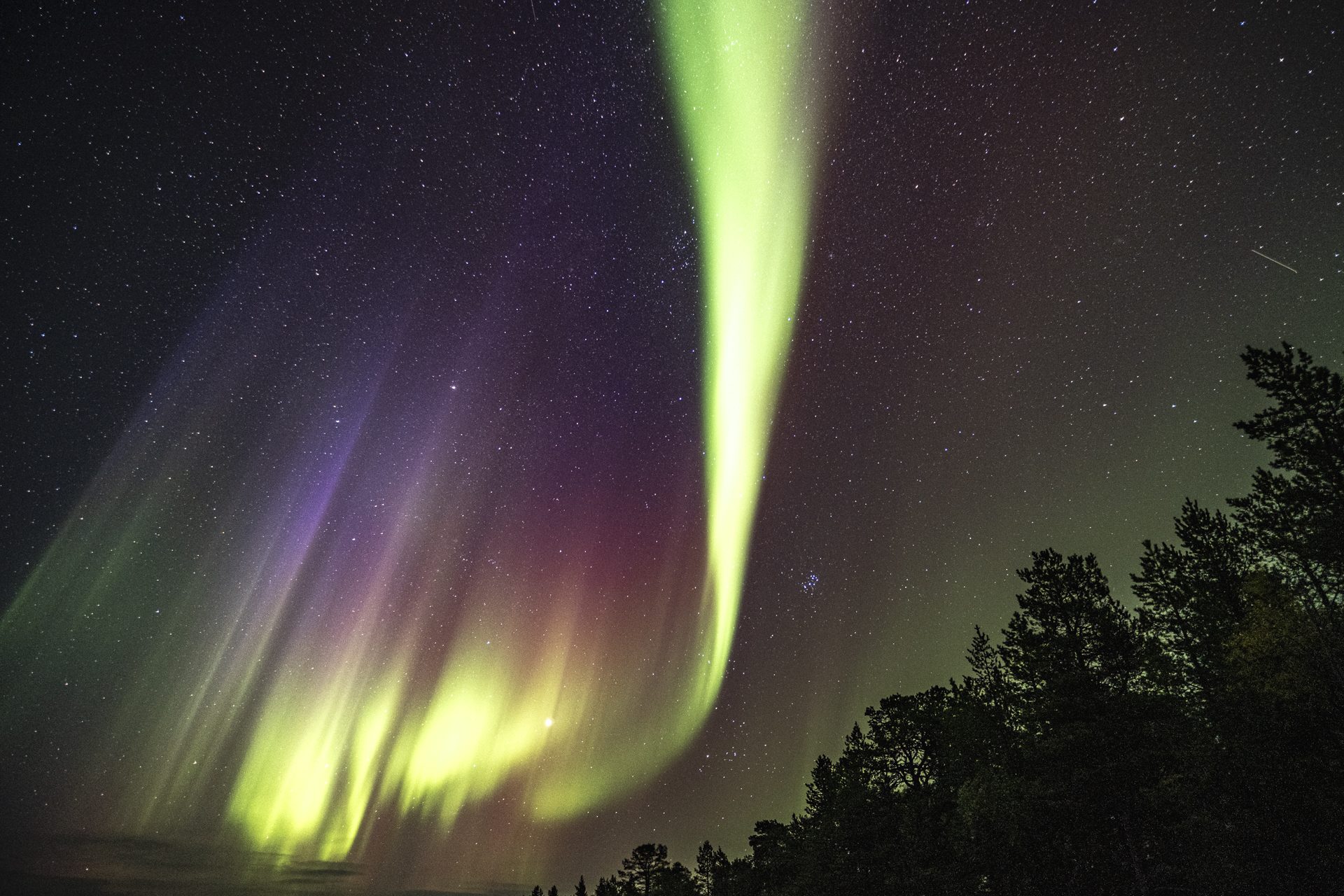
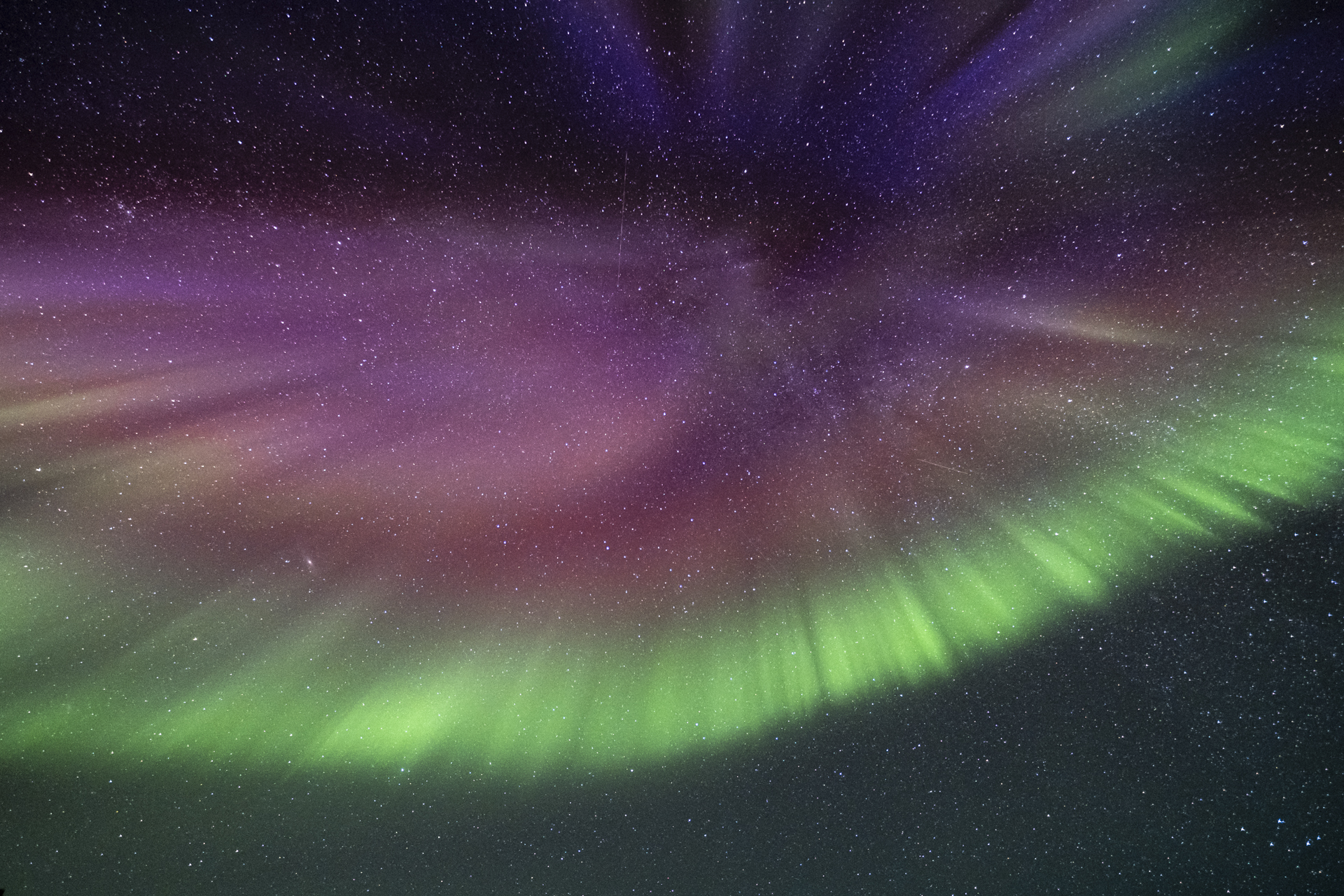
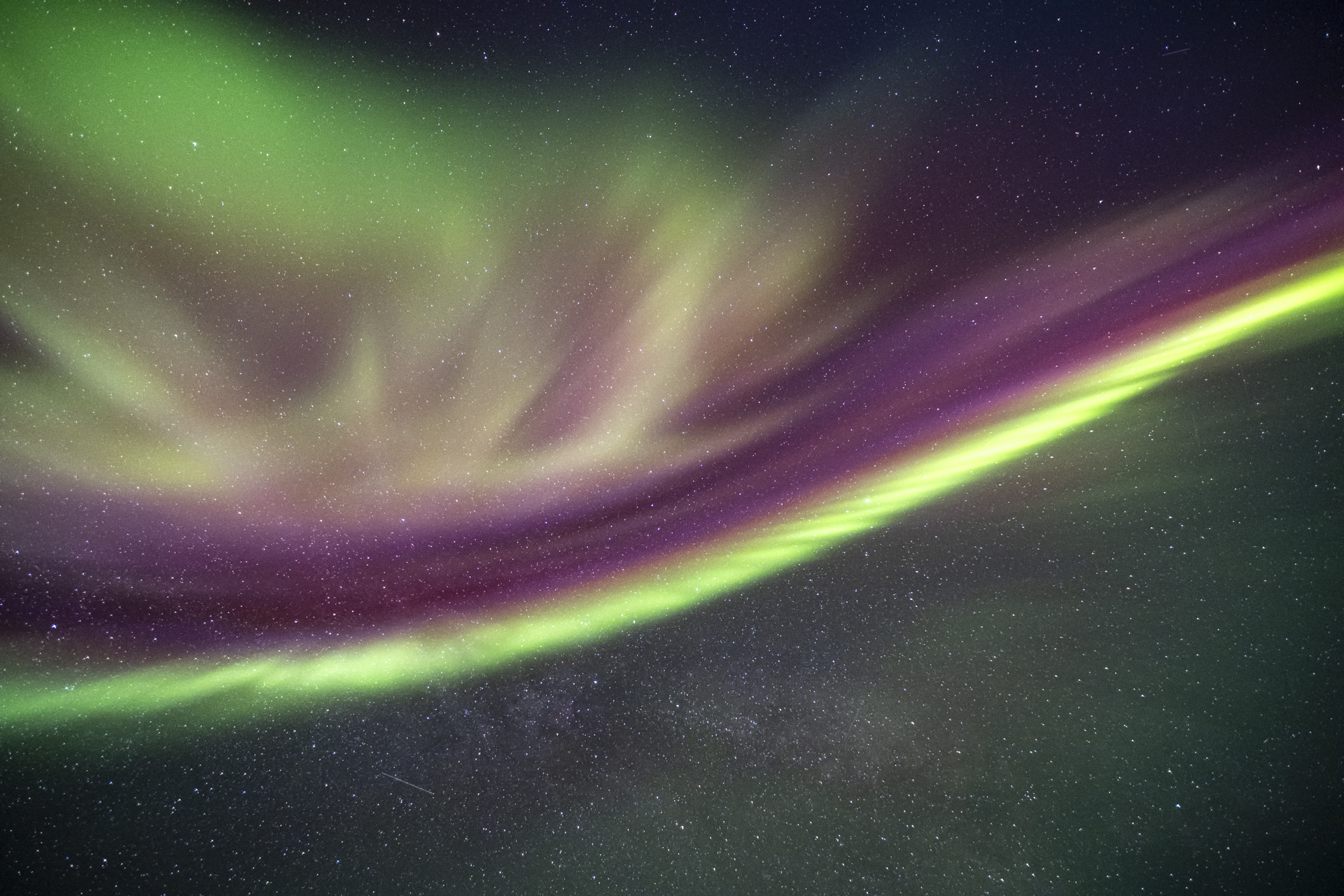
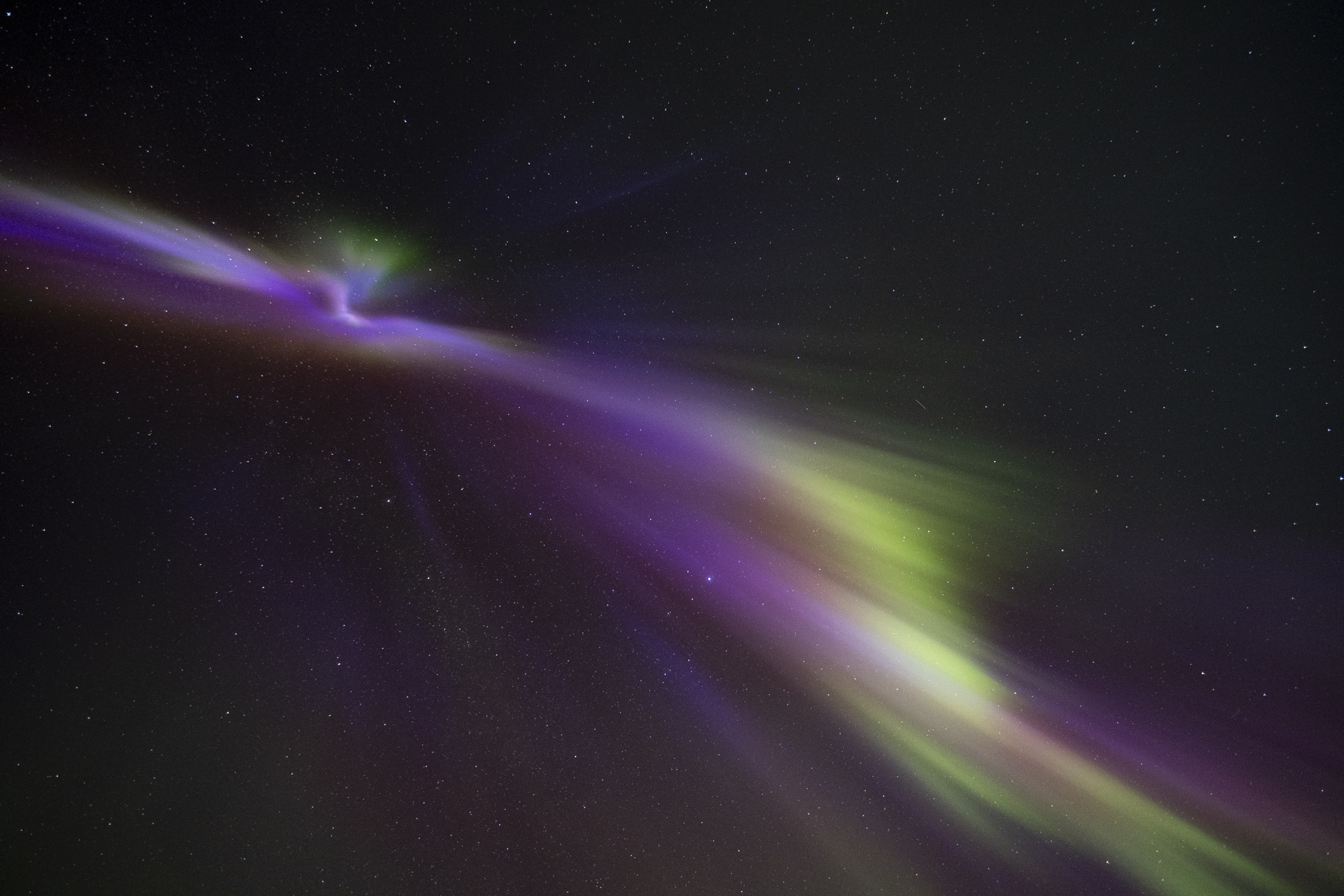
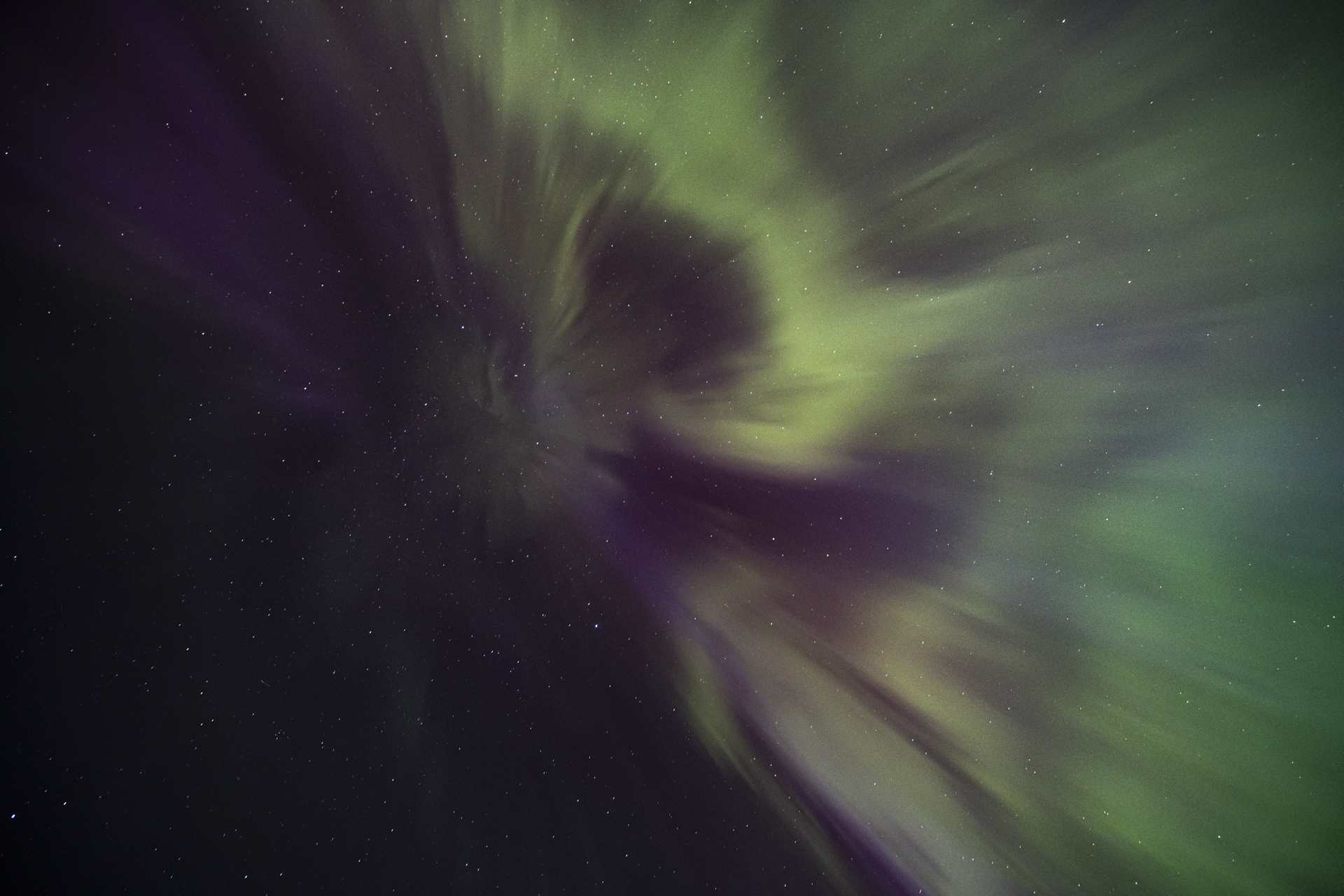
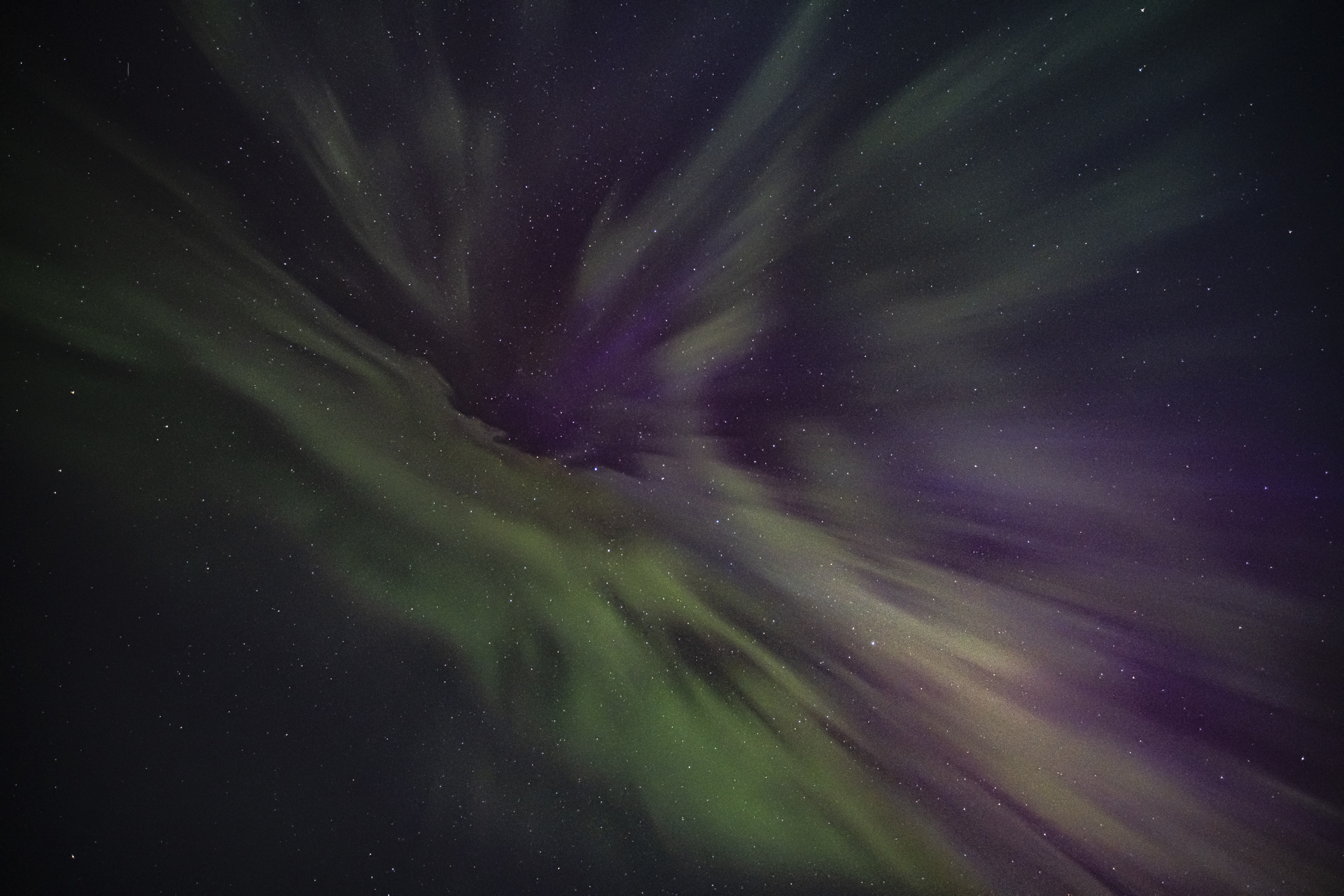
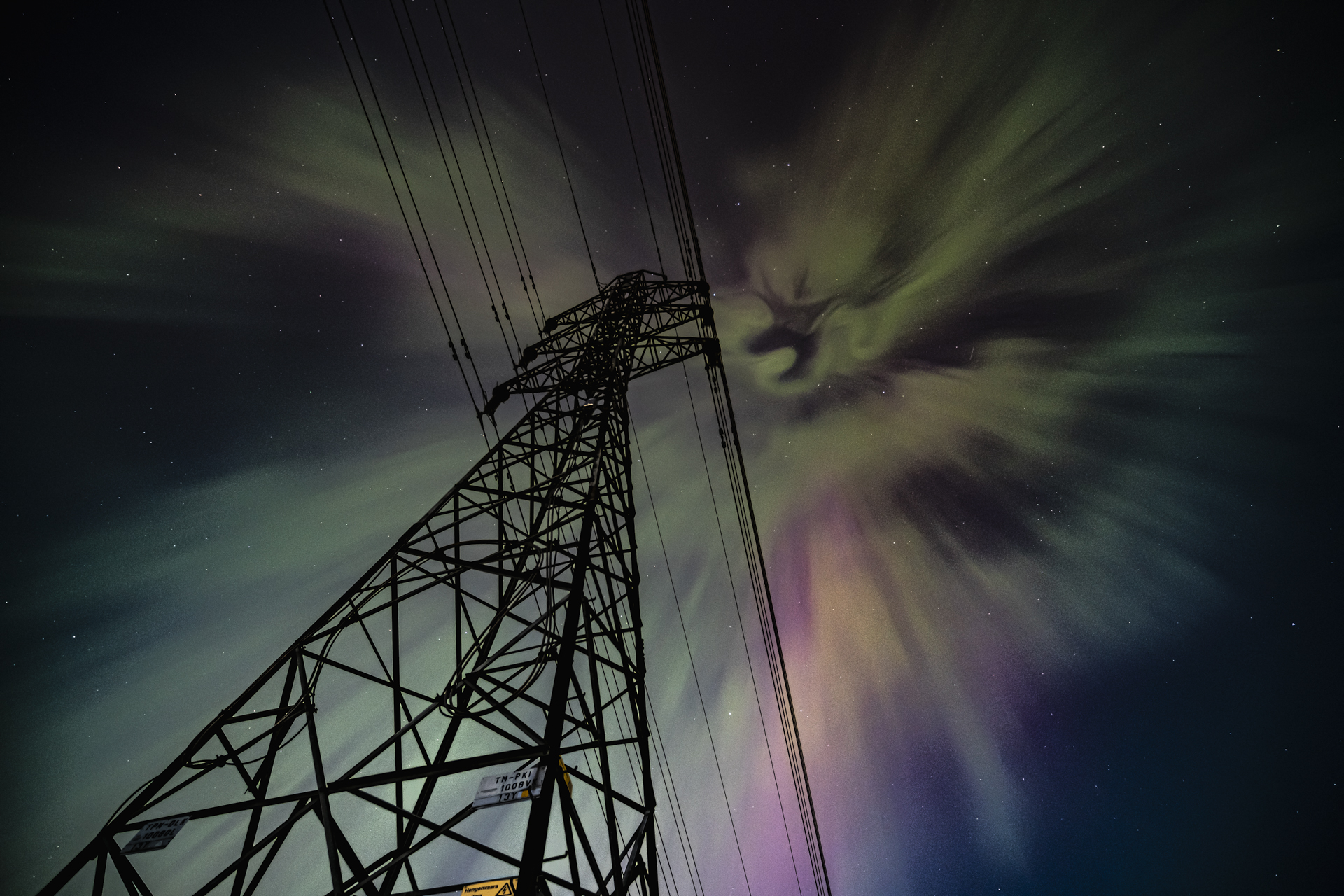
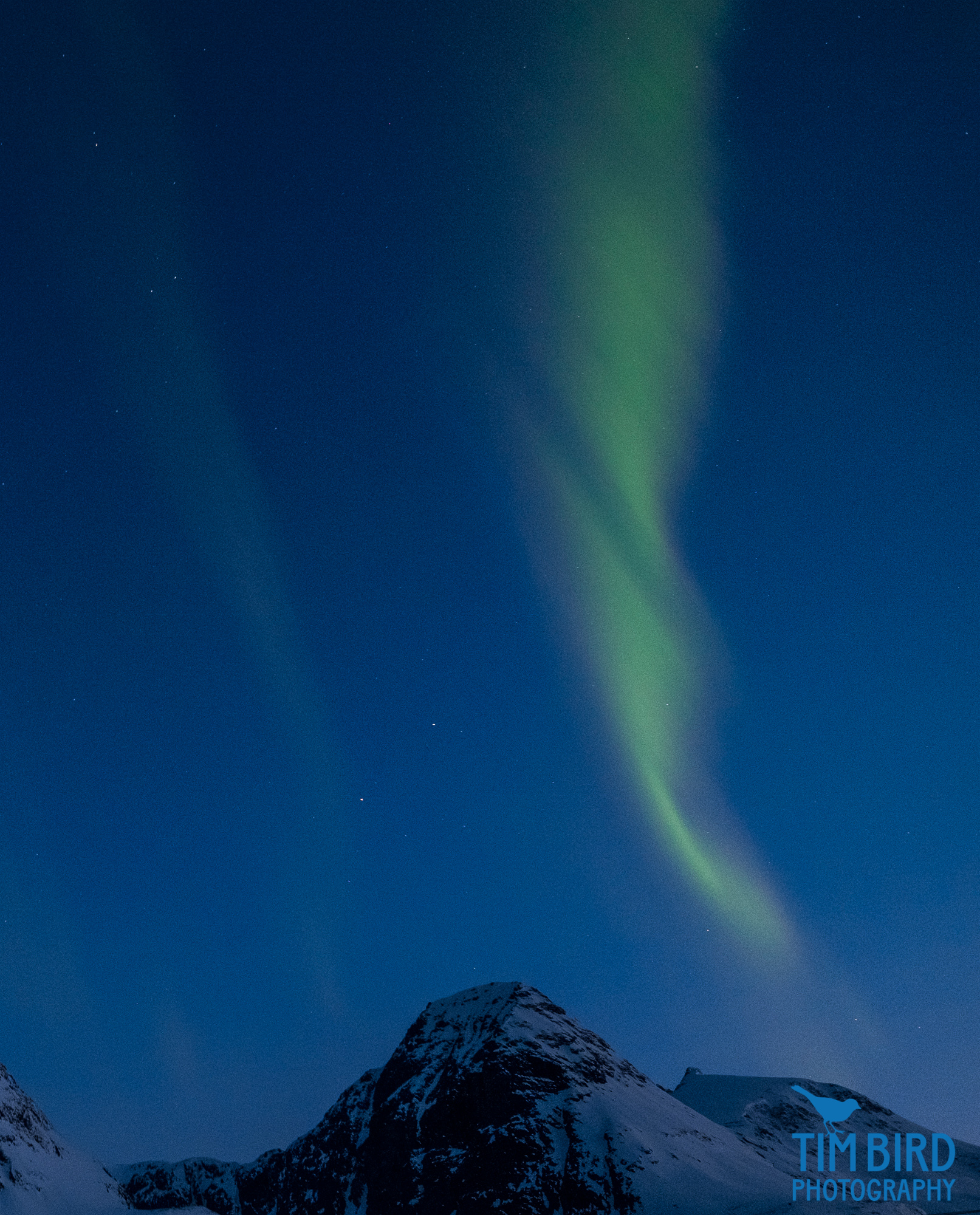
Anyway, I thought I’d post a big selection of my best aurora moments over the course of the 2024 as a celebration as the turn of the year approaches. I hope you enjoy the show! The first block of images are from my September trip to the village of Sevettijärvi in Lapland, way above the Arctic Circle in northern Finland.
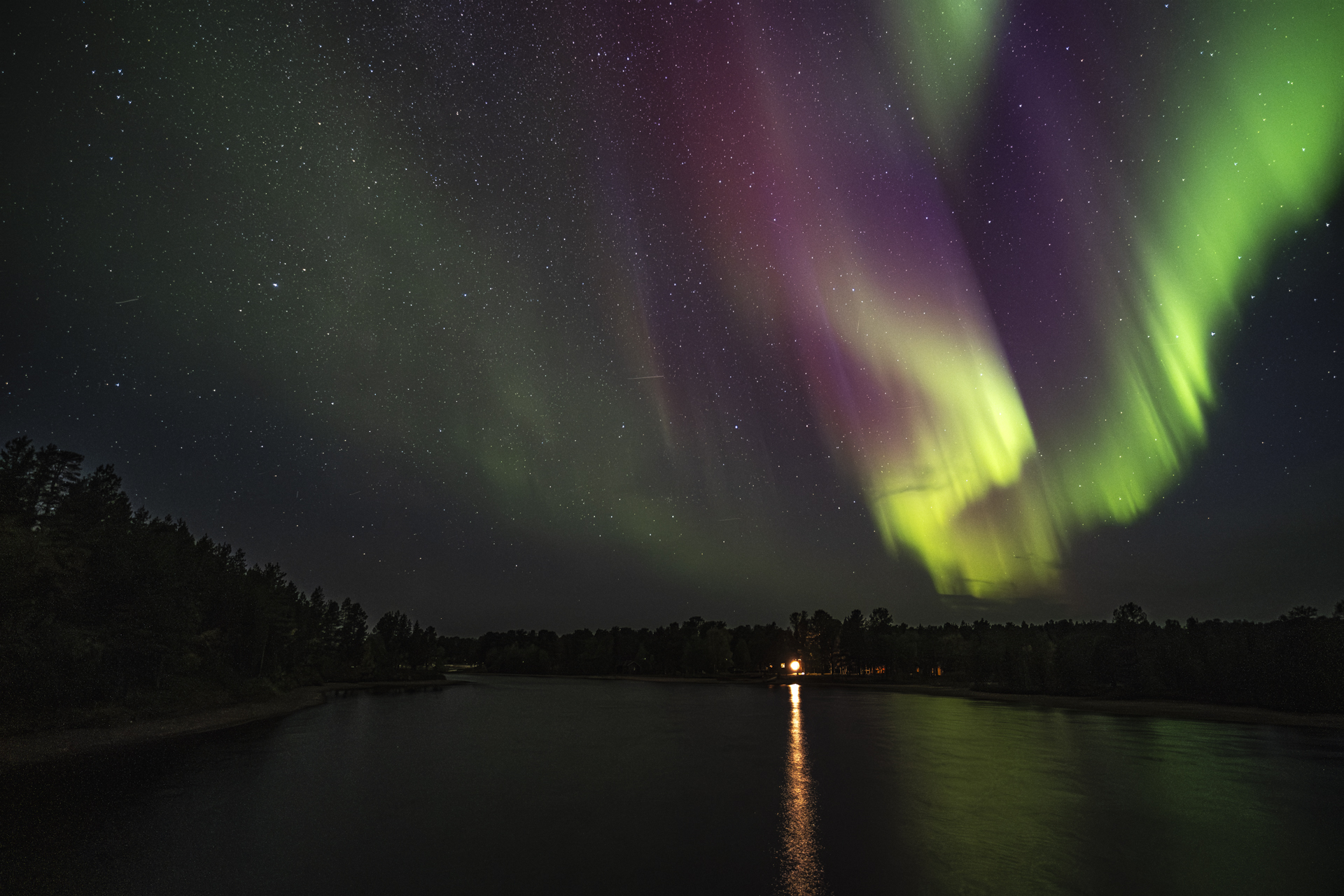
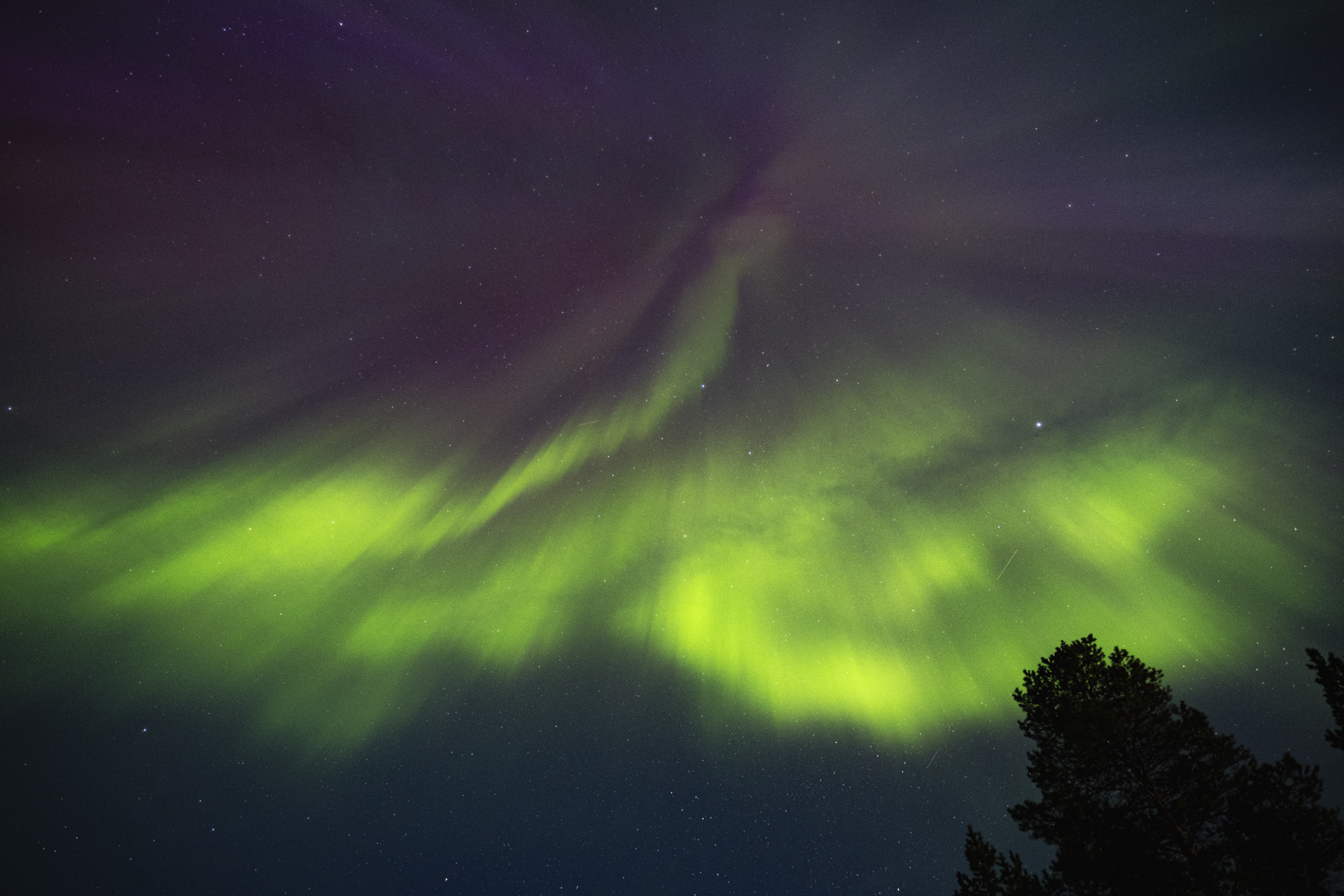
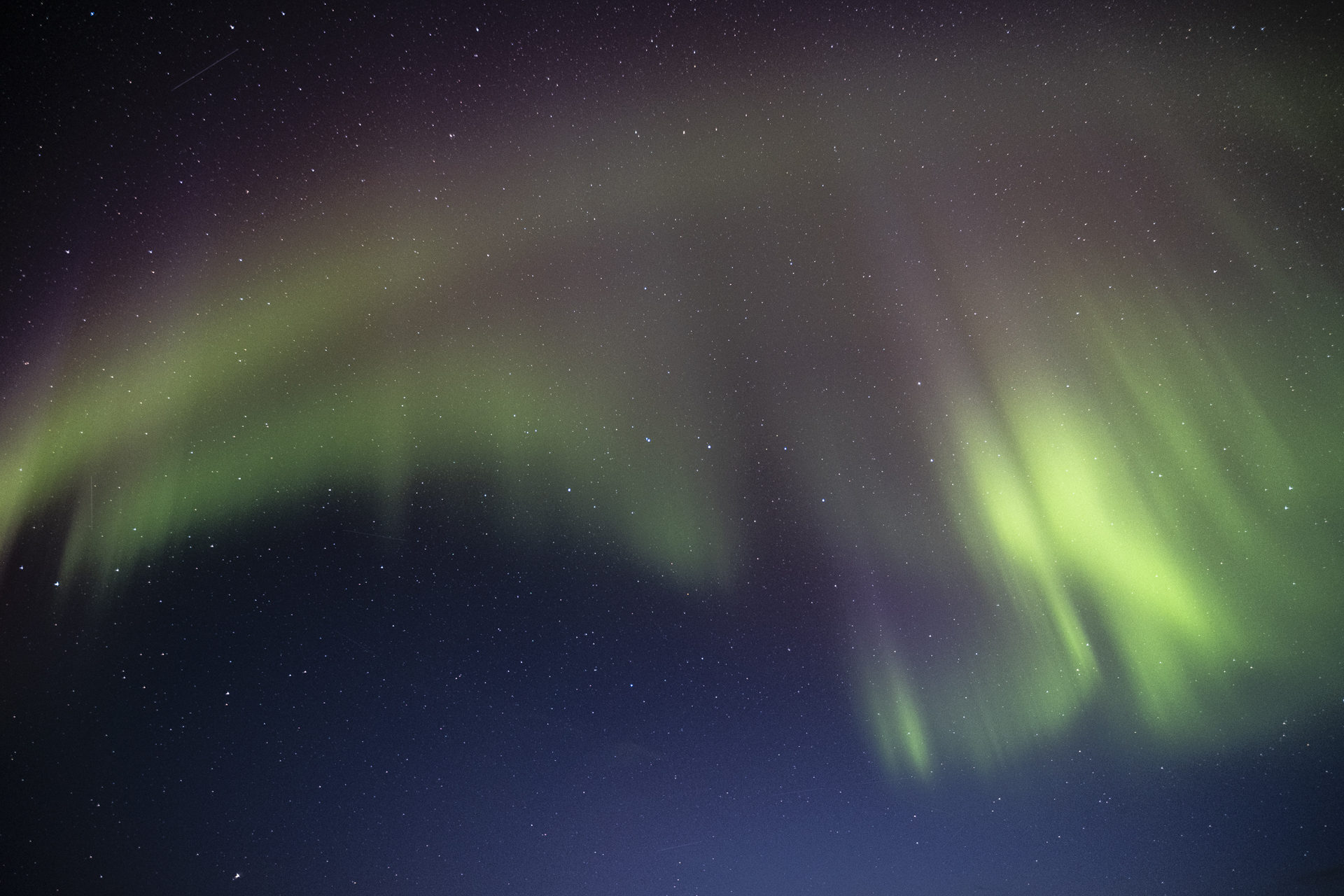
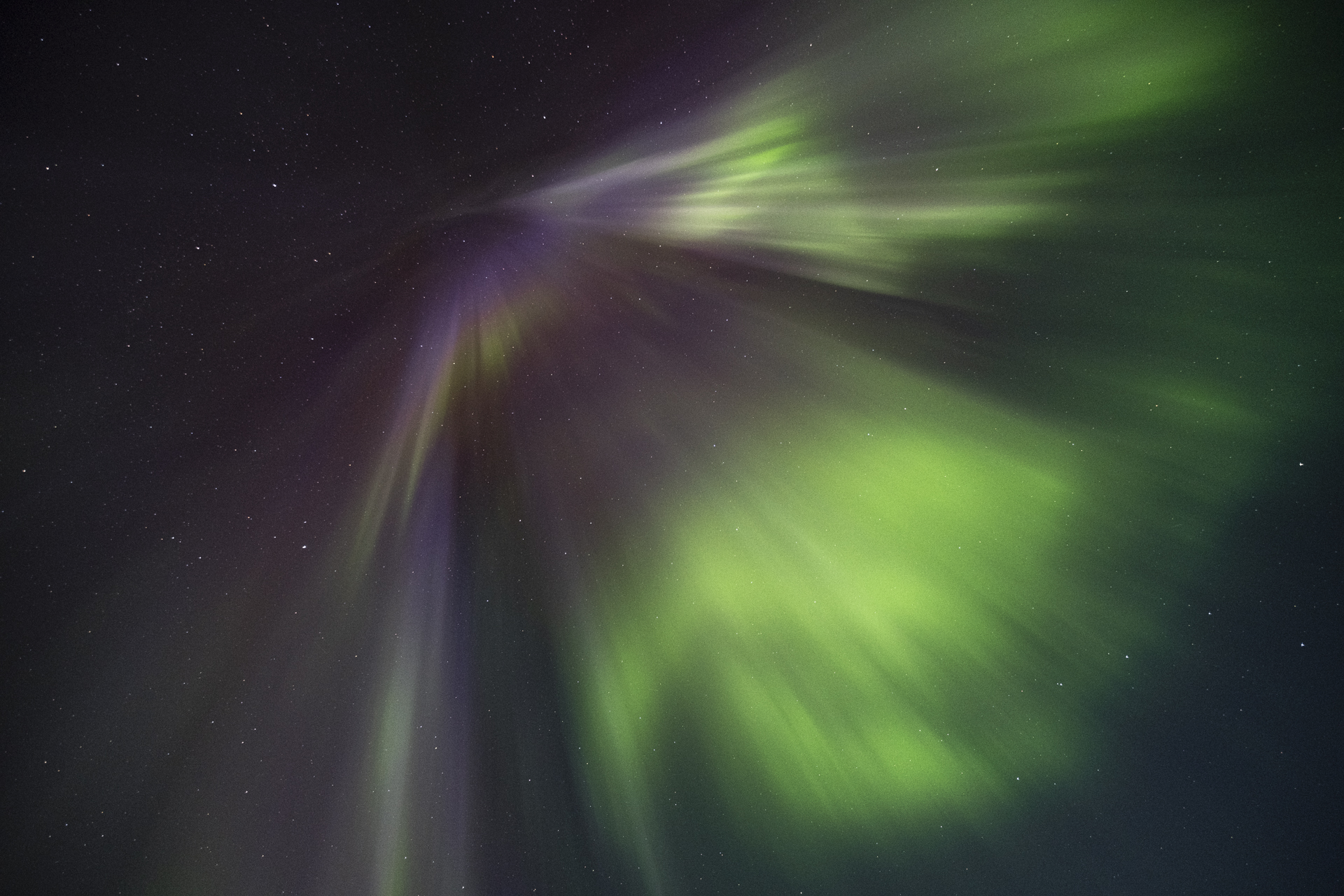
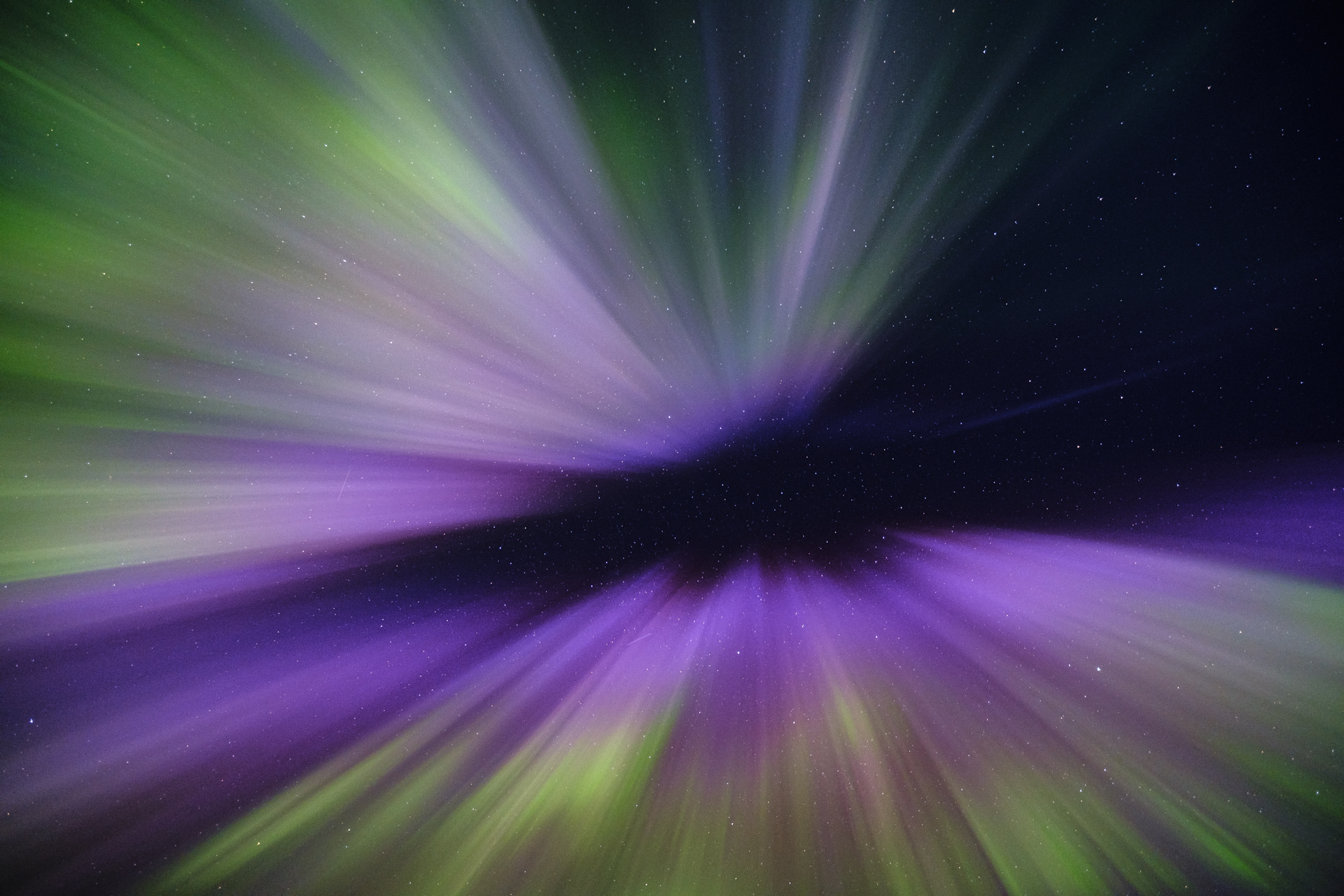
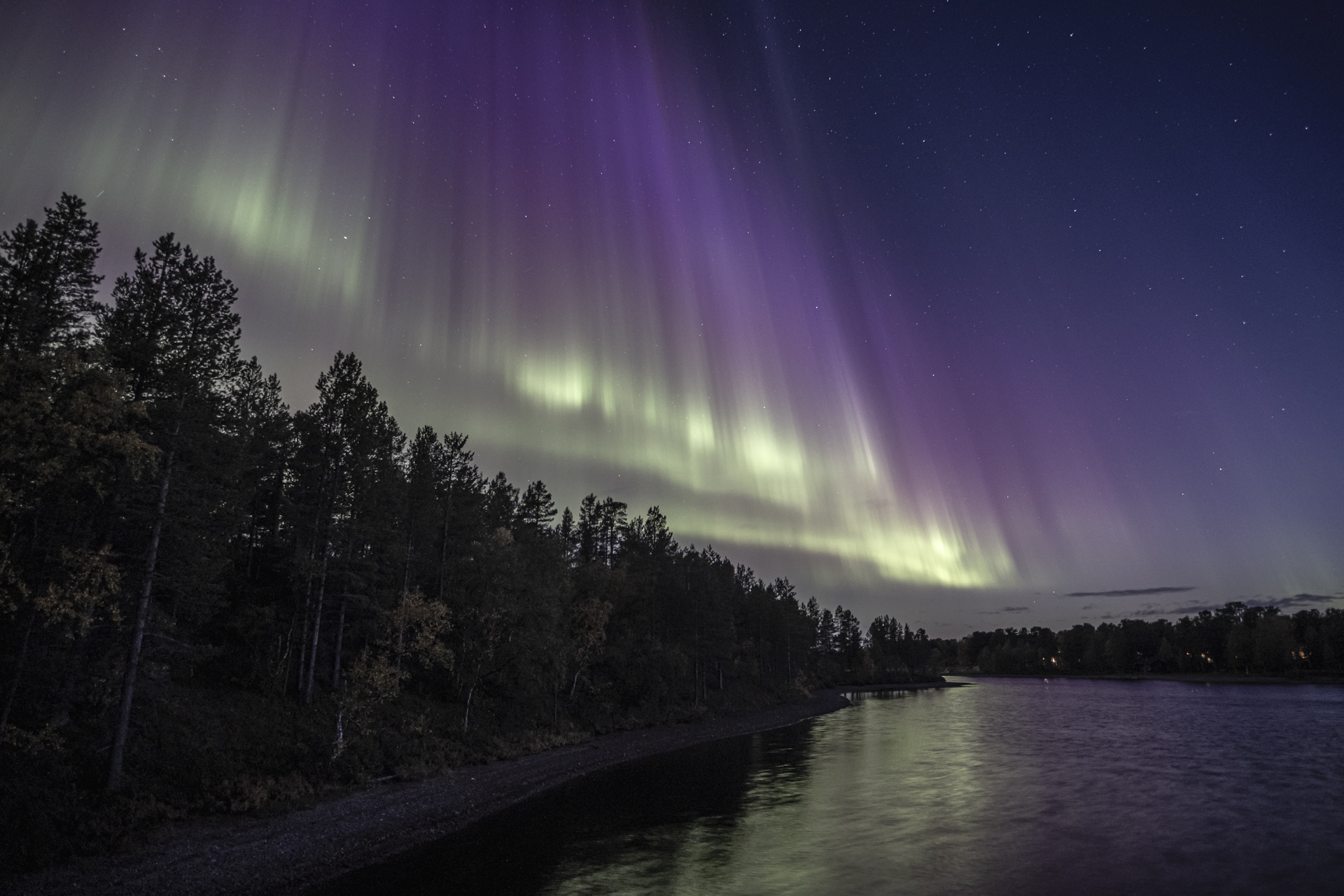
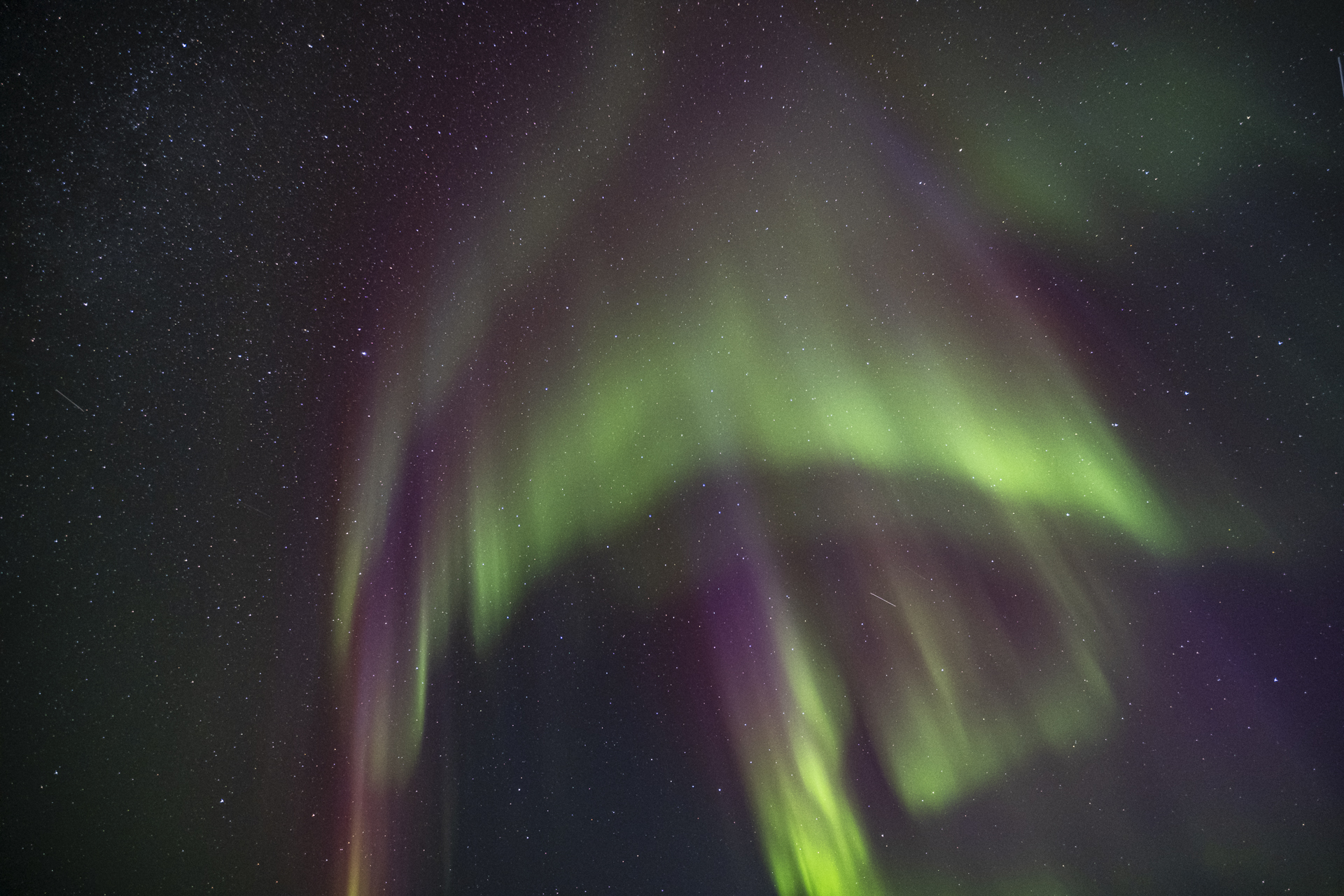
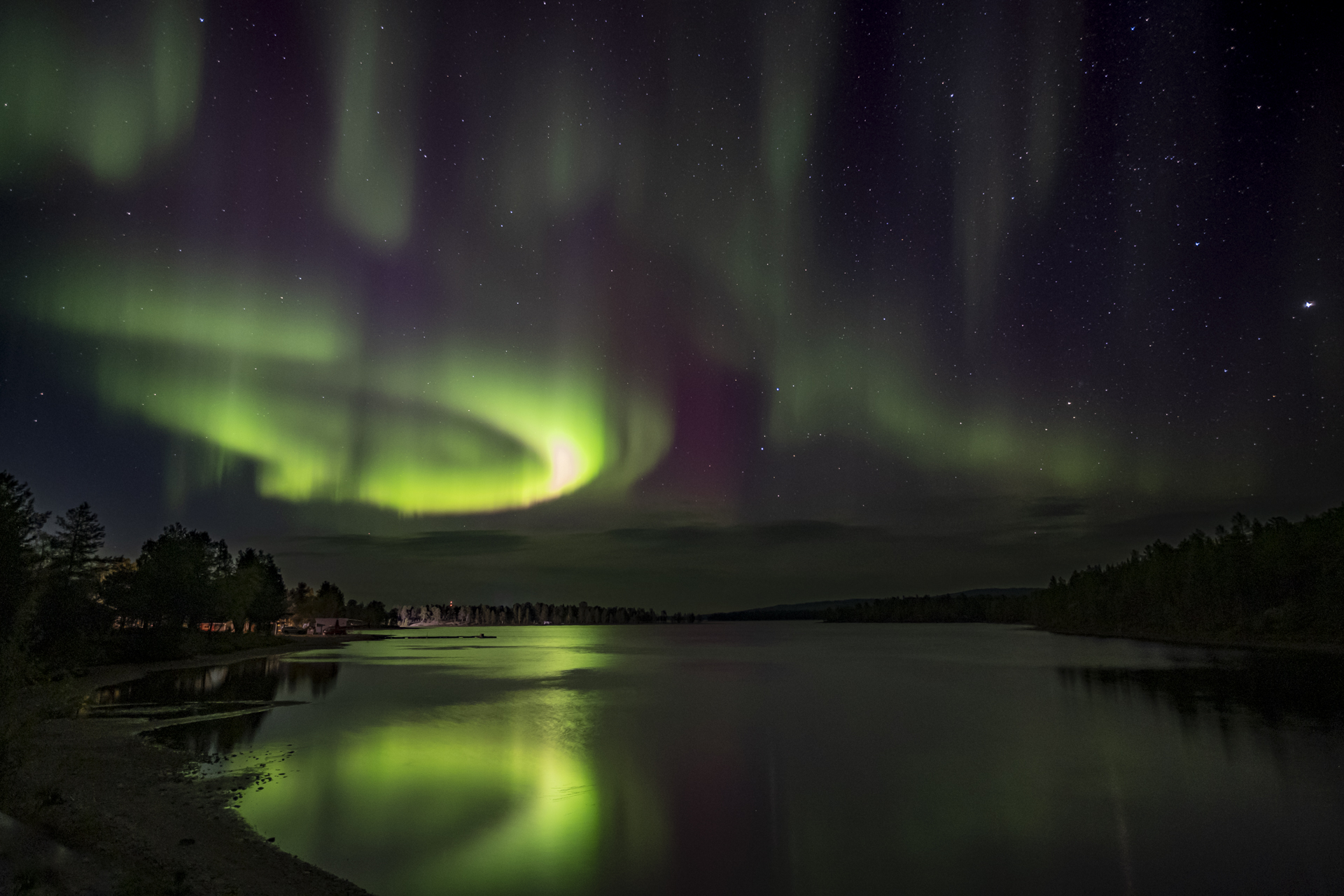
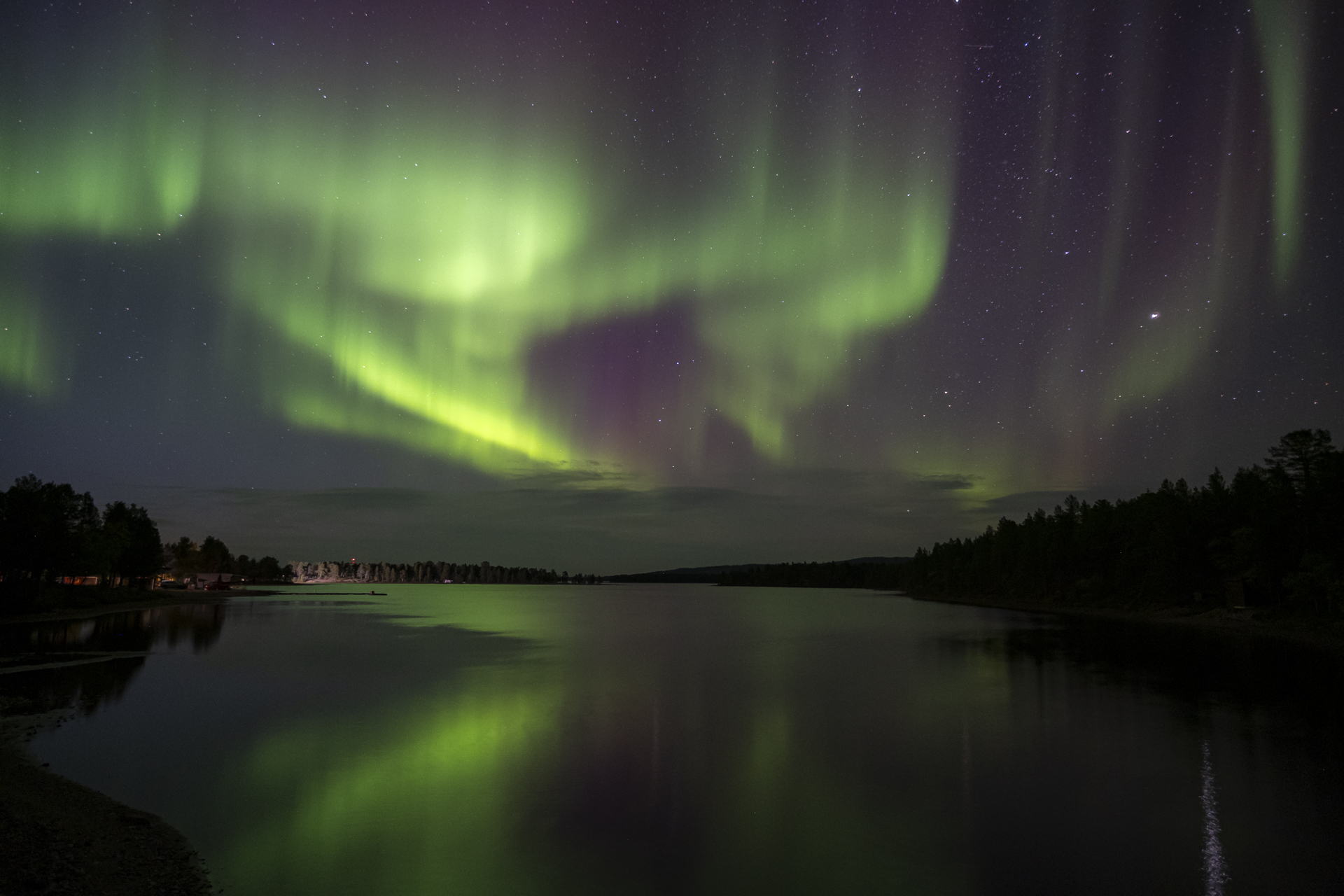
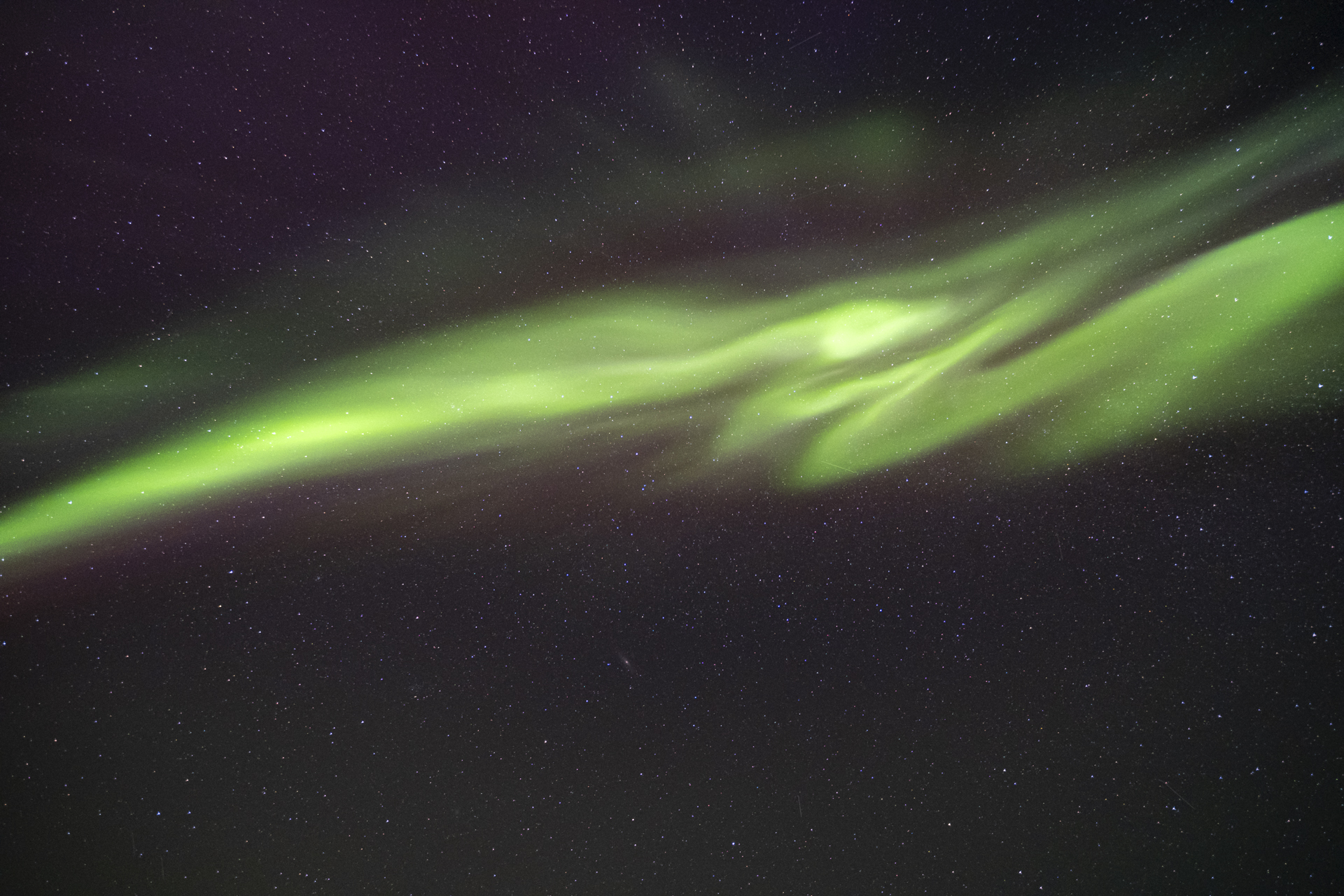
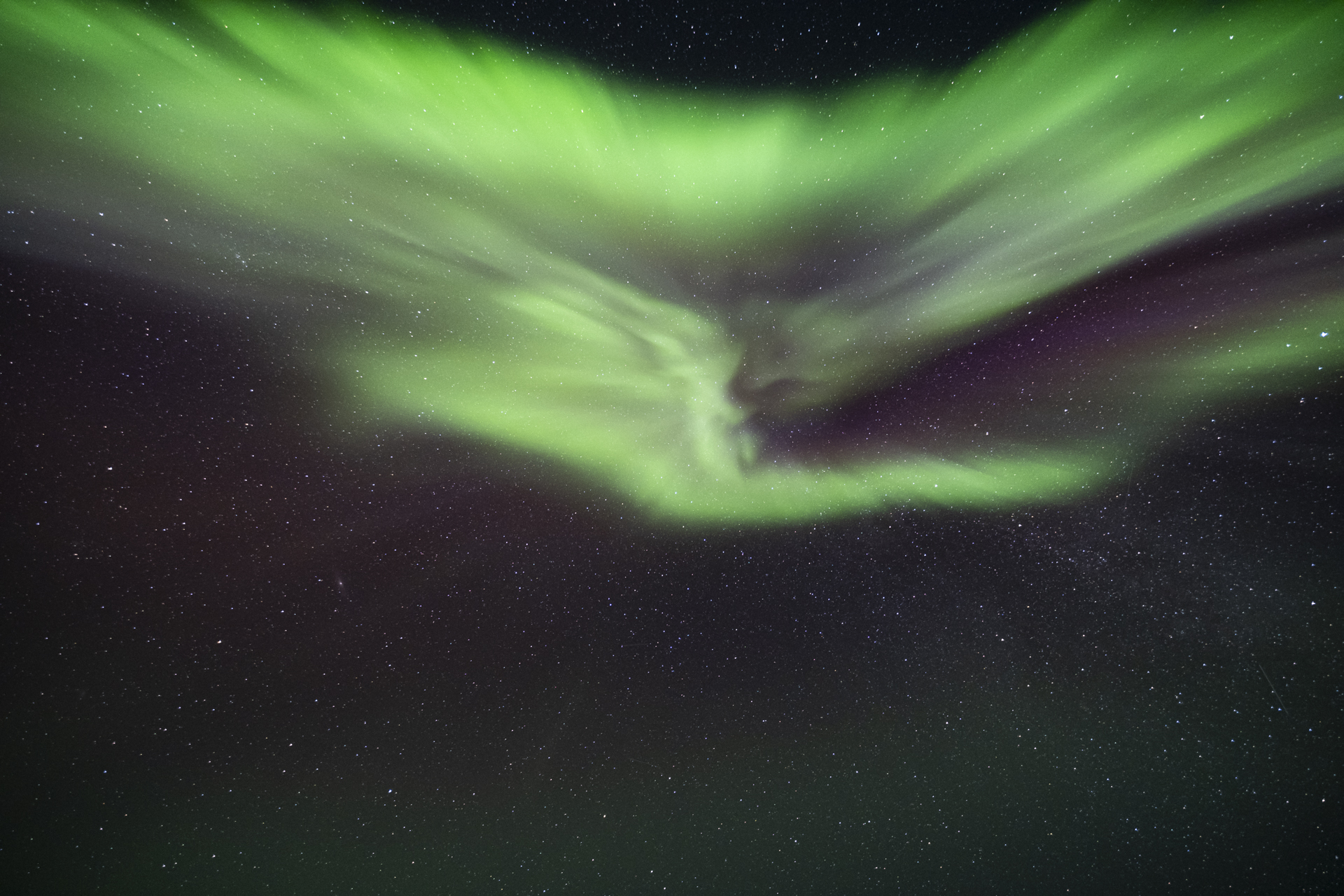
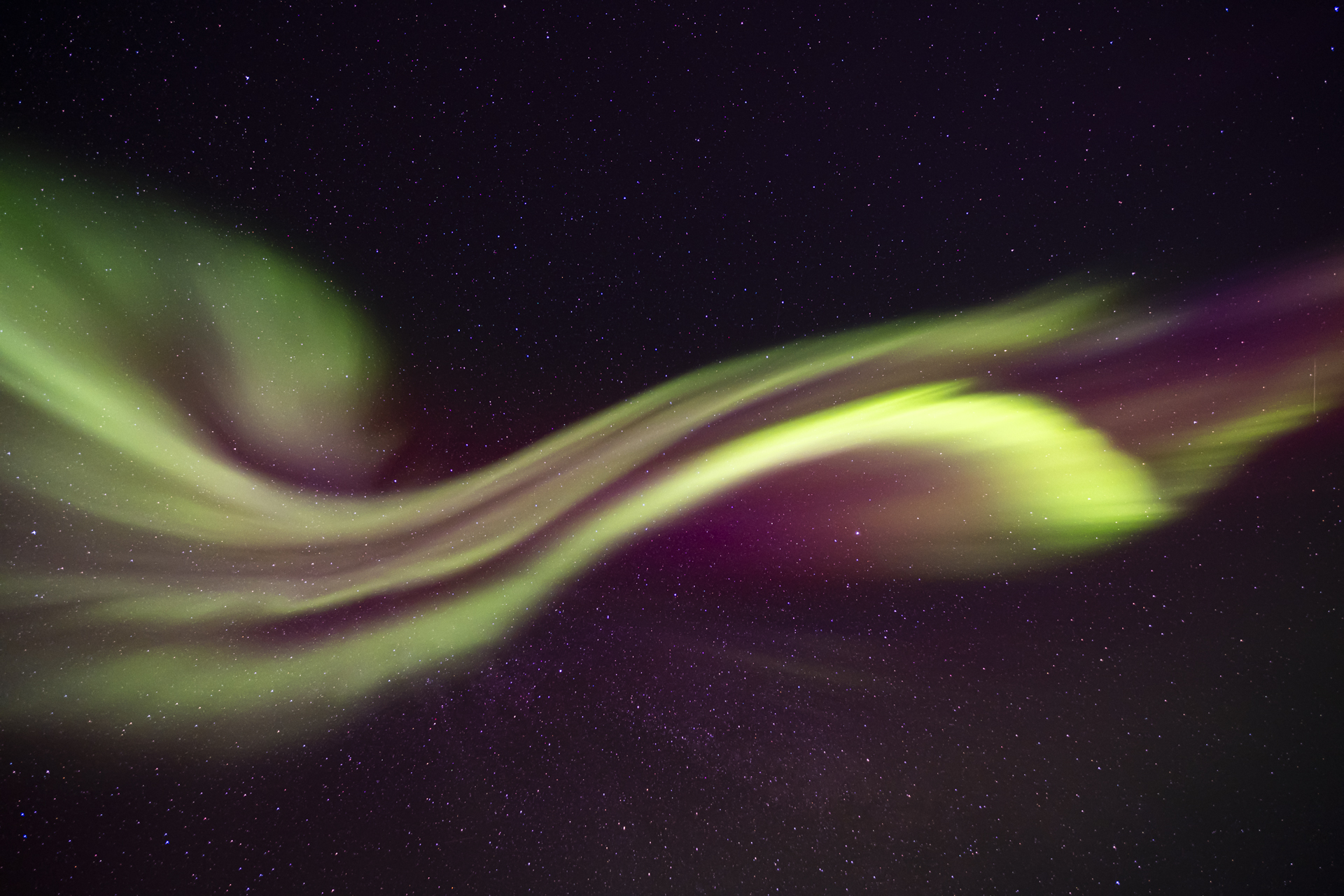
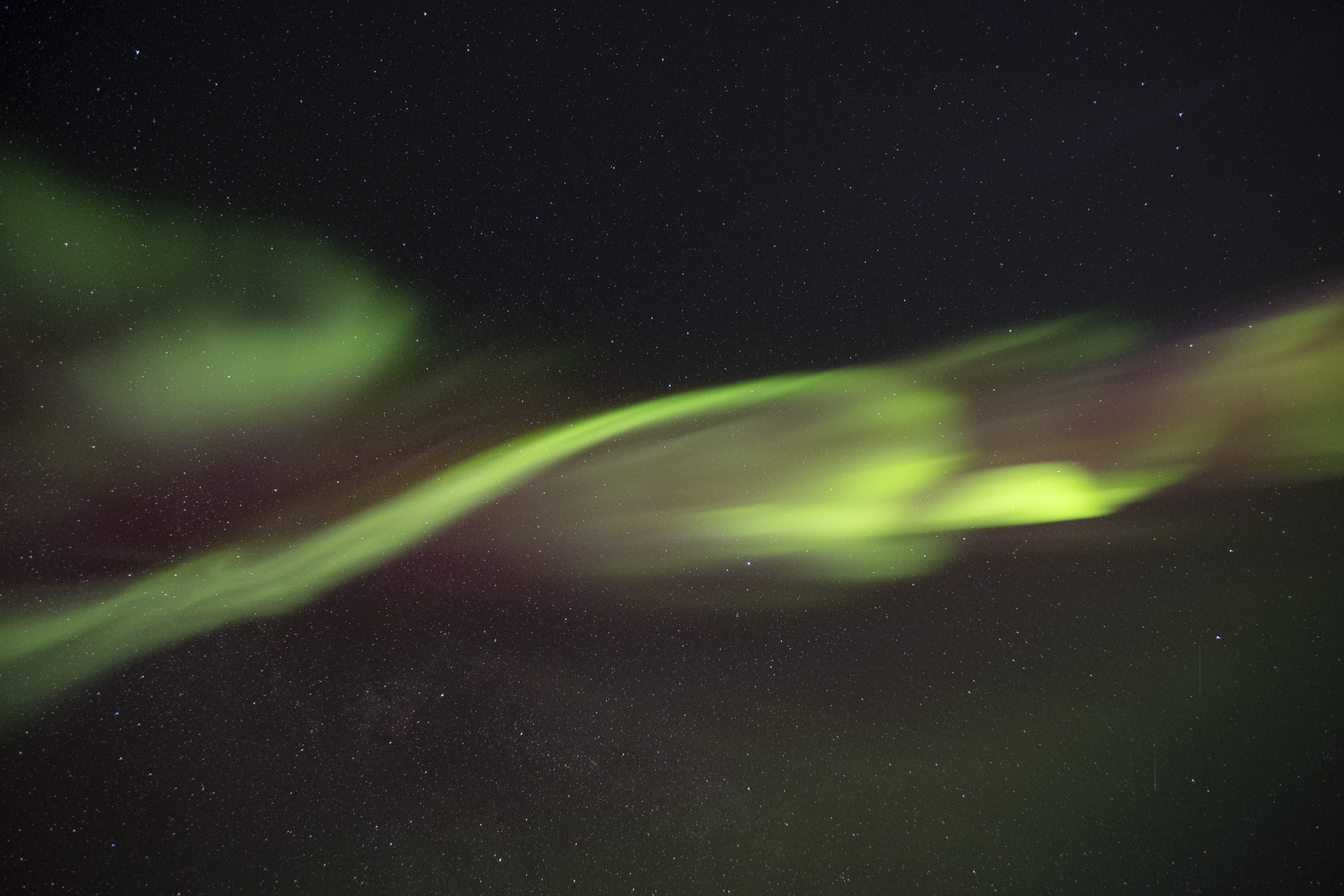
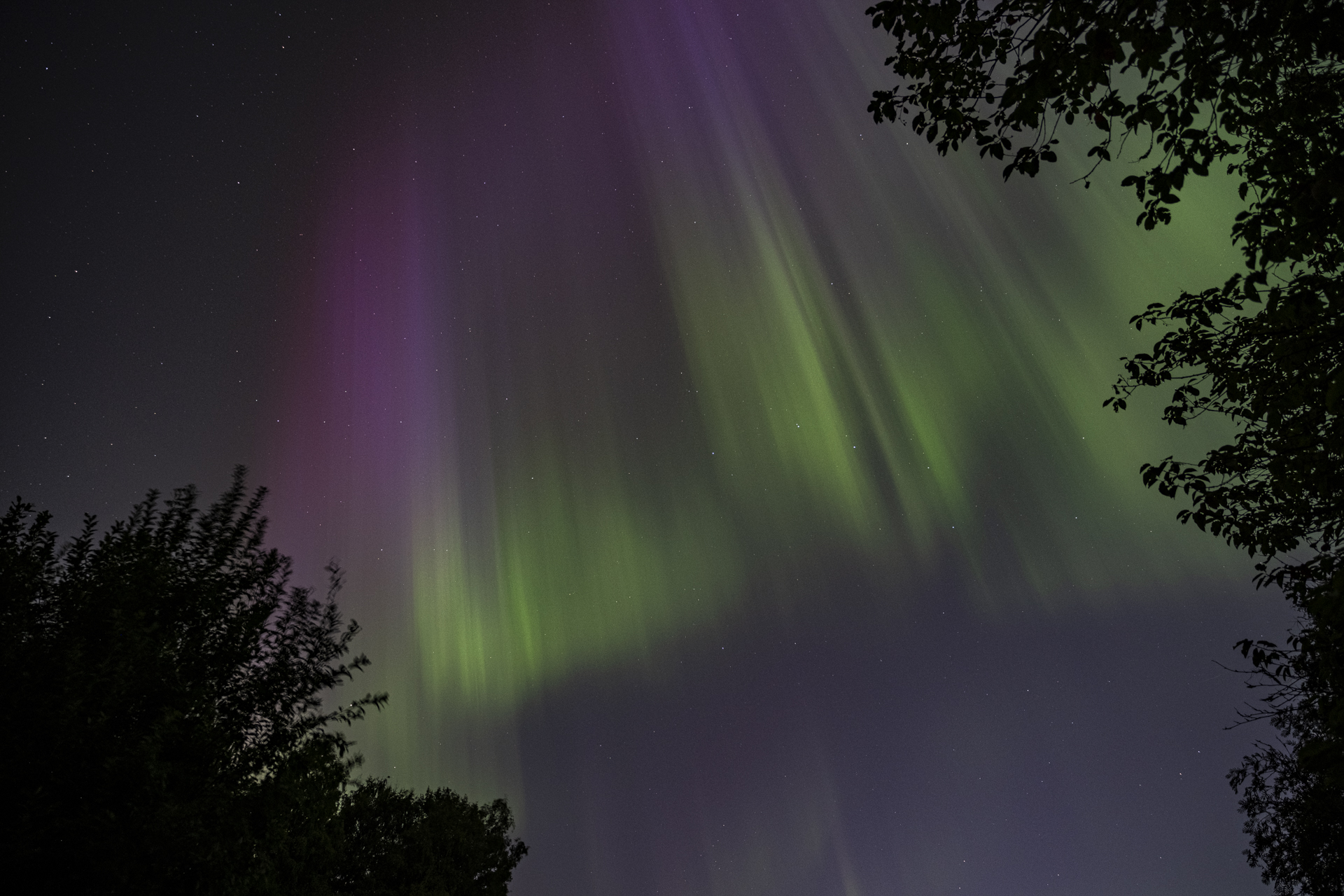
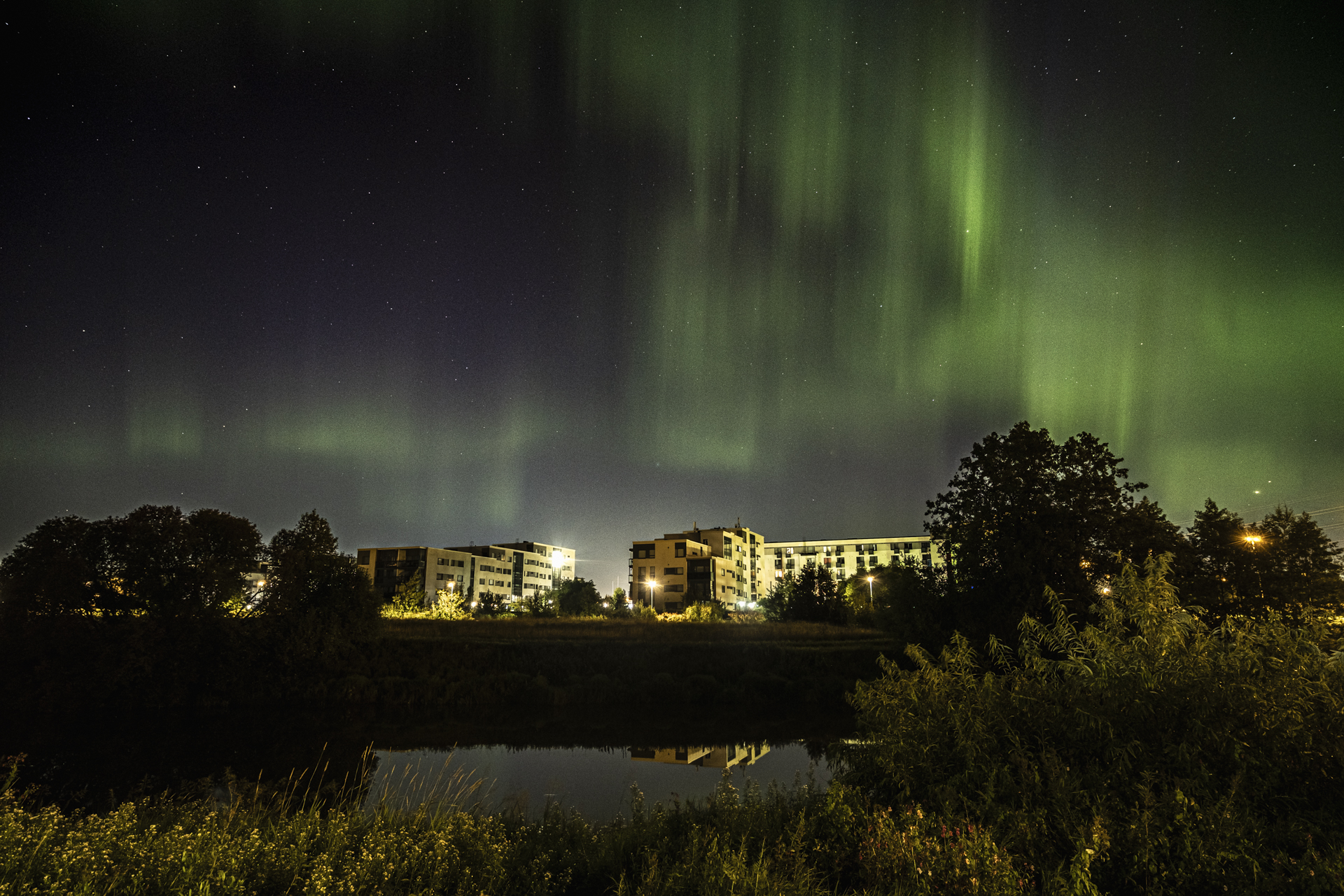
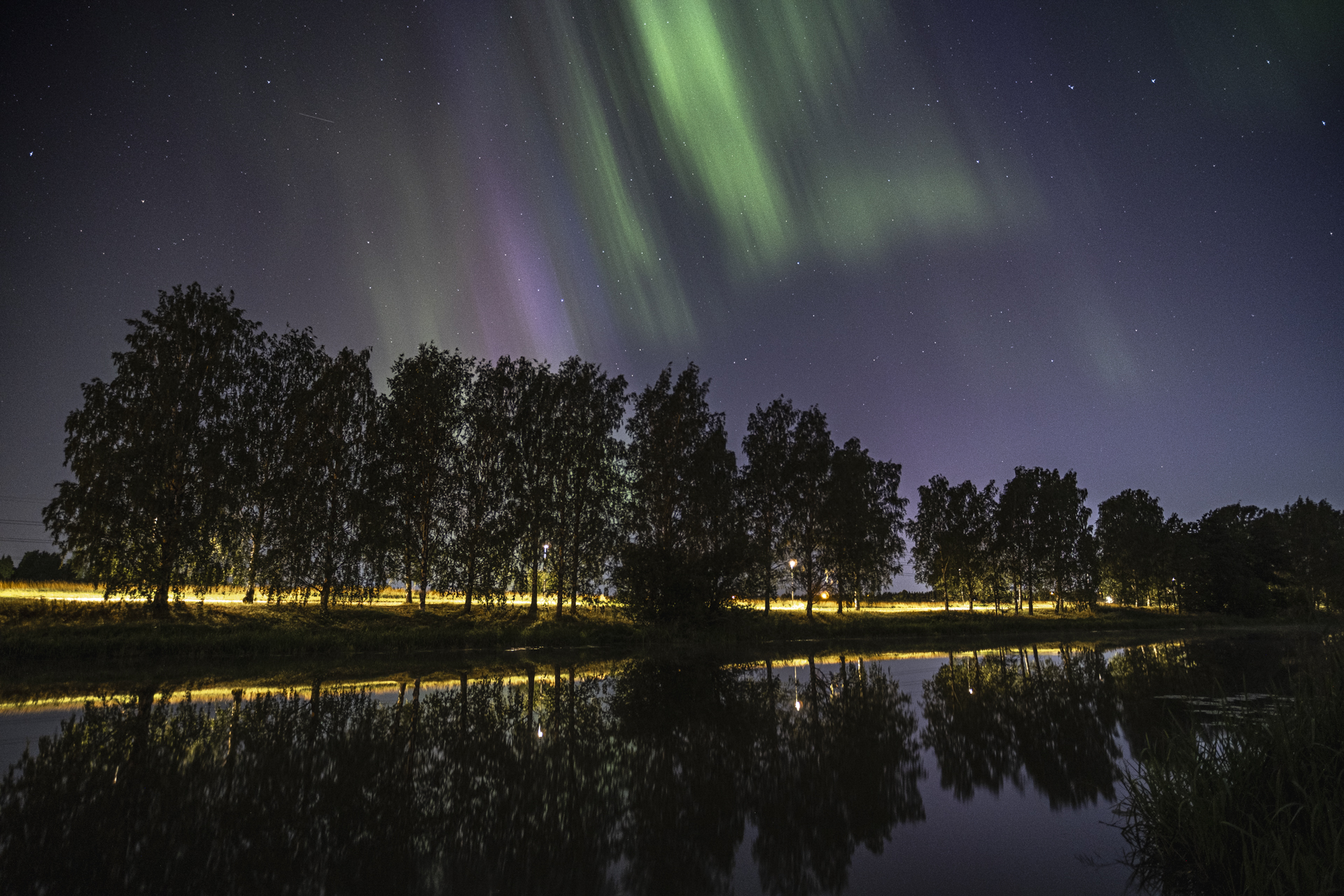
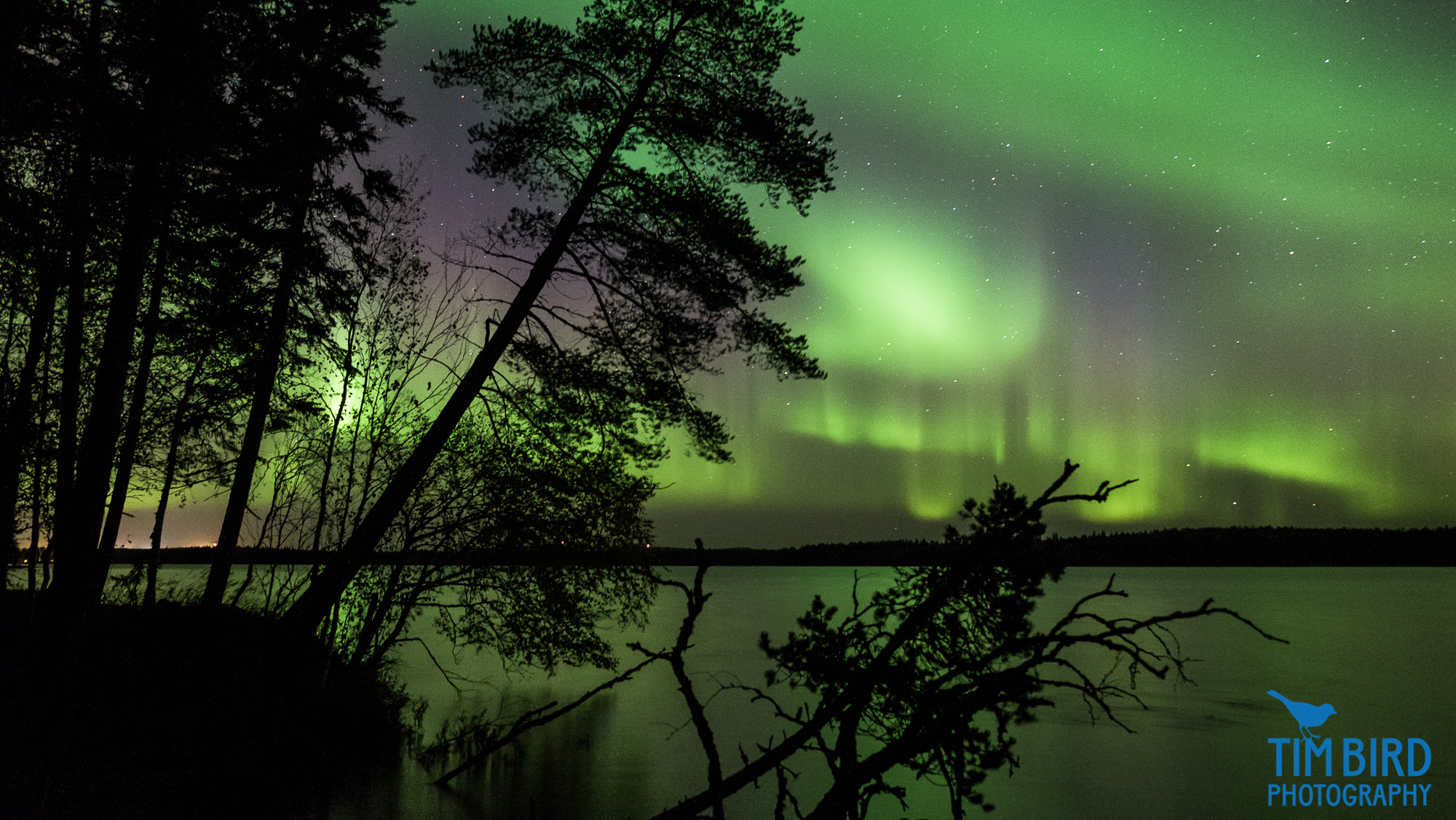
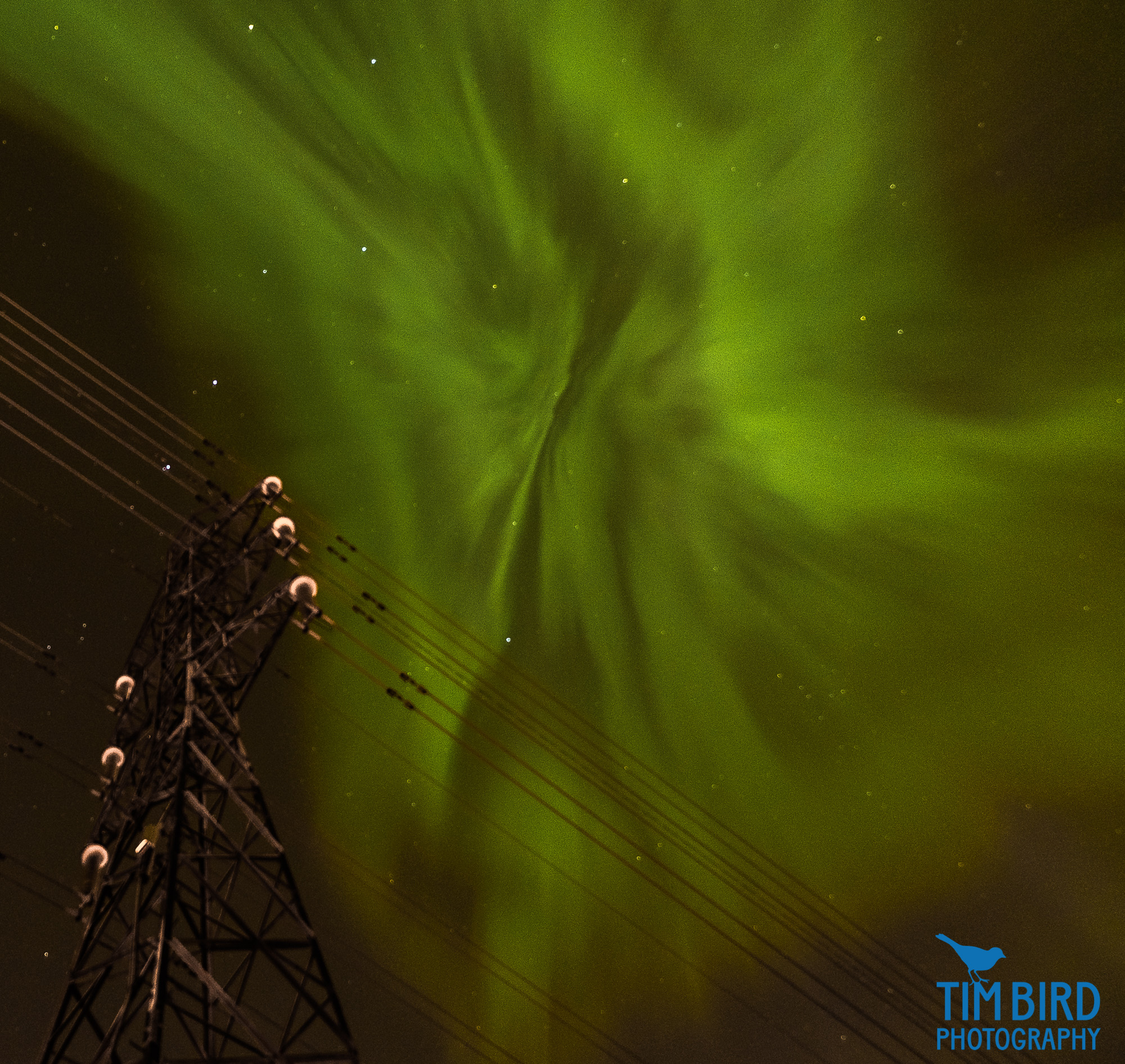
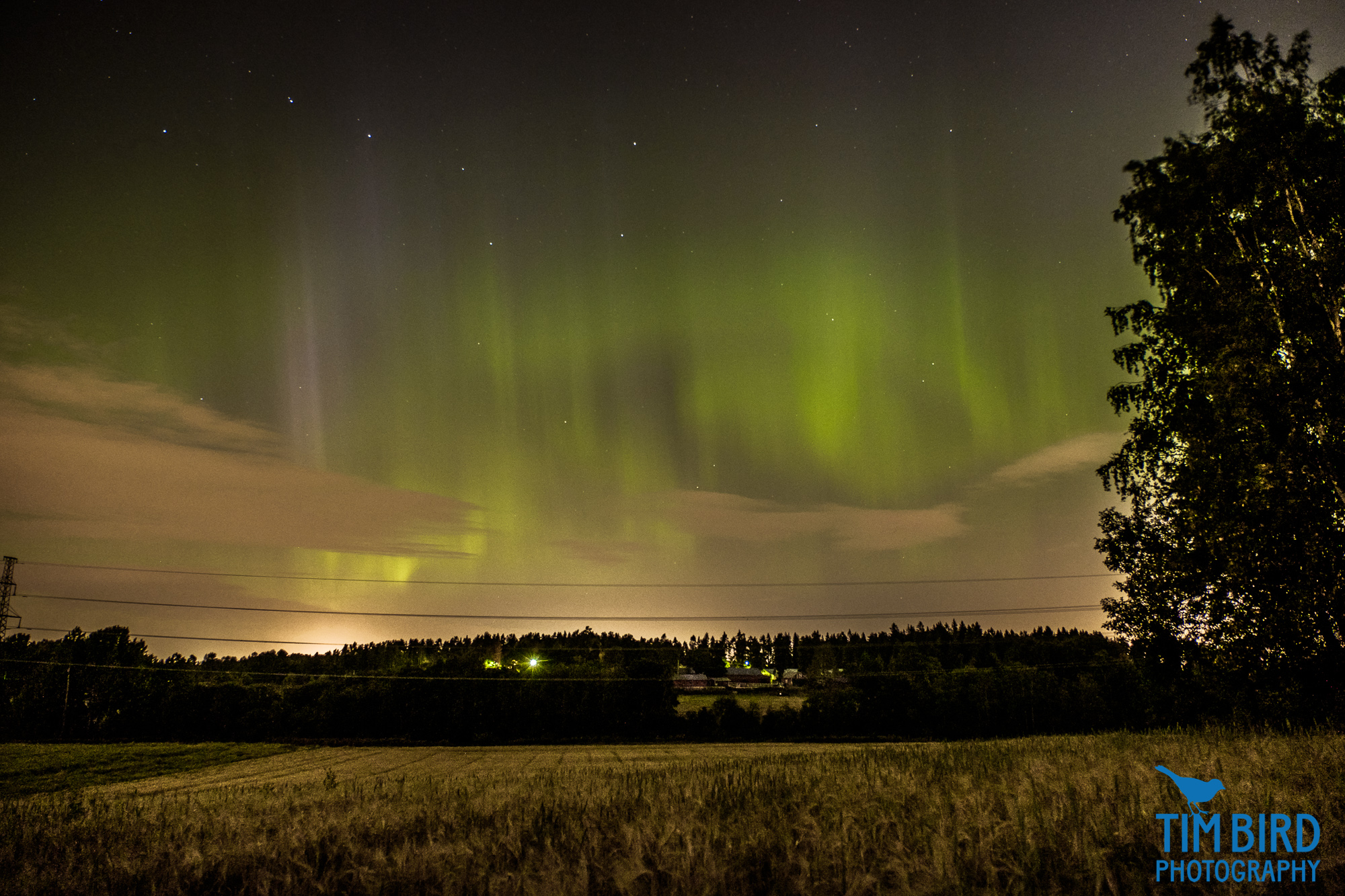
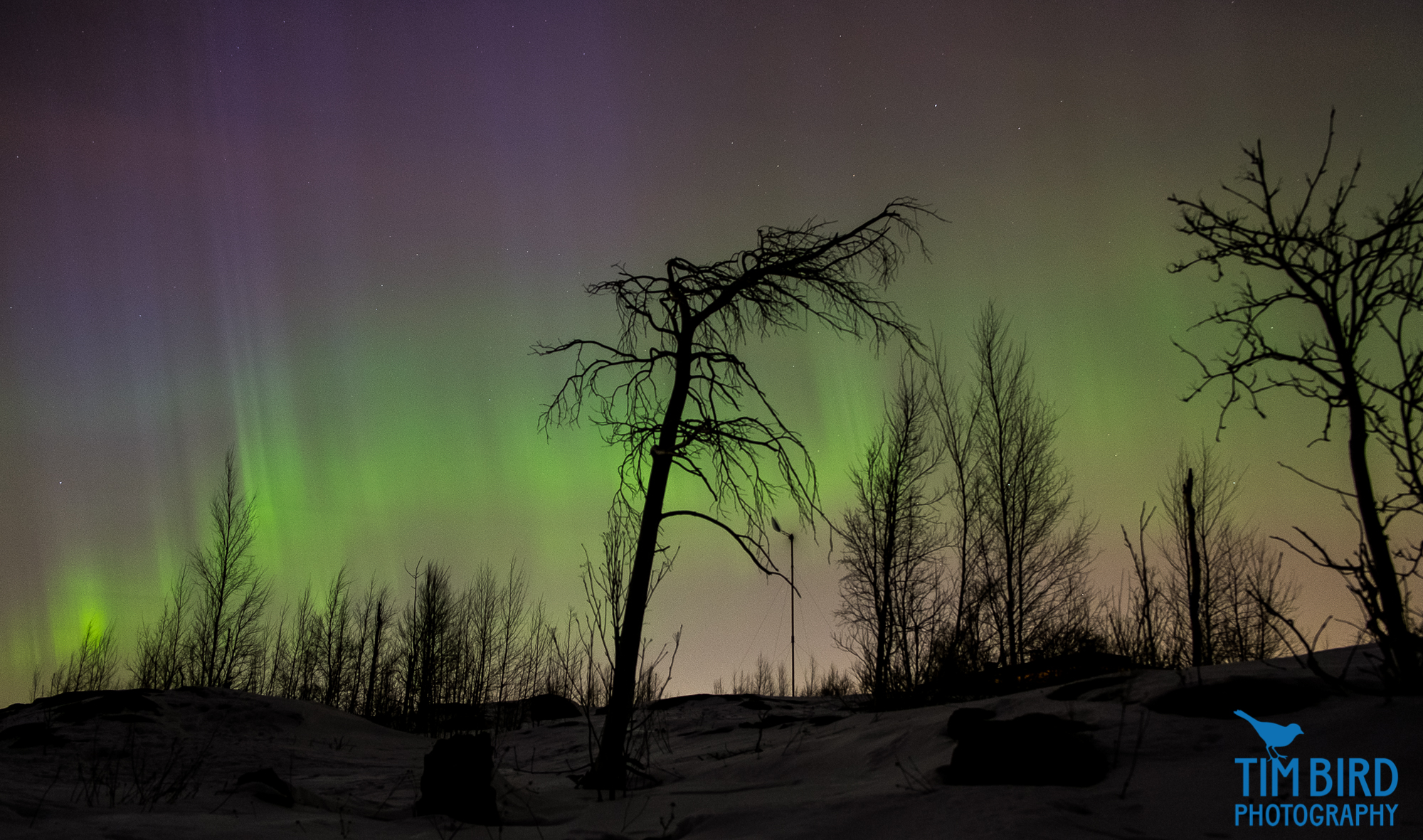
The following selection were all captured in the locality of our Helsinki home, on the northern edge of the city, in the Central Park area and close to the River Vantaa at the end of our road, in early May and August. It’s very rare that we get such vivid displays, although the occasional faint flicker isn’t so unusual.






 Six Images (and then some)