• About – Tim Bird

Six Images (and then some)

~ Selections from Tim Bird's travel photography archives

Six Images (and then some)

Author Archives: Tim Bird

Hazy Crazy Days of Lathmar Holi

14 Friday Mar 2025

Posted by Tim Bird in festival, India, Travel, travel photography

≈ Leave a comment

Tags

asia, culture, event photography, festival, festivals, Holi, India, travel, travel photography

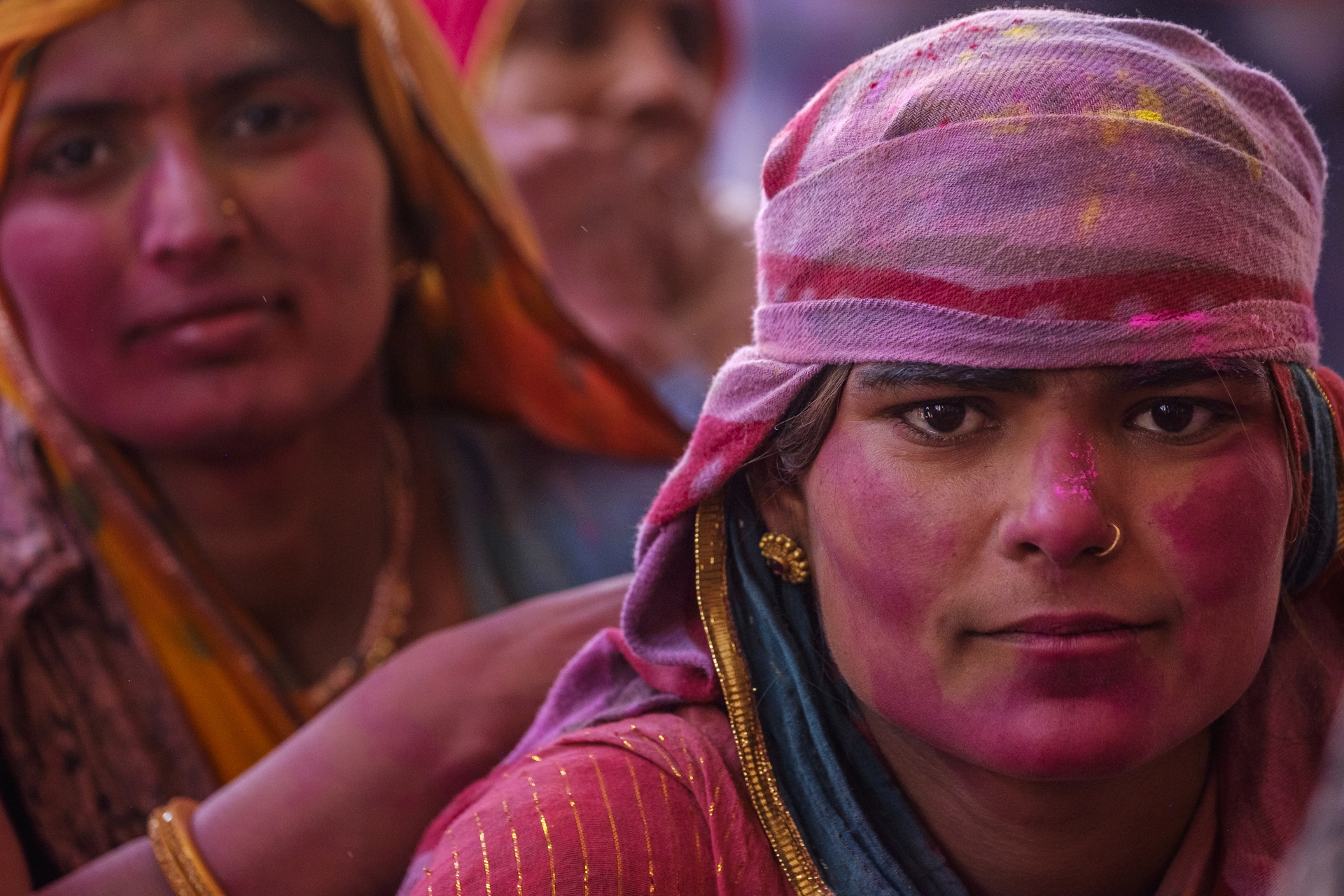
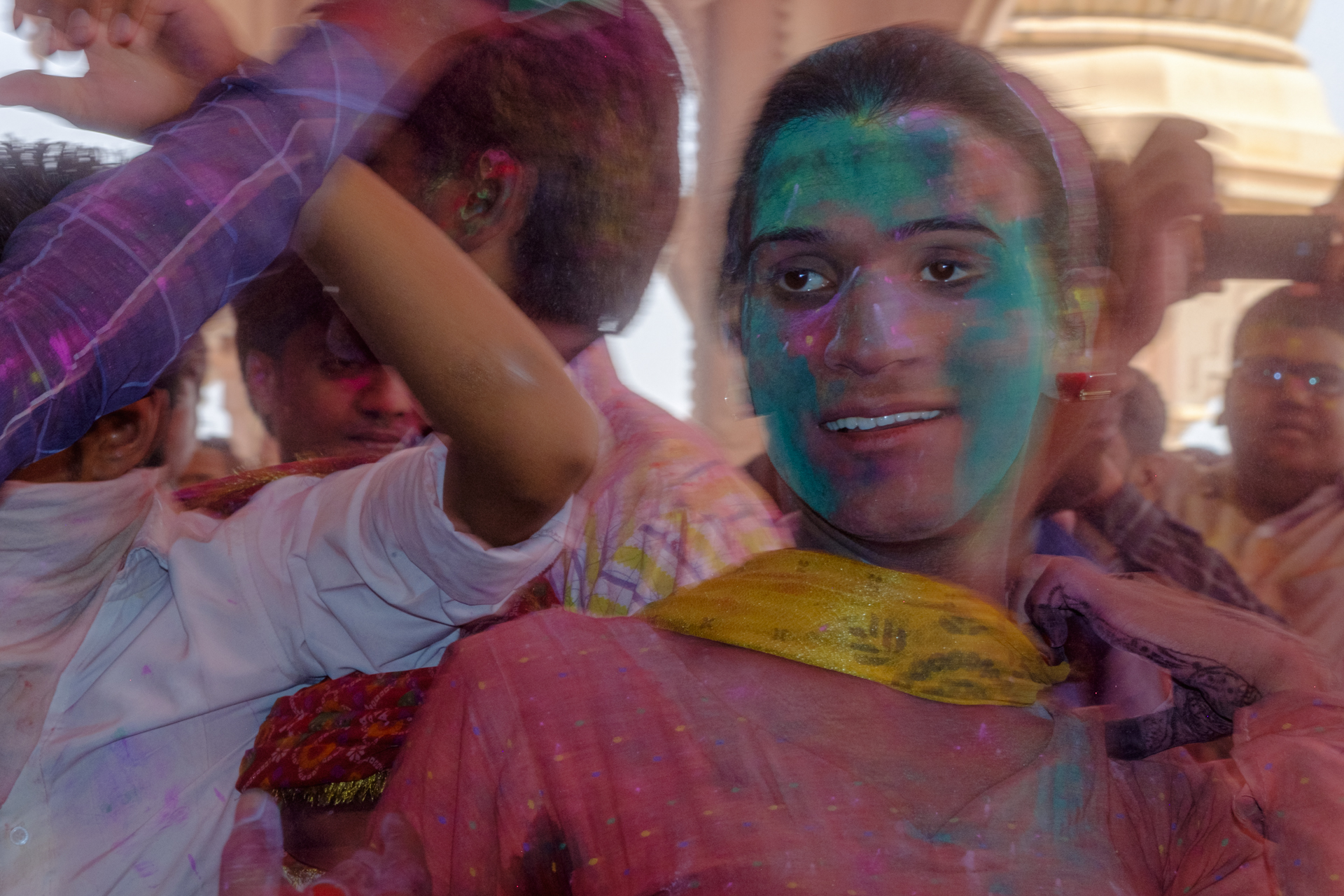
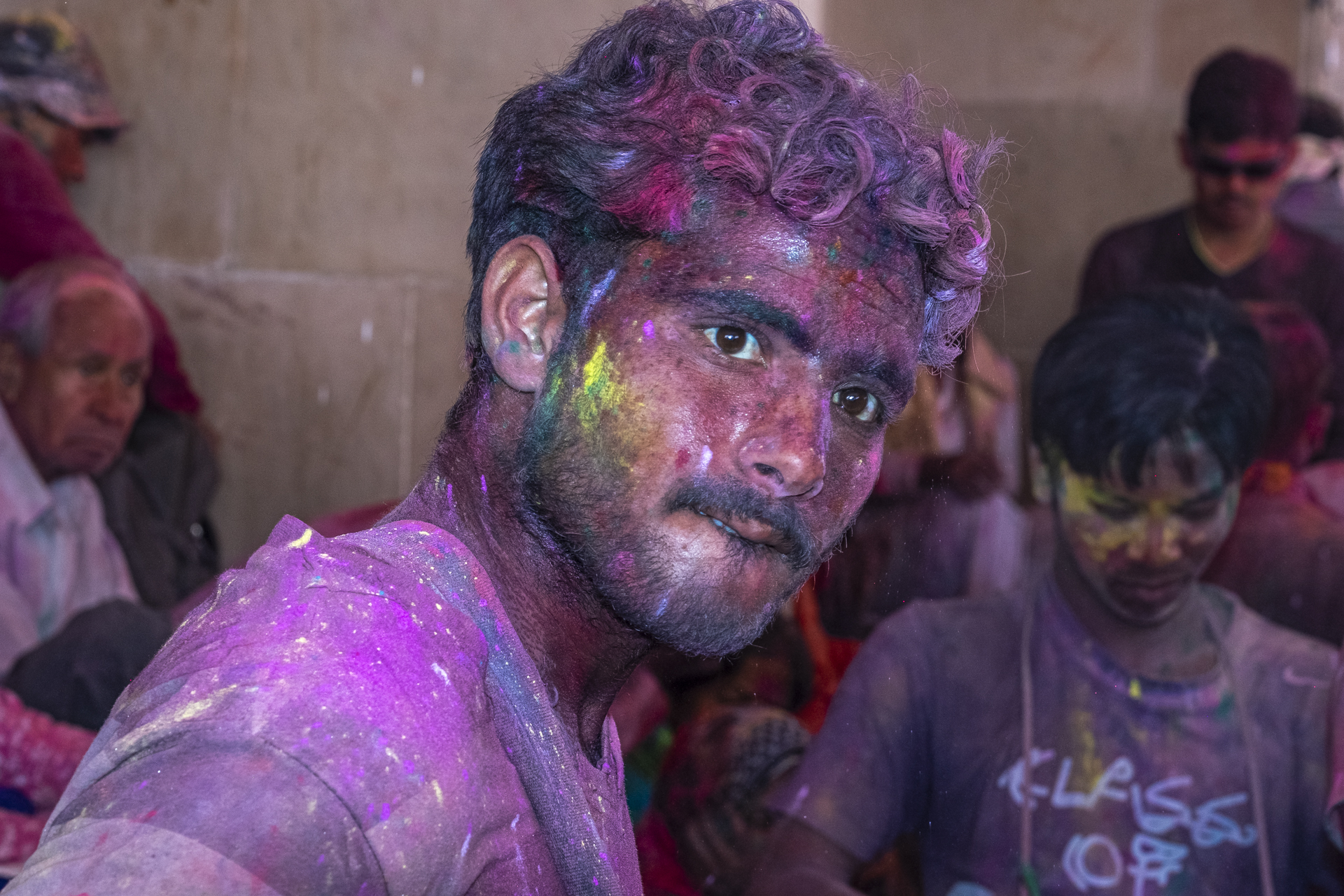
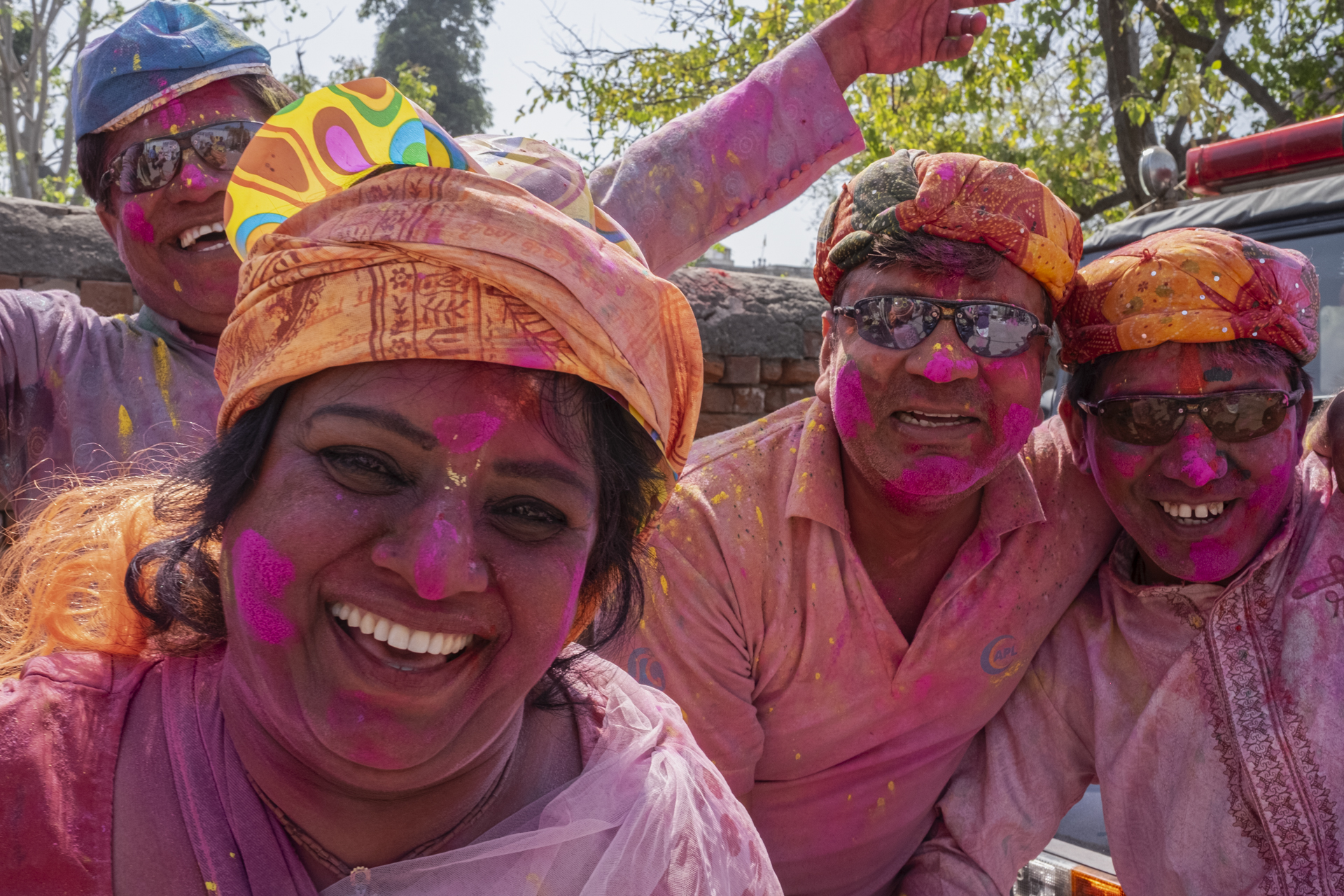
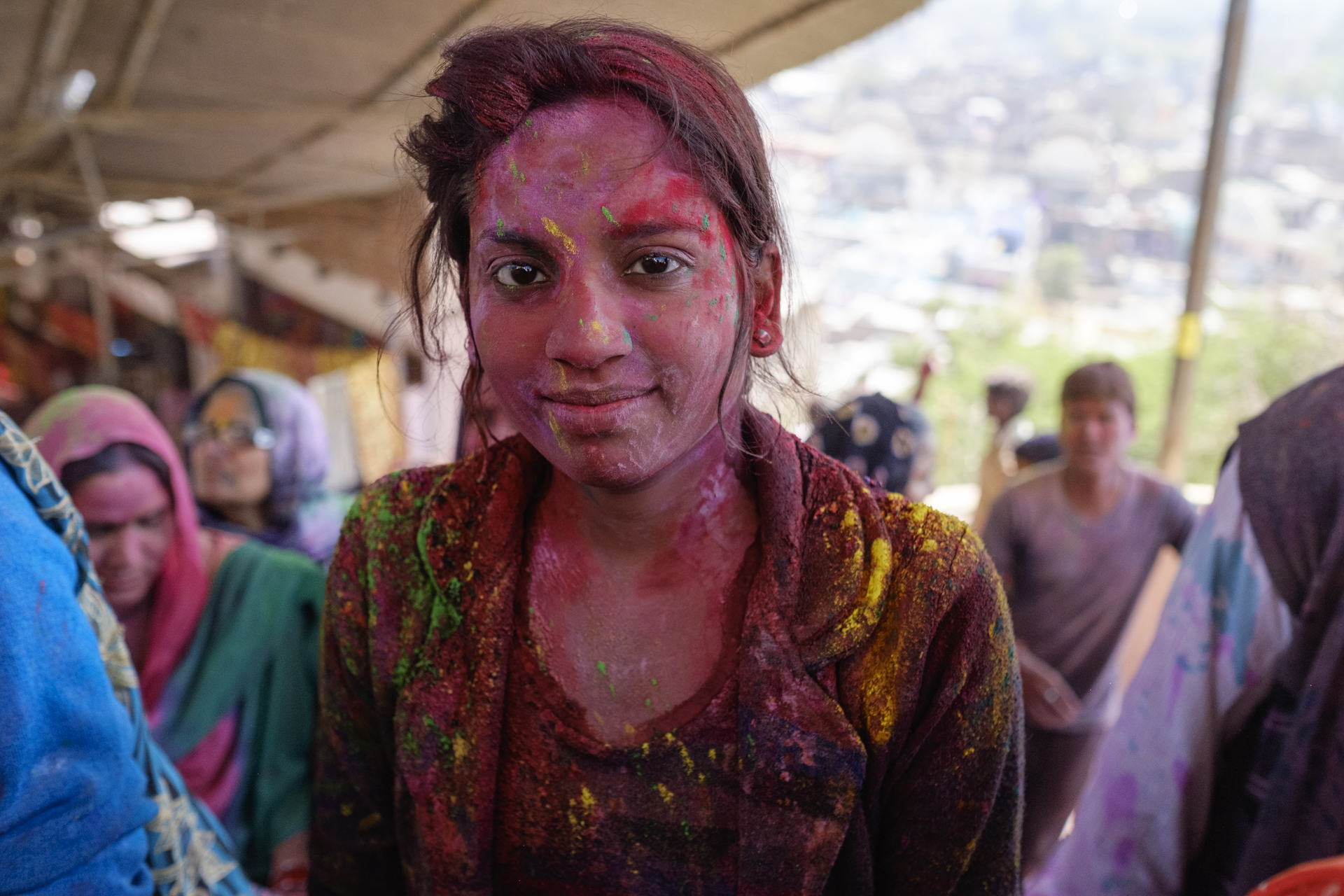
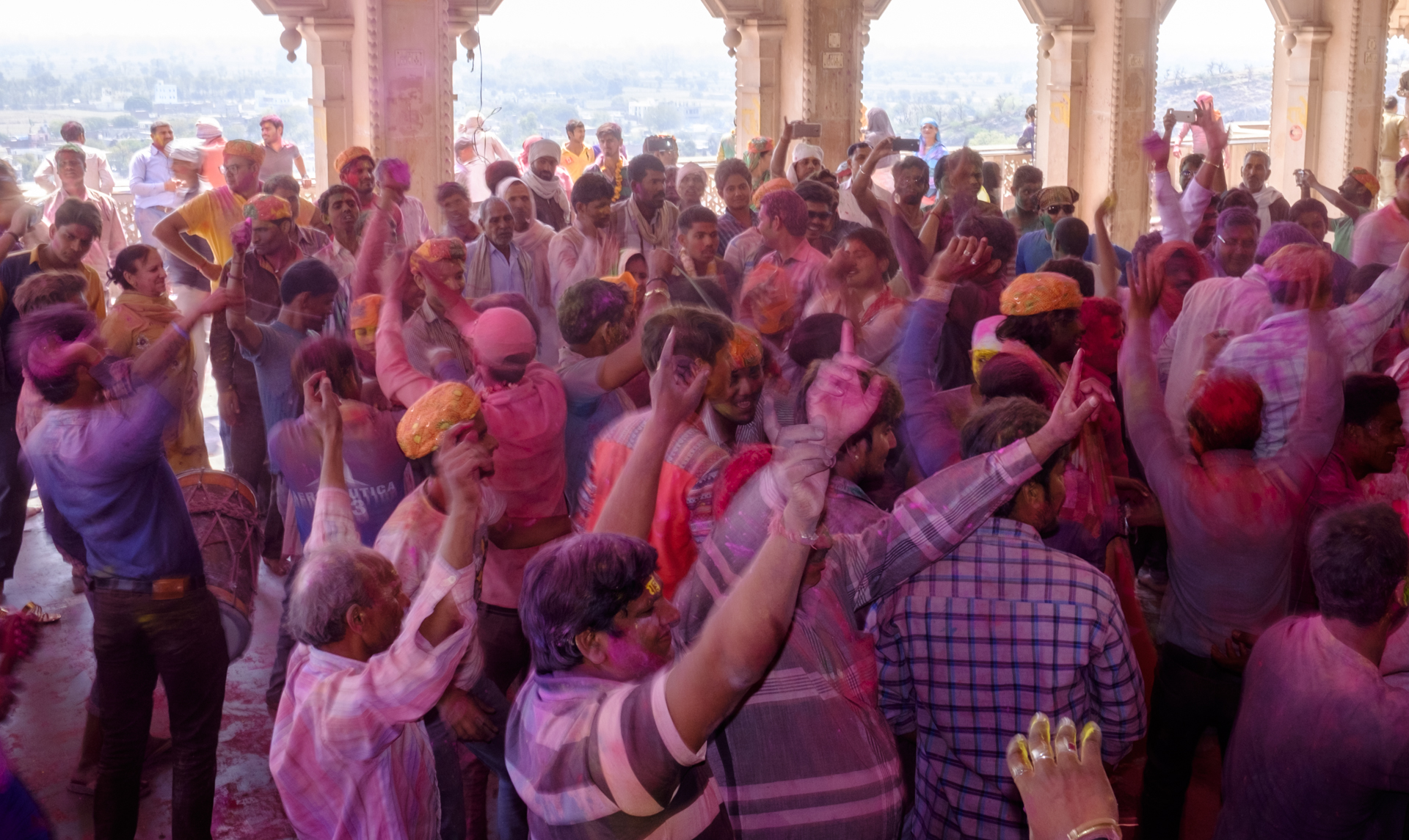
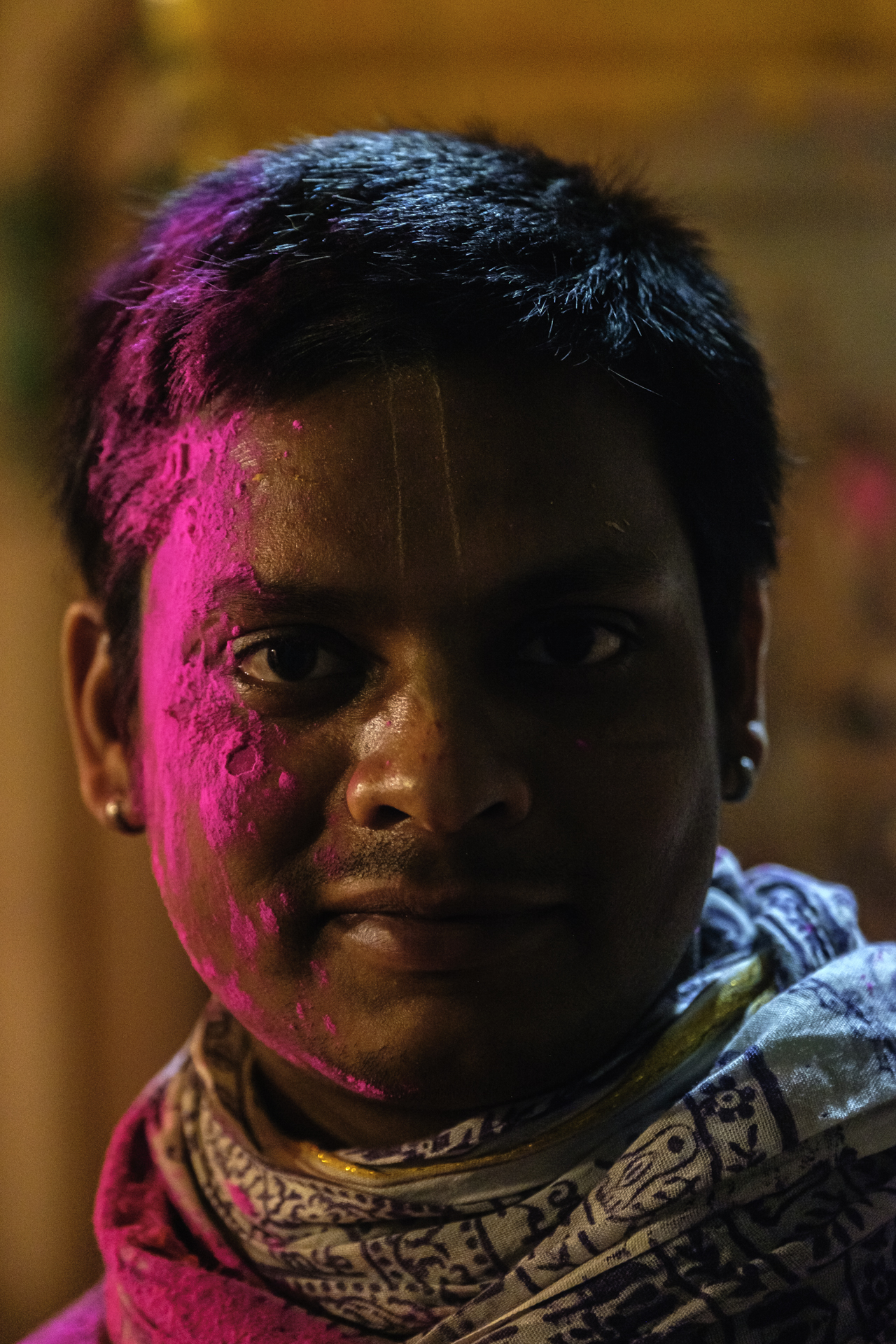
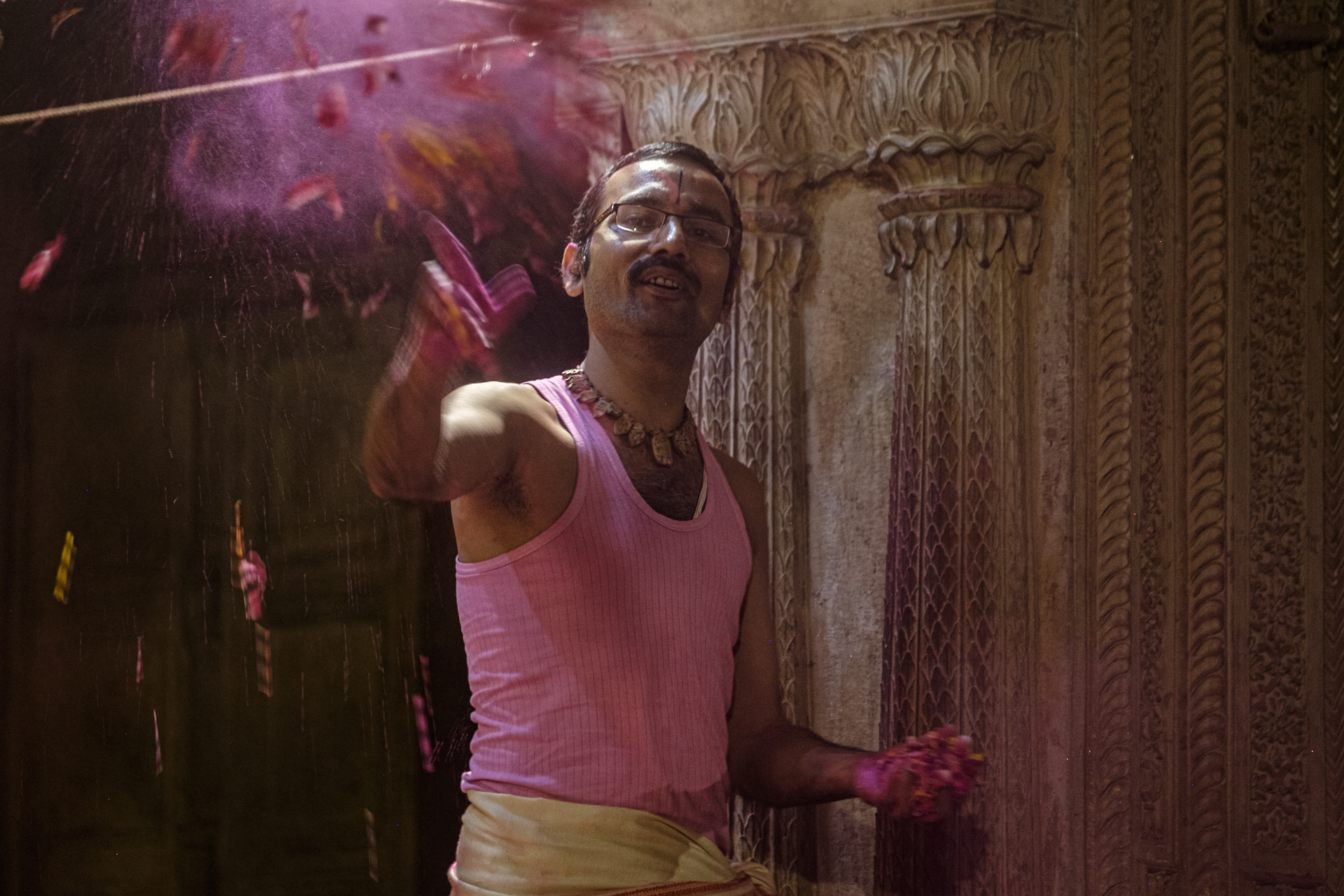
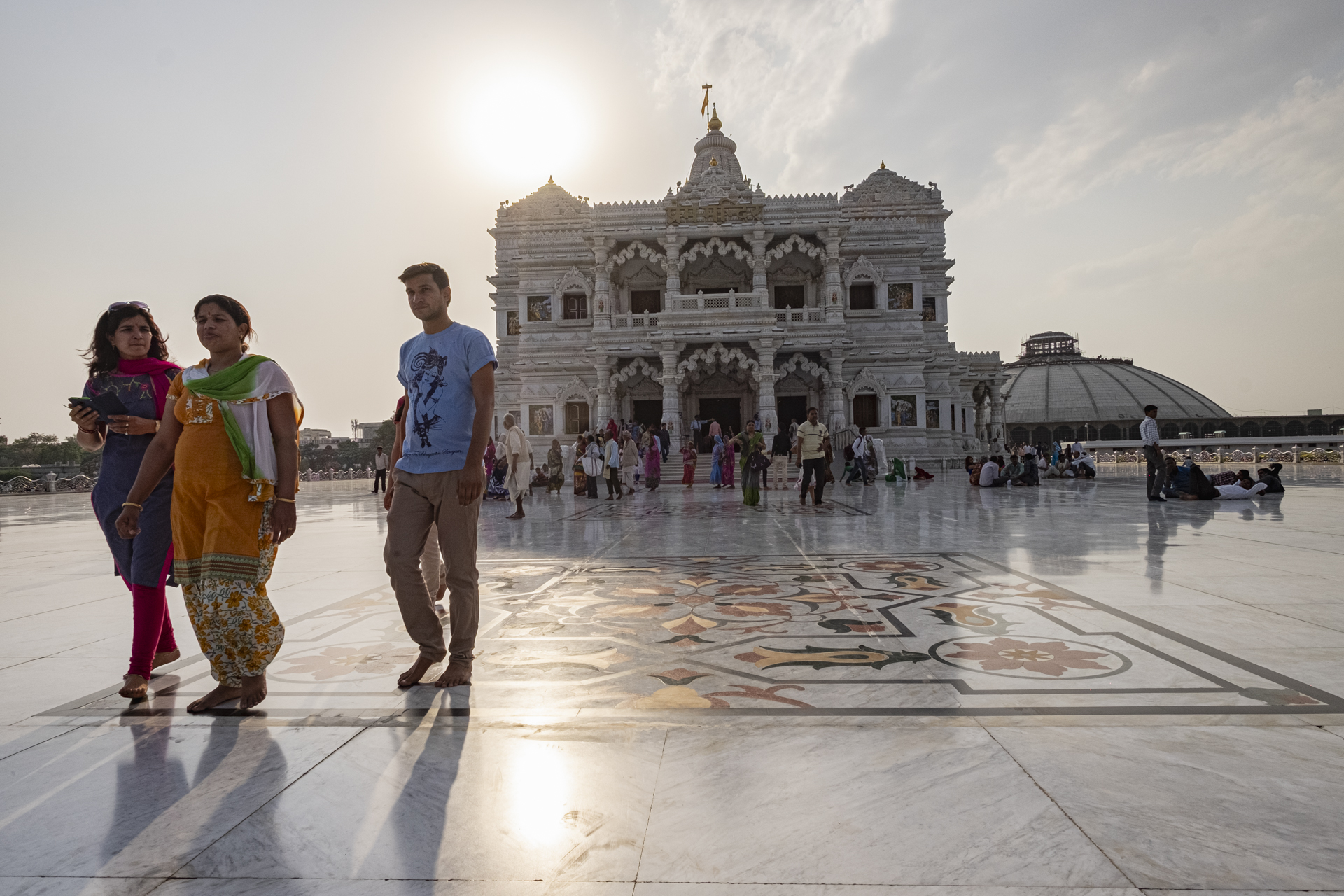
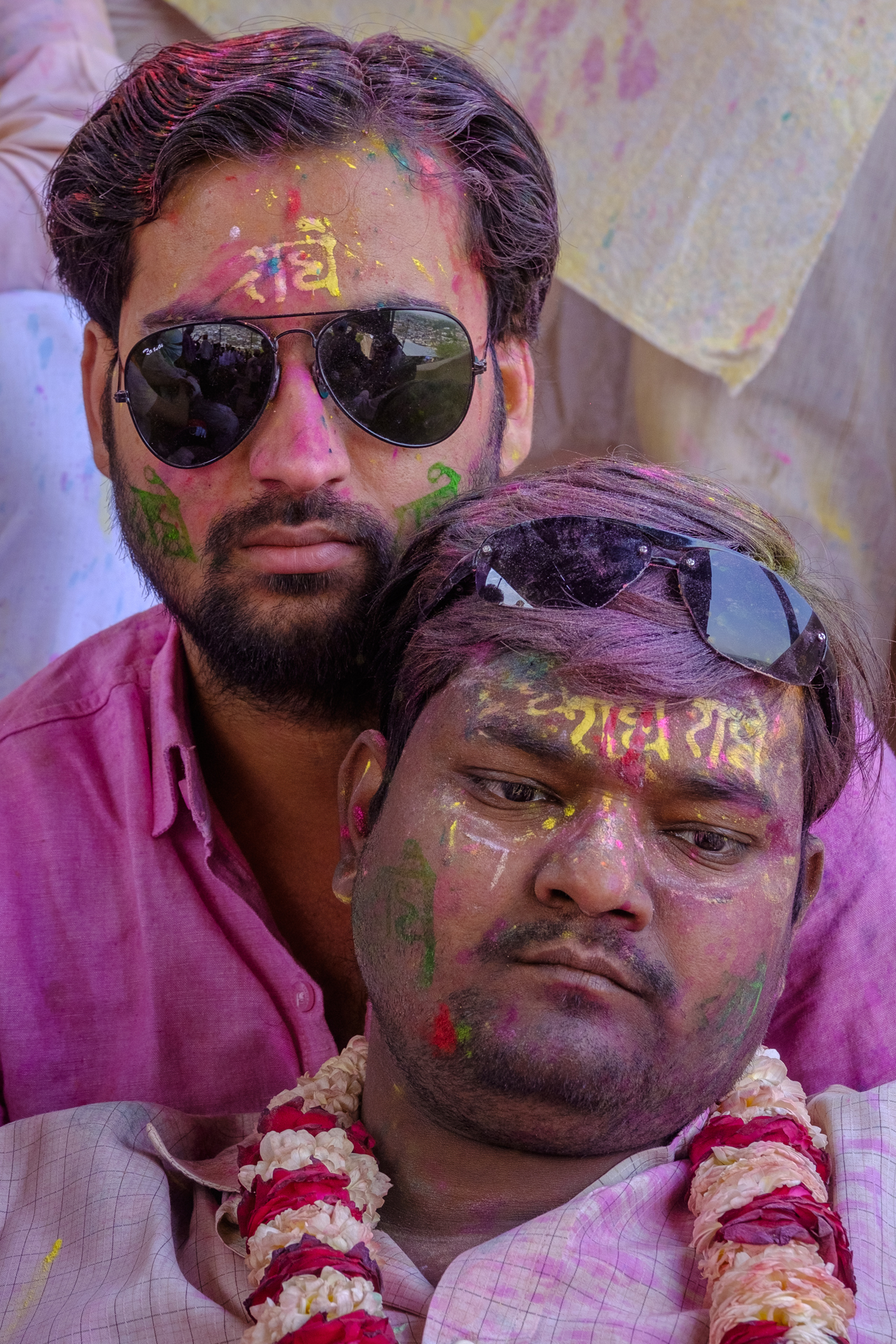
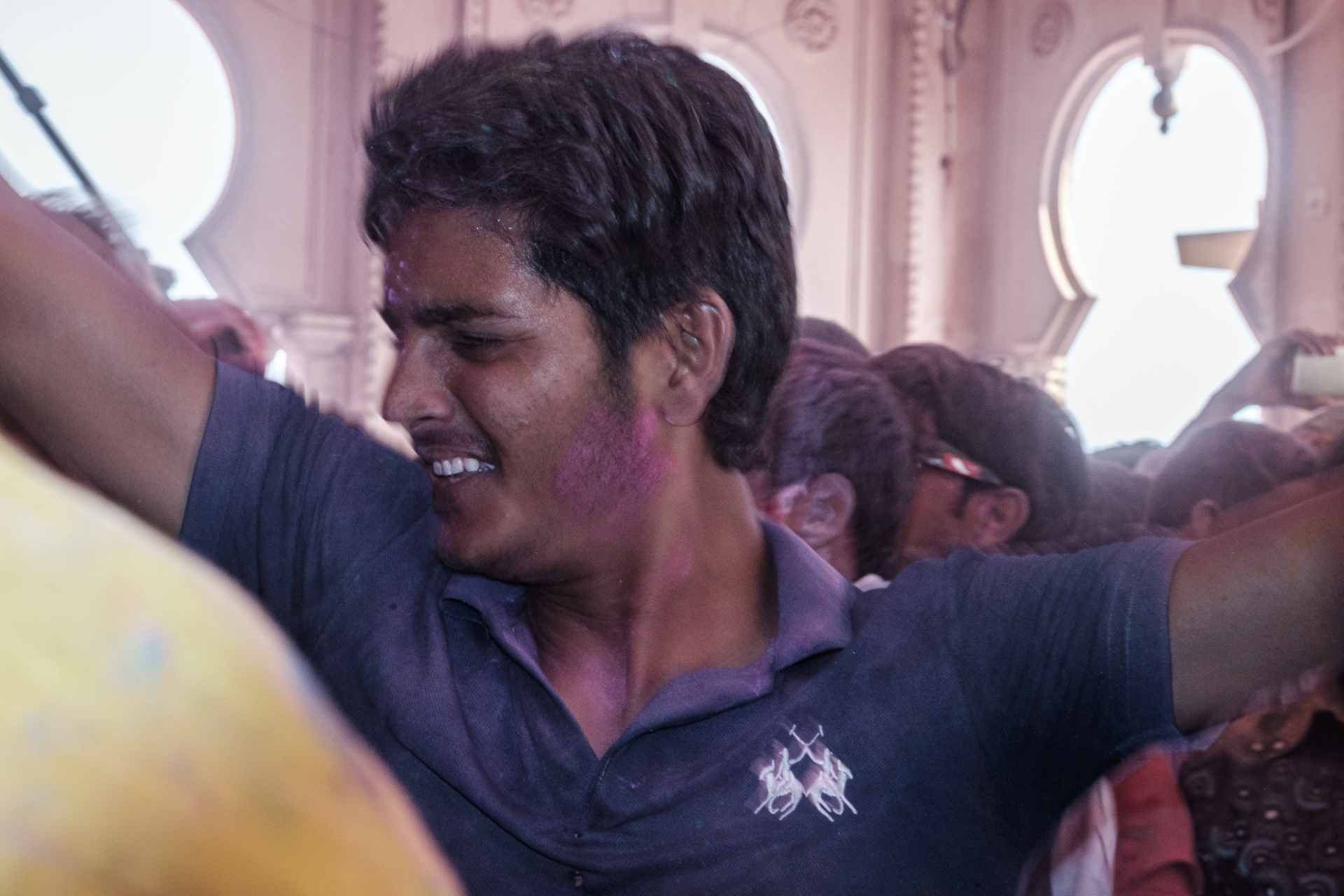
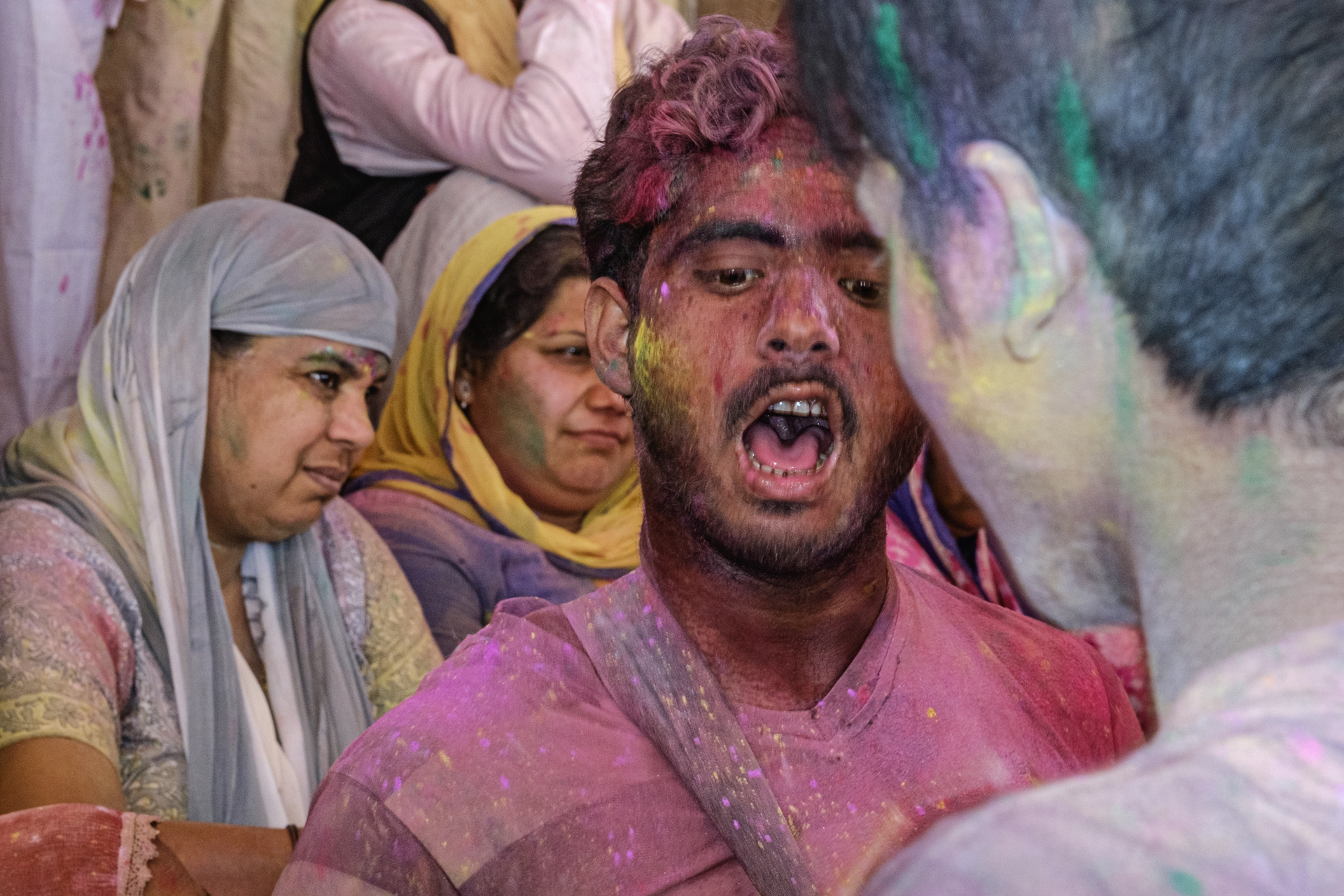
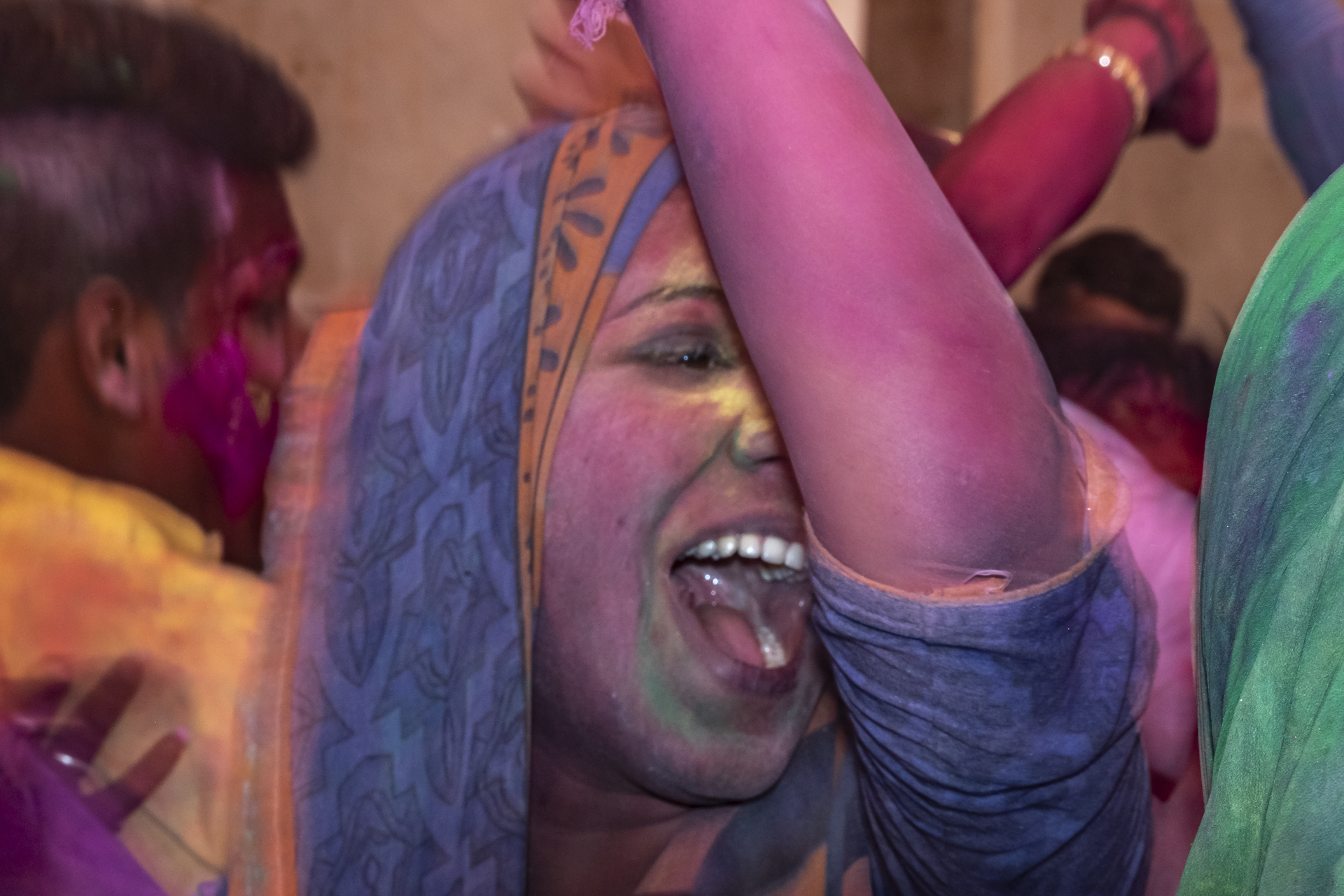
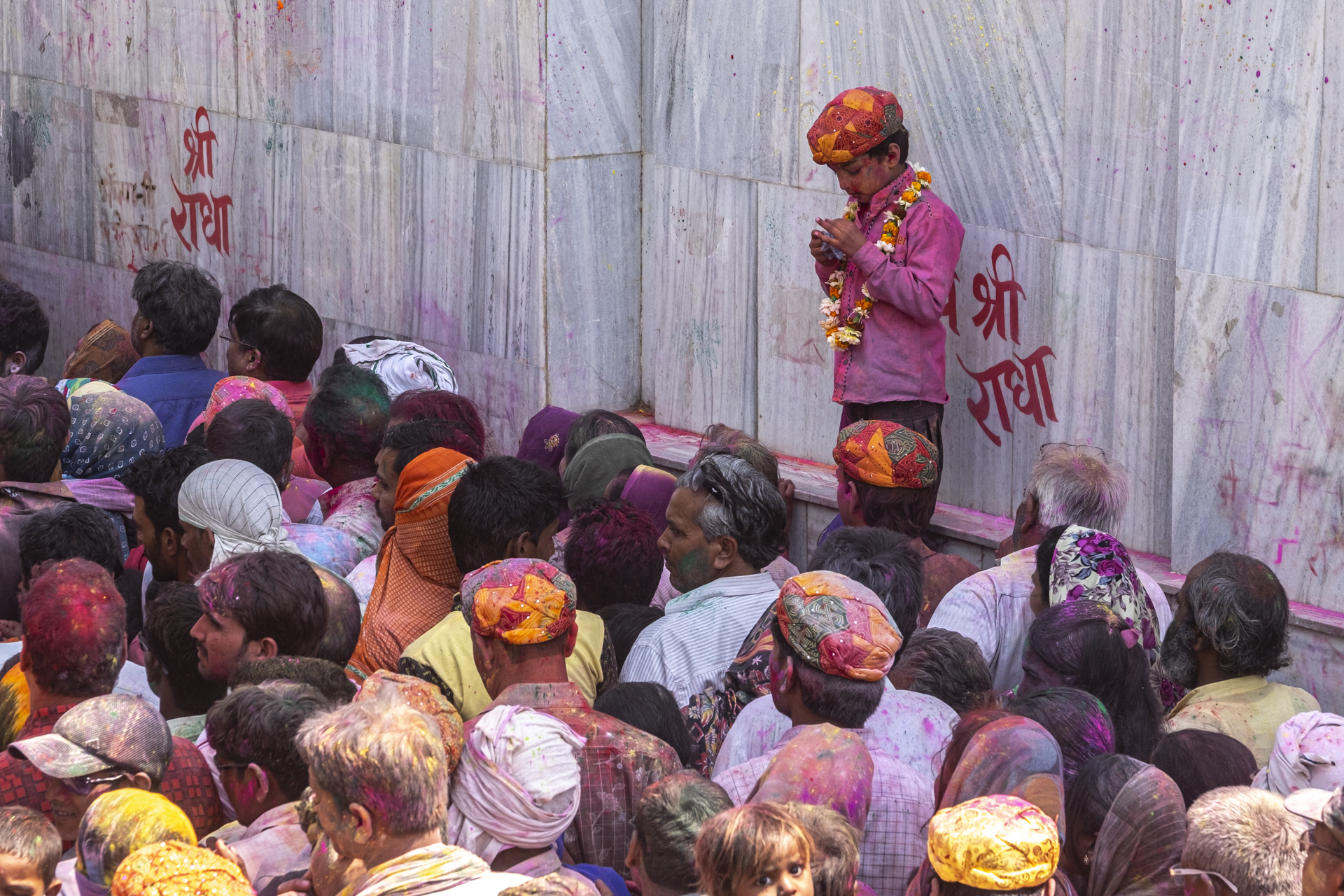
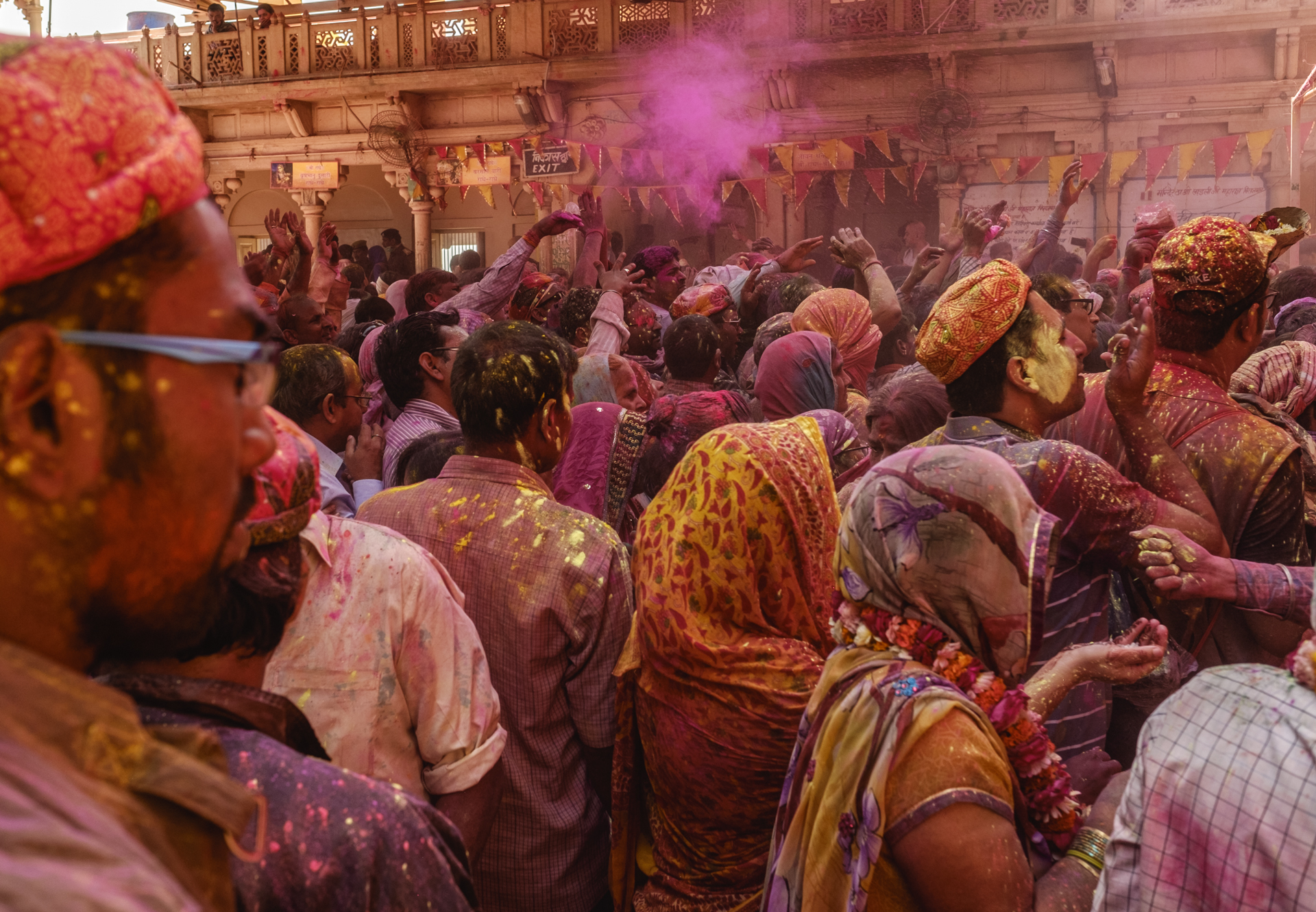
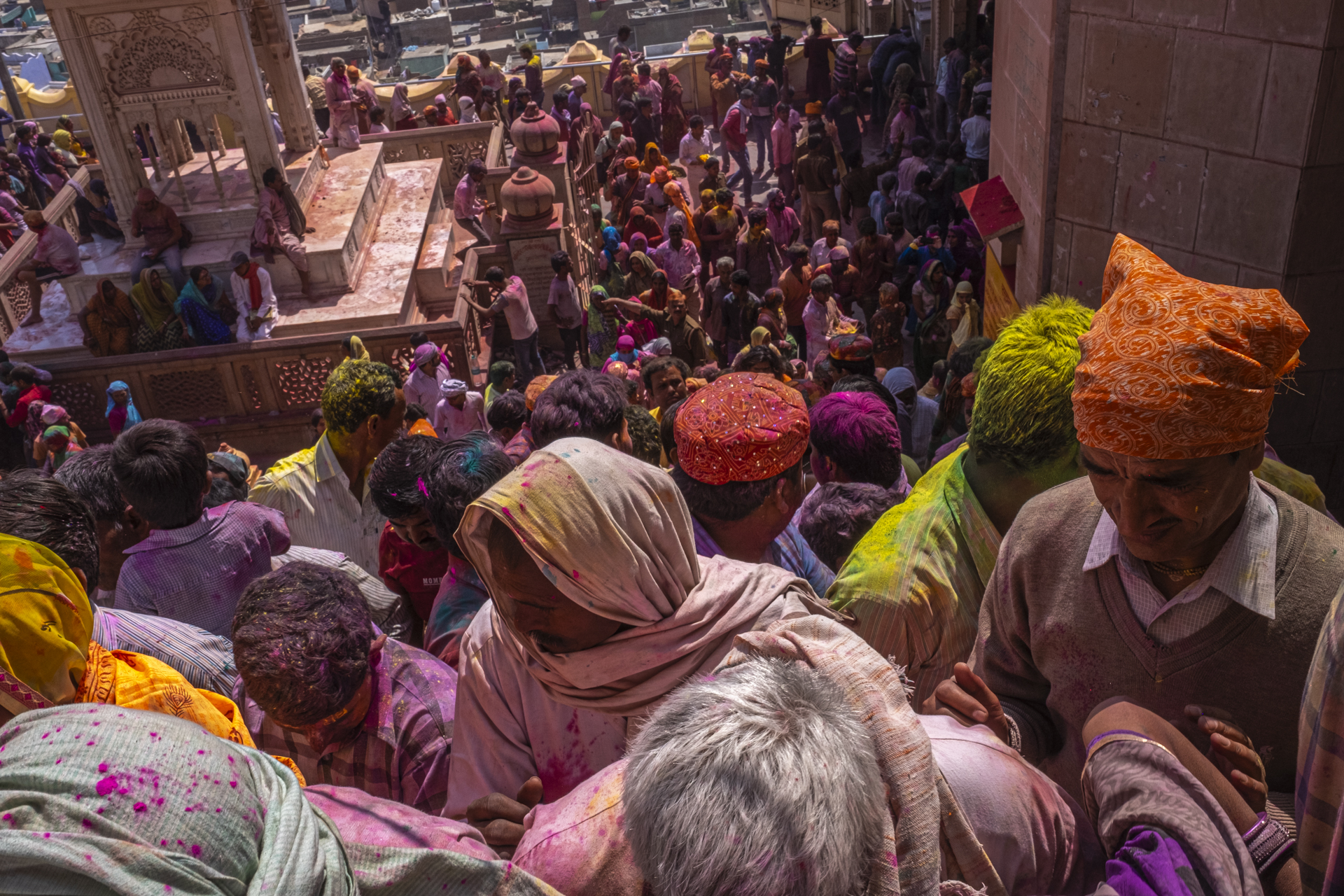
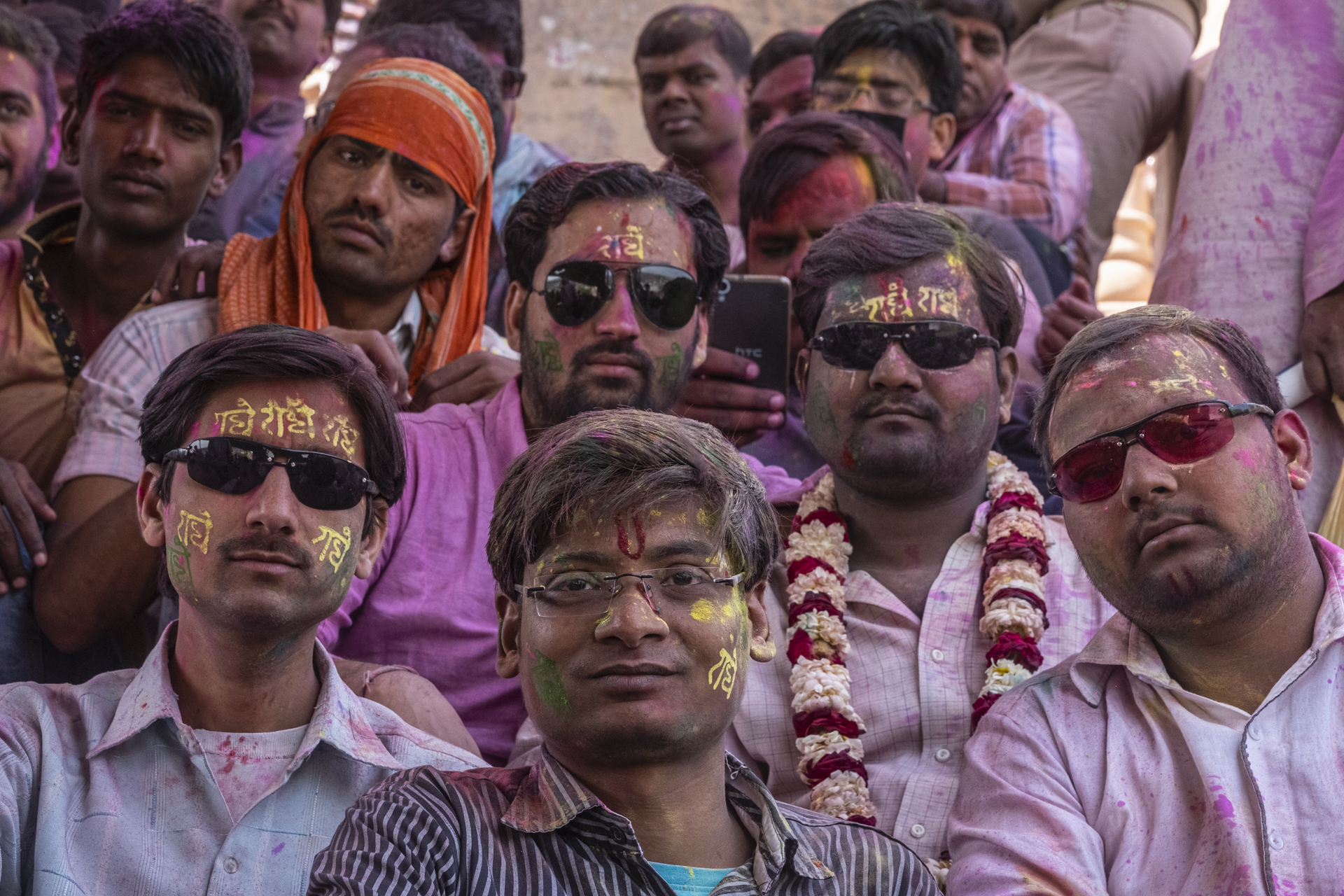
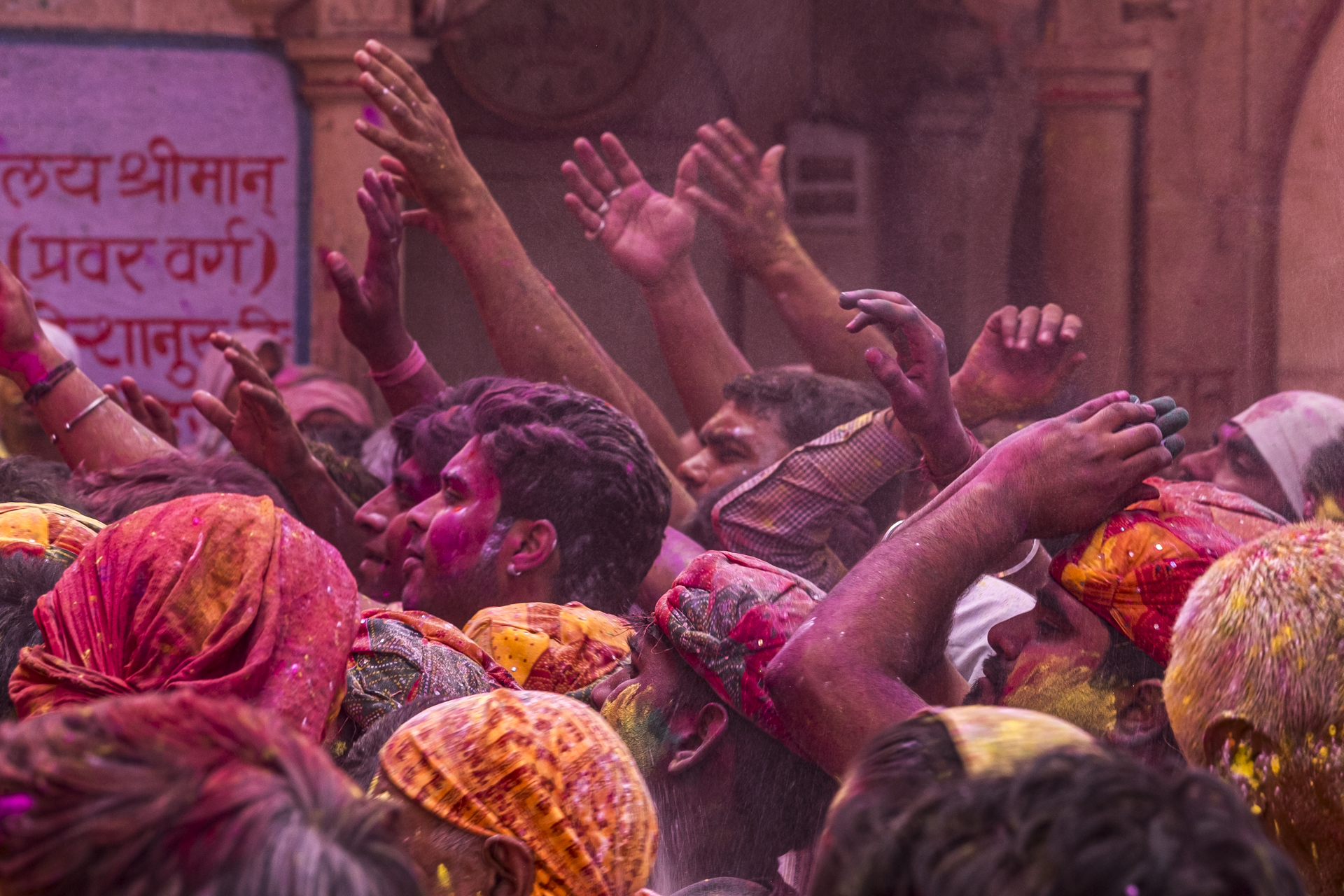
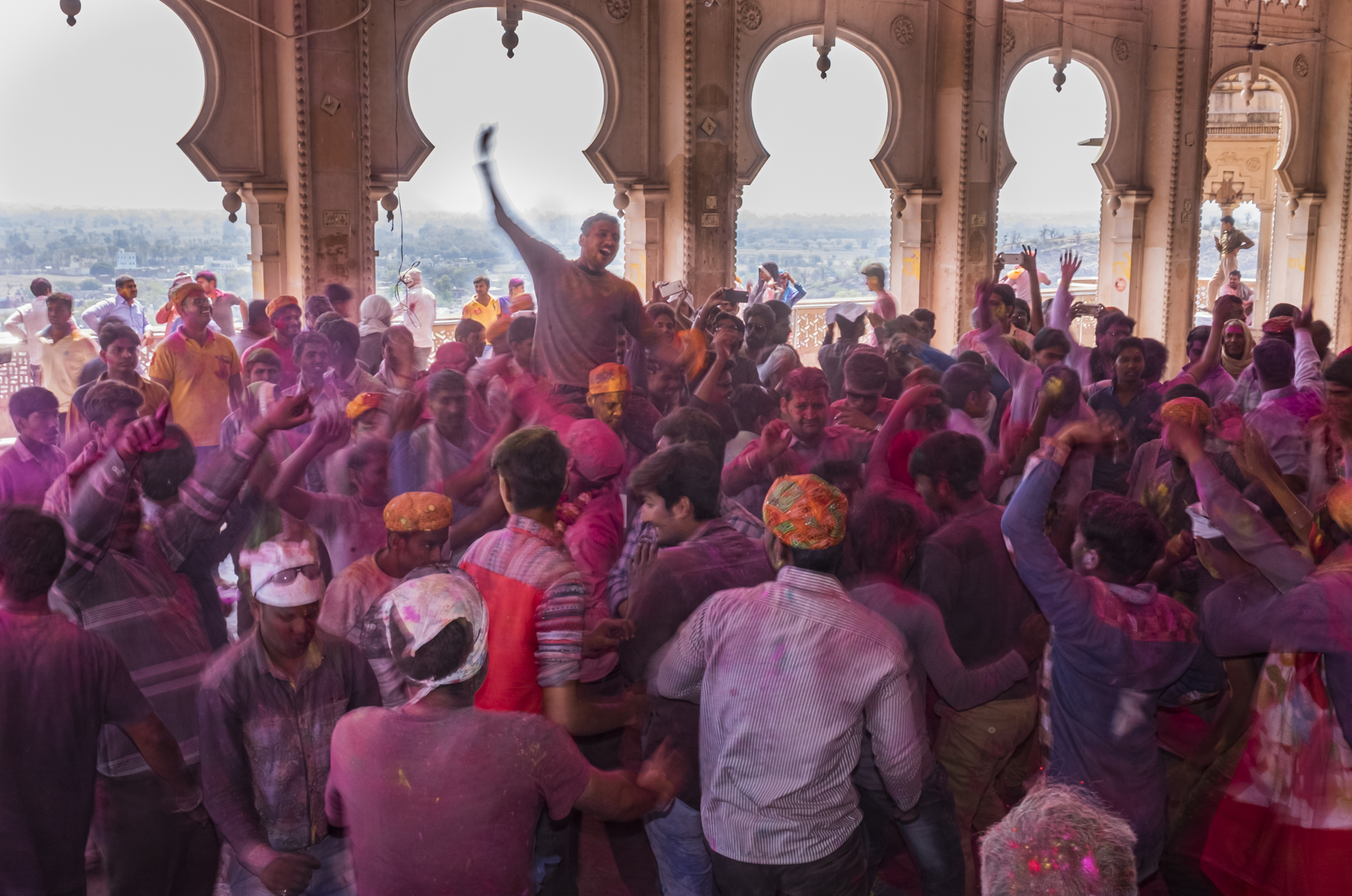
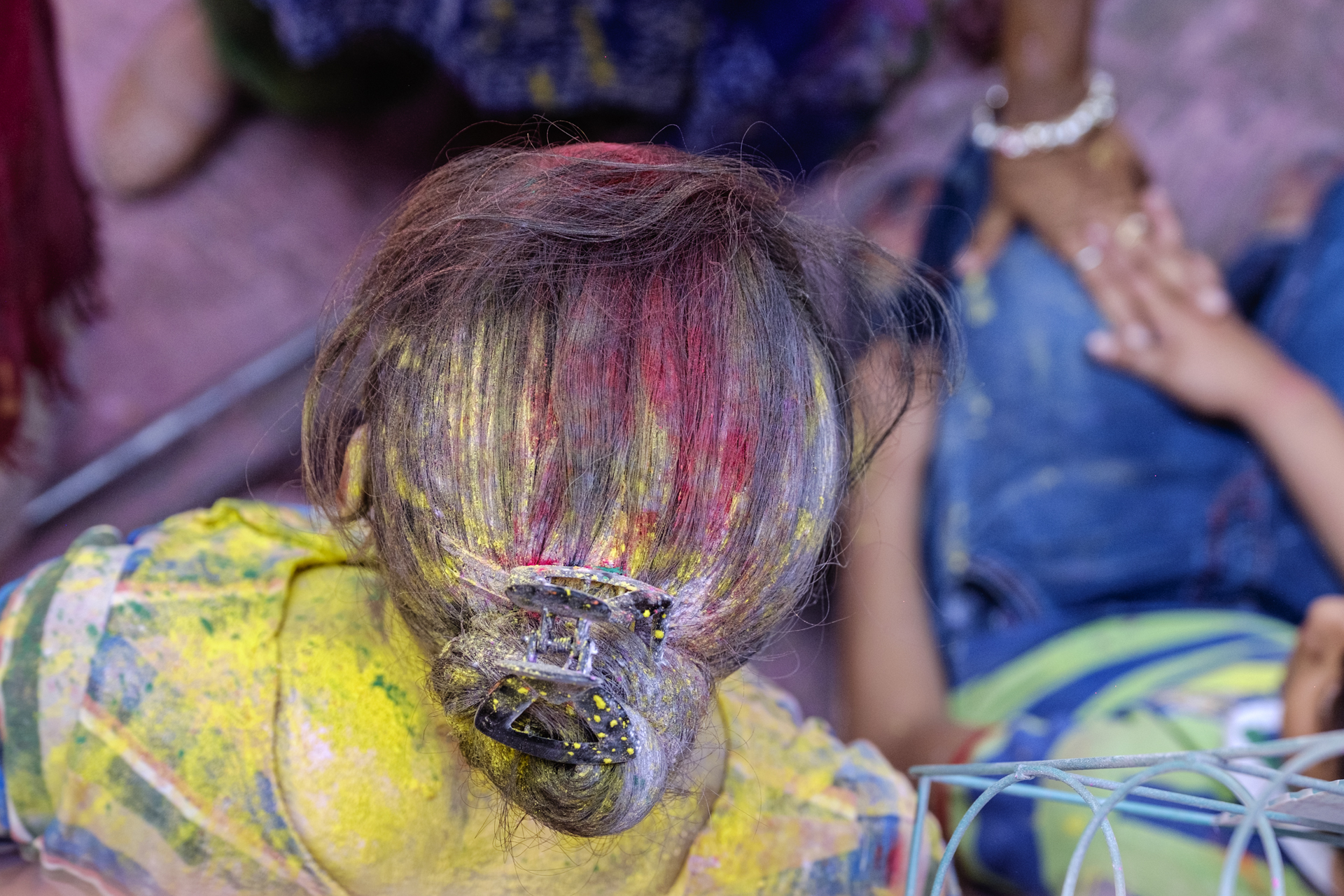
In March 2016 I spent unforgettable – and very colourful – days around the town of Barsanar in the Indian state of Uttar Pradesh to immerse myself in the special Holi celebrations that take place there.

Lathmar Holi is celebrated in the towns of Barsana and Nandgaon, some days before the main Holi festival in the rest of India. During the celebrations, women hit men with sticks, a tradition based on the Hindu legend in which Krishna (supposedly born nearby) threw colours at women and the women shooed him away, beating him with sticks. At a stretch, it might be seen as a symbolic ceremonious enactment of women’s rights, since it’s the men who get beaten.

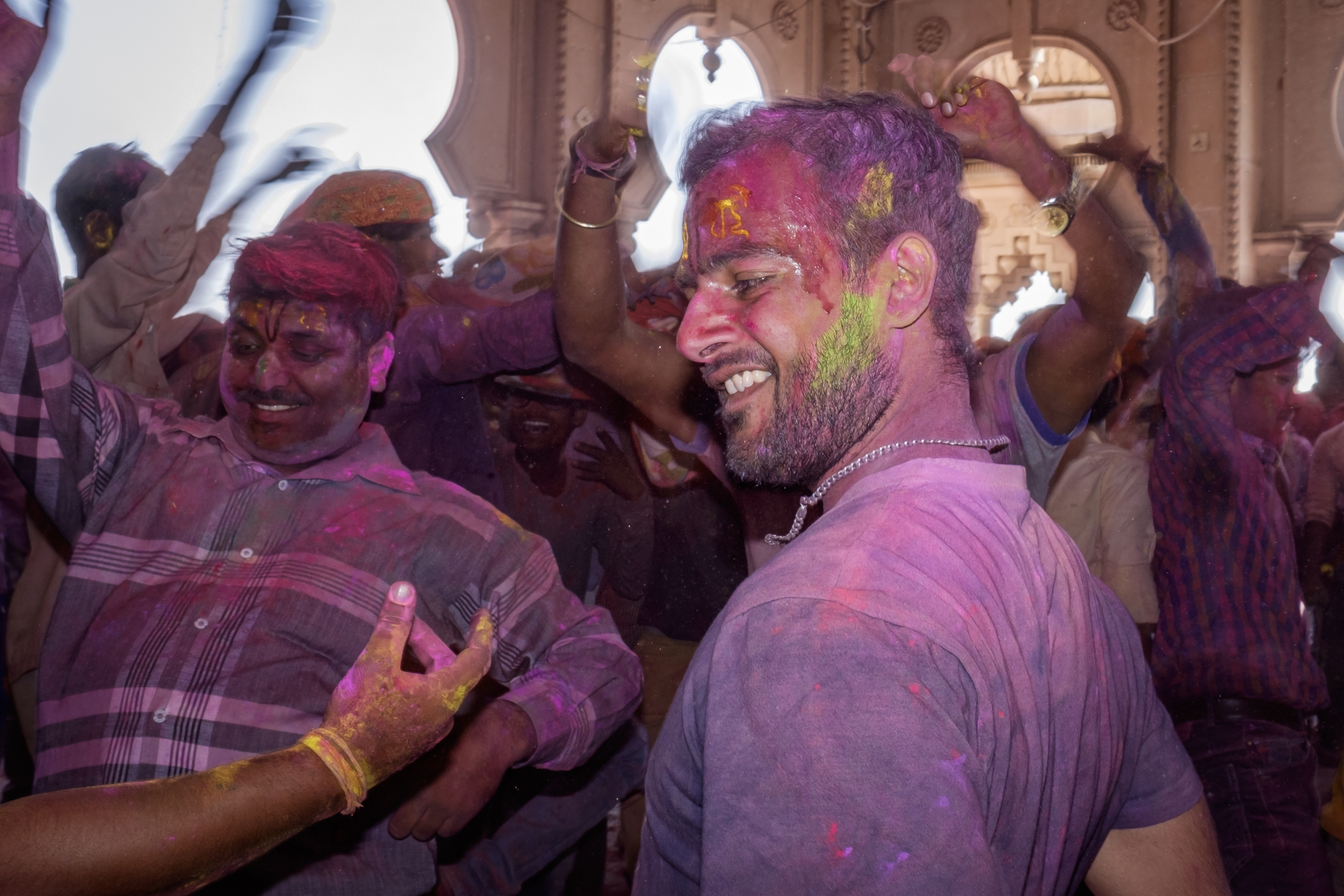
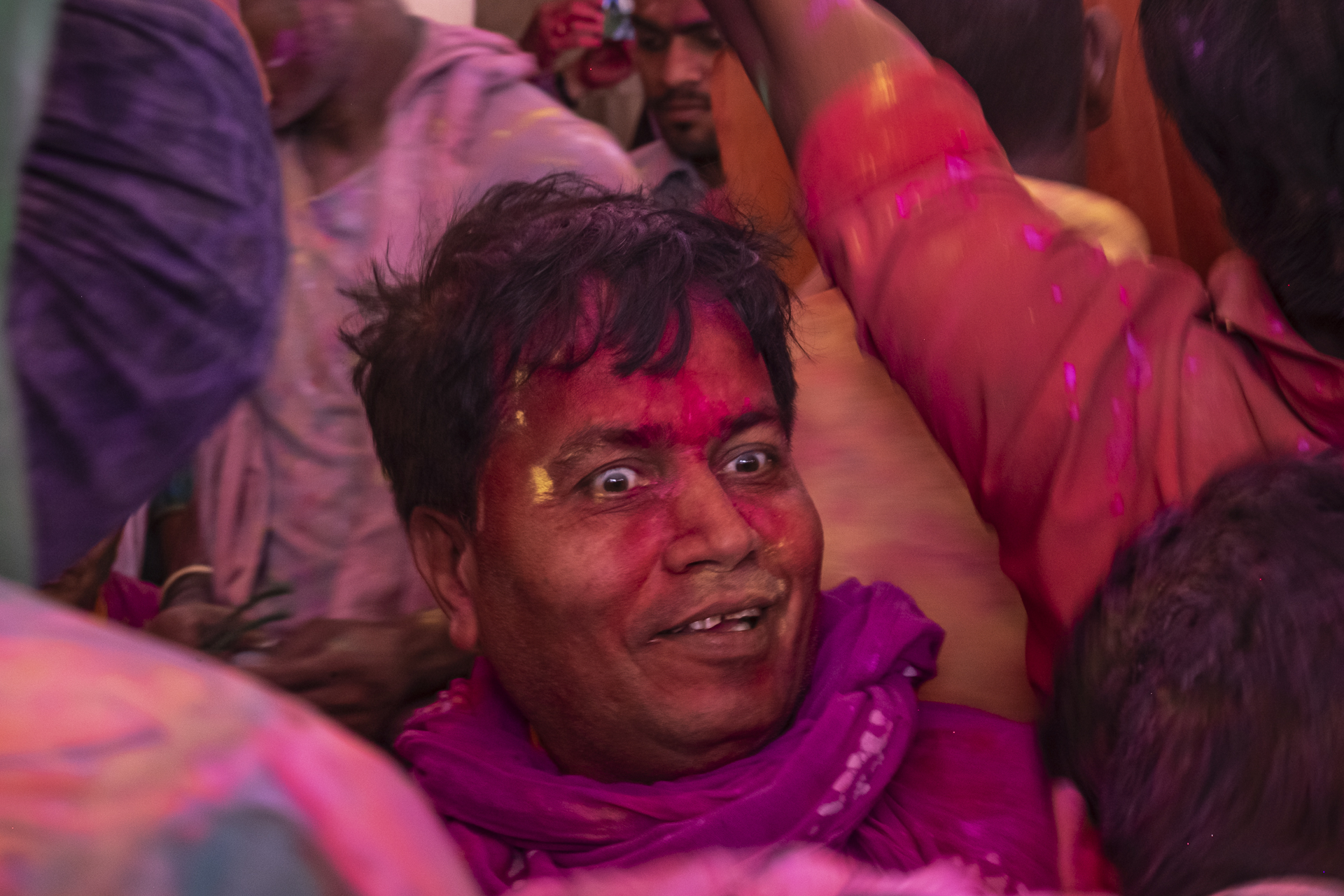
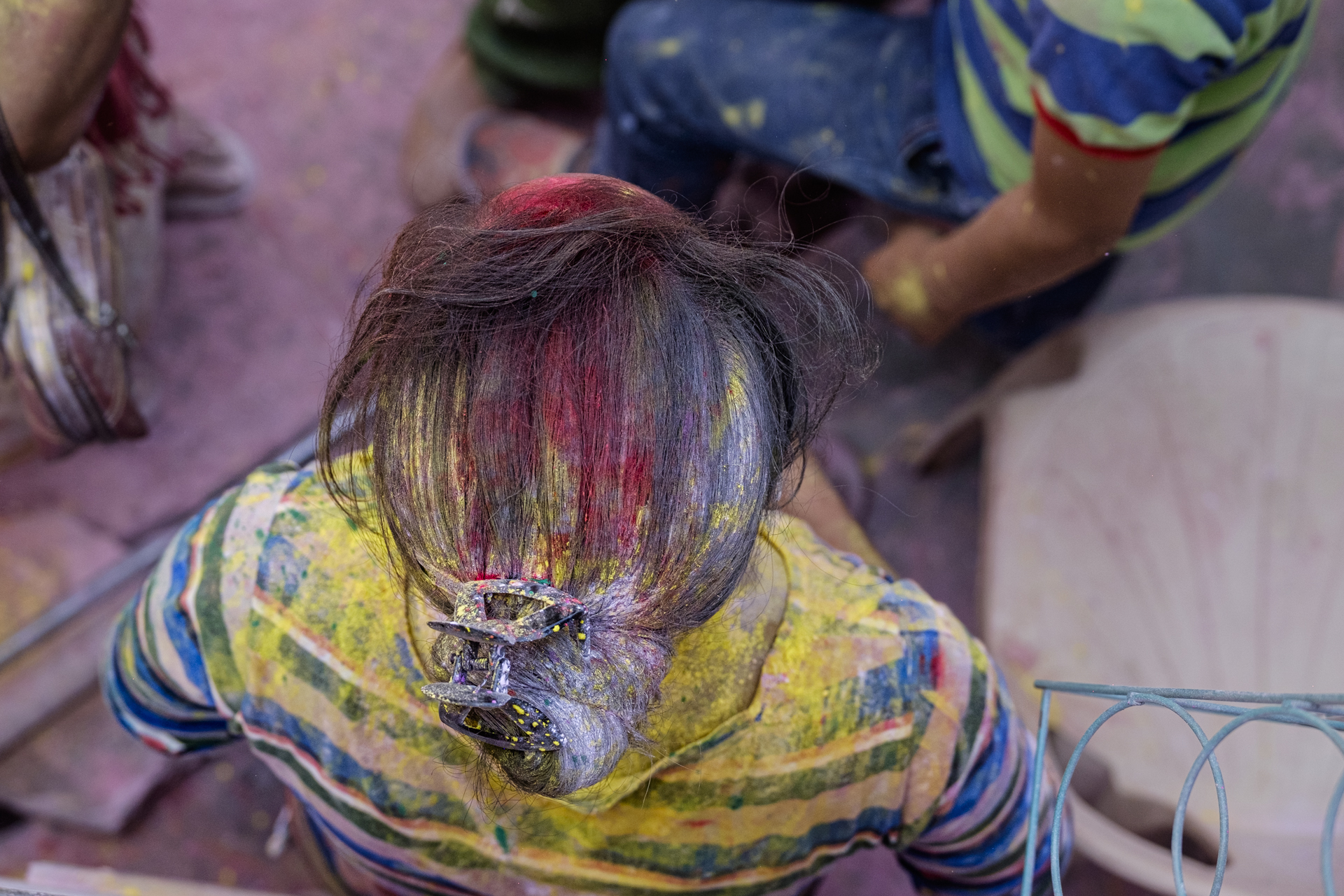
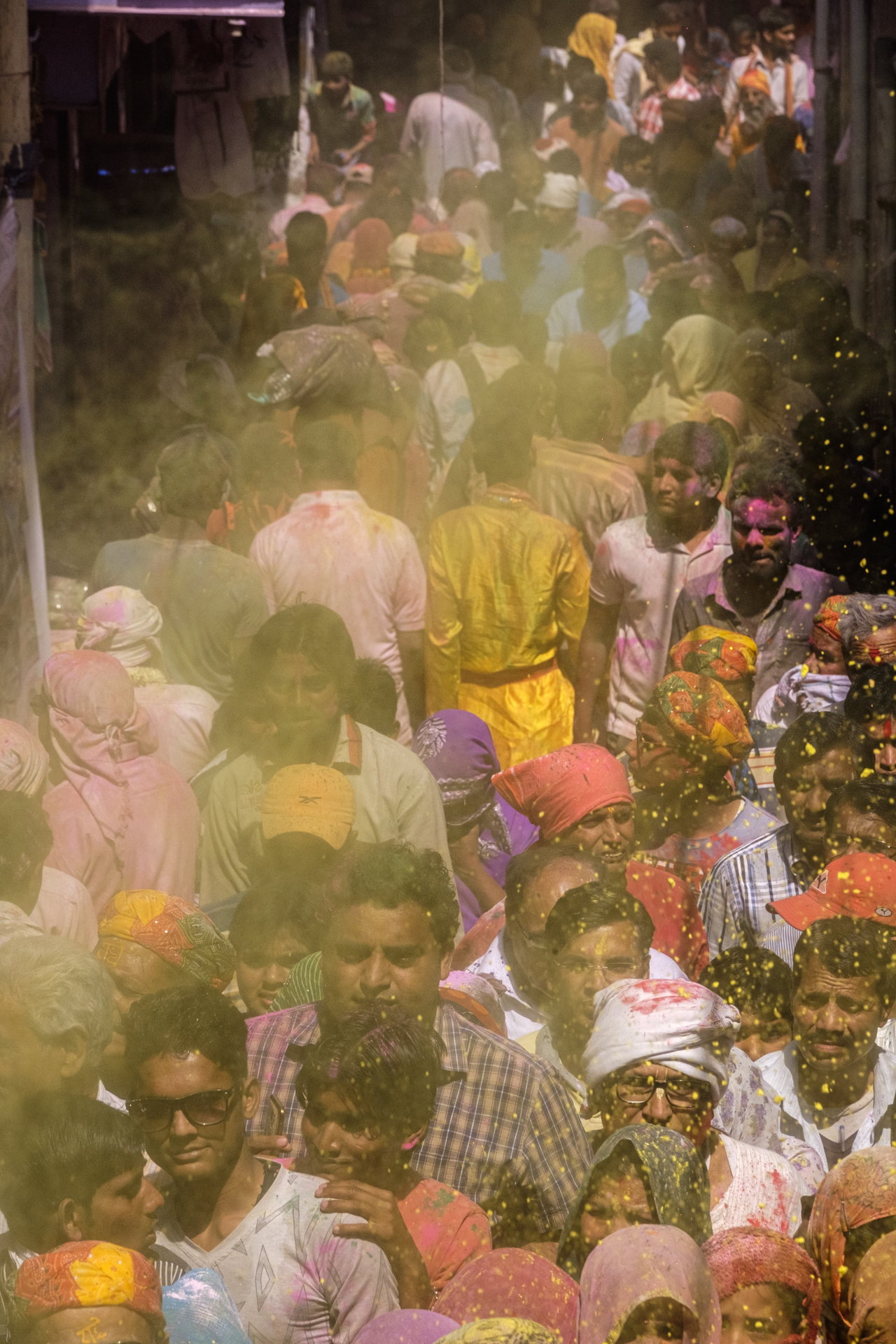
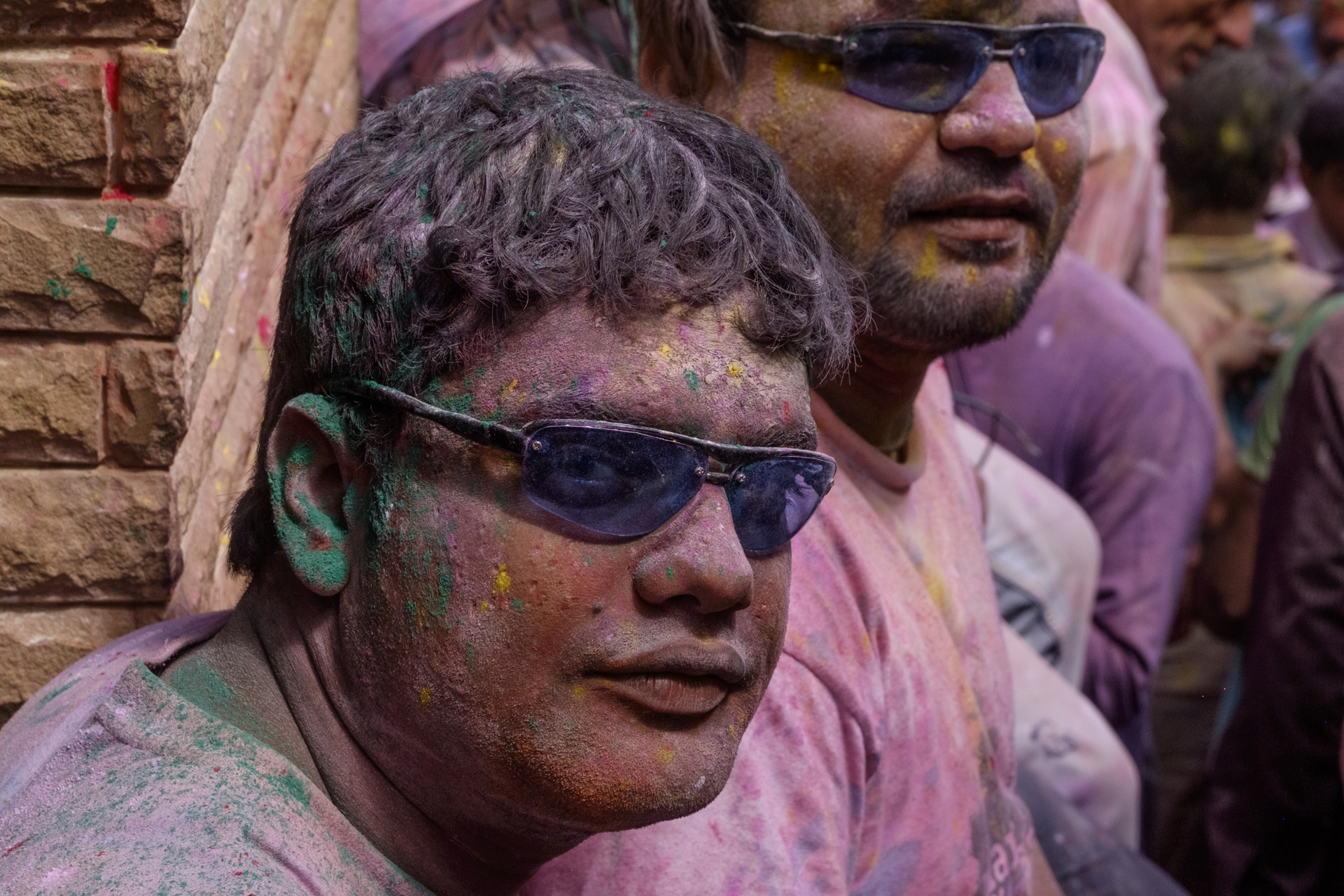
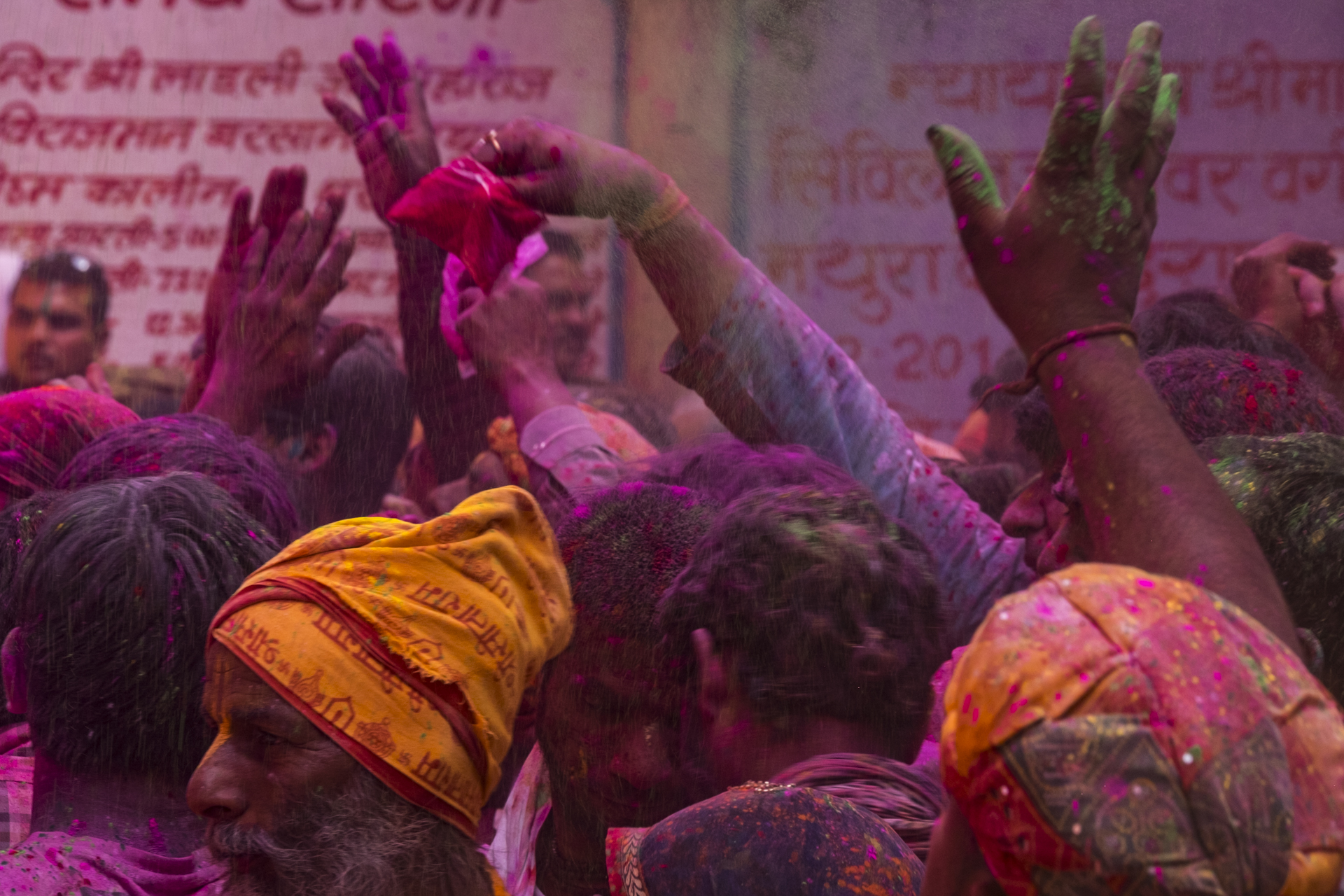
Due to some typically Indian travel confusion, I missed the stick hitting ‘play’ part of the festival, but I more than made up for that by being present at the temples during the extreme colour-throwing proceedings, as well as submersion in the general local ambience. Without actively intending to (honest!) I probably inhaled a fair amount of the suspiciously scented smoke hovering around the proceedings.

Photo tips for anyone attending Holi celebrations in India: Things get a little wild and there’s no point politely or even impolitely asking the locals not to throw any coloured paint or powder in direction – it will probably only goad them into throwing even more colours at you. So wear your grubbiest tattiest clothes, wear a hat, and wrap your camera in a plastic bag, sealed with an elastic band , but with the front of the lend poking out and covered with an affordable protector filter. Try to make your camera settings before sealing the camera, working out a versatile compromise for shutter speed and aperture. It could even be one of those occasions when setting everything to Auto makes perfect sense!

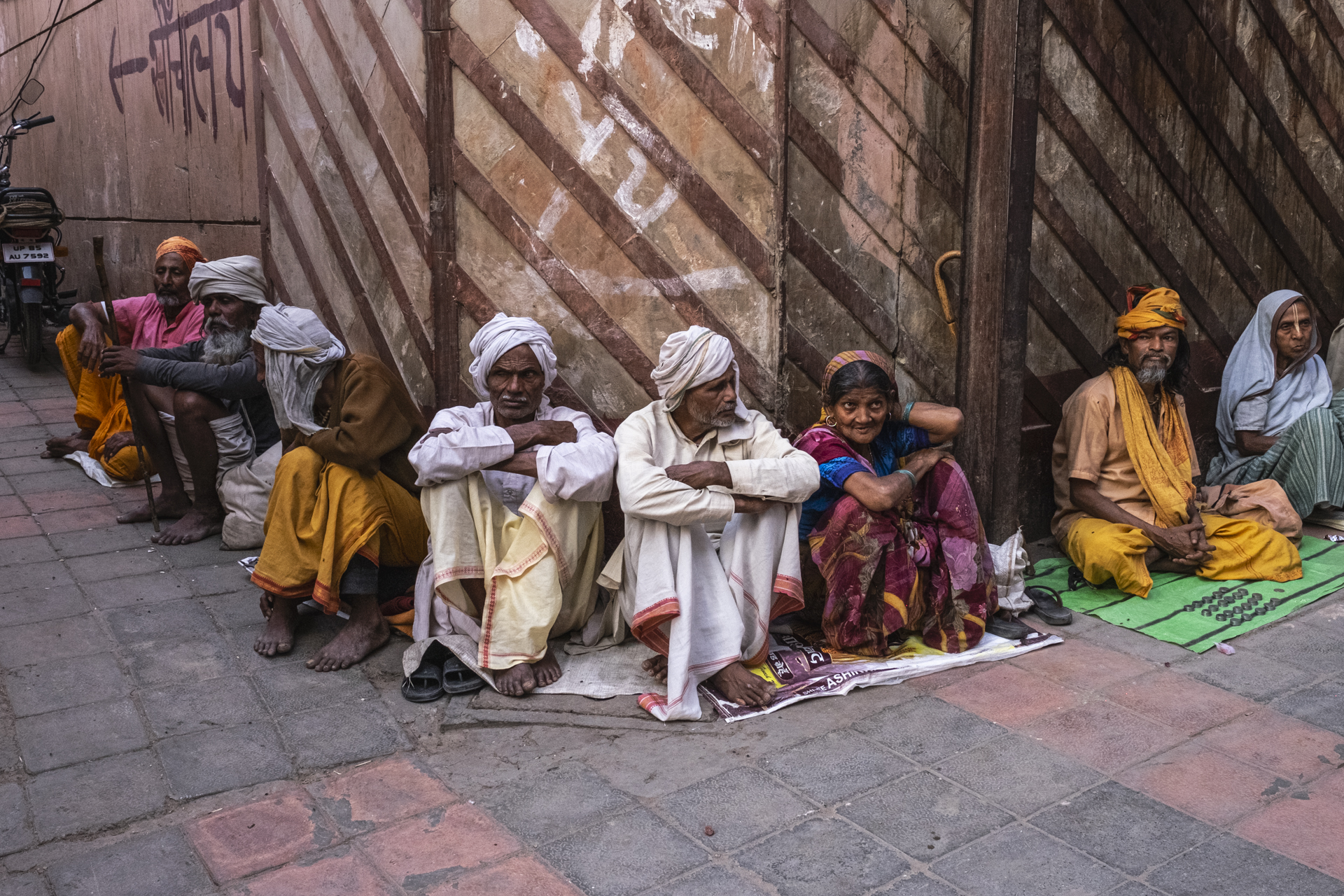
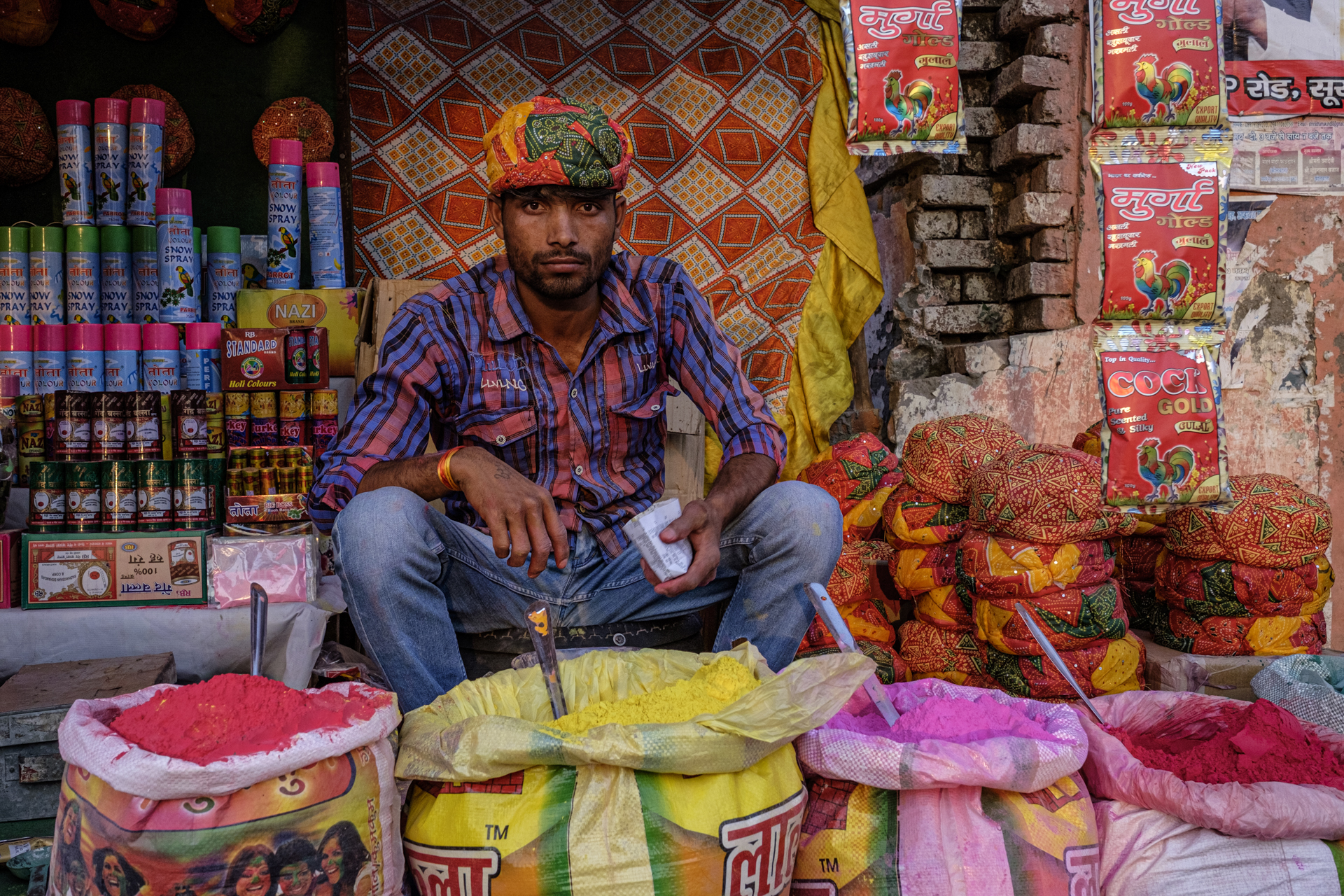
Here’s a gallery of images from my Lathmar Holi adventures.

Share this:

  • Click to share on Facebook (Opens in new window) Facebook
  • Click to email a link to a friend (Opens in new window) Email
  • Click to share on LinkedIn (Opens in new window) LinkedIn
Like Loading...

2024: celebrating a year of brilliant auroras

15 Sunday Dec 2024

Posted by Tim Bird in Arctic travel, aurora borealis, Finland, lapland, northern lights, photography, Travel, travel photography

≈ Leave a comment

Tags

astronomy, aurora, aurora borealis, finland, Lapland, night photography, night skies, northern lights, photography, sapmi, travel, travel photography

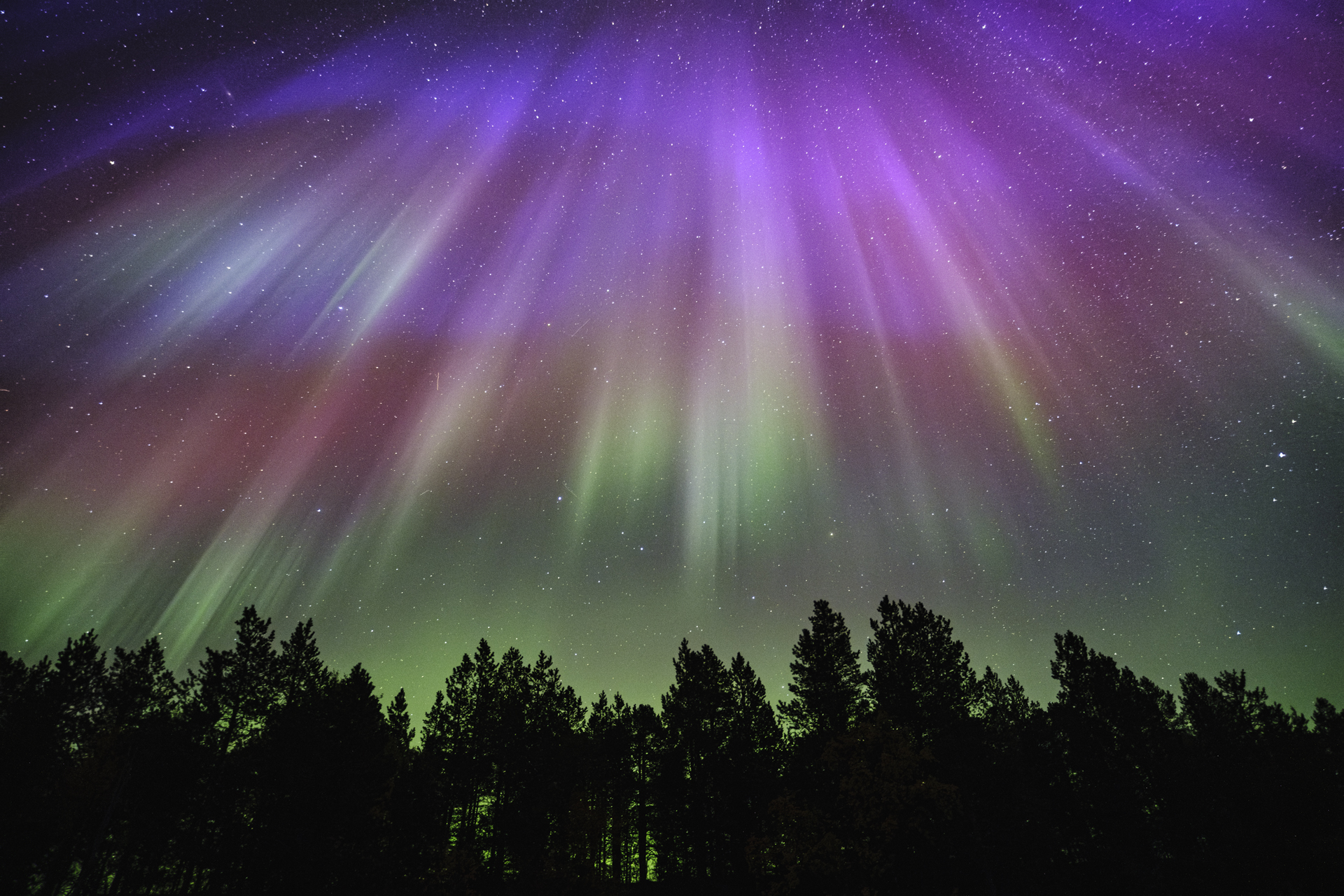
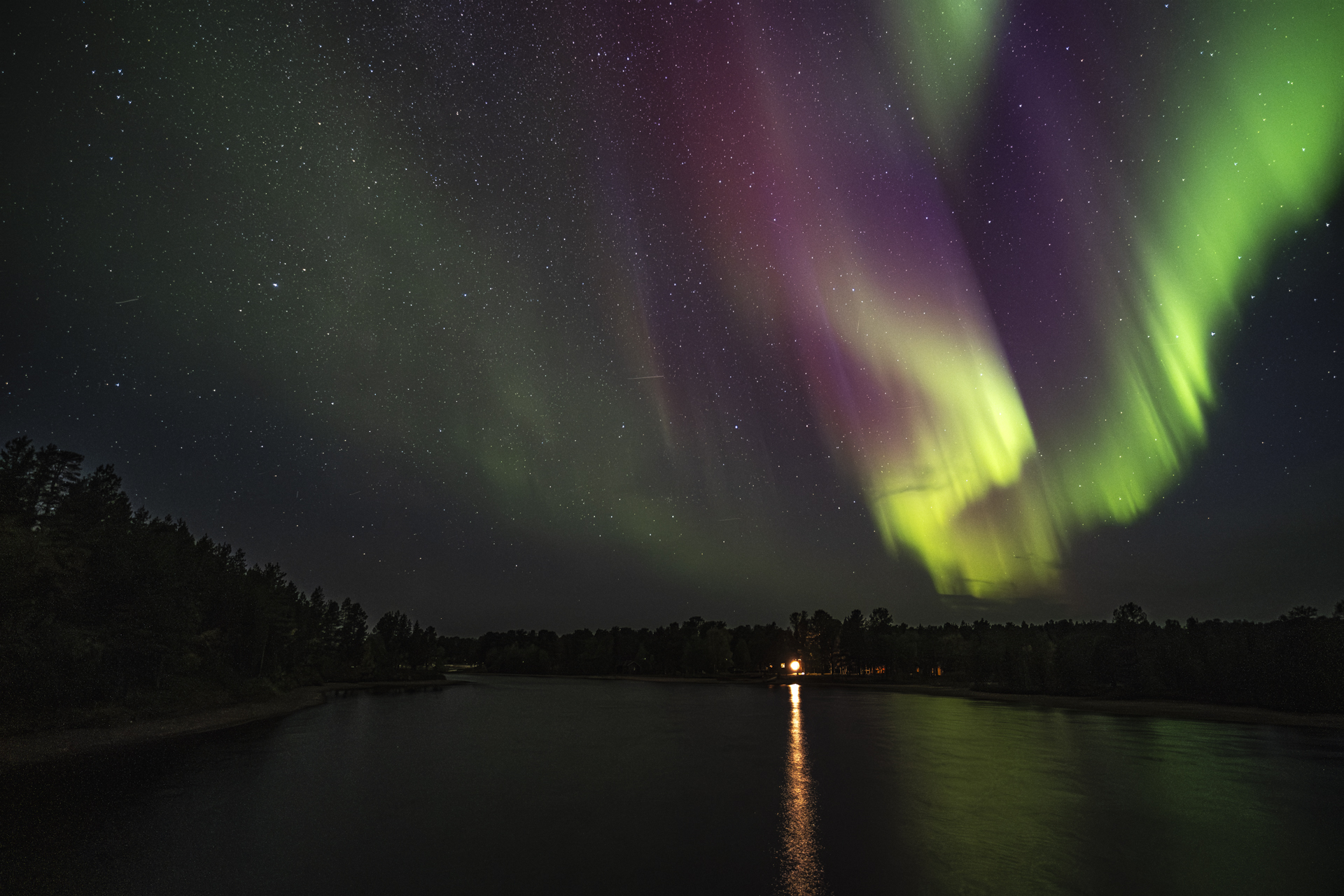
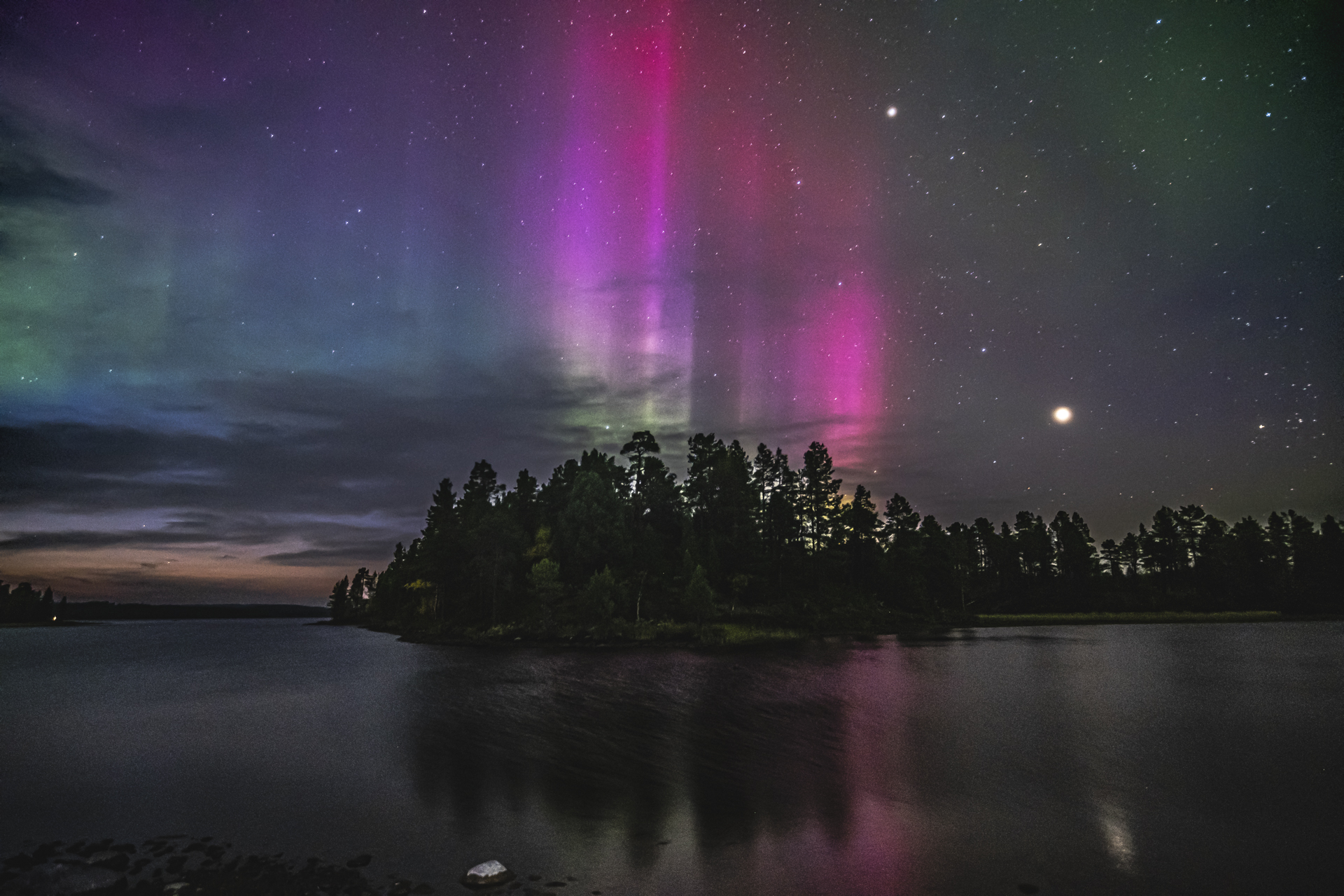
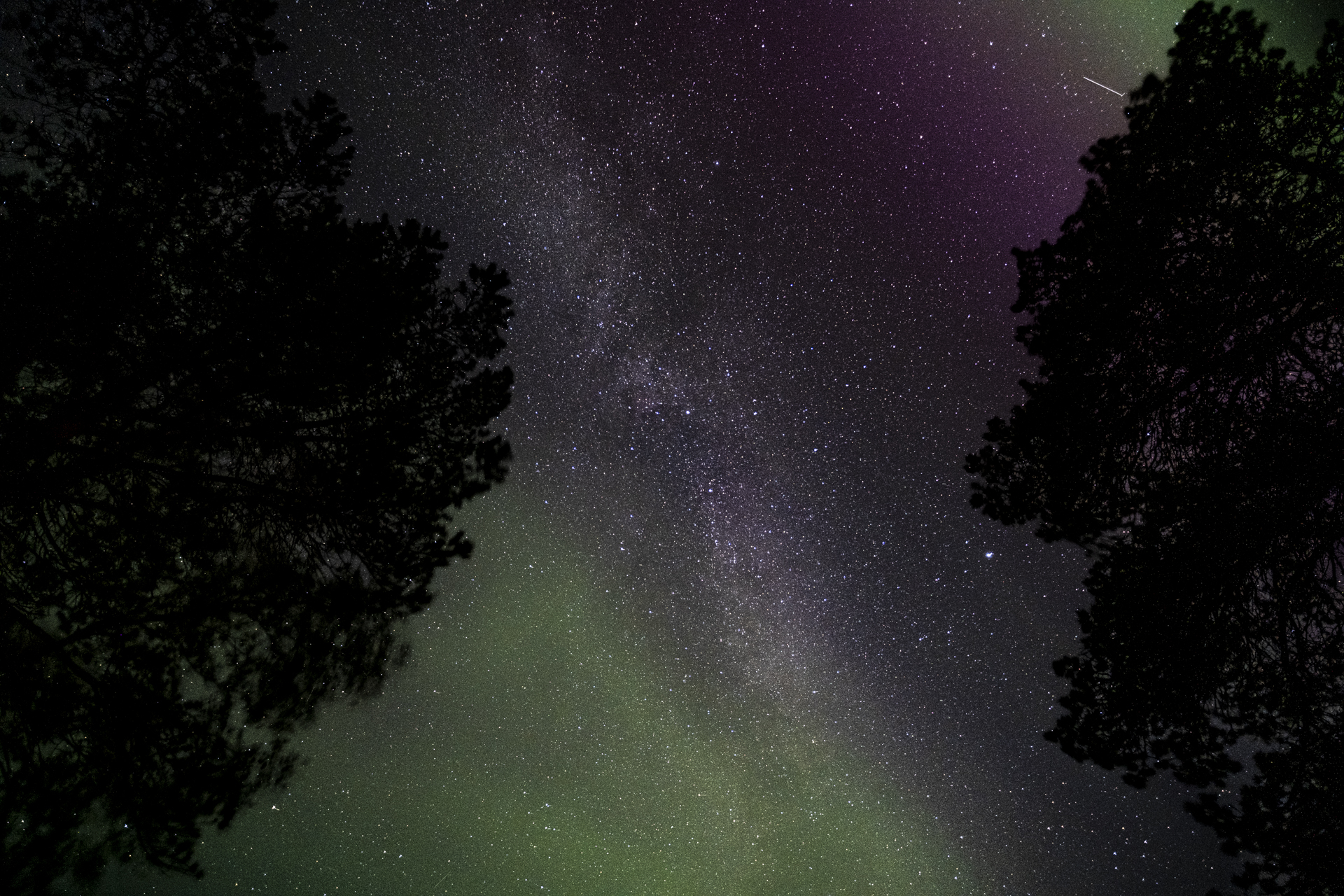
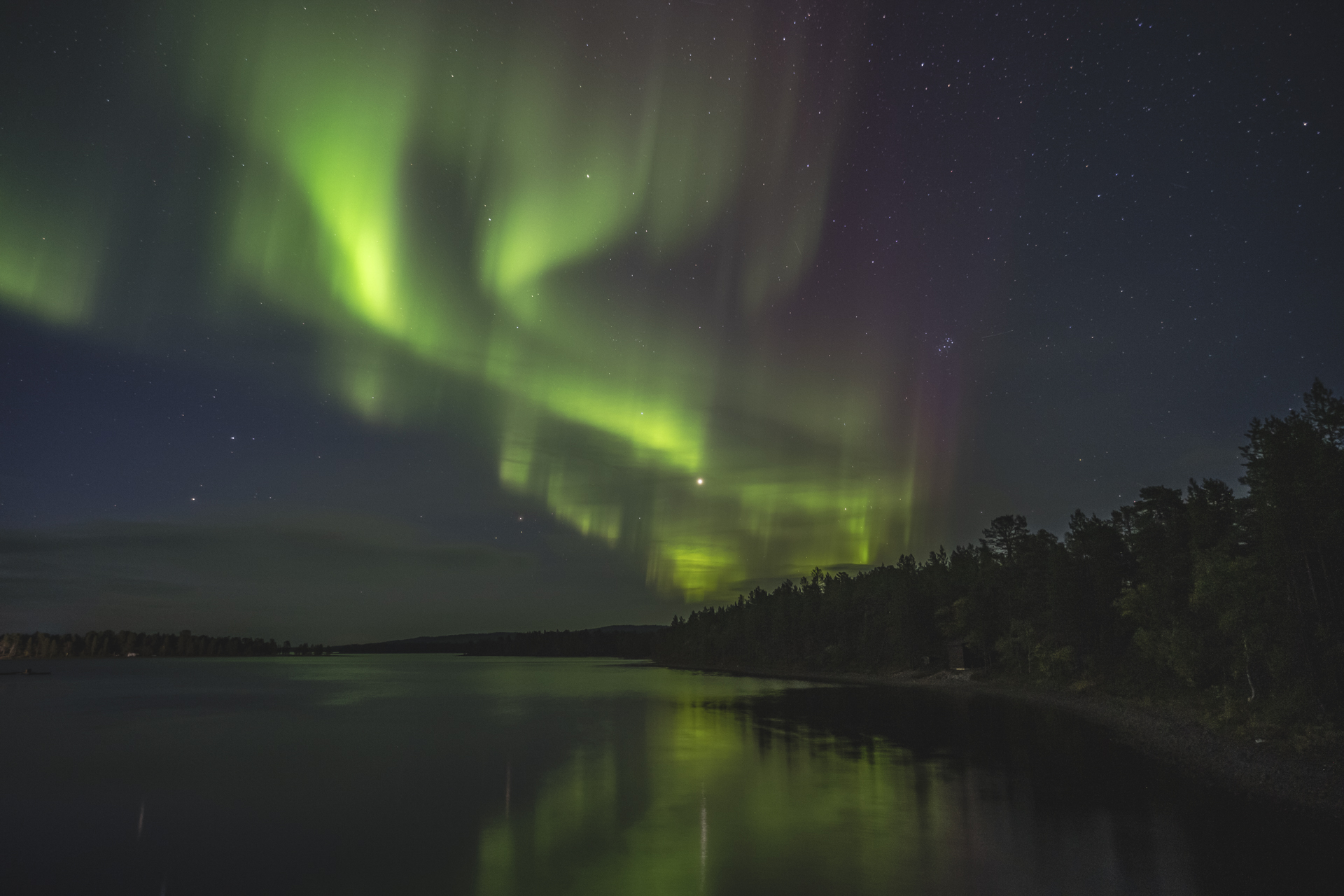
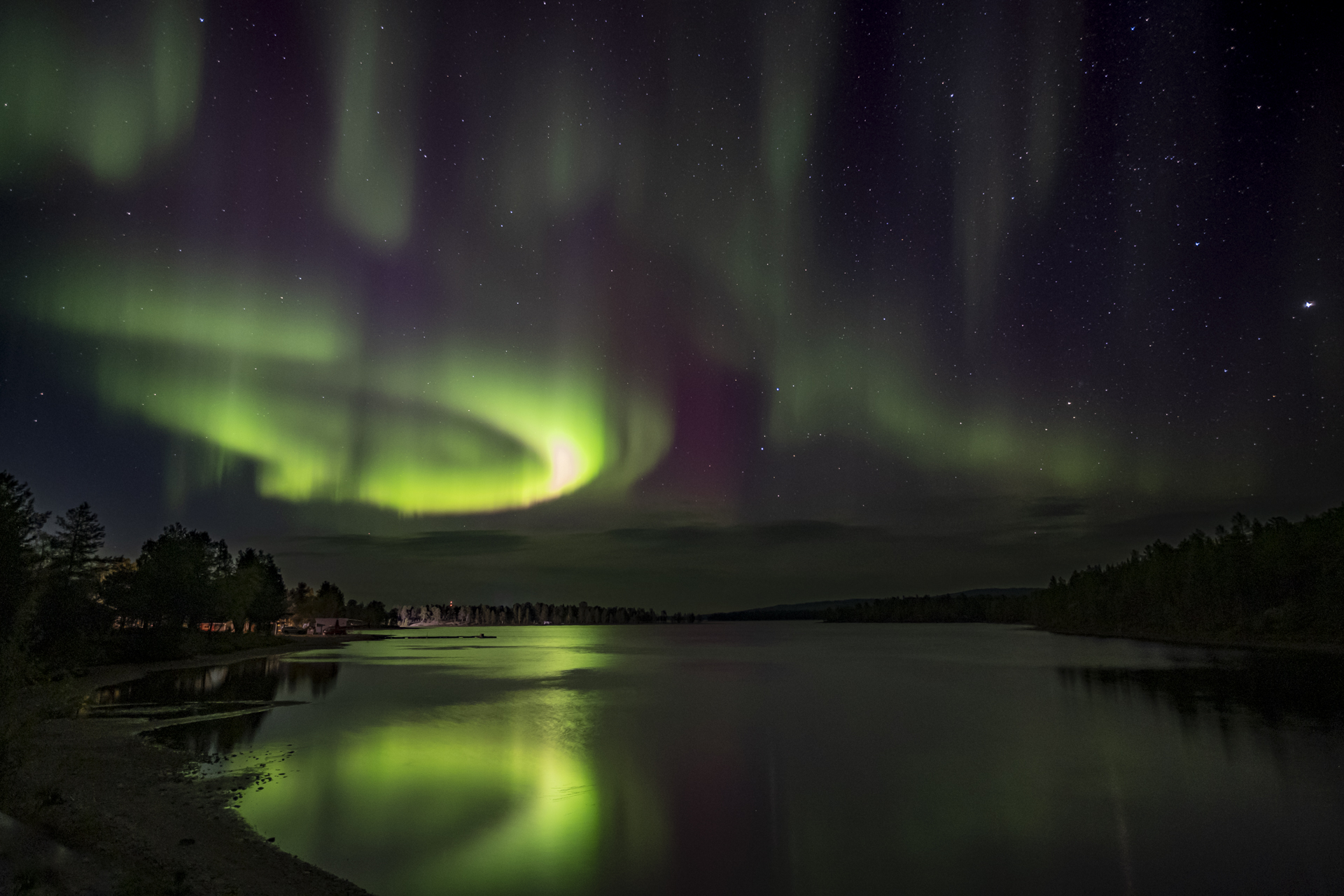
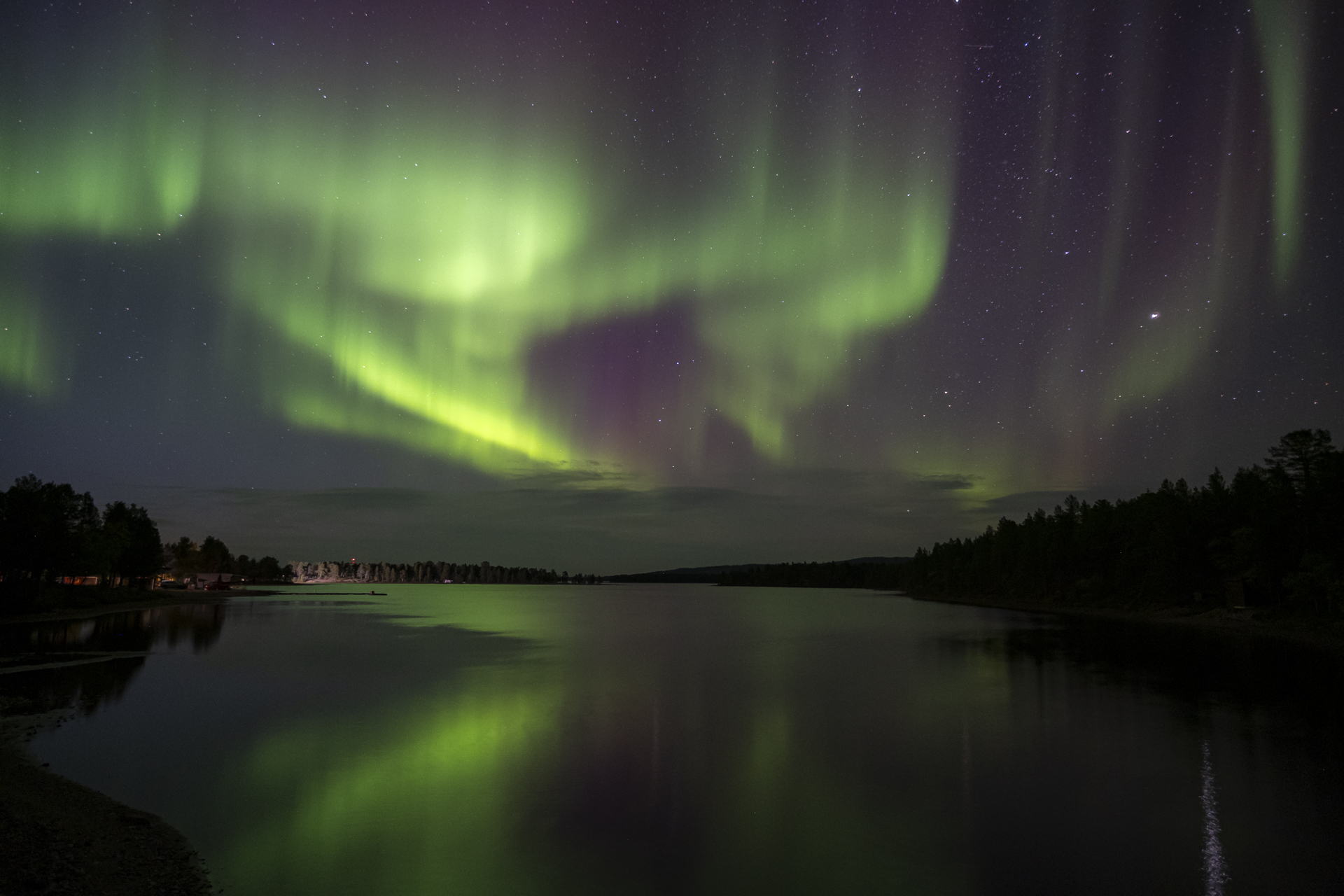
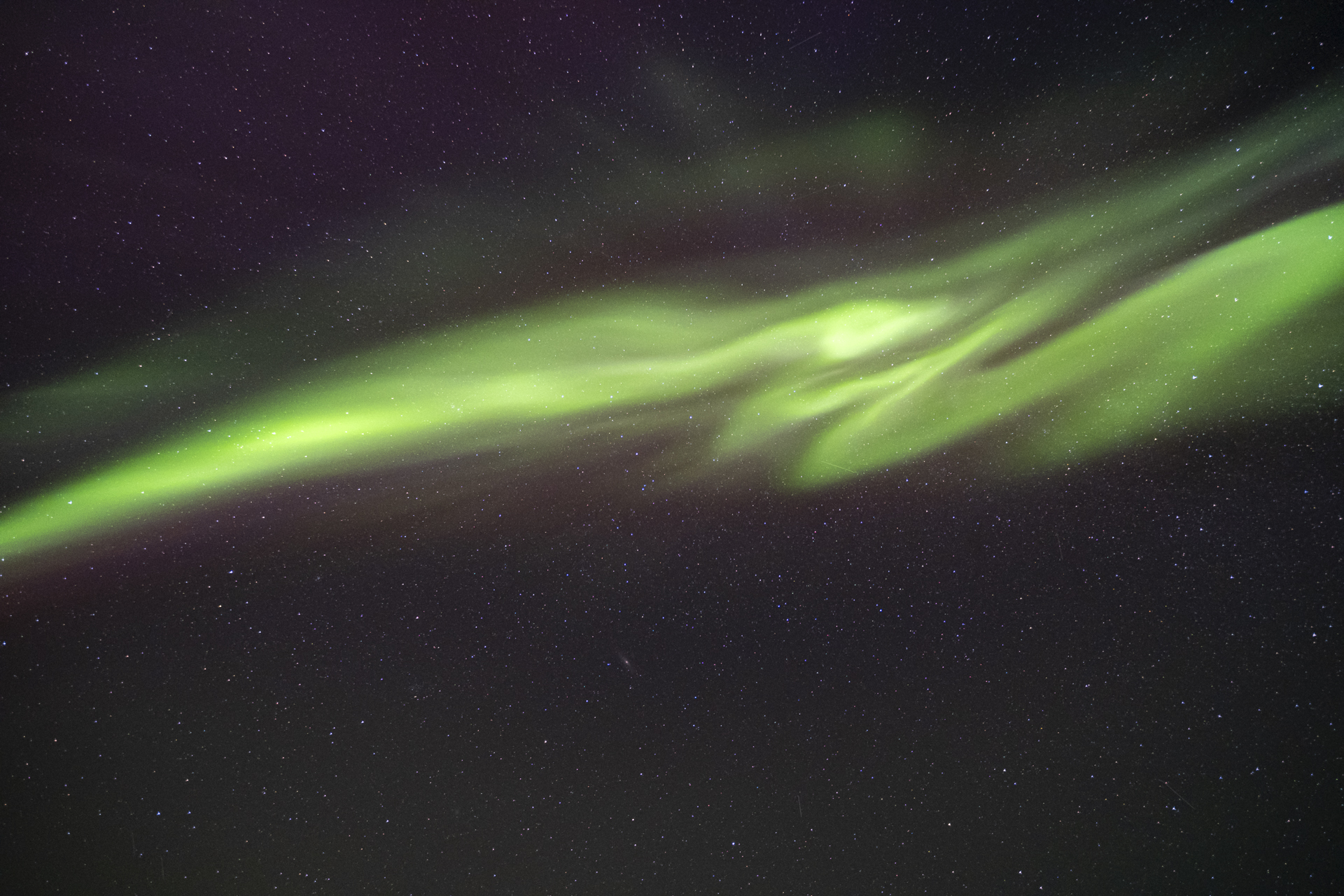
2024 was a vintage year for Northern Lights viewing and photography.

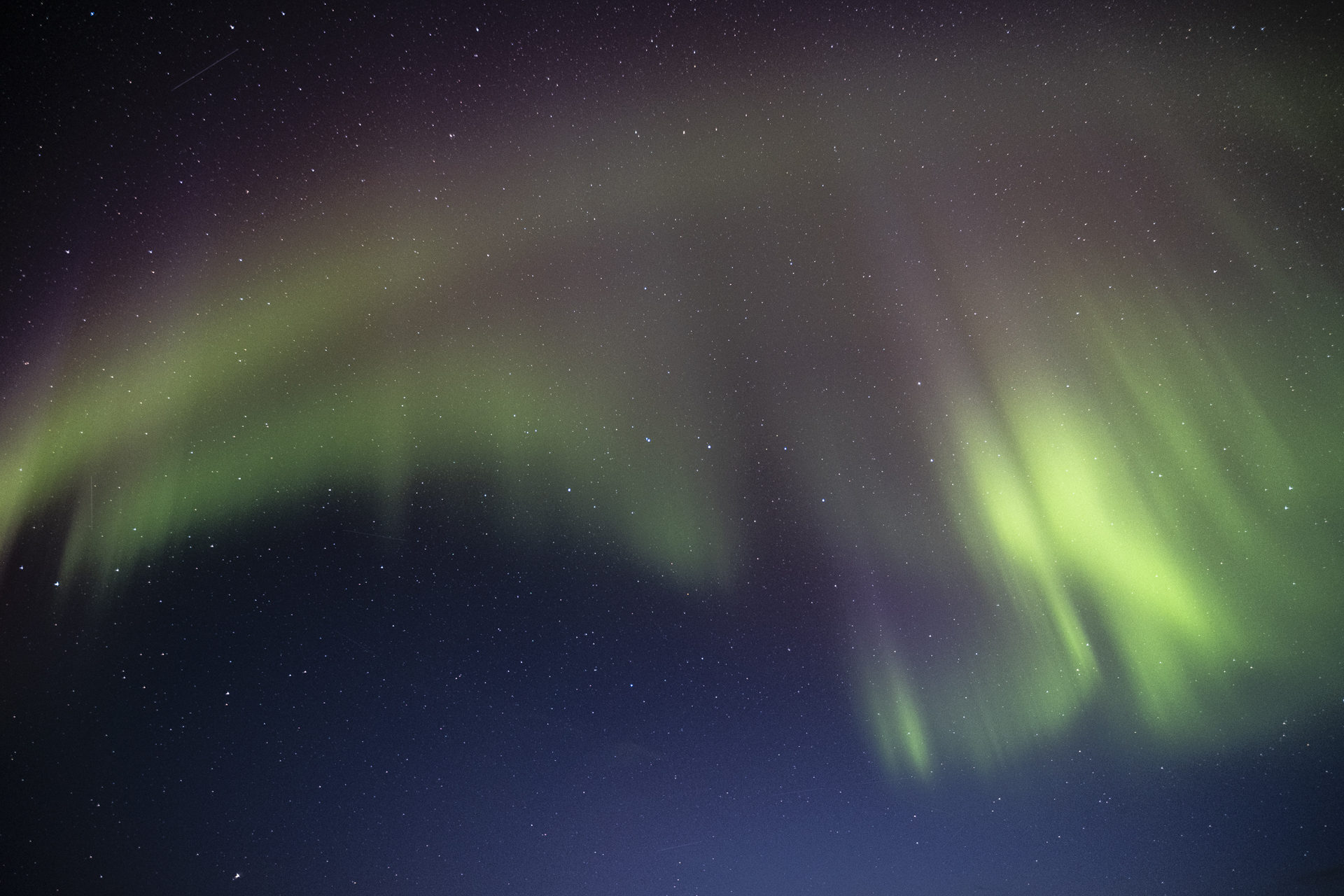
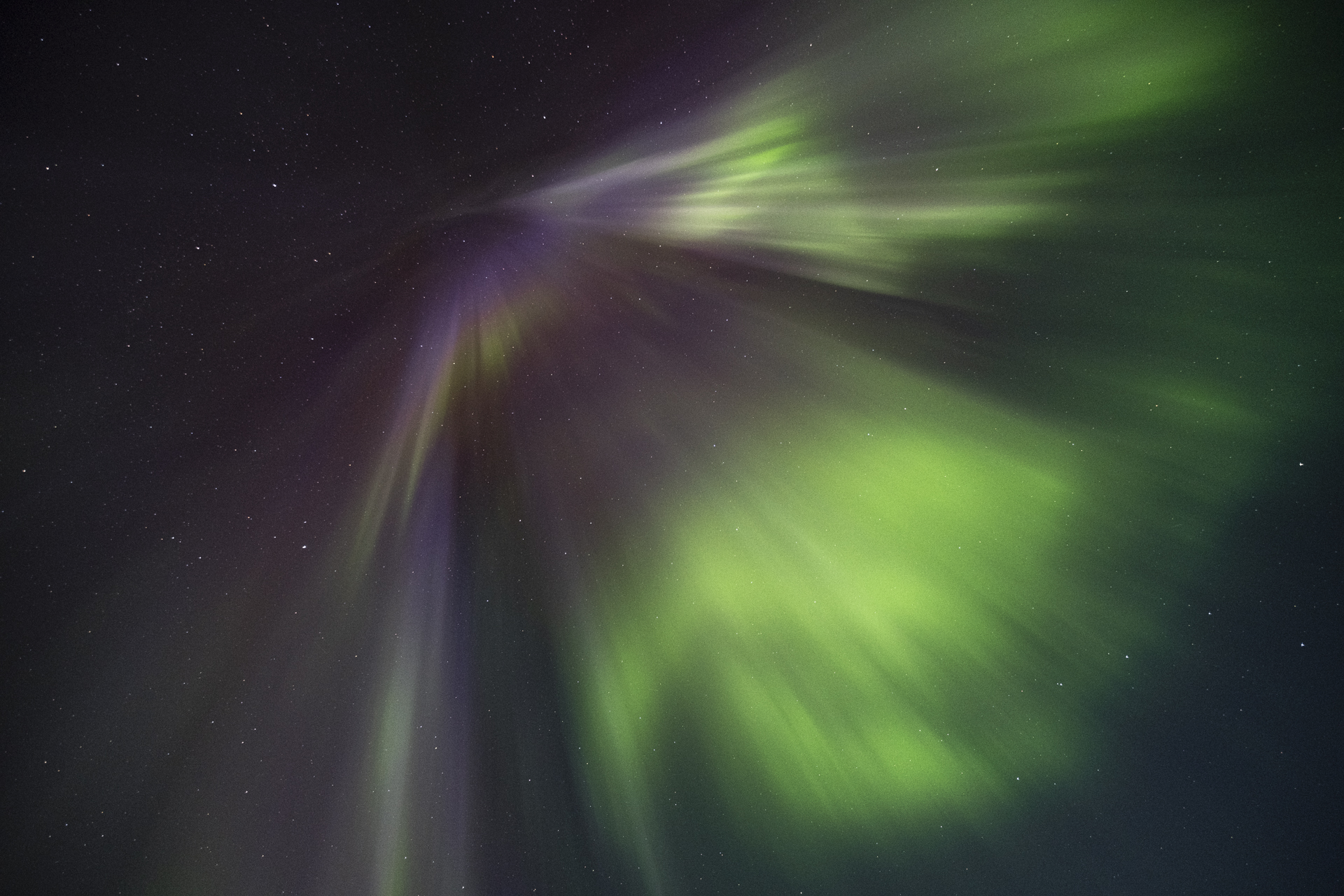
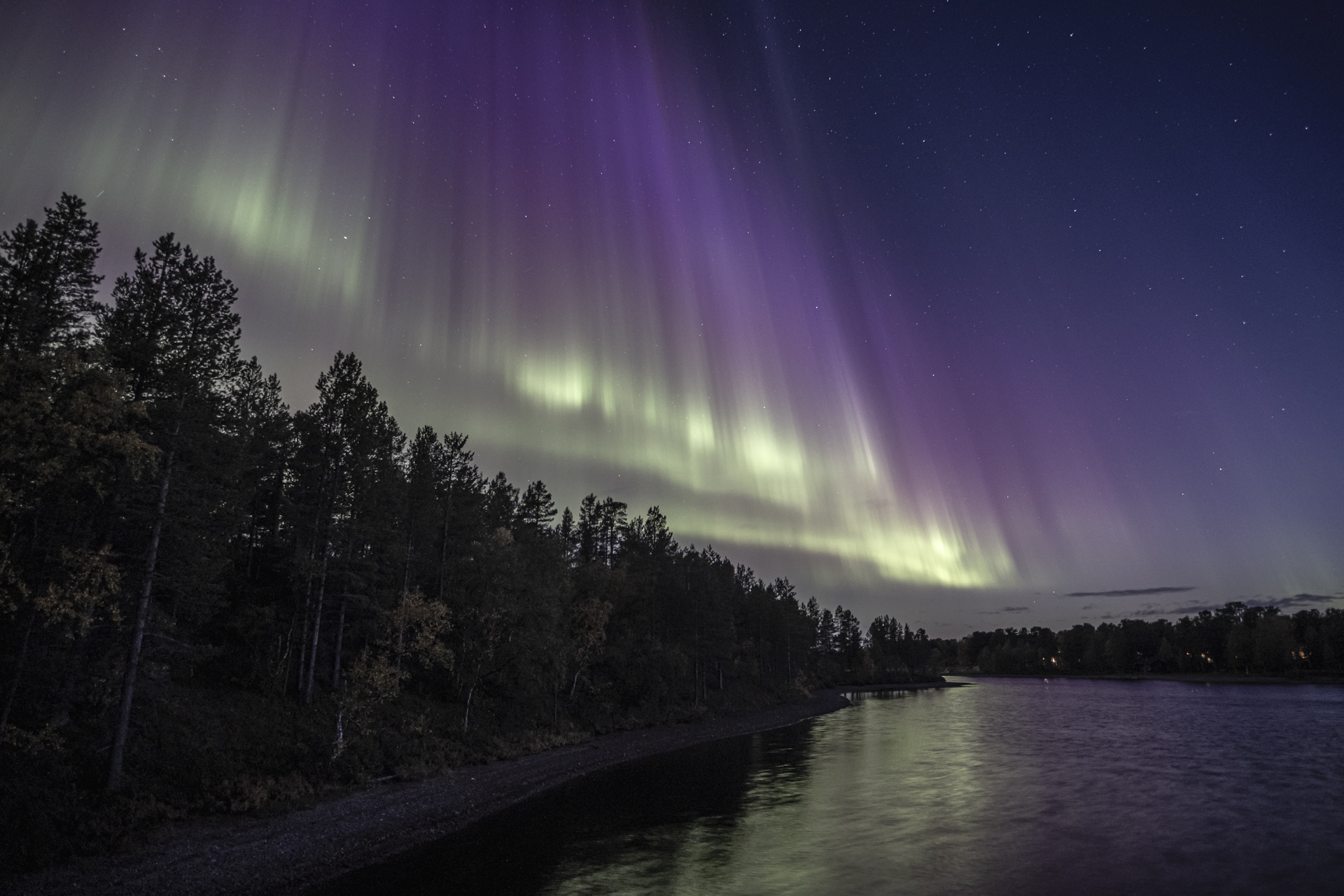
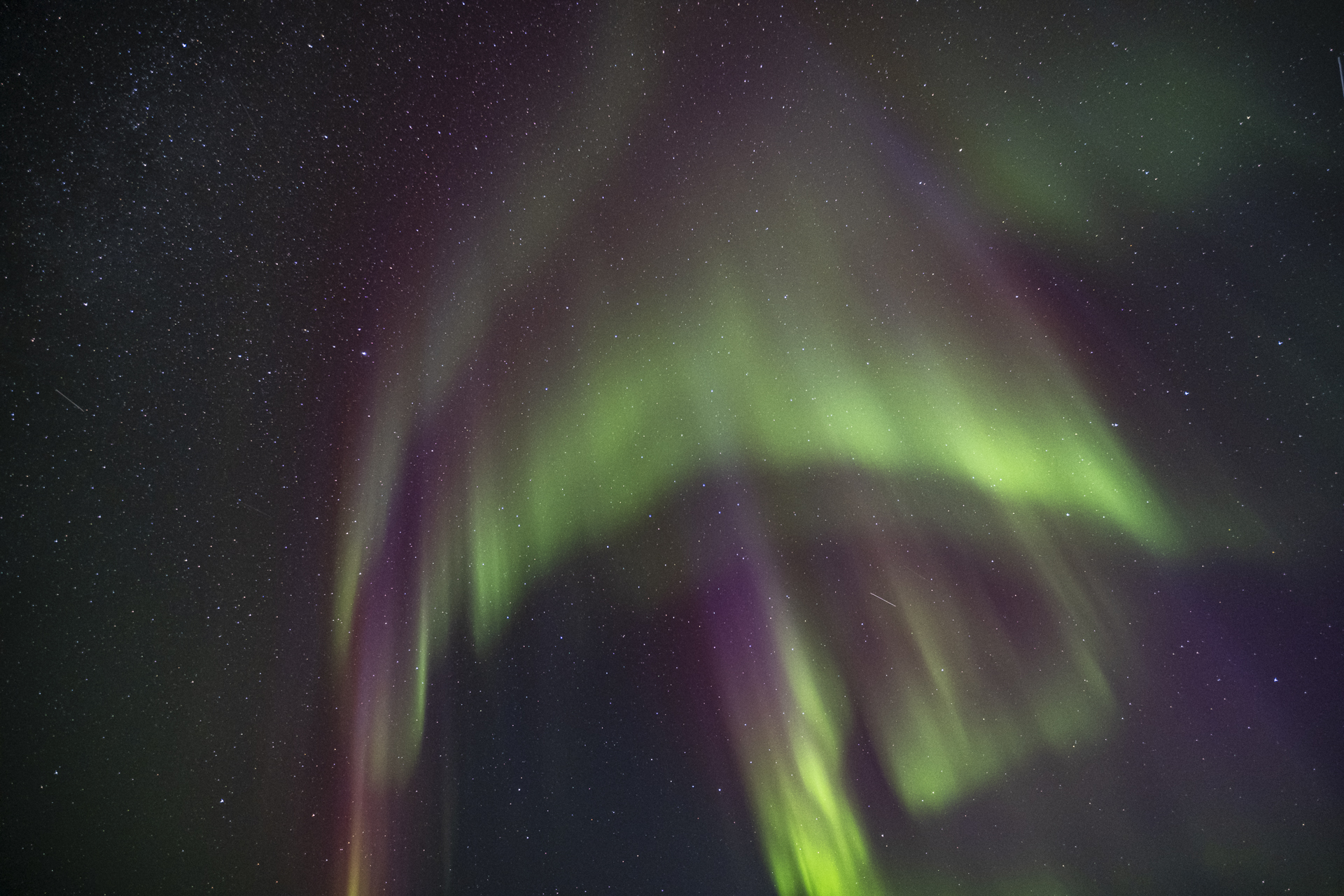
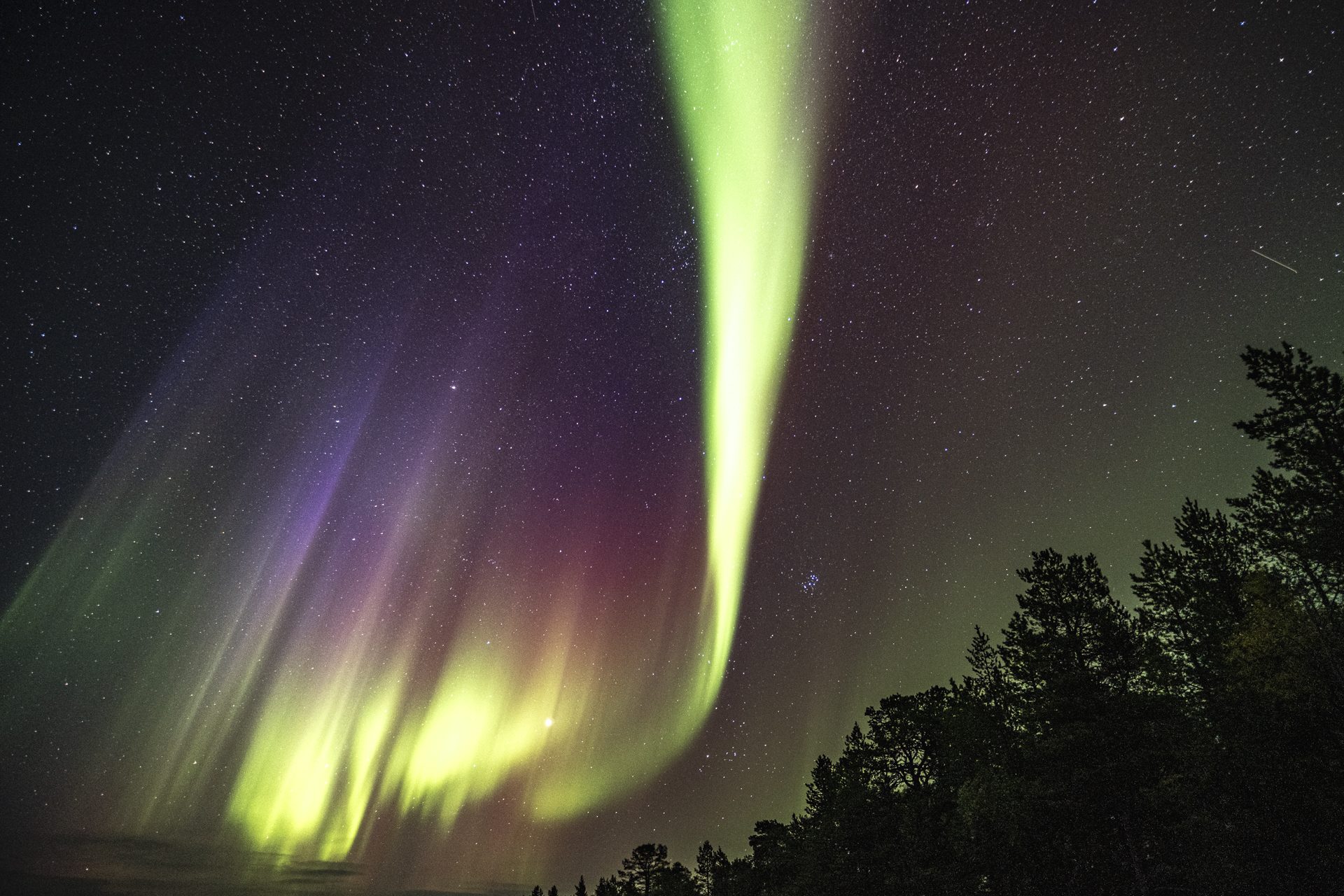
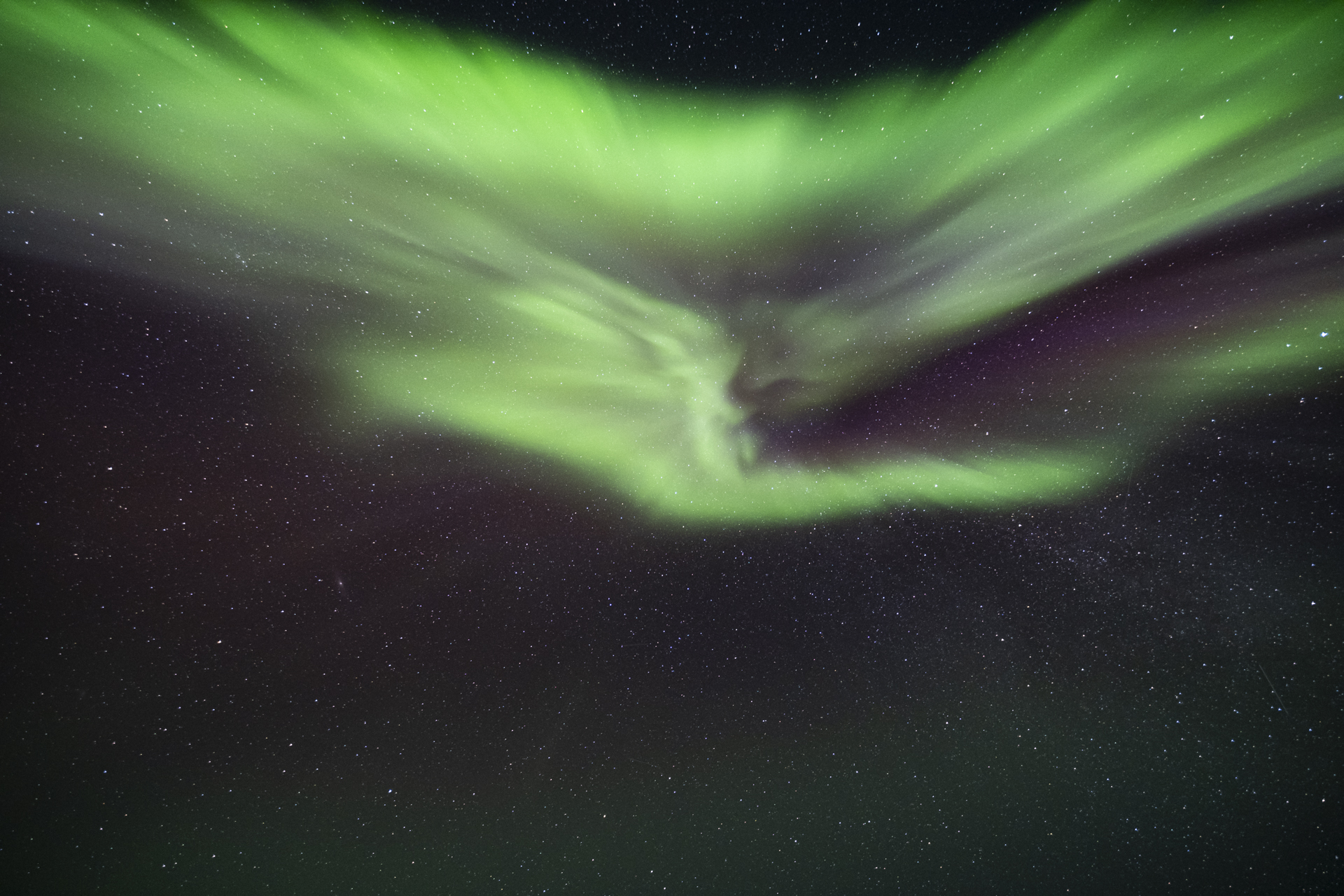
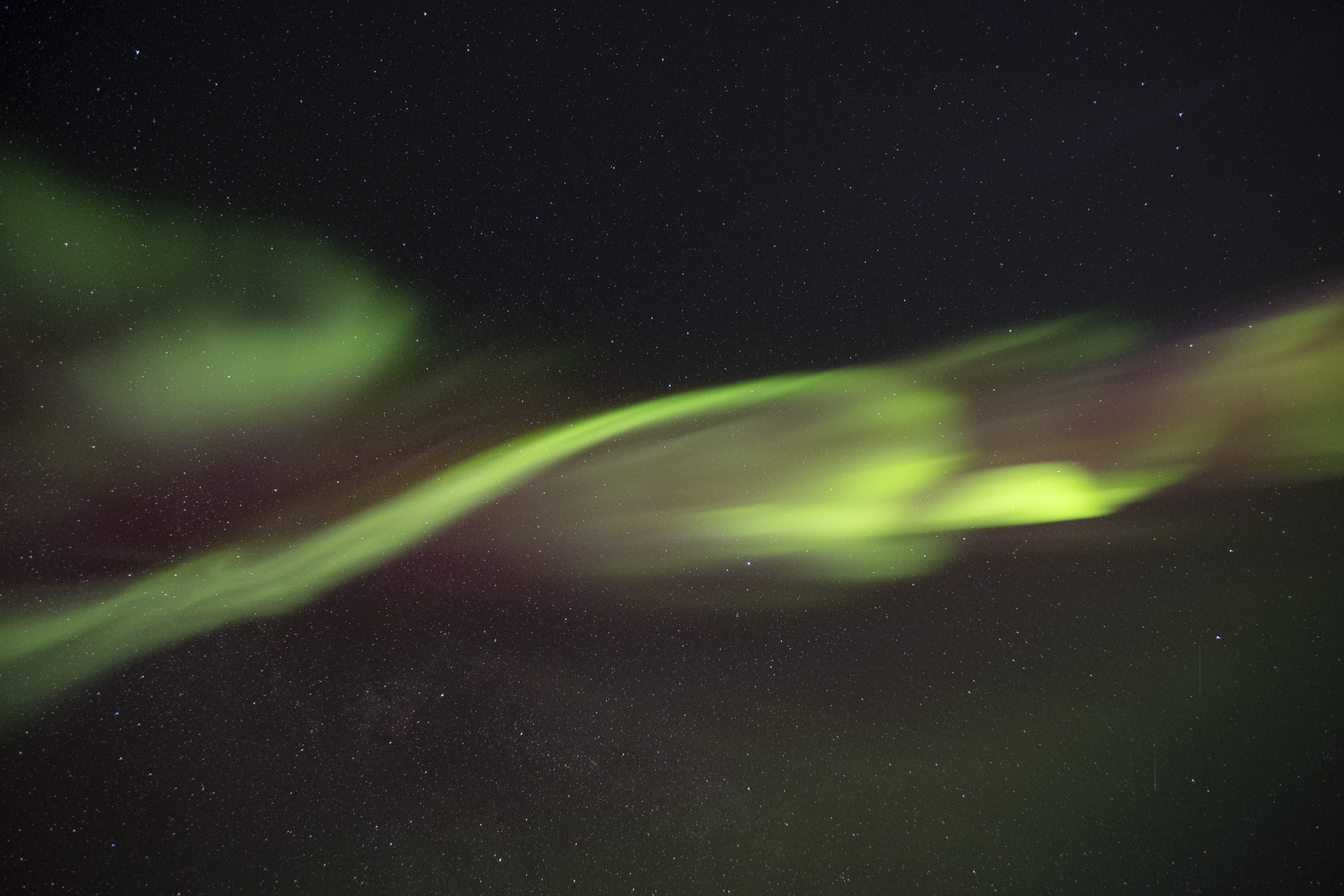
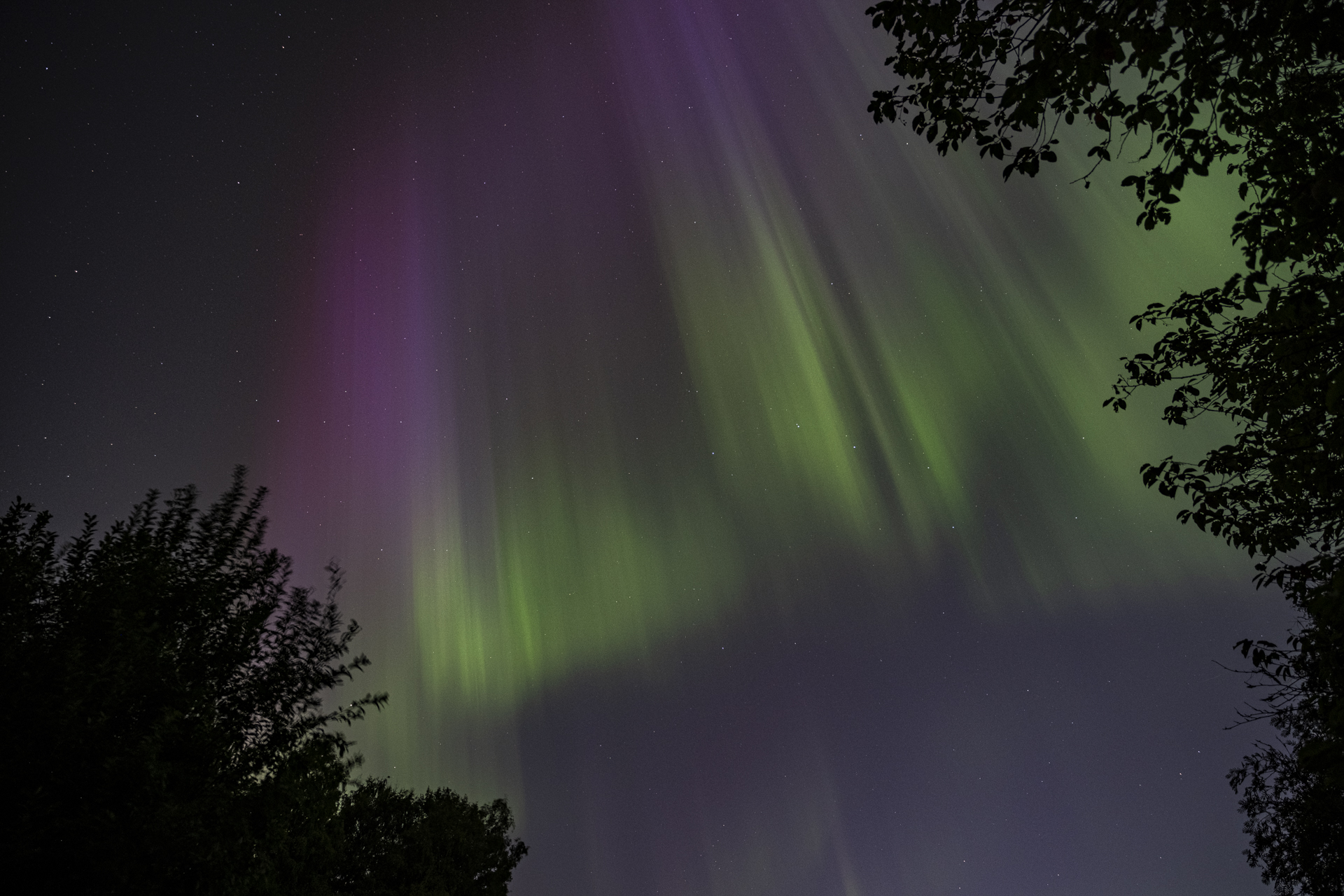
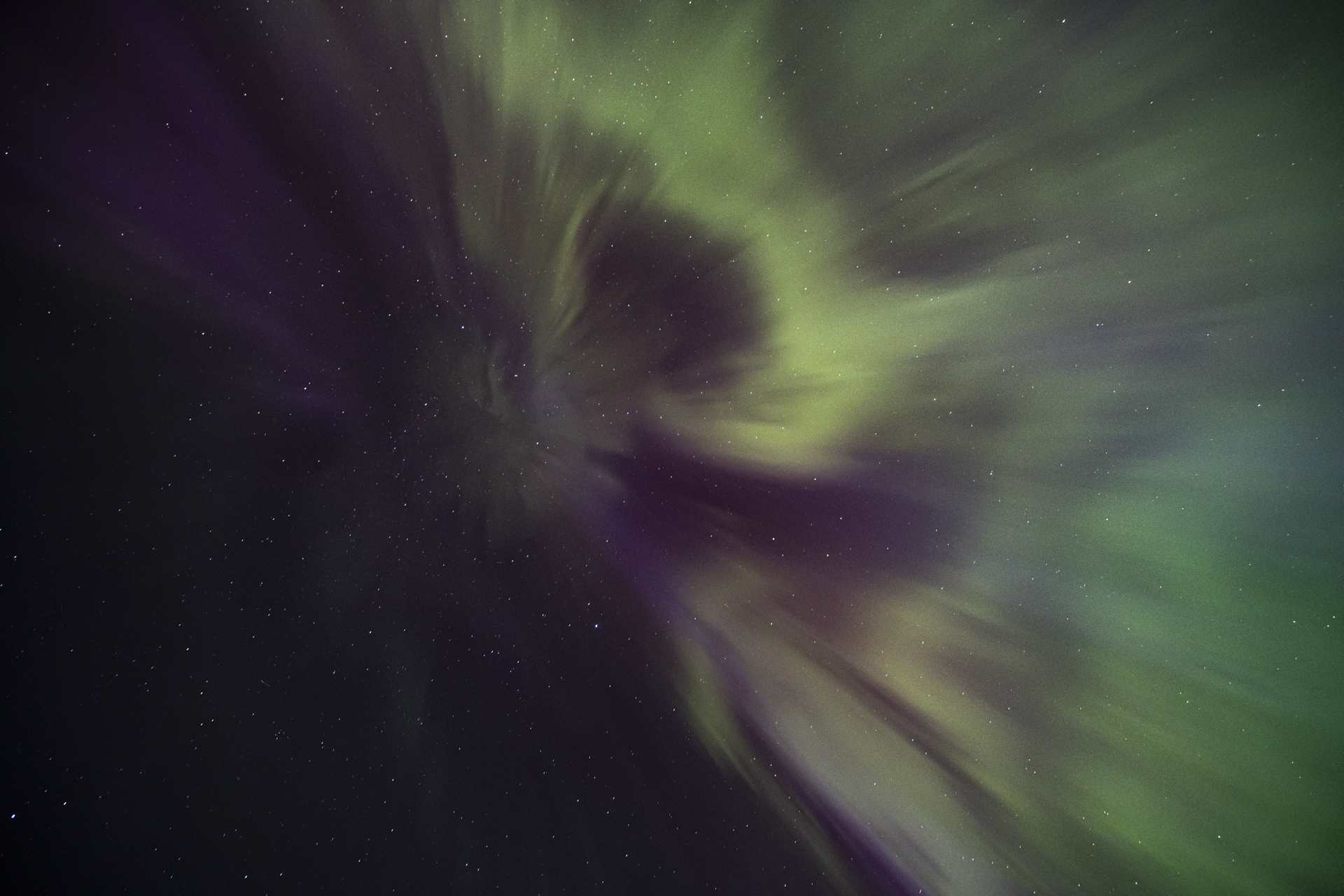
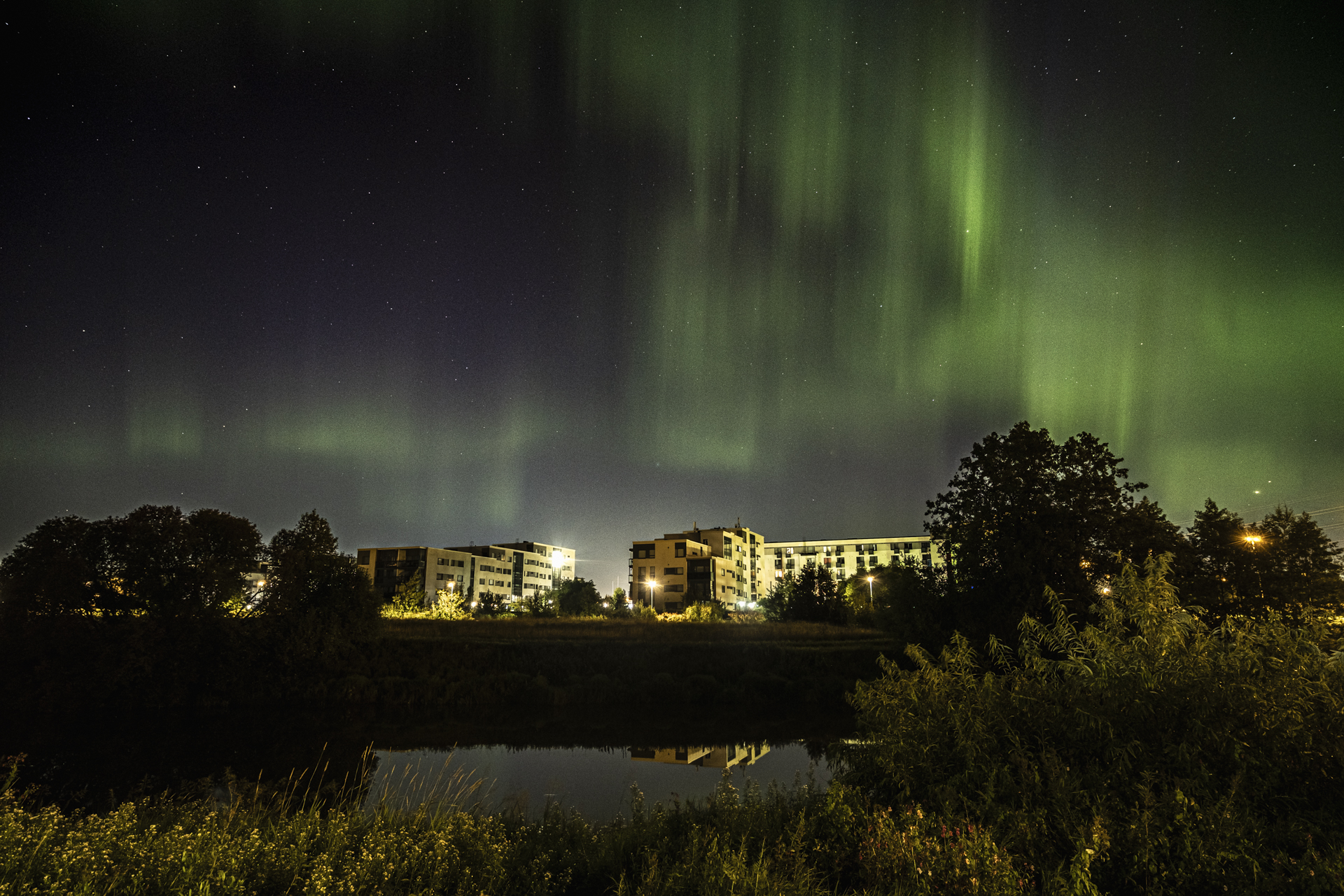
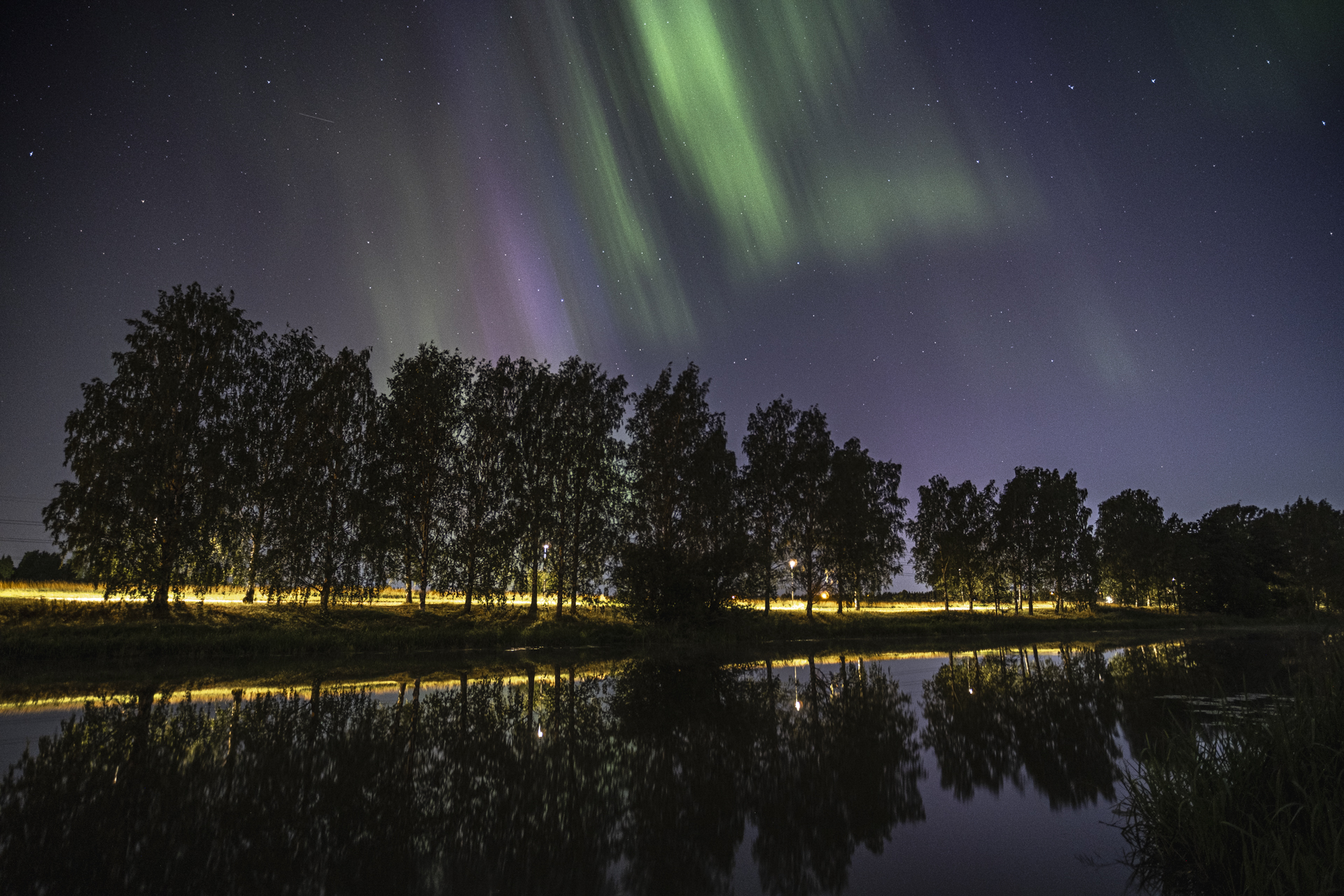
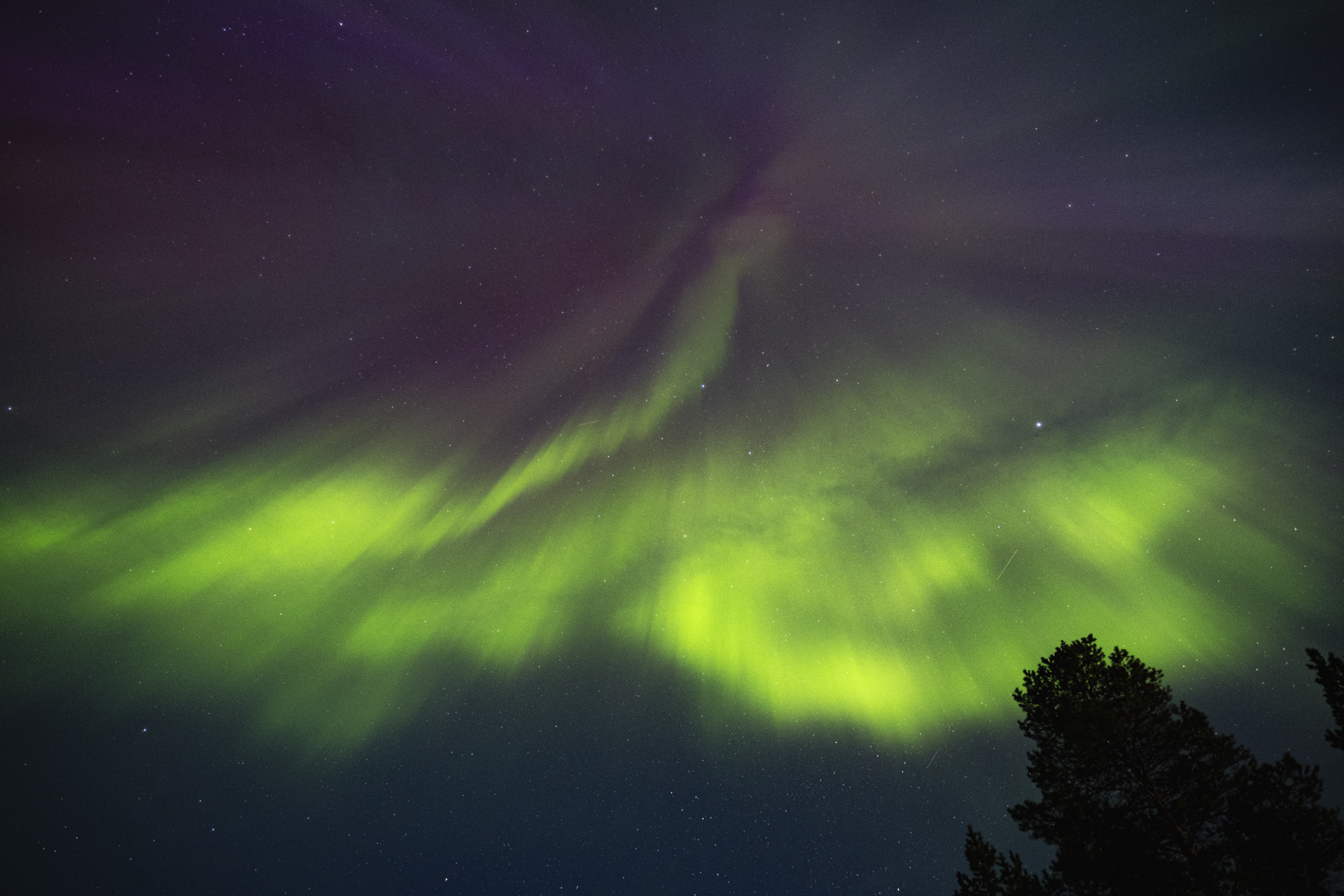
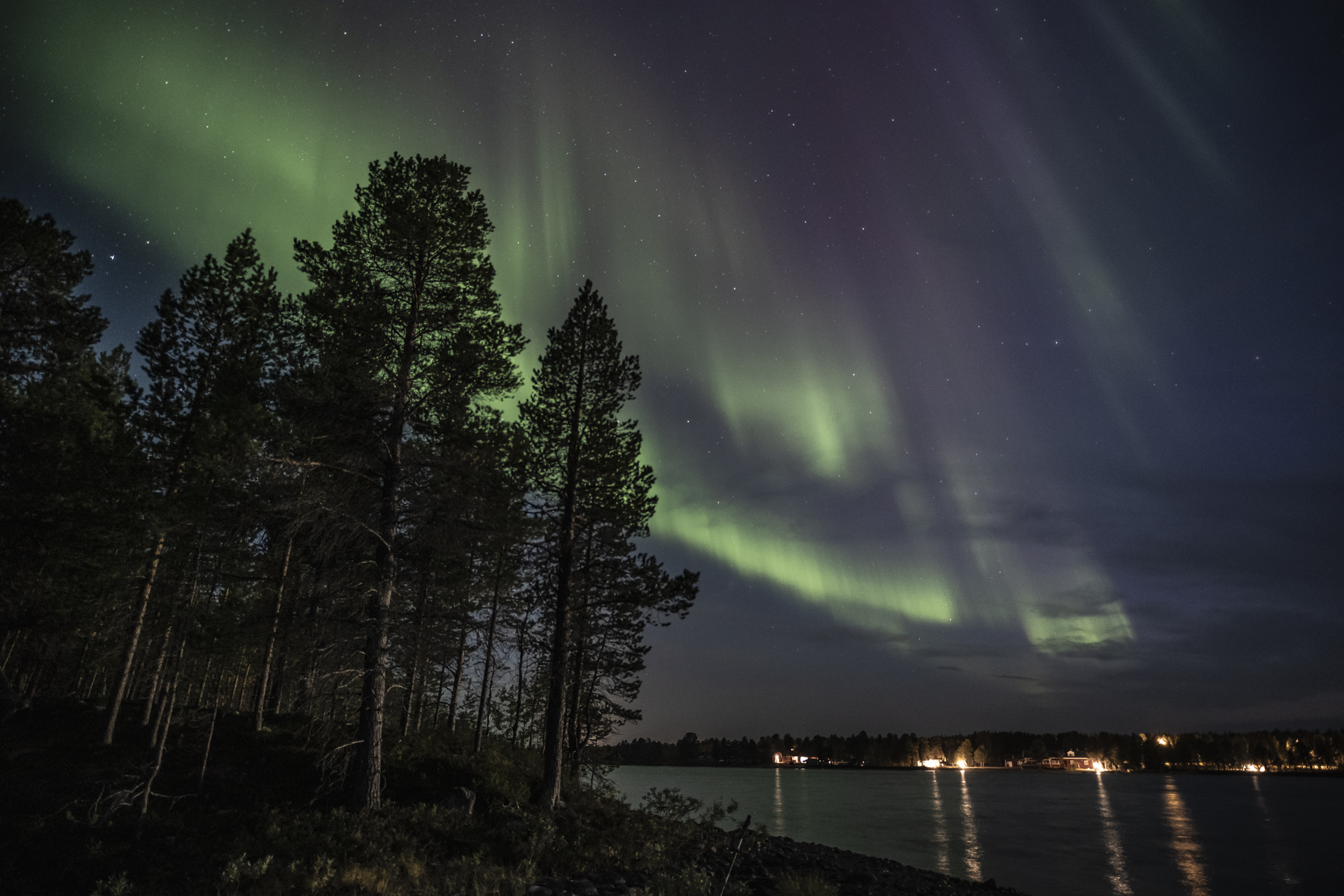
Looking back over my photo folders from the various adventures of the past year, one phenomenon jumps out from everything else: the amazing aurora borealis shows that I was lucky enough, like many other stargazers this year, to witness over the course of 2024. We’ve reached the peak of the 11 year solar cycle when the aurora – in this part of the world, otherwise known as the Northern Lights – is especially active, and that should continue into 2025. It was even clearly visible in southern Finland, in and around Helsinki where I live, on a number of occasions – not something we can take for granted with the amount of development and subsequent light pollution in the capital area. On my annual autumn trip to Sapmi – also known as Lapland – my timing was brilliant, with three clear nights out of four and increasingly intense shows on each night.

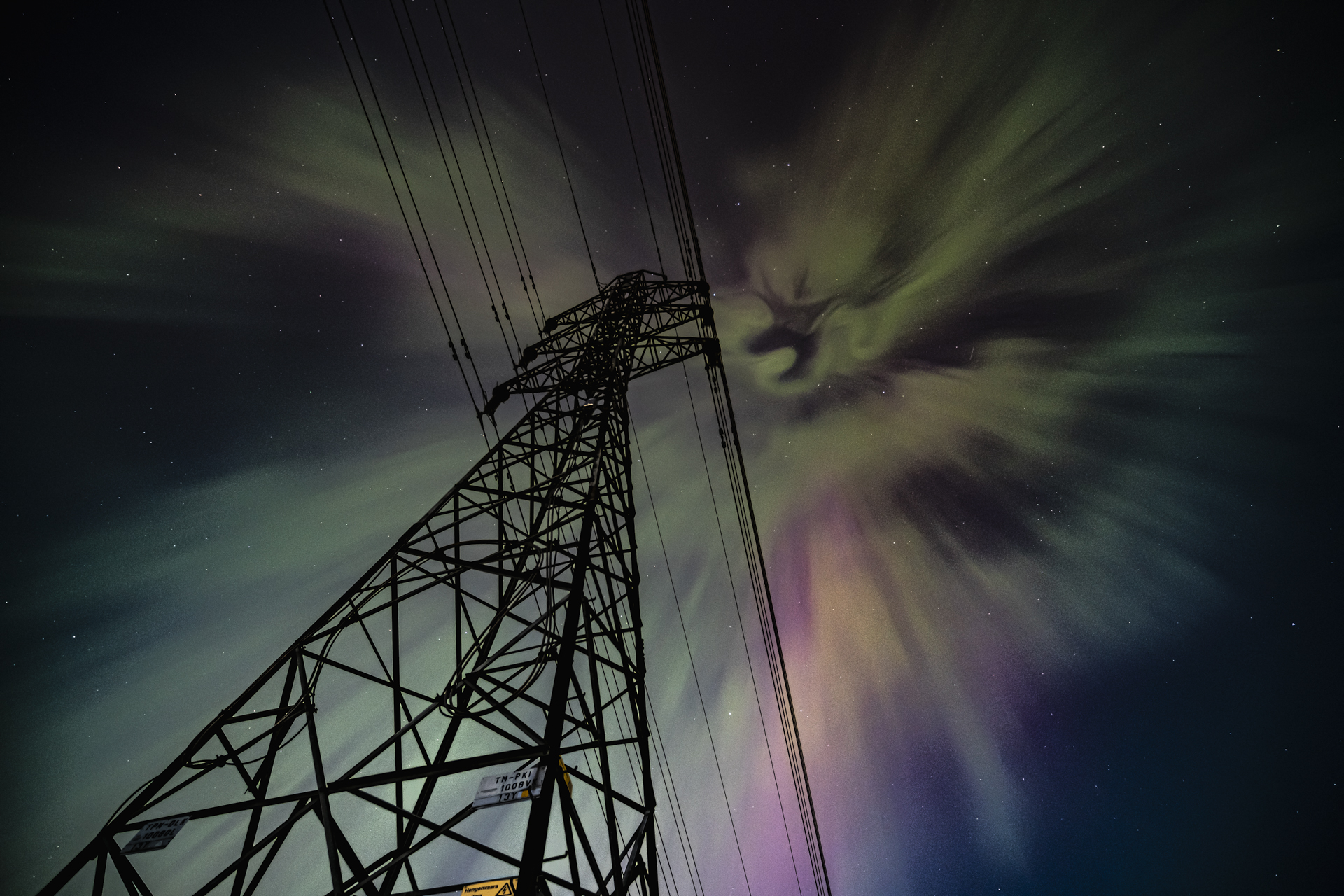
The aurora is triggered by the collision of solar wind’s protons and electrons, released by flares on the surface of the Sun and directed towards the polar regions by the Earth’s magnetic fields. The colours depend on the concentration of gas molecules with which the particles collide. Green is the most common colour, and also the easiest for the human eye to register, and results from the collision with oxygen at relatively low altitudes, from about 60 to 180 miles. Red displays occur at higher altitudes where oxygen is more rarified. Less common blue and purple auroras are caused by a collision with nitrogen at up to about 60 miles. 

Myths and legends

So much for the science. The myths and legends, conceived long before any prosaic and scientifically devised theories were applied, are almost easier to believe, and much more fun. The Finnish name for the Northern Lights, revontulet, which translates as ‘fox’s fires’, derives from the idea, as plausible as any when they evolved, that the apparition was caused by sparks set off when the tails of scampering foxes brushed the fells. Believing the aurora to be a bad omen, the indigenous Sámi were reluctant to converse about the aurora, believing them to be the souls of the departed, capable of scooping the living into the sky. Other Arctic tribes were similarly in awe, but attributed more benign functions to the aurora, believing them to be a guiding light for the deceased on their way to a well-illuminated afterlife. If I had been alive in a pre-science Lapland, I like to think my own proposal might have gained some traction, that the Northern Lights are orchestrated at the whim of an invisible giant – a specially designated auroral god, perhaps – using a series of mystical hand gestures.

Anyway, I thought I’d post a big selection of my best aurora moments over the course of the 2024 as a celebration as the turn of the year approaches. I hope you enjoy the show! The first block of images are from my September trip to the village of Sevettijärvi in Lapland, way above the Arctic Circle in northern Finland.

The following selection were all captured in the locality of our Helsinki home, on the northern edge of the city, in the Central Park area and close to the River Vantaa at the end of our road, in early May and August. It’s very rare that we get such vivid displays, although the occasional faint flicker isn’t so unusual.

Share this:

  • Click to share on Facebook (Opens in new window) Facebook
  • Click to email a link to a friend (Opens in new window) Email
  • Click to share on LinkedIn (Opens in new window) LinkedIn
Like Loading...

Grosseto and the Maremma Regional Natural Park in southern Tuscany

29 Tuesday Oct 2024

Posted by Tim Bird in photography, sustainable development, tourism, Travel, travel photography, Uncategorized

≈ Leave a comment

Tags

Grosseto, Italy, Maremma, Tuscany

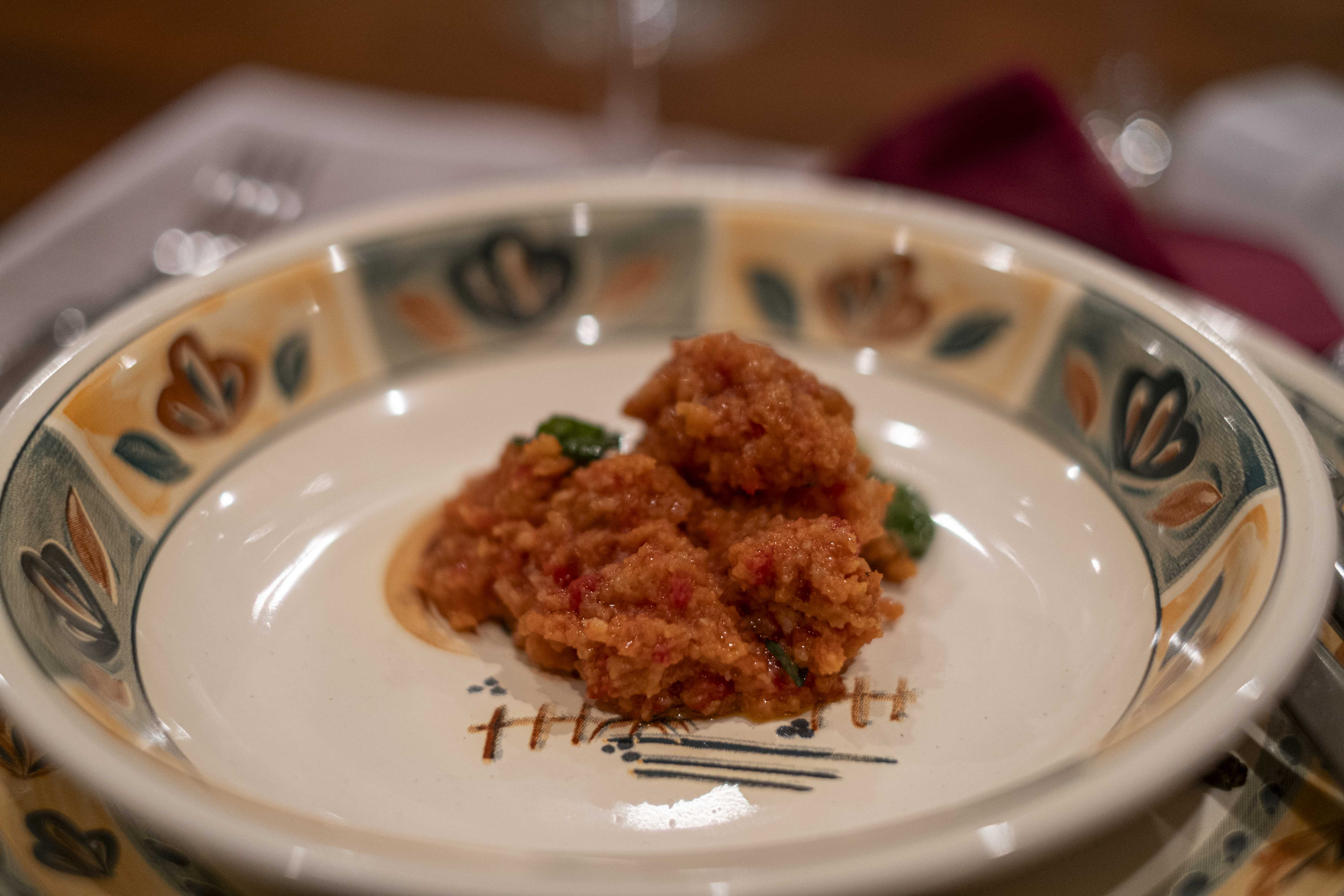
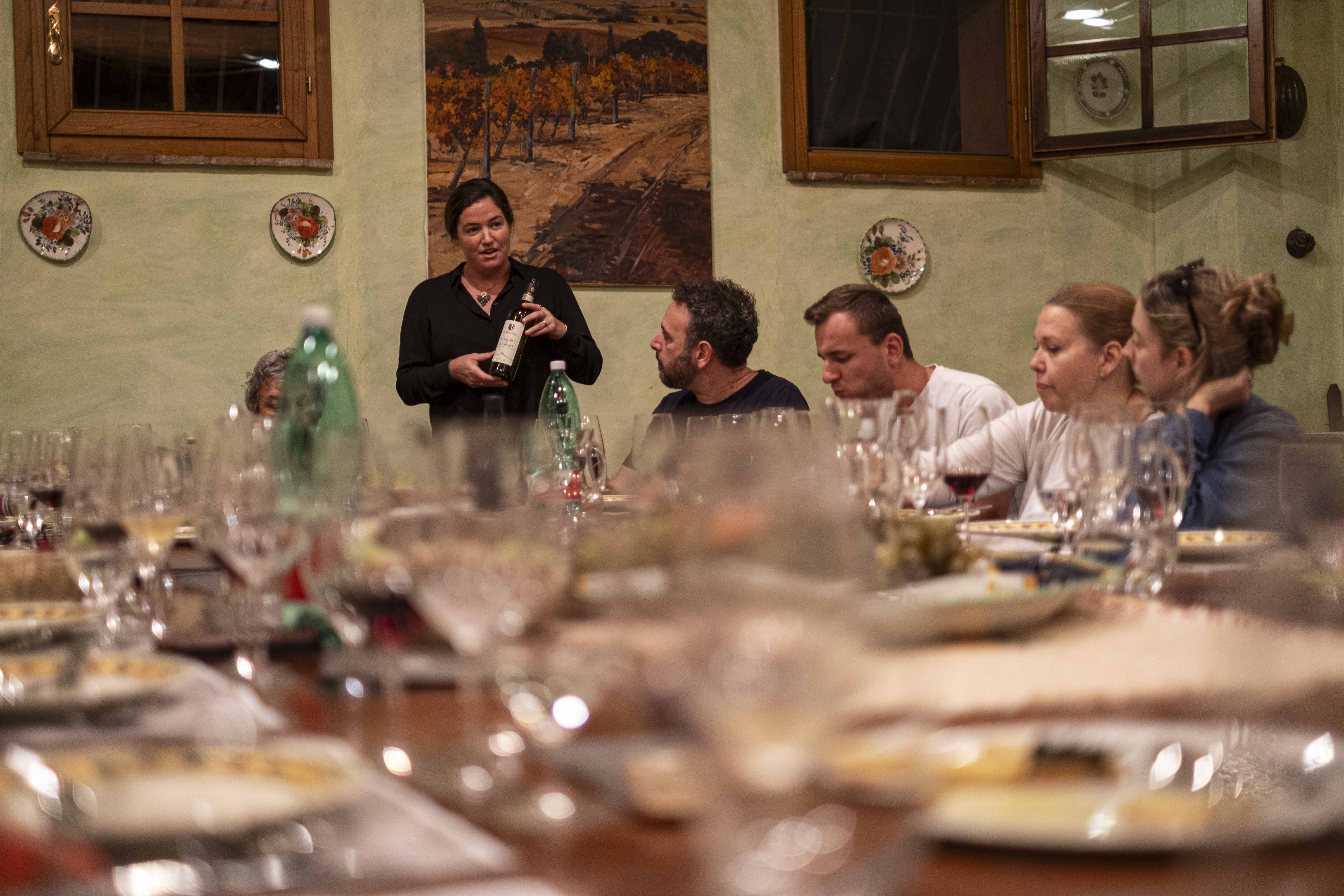
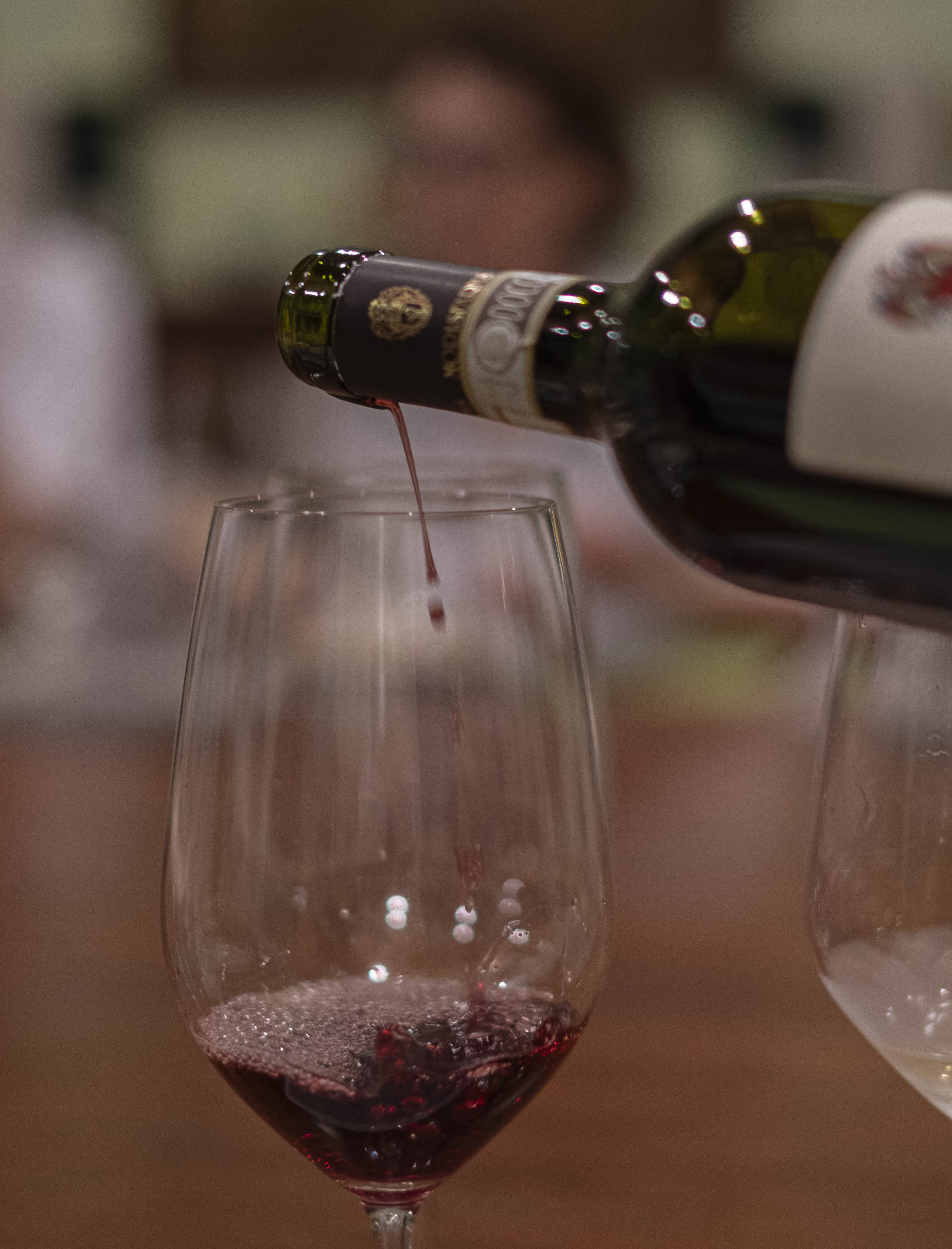
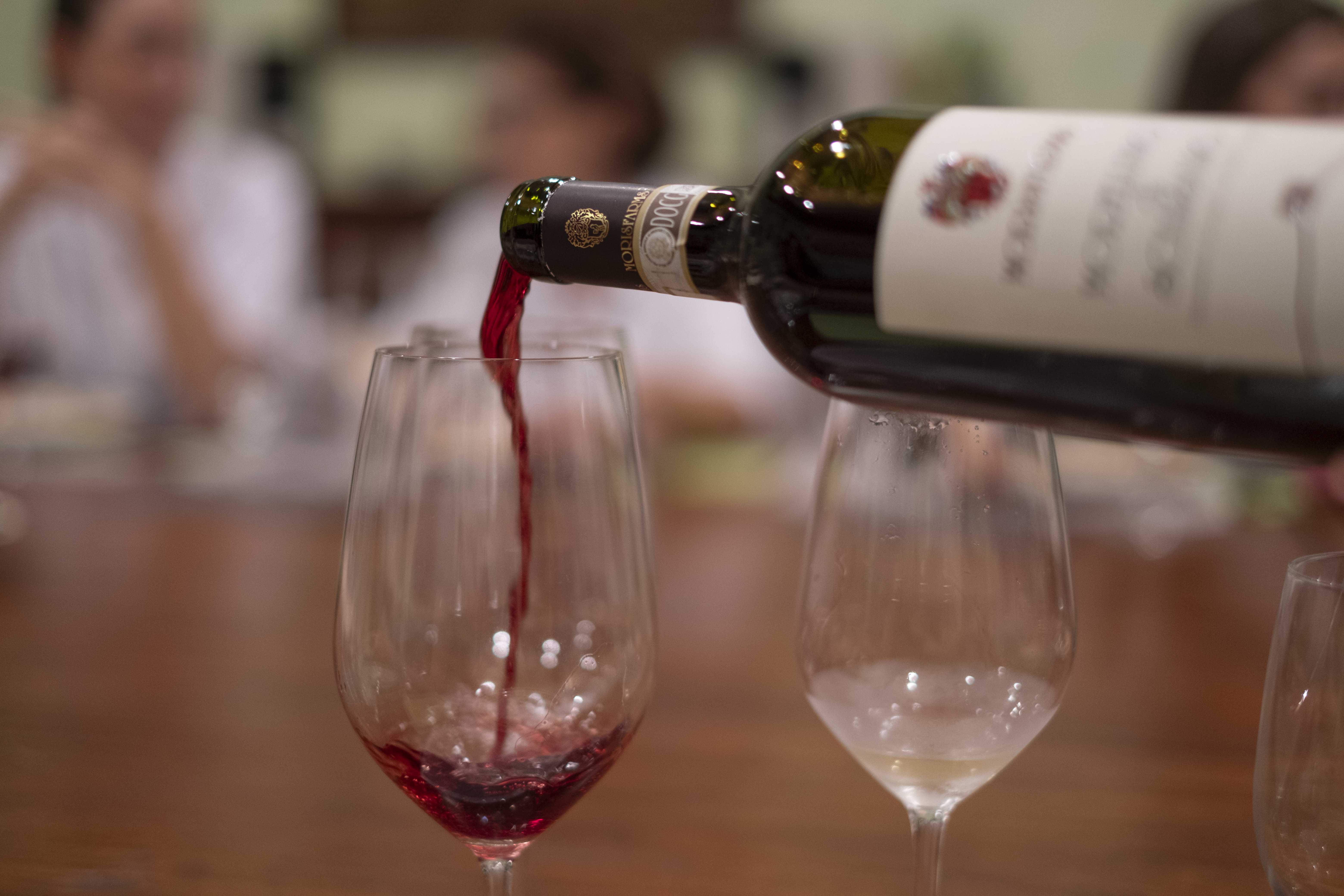
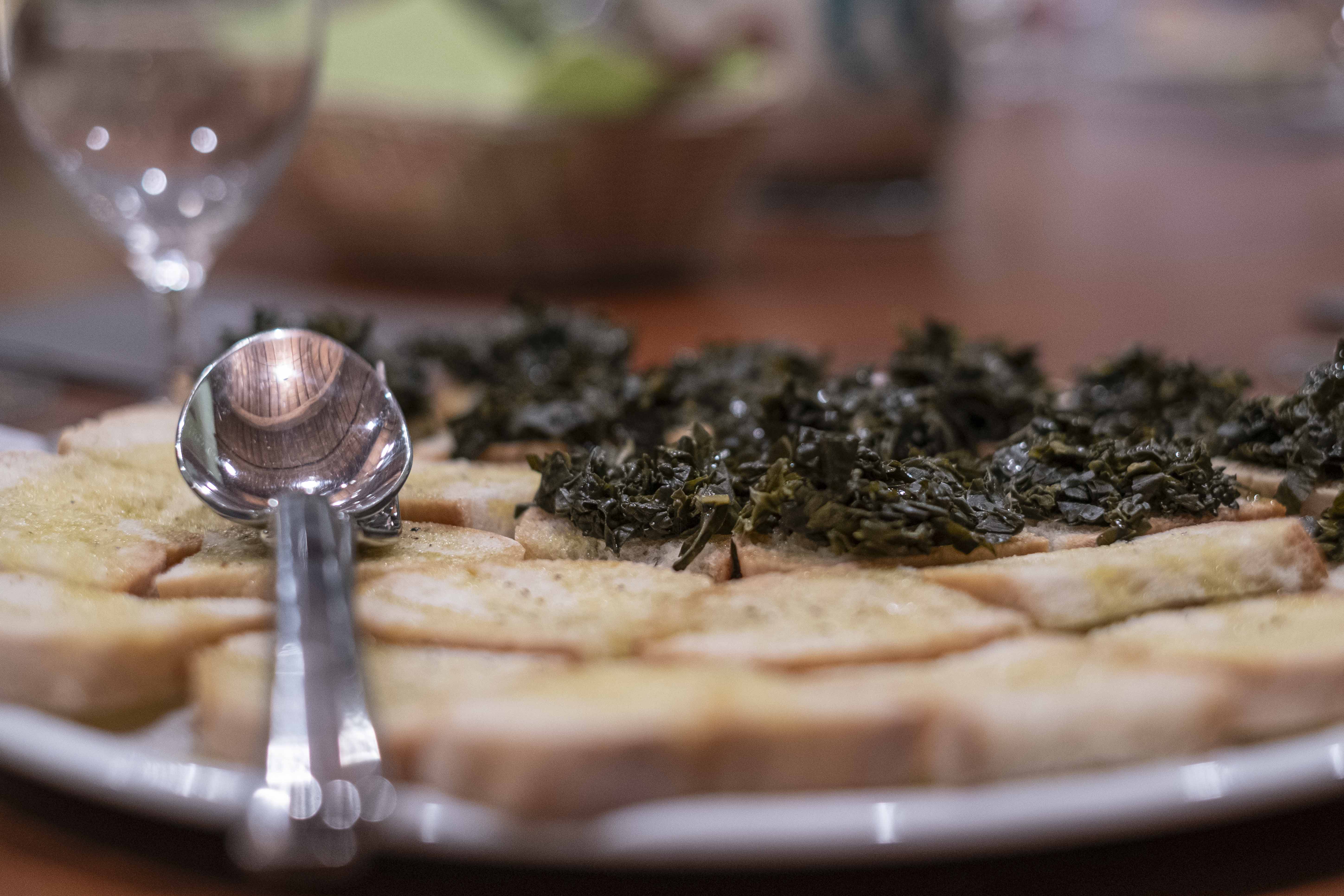
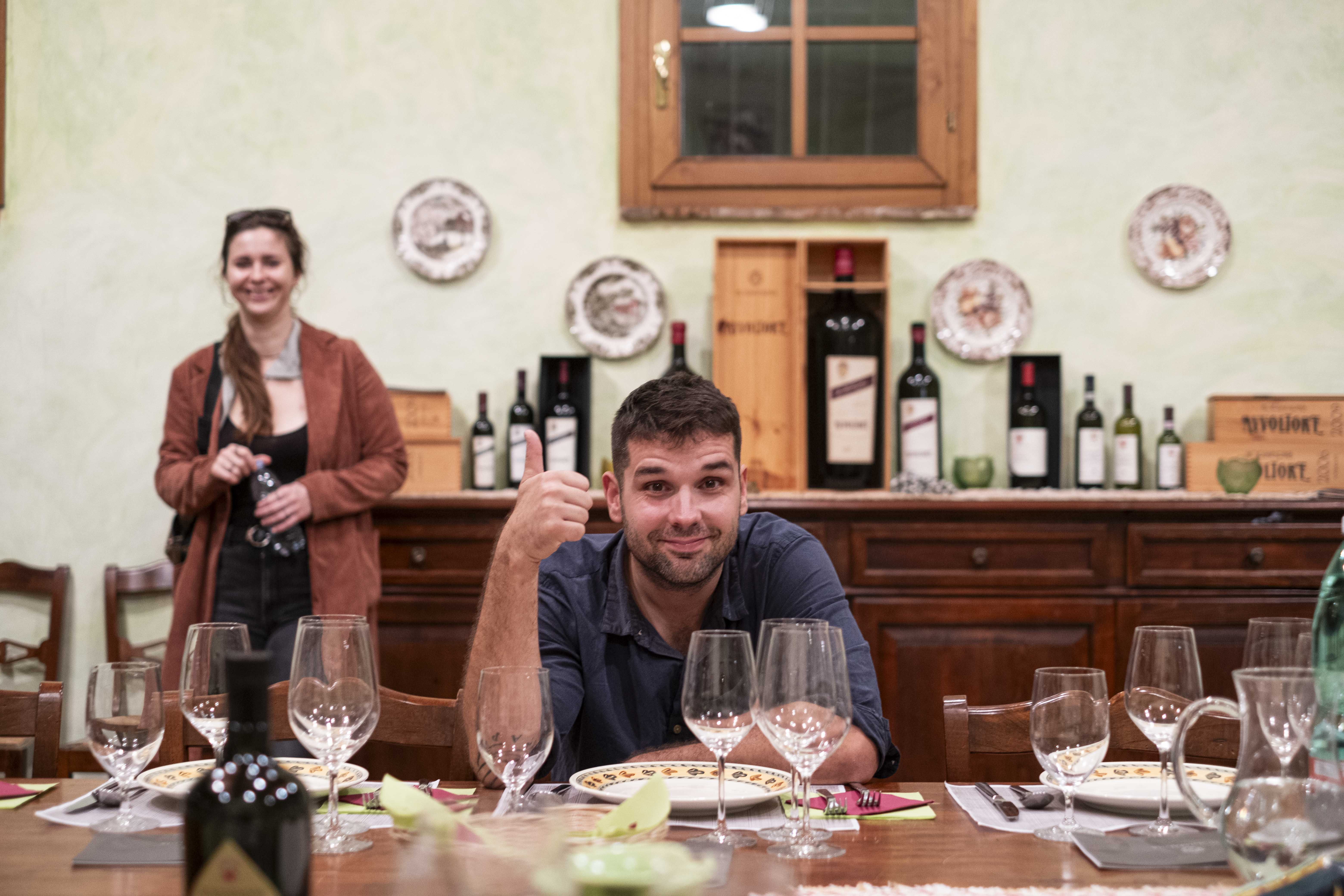
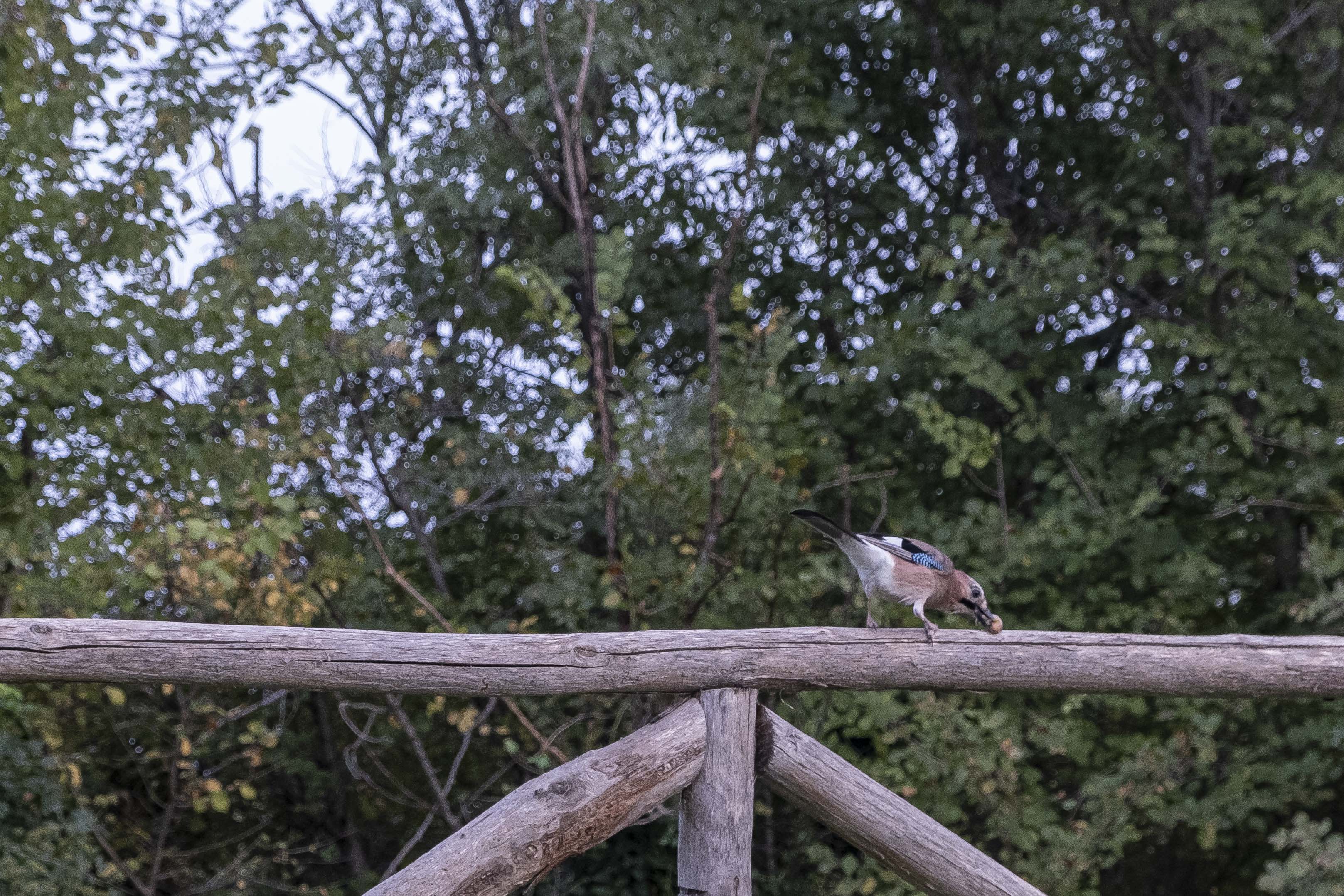
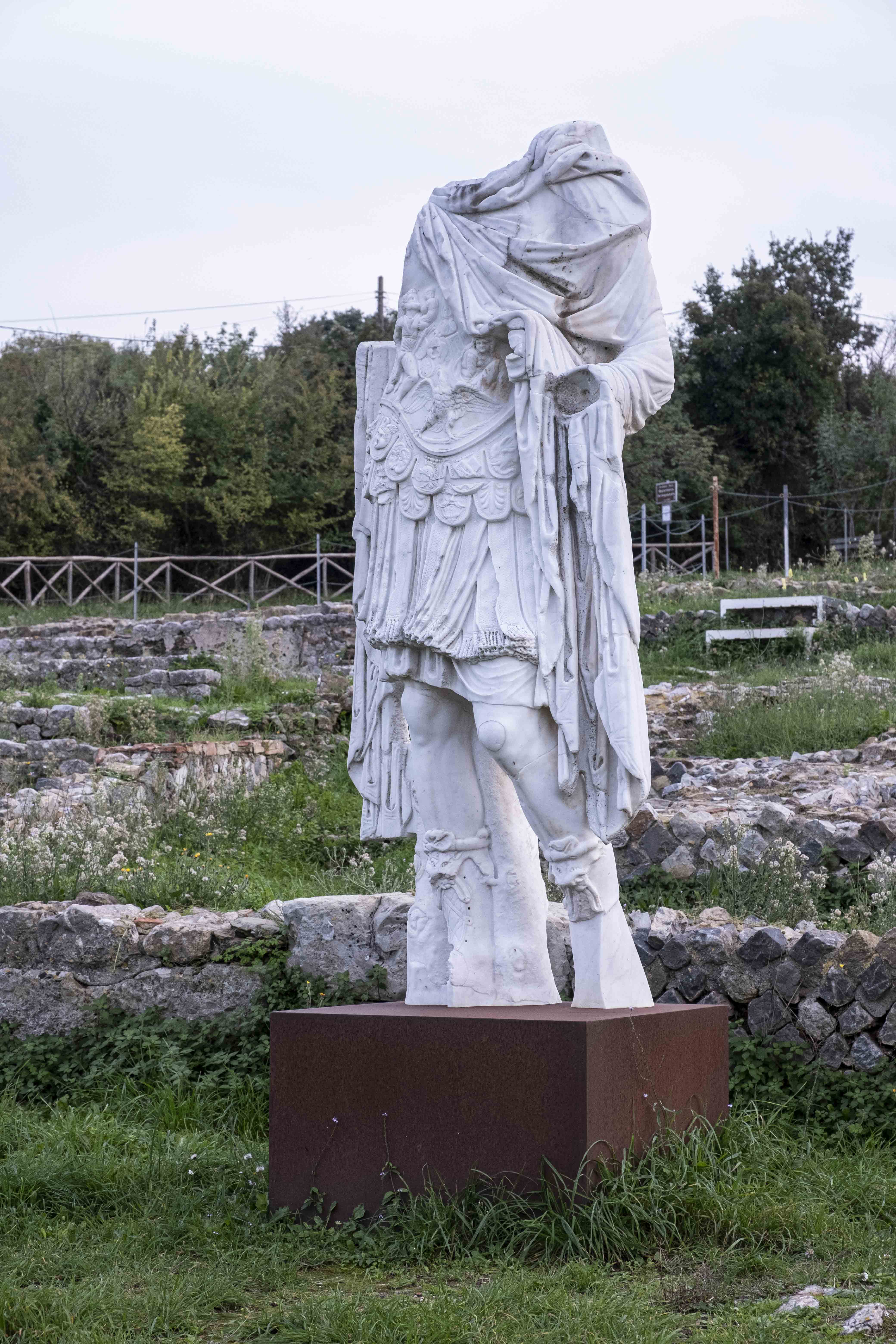
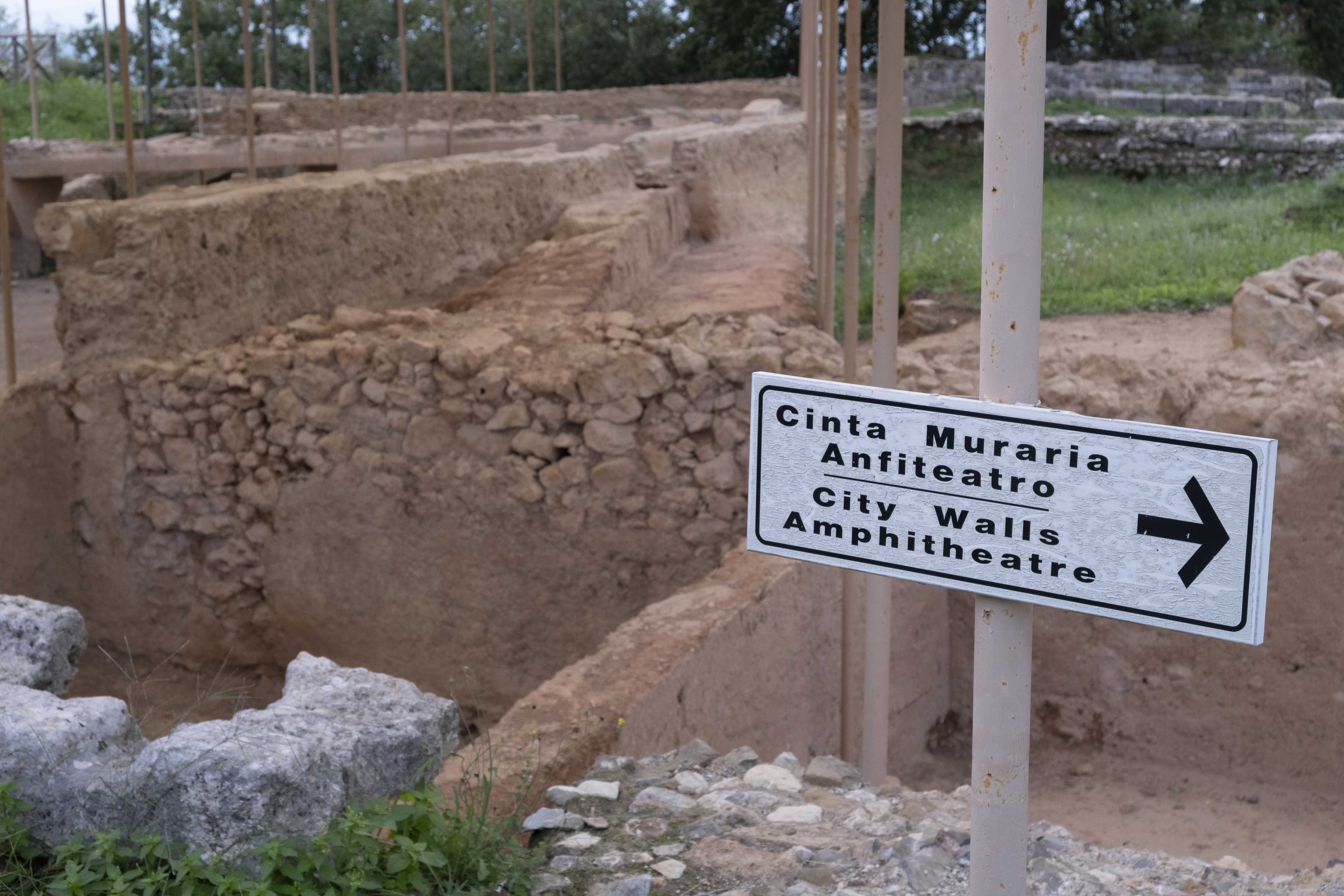
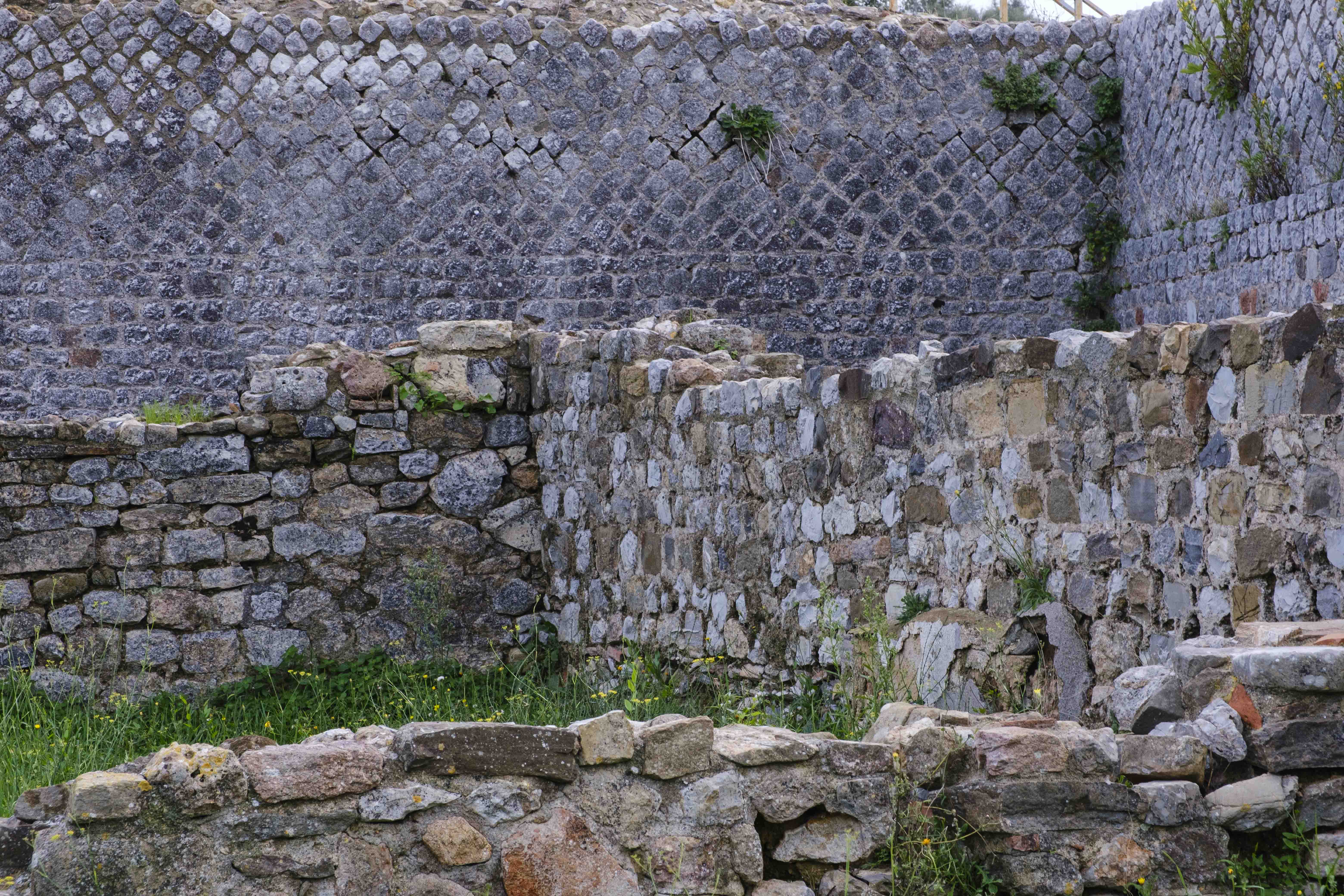
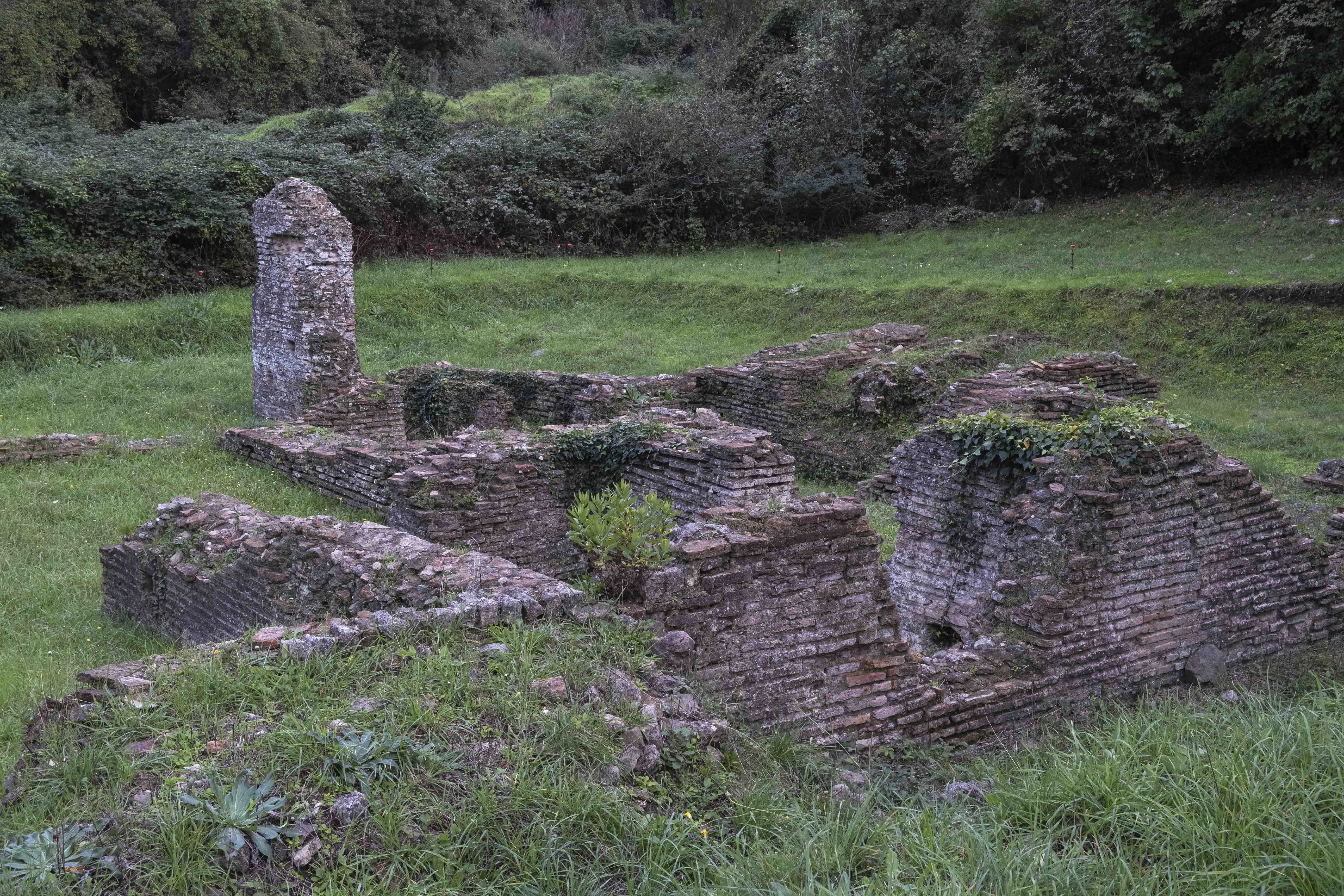
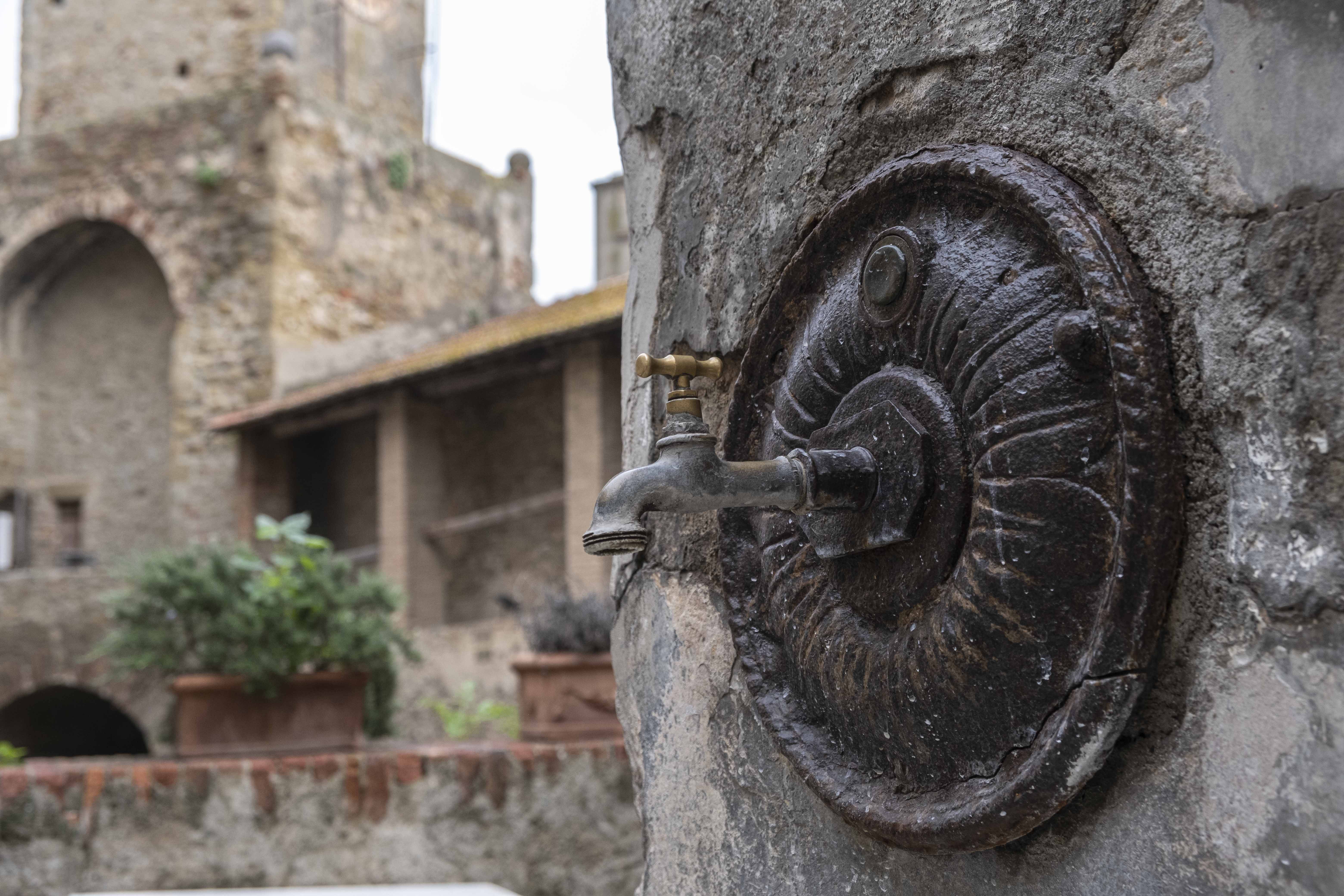
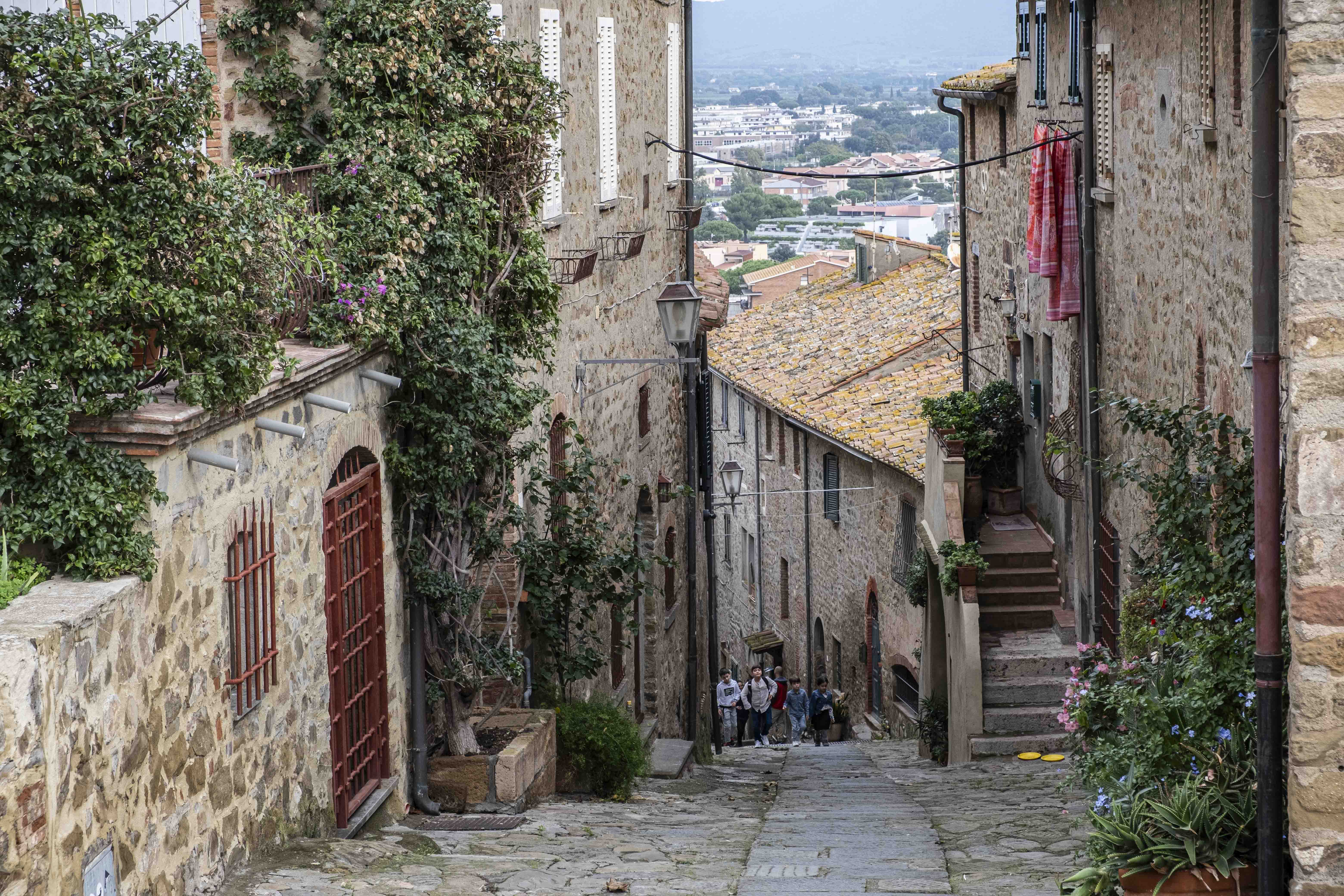
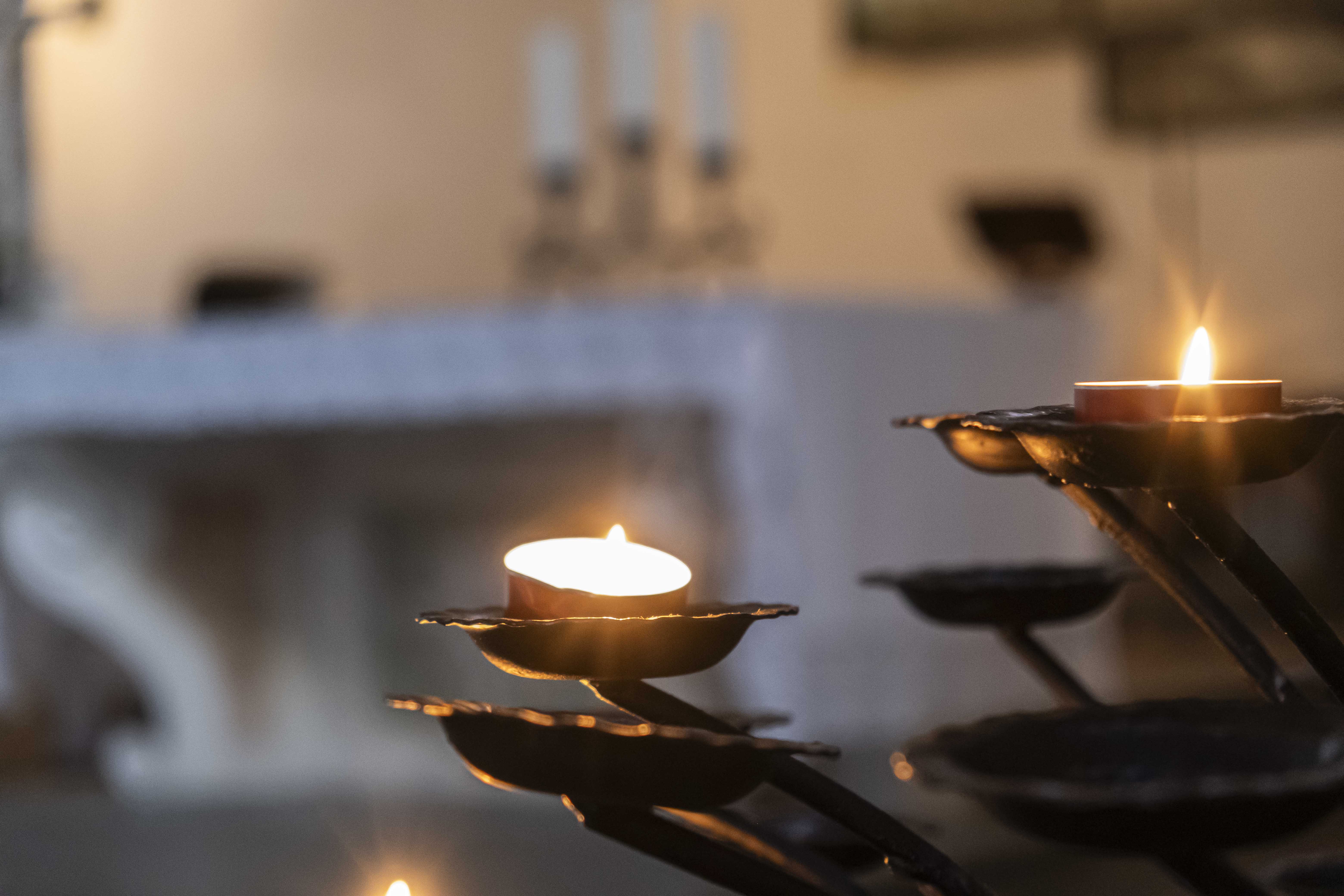
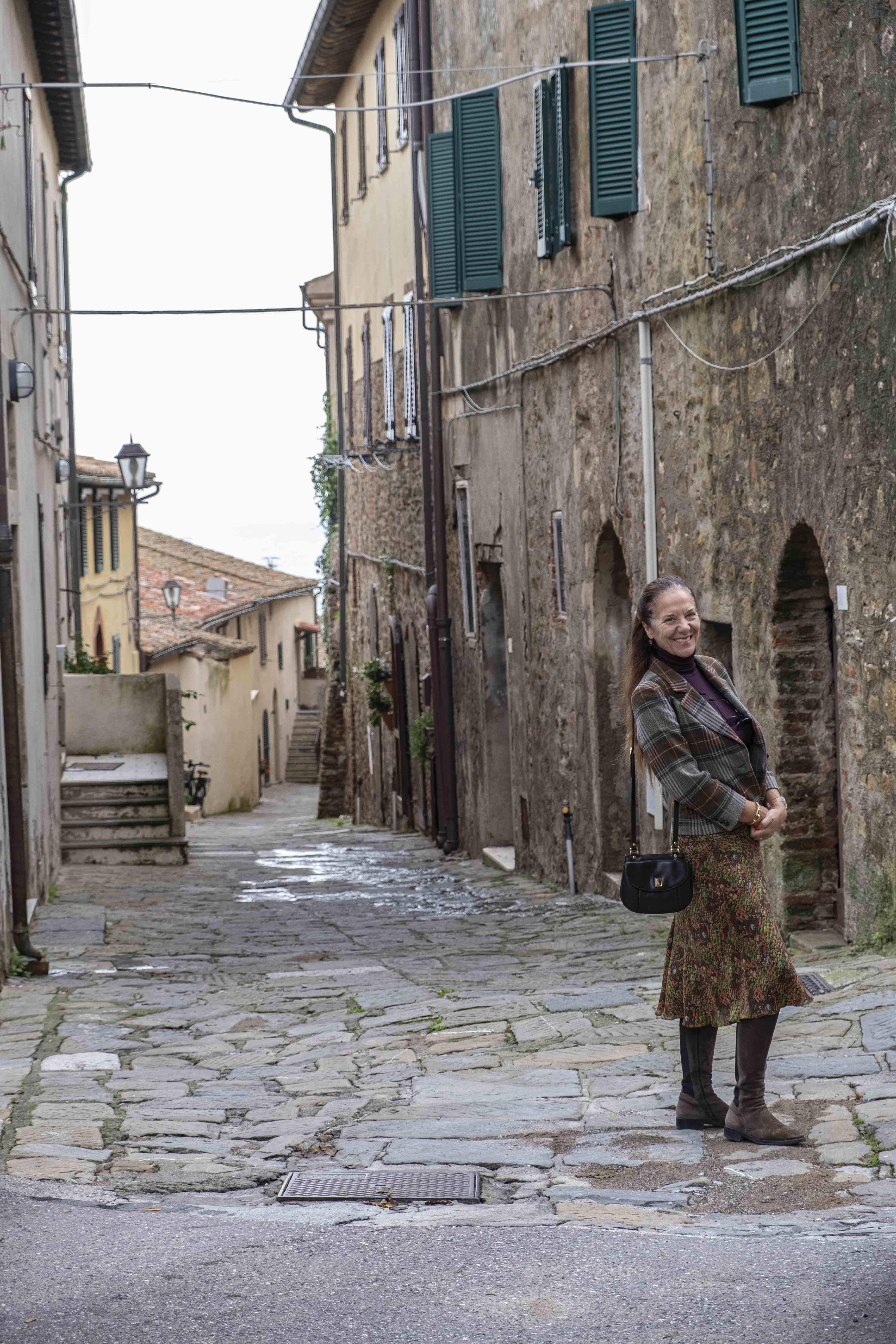
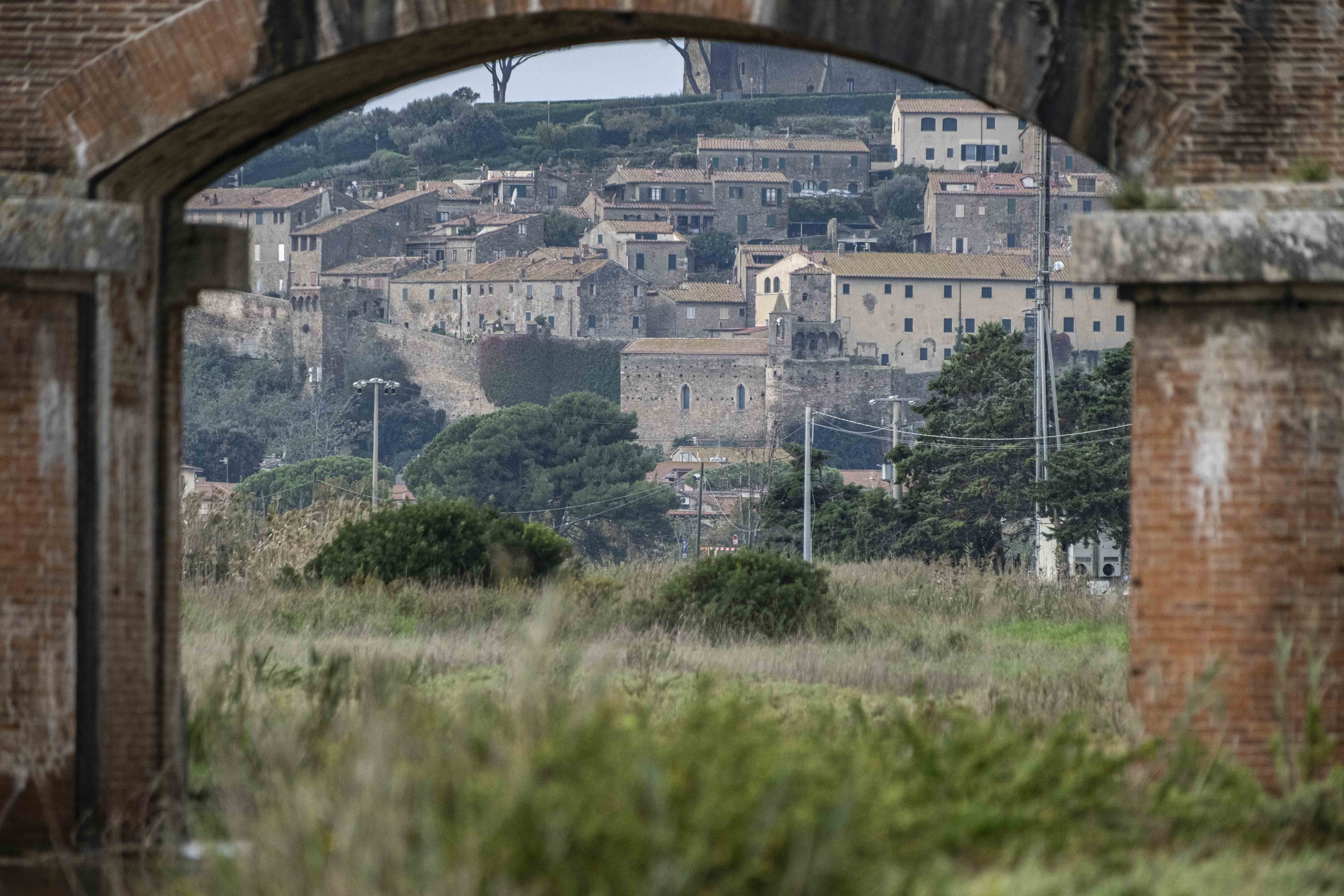
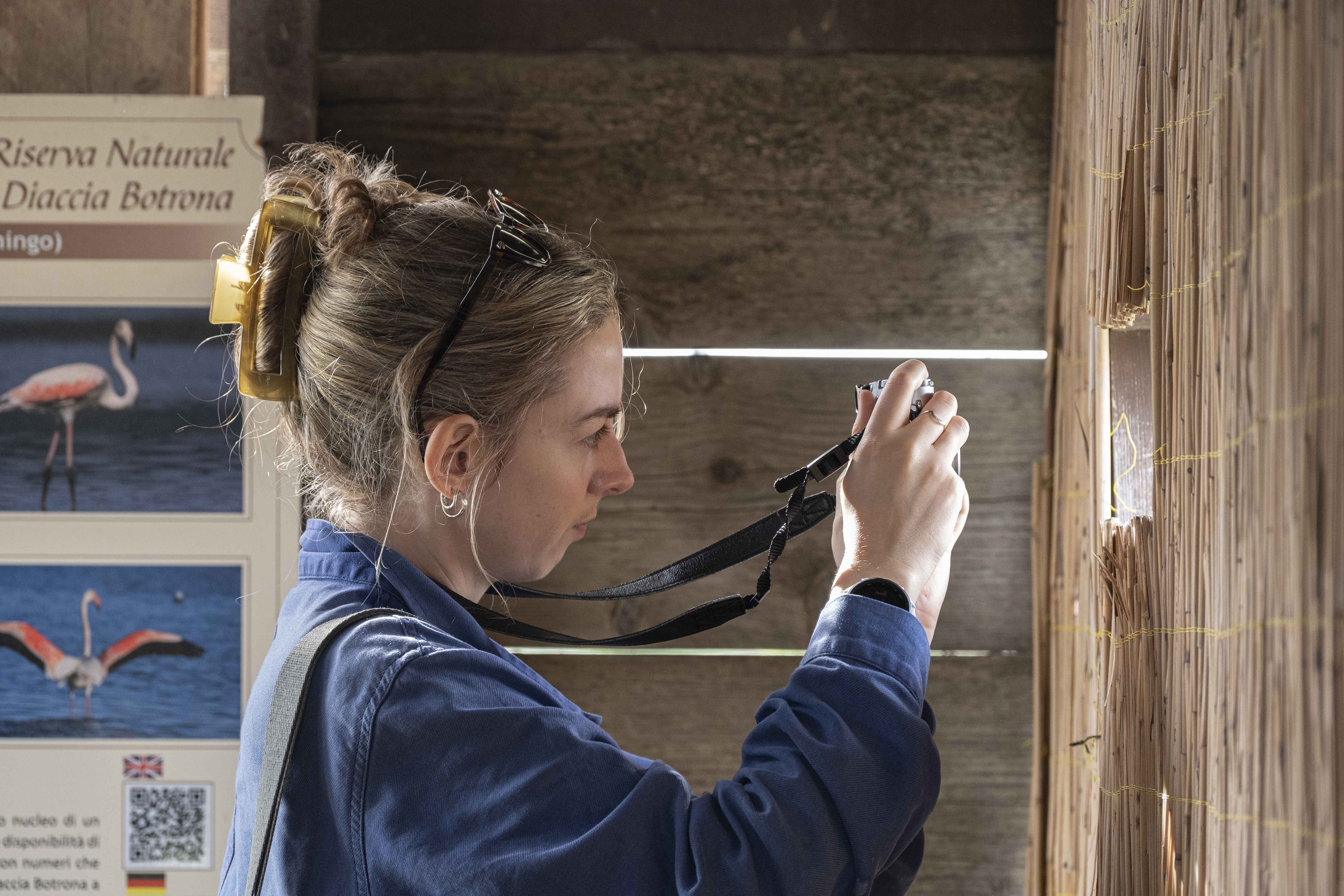
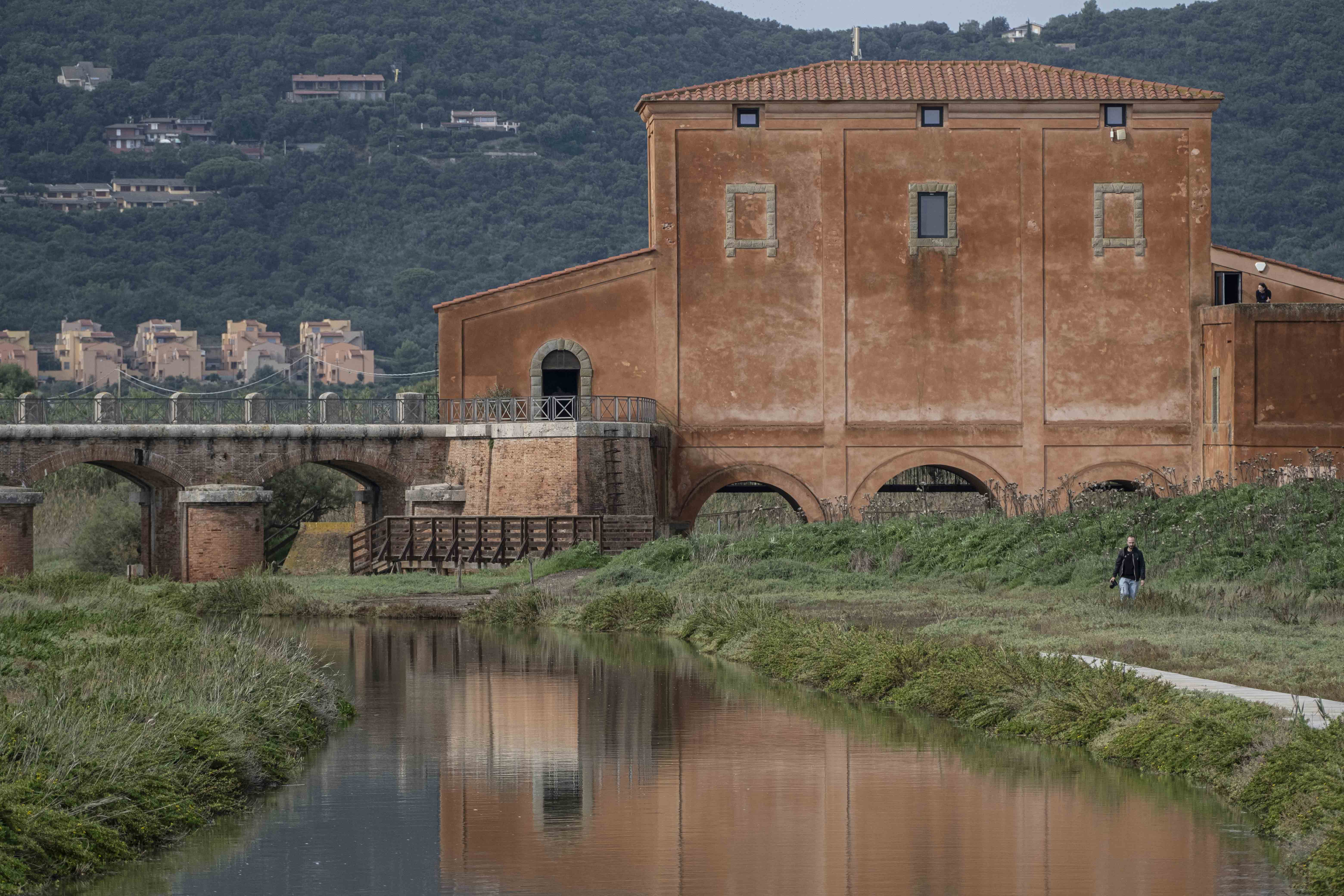
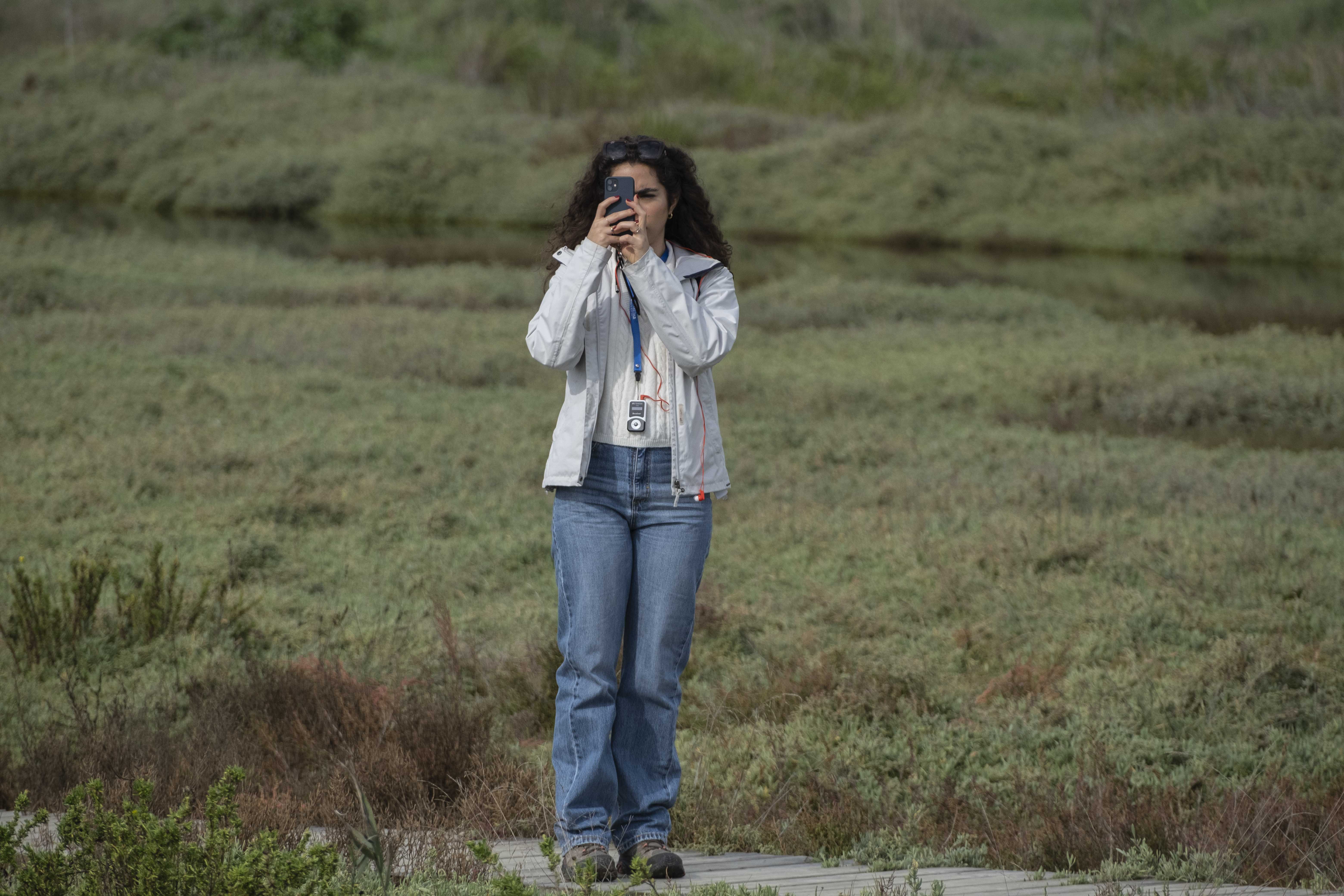
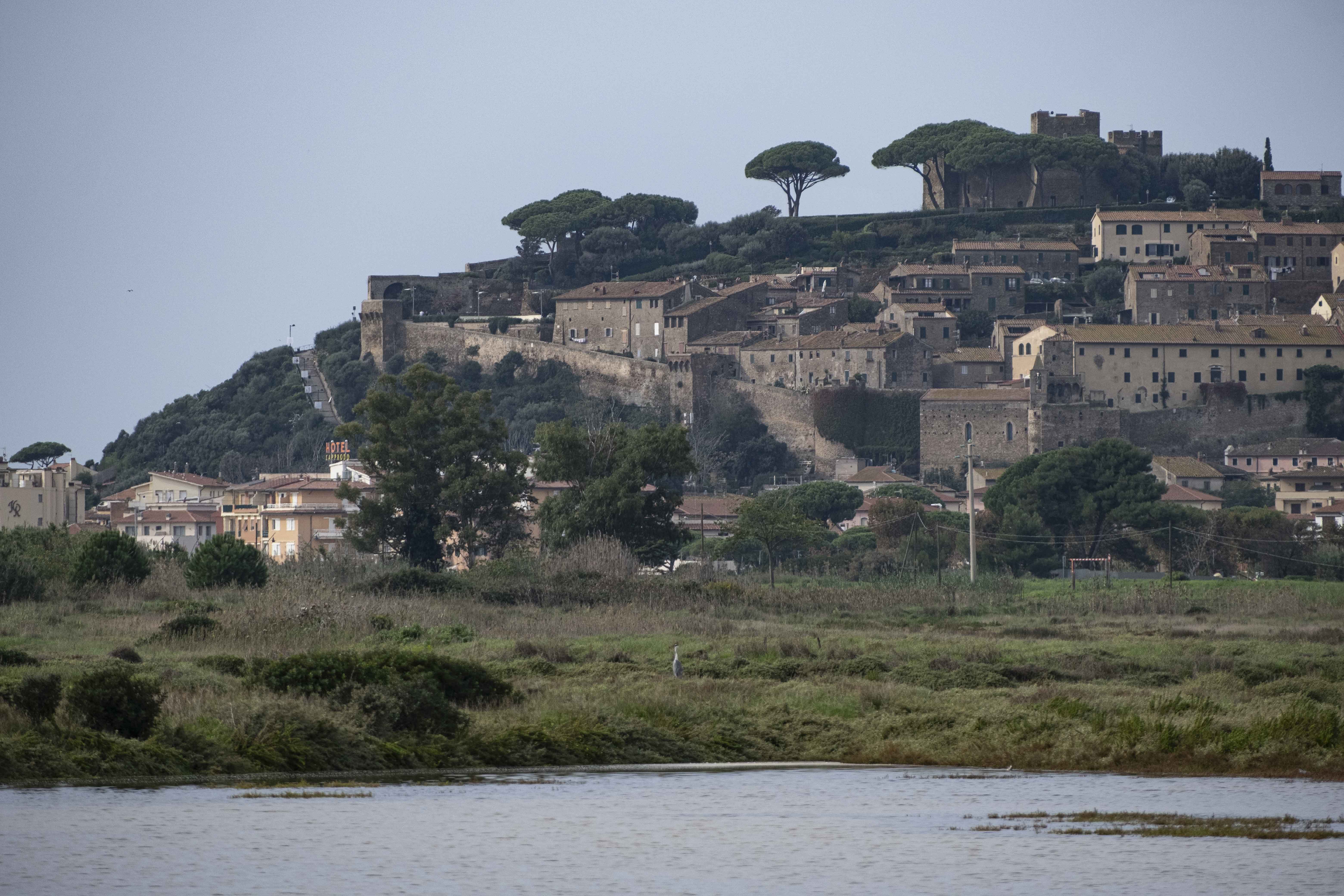
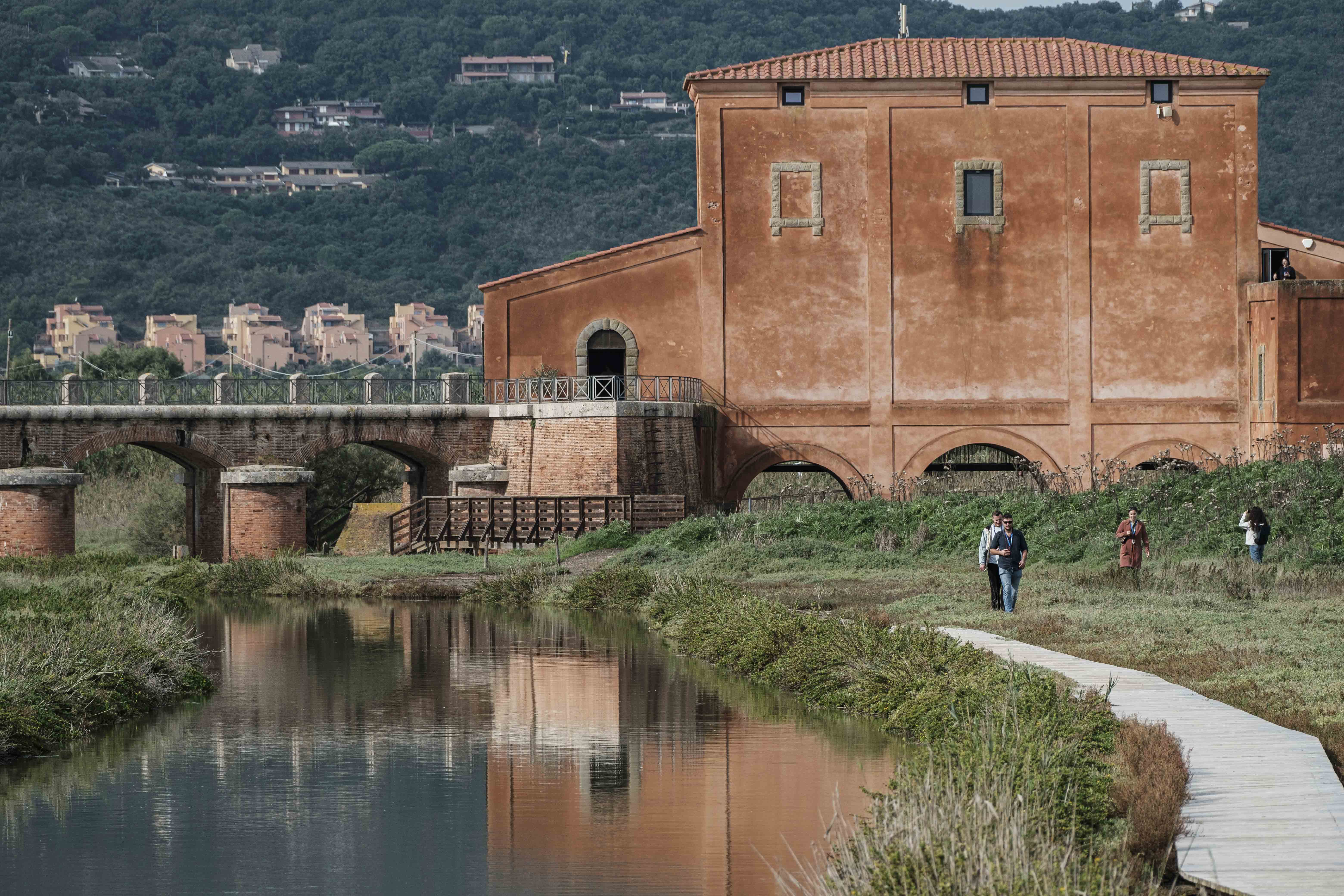
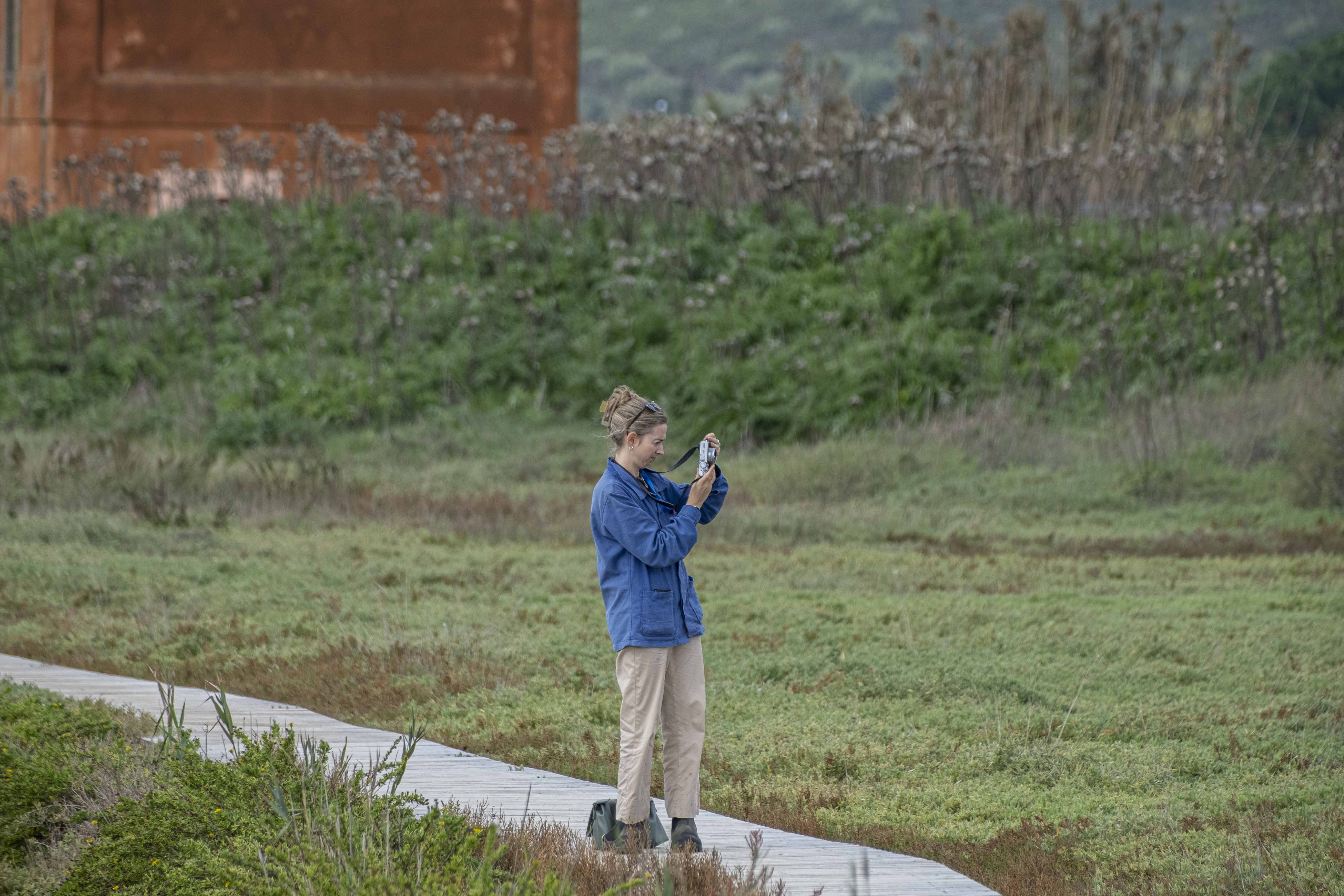
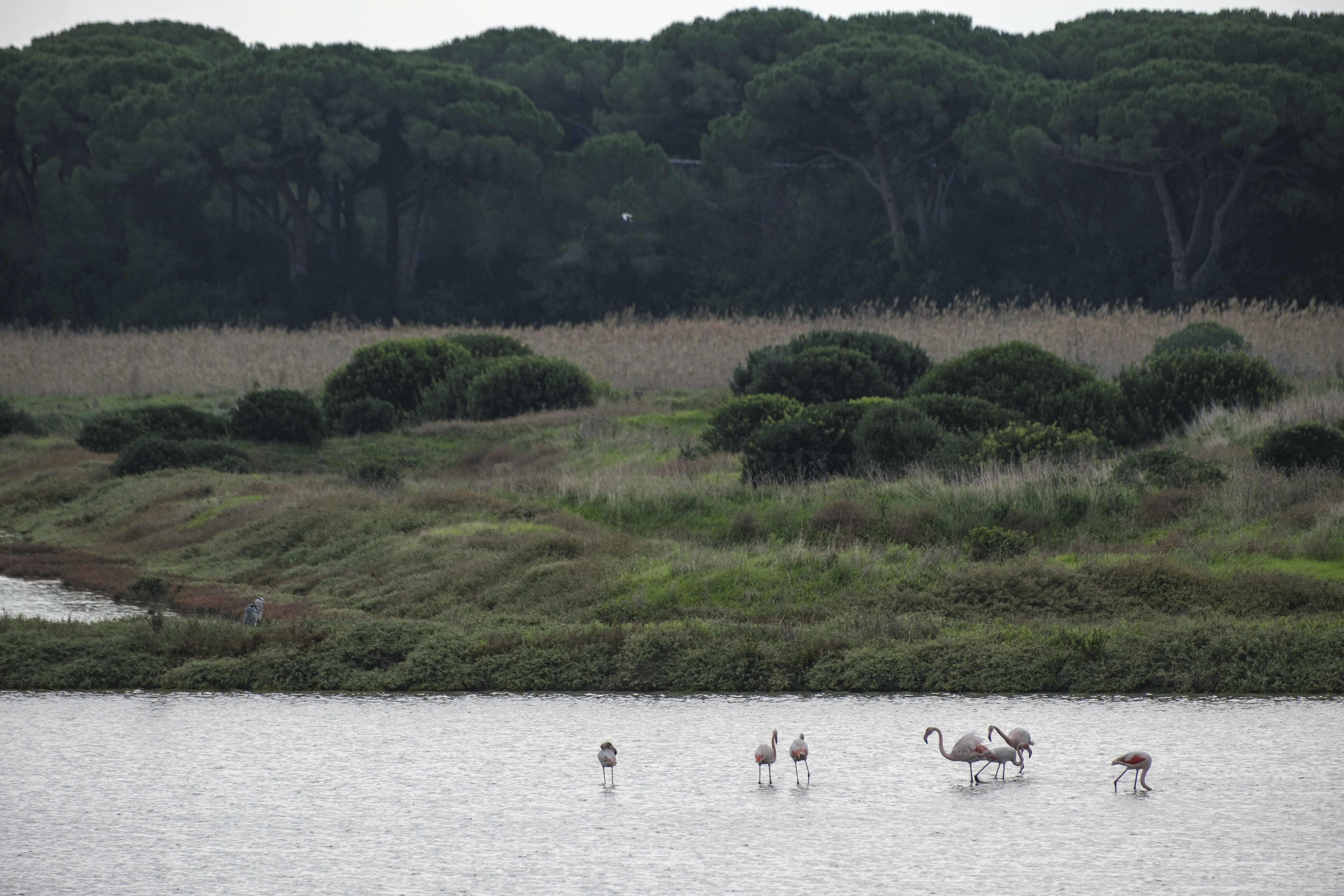
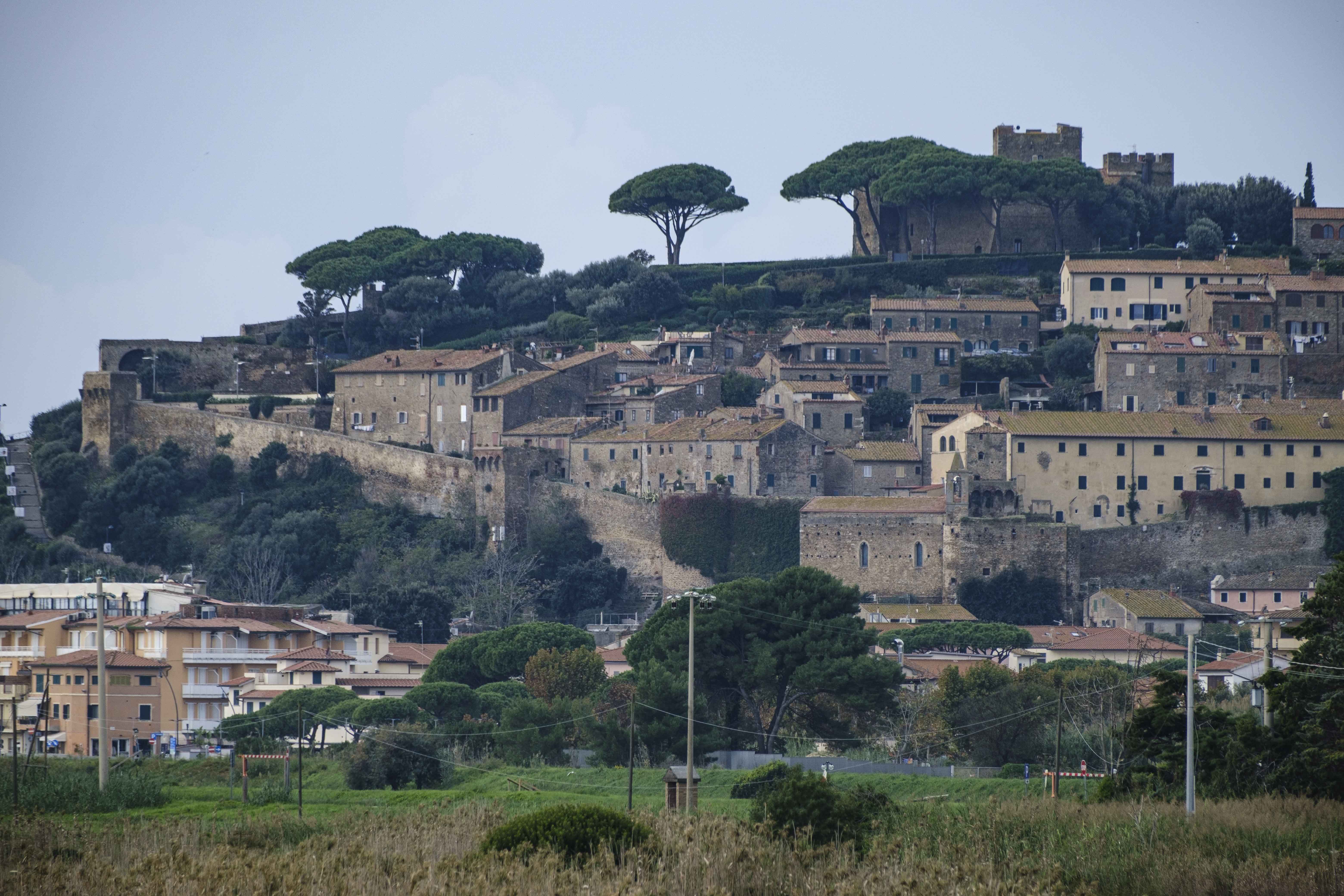
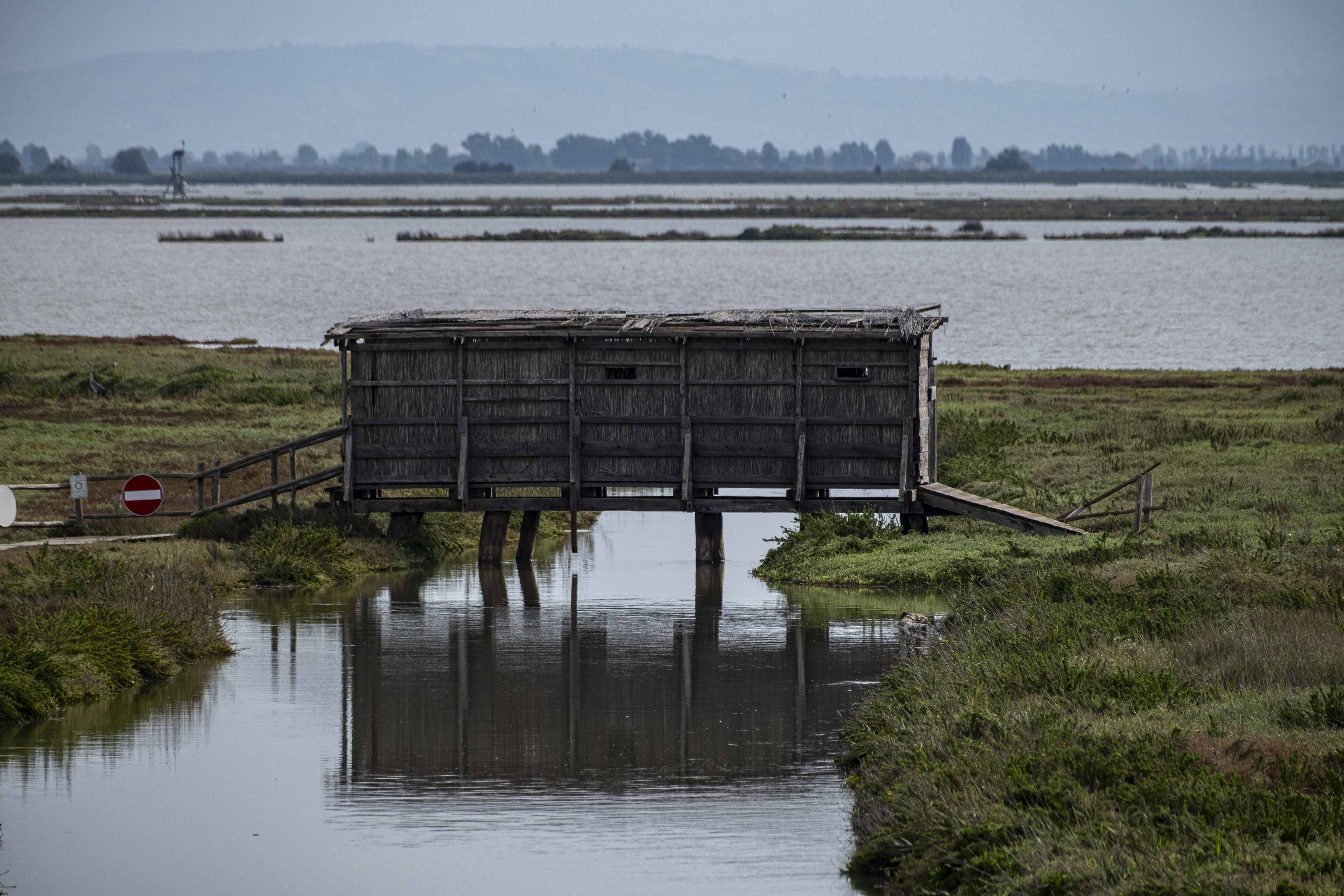
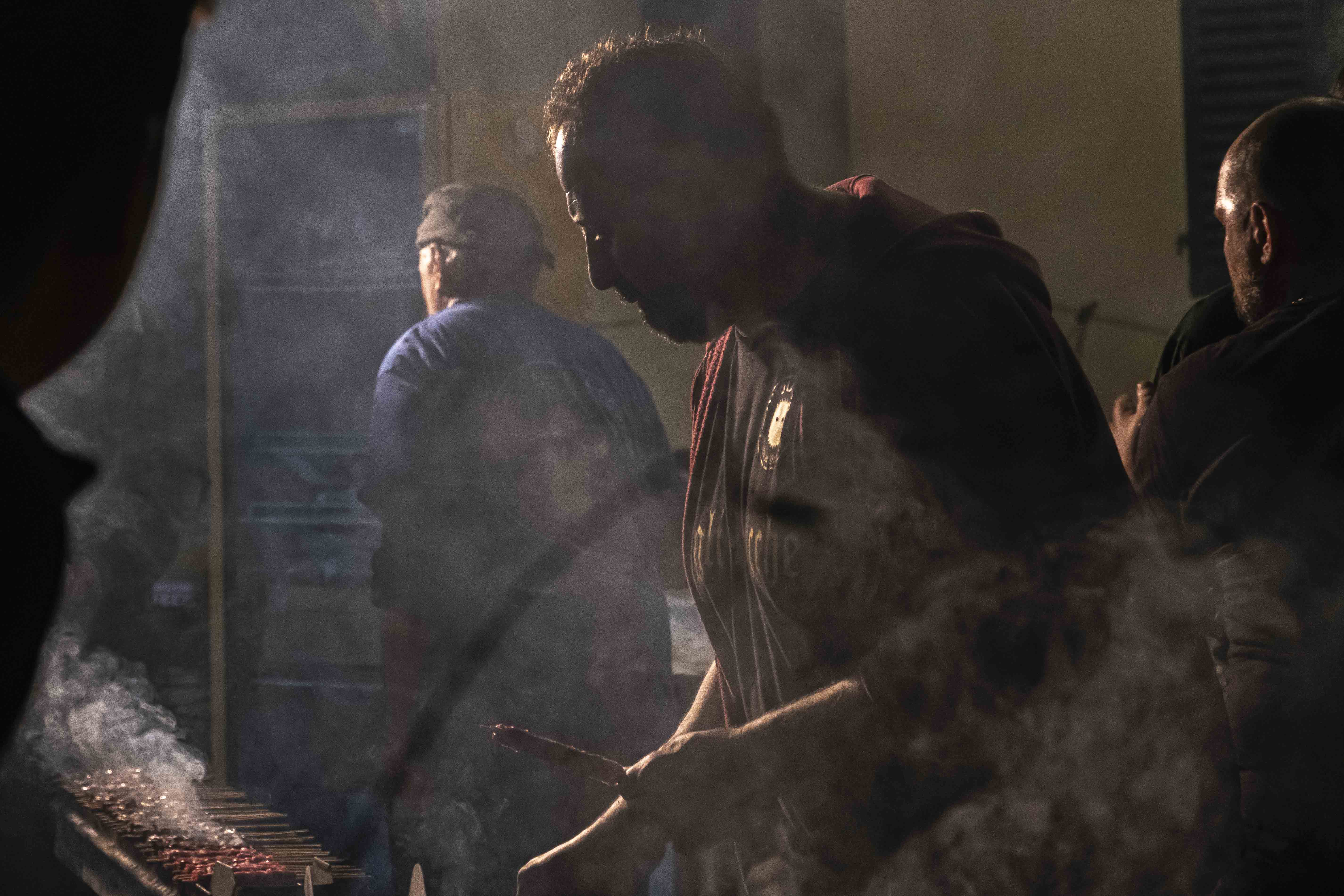
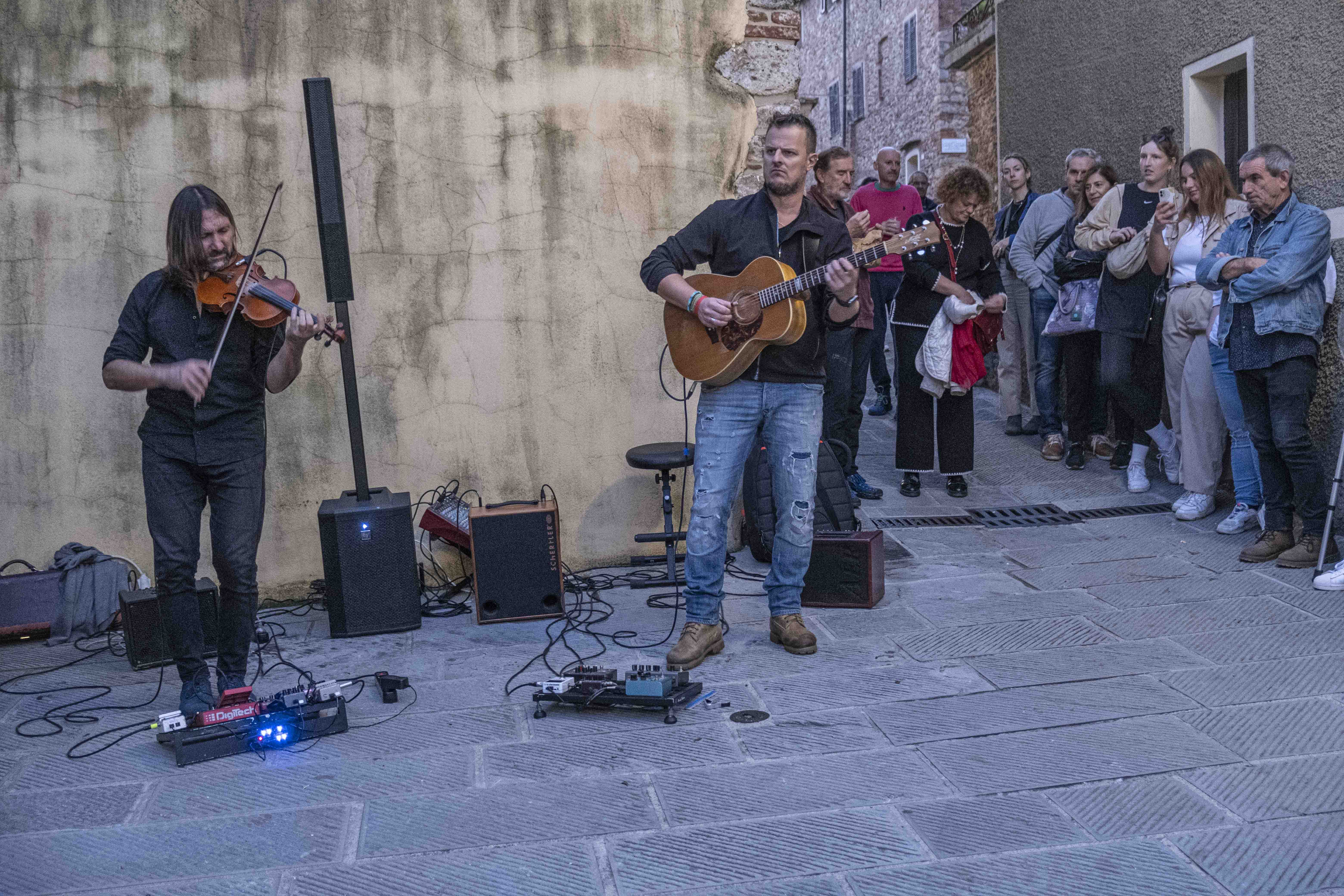
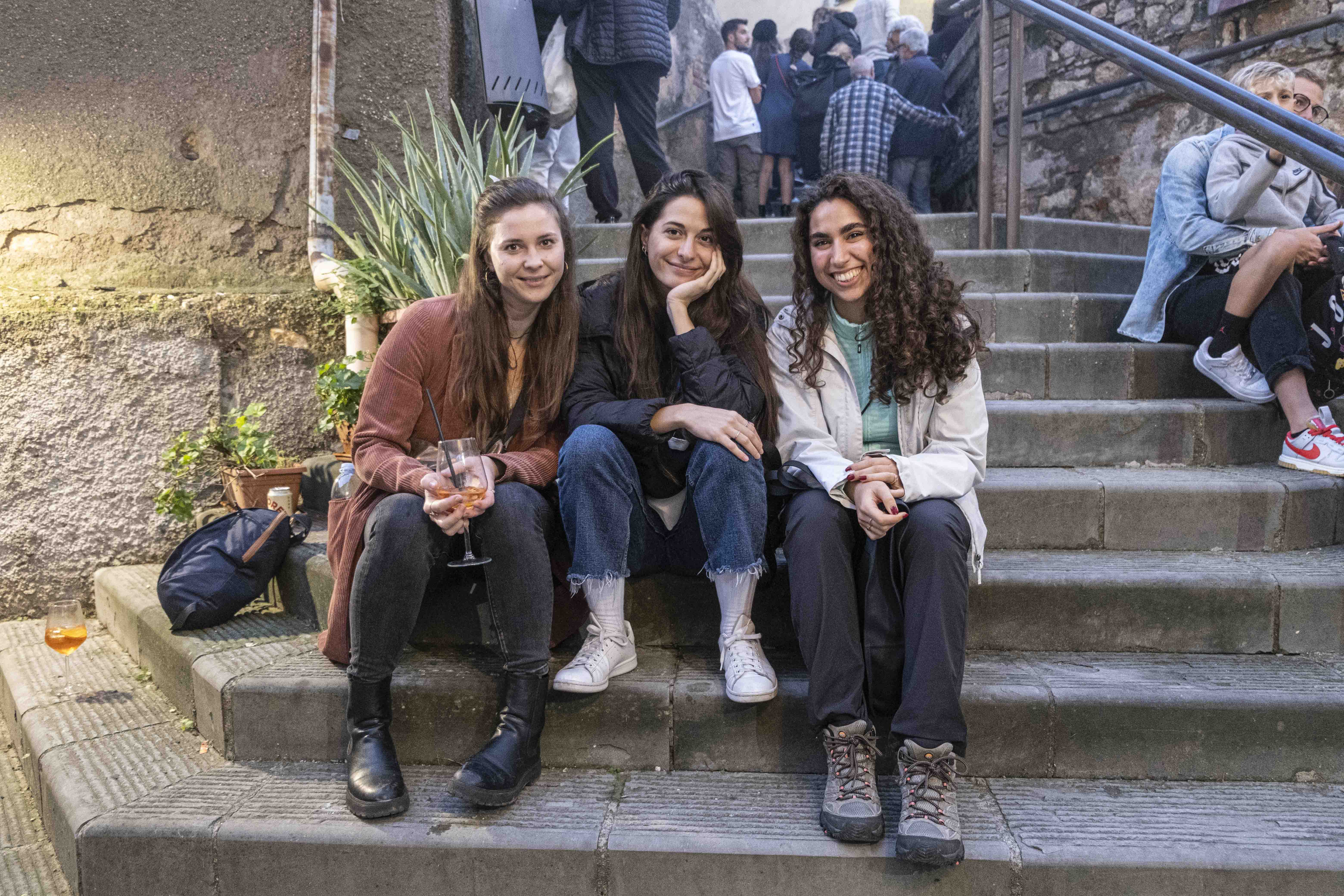
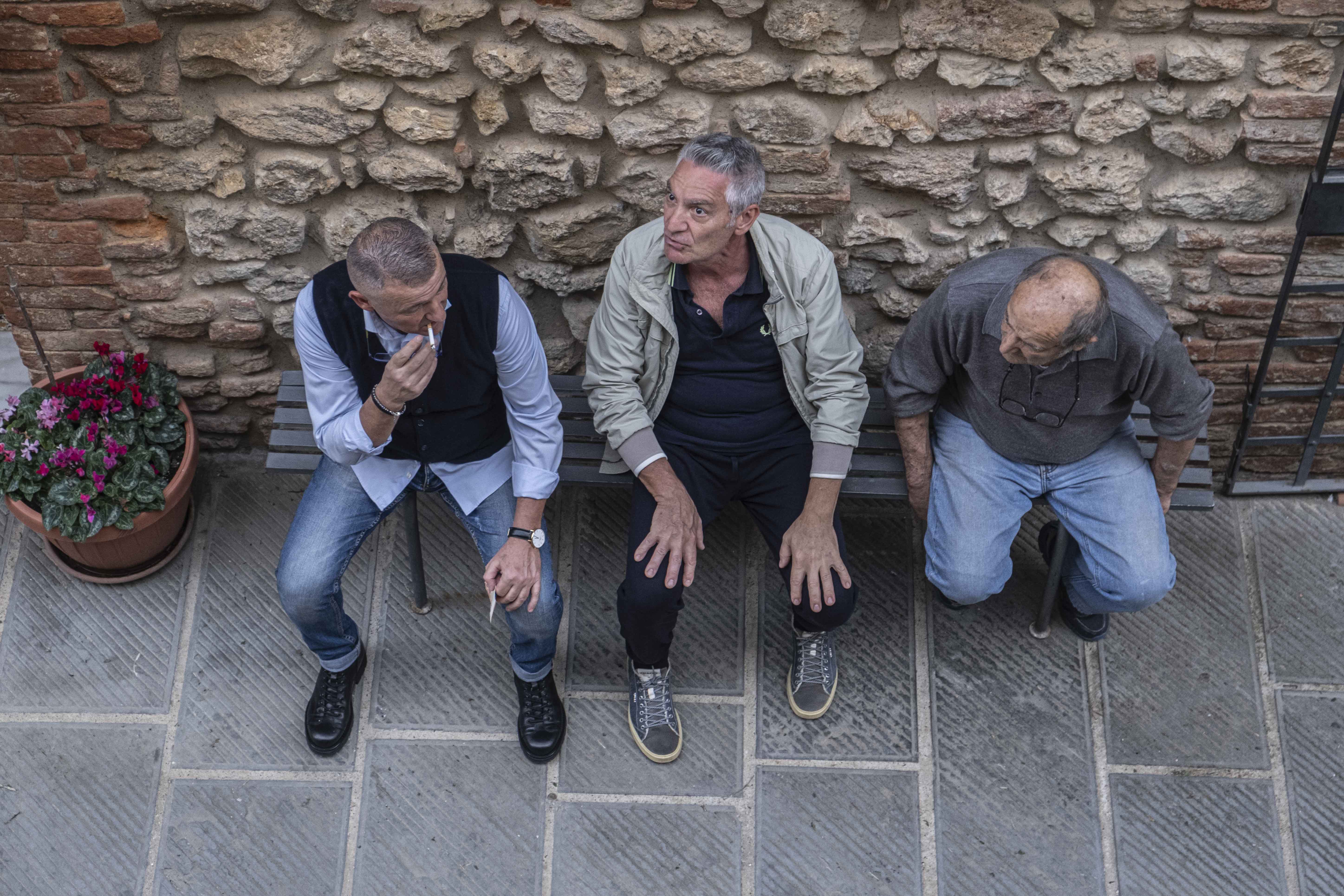
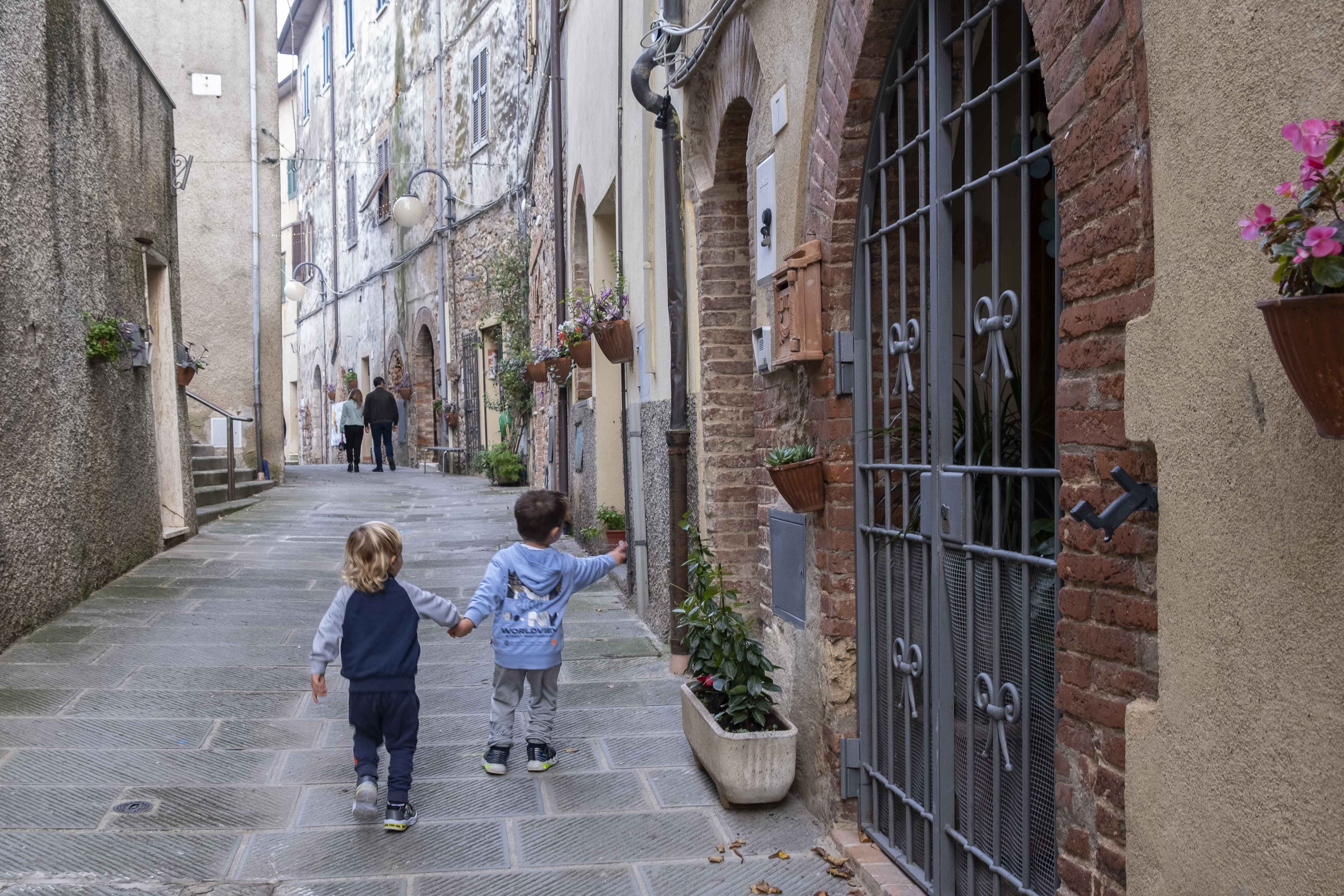
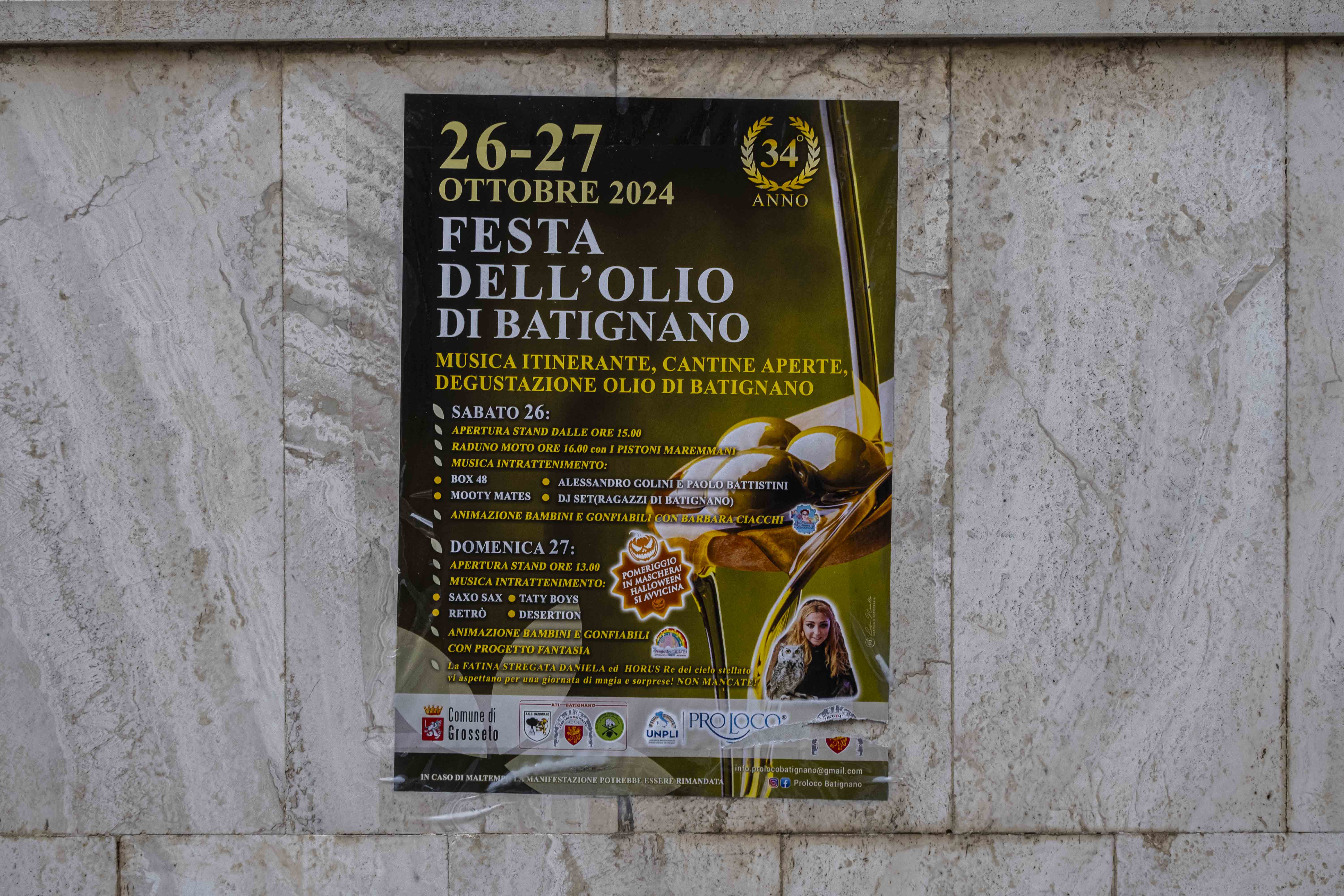
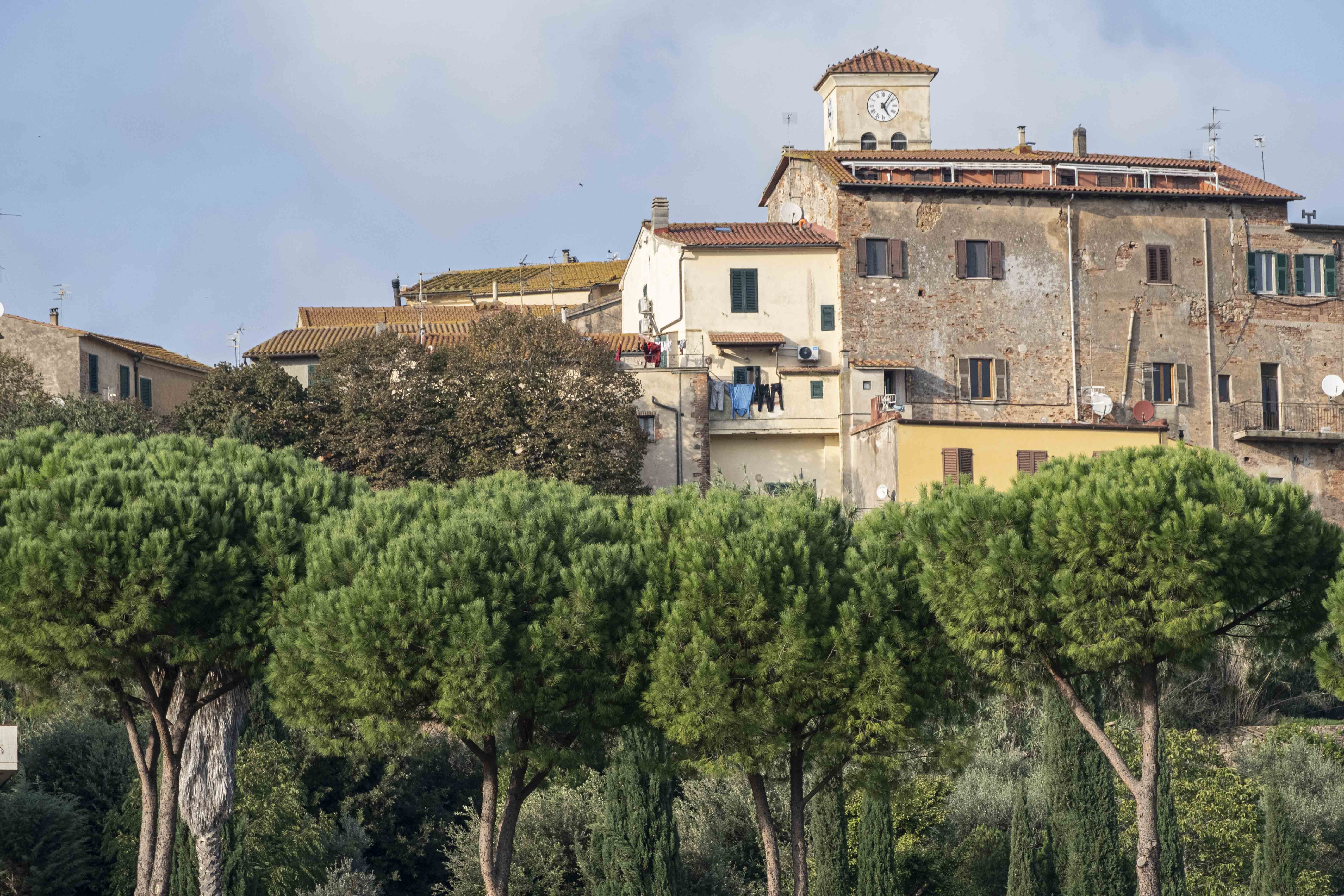
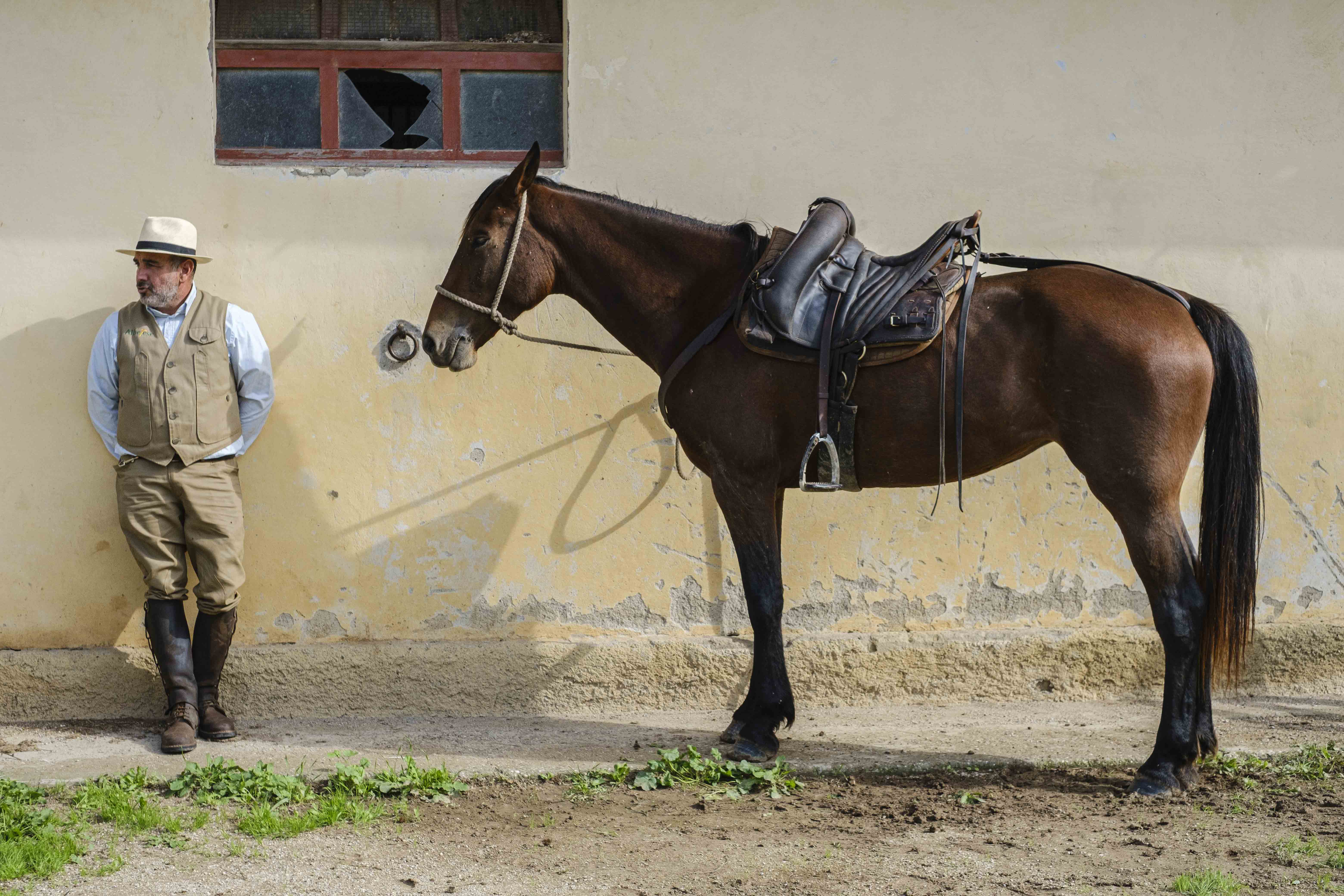
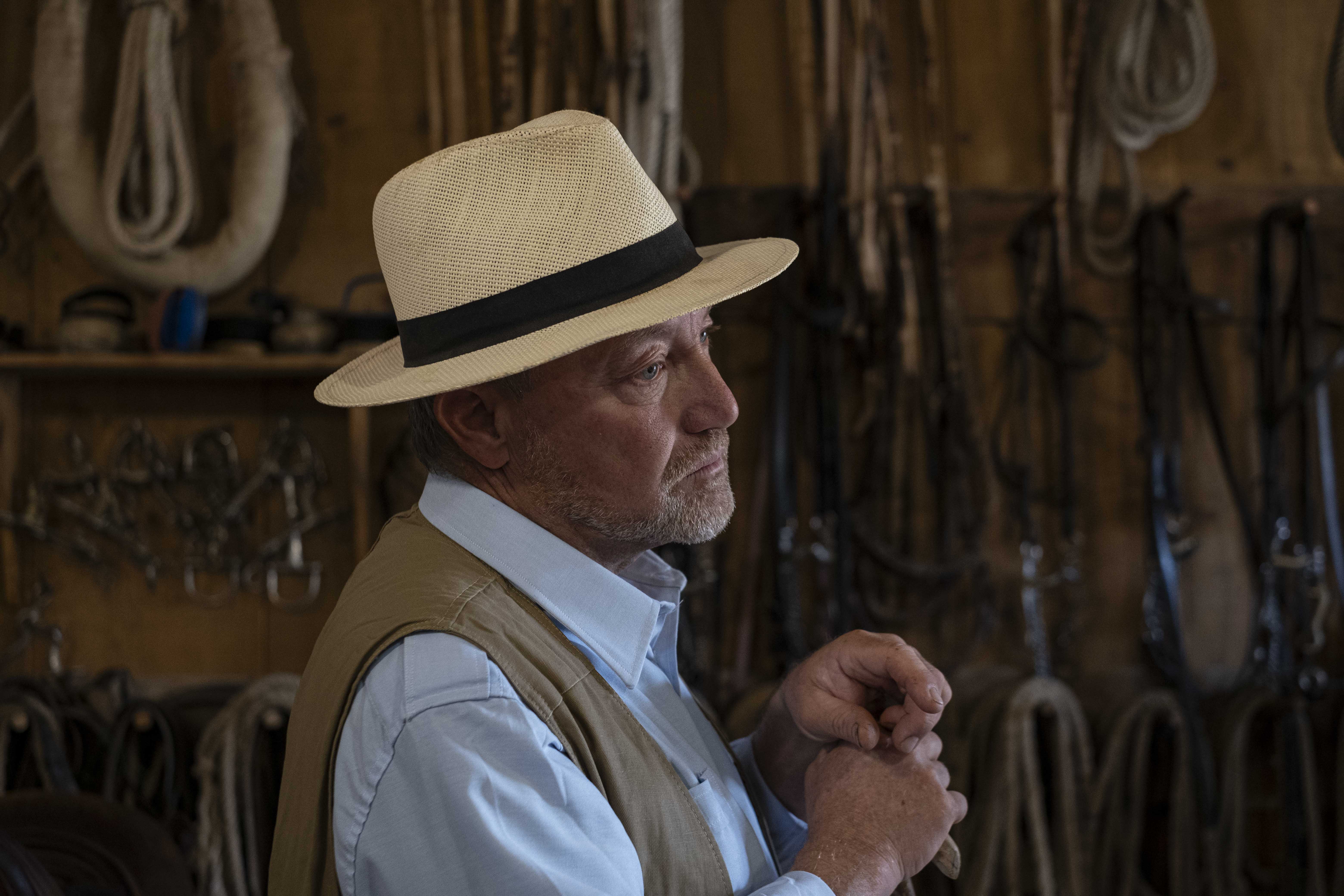
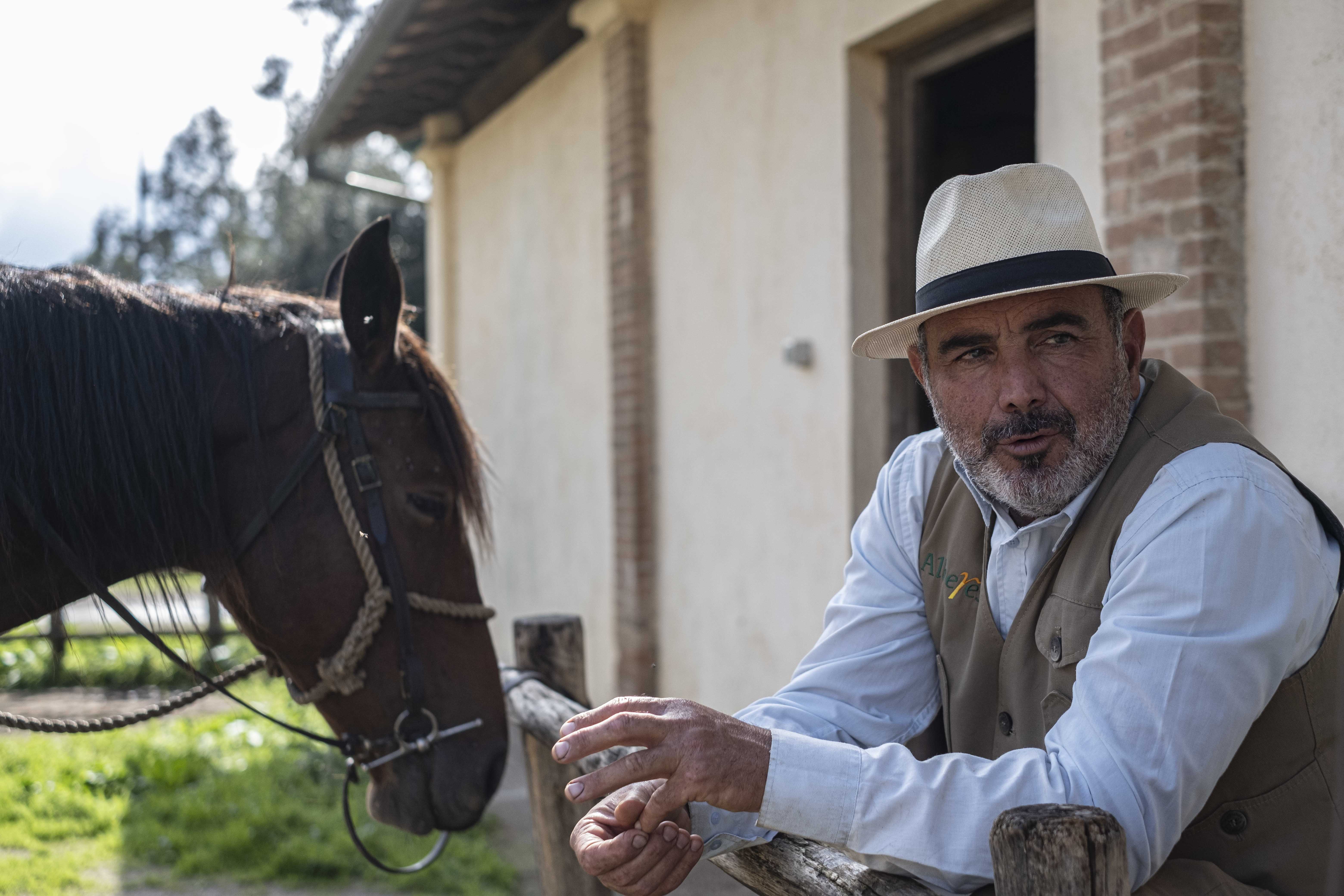
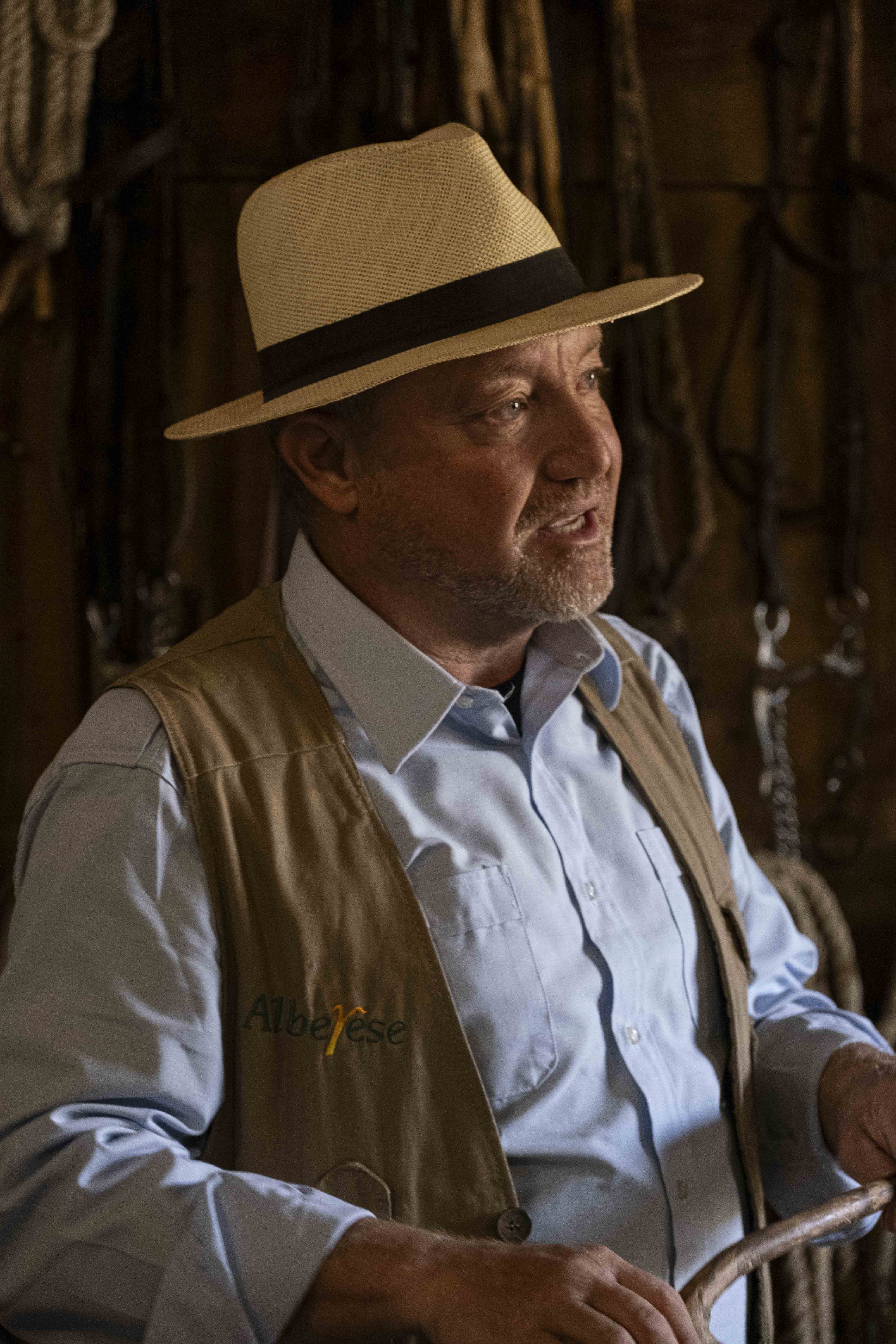
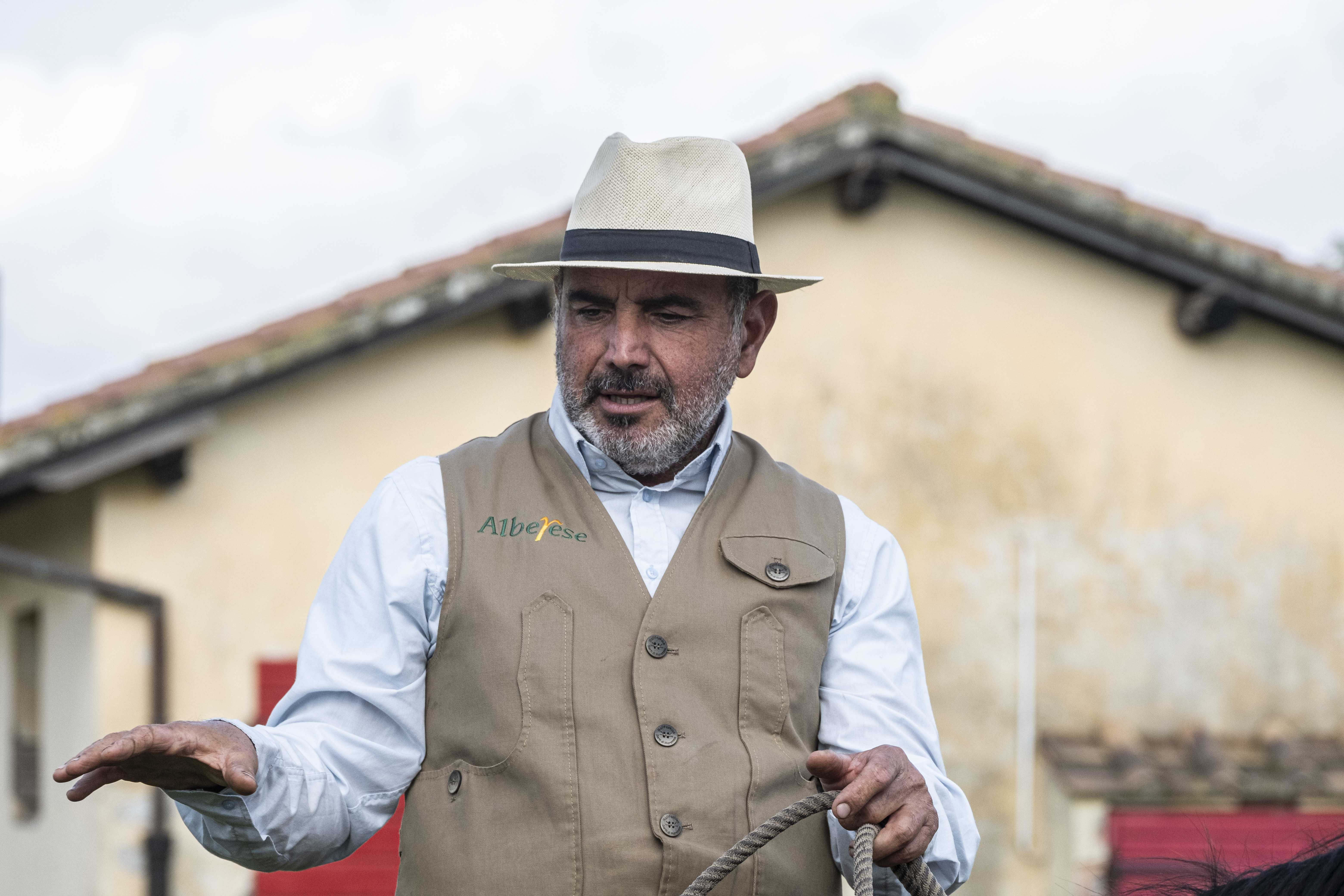
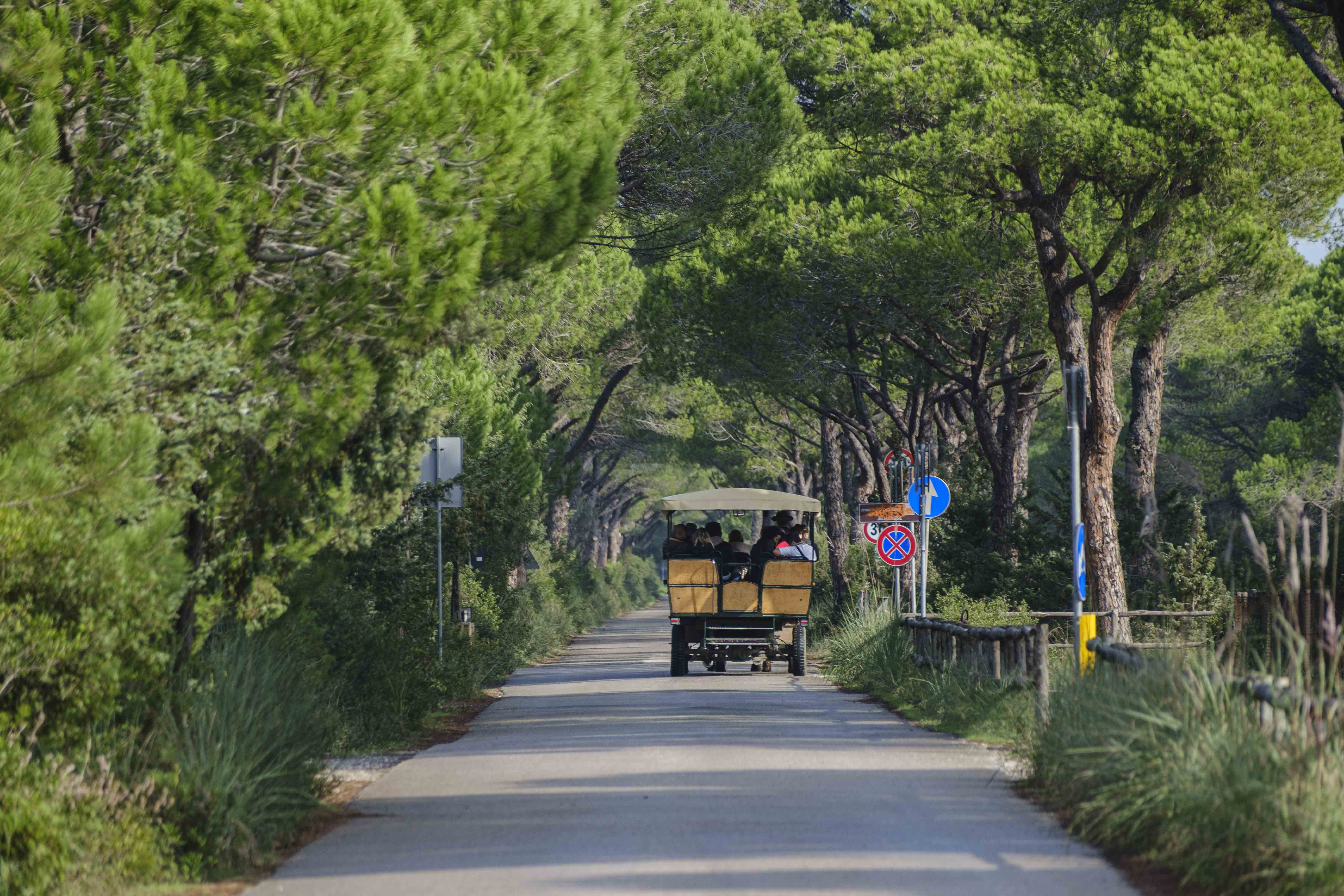
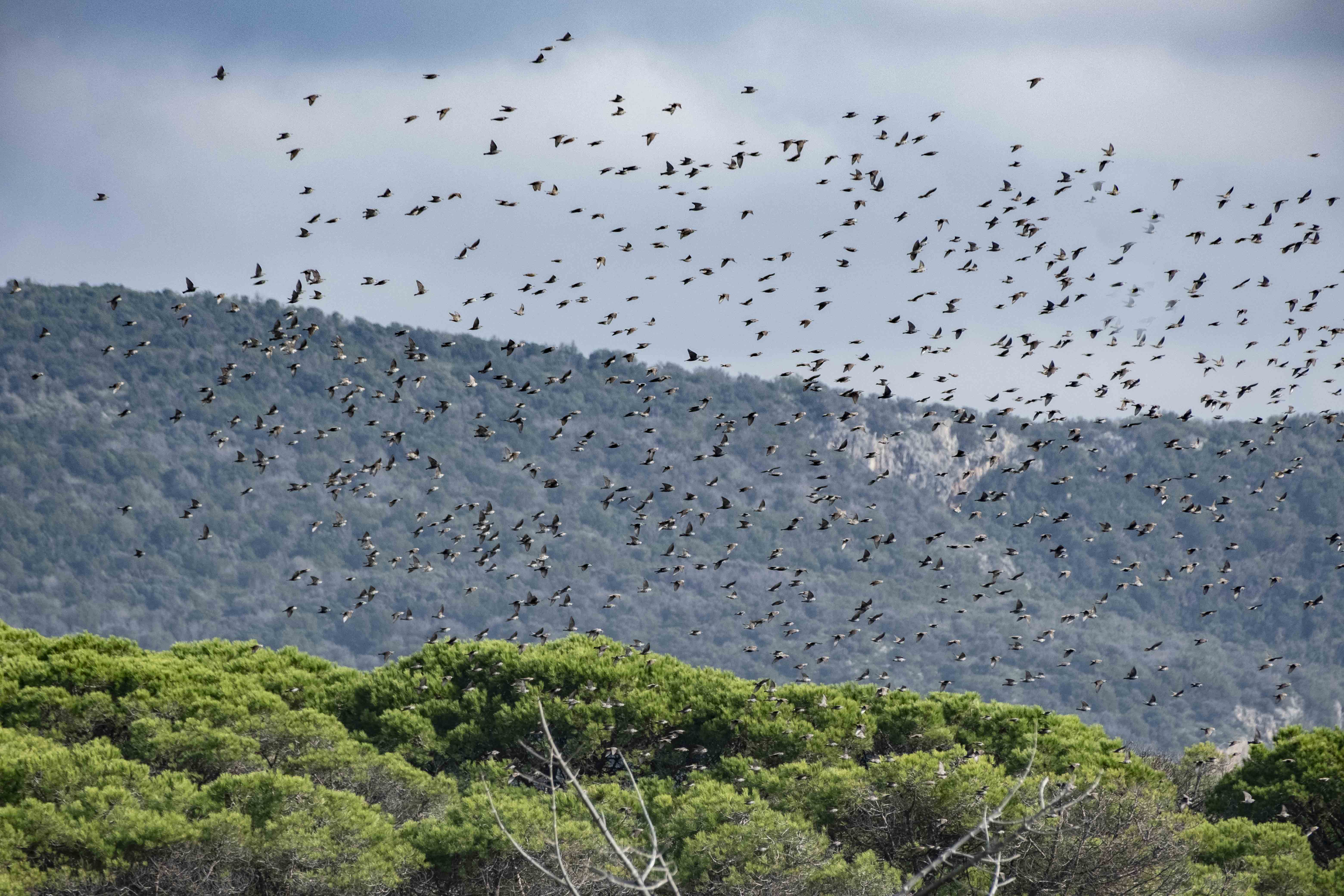
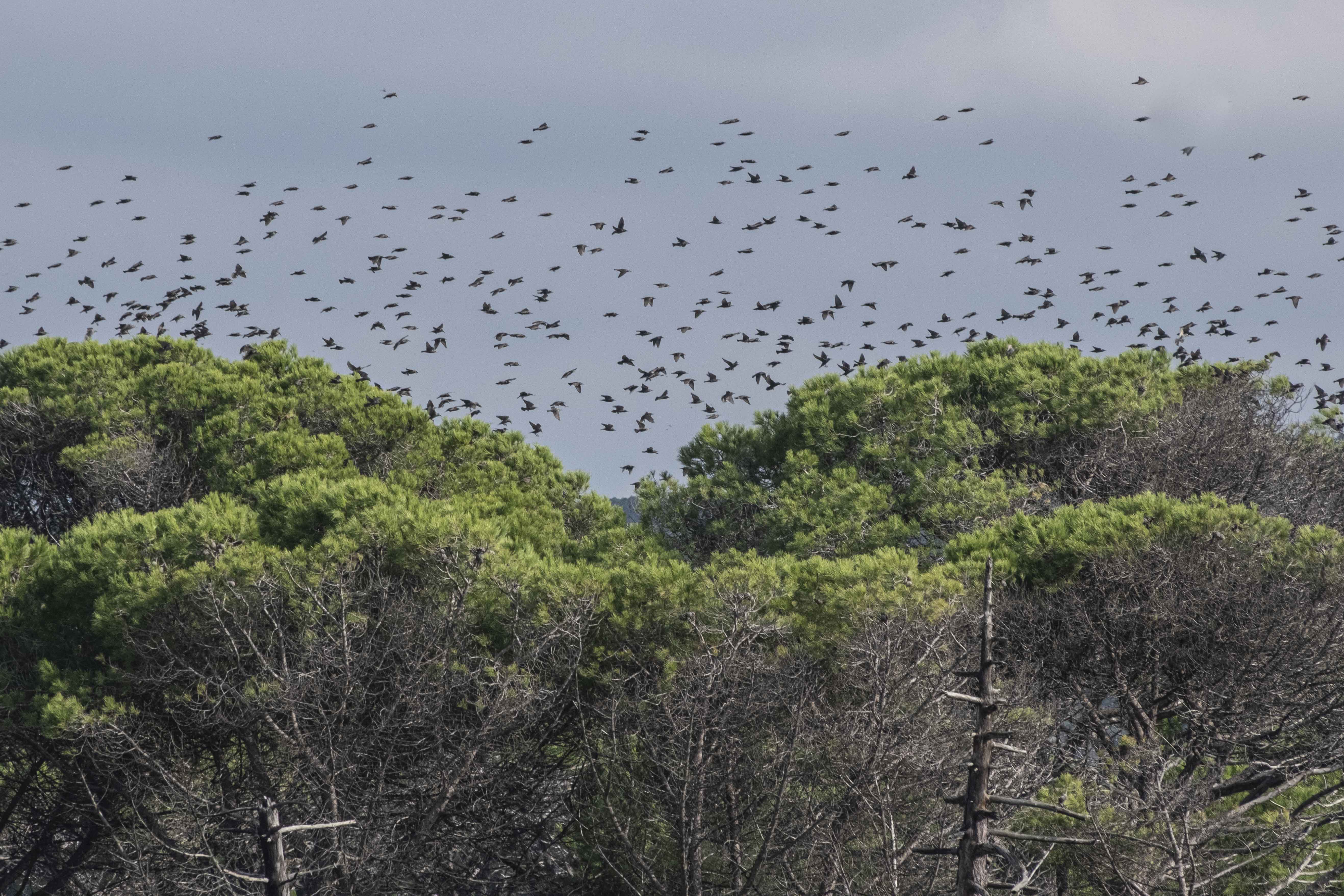
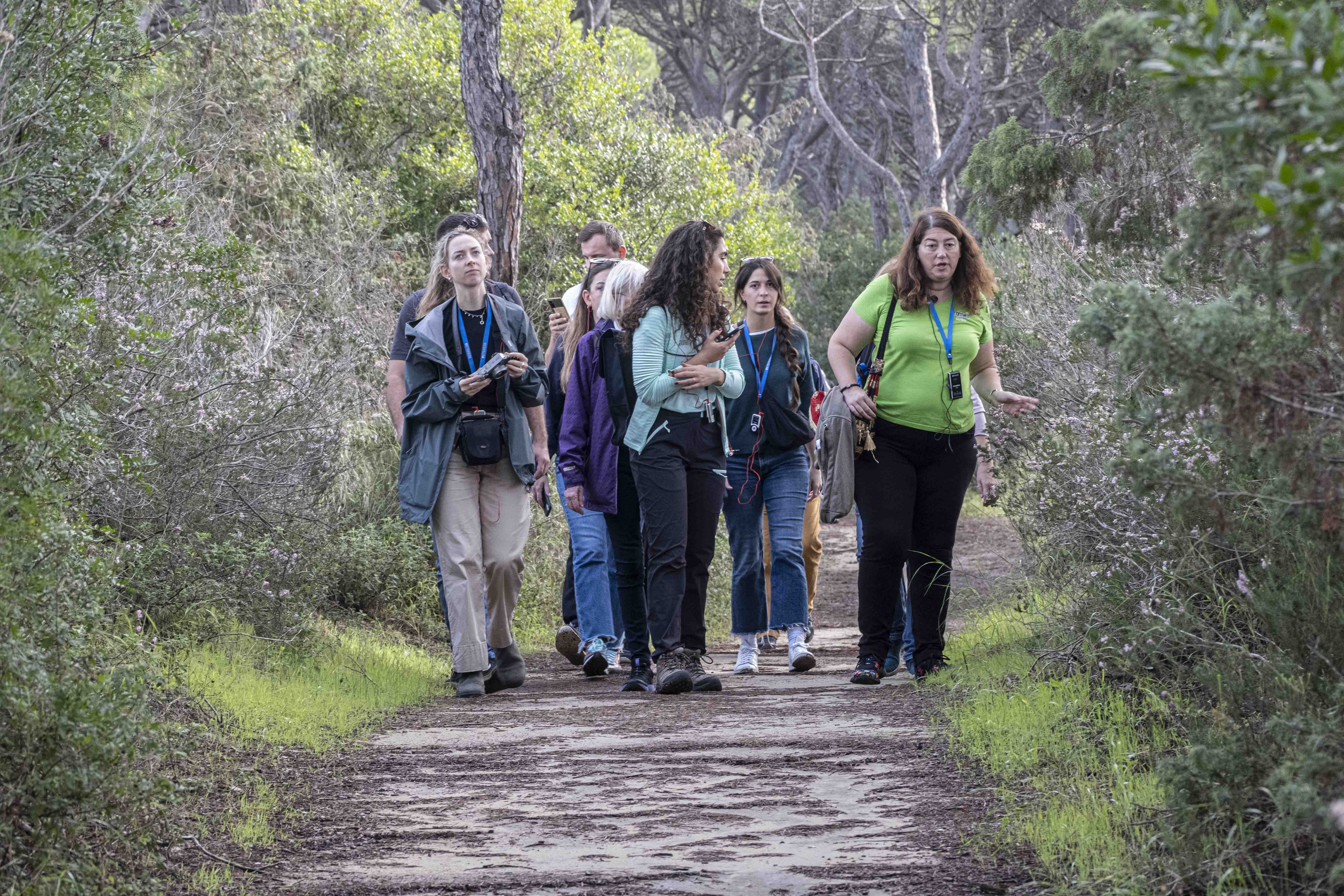
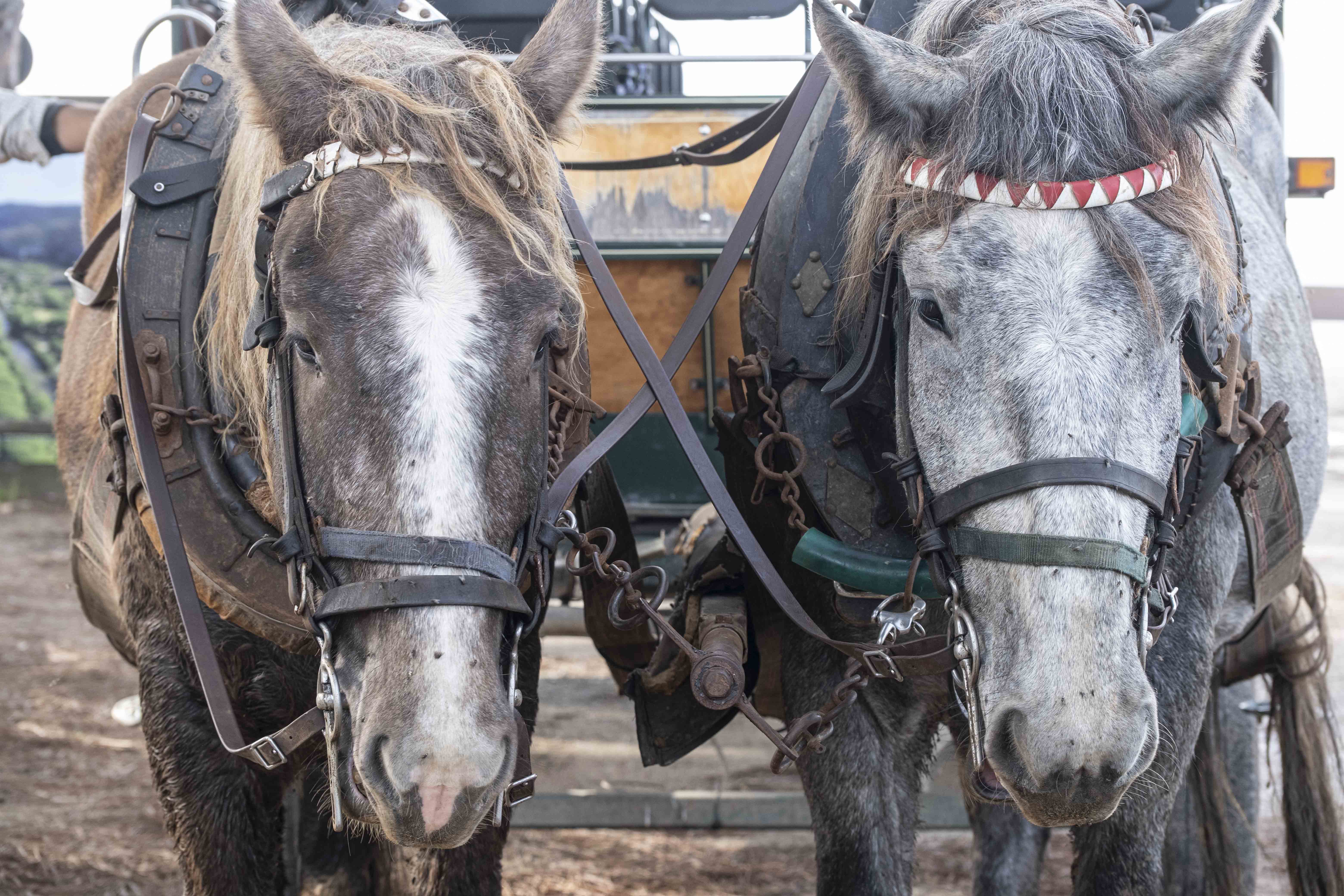
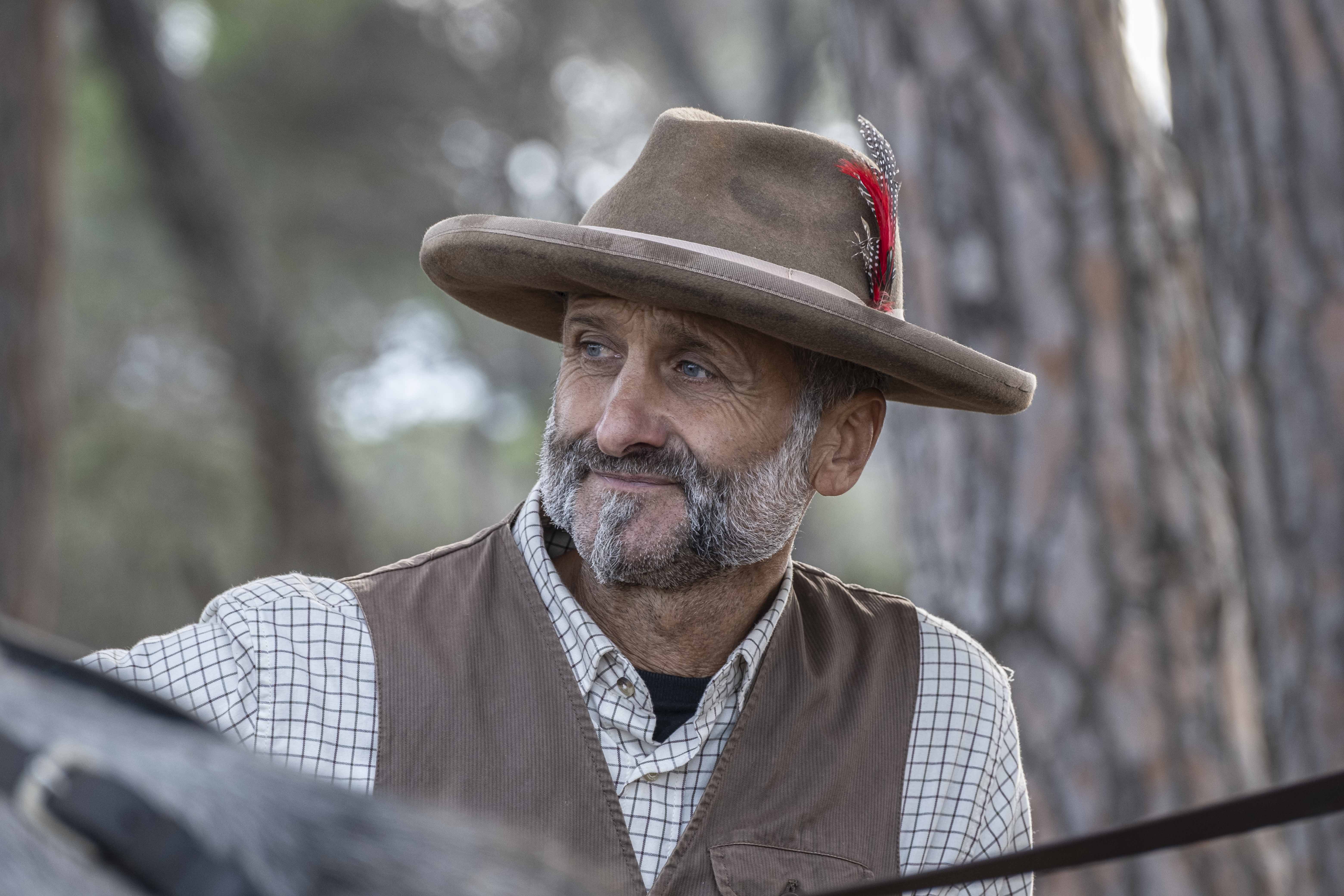
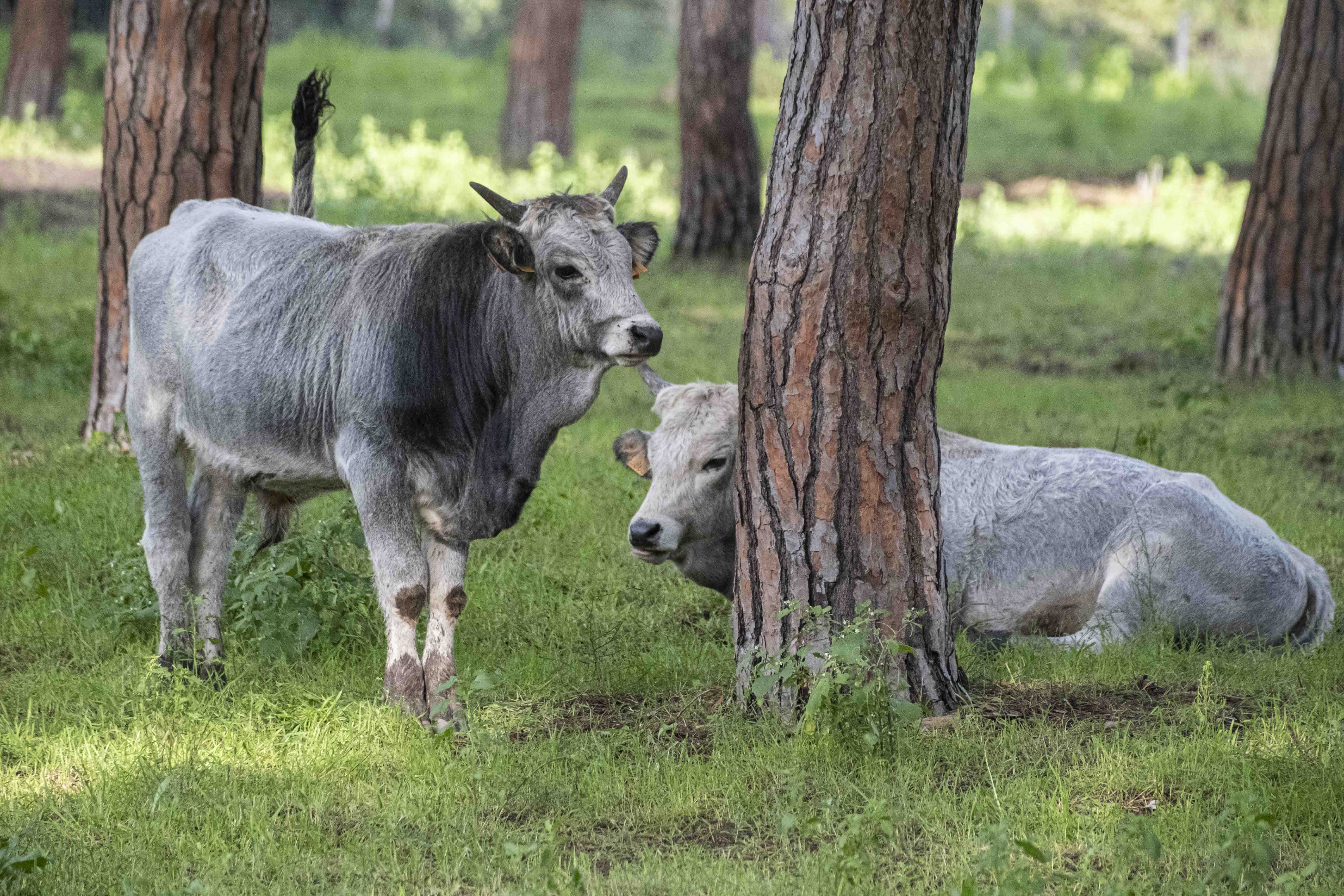
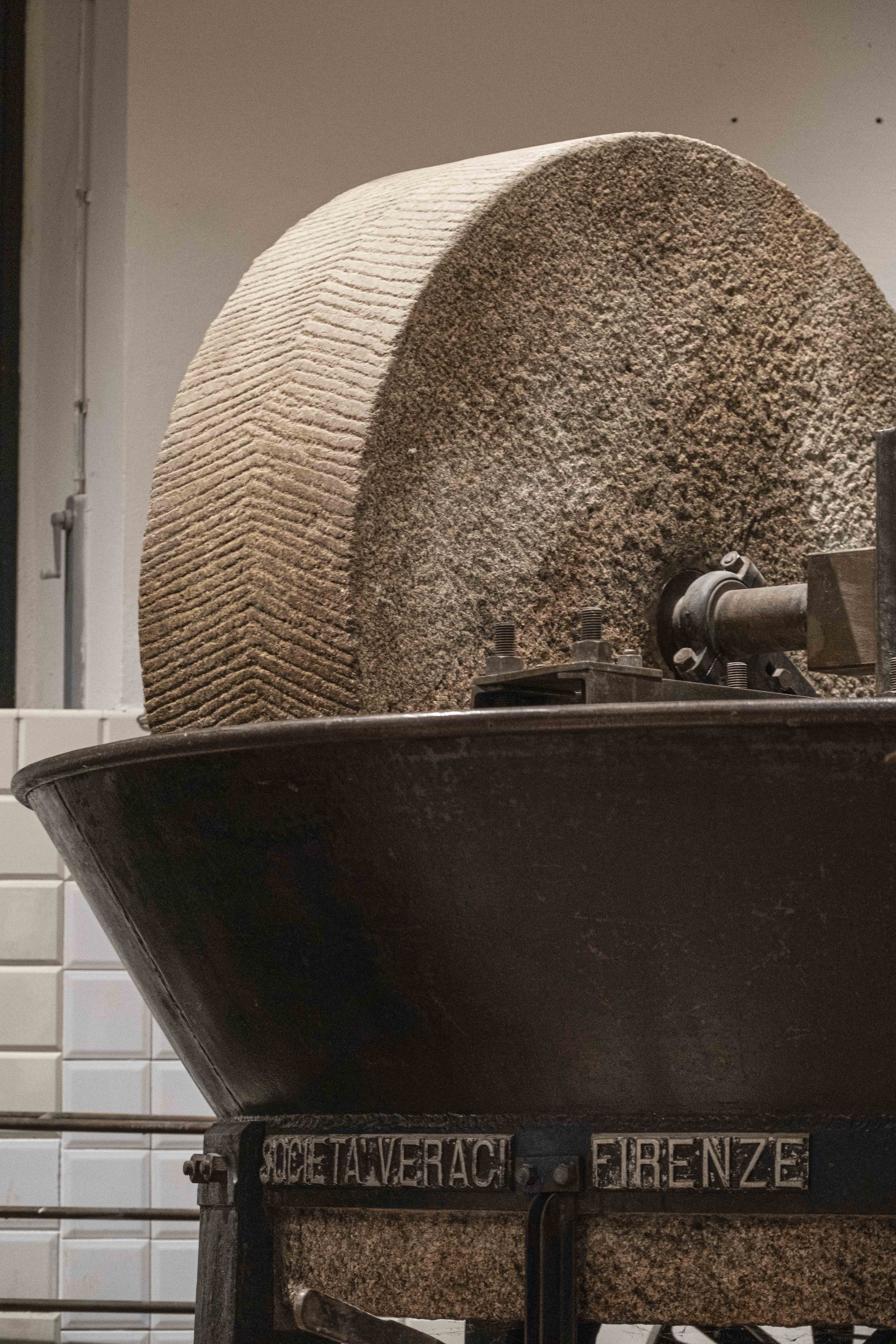
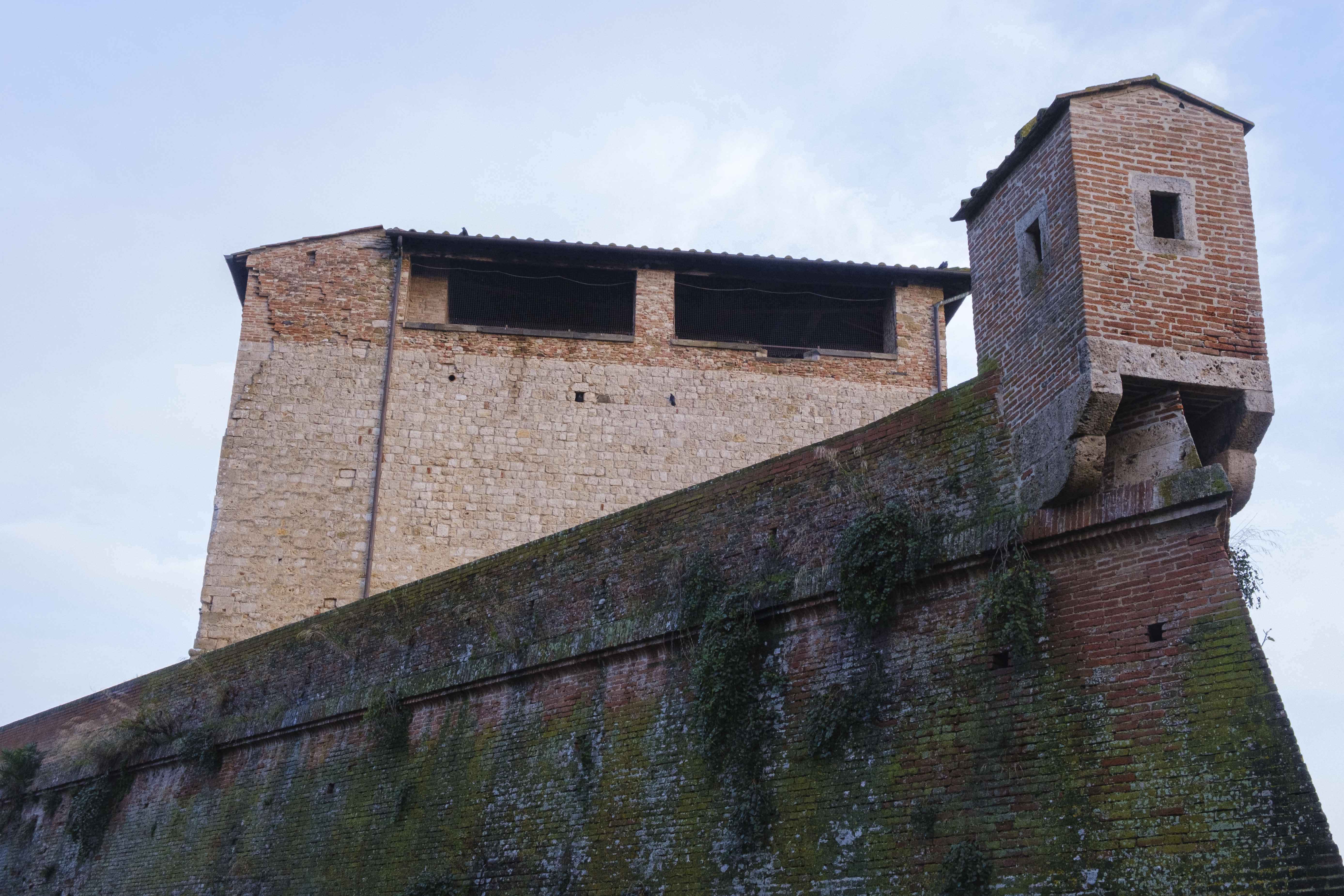
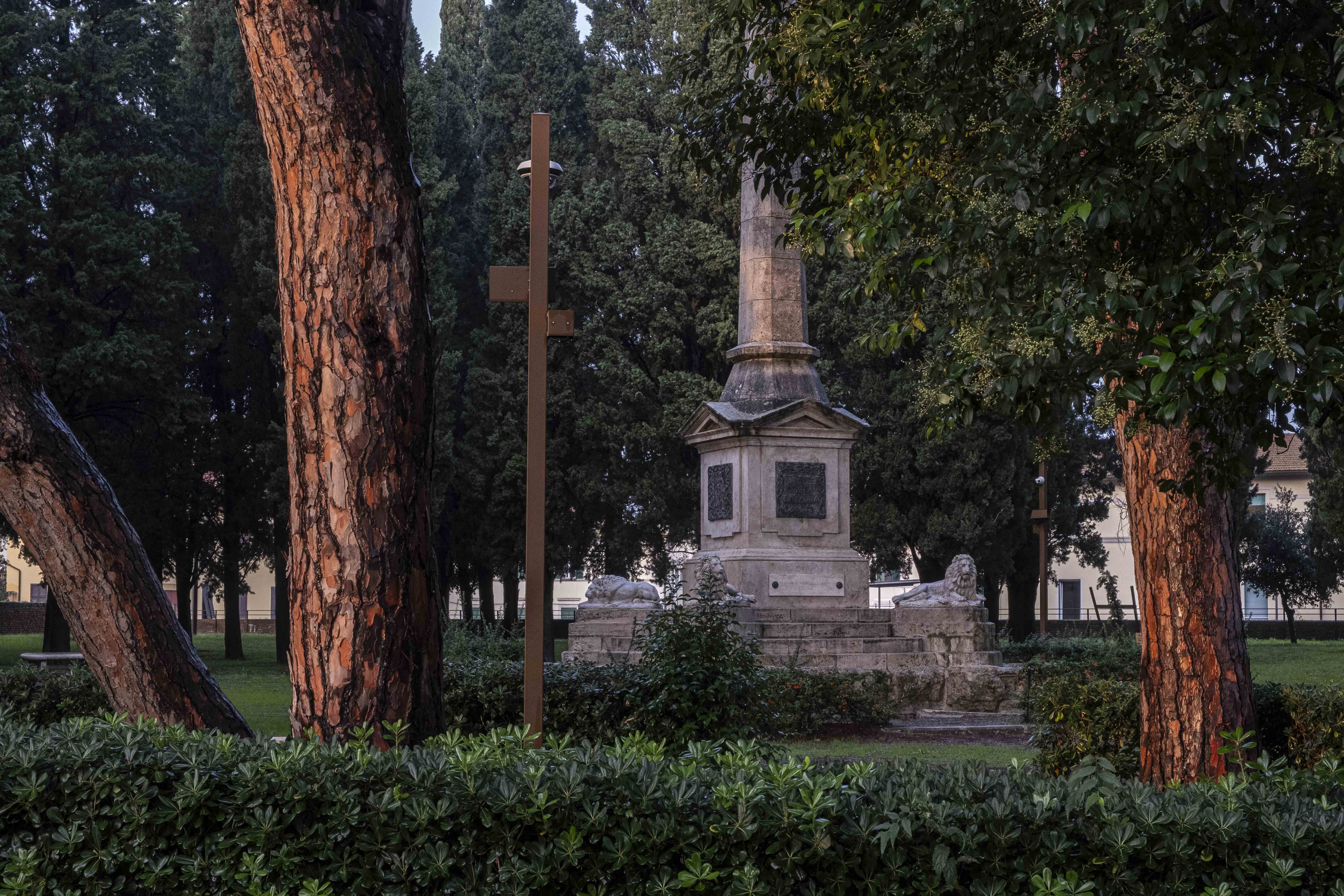
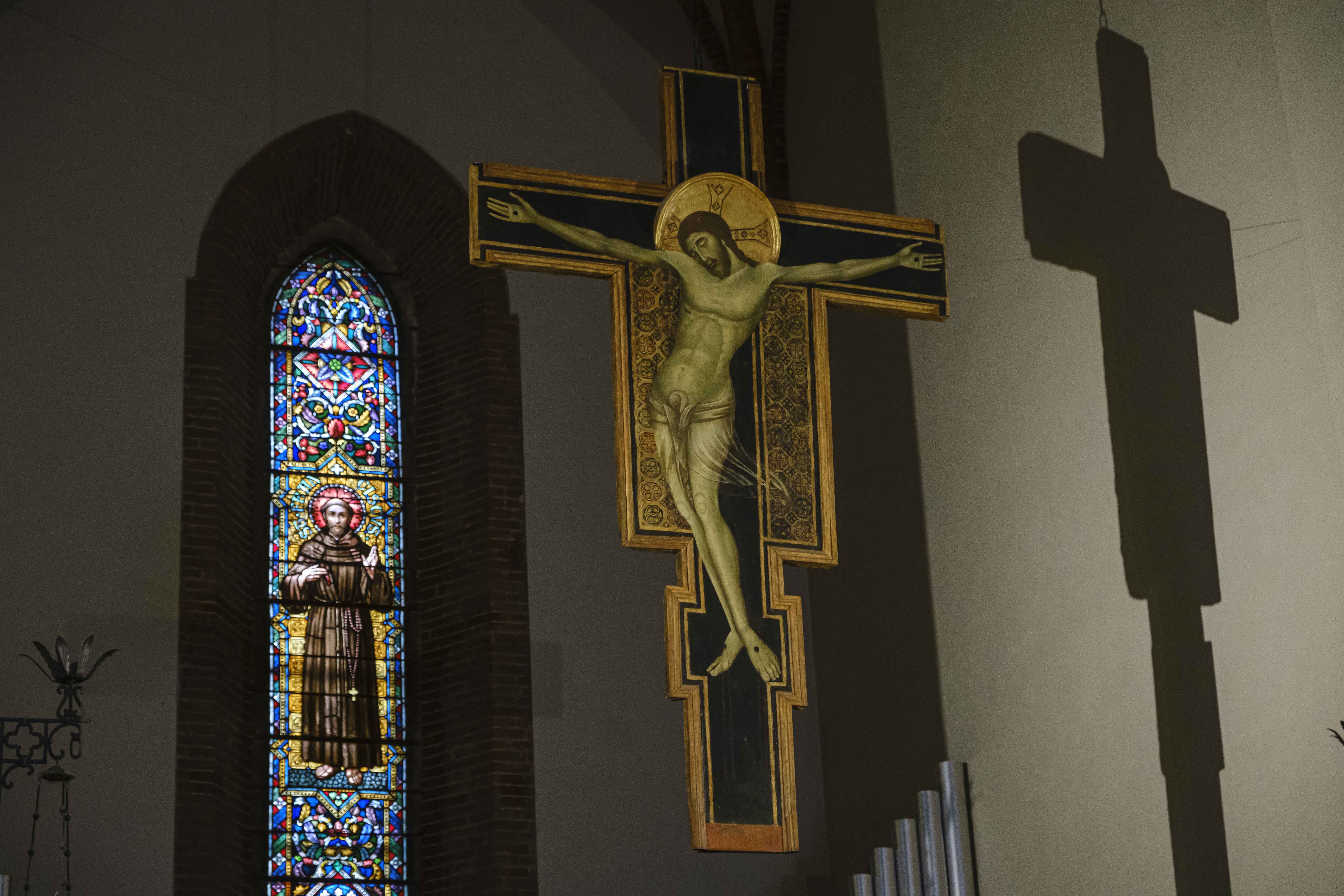
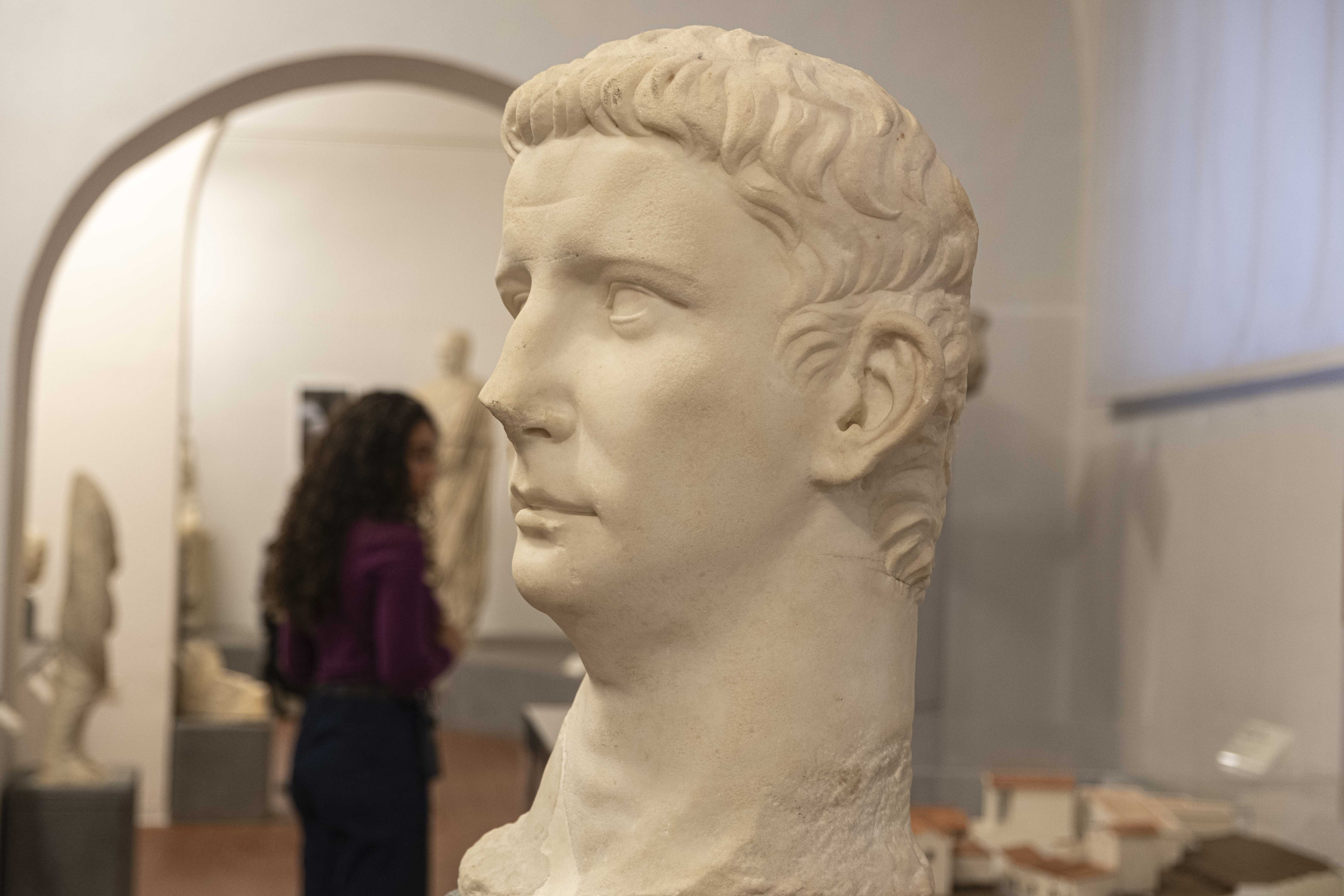
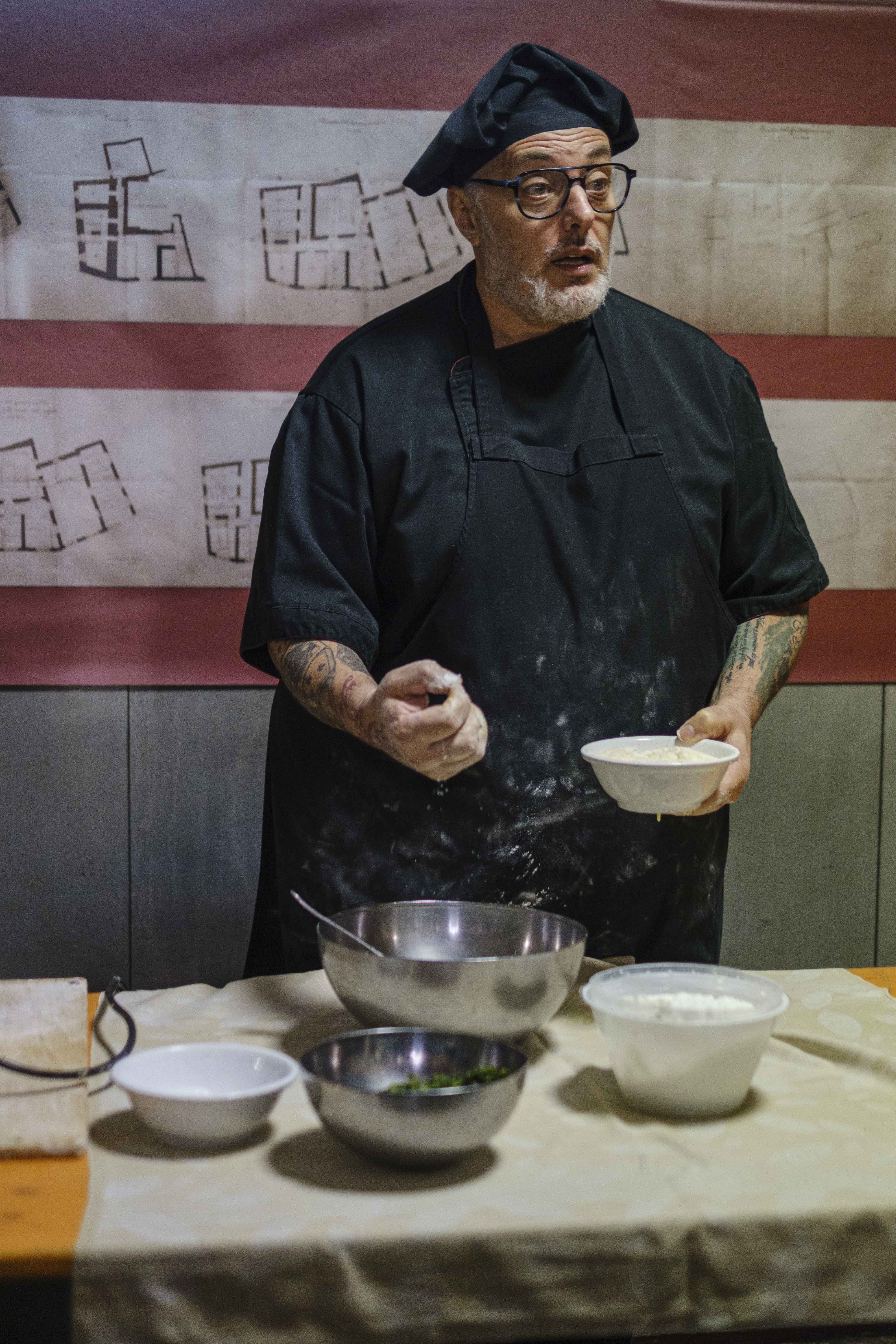
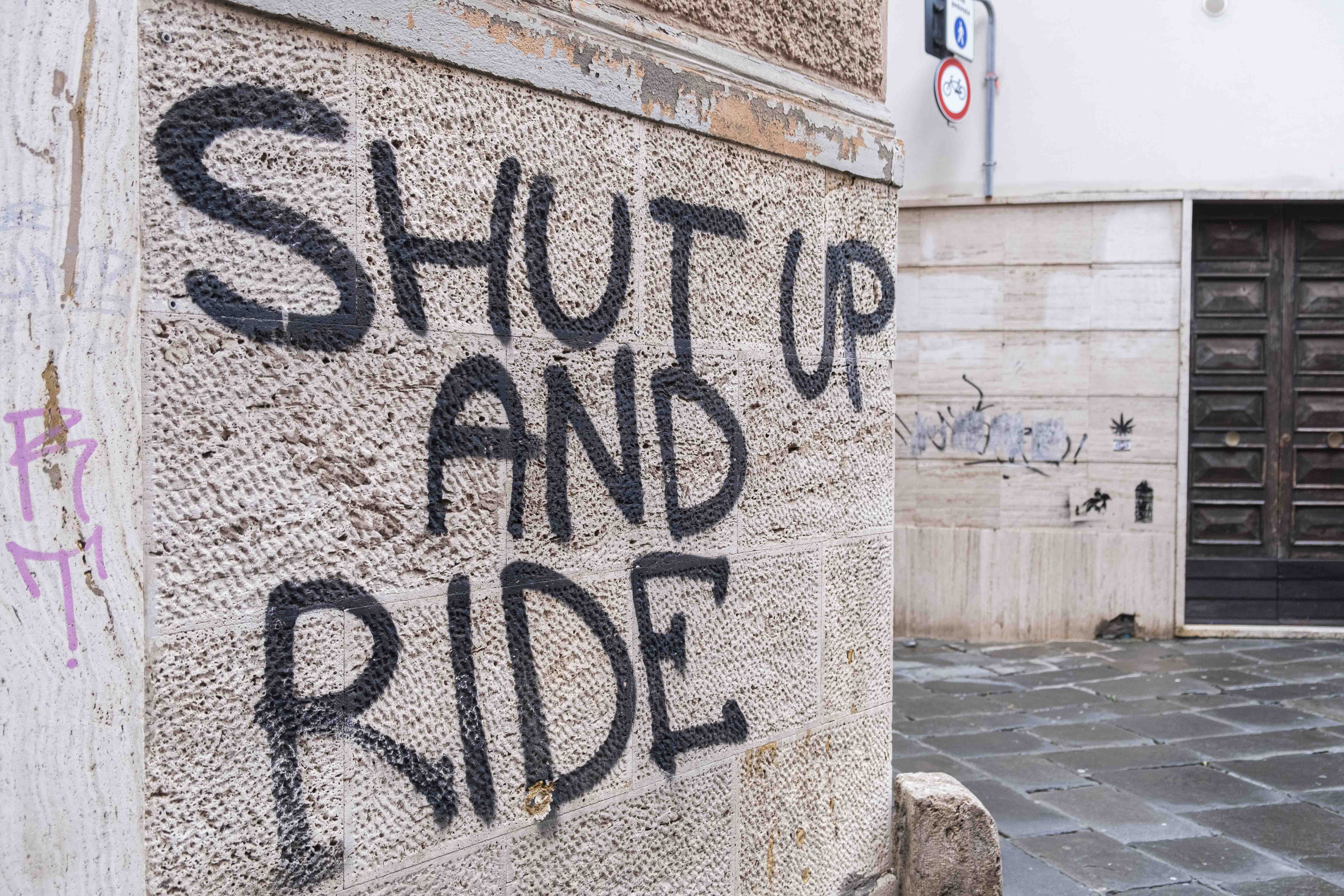
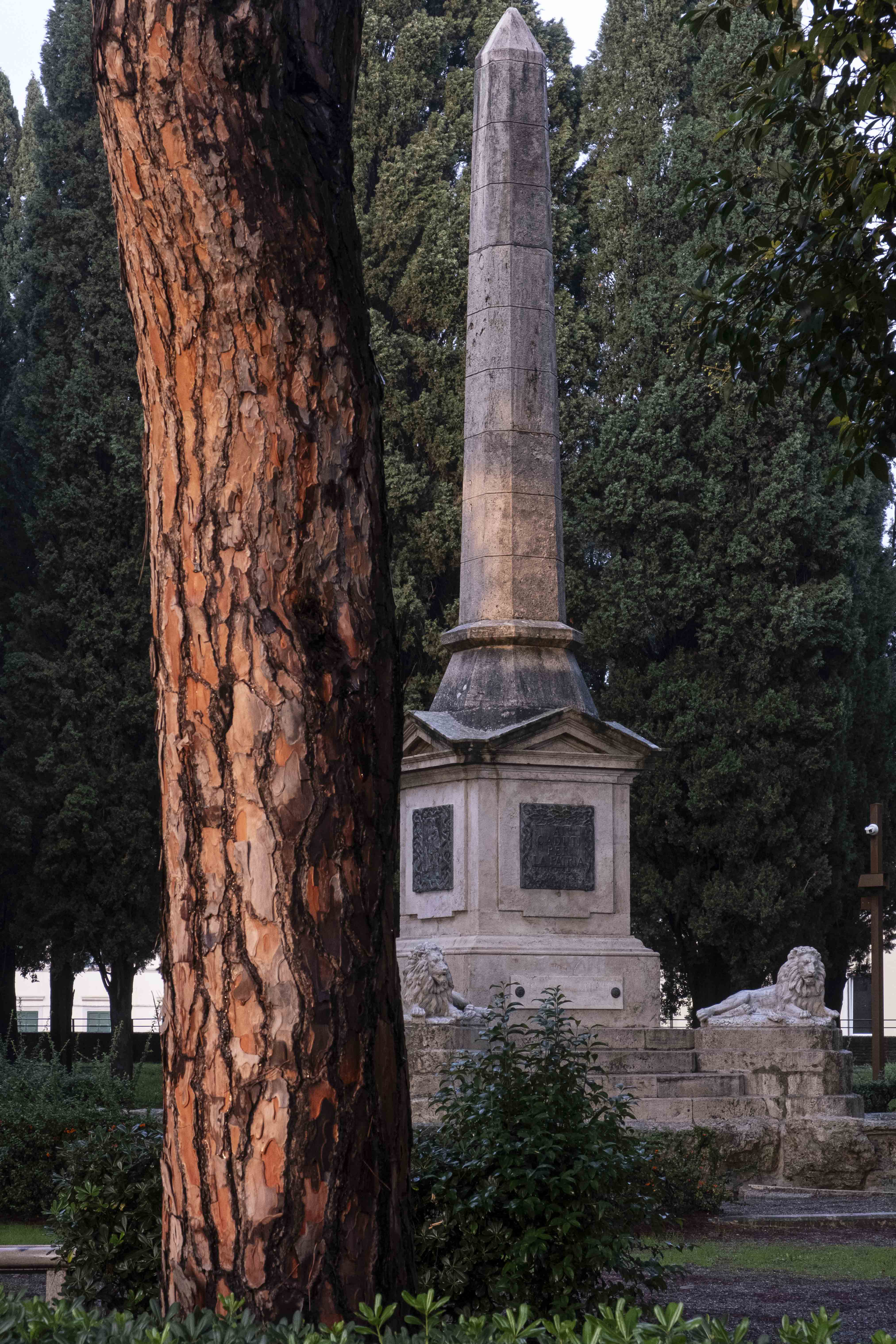
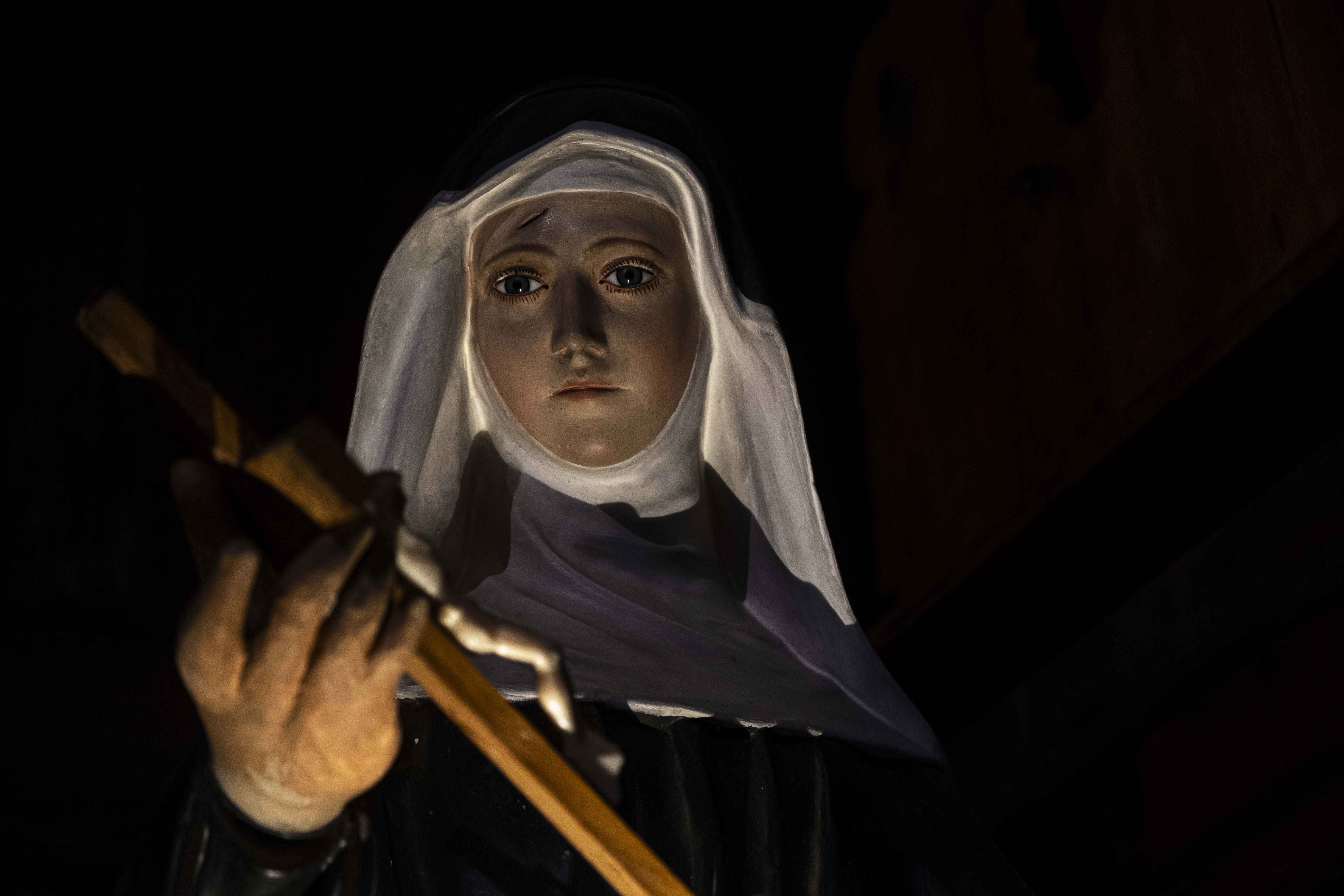
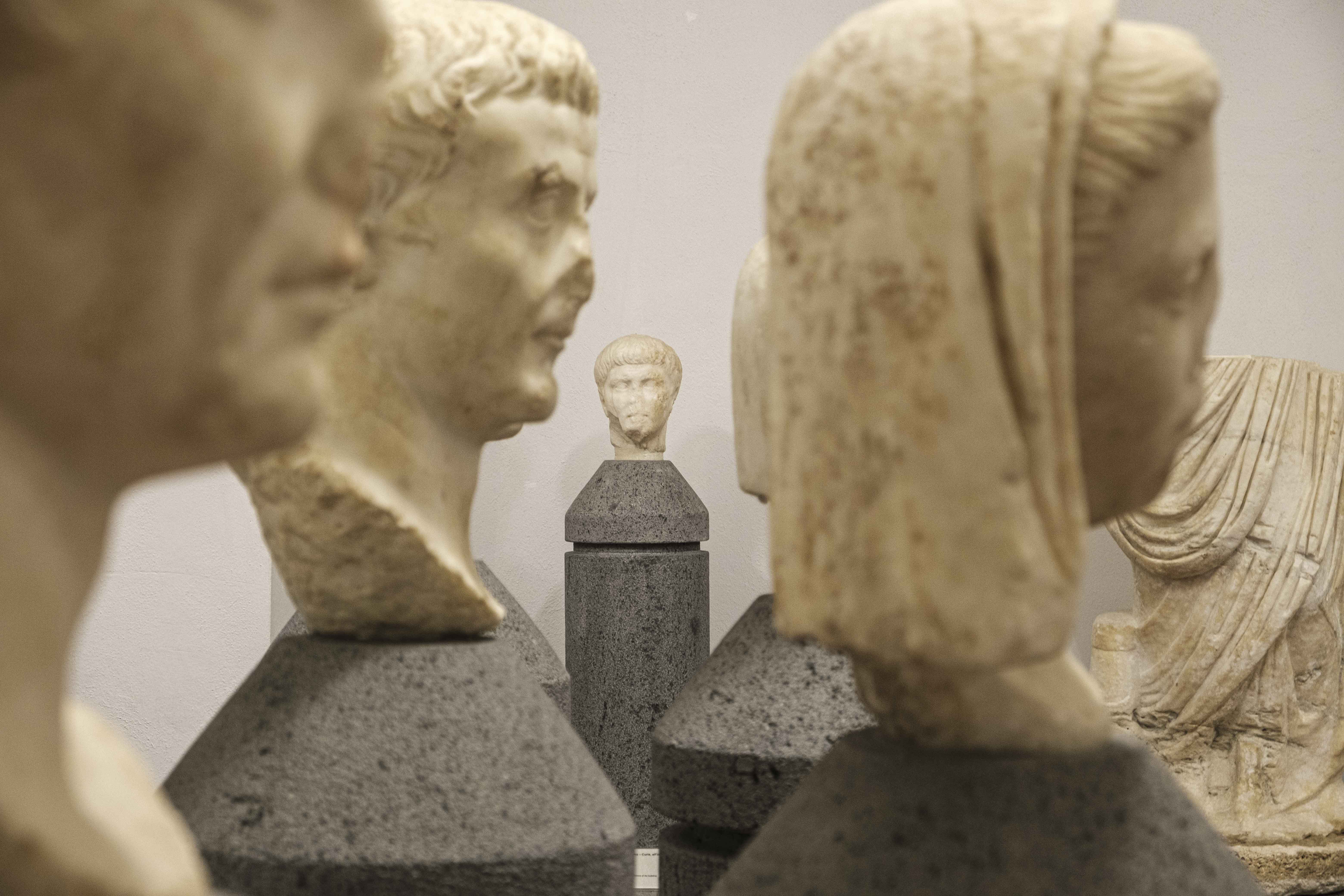
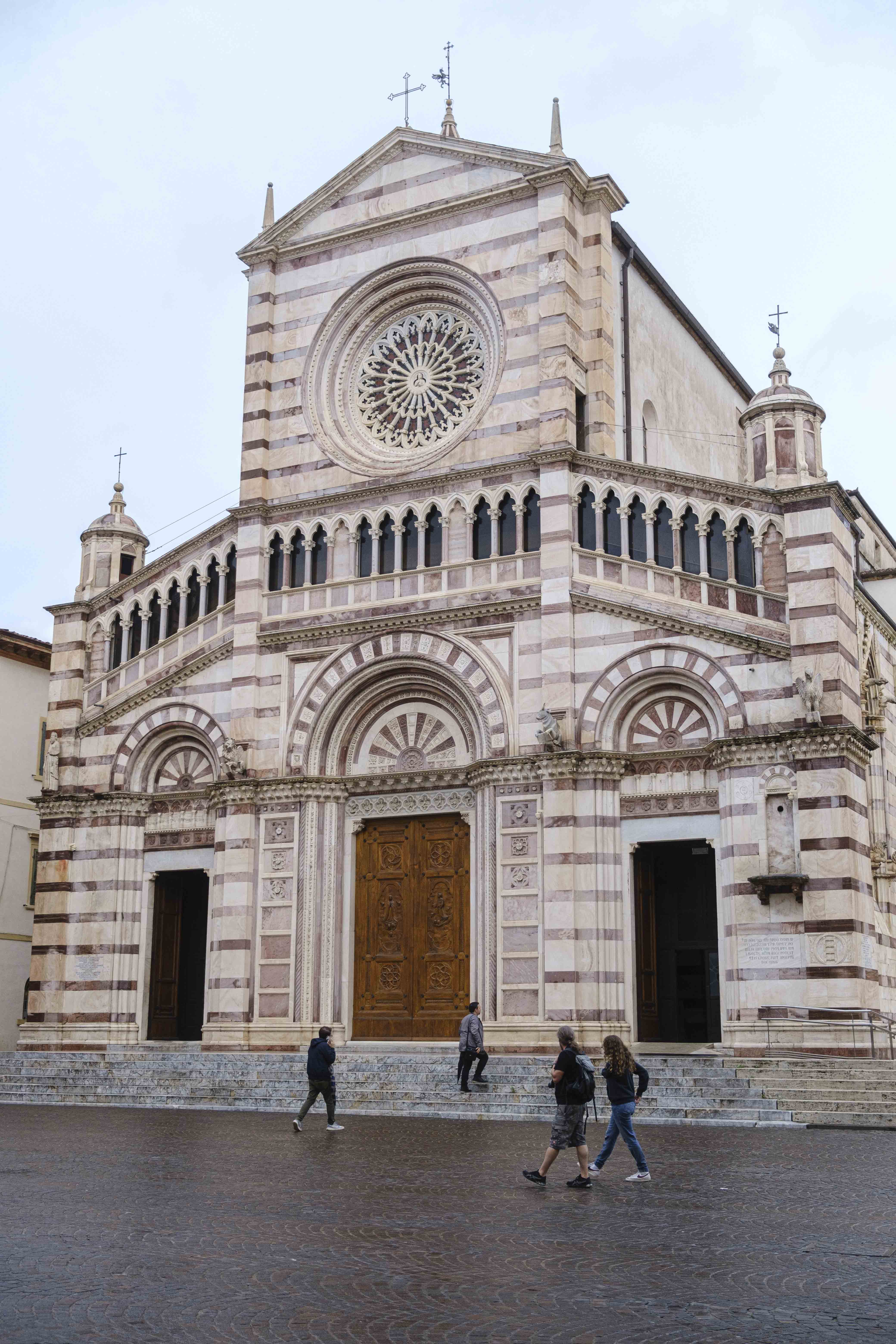
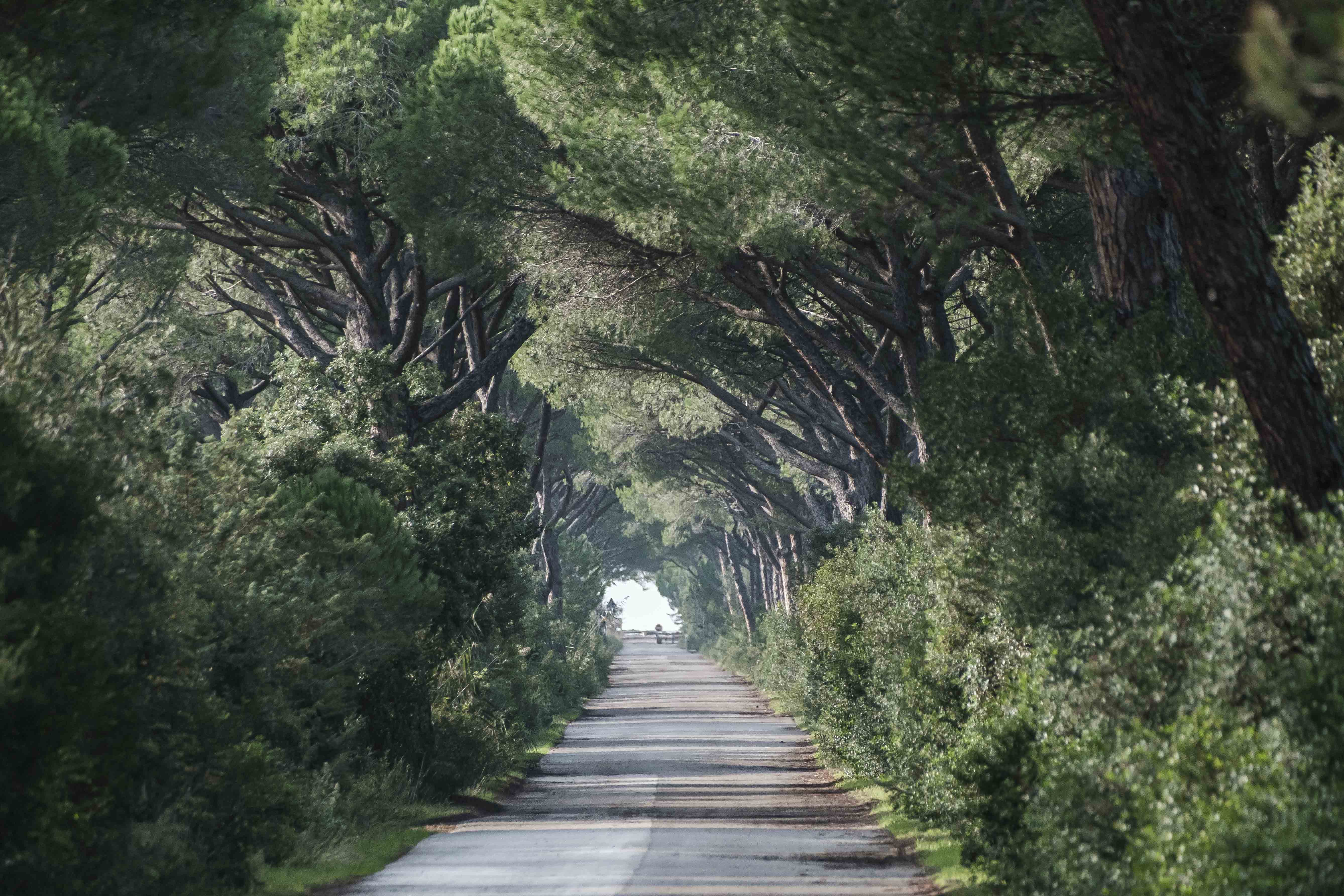
A selection of images from a trip to southern Tuscany with a great bunch of journalists and tour operators from different parts of Europe, introducing us to the delights and surprises of Grosseto, the 2024 European Green Pioneer of Sustainable Tourism, and the nearby beautiful Regional Natural Park of Maremma. Those surprises included beautiful beaches, a wildlife reserve (flamingos!), ancient cowboy and equestrian traditions and culture, medieval villages, archaeological and artistic treasures, a lively olive oil festival, well-preserved Etruscan ruins and, mmm, what else, oh yes, a fair amount of food and drink.

Share this:

  • Click to share on Facebook (Opens in new window) Facebook
  • Click to email a link to a friend (Opens in new window) Email
  • Click to share on LinkedIn (Opens in new window) LinkedIn
Like Loading...

Kreenholm – a post-industrial, captivating wilderness

29 Monday Jan 2024

Posted by Tim Bird in Uncategorized

≈ Leave a comment

Tags

architecture, Estonia, history, kreenholm, narva, travel, travelphotography, visitestonia

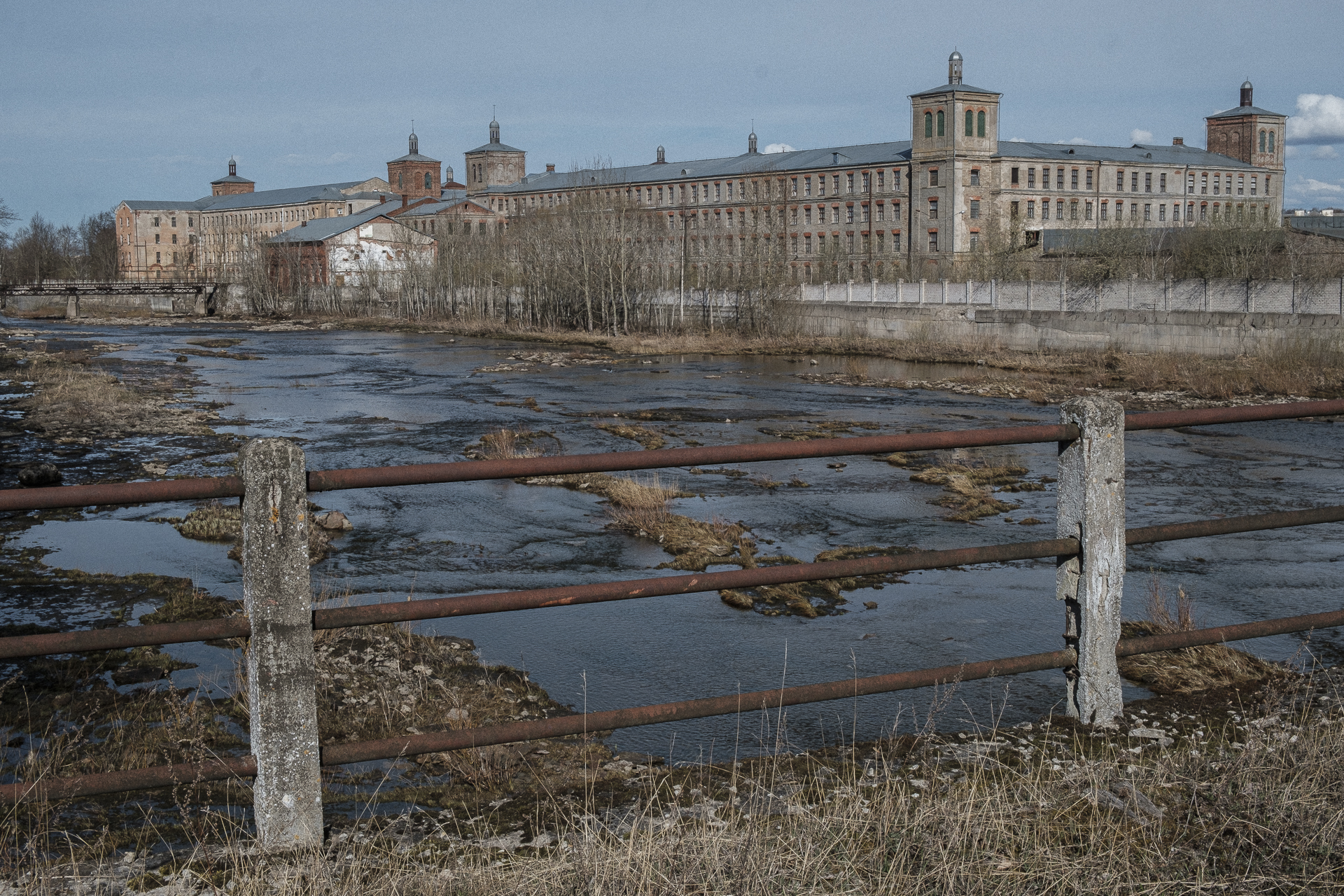
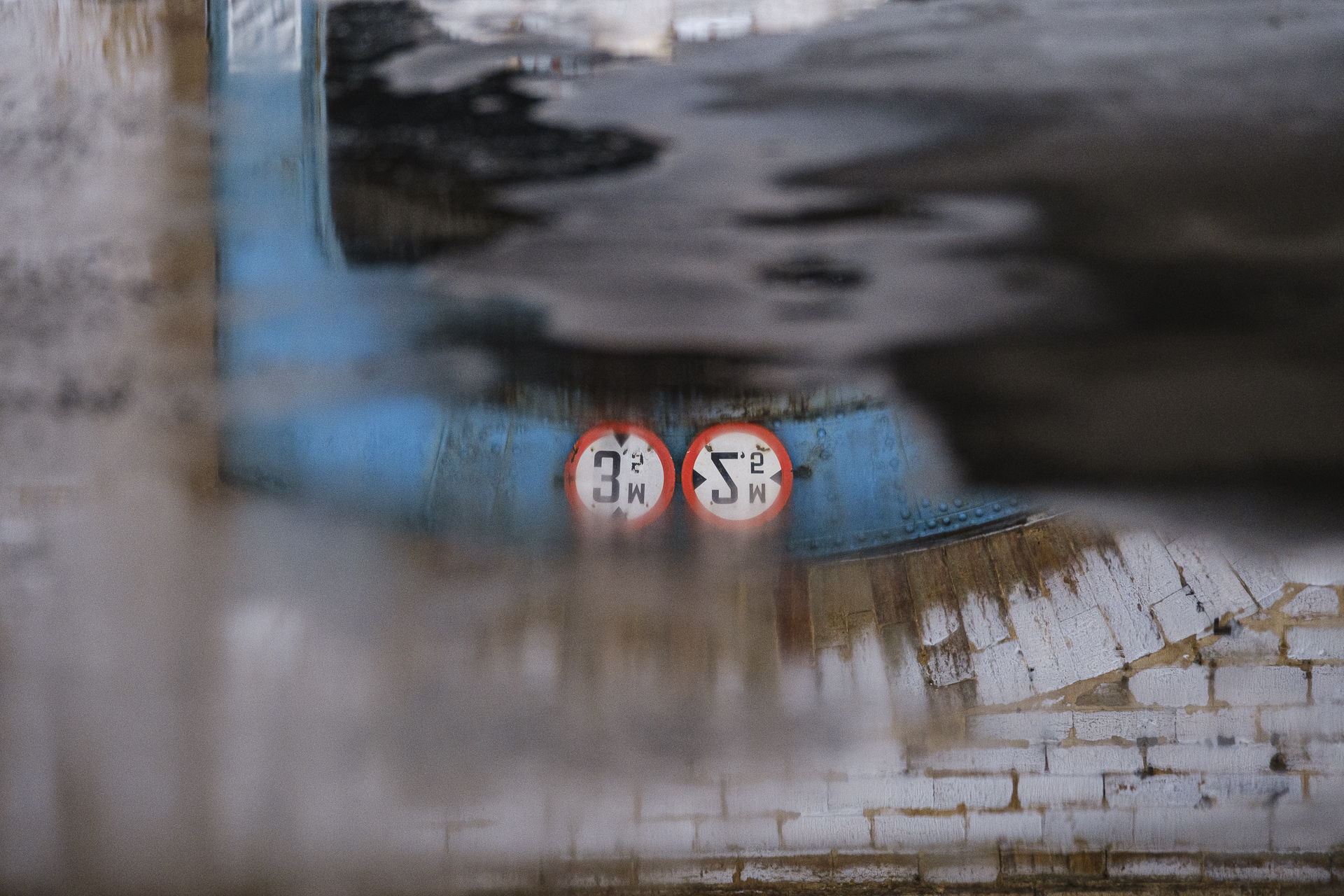
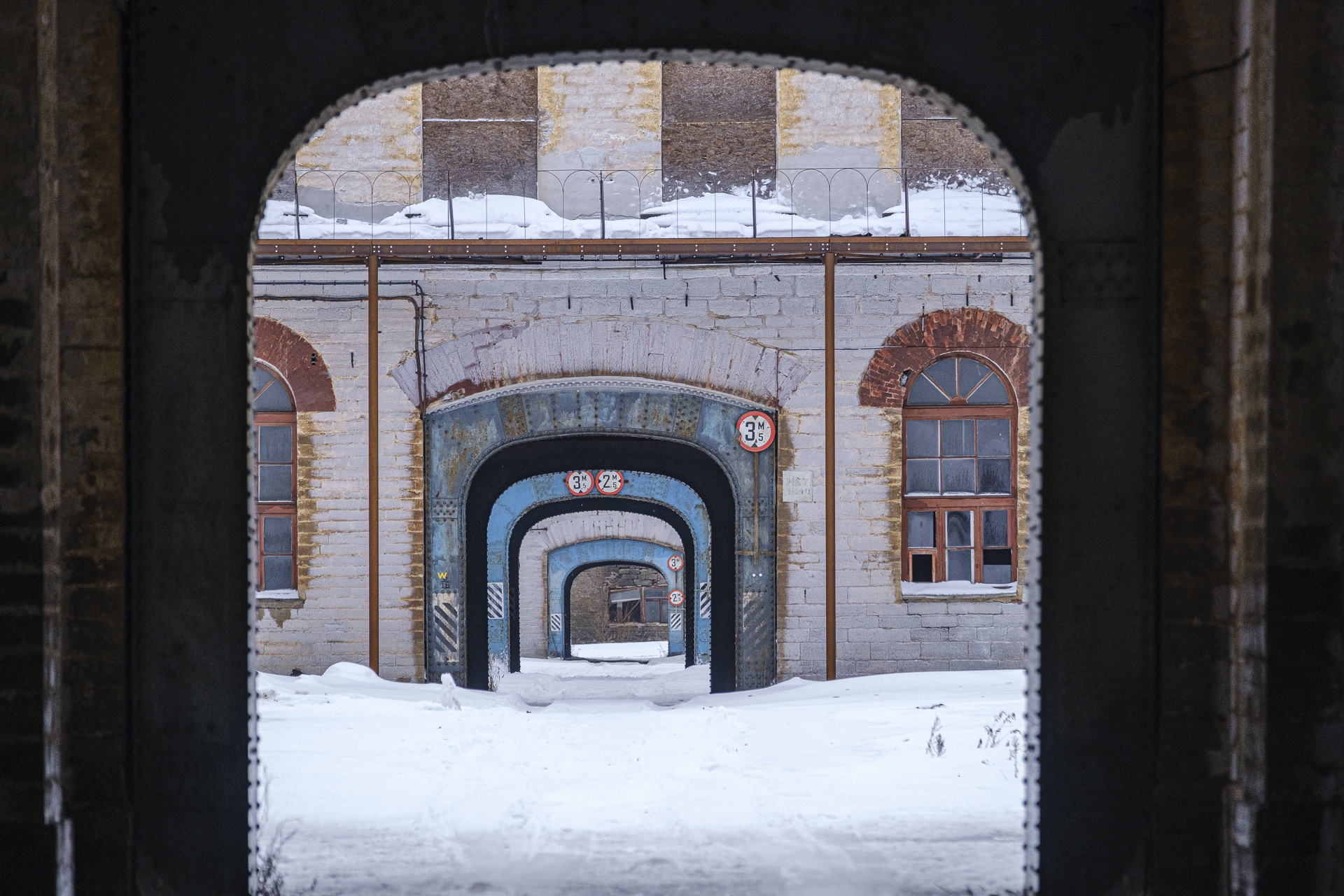
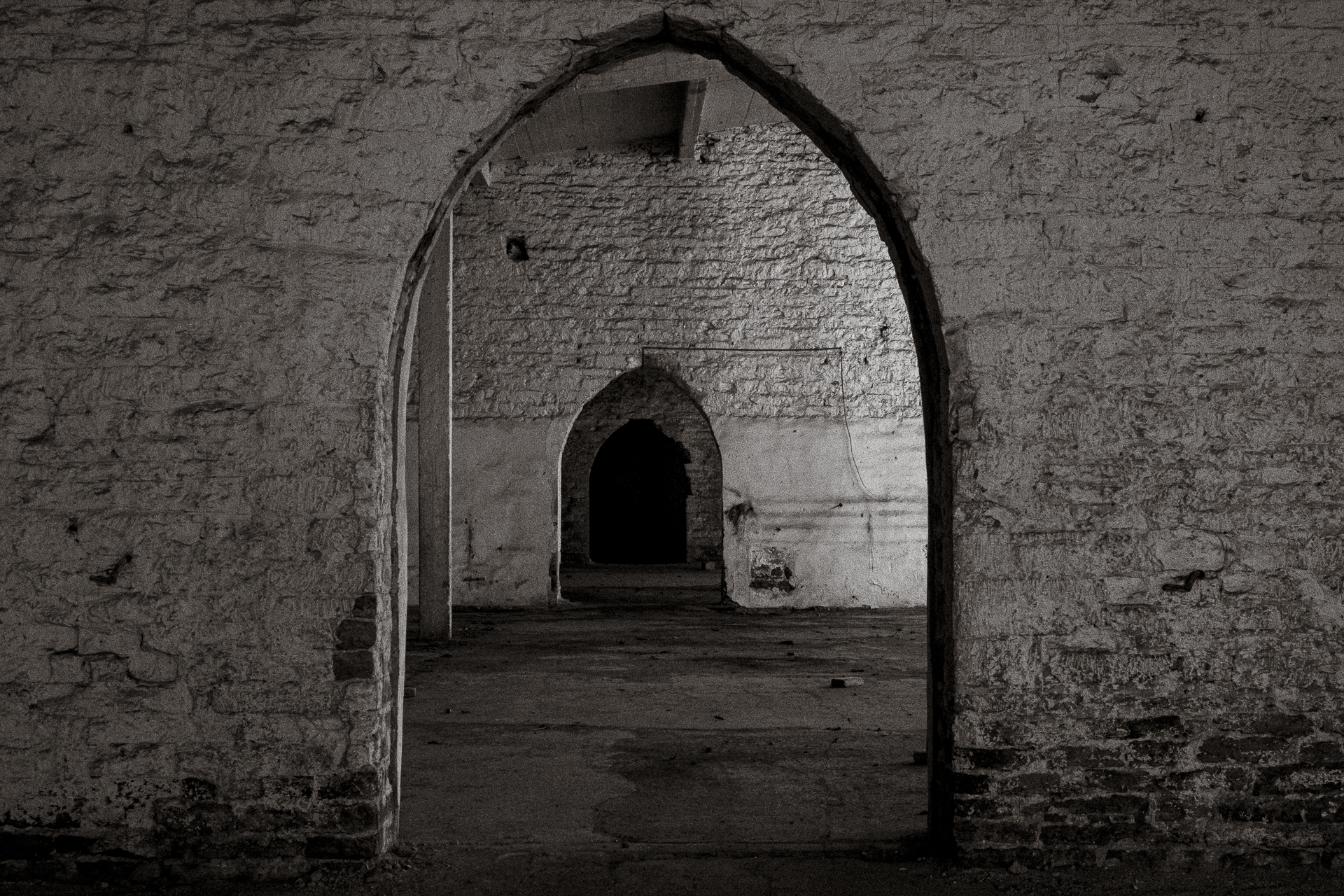
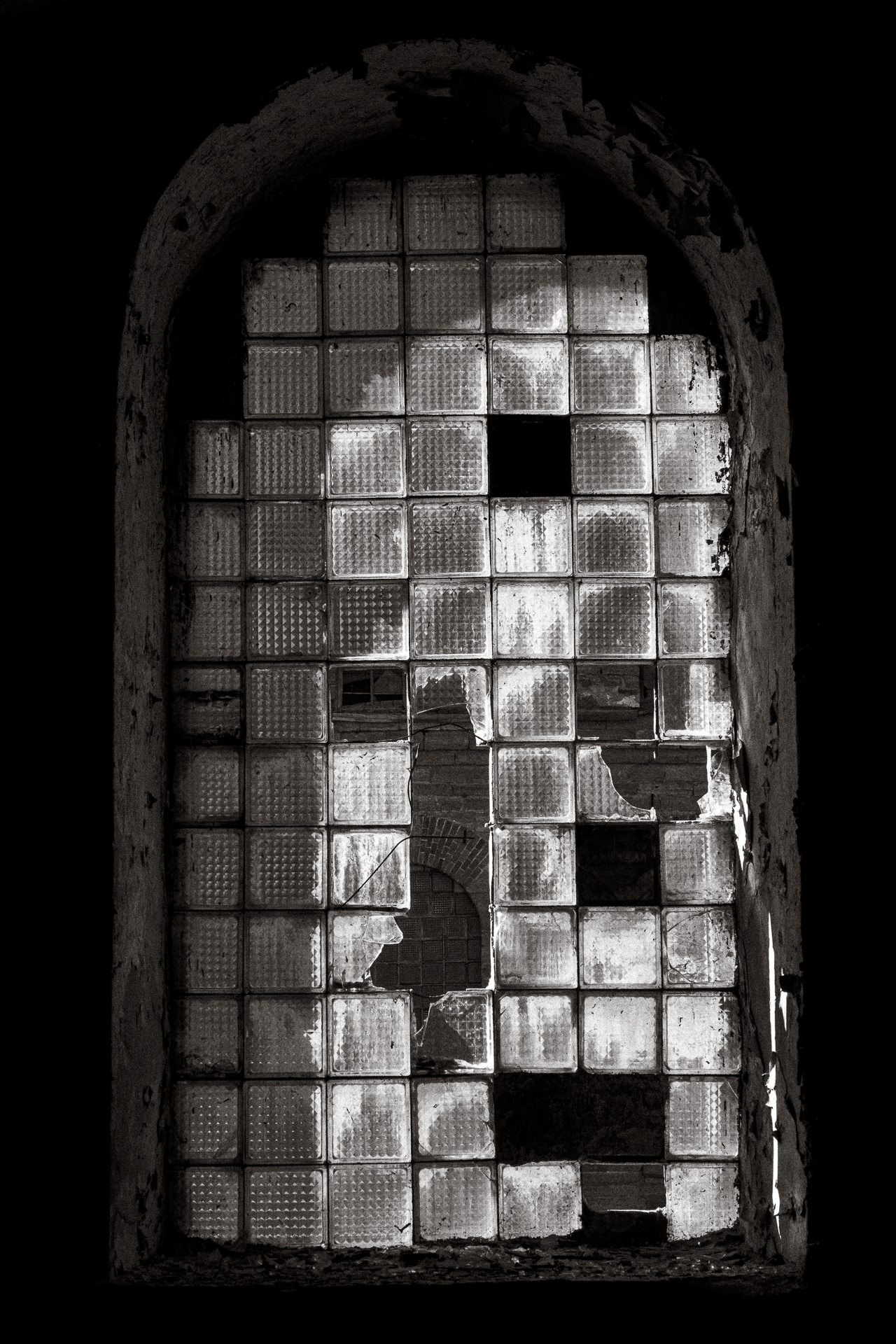
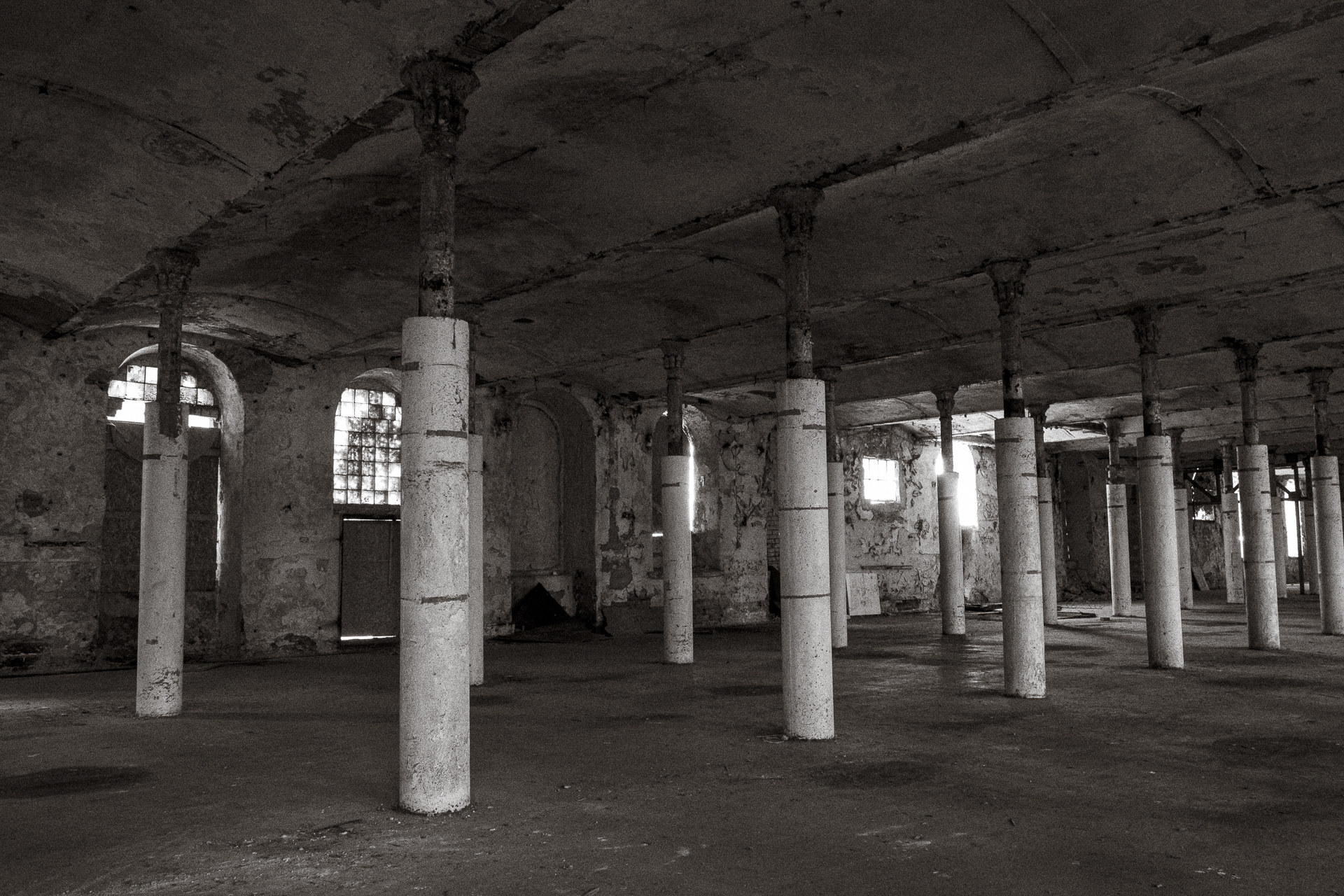
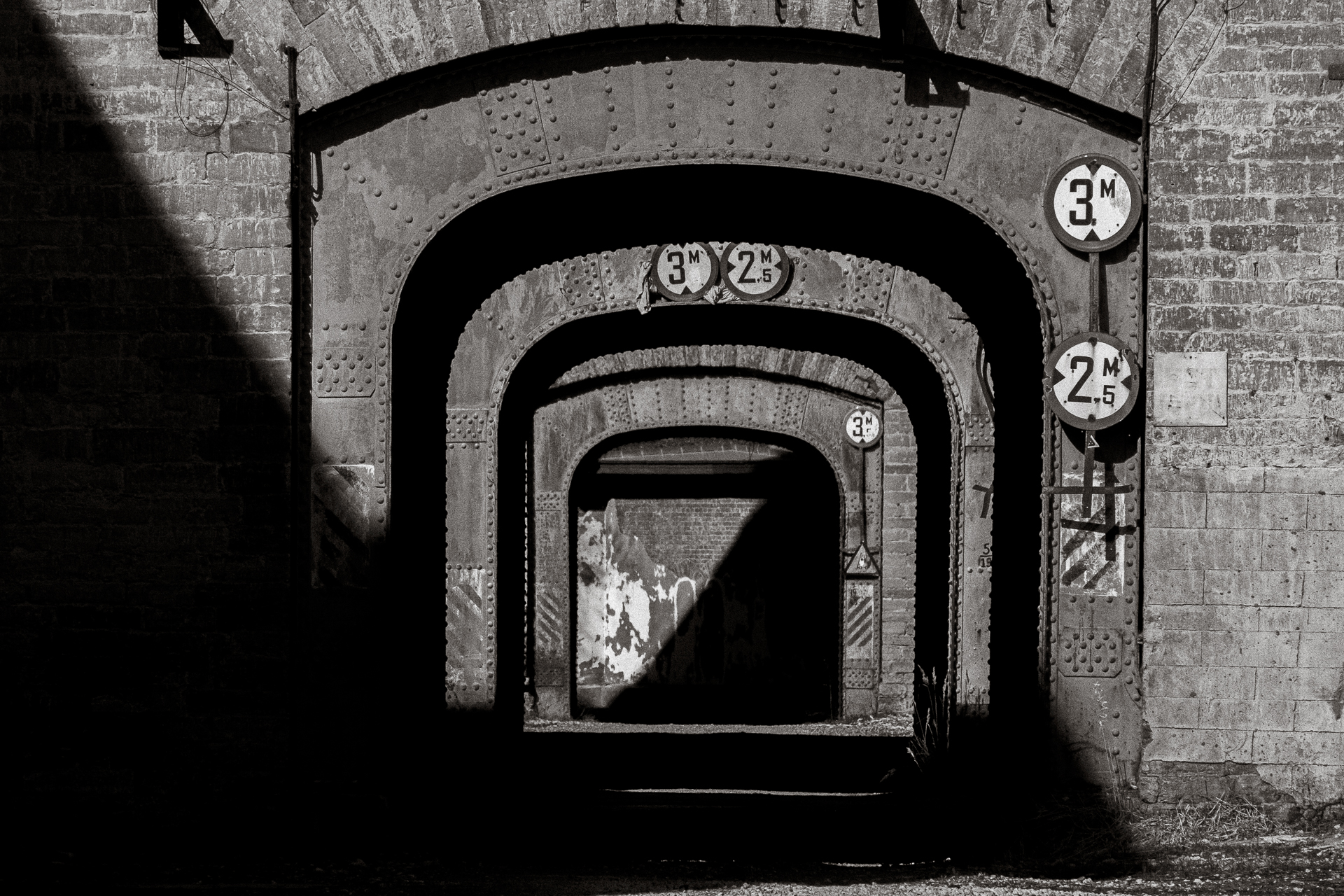
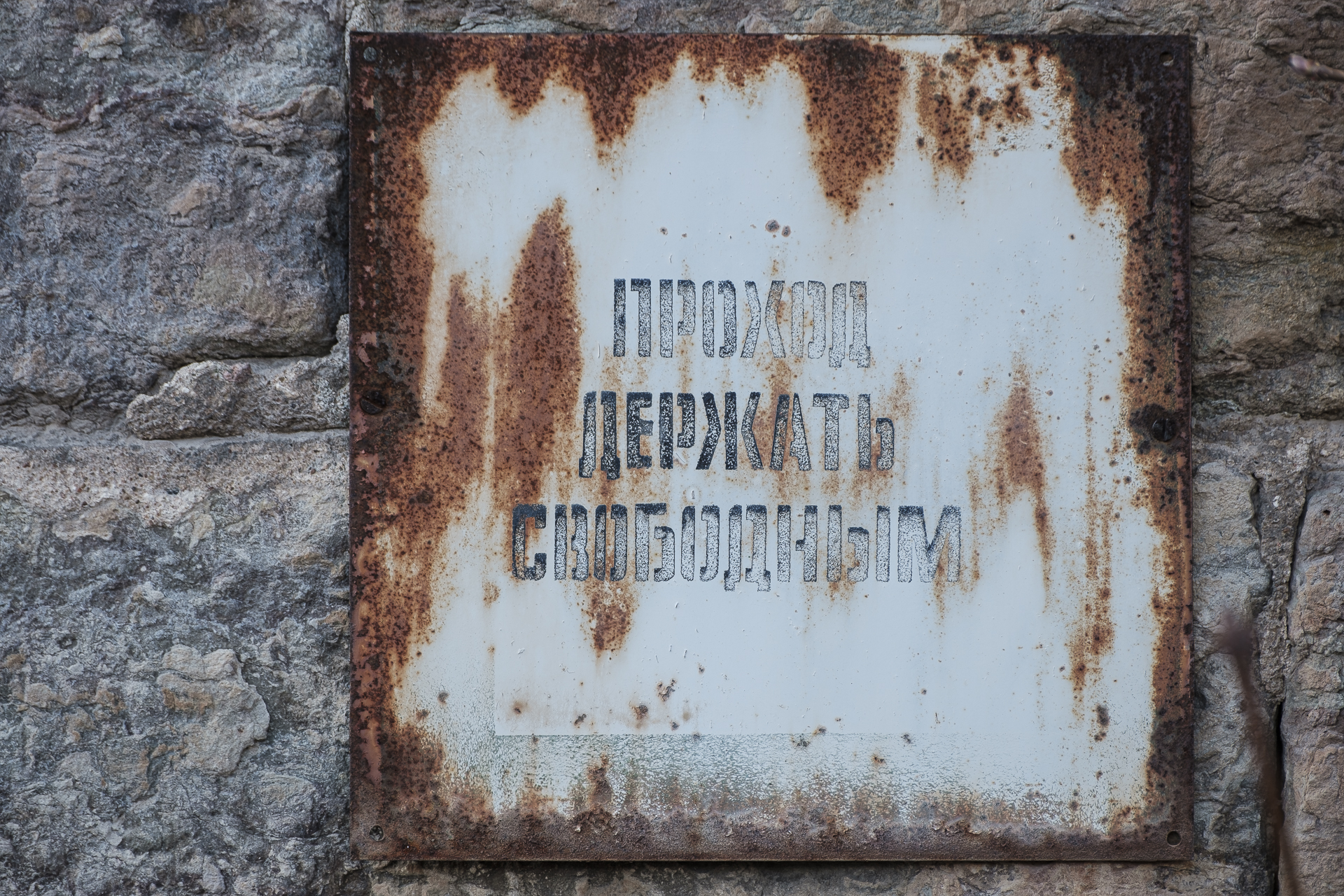
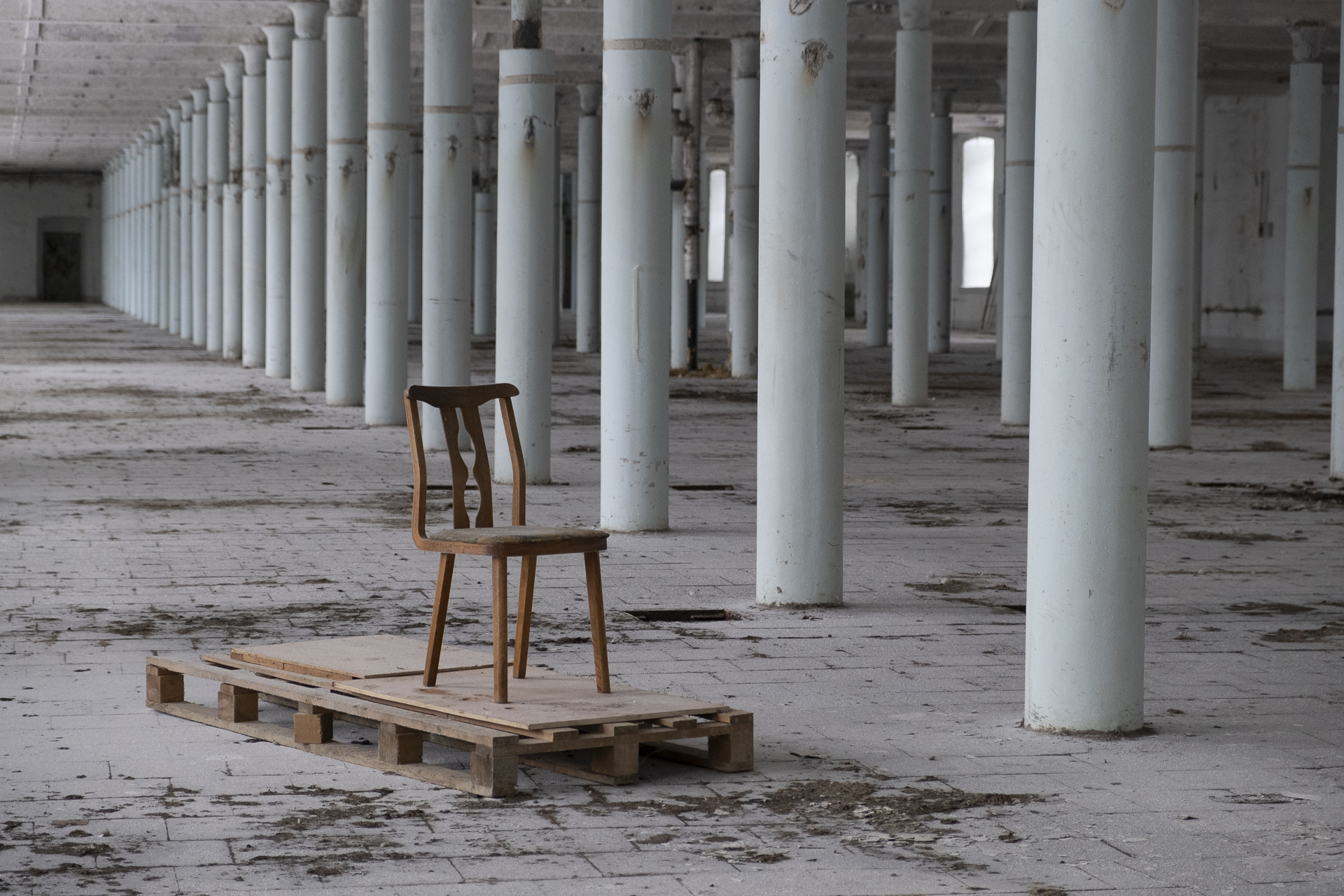
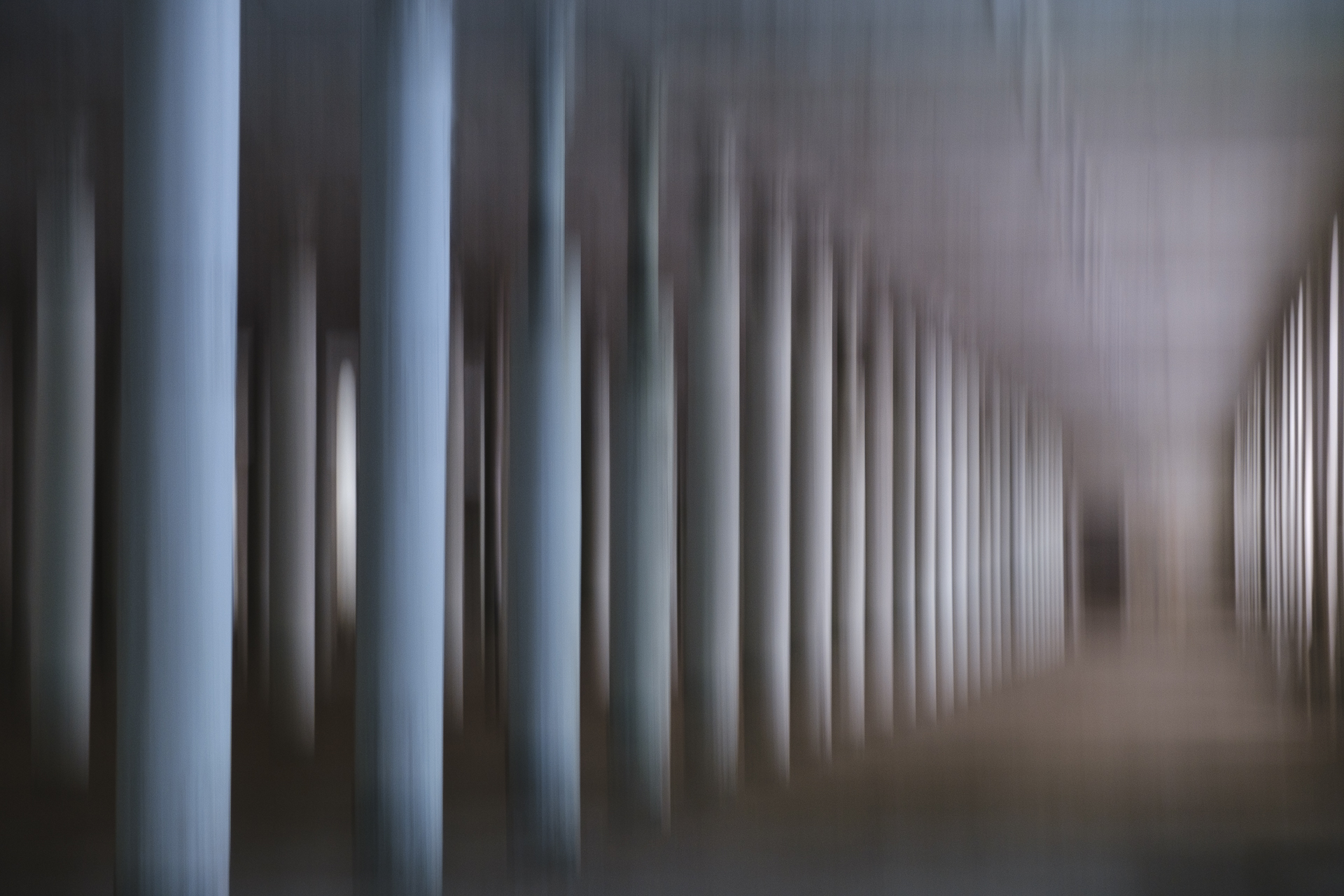
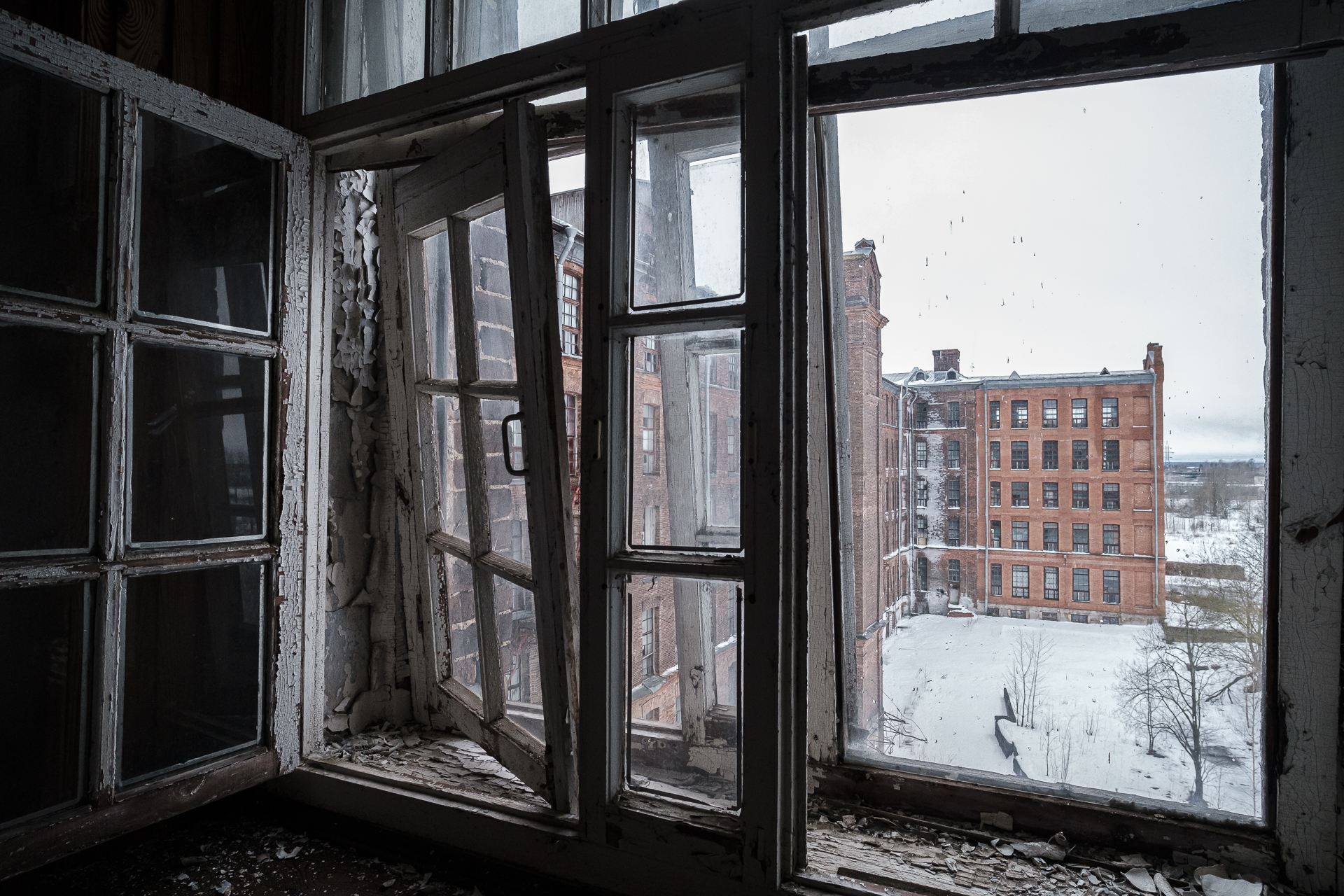
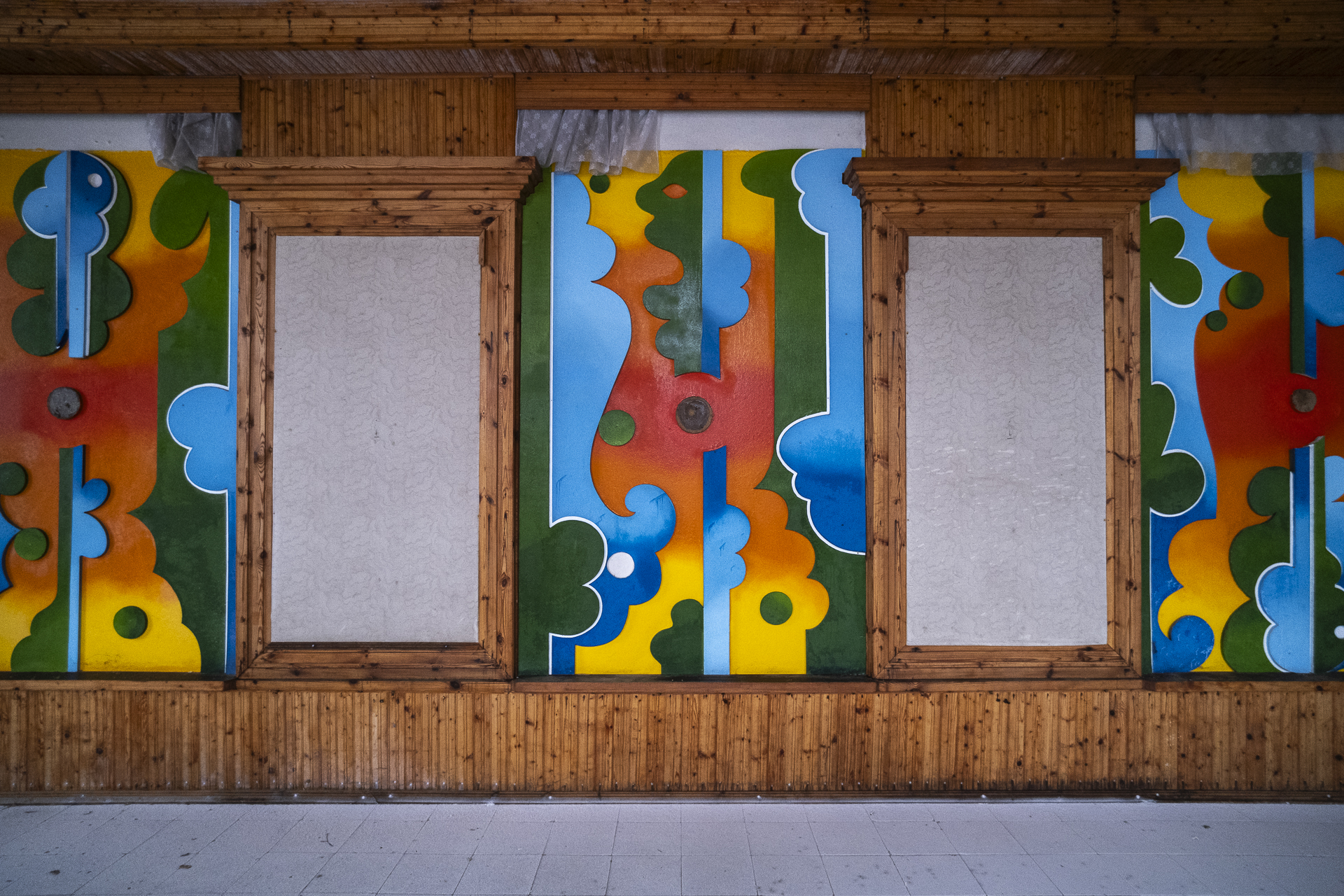
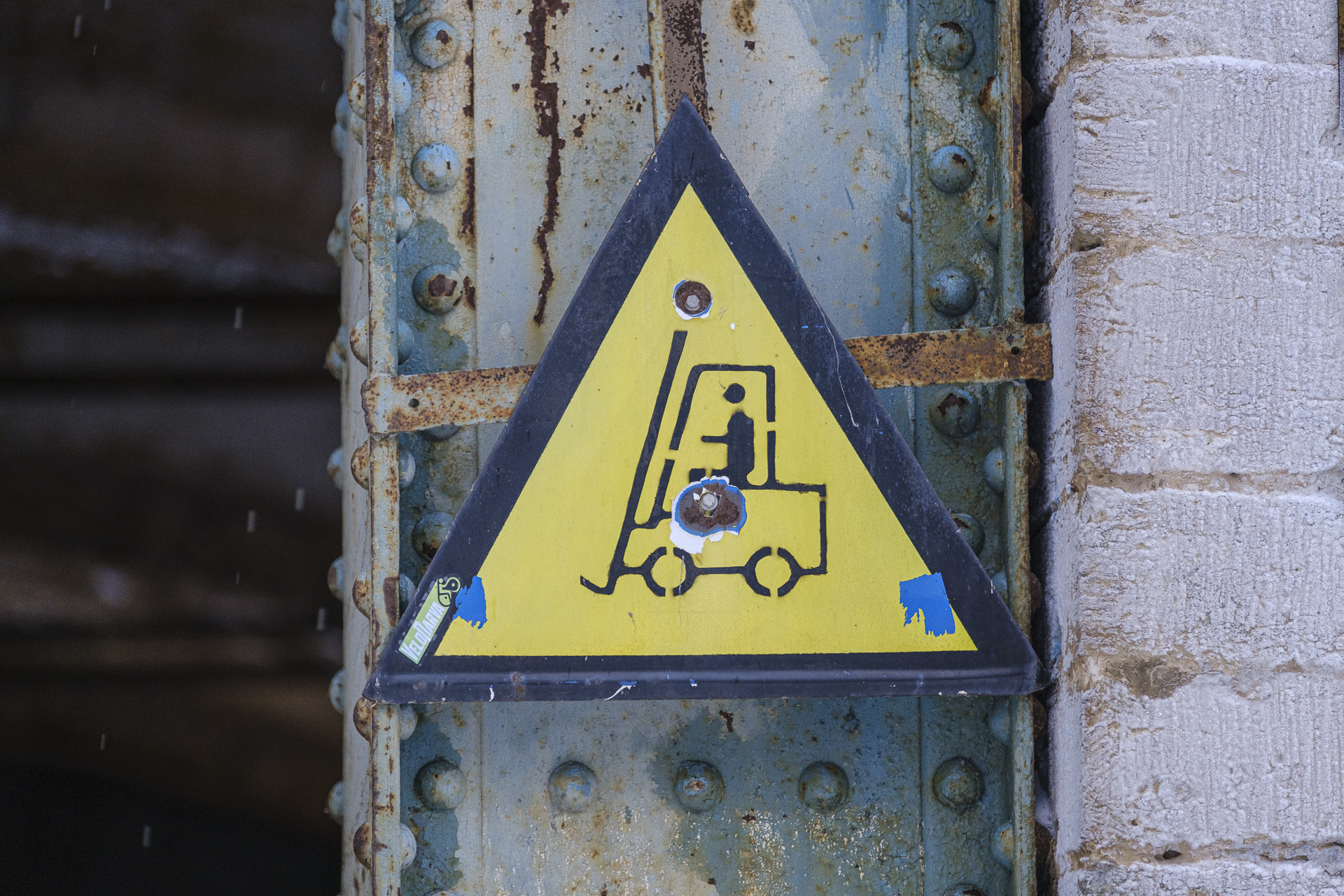
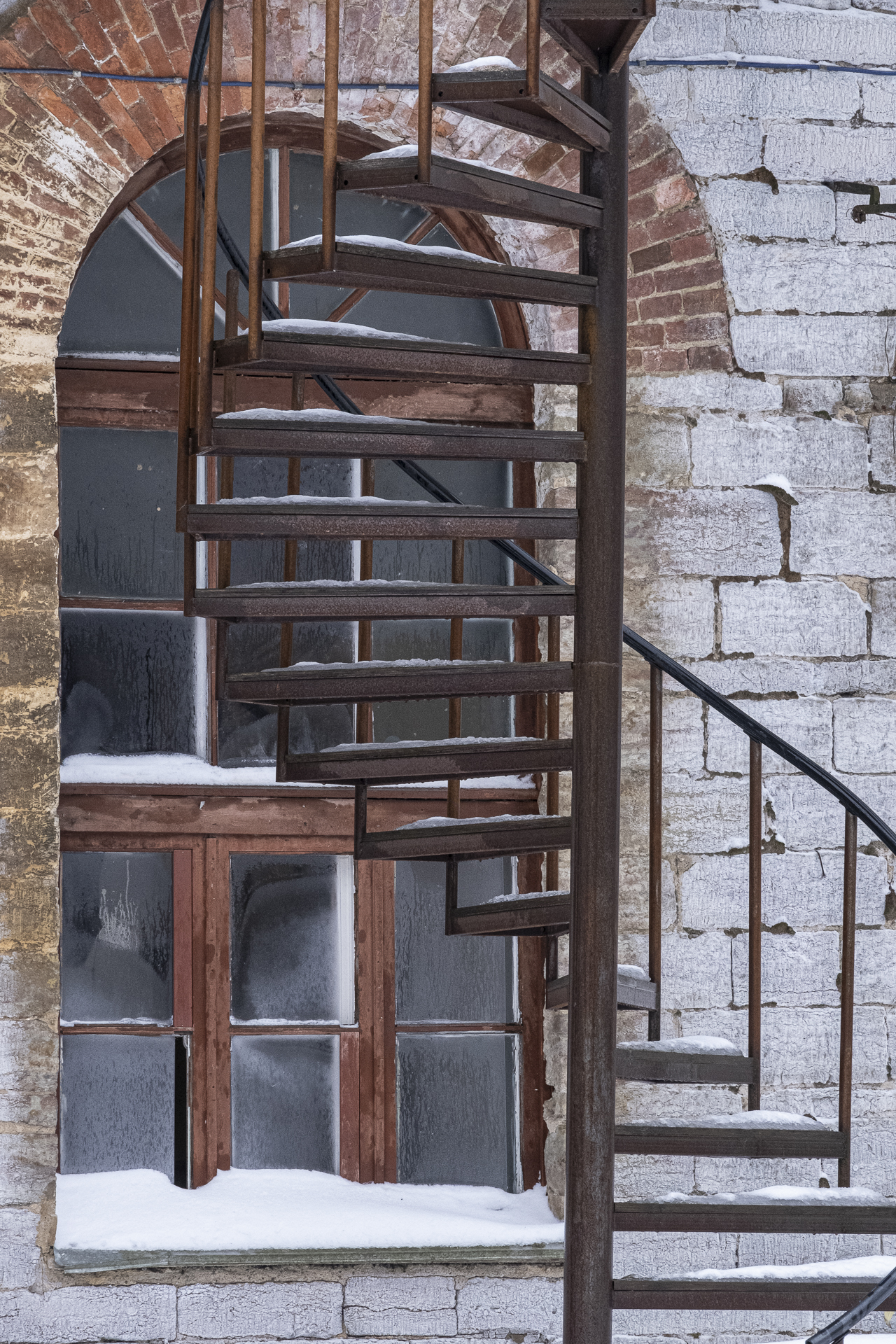
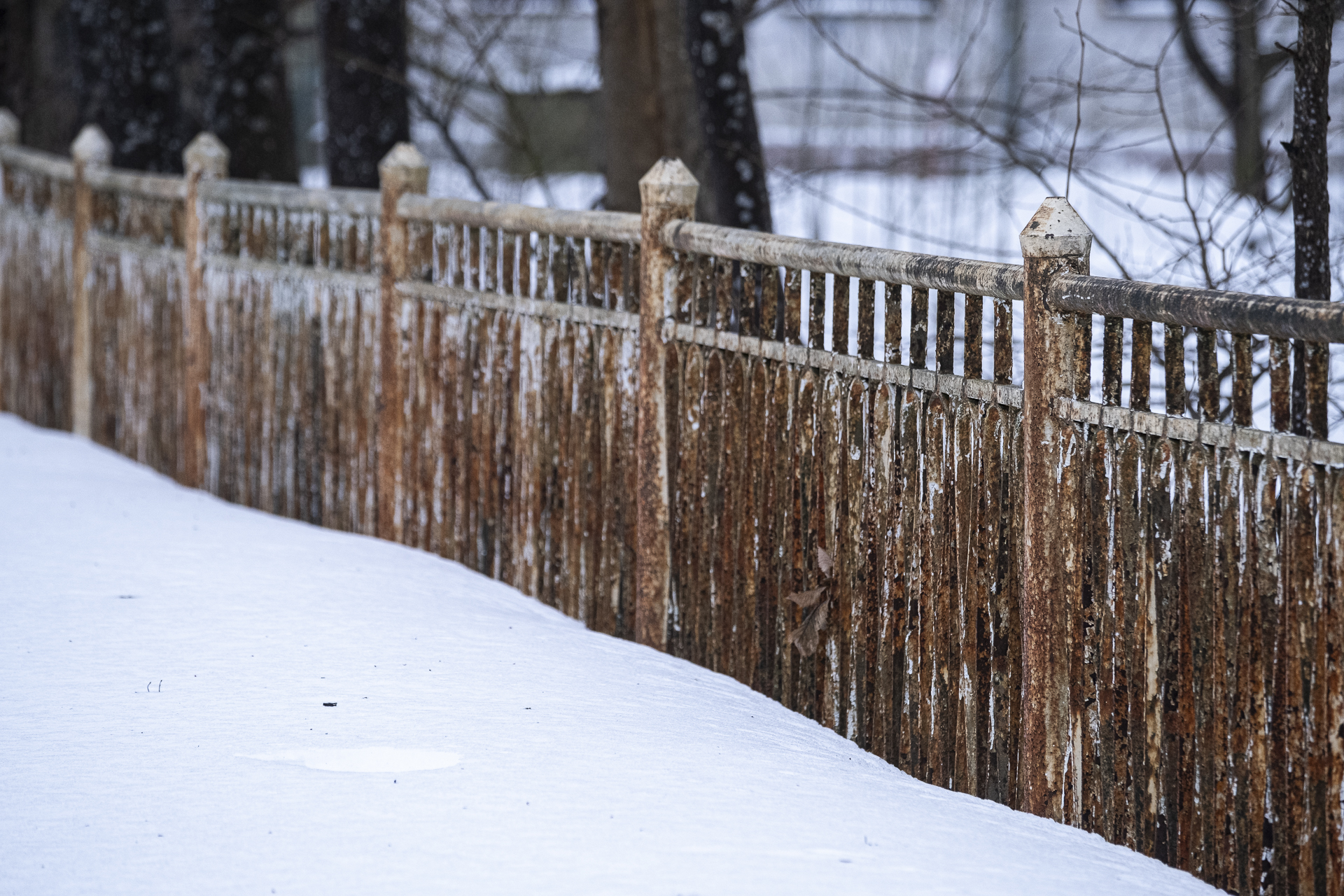
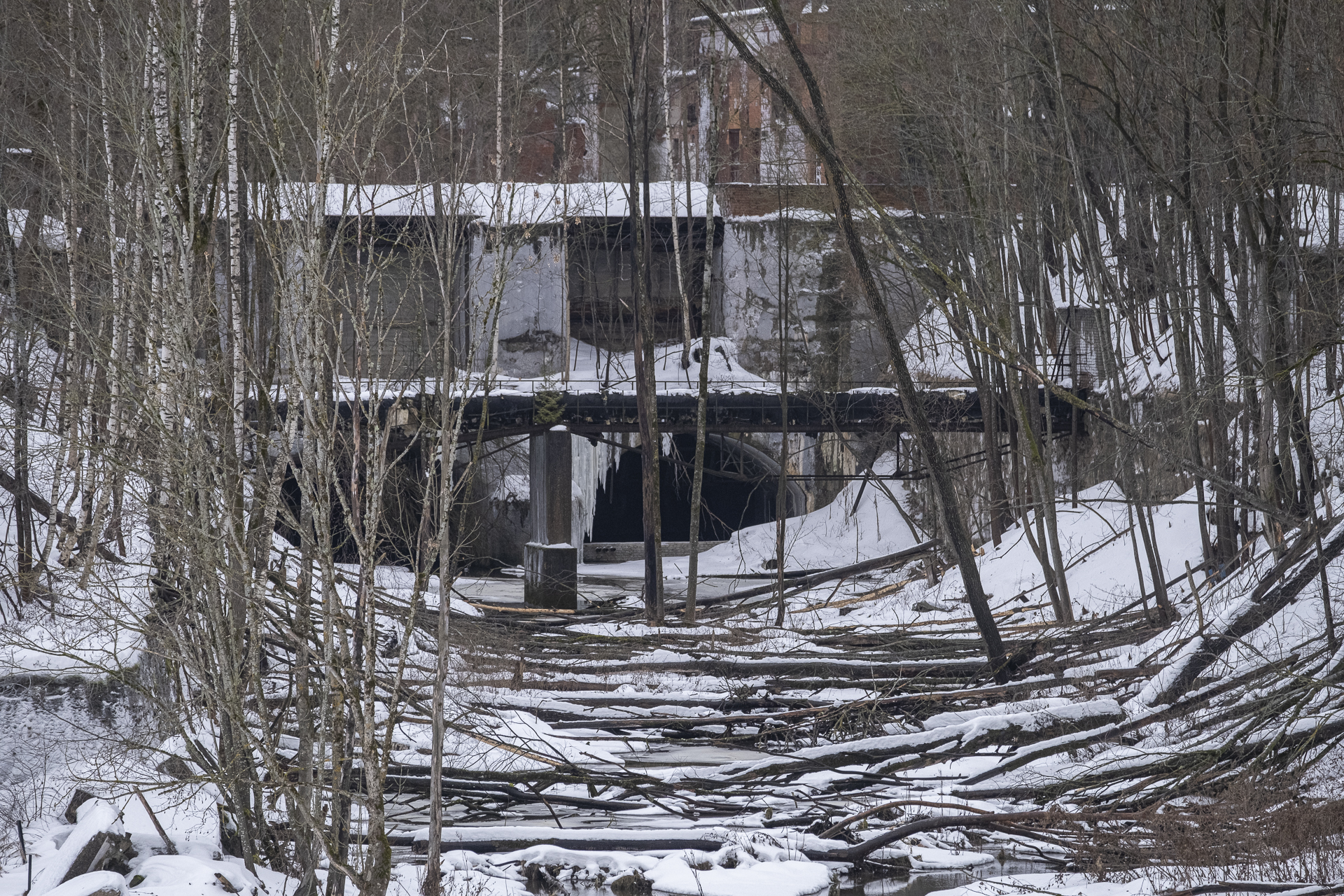
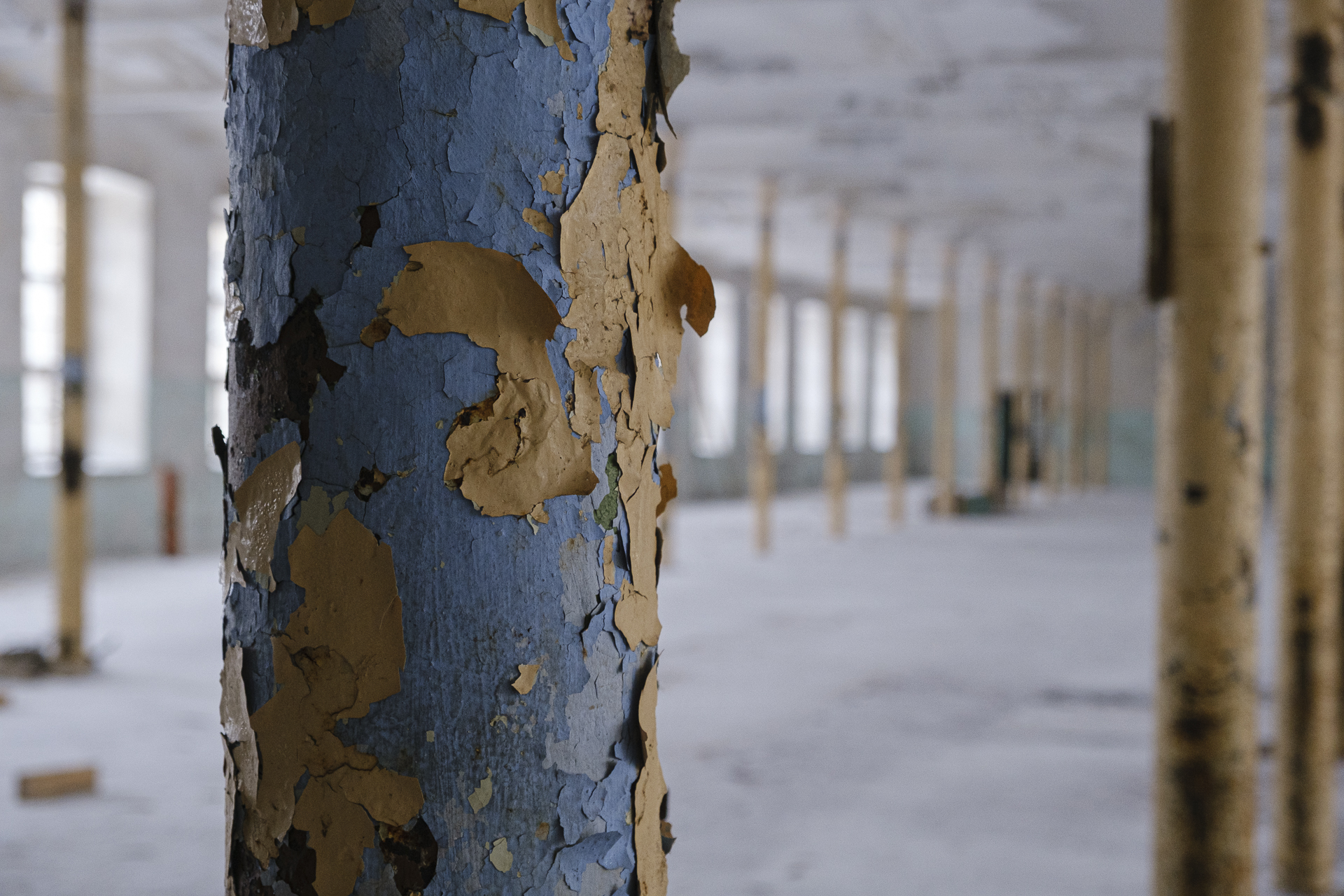
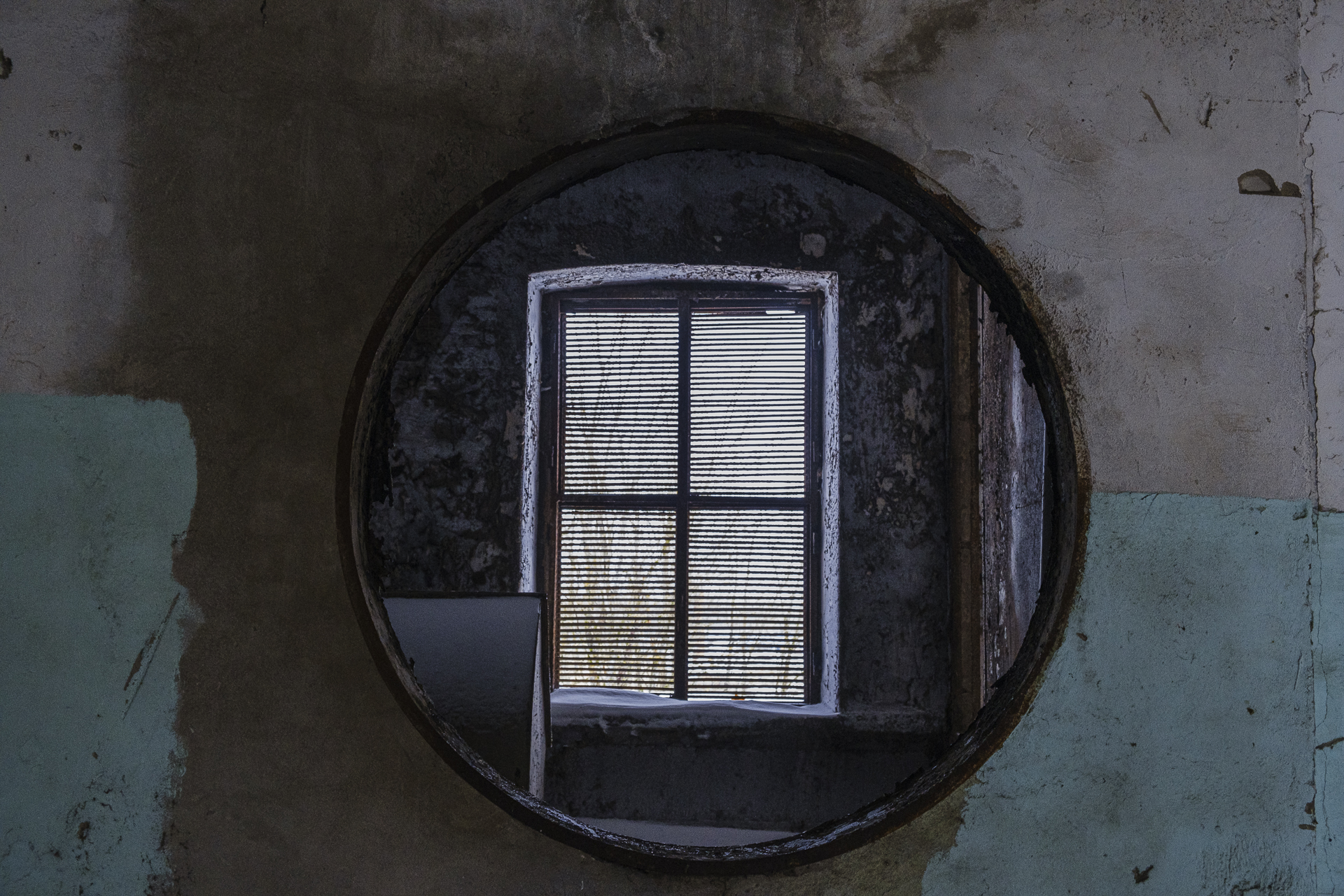
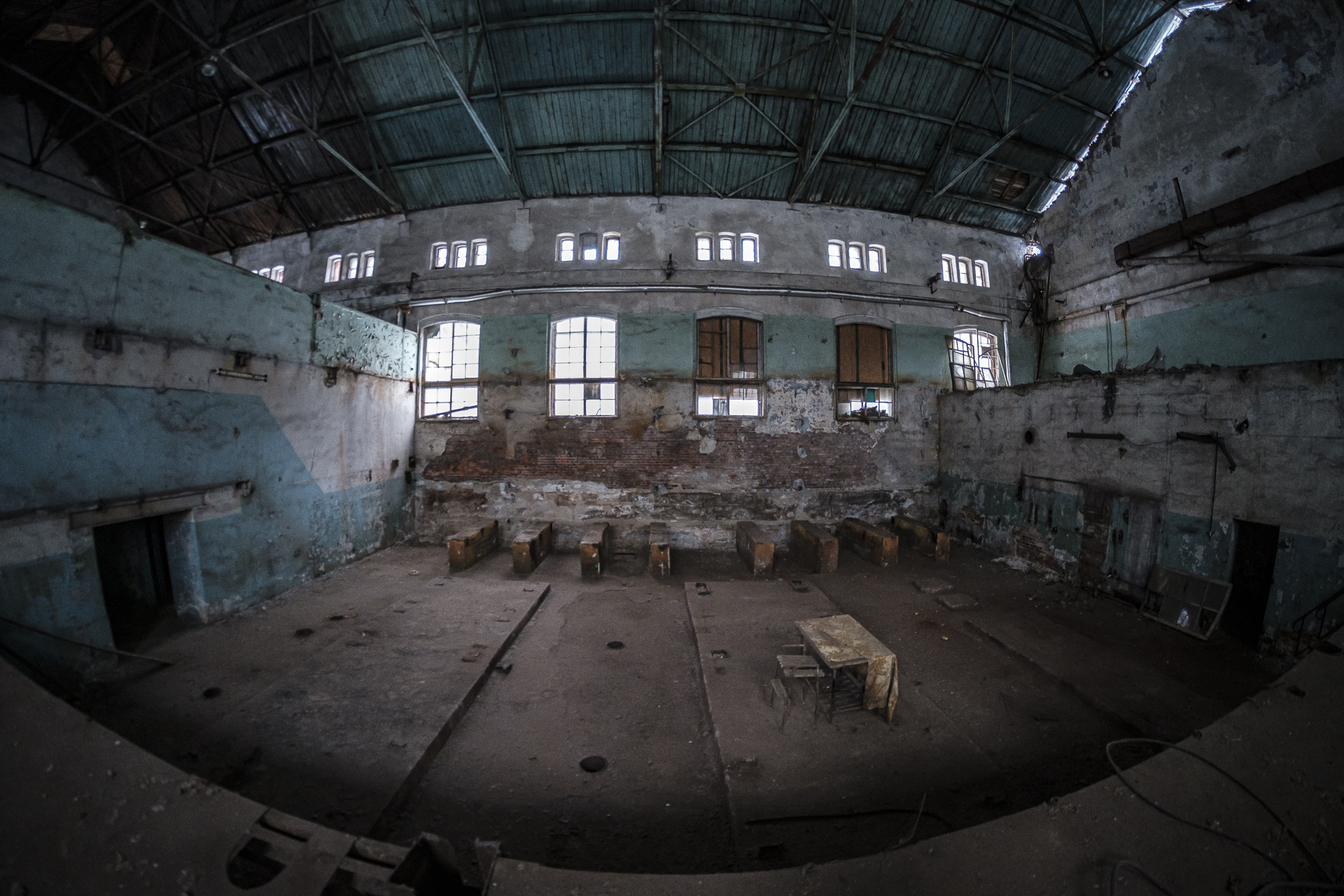
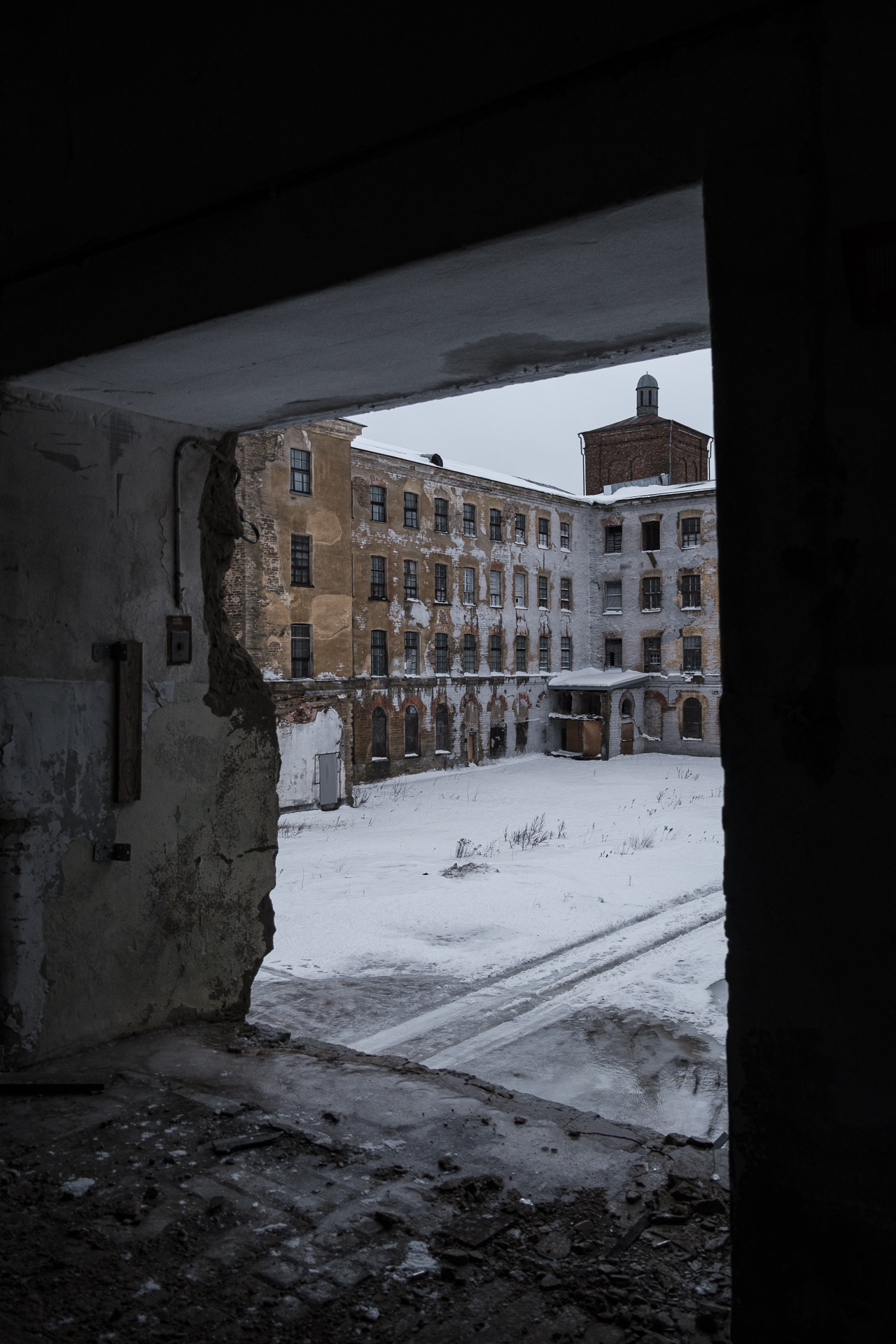
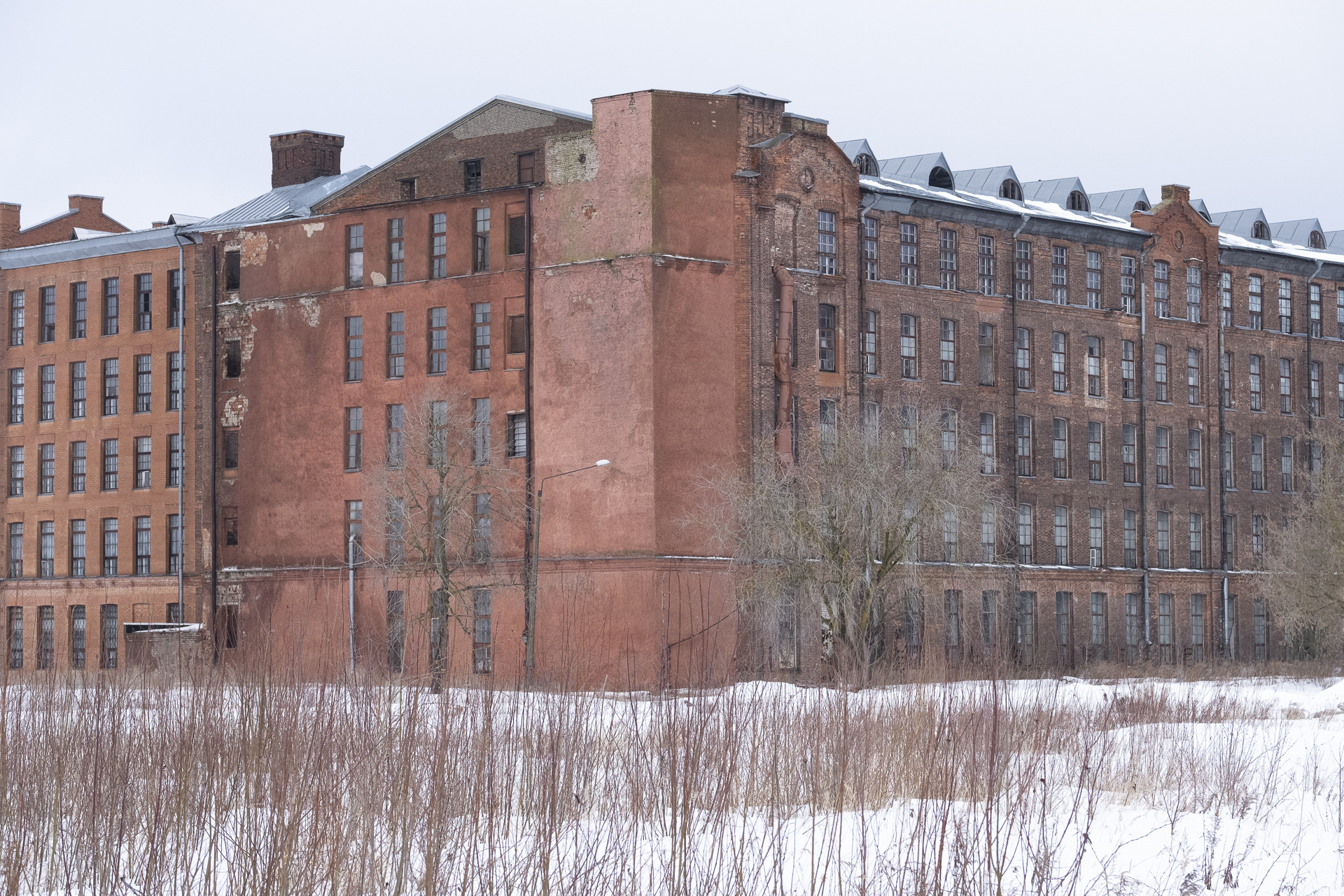
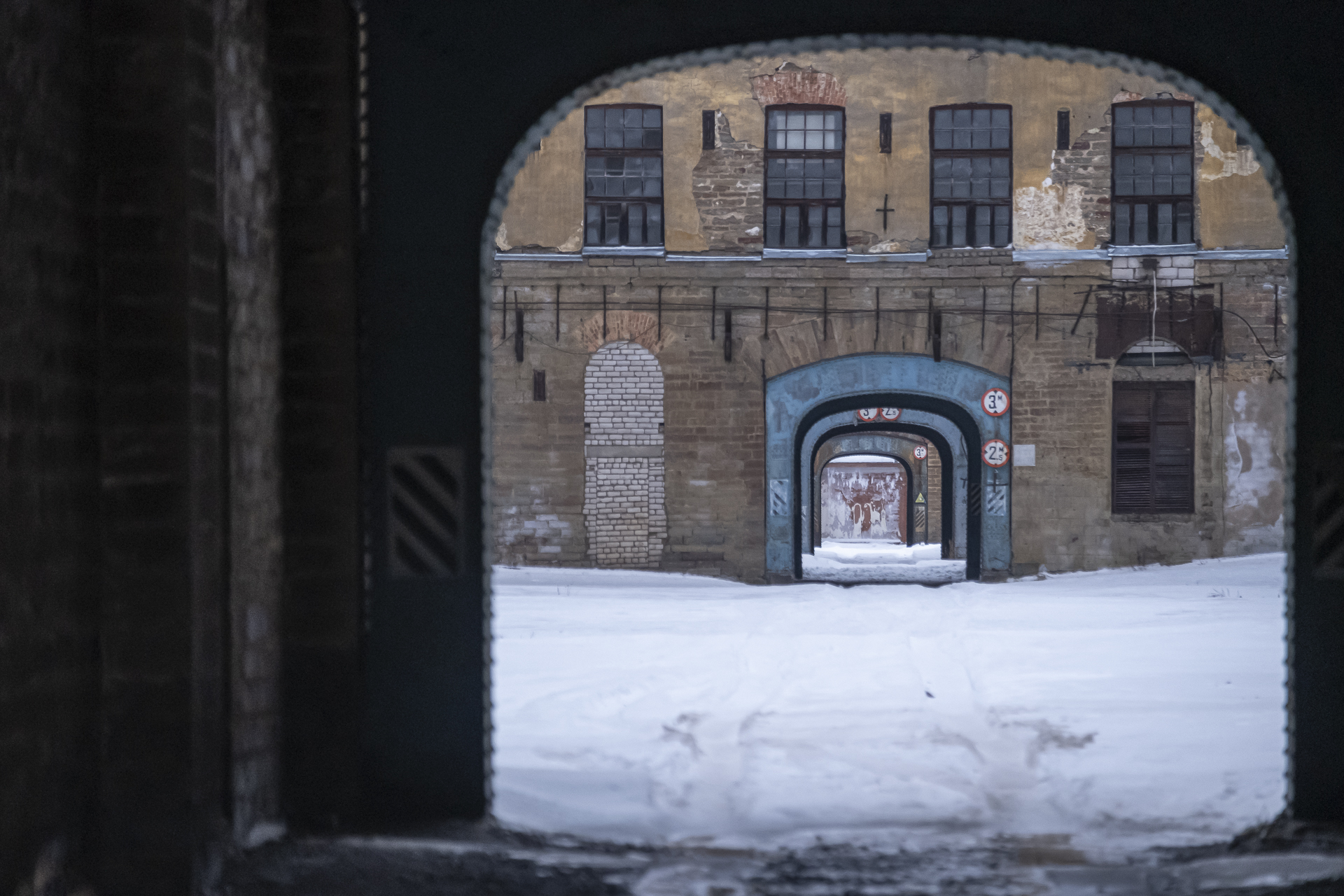
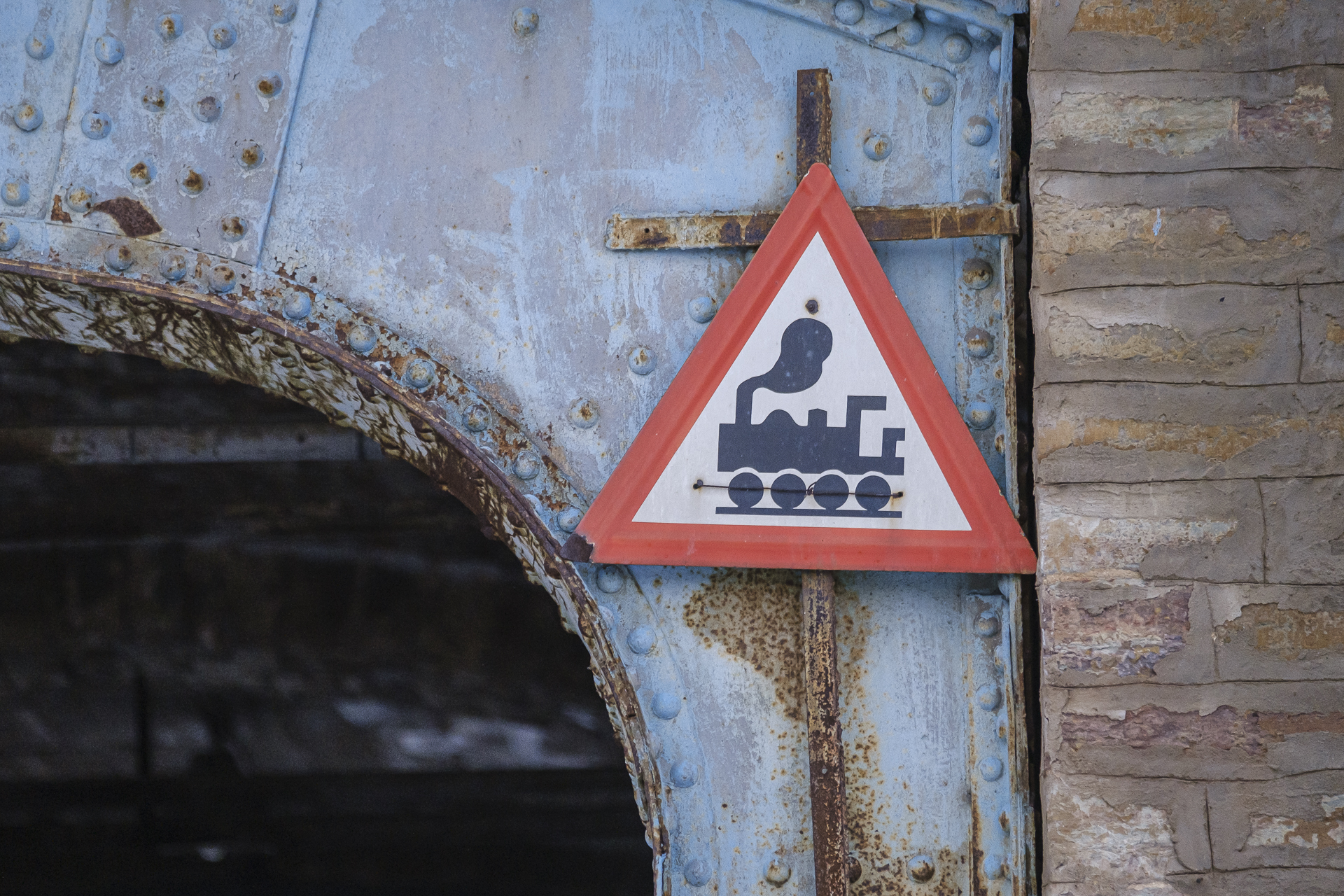
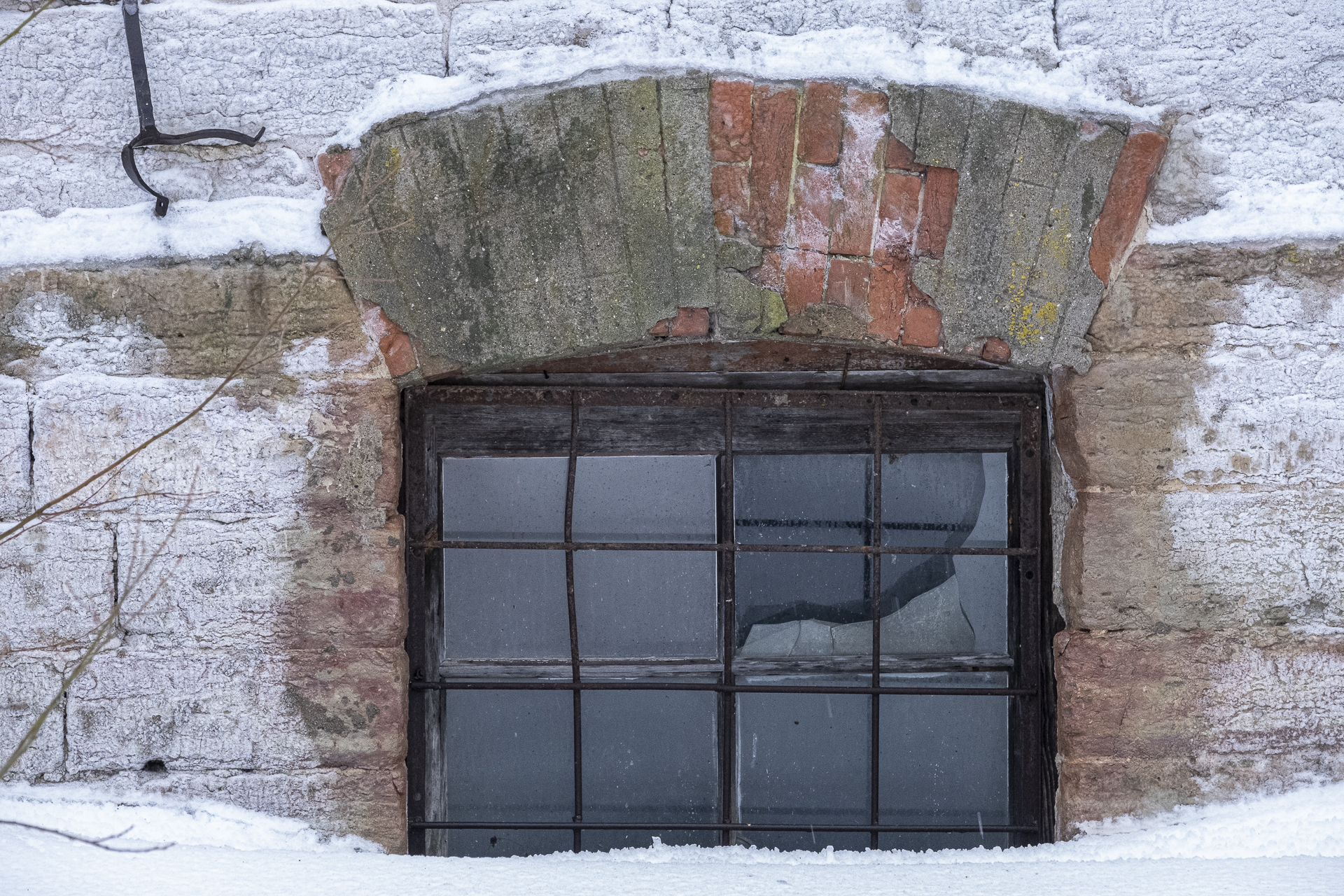
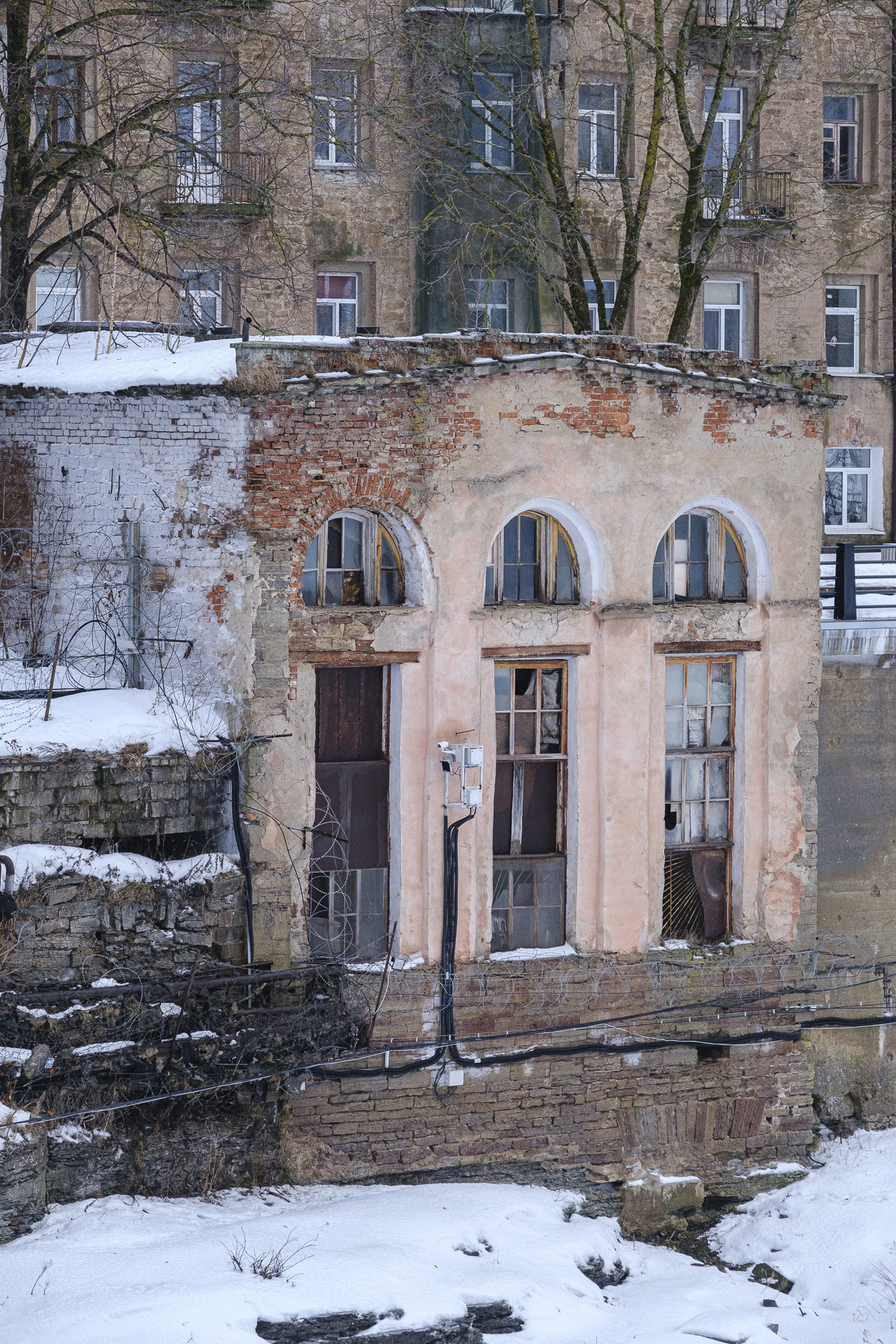
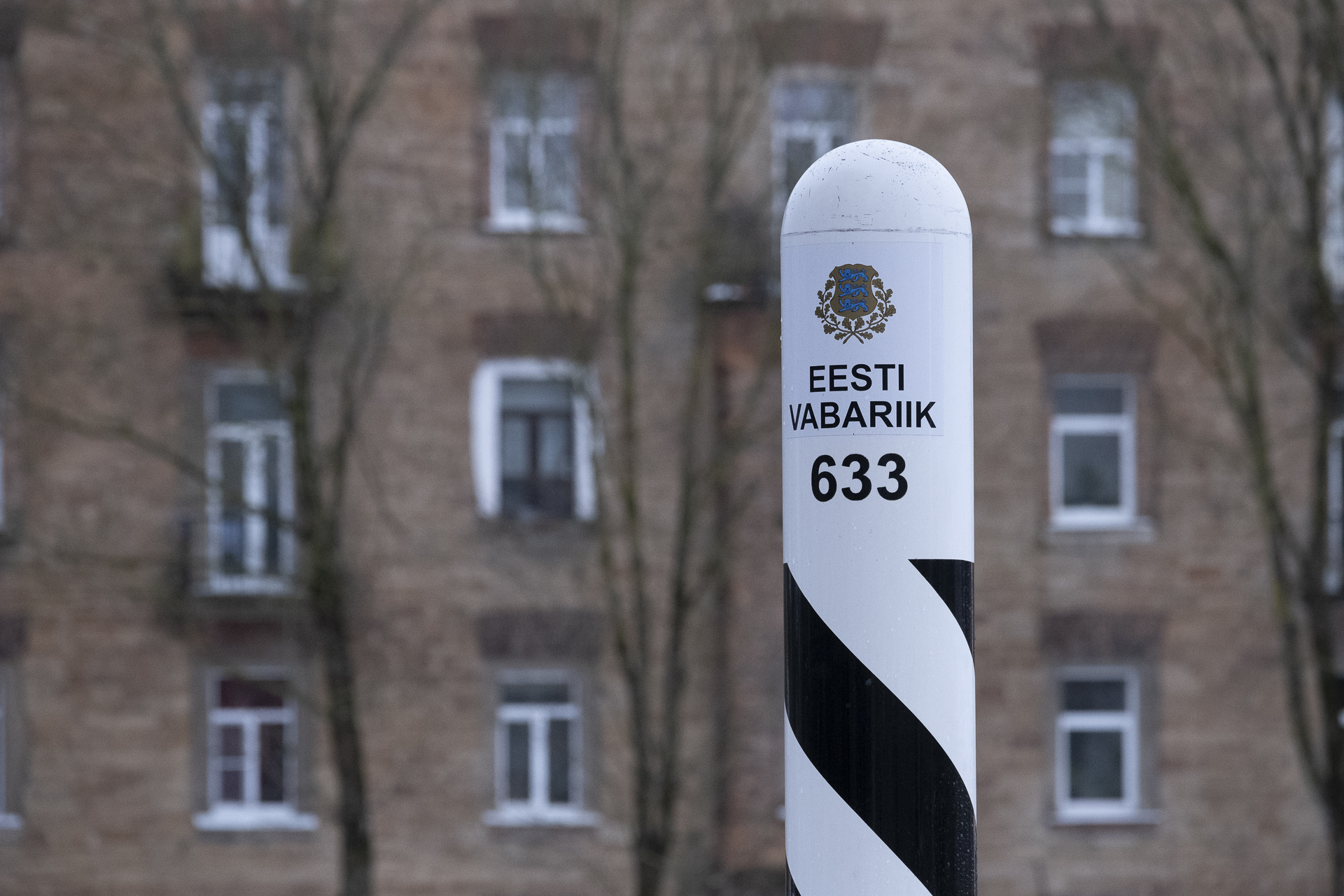
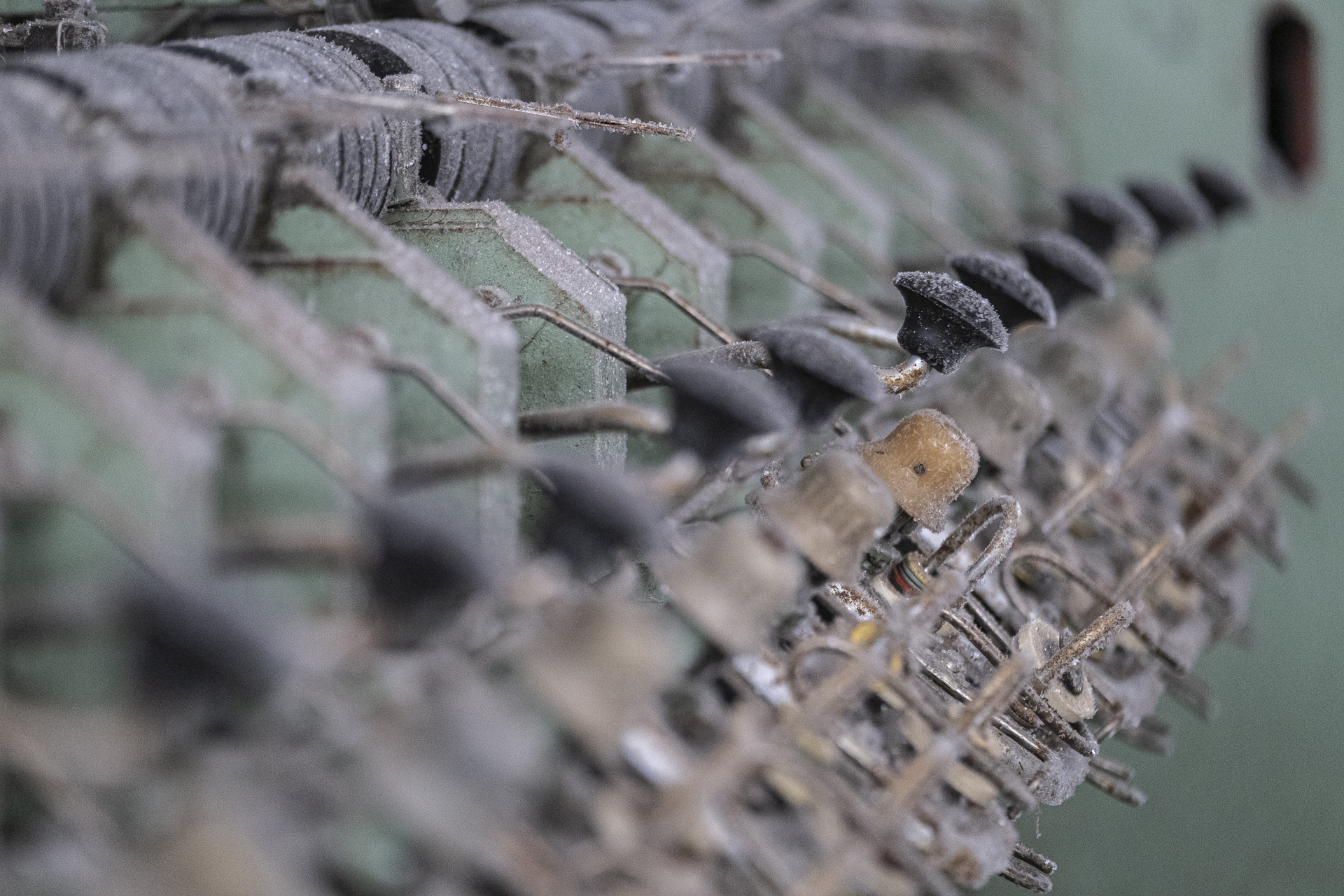
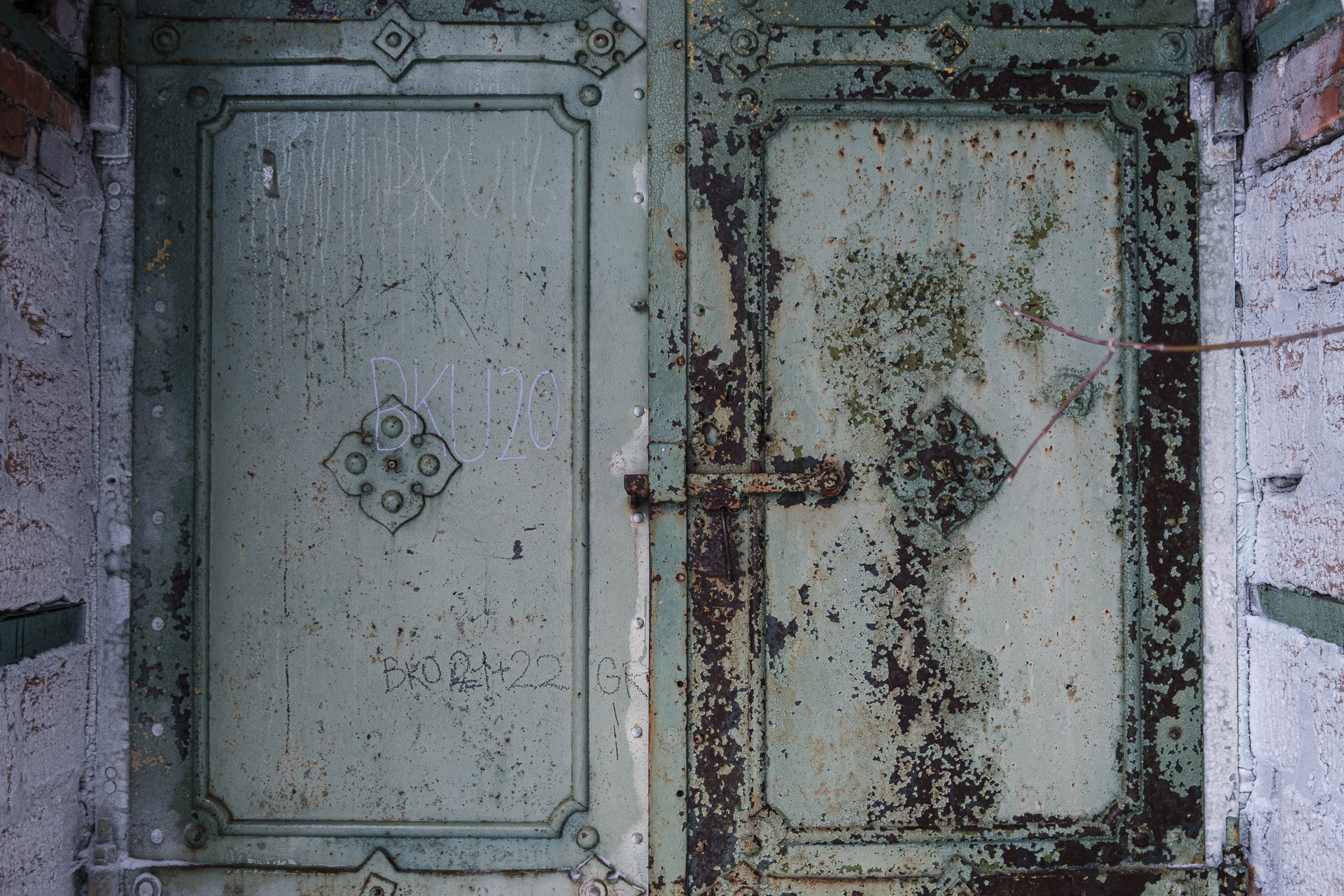
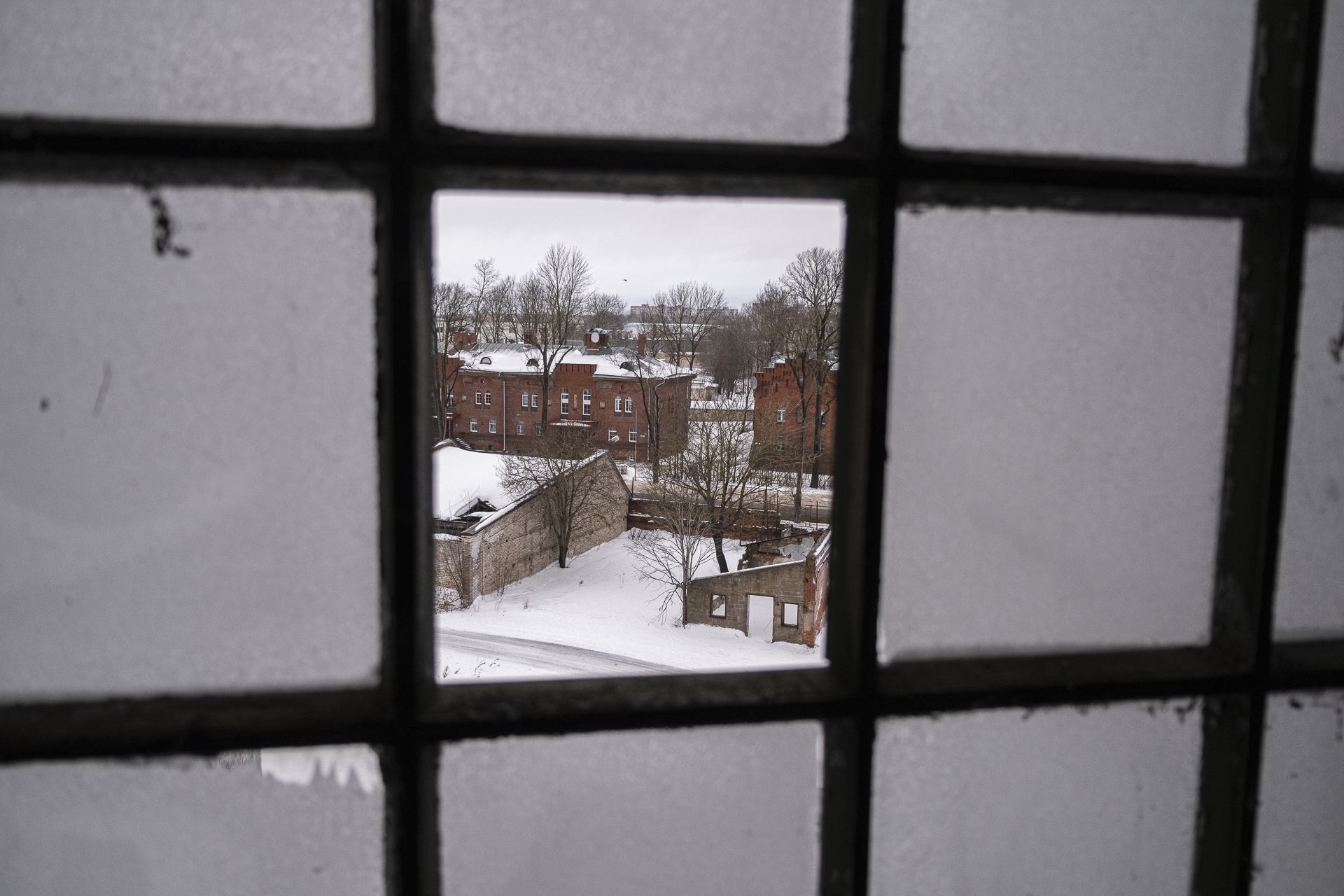
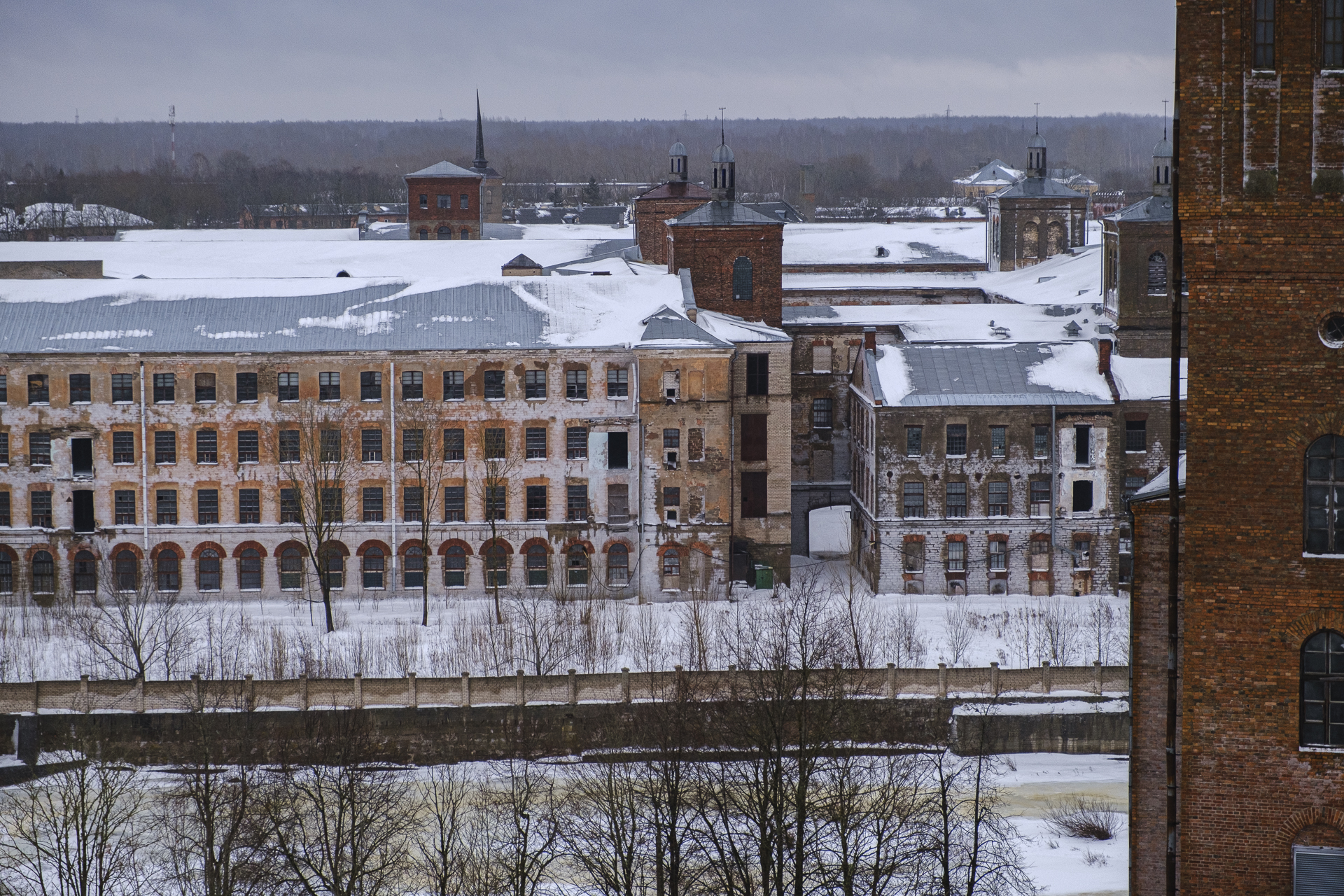
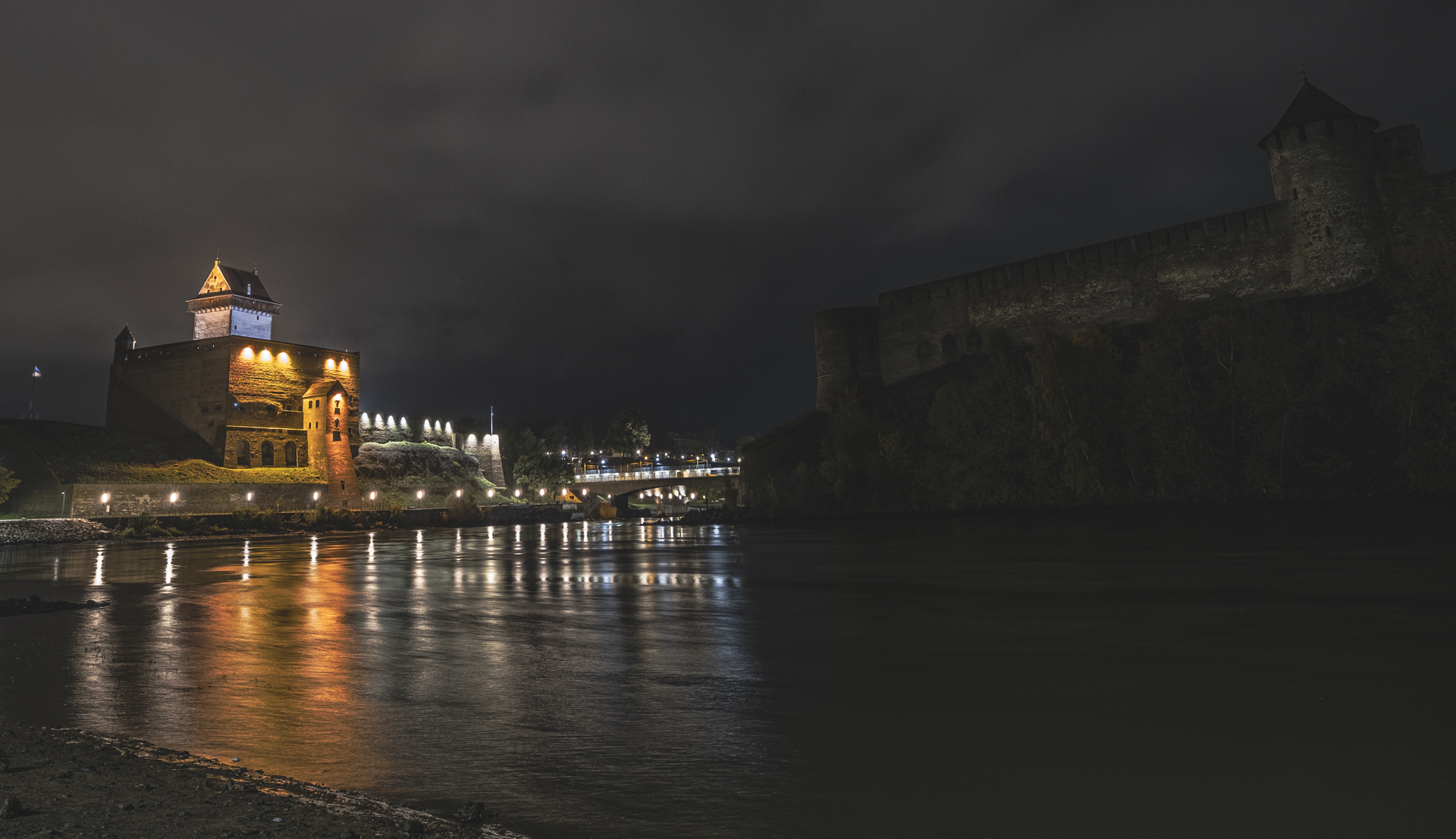
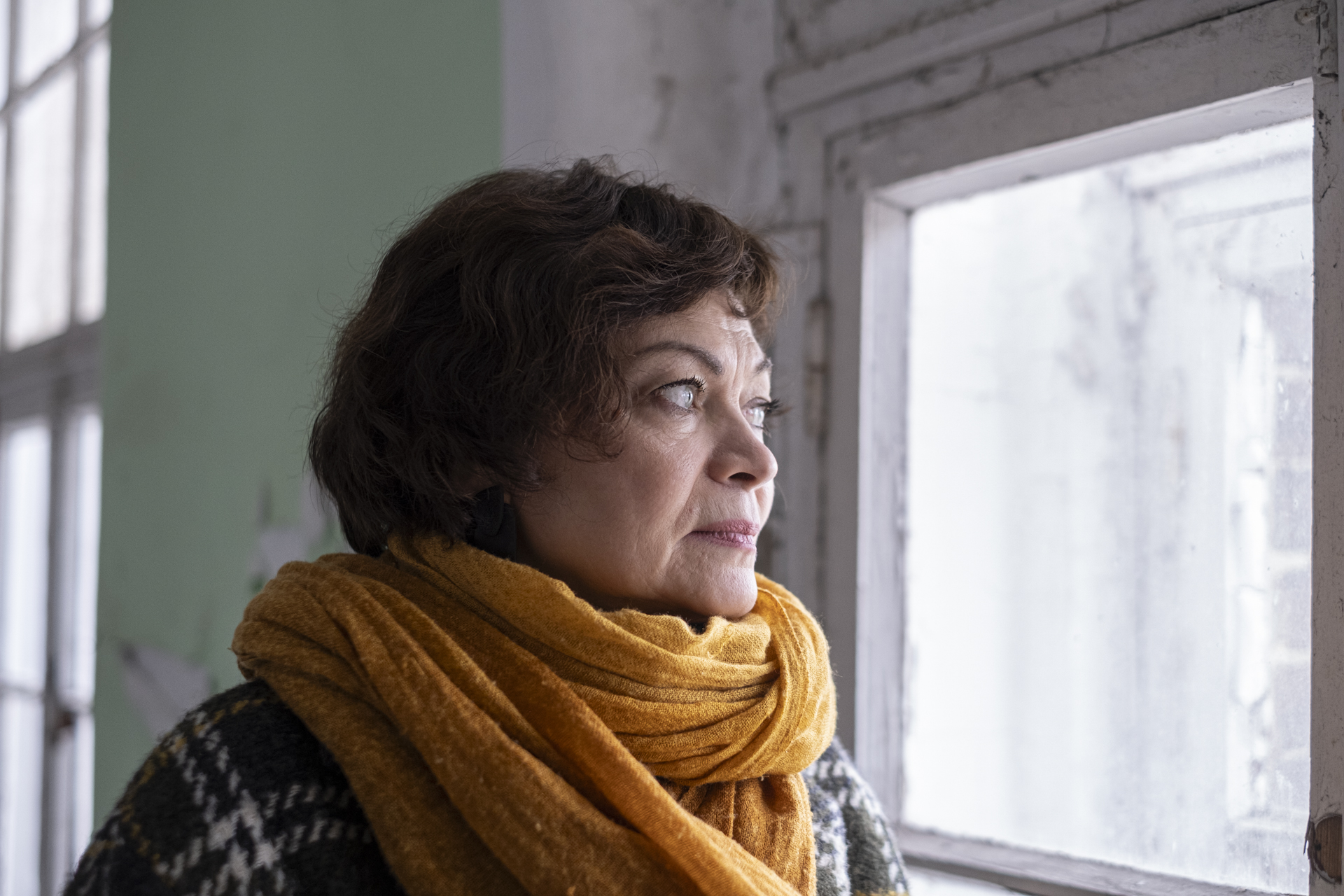
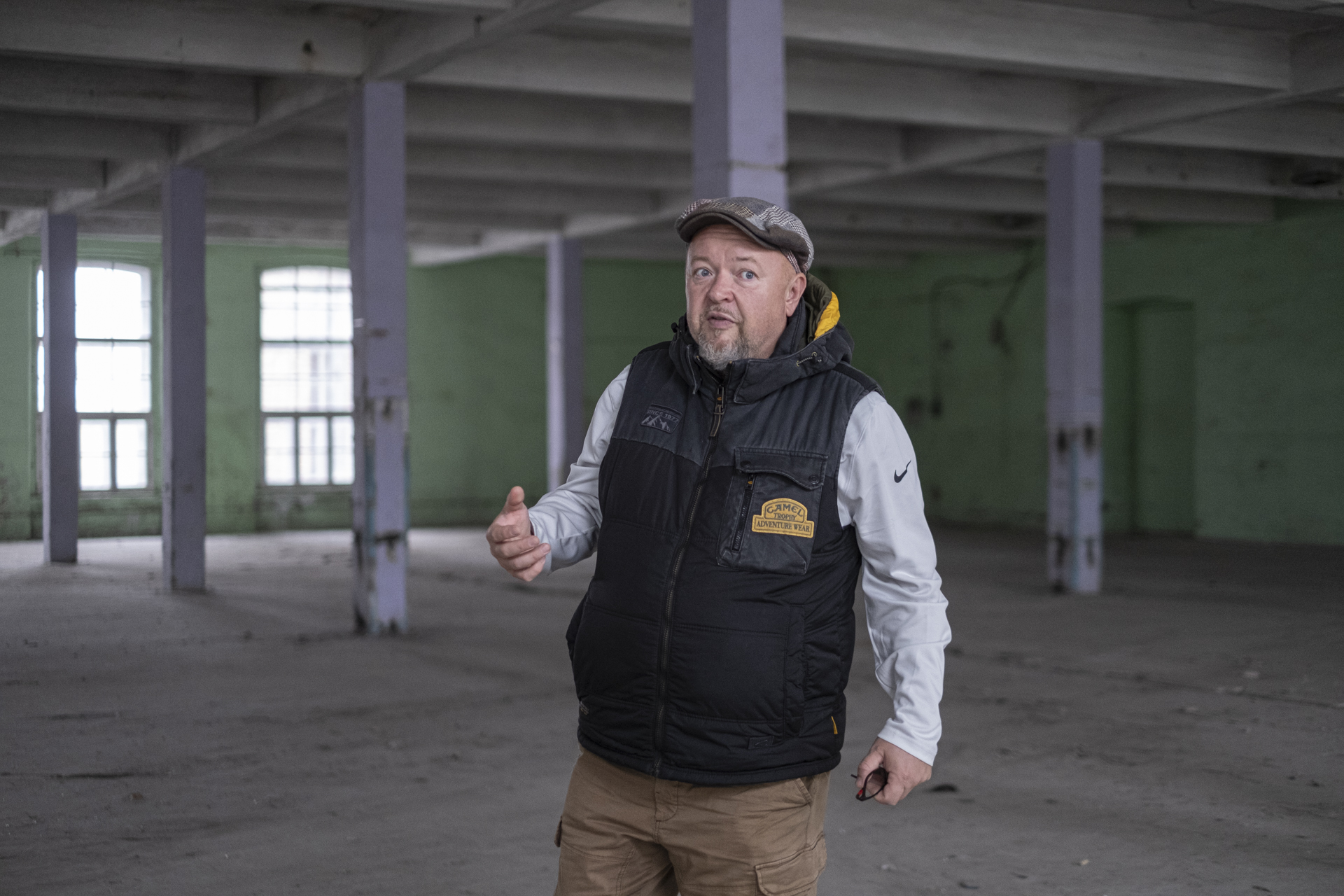
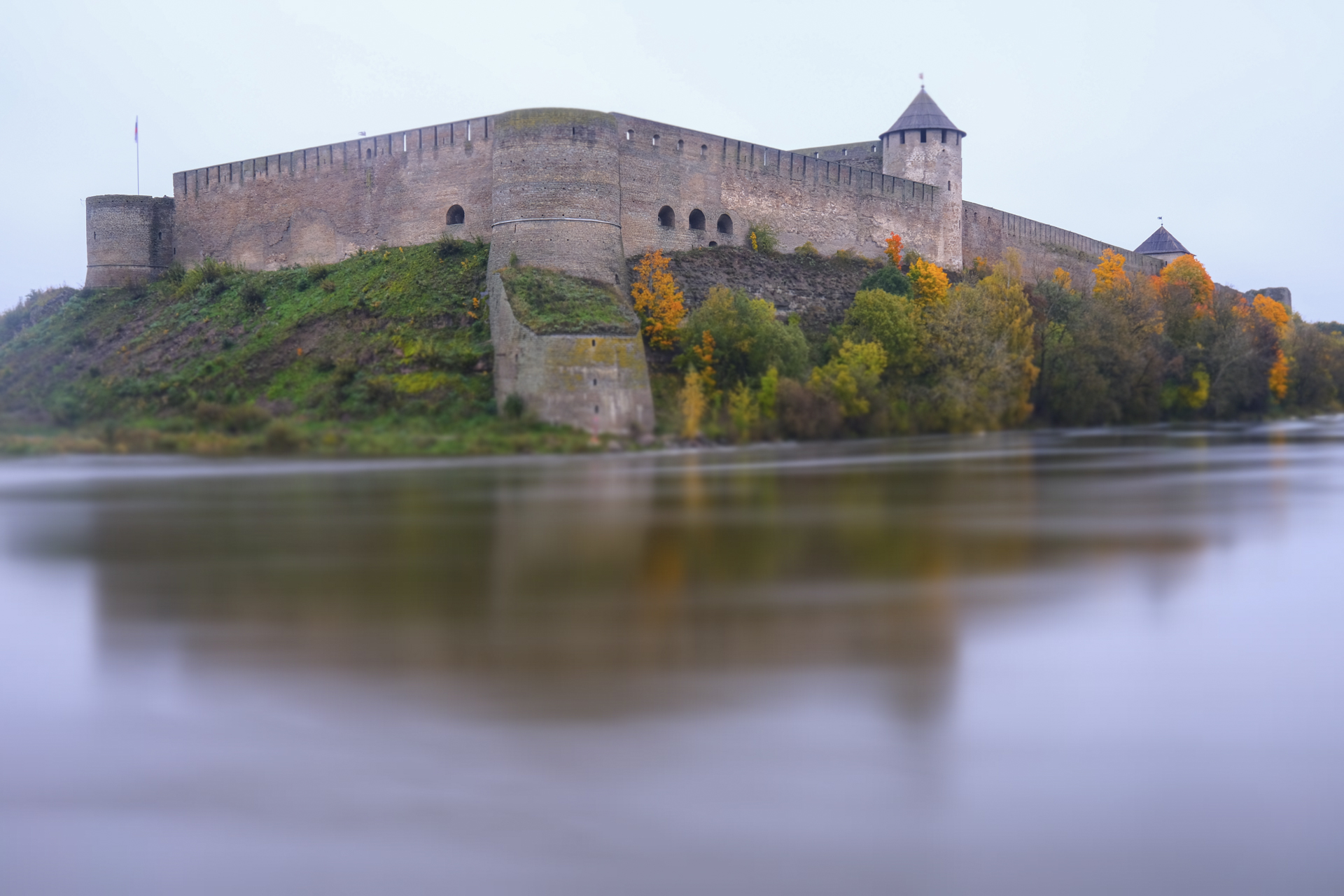
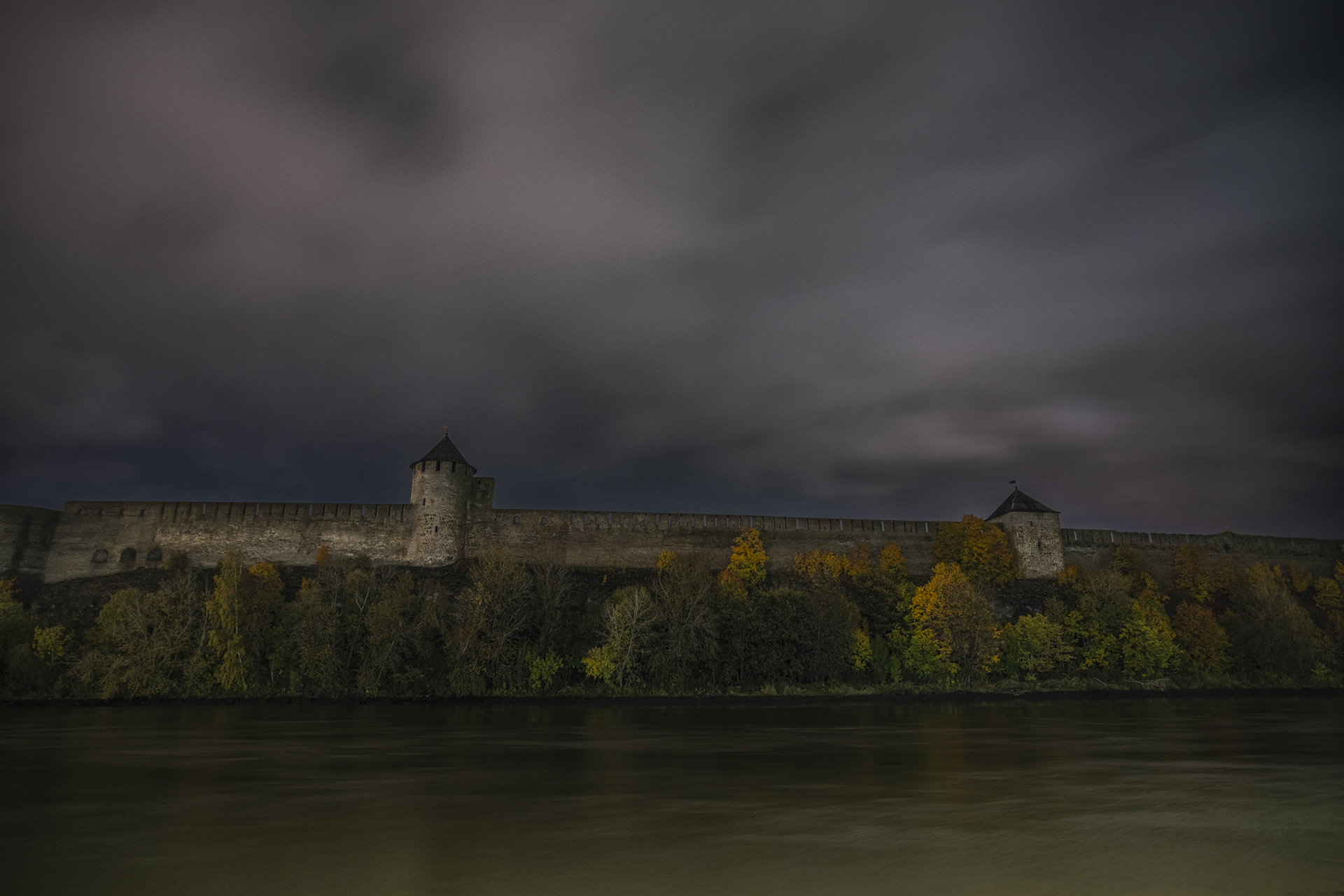
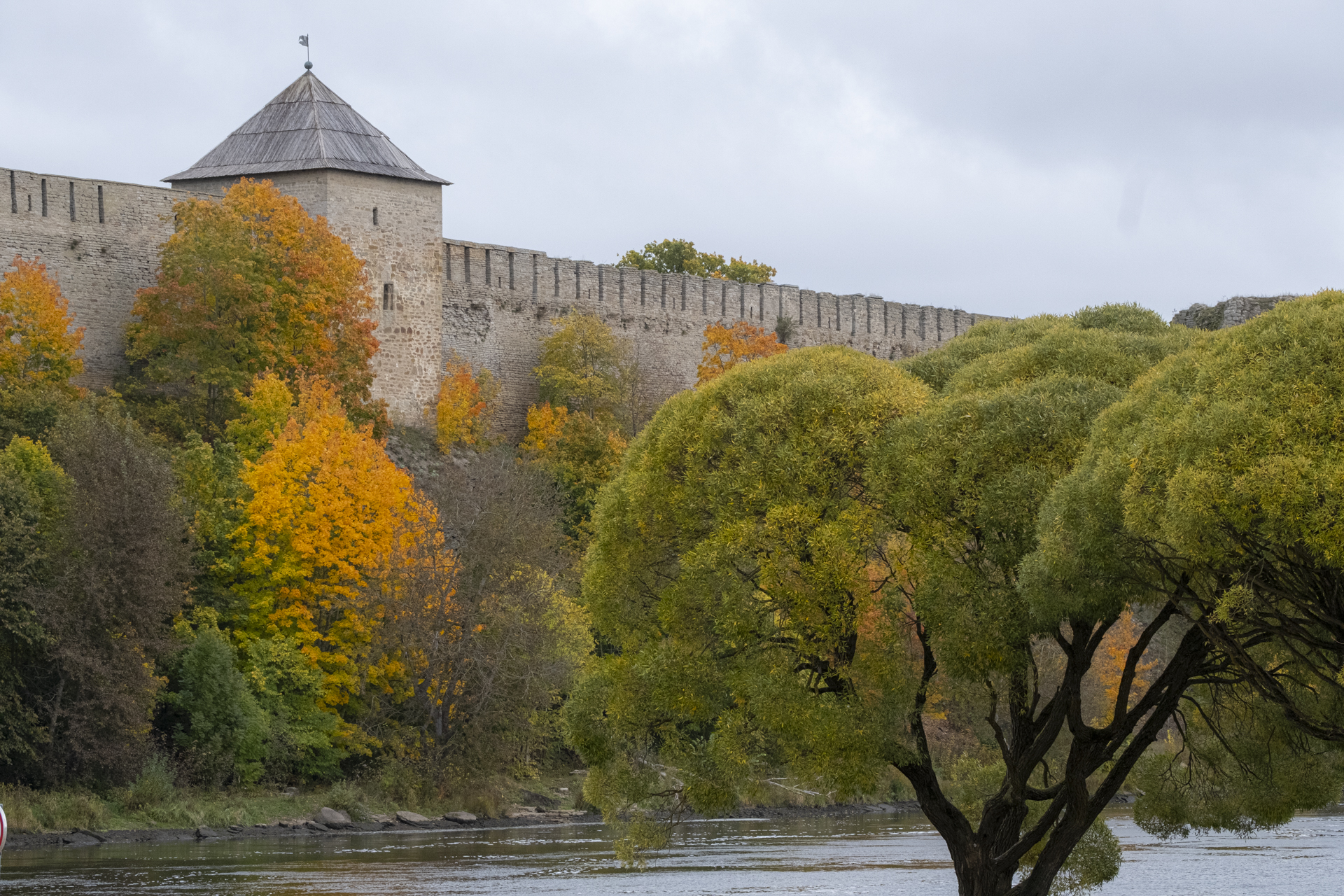
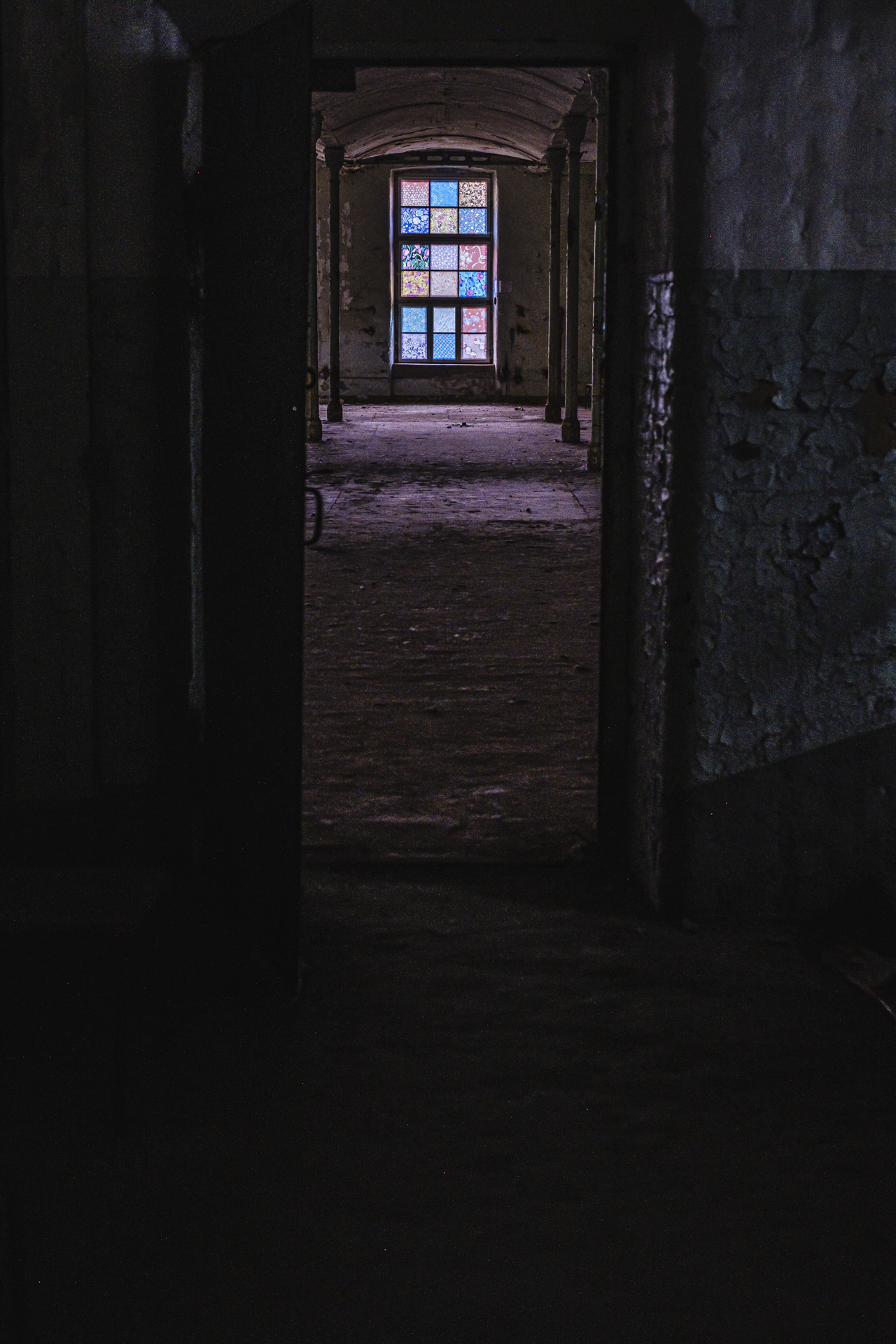
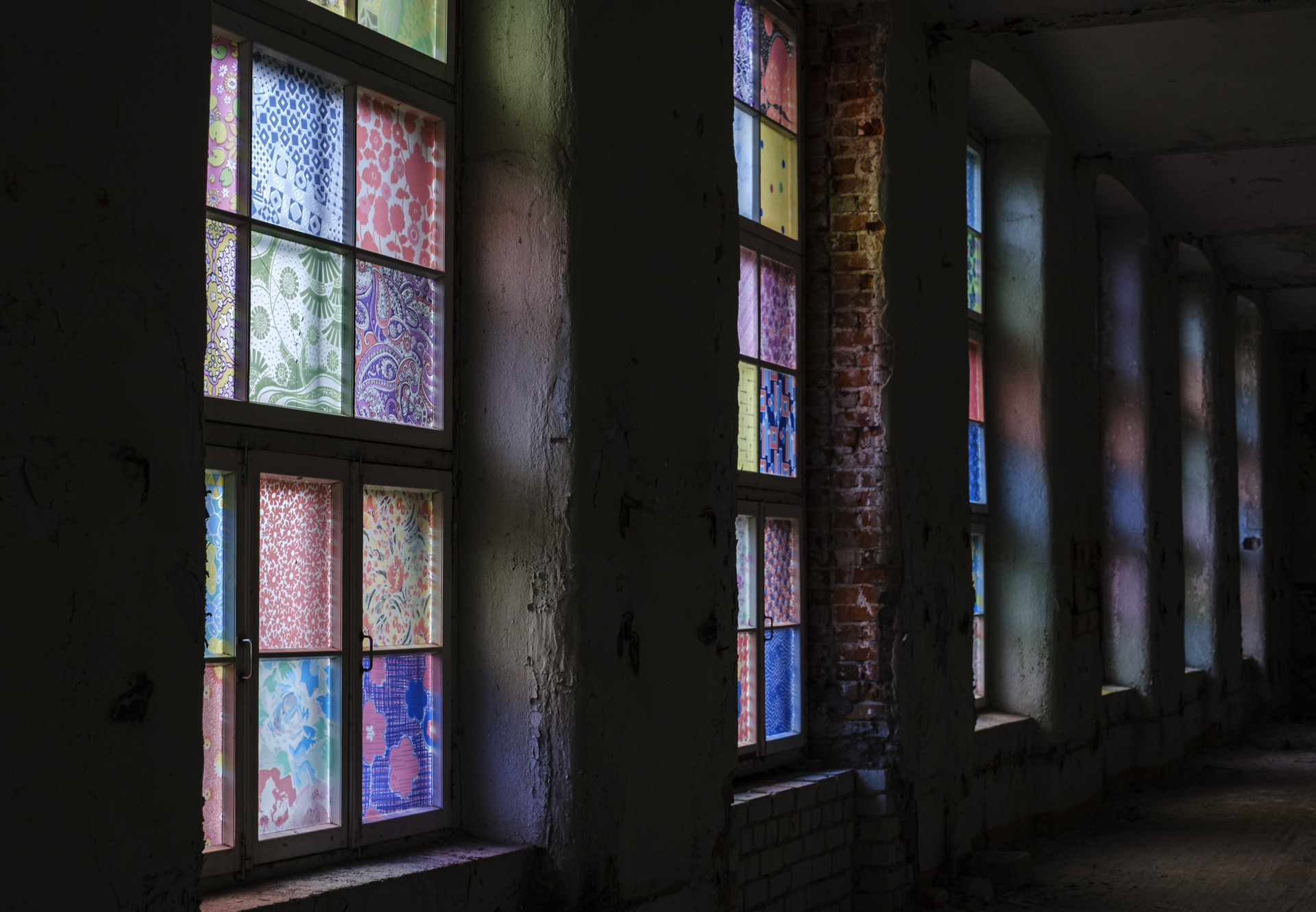
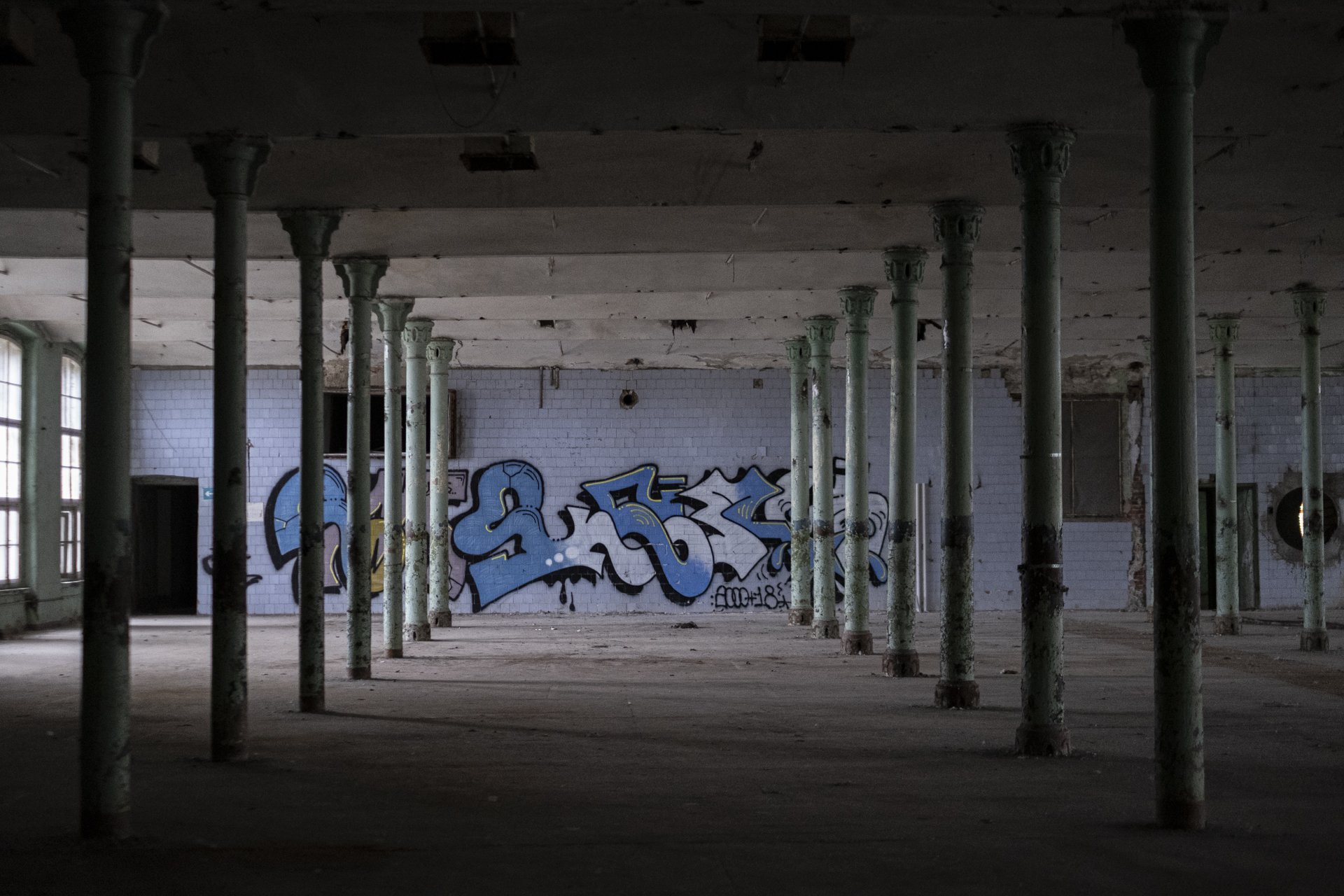
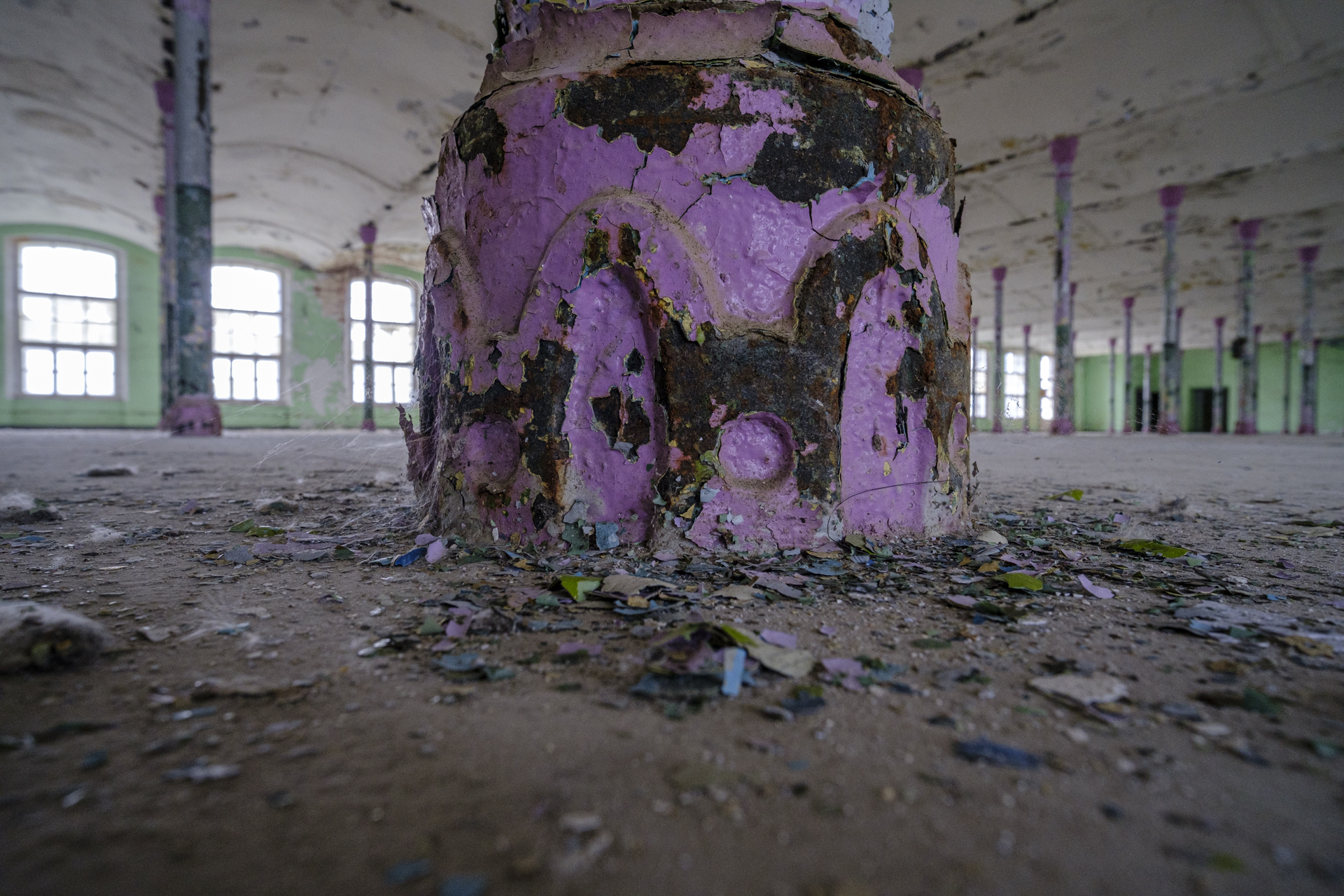
Images from the enormous, derelict textile factory of Kreenholm in the Estonian city of Narva, directly on the border with Russia. An ongoing project consisting of an exploration in photos of this extraordinary deserted factory.

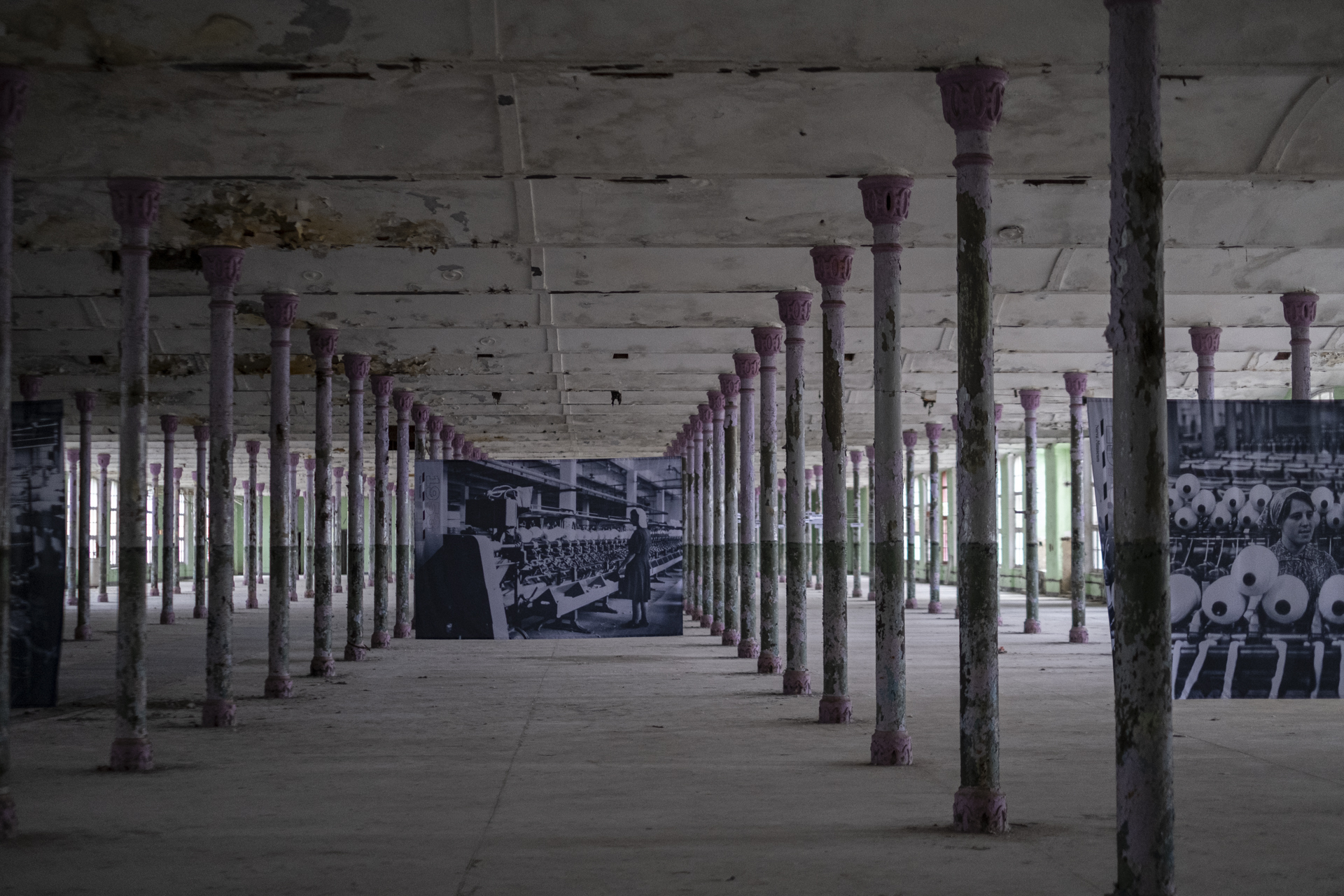
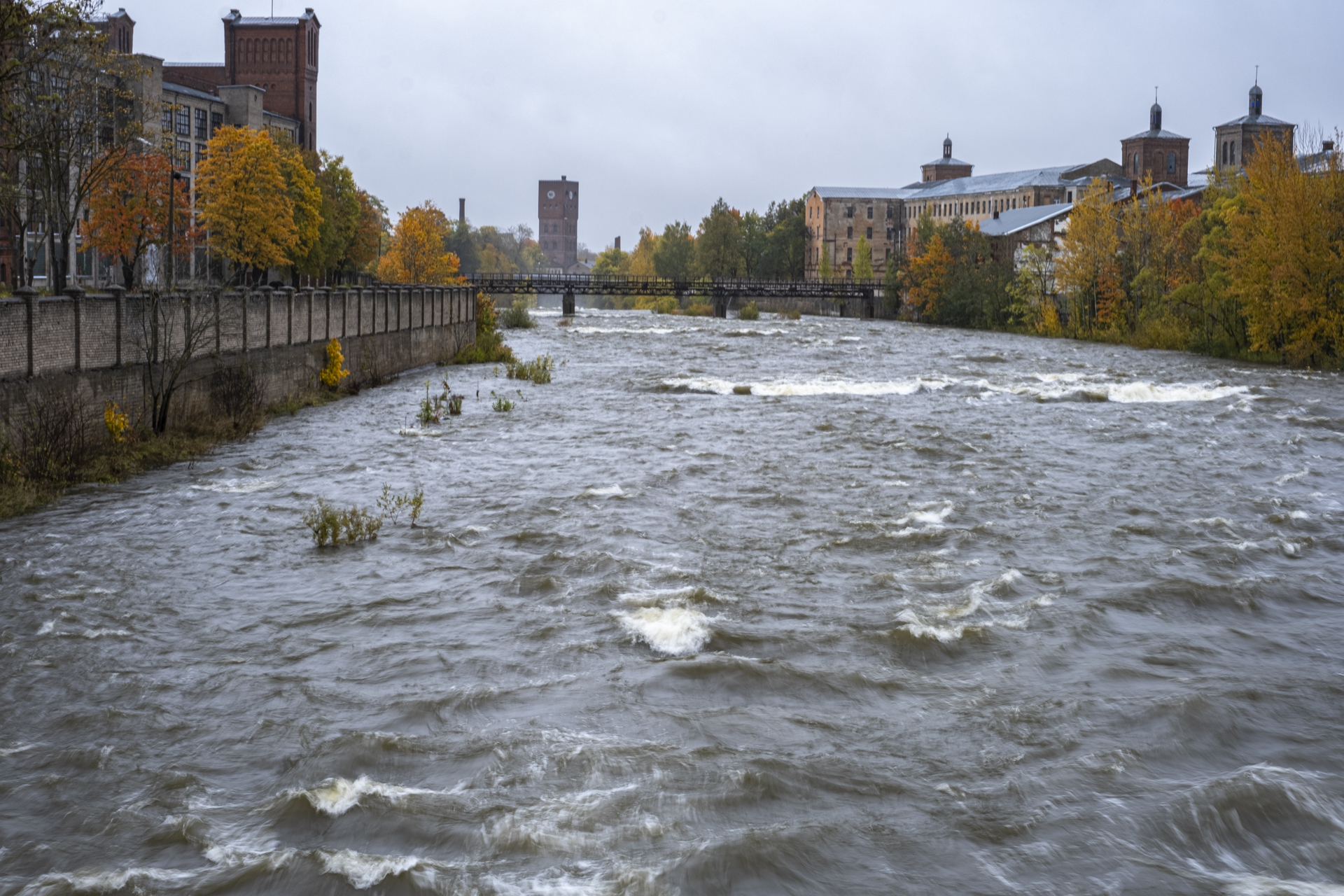
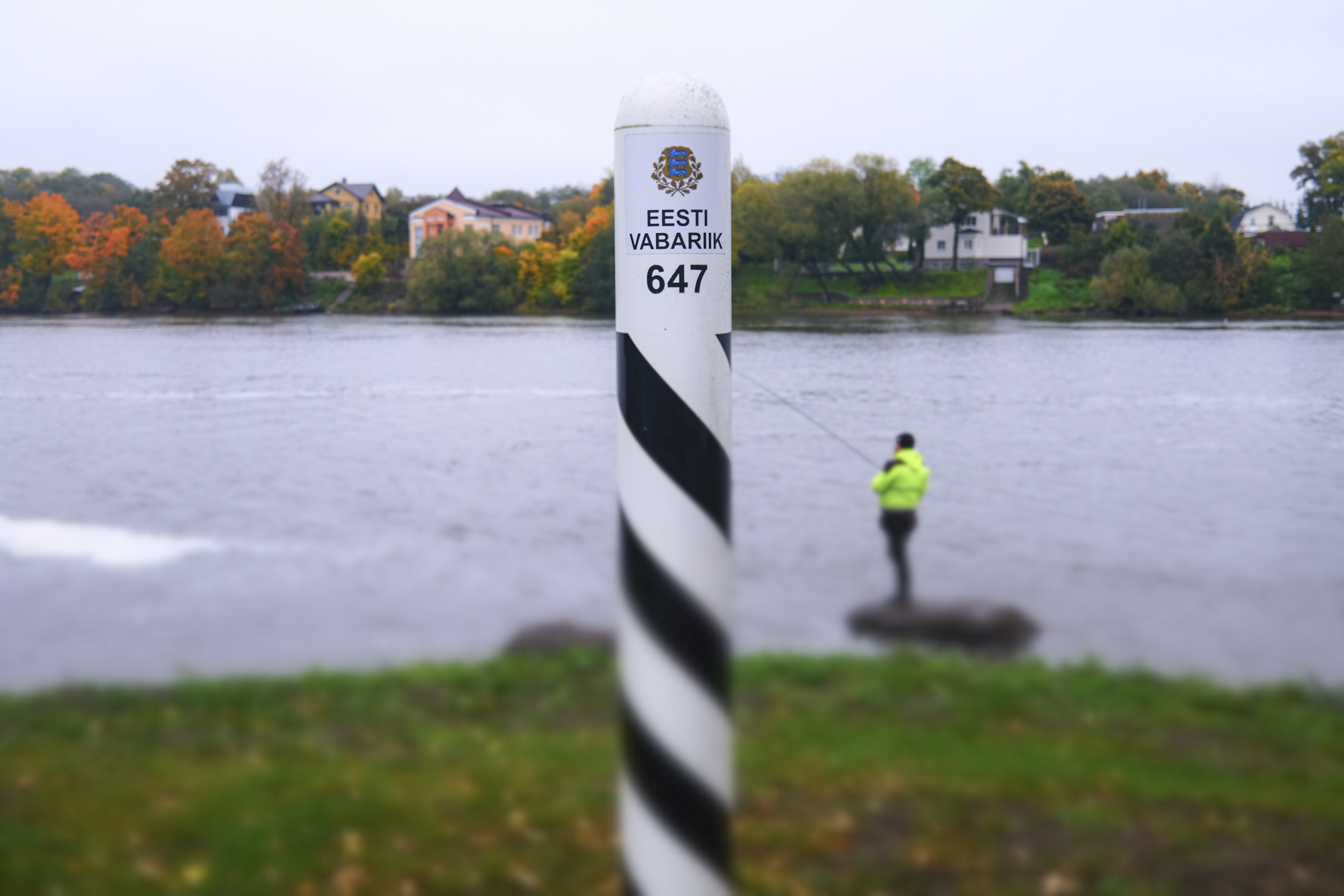
The island of Kreenholm is in the river marking the boundary between Narva in Estonia and Ivangorod in Russia. The factory premises include a labyrinth of production halls that were once filled with weaving looms and spinning machines, employing thousands of people. Eventually becoming one of the world’s biggest textile mills, it was founded in 1856 by German industrialist Ludwig Knoop. During the Soviet era, it accounted for about 8% of the USSR’s total textile production. After Estonian Independence in 1991, the factory continue to operate but in 2008 the last loom was turned off, with sewing and finishing operations closing down two years later. It’s been disused and derelict ever since, populated by birds, mice and foxes.

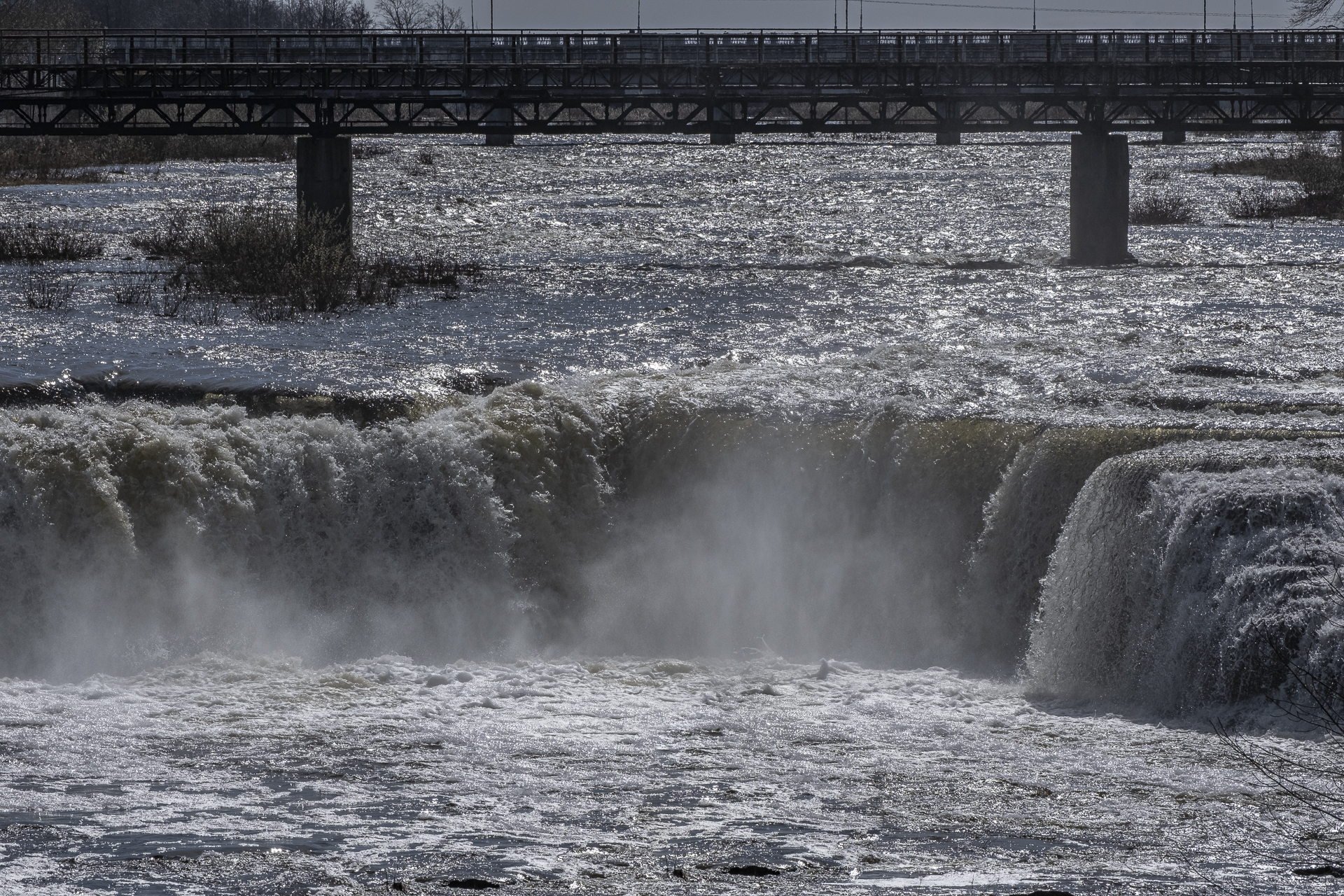
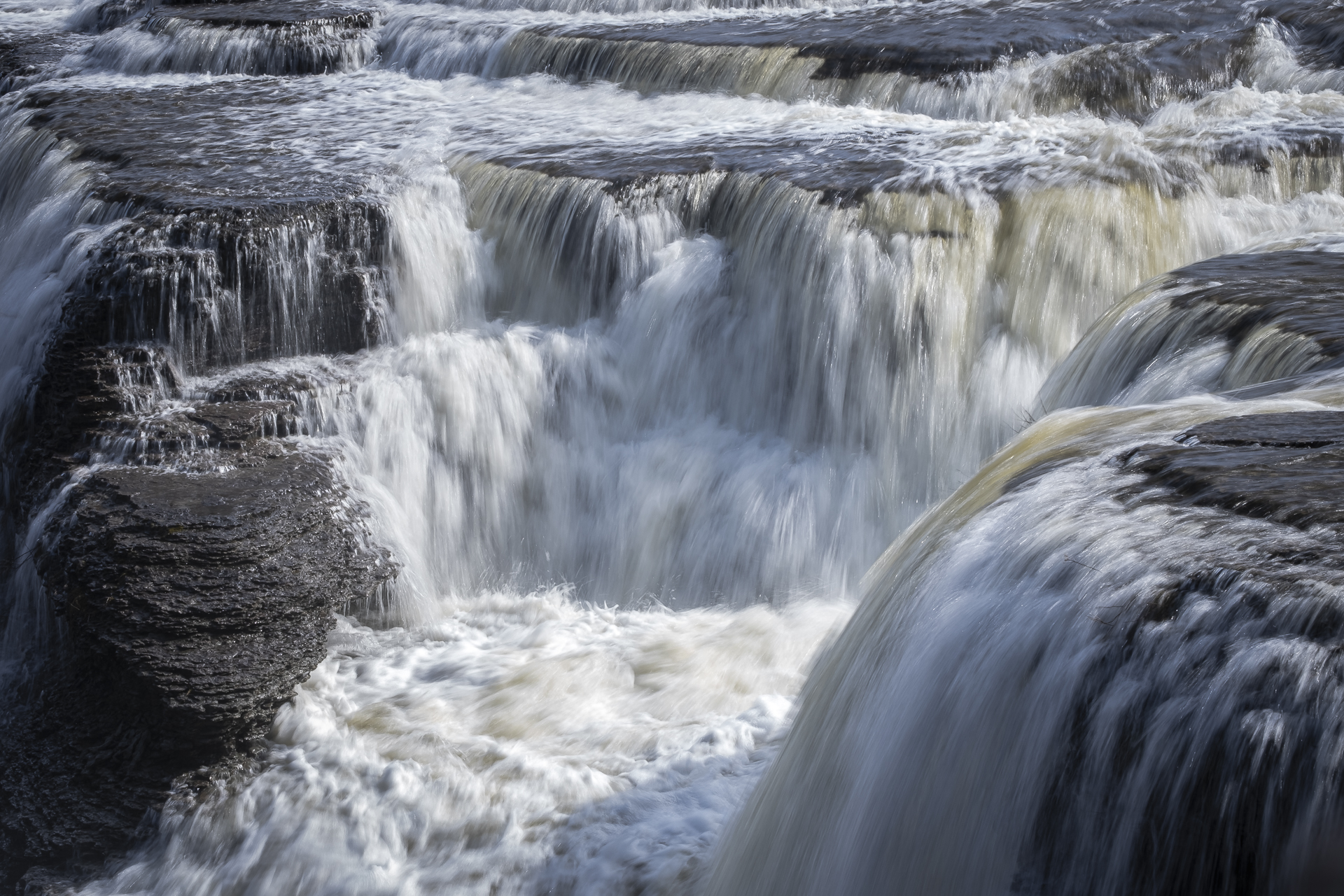
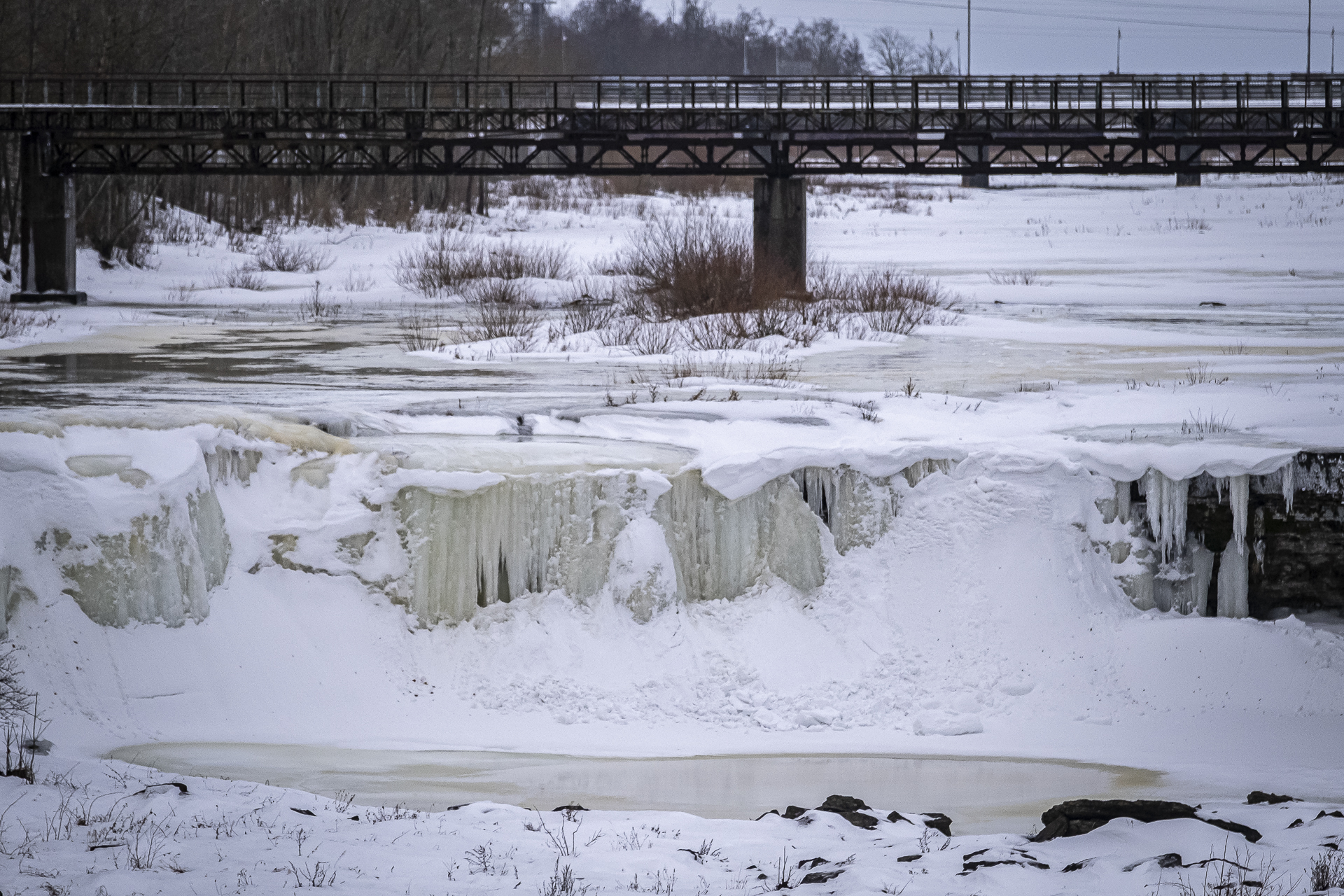
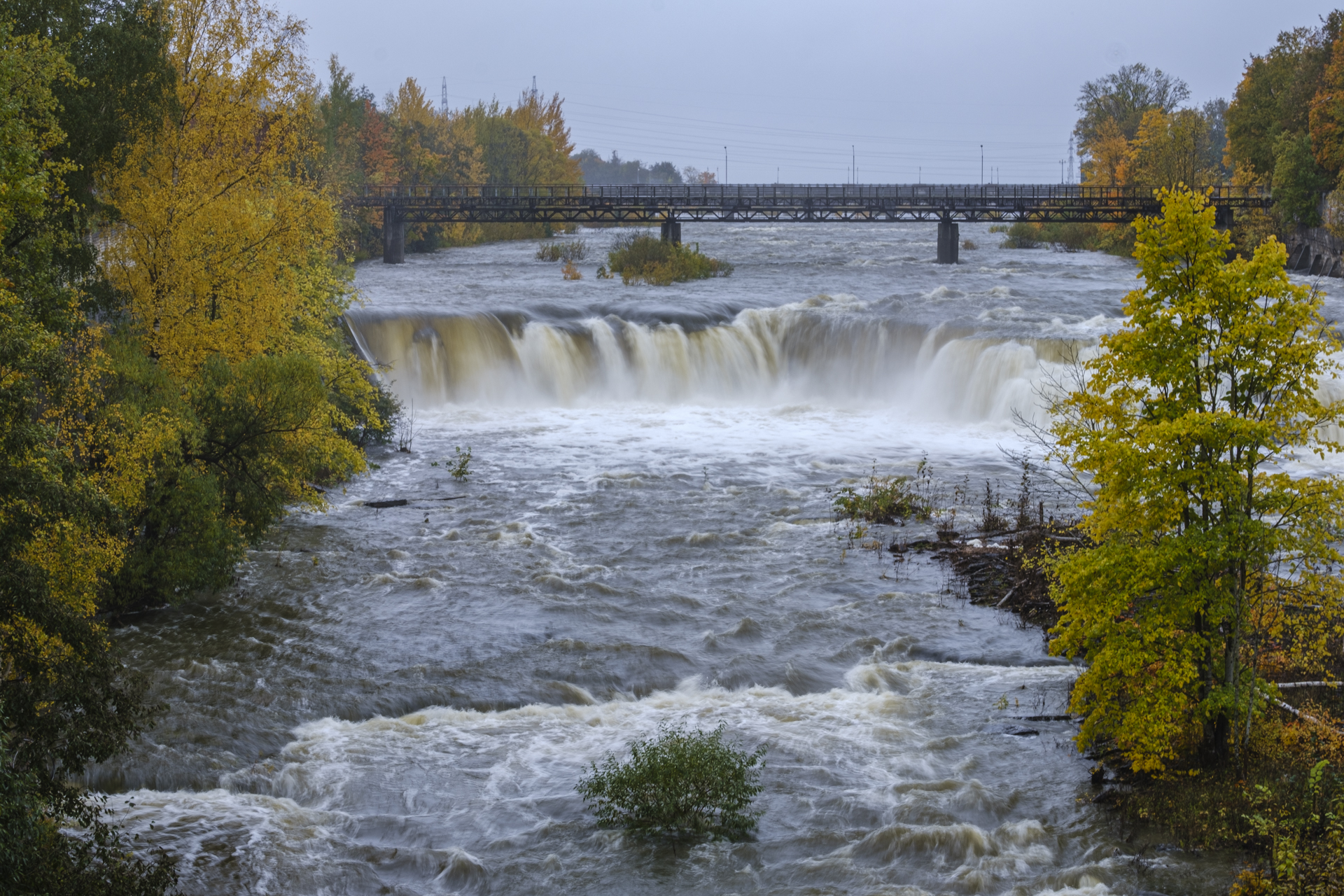
The reservoir serving the water needs of both bordering countries is to the east of the factory, leading to the giant Lake Peipsi. In the spring, the damn between river and reservoir is opened and spectacular rapids tumble down towards the border crossings between the two towns.

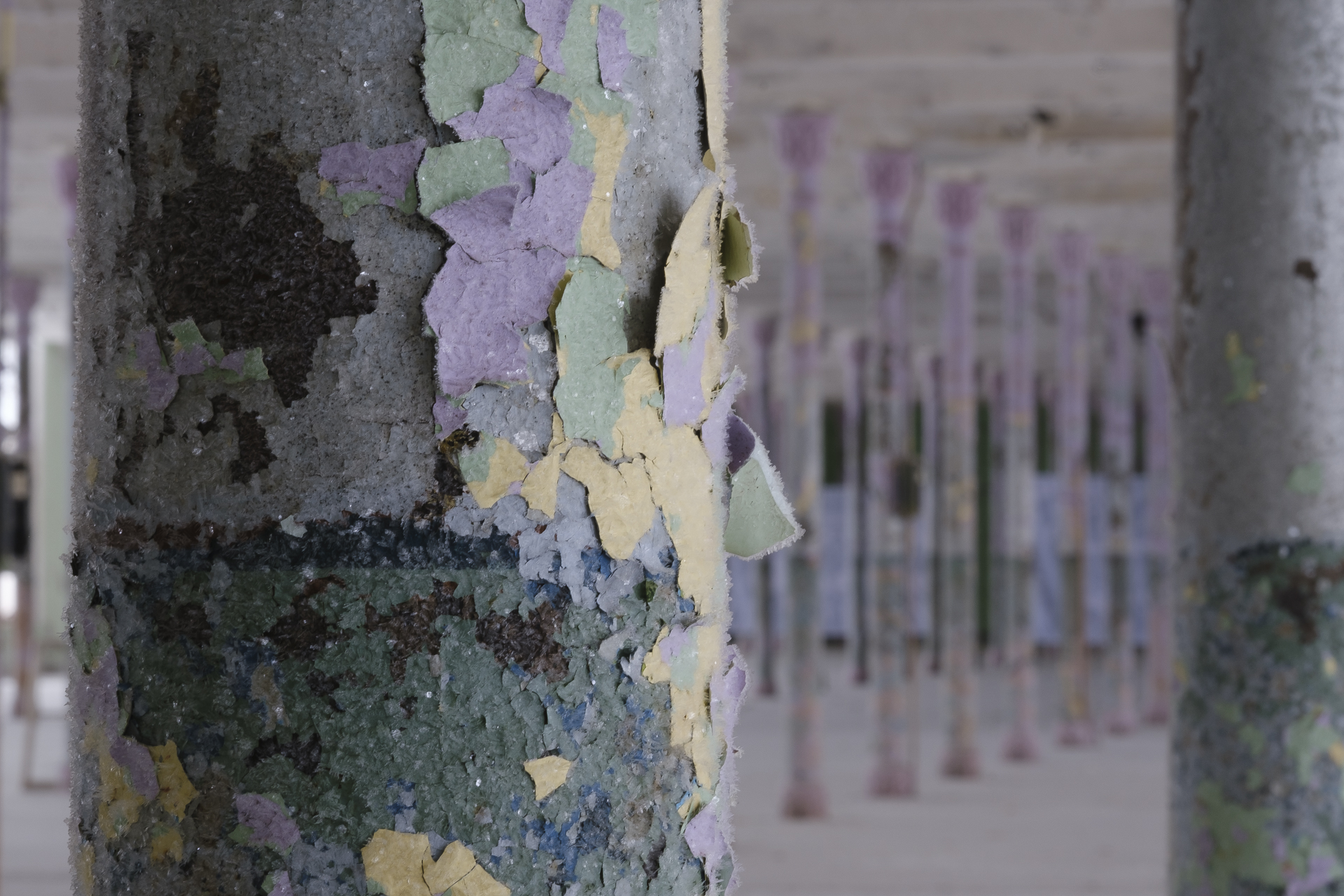
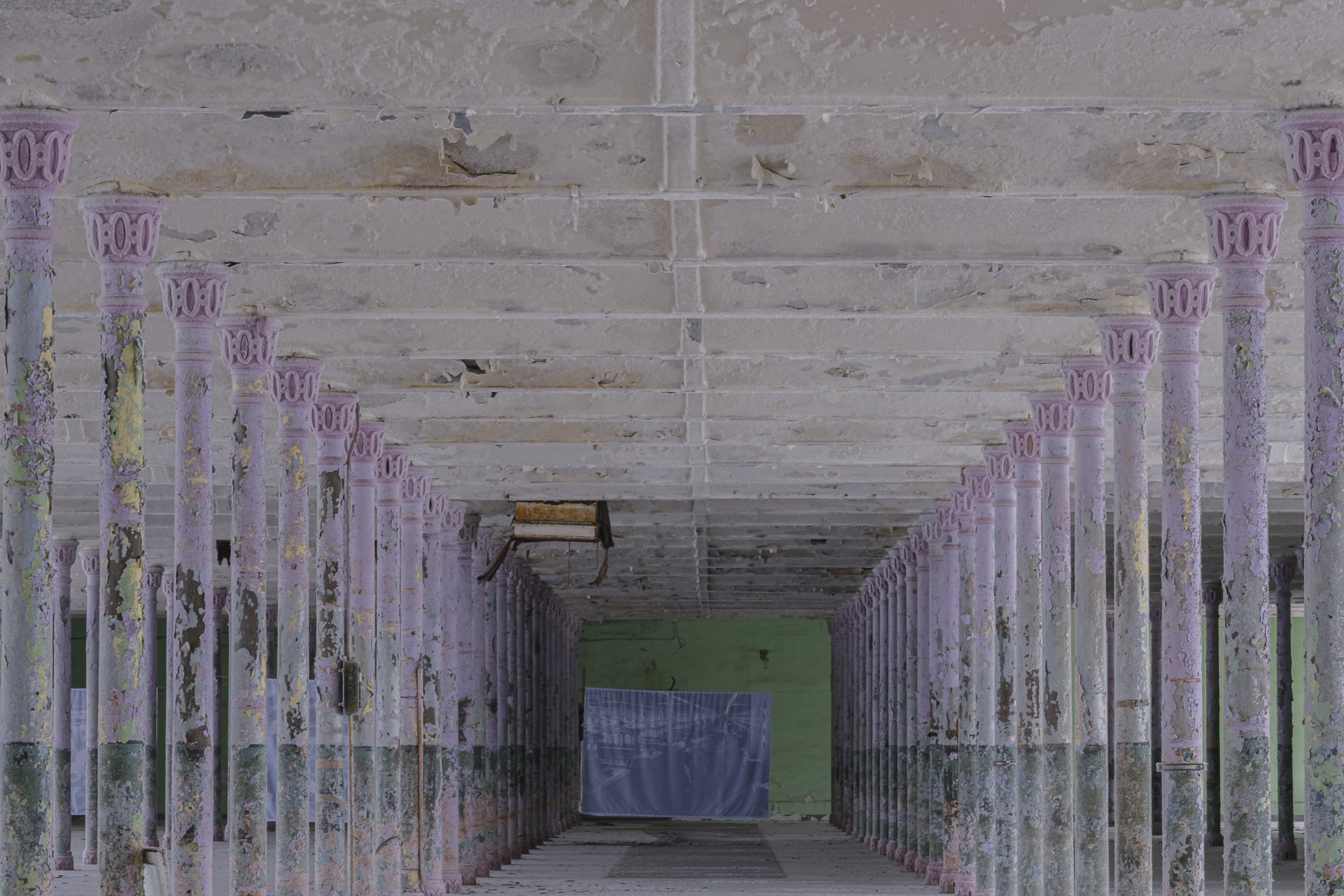
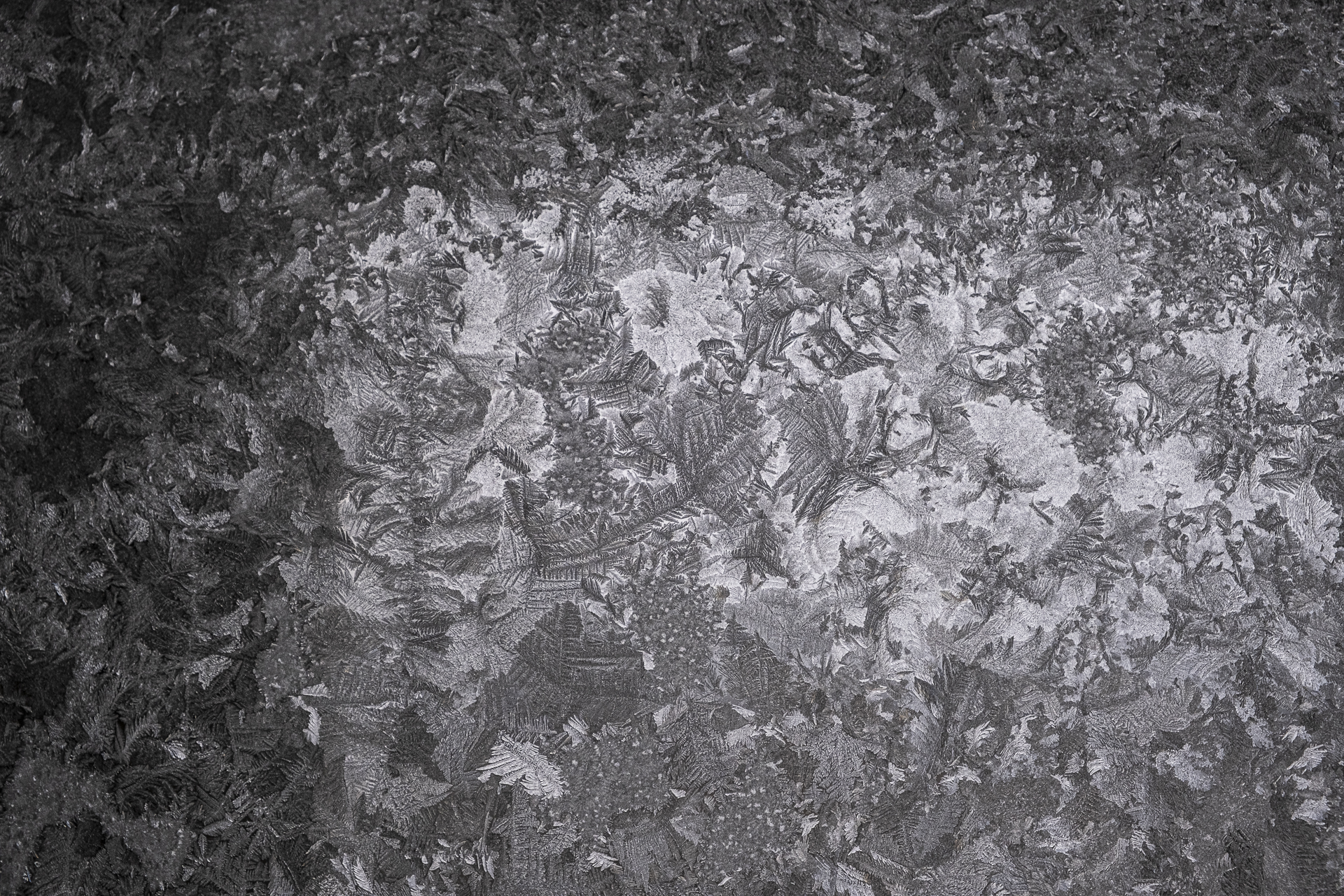
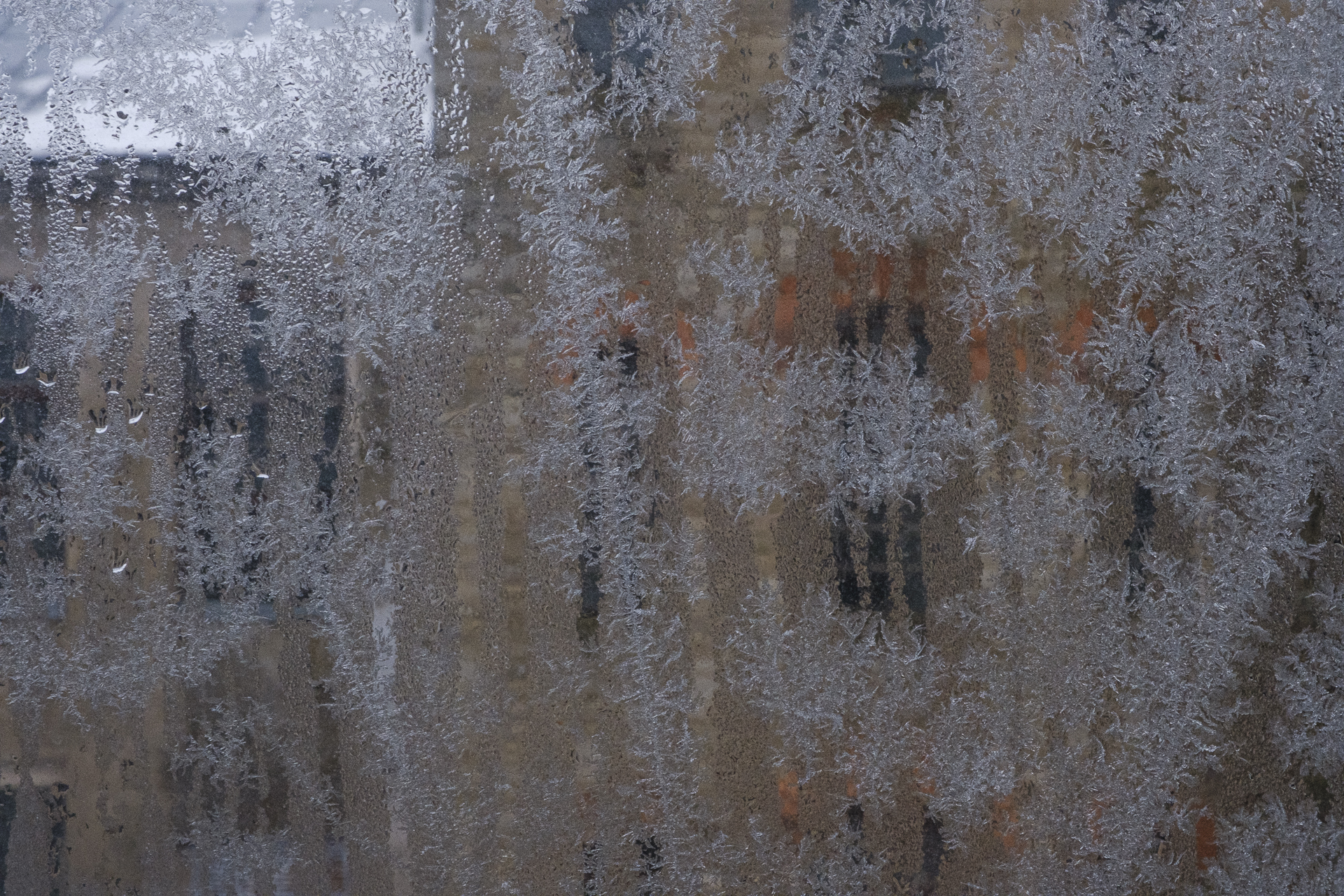
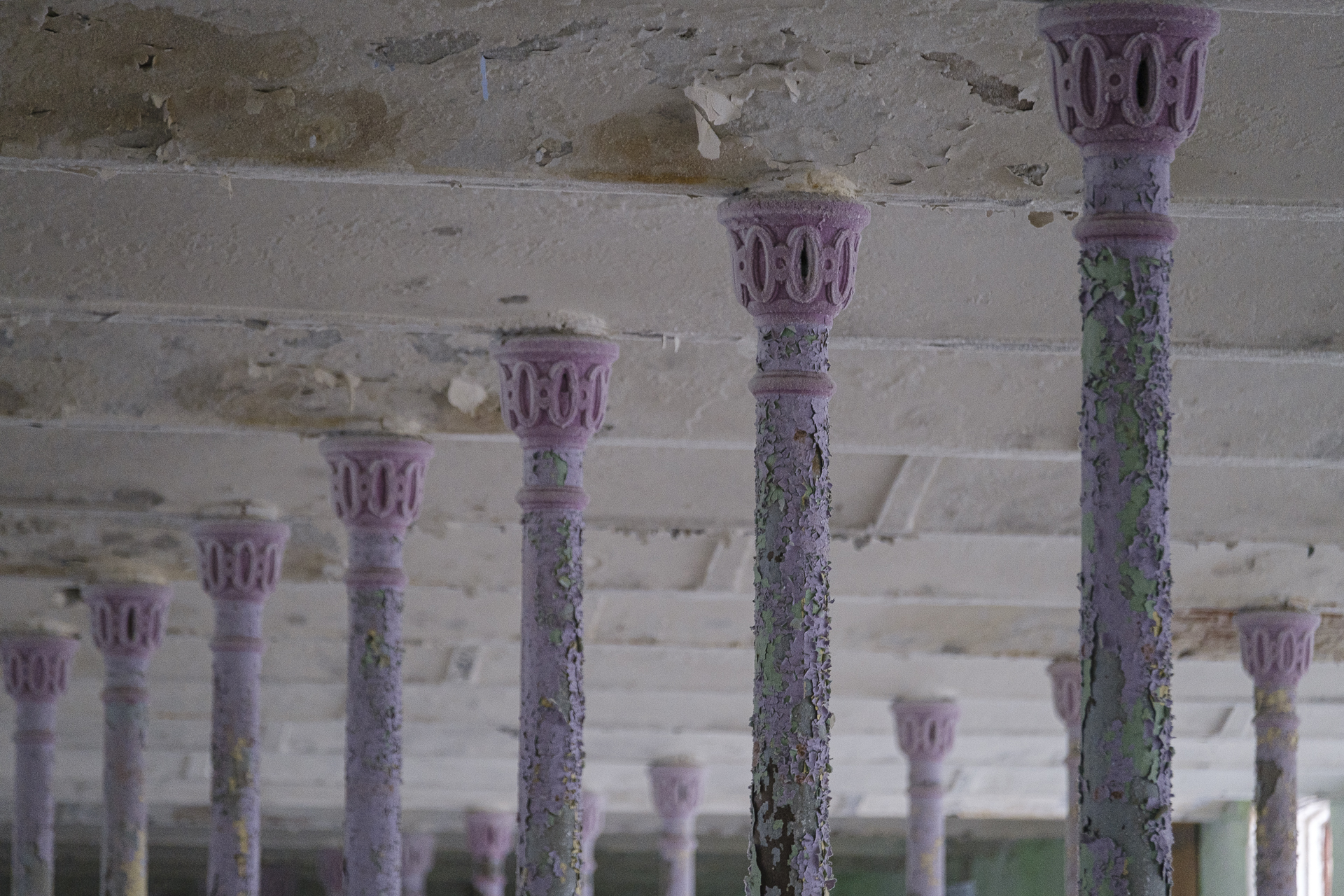
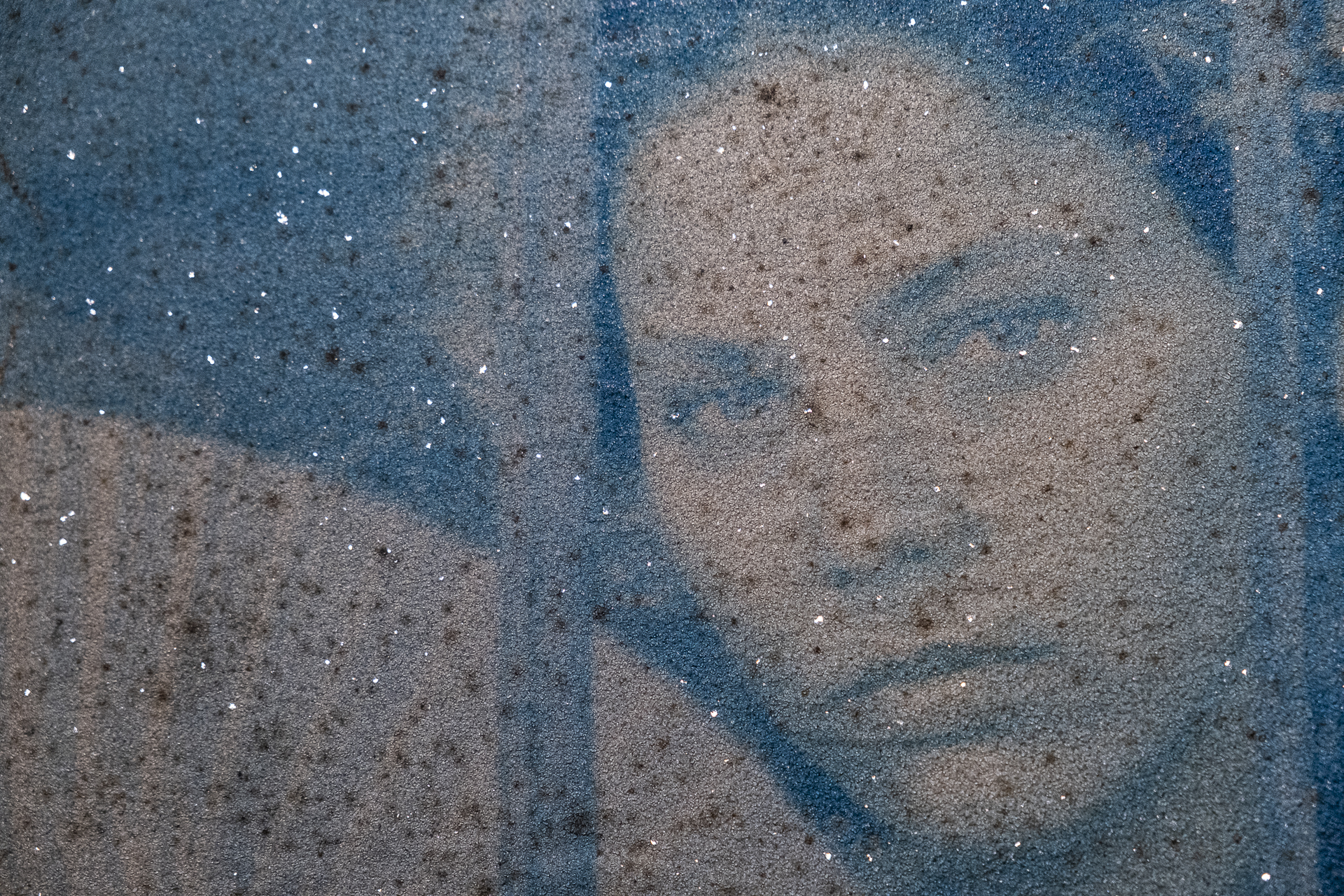
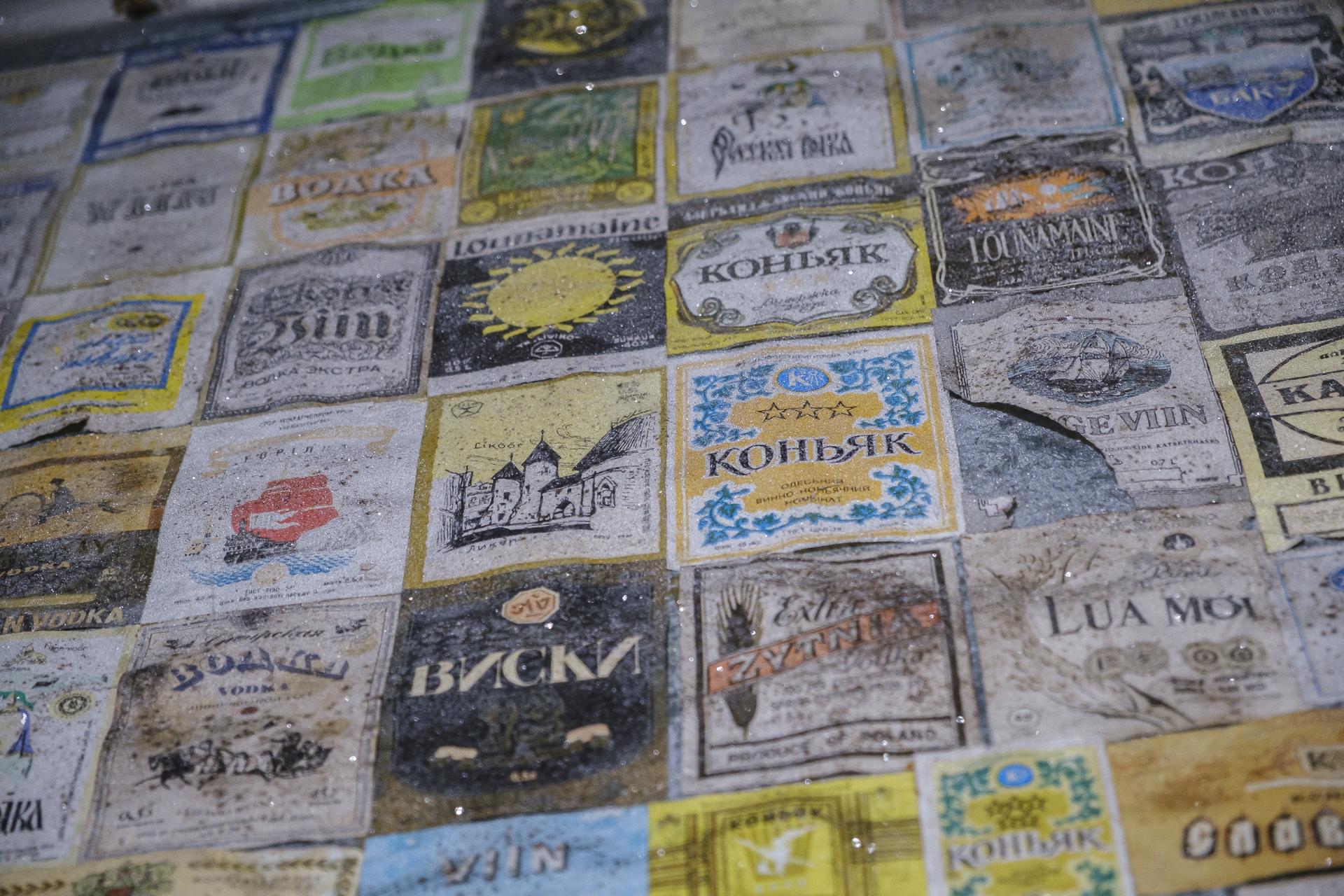
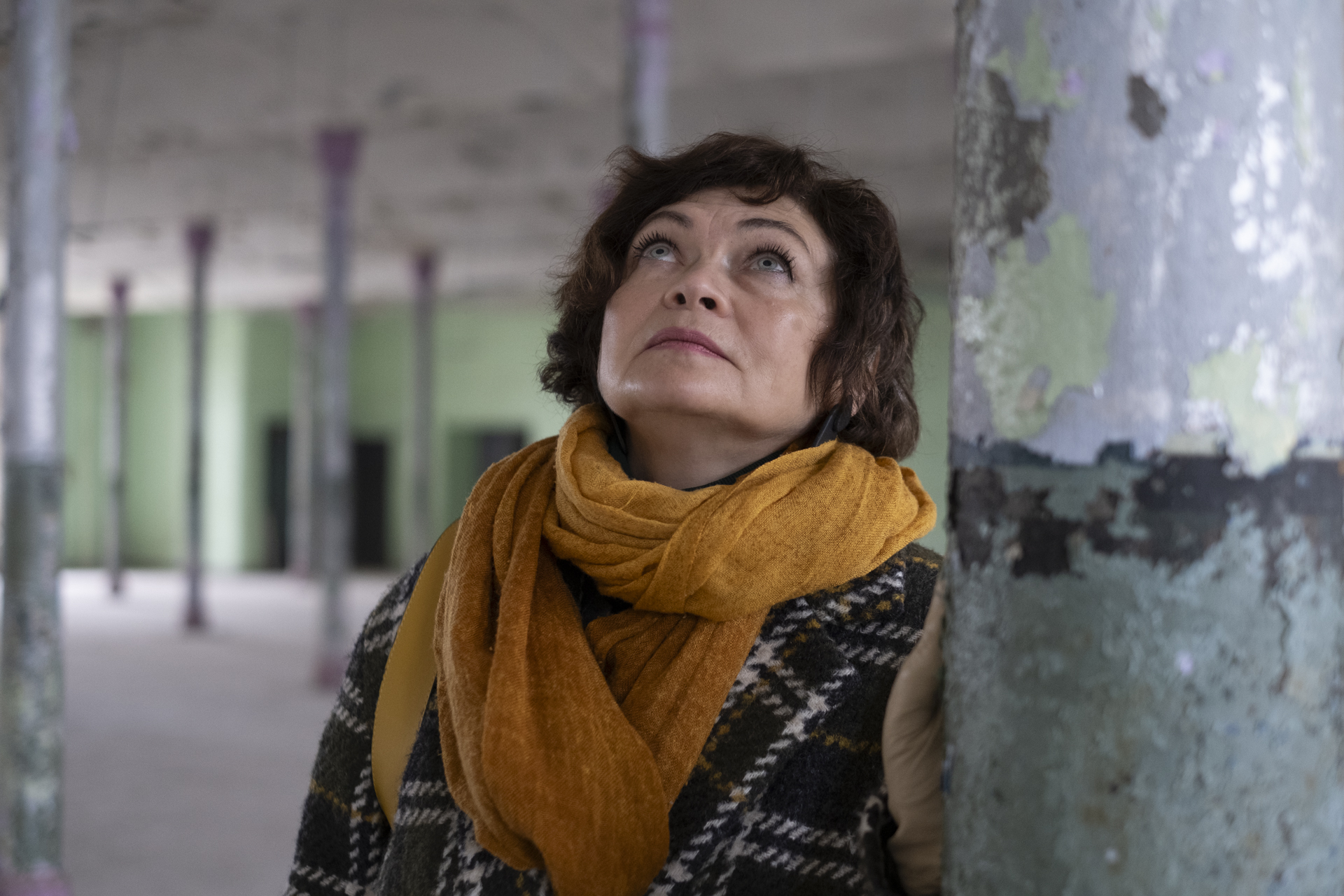
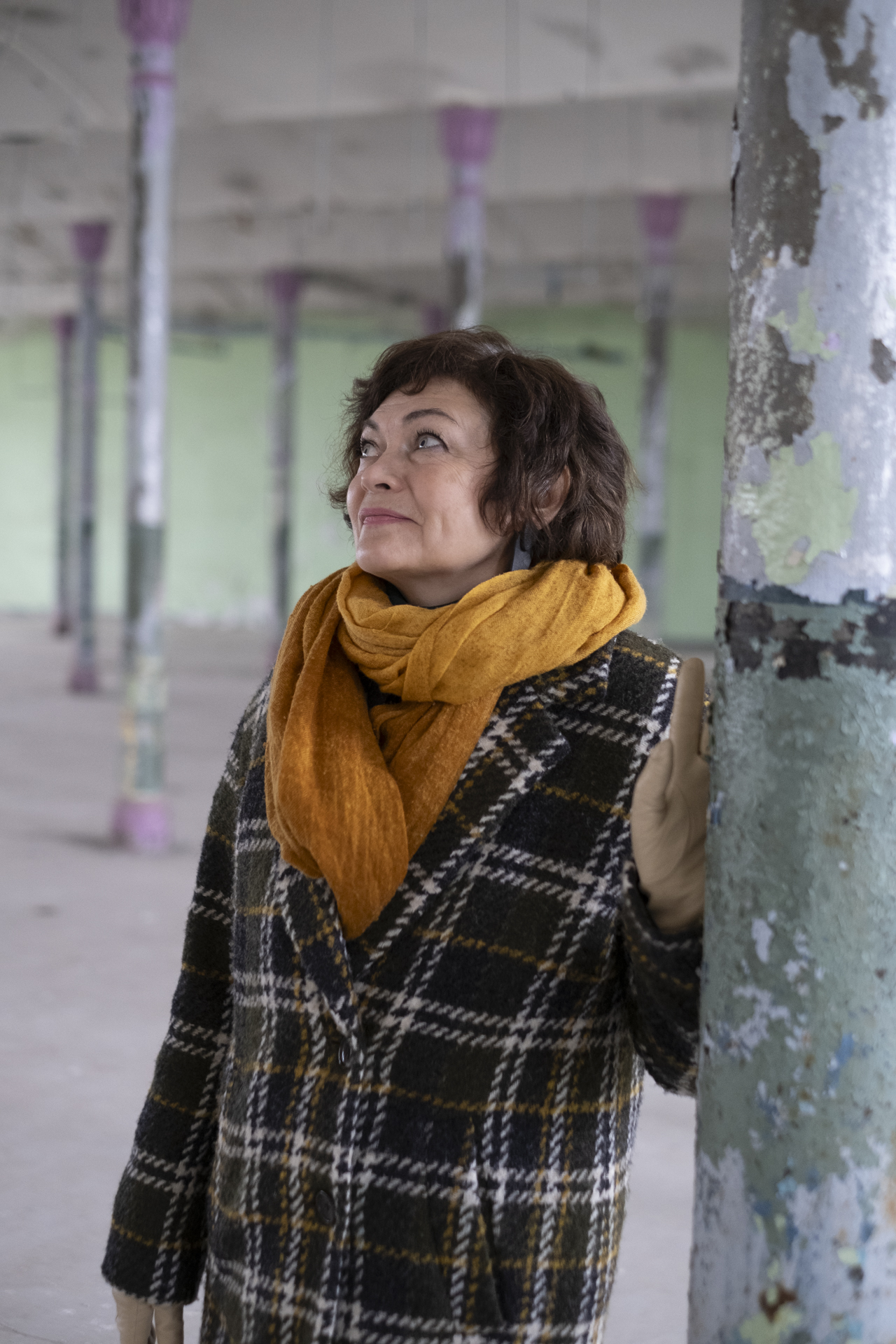
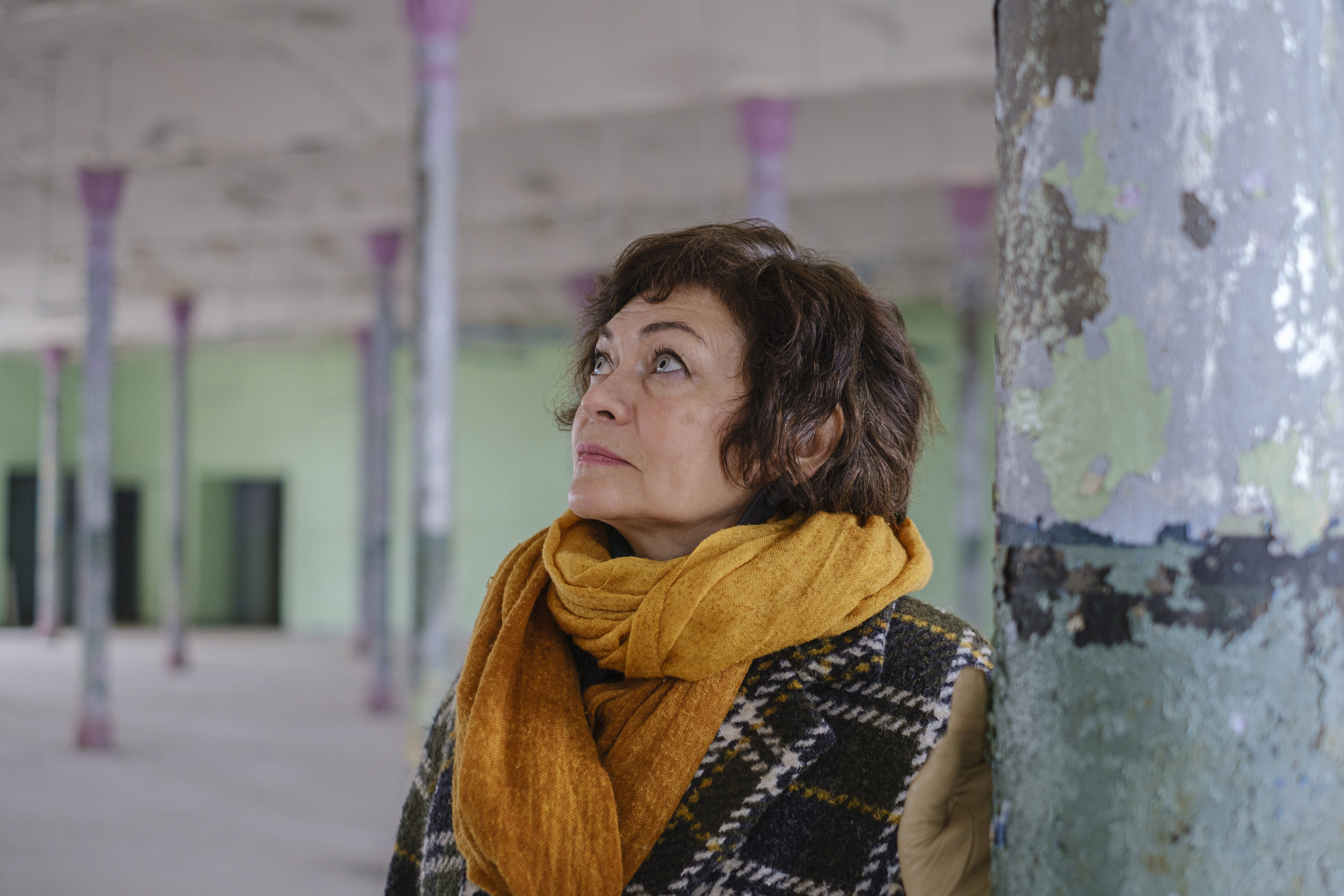
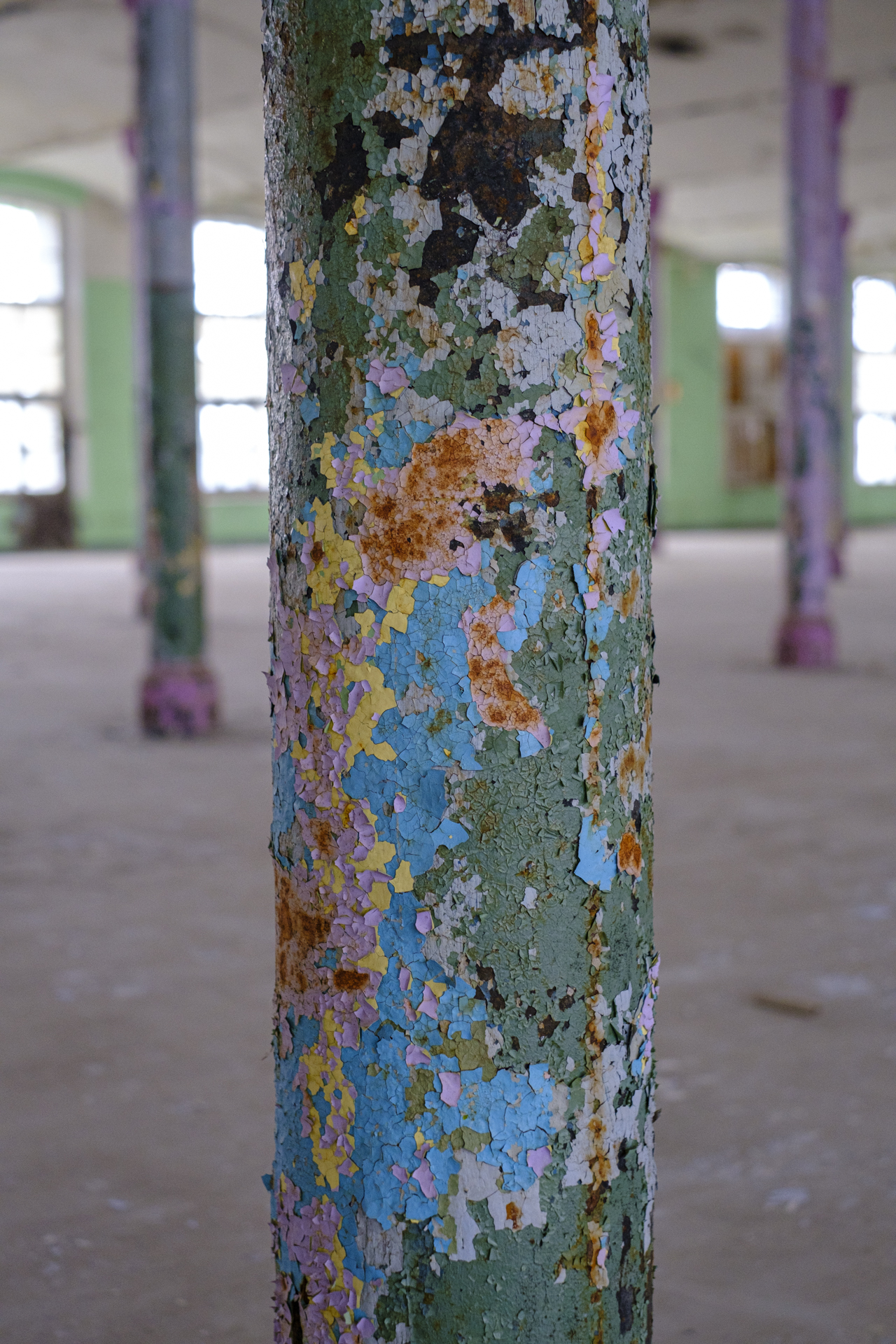
Concerts have been held in the factory courtyards, and in a more peaceful era, when cross-border visits would be easier and more friendly, the massive investment required to renovate and develop the area might be realised. Meanwhile, the buildings stand eerily empty but full of architectural surprises, including the ornate crowns of the cast pillars still holding up the ceilings in the production halls. It’s a fairly niche tourism attraction, but visitors are always astonished at the scale and details of the complex. These range from those ornate pillars to alcoholic drink labels and Hollywood pinups, the remains of worker relaxation, on the walls, themselves peeling in pastel flakes of fading paint. I was astonished myself when I visited for the first time in spring 2023 (luckily coinciding with the dramatic release of the water to feed those rapids), and on my second visit in January 2024 when everything was covered by a sparkling sheen of frost and the rapids were frozen over.

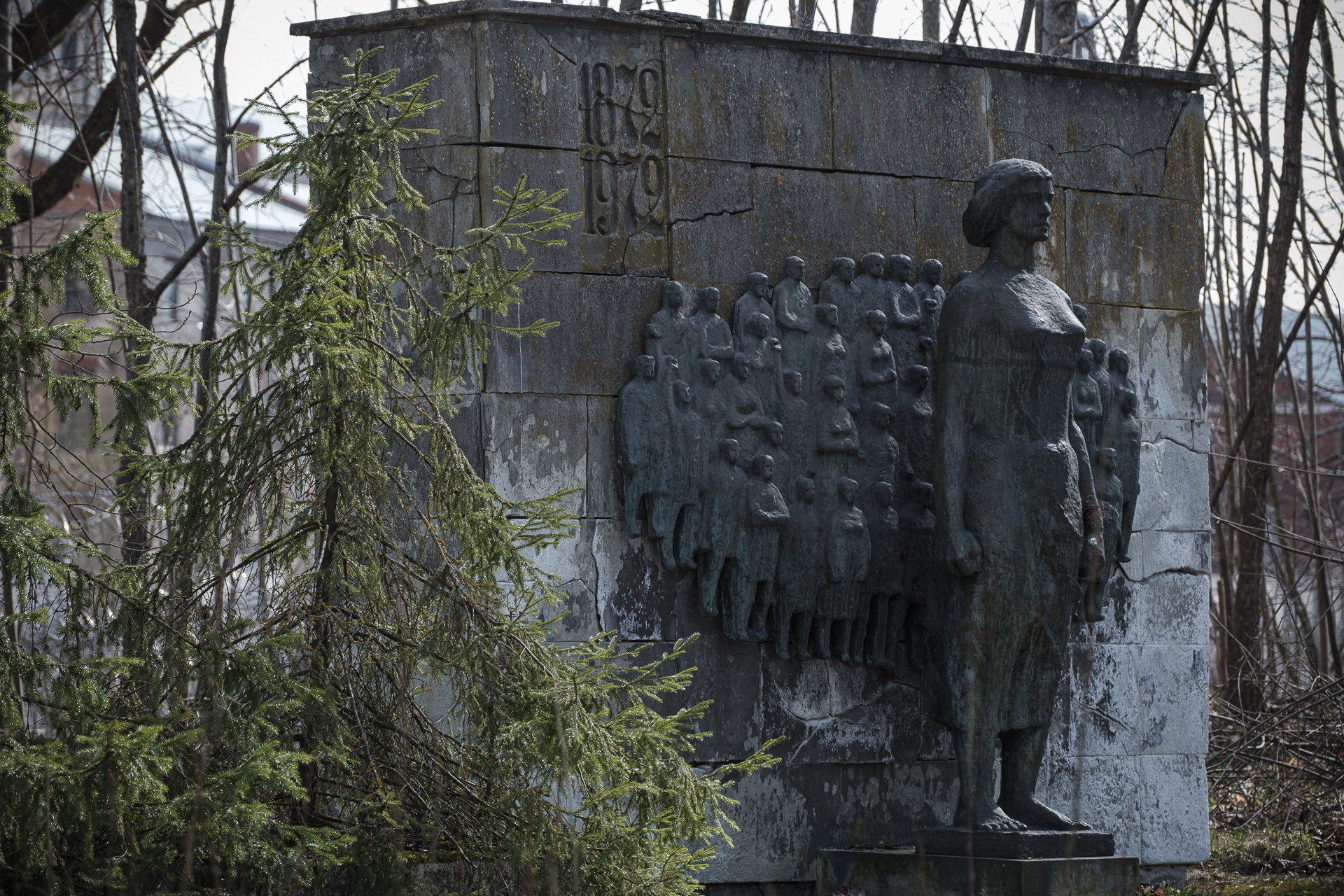
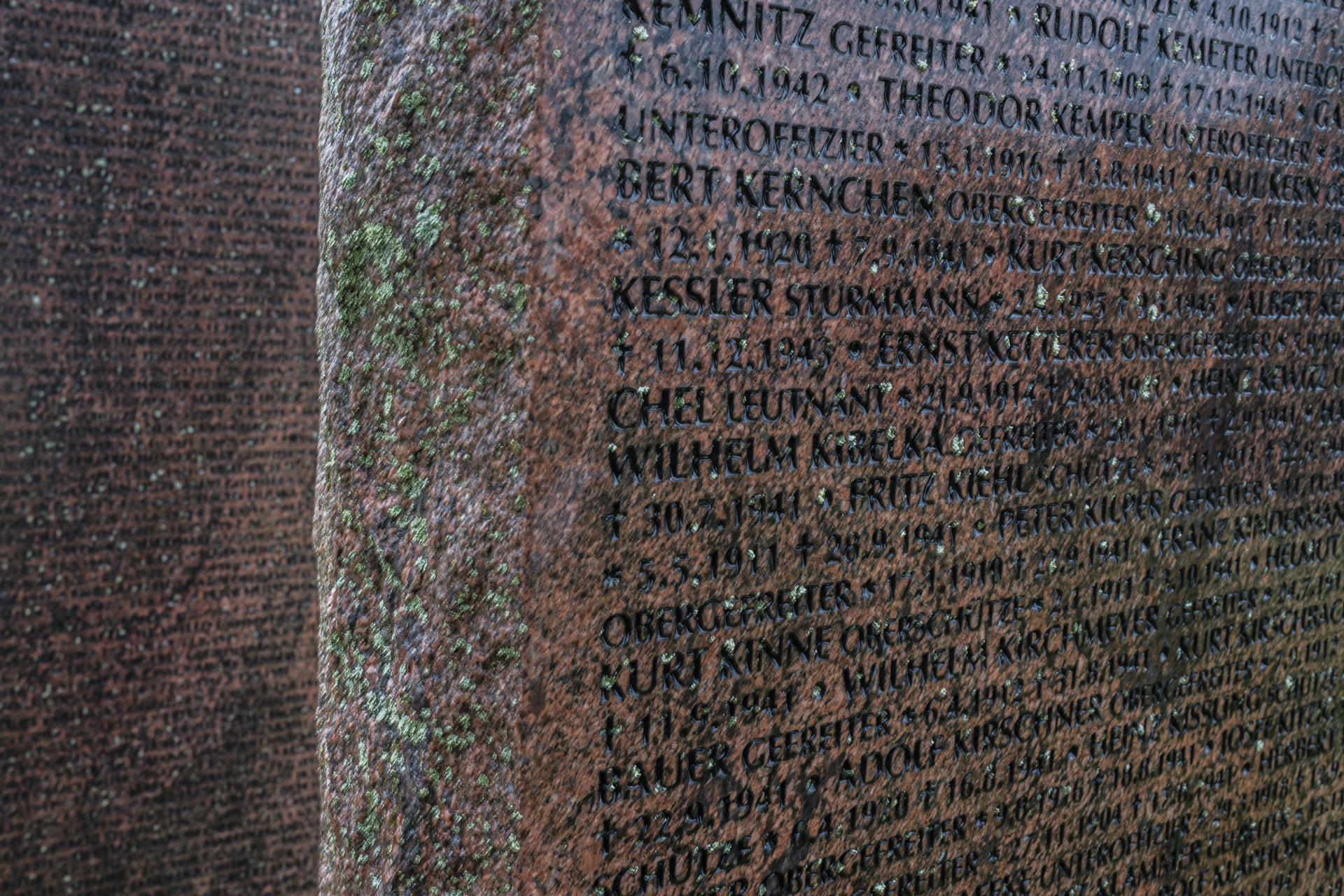
Near the entrance there’s a memorial, screened by shrubs and bushes that are gradually reclaiming the red-brick and sand stone surroundings, commemorating a strike by women workers in 1872.

These images will be the eventually expanding result of various visits.

The factory is not generally open – you need to arrange a visit. If you happen to visit Narva and you want to visit Kreenholm, you can make an appointment for a tour through the Narva Museum.

Share this:

  • Click to share on Facebook (Opens in new window) Facebook
  • Click to email a link to a friend (Opens in new window) Email
  • Click to share on LinkedIn (Opens in new window) LinkedIn
Like Loading...

International Women’s Day: Women of India

08 Friday Mar 2019

Posted by Tim Bird in India, travel photography

≈ 2 Comments

Tags

India, indian women, international women's day, travelphotography, women, women of india, women's rights

Every day seems to be Something Day and today, March 8, is International Women’s Day. I don’t think it should be necessary to set aside certain days for particular causes or ideas, but I do have some interest in this one since I am in the middle of my Women of India project. This is an ongoing project which gives me even more motivation, as if any were needed, to seek out interesting tales from India, to photograph the people involved, who in this case are girls and women, and to summarise their stories.

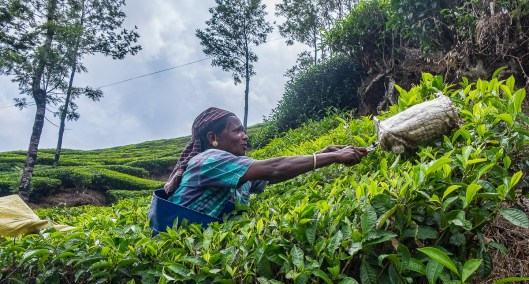
So I have encountered tea pickers in Kerala, young female cricketers in Himachal Pradesh on the edge of the Himalayas, and trainee girl boxers in Manipur in the northeast. I’ve photographed a beautiful Assamese bride and tribal women in Rajasthan, female petrol pump attendants in Delhi and a charming dancer turned designer and entrepreneur in Pondicherry.

There are a lot of negative stories being told to the outside world about India and how women are treated there. There is a lot of bad stuff going on in what is a very patriarchal society. I don’t intend to ignore the bad stuff, but I hope my stories give a counterweight to the negative impressions. There are lots of gutsy women doing interesting things on a day to day basis, not necessarily celebrities or leaders, although there are plenty of them too.

I’d like this to turn into an exhibition and even a book eventually. But meanwhile it seems like a worthwhile thing to do for its own sake, and at my own expense. So in celebration of International Women’s Day, you are looking at a few of the stories so far…

The tea plantations of Munnar are a spectacular and beautiful green patchwork quilt spread across the valleys and slopes of this part of the state of Kerala. Life isn’t always so beautiful for the women tea pickers, and tea picking is a gruelling task. Each picker can collect more than ten kilos of tea every hour. Women have demonstrated and protested against poor working conditions and low wages in recent years, but the health, housing and school facilities provided by the dominant Tata company make this a relatively attractive source of livelihood. The Kerala pickers have been demanding an increase of the minimum daily wage for a tea picker from 350 rupees – less than 5 euros – to 600 rupees.
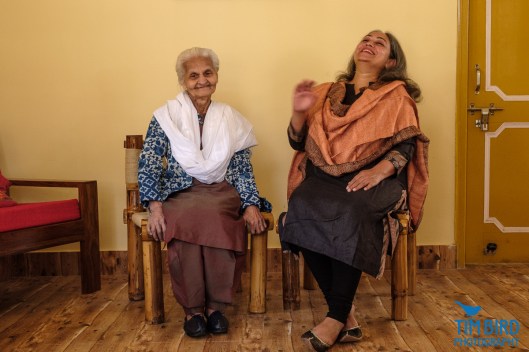
Rahana Hasam Husain and her daughter Nasma live in a village at the foot of the Himalaya foothills, close to Dharamsala in Himachal Pradesh, home of the Dalai Lama and seat of the Tibetan Government in Exile. Nasma runs a charming homestay (Home in the Himalayas), Rahana spends much of her time in peaceful meditation.
Rahana was one of a dozen siblings born into a Muslim family in the later period of British rule, a decade before Independence in 1937 (her birth was undocumented). Her father was a barrister, a landowner in the time when a feudal society still existed in India. They lived in the small town of Fatehpur in Uttar Pradesh. There was rioting in nearby towns at the time of partition in which her grandfather was killed, but Fatehpur was peaceful. Up until partition, Muslims and Hindus lived quite harmoniously together, celebrating each other’s festivals, as they generally still do today. There was a strong sense of community.
“Her father – my grandfather – was a practicing Muslim, but Rahana’s upbringing was not especially religious,” says Nasma. “My mother hates rituals and superstition, and so do I. If you want something, you work towards it, we believe, you don’t try to keep the Gods happy. My mother is very unconventional in many ways. Very down to earth and carefree.”
Rahana’s husband and Nasma’s father, who died in 1999, was the radical Marxist journalist, Najmul Hasan. An especially happy time of her life was in Delhi in the 1970s and early 1980s, when Delhi was a real cultural hub.
“In their house, before I was born, there was a lot of poetry and music,” says Nasma. “My mother was tutored by Begum Akhtar, a well-known Indian singer of Ghazal, Dadra, and Thumri genres of Hindustani classical music. Rahana still sings but she doesn’t like an audience! She experimented with drinking and smoking. She liked to throw parties. My parents were not very conventional. My father had his Communist Party work and studied Farsi and Sanskrit. She was balanced in her views but supported his causes, and he made sure that she went through college.”
Now they live far from the choking air of Delhi, beneath the snow-capped peaks of the Dhauladhar sub-Himalayan range. “I’m here with her, she likes me being around,” says Nasma. “We sit and chat and talk about old times and she tells me a lot of stories. We have huge family albums but we don’t have any shelves to put them on yet!”

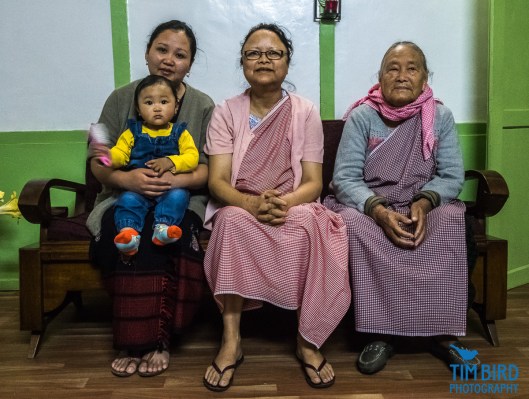
Meghalaya in northeastern India is home of the Khasi people, believed to be among the largest cultures that still adhere to a matrilineal system. Traditionally, the youngest daughter of the family inherits ancestral wealth and the mother’s family name is taken by children. Matrilineal does not mean matriarchal, however, and abuse and exploitation of girls and women still occur in vulnerable communities. The Faith Foundation was co-founded by Shannon Dona Massar, pictured here with her baby Amenia, her mother Nelifa and mother Mary (from the Monpa tribe of Arunachal Pradesh in the far northeast of India) – four generations of ladies – in the family home in Shillong, the state capital. Although the name implies a religious link, the NGO works on preventive strategies, promoting indigenous collective rights in communities and empowerment of girls and women.
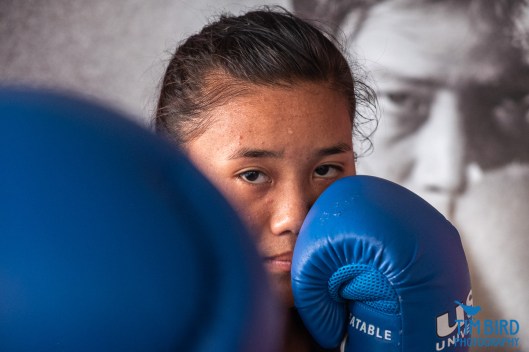
I travelled to Imphal, the capital of the northeastern state of Manipur close to the border with Myanmar, to visita boxing academy for both young men and women. It was set up by Indian boxing champ Mary Kom, who claimed a bronze medal in the London Olympics in 2010 among her many titles and is one of the most famous women in India. I wanted to meet and shoot Mary herself but that wasn’t possible, so I met the young students who are inspired by her and had fun shooting and talking to them instead.
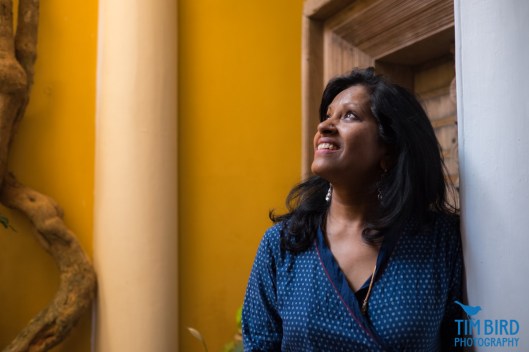
Former classical dancer Vasanty Manet is the founder, designer and owner of the Via Pondichery fashion boutique and business in the south-east coastal city of Pondicherry. Her shop on Romain Rolland Street in the French quarter of the city backs onto her beautiful 17th century wooden-beamed house. Vasanty’s ancestors made the choice offered to them in the 1880s to take French citizenship along with a French name. She studied in France but her mother was a Tamil language teacher. She professes to be comfortable sitting between the French Christian and Indian Hindu cultures. Her bags, pashminas, bangles and necklaces combine Indian elements with modern European style. Her entrepreneurial spirit is an example of the kind of modern, cosmopolitan Indian woman whose actions speak louder than words in the face of Indian society’s prevalent patriarchal tendencies.
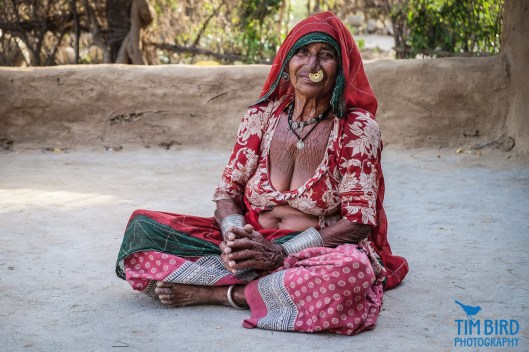
Bishnoi tribal lady in a village in Rajasthan. One of the traditional tribal tenets is for new mothers to be separated from the rest of the villagers, with their newly born children, on the grounds of impurity for a month after childbirth. A tribal legend about the Bishnoi from the 18th century tells of Amrita Devi who tied herself to a tree to prevent a forest being felled by the Maharaja of Jodhpur who wanted the wood to build his palace. The tale has it that 362 of Devi’s fellow villagers joined the protest, and all of them were slaughtered by the Maharaja’s soldiers. Amrita Devi, an early Indian environmental activist.

Share this:

  • Click to share on Facebook (Opens in new window) Facebook
  • Click to email a link to a friend (Opens in new window) Email
  • Click to share on LinkedIn (Opens in new window) LinkedIn
Like Loading...

Happy birthday Tikau

18 Tuesday Sep 2018

Posted by Tim Bird in India, photography, rural India, Travel

≈ Leave a comment

Tags

India, photography, travel

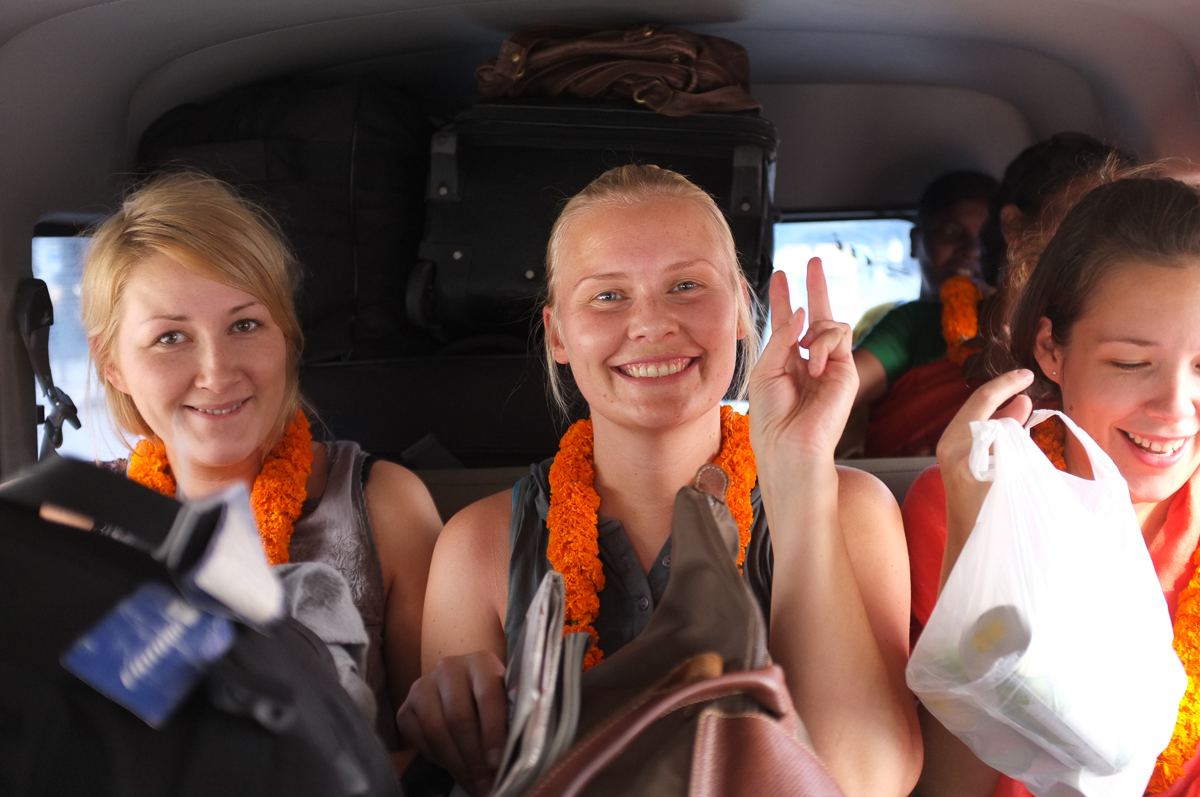
In November 2011 I sat in a car loaded with luggage and five ladies from Kolkata airport to the town of Balasore in the Indian state of Odisha (also called Orissa). Of those ladies, three were Finnish and two were Indian and we were on our way to visit a small, remote and very poor village in the flat Odisha countryside. The village was (still is) a Dalit, otherwise known as ‘Untouchable’ community, right on the bottom rung of the Indian social and economic ladder.

tikau10-0109

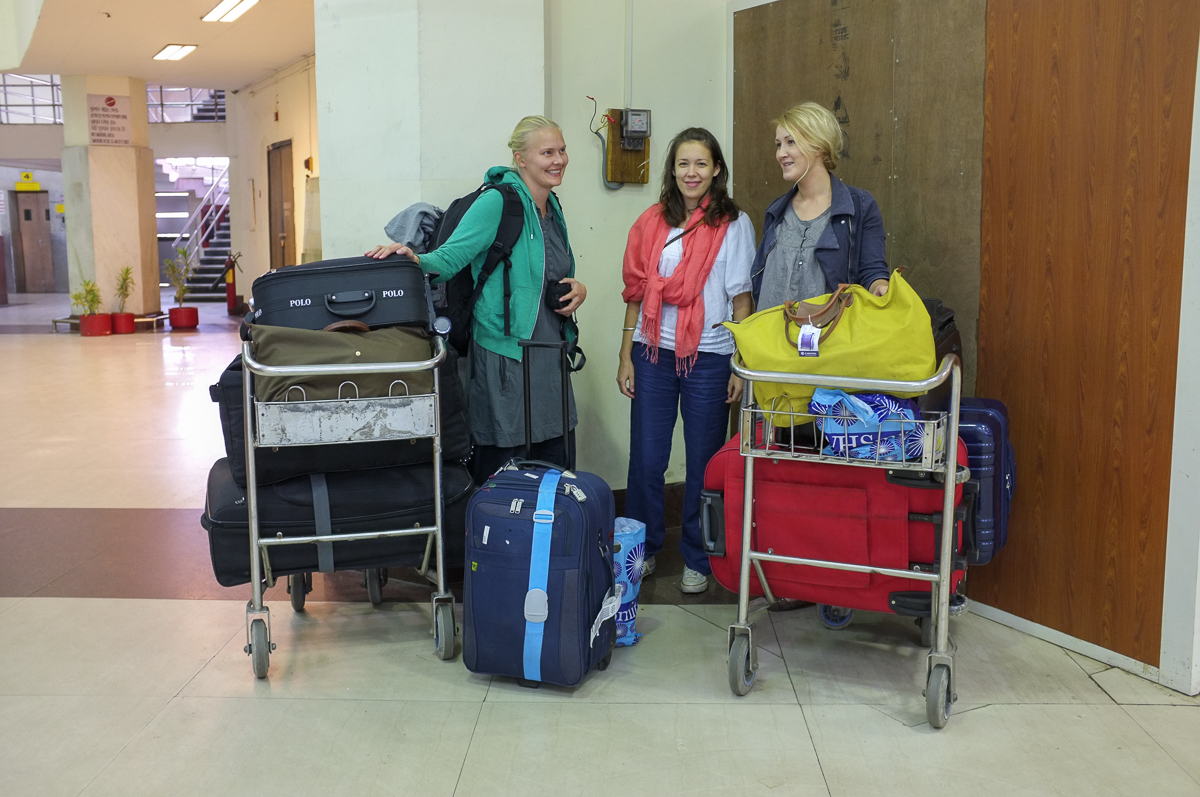
Kolkata airport – Ea Söderberg, Taina Snellman and Linda Lehto.

tikau10-0122

A very crowded car.

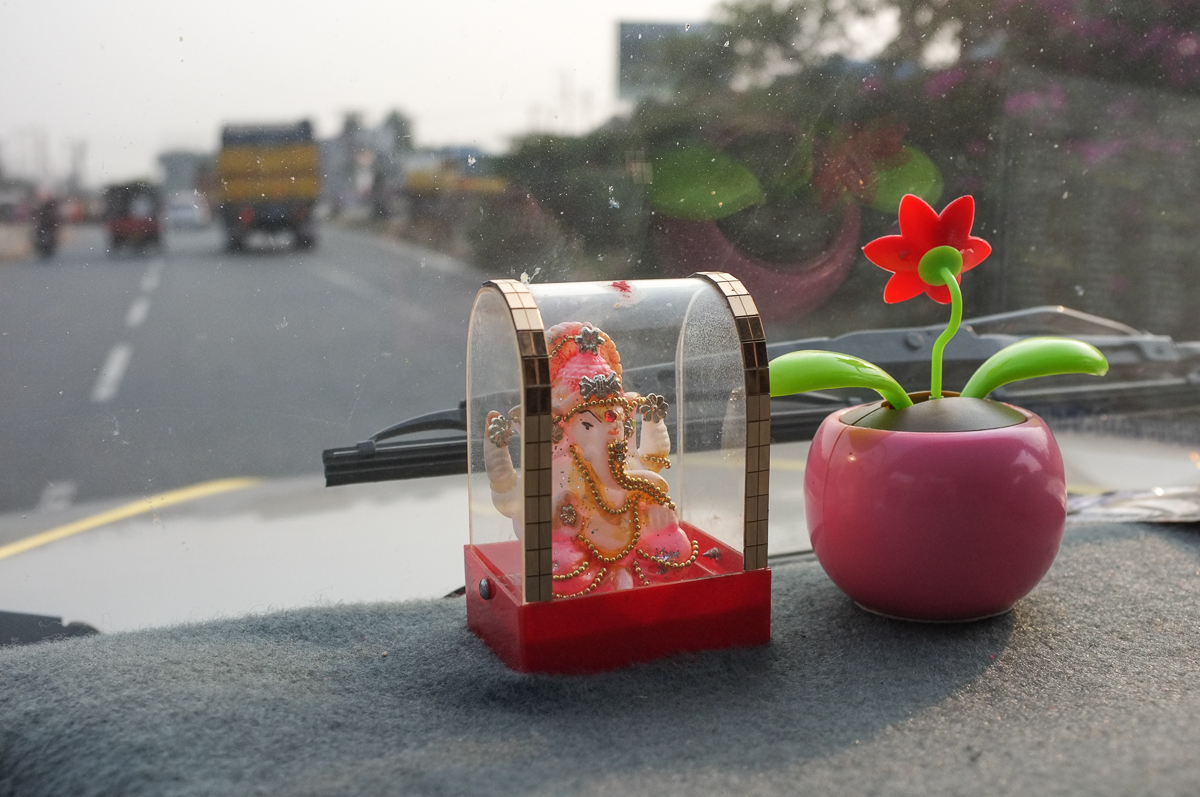
The Finnish girls were members of an NGO, Tikau Share (Tikau means ‘durable’), that was developing the artisan skills of the villagers, especially the women, so that they could sell their bamboo design handicrafts via the Tikau shop in Helsinki. The charity also donated clothes and toys and blankets, and our car was loaded with extra cases of odds and ends. There was barely room to breathe, but I managed to get the seat in the front with Ganesh, the Elephant God, whose job it is in Indian vehicles to remove obstacles to travel on the chaotic and often very bumpy road ahead.

tikau10-0126

The airline, Finnair, had donated extra kilos so we could carry all this stuff to India. I was going to write an article about the project for the Finnair magazine Blue Wings.

The next two weeks were an inspiring, life-changing event for me and I returned to Finland having made three great friends in those Finnish girls, who included Taina Snellman, the founder of Tikau, a female pied-piper who casts a charm over everyone she meets, luring them unsuspectingly and inescapably into the Tikau camp. I’ve returned to India and that village many times since, and I made a multimedia documentary, Outcastes, about the village in Odisha. We’ve held exhibitions on the theme of Design Helps, we’ve got sick and got well again, there have been romances and weddings, there have been adventures…

This year Tikau/Tikau Share celebrates its tenth anniversary, and the villagers have increased their confidence, their self-sufficiency and resourcefulness while Tikau has continued to sell their products and those of other Indian artisans. I was checking through my photos from that first visit – I have hundreds more from subsequent visits -and thought this would be a good time to shake them free of digital dust and reveal them to the world again. So here’s a selection (yes, this is meant to be Six Images, but who’s really counting):

This slideshow requires JavaScript.

Share this:

  • Click to share on Facebook (Opens in new window) Facebook
  • Click to email a link to a friend (Opens in new window) Email
  • Click to share on LinkedIn (Opens in new window) LinkedIn
Like Loading...

Around the world in six World Cup nations

12 Tuesday Jun 2018

Posted by Tim Bird in FIFA World Cup, football, Uncategorized

≈ 4 Comments

Tags

Denmark, England, football, France, Japan, peru, russia, sports, World Cup

It’s almost World Cup time again (or to avoid legal action, the FIFA World Cup 2018™). For an Englishman, or one who gives a damn like myself, this means two weeks of hyped-up, unreasonable and unjustified excitement followed by the depression of elimination, probably on a penalty shootout, followed by grudging unpartisan admiration for the good teams remaining in the later stages. We know we are not going to win it, because too many of the players have said that we ARE going to win it. Although there is noticeably less mention of the only time we did win it, in the year between 1965 and 1967, the year We Must Not Mention.

But before it kicks off, and while I’m still in the daft, initial “it’s going to be different for England this time” mode of thought, I get the chance to show off a few pics from some of the countries involved. So you don’t have to be interested in football or even know what shape the ball is to enjoy this quick pictorial distraction.

Let’s give the hosts Russia credit to start with, although not for their outrageous attitudes towards gay rights and anyone opposing Tsar Vladimir, especially journalists. Russia has taken over top spot in the nasty, nationalist, racist gang league and they shouldn’t really be holding the tournament. Not as daft as Qatar holding it in 2022 though.

helsinki-1307

The Church of the Spilled Blood in St Petersburg. Hopefully none will be spilled in the next four weeks.

Let’s move on to Denmark. I have a soft spot for Denmark, nicely placed, I always think, between the Nordic and Central European cultures, combining the best elements of both. It has no mountains which is perhaps why the Danes are quite good at kicking balls around on the flat. I was at the stadium in Gothenburg in 1992 when Denmark beat Germany in the final of the European Championships, and that’s another reason I’ll be rooting for them. As long as they’re not playing against England obviously. As well as the fact that it’s home to some very good friends and Christian Eriksen is on the team – Eriksen being one of the stars of the English club I support, Tottenham. So, come on you Danes.
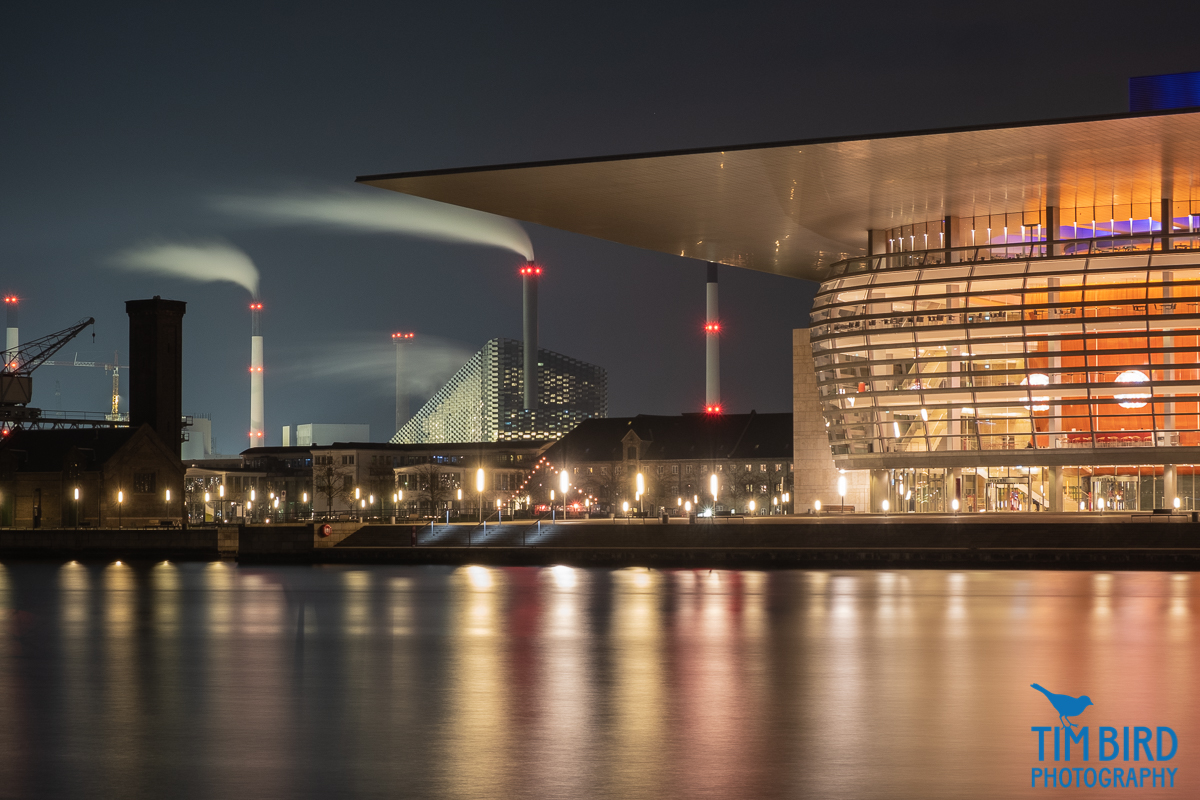
helsinki-3514

The Opera house in Copenhagen. They like food, they like bikes, they like football. A few of them seem to quite like me. A seriously likeable country.

So to South America and Peru. Why Peru? Because I’ve just been there. They are also rated as dark horses, or perhaps that should be dark llamas.

helsinki-4948

Resident minstrel in the Bodega Juanita in Lima, Peru. Football replays and live games are continuously shown on the TV in this bar.

France are among the favourites for this World Cup and they do have an unfair share of quite good players. As does Belgium. In fact, I might have a flutter on Belgium. So why no photo from Belgium? See the caption.
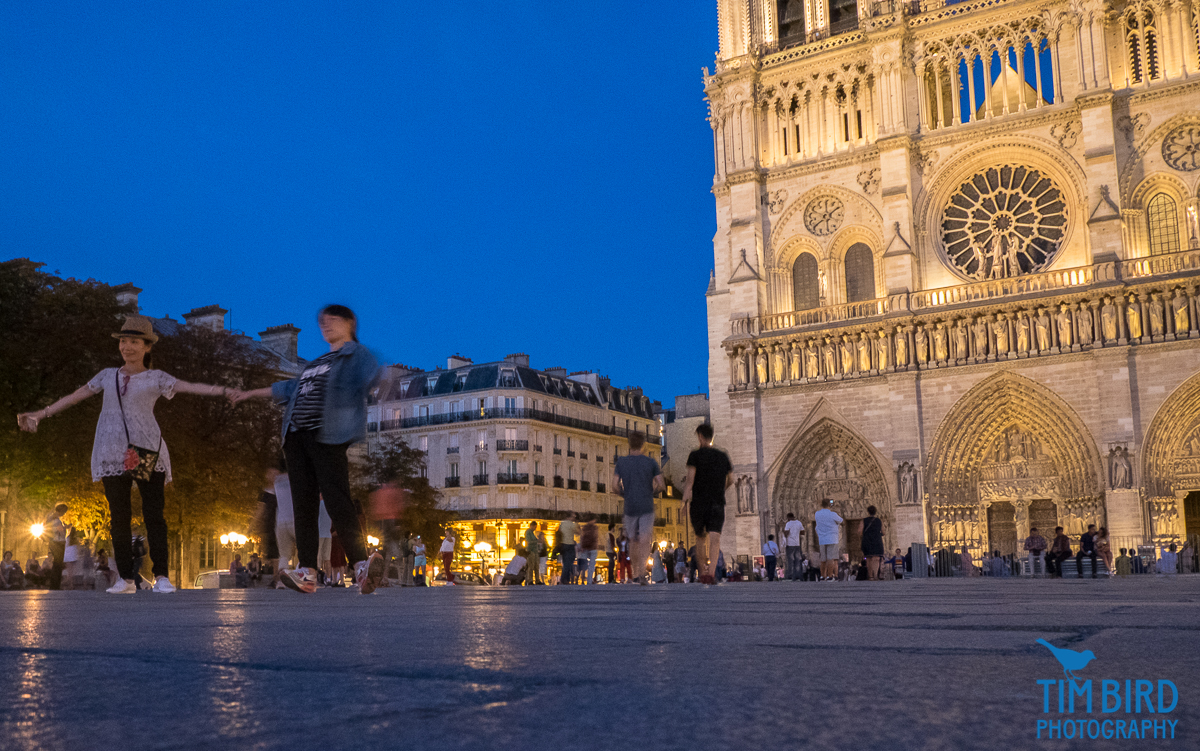
helsinki-6023

Notre Dame, Paris. Just because I don’t have any decent shots of Belgium.

I love the idea of plucky little Japan (with a mere population of 127 million) beating one of the supposed footballing giants in the final. Germany or Argentina, for example. It won’t happen of course, but it’s an entertaining thought.

helsinki-8016

Steamed bun food item in a Nagasaki street market. Will the Japanese diet carry them to World Cup glory? Probably not.

And last and not quite least, England, the land of my father. And my mother, who used to enjoy watching the World Cup. I was grateful for that, since the rest of my direct family didn’t really give a hoot about football. Although I think we all enjoyed it when England won the thing in the Year We Mustn’t Mention between 1965 and 1967, when I was captain of my house team at primary school. Another Tottenham player, Harry Kane, is the England captain and he’s actually pretty good. I’m not going to tempt fate by saying anything else. Just don’t mention the words “Iceland”, “Nice” or “June 27, 2016” and I’ll be fine.

helsinki-9252

England, my England, right or wrong, and quite often wrong. This is the pier at Deal, my home town, from which the coastline of France is visible on a clear day. So close and yet so far.
Share this:

  • Click to share on Facebook (Opens in new window) Facebook
  • Click to email a link to a friend (Opens in new window) Email
  • Click to share on LinkedIn (Opens in new window) LinkedIn
Like Loading...

The archery lottery in Meghalaya, India

30 Friday Mar 2018

Posted by Tim Bird in Uncategorized

≈ Leave a comment

In the far northeastern corner of India, they seek their fortune using an unusual method: via Six images: On target for a lucky break

Share this:

  • Click to share on Facebook (Opens in new window) Facebook
  • Click to email a link to a friend (Opens in new window) Email
  • Click to share on LinkedIn (Opens in new window) LinkedIn
Like Loading...

Six images: On target for a lucky break

30 Friday Mar 2018

Posted by Tim Bird in India, Travel, travel photography

≈ 2 Comments

Tags

archery, betting, fortune, gambling, India, lottery, Meghalaya, Shillong

Every now and then I’m tempted to waste anything from 5 to 10 euros on the instant lottery tickets sold at the check-out in the supermarket. I gave up choosing my own numbers ages ago. The street number of my house, my birthday, my mum’s birthday, the date of that particular day – none of these made any difference. I never win more than two or three euros, which I can’t usually be bothered to collect. It’s my belief that a lotto-cop watches me at the check-out using some hidden close-circuit camera and presses a button to prevent me winning more than a pittance. “Here comes Bird, press the win-exempt button.” So I reckon a random choice made by a computer gives me as a good a chance as any of achieving instant riches – that is, practically none at all.

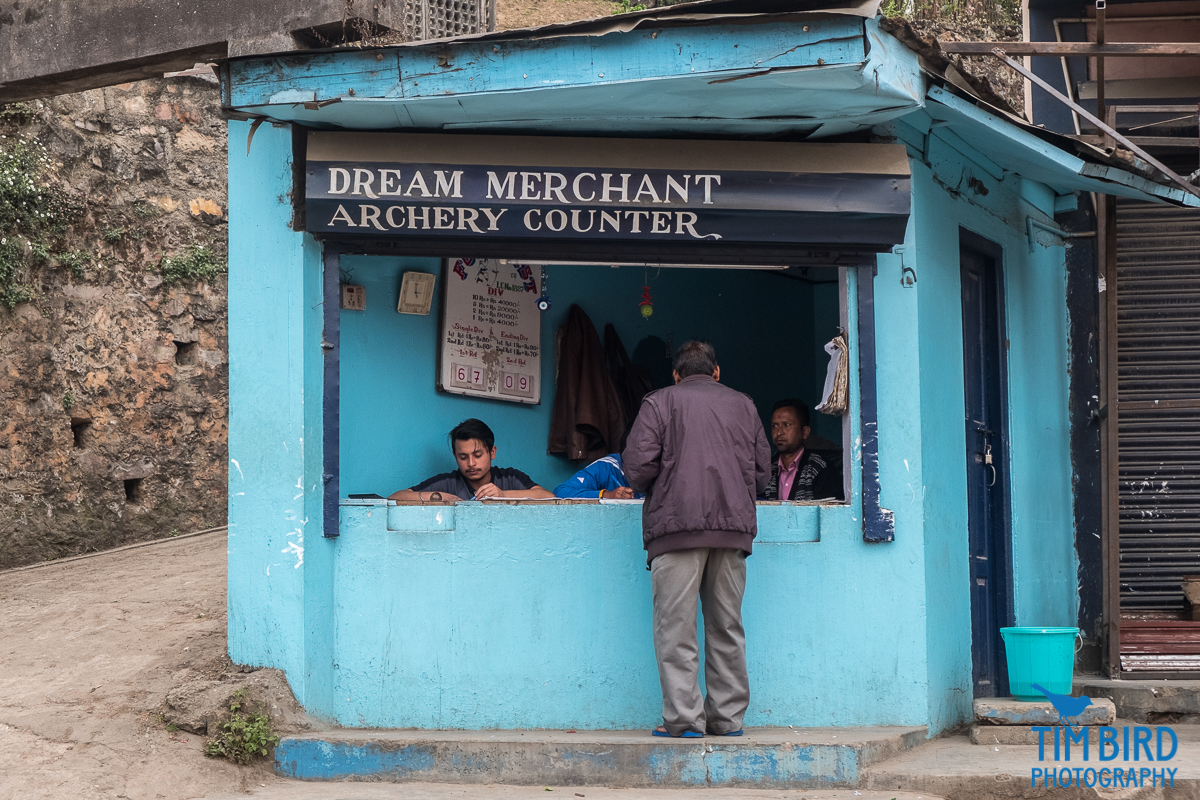
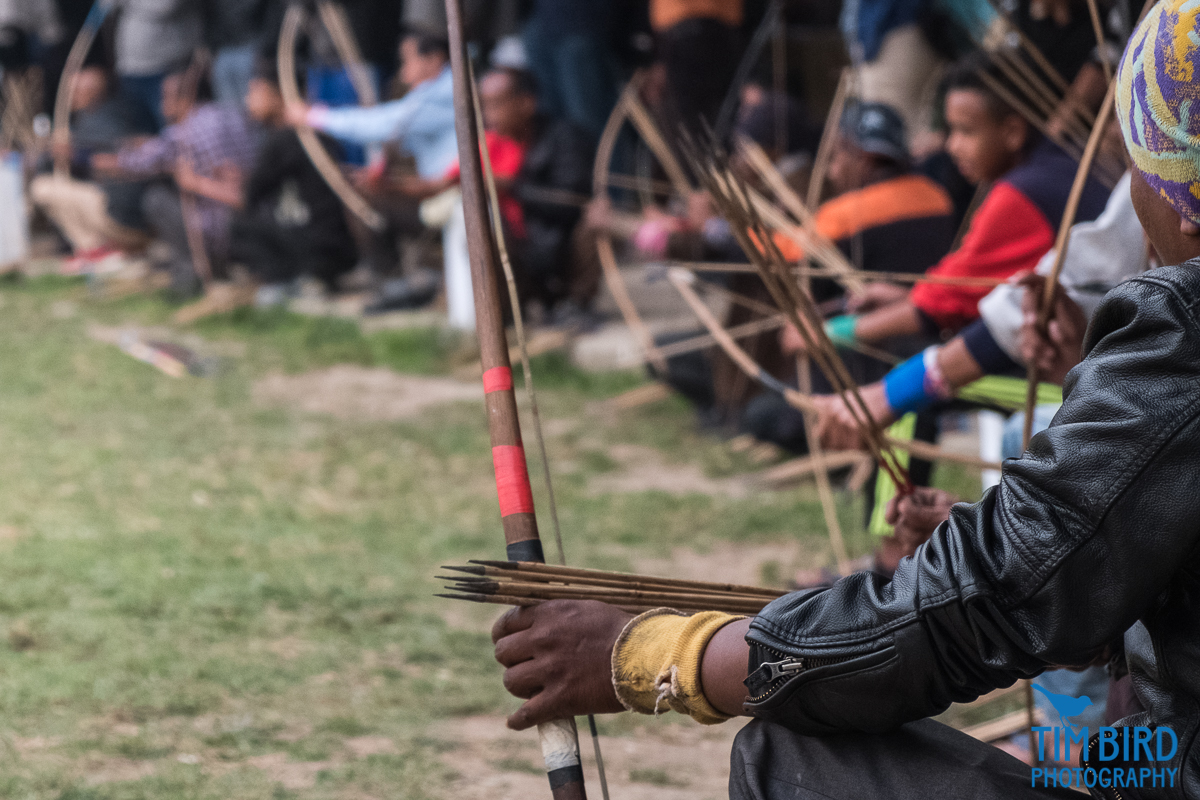
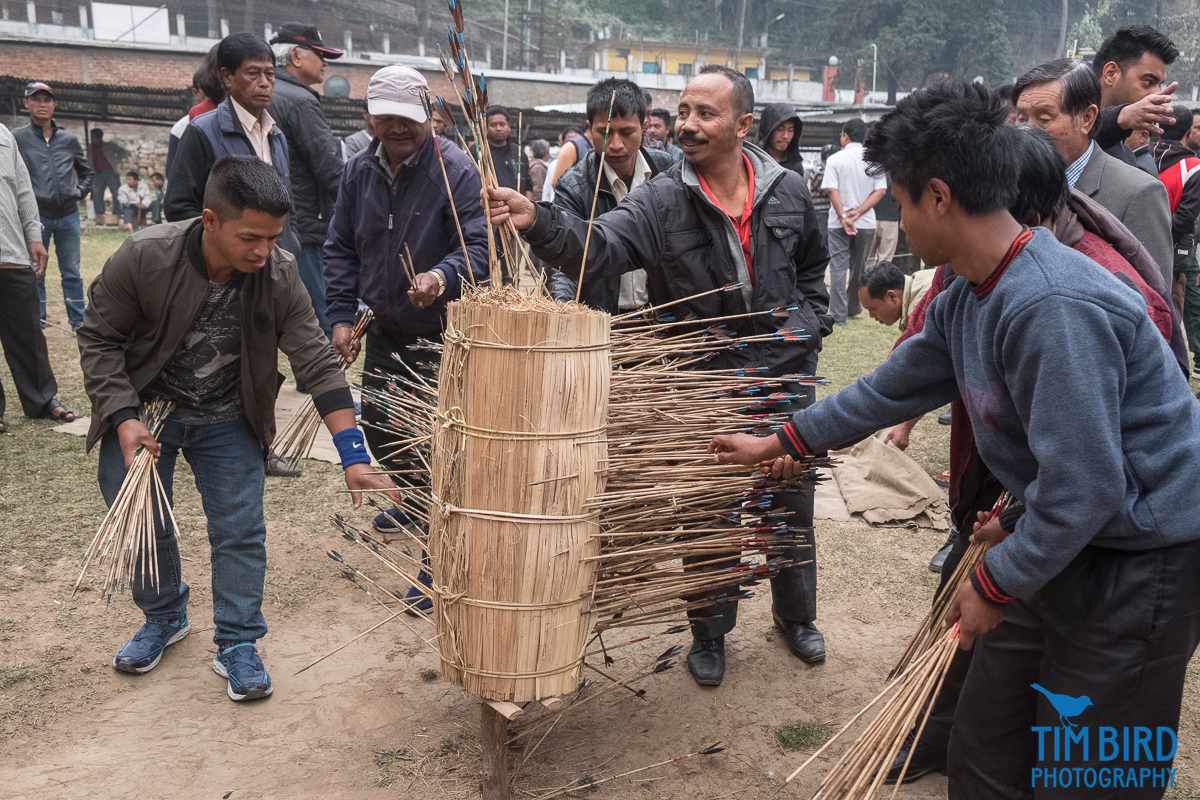
I have just been to one of India’s less well-known and more remote states, Meghalaya in the country’s far north-east, where I encountered a much more original and exciting potential route to a quick fortune.  The archery lottery is decided on the number of arrows that hit a target aimed at by archers from  local clubs, who are paid a fee and stand to earn extra cash prizes depending on how many times they hit the target, which is a bundle of hay situated about 12 metres from the archers.

meg-7837

Place your bets, dream on.

The contests are held at the back of the Polo stadium in the centre of Shillong, the state capital, but you come across betting shops everywhere. You have to collect your winnings, if you get any, from the same shop at which you placed the bet. Bets are also placed online, and not just from India.

meg-7839

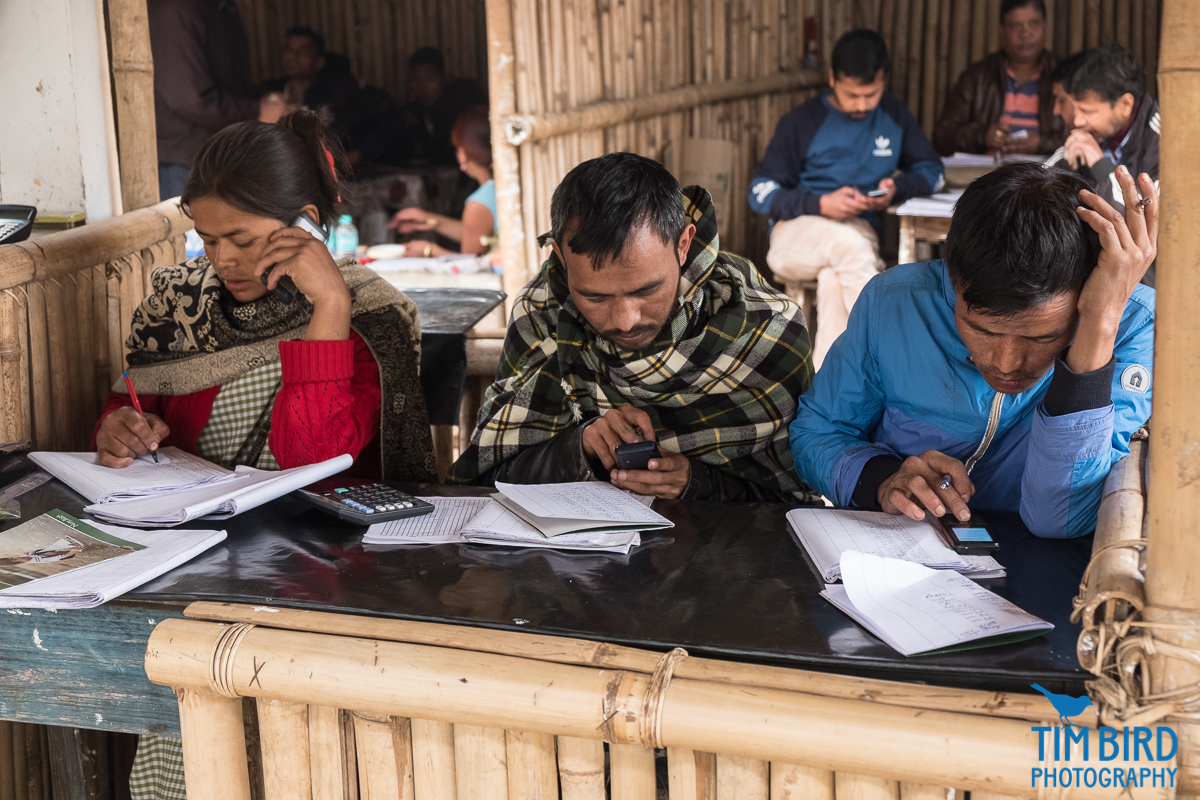
Bookmakers take bets from far and wide.

The winning numbers are arrived at by taking away the first digit of the total number of arrows that hit the target. So if 978 arrows hit the target, the winning number is 78. There are two rounds of arrow-shooting at each daily session, each producing separate results that yield a return of 8/1 – so for a 100-rupee (€1.2) bet, the winning sum would be 800 rupees (€10). If you bet successfully on the combined result of both rounds, your winning prize would be 4000/1. So a modest bet of 100 rupees would reward you with a prize of 400,000 rupees, or about €5,000, if you guessed the result of both rounds correctly.

That kind of money goes a long way in India and it’s no wonder the punters, the vast majority of which are male, look so apprehensive after the arrows are all fired and the count begins. I bet 100 rupees on two numbers for the first round only – number 9 (my house number – how predictable) and number 87 (I can’t remember why). Needless to say, I didn’t win anything.


meg-7853

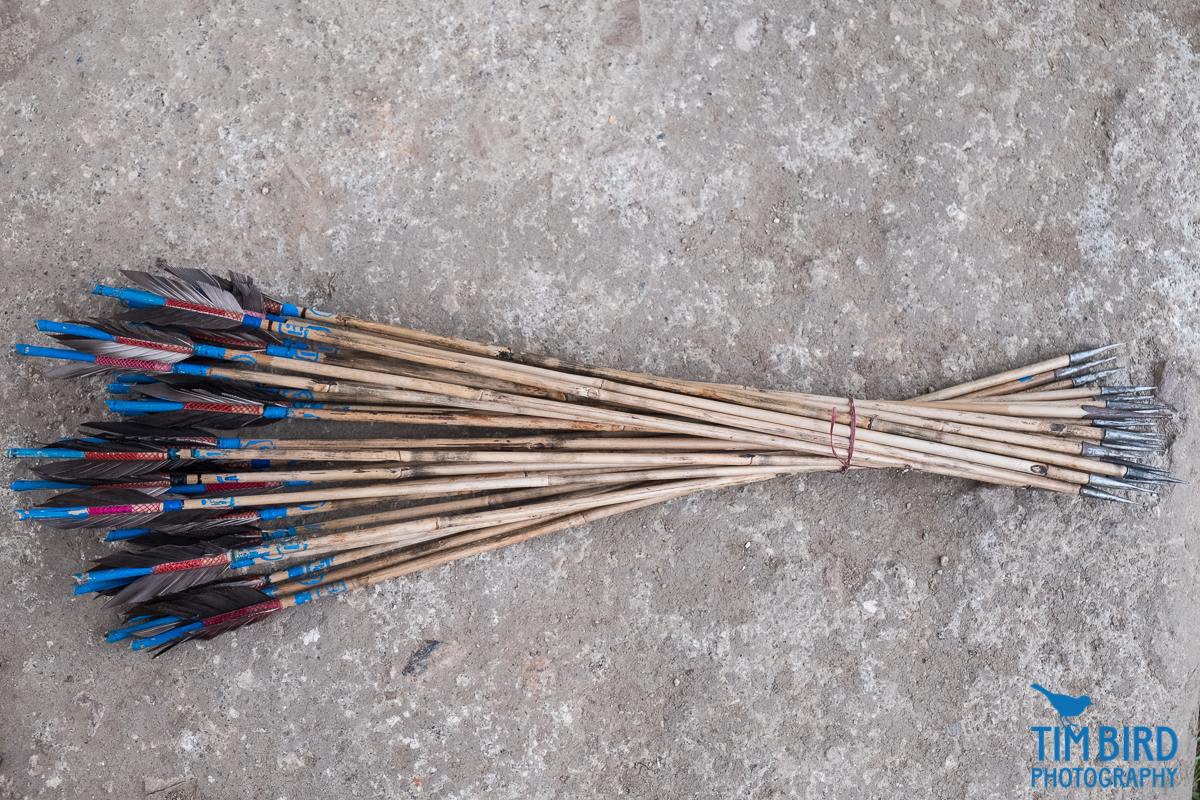
Arrows are colour-coded for each archer and are a regulation length.

meg-7891

The archers sit in an arc facing a single target.

meg-7943

Arrows are extracted from the target and counted immediately after each round.

meg-7983

Anxious faces await the results of the first round.

It makes for a much more interesting spectacle than watching numbers being drawn or balls being spun on Saturday night. Health and safety regulations would probably prevent it being launched in any European country, for fear of some aggrieved archer turning his arrows on the spectators. So it’s back to the supermarket for my instant ticket this week. Wish me luck.

Share this:

  • Click to share on Facebook (Opens in new window) Facebook
  • Click to email a link to a friend (Opens in new window) Email
  • Click to share on LinkedIn (Opens in new window) LinkedIn
Like Loading...

The days are getting lighter. I’m not.
30 Saturday Dec 2017

Posted by Tim Bird in Uncategorized

≈ 2 Comments

New Year’s Eve – I’ve never been a fan. If there was a bigger gap between Christmas and January 1 I might feel more like celebrating. It might be something to do with self-employment. After a week of eating and drinking too much of all the stuff I shouldn’t be eating too much of, feeling the spare chins multiply and the belt tighten with each slab of chocolate, I’m ready to get back to work. Or more specifically, get back to sending out invoices. But there is no escaping it. It must be faced up to. New Year’s Eve has arrived again. The fireworks are nice though. I do like a good firework. And there is the consolation that every day is getting a little longer and lighter, unlike myself in both respects.

I suppose I should be taking stock of the passing year’s ups and downs, but I find myself looking forward to all the stuff I want to do in 2018. Books to write, trips to take, new friends to make, unanticipated encounters. I can get excited about all that, whatever the date. Just the same, it’s as good a time as any to brag about the adventures I’ve had in 2017. I’ve been to India (twice), to Finnish Lapland (several times), on a working icebreaker in the Baltic, to Japan, to a remote Baltic island with my best friends, all over Europe from Switzerland to Denmark and from Amsterdam to Italy. I have had a book published and held an exhibition of my photographs. Not too bad then.

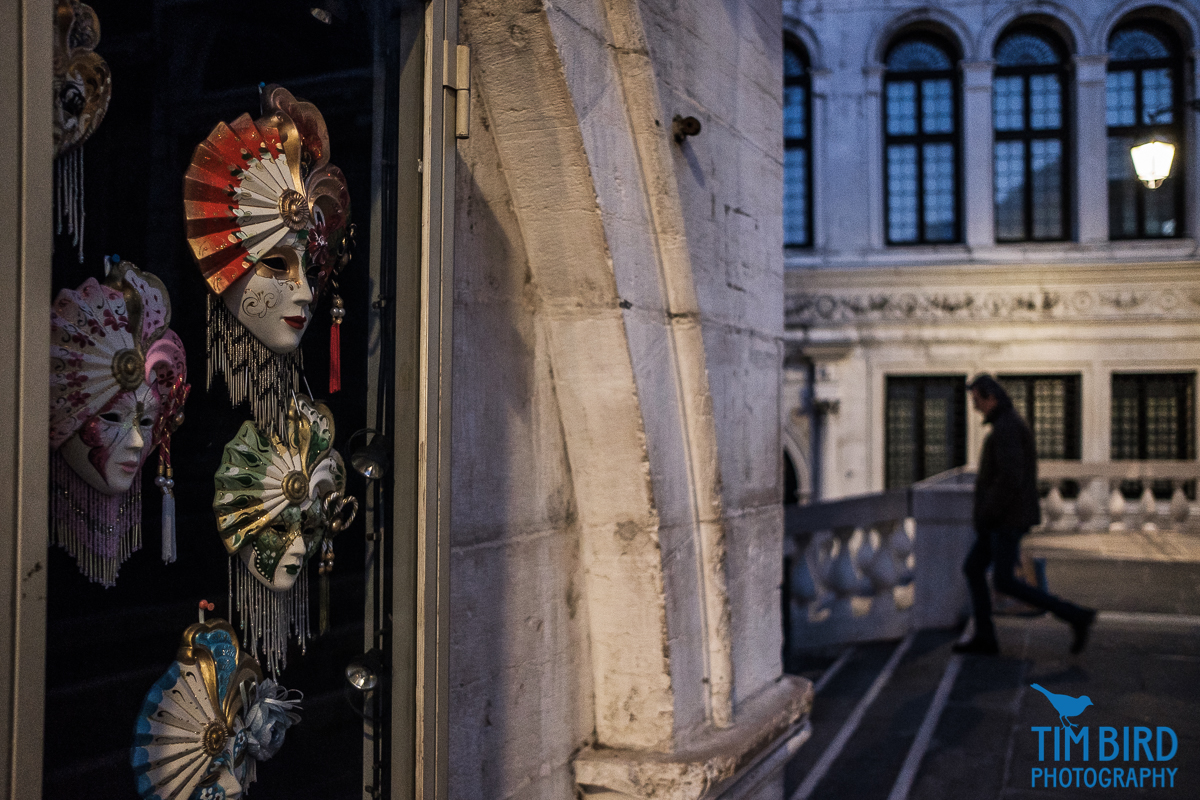
I just spent Christmas in Venice, a wonderful time to be there. The main tourist spots, such as St Mark’s Square and the Rialto Bridge, were busy, but it was easy to lose the crowds in the deserted back streets and canals. It’s always a challenge to see a place from an original or fresh viewpoint, but it’s a bigger challenge in a place like Venice where the beauty and attractions are so obvious. So I was up early and went out late at night to get some different perspectives. I hope.

While I contemplate the extreme measures needed to shed those superfluous kilos, here’s a quick tour – six views of this extraordinary city.

veniceme1-1407

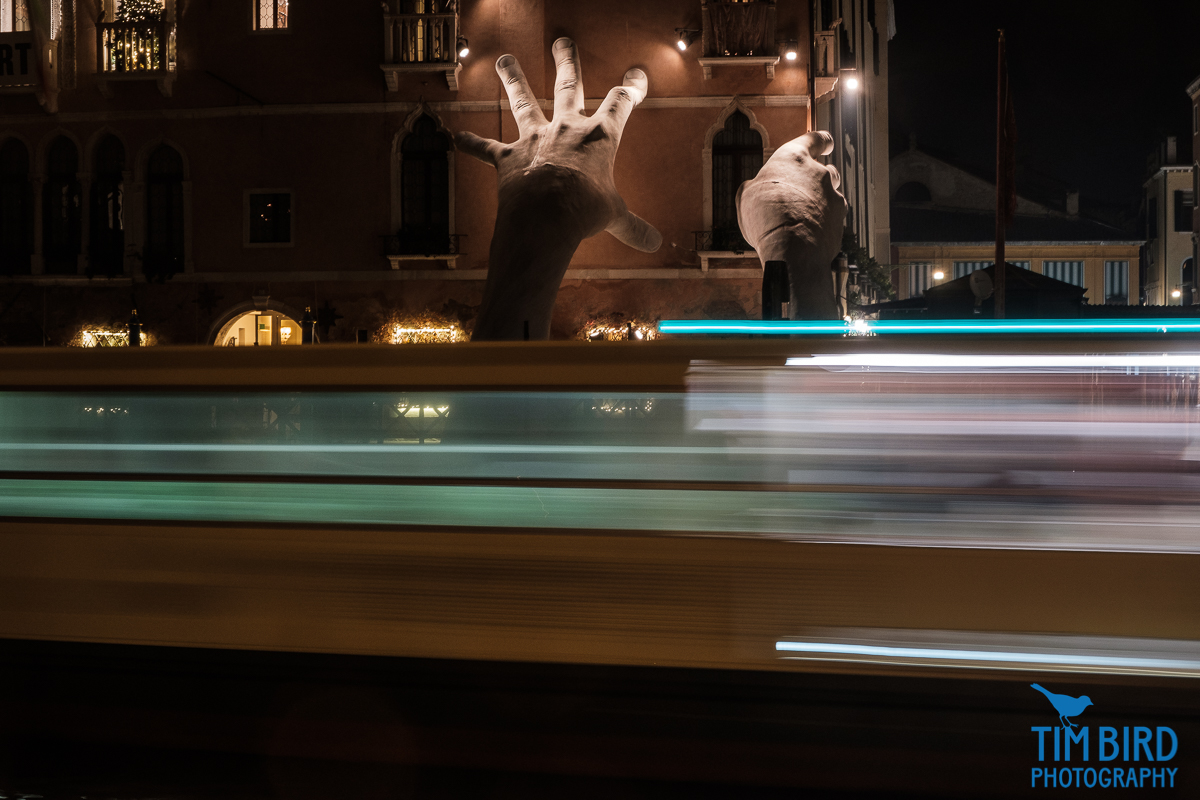
Giant hands rise out of the Grand Canal. A sculpture symbolizing global warming, by Lorenzo Quinn. Considering all the environmental pressures that Venice endures, it’s a miracle that it’s still in such condition.

veniceme1-1463

Stallholder at the Rialto fish market in a crabby mood.

veniceme1-1495

Early morning on the Rialto bridge on the Grand Canal. Silent witnesses.

veniceme1-1623

Checking his likes on Facebook?

veniceme1-1860

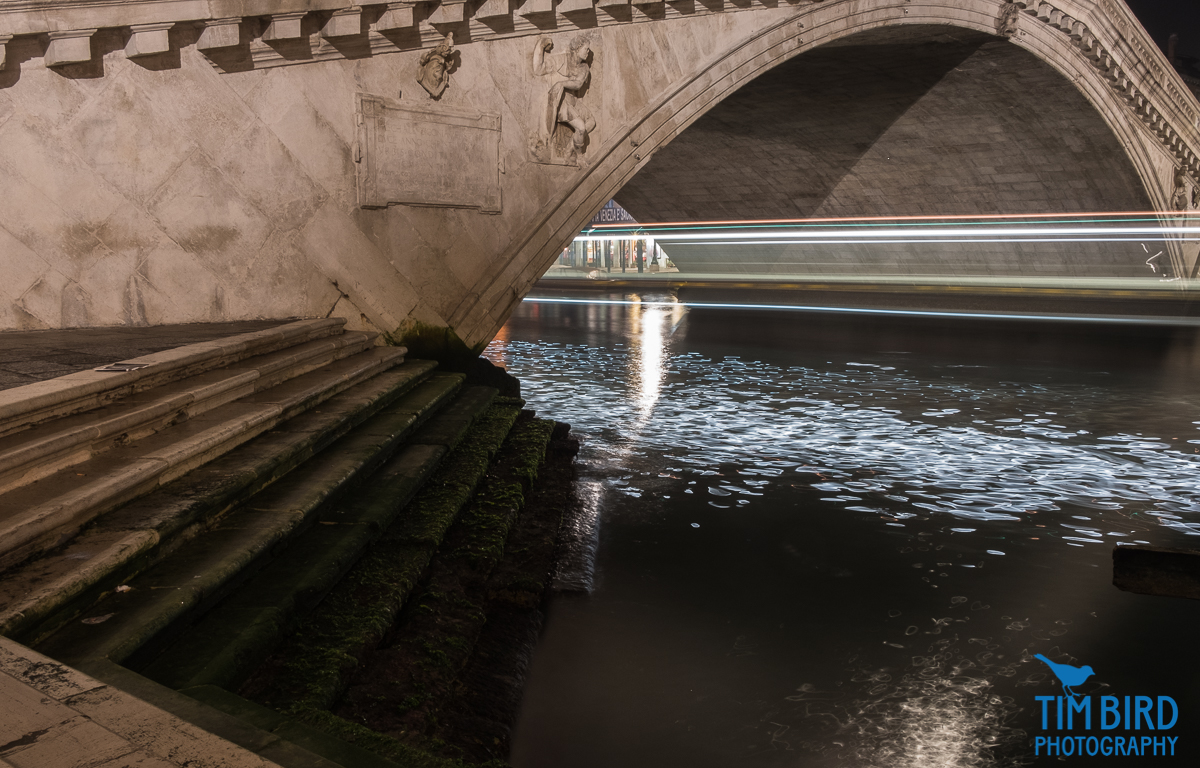
A Vaporetto – ‘ little steamer’ – water bus passes under the Rialto bridge on the Grand Canal. Imagine: this city was built on thousands of wooden posts planted in the bed of the lagoon. I still can’t get my head round that. As long as they remain submerged they don’t erode or rot.

veniceme1-2049

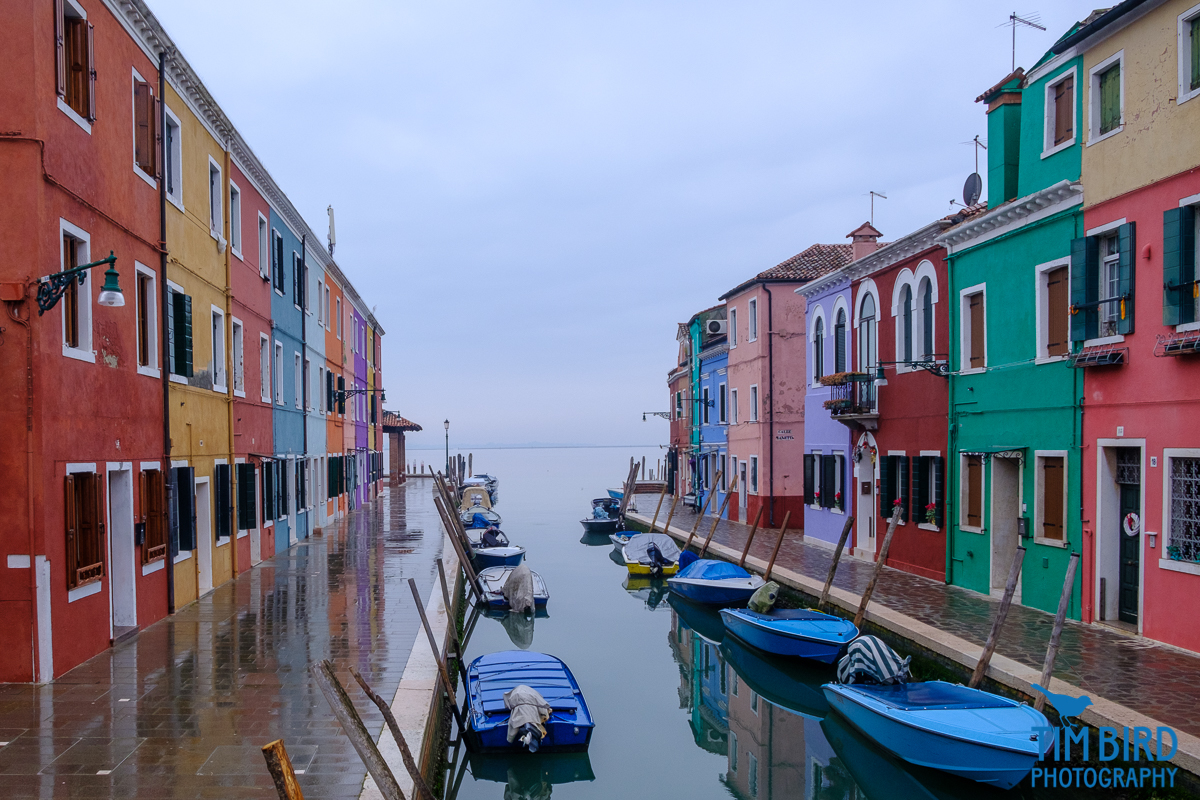
The brightly painted houses of Burano, an island that takes a 45 minute ferry ride to reach across the lagoon from Venice. The houses follow a strict colour scheme, and bright colours have been traditionally used, they say, so that they would be visible even in the thickest fog.

IMG_3254

IMG_3254

Lastly, a nod to the wonderful Trattoria Corte Sconta where we enjoyed a brilliant Christmas Day lunch. Highly recommended, but book in advance. This fellow, dressed in festive finery, was having an especially fun time.

Happy New Year!

Share this:

  • Click to share on Facebook (Opens in new window) Facebook
  • Click to email a link to a friend (Opens in new window) Email
  • Click to share on LinkedIn (Opens in new window) LinkedIn
Like Loading...
← Older posts

Recent Posts

  • Hazy Crazy Days of Lathmar Holi
  • 2024: celebrating a year of brilliant auroras
  • Grosseto and the Maremma Regional Natural Park in southern Tuscany
  • Kreenholm – a post-industrial, captivating wilderness
  • International Women’s Day: Women of India

Recent Comments

Tim Bird's avatarTim Bird on Six Picks: Finalists and …
Arnold Greg's avatarArnold Greg on Six Picks: Finalists and …
Tim Bird's avatarTim Bird on Six images: Outcastes revisite…
Roaming Rhonda's avatarRoaming Rhonda on Six images: Outcastes revisite…
Tim Bird's avatarTim Bird on Six picks: Easter at York…

Archives

  • March 2025
  • December 2024
  • October 2024
  • January 2024
  • March 2019
  • September 2018
  • June 2018
  • March 2018
  • December 2017
  • November 2017
  • October 2017
  • September 2017
  • June 2017
  • April 2017
  • January 2017
  • December 2016
  • November 2016
  • October 2016
  • January 2016
  • November 2015
  • October 2015
  • August 2015
  • July 2015
  • June 2015
  • May 2015
  • April 2015
  • March 2015
  • February 2015
  • January 2015
  • December 2014
  • November 2014
  • October 2014
  • September 2014
  • August 2014
  • July 2014
  • June 2014
  • May 2014
  • April 2014

Categories

  • addiction
  • Amritsar
  • architecture
  • Arctic travel
  • art
  • Assam
  • aurora borealis
  • books
  • bookshops
  • bucket-list
  • celebration
  • Central America
  • China
  • Christmas
  • Costa Rica
  • culture
  • culture shock
  • Estonia
  • festival
  • FIFA World Cup
  • Finland
  • football
  • France
  • geology
  • Golden Triangle
  • Guilin
  • helsinki
  • hotels
  • Independence
  • India
  • Juhannus
  • lapland
  • Mexico
  • Midsummer
  • mountains
  • music
  • namibia
  • nature
  • northern lights
  • Odisha
  • Paris
  • photo tours
  • photography
  • Punjab
  • religion
  • rural India
  • social media
  • Solstice
  • spirituality
  • summer
  • sustainable development
  • Switzerland
  • tourism
  • Travel
  • travel photography
  • Uncategorized
  • wildlife
  • wildlife
  • winter
  • Yangshuo

Meta

  • Create account
  • Log in
  • Entries feed
  • Comments feed
  • WordPress.com

Recent Posts

  • Hazy Crazy Days of Lathmar Holi
  • 2024: celebrating a year of brilliant auroras
  • Grosseto and the Maremma Regional Natural Park in southern Tuscany
  • Kreenholm – a post-industrial, captivating wilderness
  • International Women’s Day: Women of India

Recent Comments

Tim Bird's avatarTim Bird on Six Picks: Finalists and …
Arnold Greg's avatarArnold Greg on Six Picks: Finalists and …
Tim Bird's avatarTim Bird on Six images: Outcastes revisite…
Roaming Rhonda's avatarRoaming Rhonda on Six images: Outcastes revisite…
Tim Bird's avatarTim Bird on Six picks: Easter at York…

Archives

  • March 2025
  • December 2024
  • October 2024
  • January 2024
  • March 2019
  • September 2018
  • June 2018
  • March 2018
  • December 2017
  • November 2017
  • October 2017
  • September 2017
  • June 2017
  • April 2017
  • January 2017
  • December 2016
  • November 2016
  • October 2016
  • January 2016
  • November 2015
  • October 2015
  • August 2015
  • July 2015
  • June 2015
  • May 2015
  • April 2015
  • March 2015
  • February 2015
  • January 2015
  • December 2014
  • November 2014
  • October 2014
  • September 2014
  • August 2014
  • July 2014
  • June 2014
  • May 2014
  • April 2014

Categories

  • addiction
  • Amritsar
  • architecture
  • Arctic travel
  • art
  • Assam
  • aurora borealis
  • books
  • bookshops
  • bucket-list
  • celebration
  • Central America
  • China
  • Christmas
  • Costa Rica
  • culture
  • culture shock
  • Estonia
  • festival
  • FIFA World Cup
  • Finland
  • football
  • France
  • geology
  • Golden Triangle
  • Guilin
  • helsinki
  • hotels
  • Independence
  • India
  • Juhannus
  • lapland
  • Mexico
  • Midsummer
  • mountains
  • music
  • namibia
  • nature
  • northern lights
  • Odisha
  • Paris
  • photo tours
  • photography
  • Punjab
  • religion
  • rural India
  • social media
  • Solstice
  • spirituality
  • summer
  • sustainable development
  • Switzerland
  • tourism
  • Travel
  • travel photography
  • Uncategorized
  • wildlife
  • wildlife
  • winter
  • Yangshuo

Meta

  • Create account
  • Log in
  • Entries feed
  • Comments feed
  • WordPress.com

Blog at WordPress.com.

Privacy & Cookies: This site uses cookies. By continuing to use this website, you agree to their use.
To find out more, including how to control cookies, see here: Cookie Policy
  • Subscribe Subscribed
    • Six Images (and then some)
    • Join 65 other subscribers
    • Already have a WordPress.com account? Log in now.
    • Six Images (and then some)
    • Subscribe Subscribed
    • Sign up
    • Log in
    • Report this content
    • View site in Reader
    • Manage subscriptions
    • Collapse this bar
 

Loading Comments...
 

    %d