• About – Tim Bird

Six Images (and then some)

~ Selections from Tim Bird's travel photography archives

Six Images (and then some)

Category Archives: travel photography

Hazy Crazy Days of Lathmar Holi

14 Friday Mar 2025

Posted by Tim Bird in festival, India, Travel, travel photography

≈ Leave a comment

Tags

asia, culture, event photography, festival, festivals, Holi, India, travel, travel photography

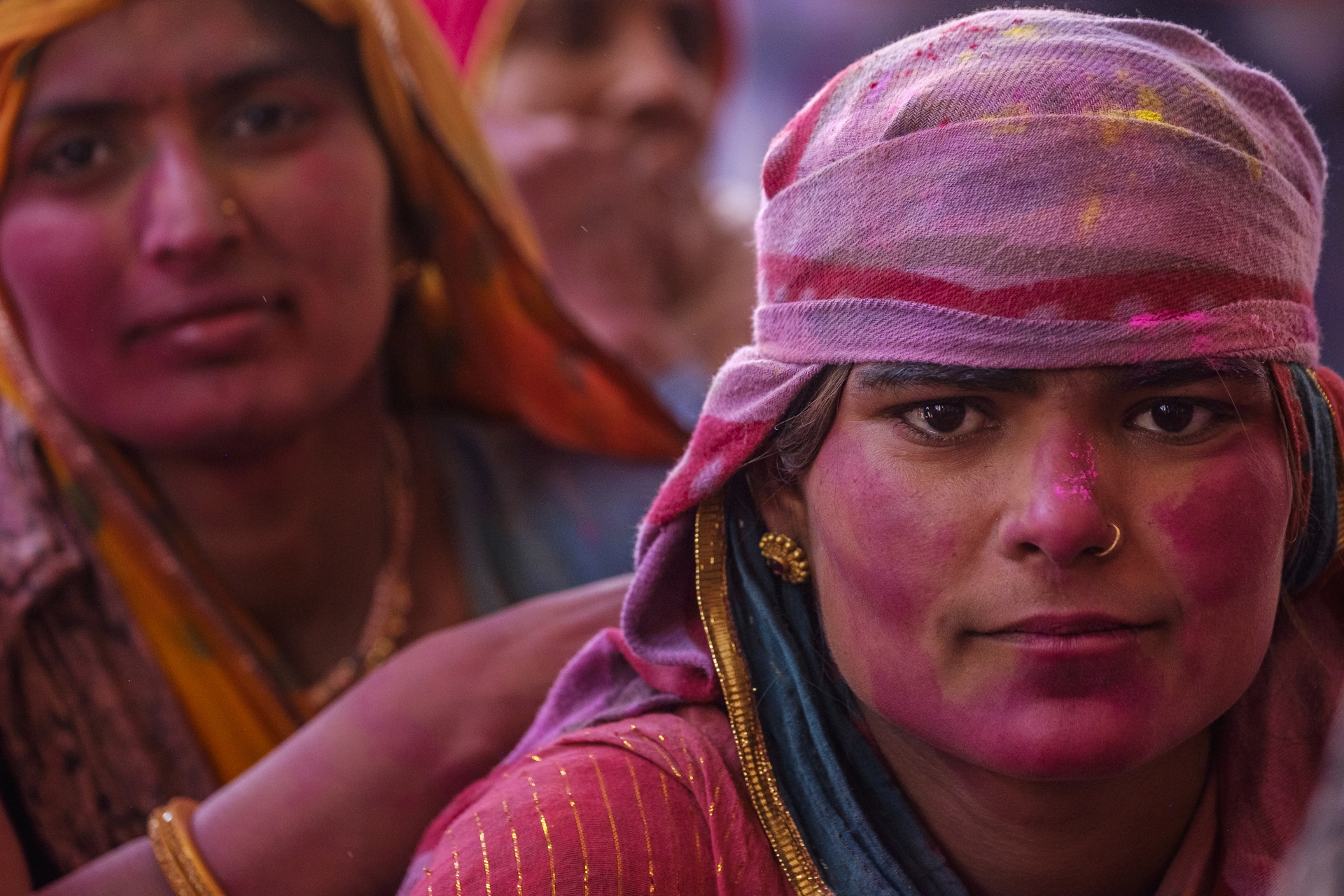
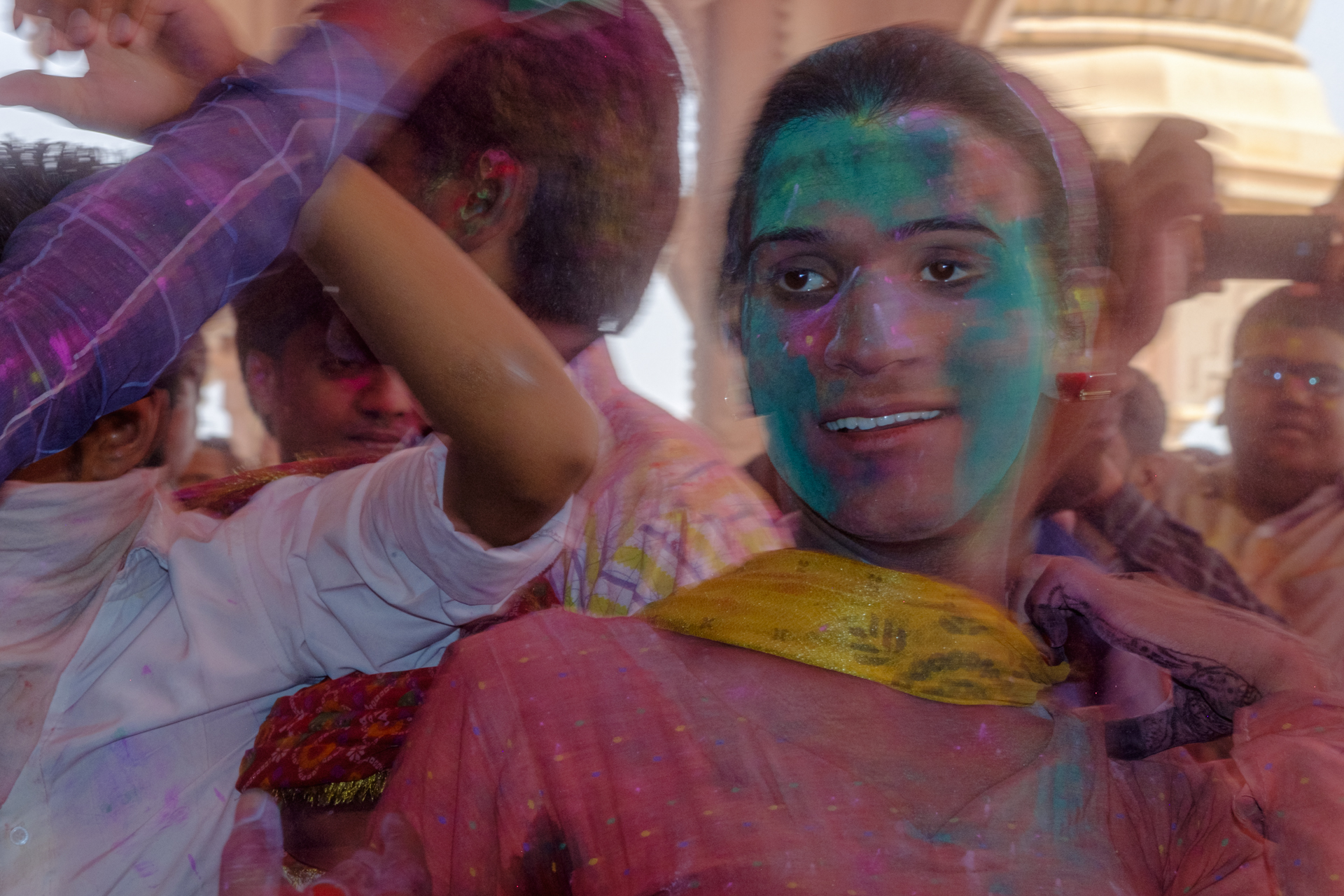
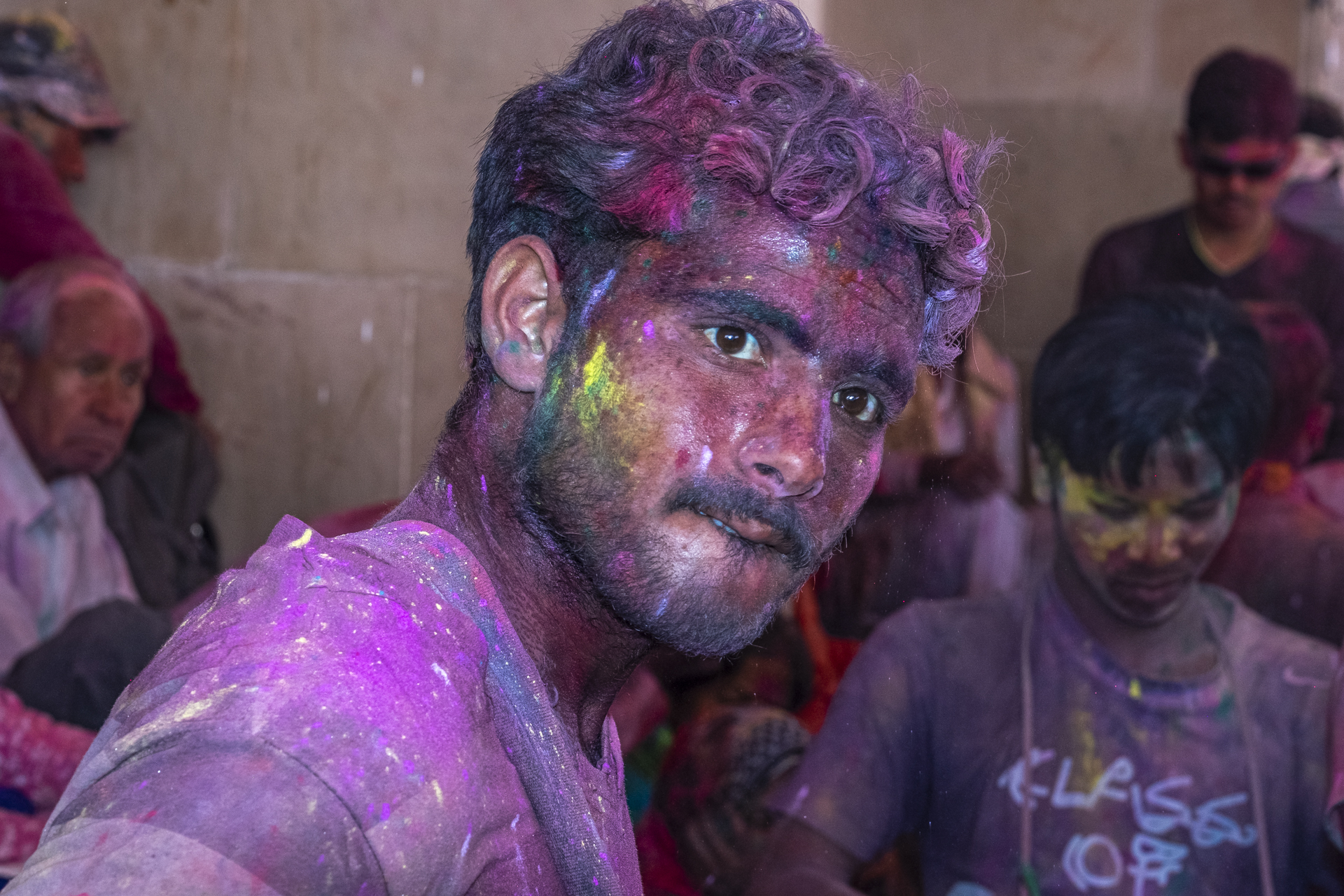
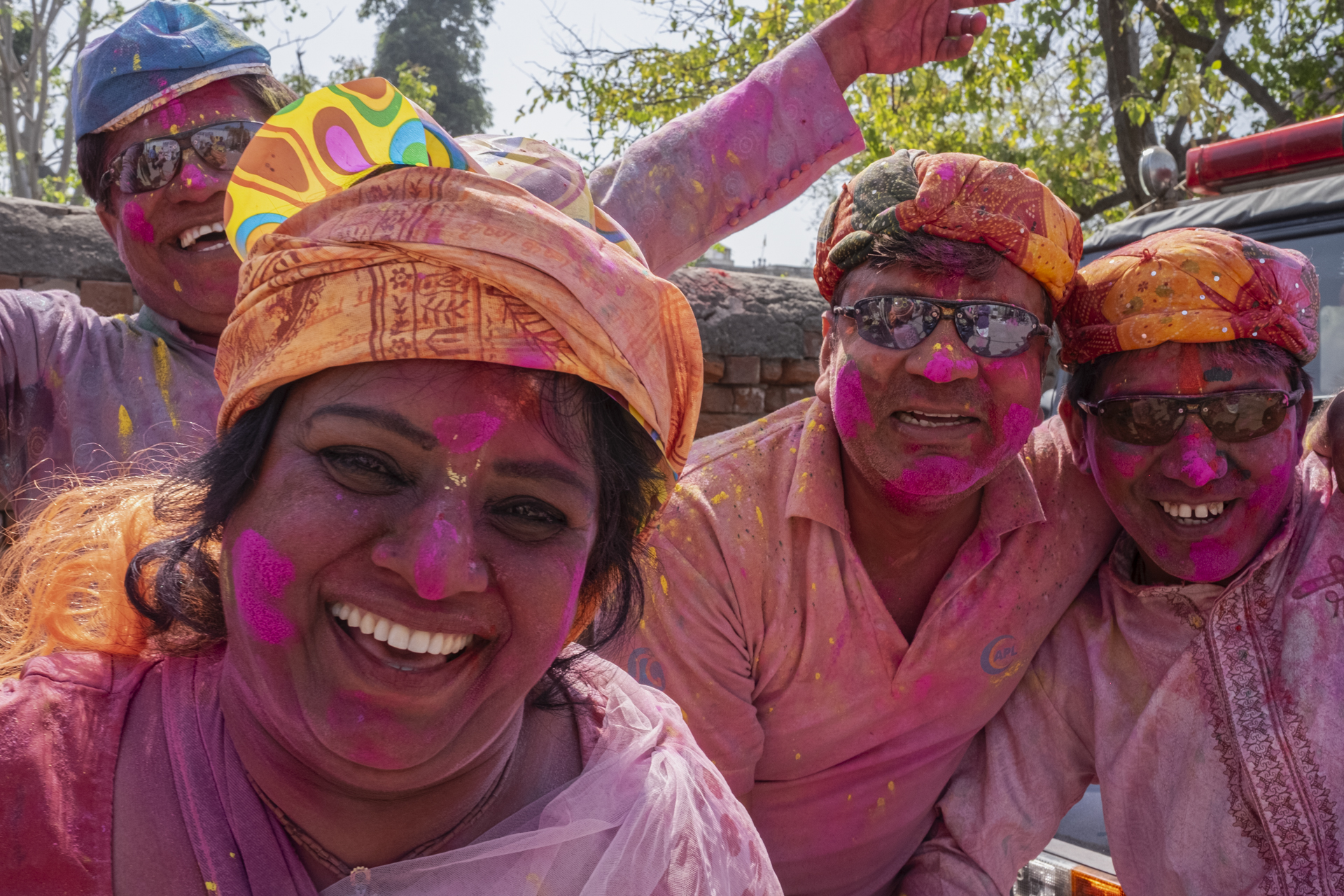
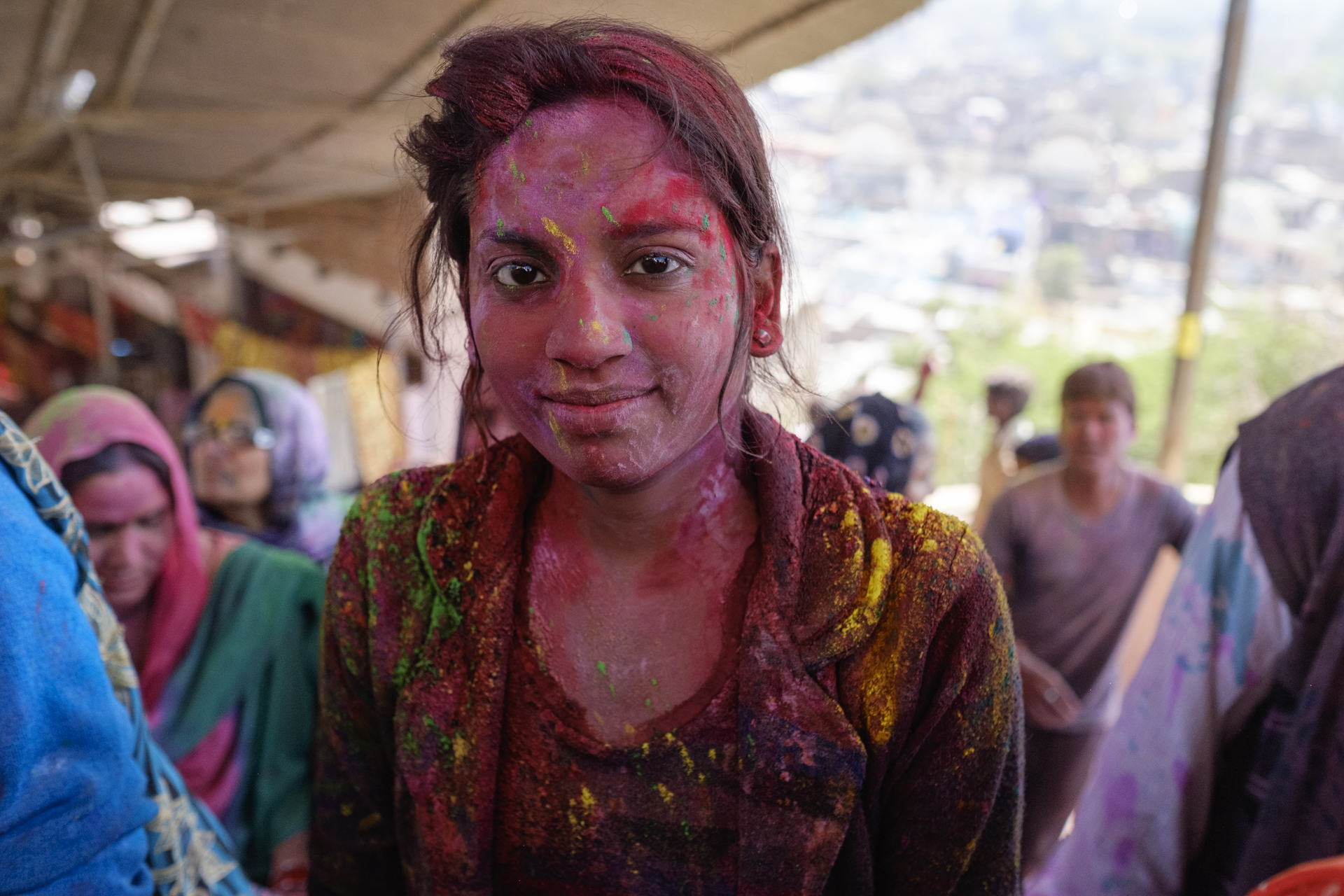
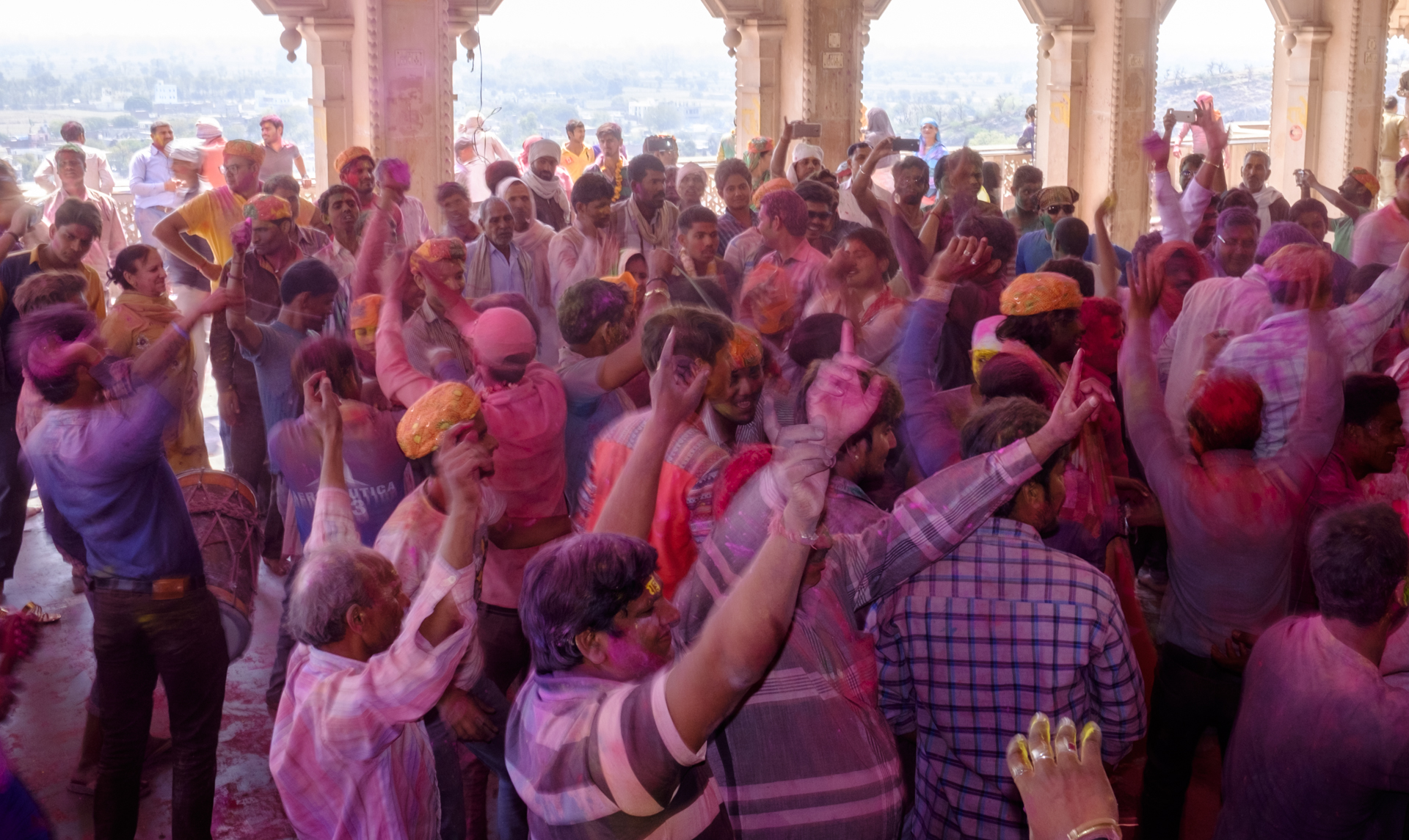
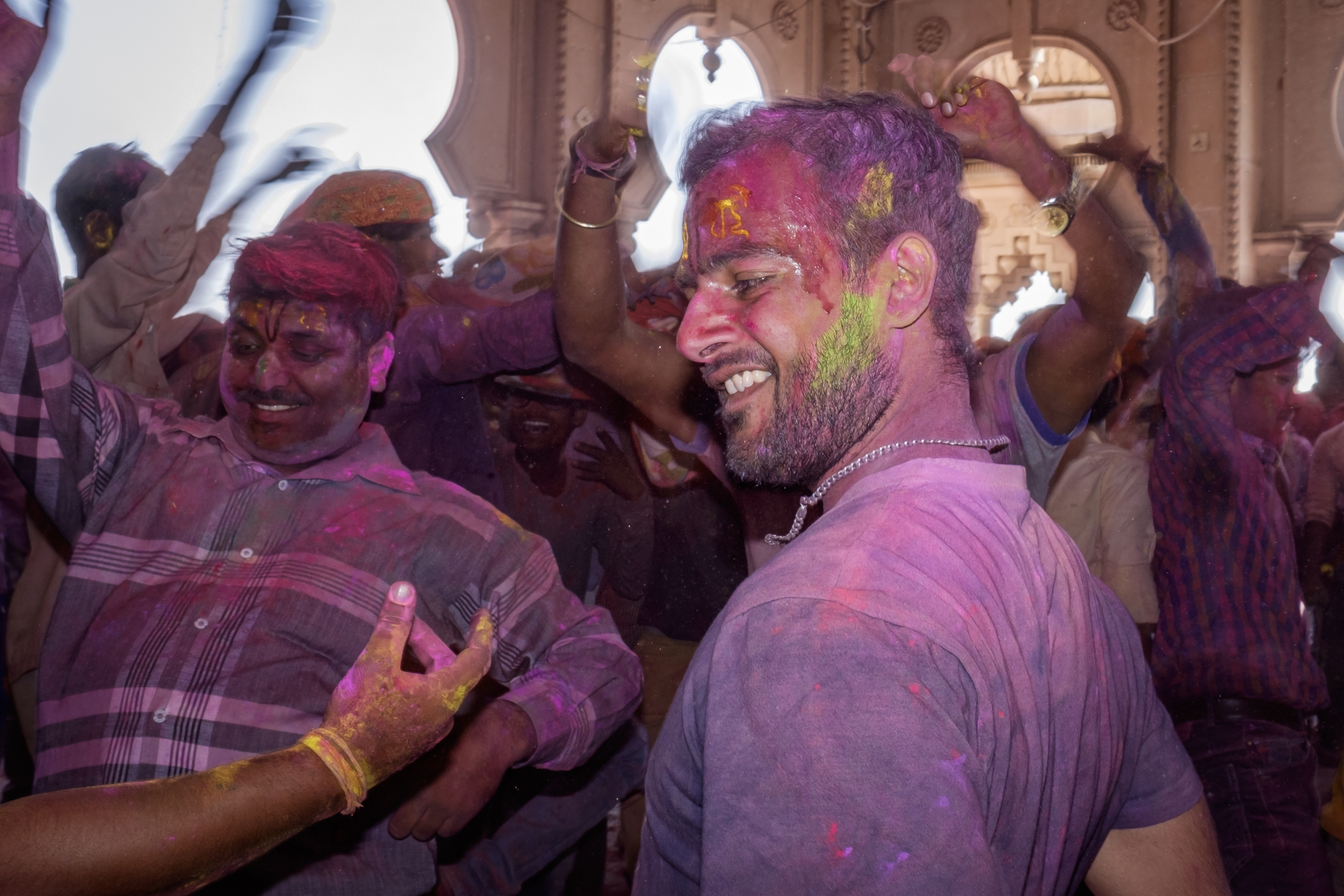
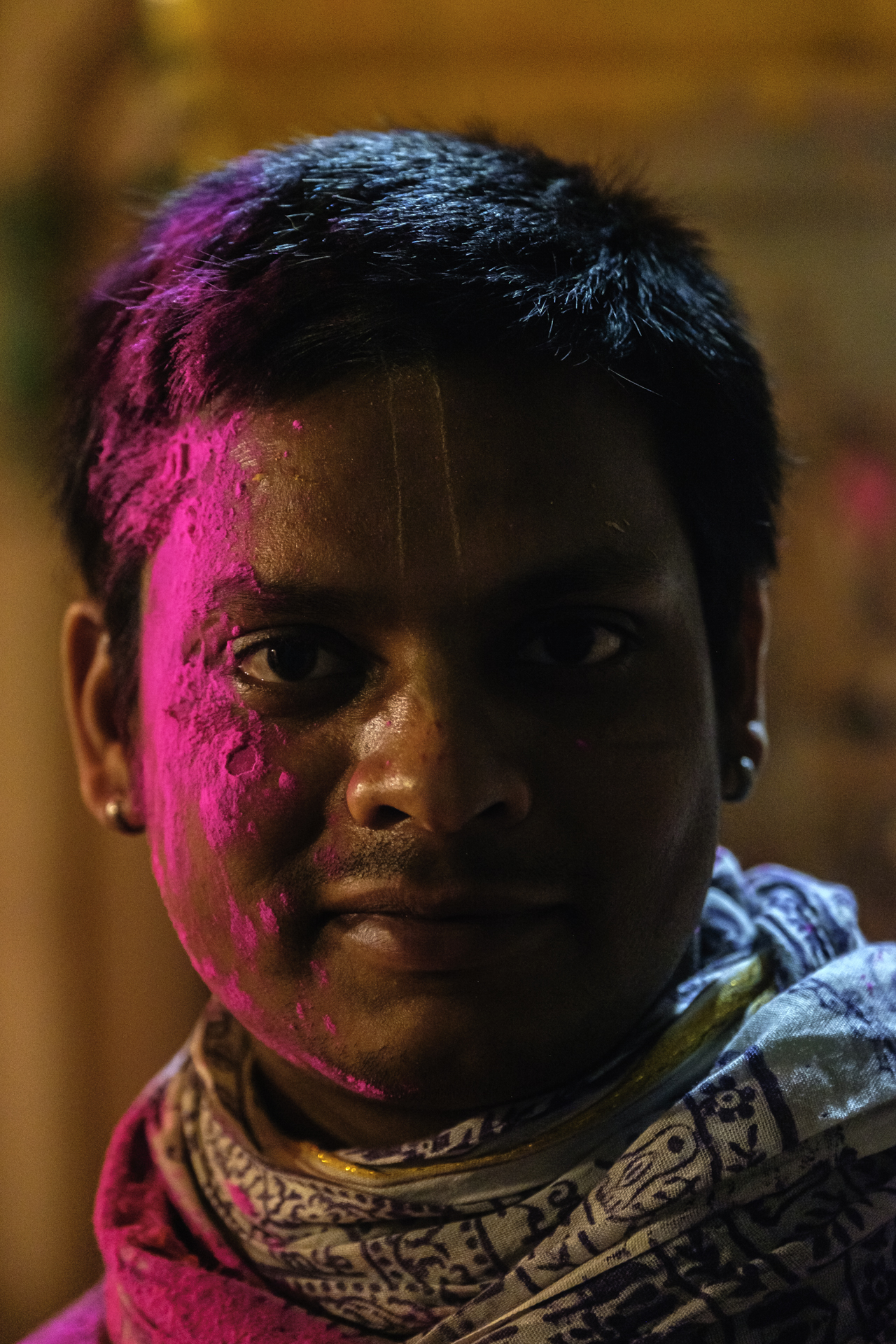
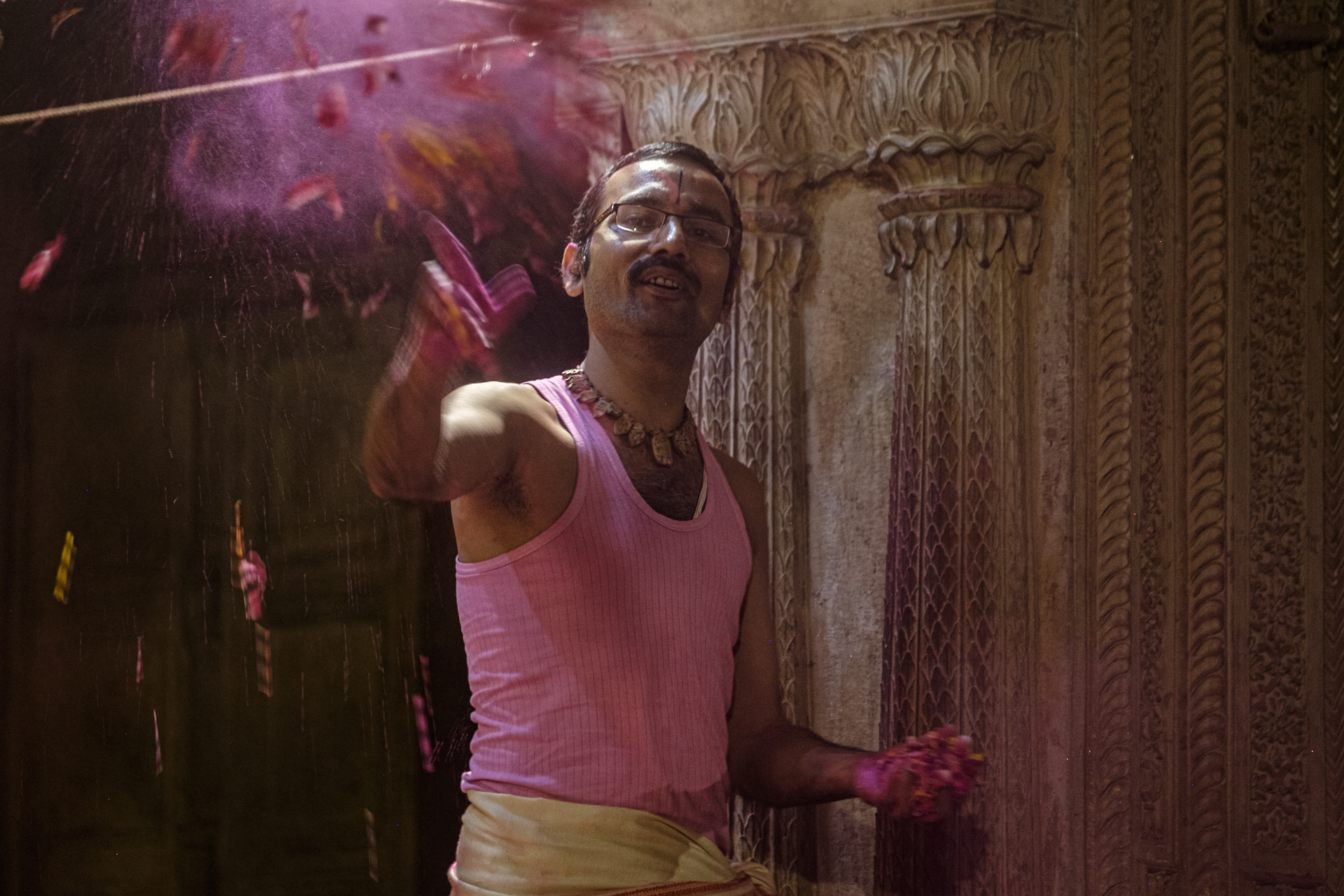
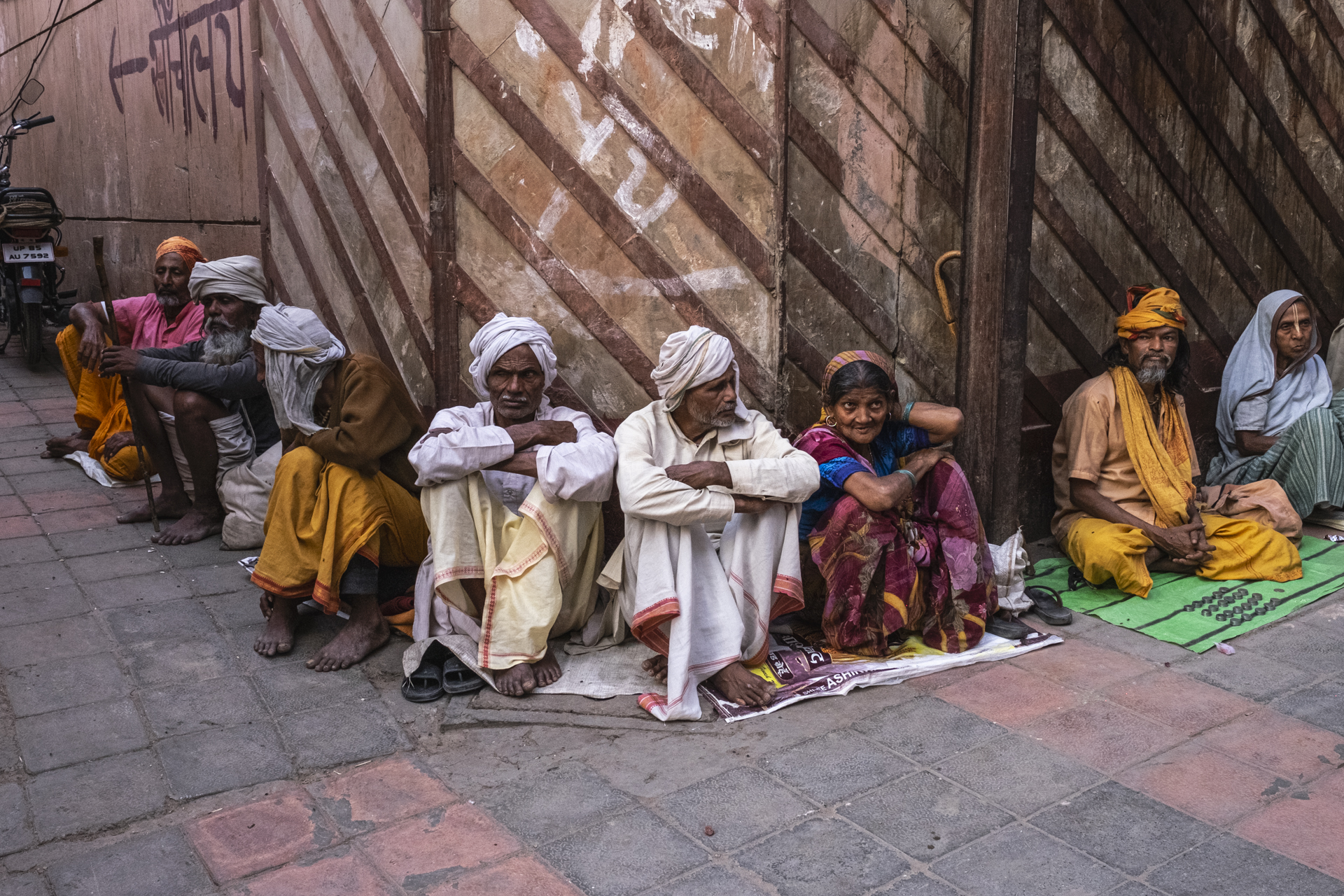
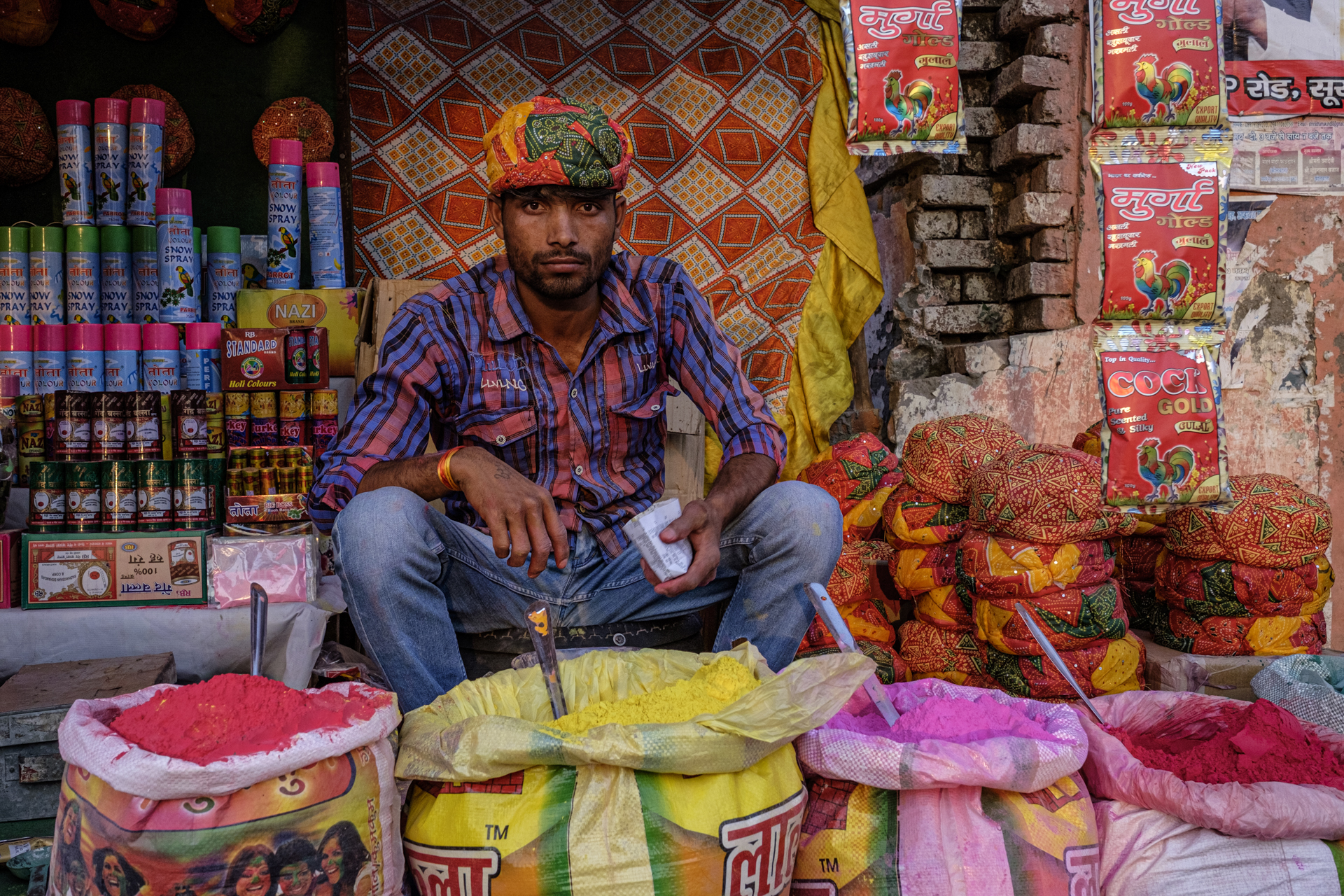
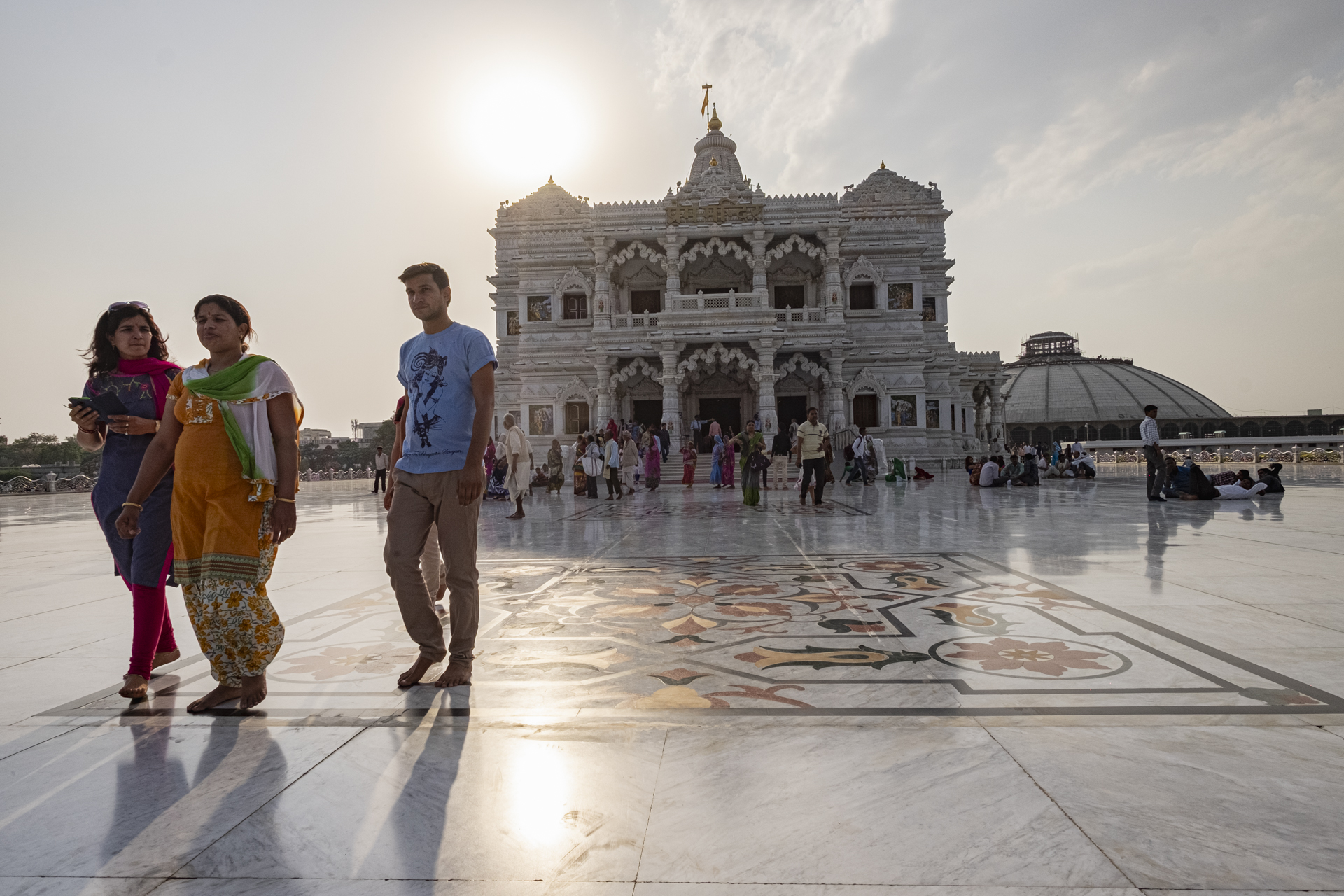
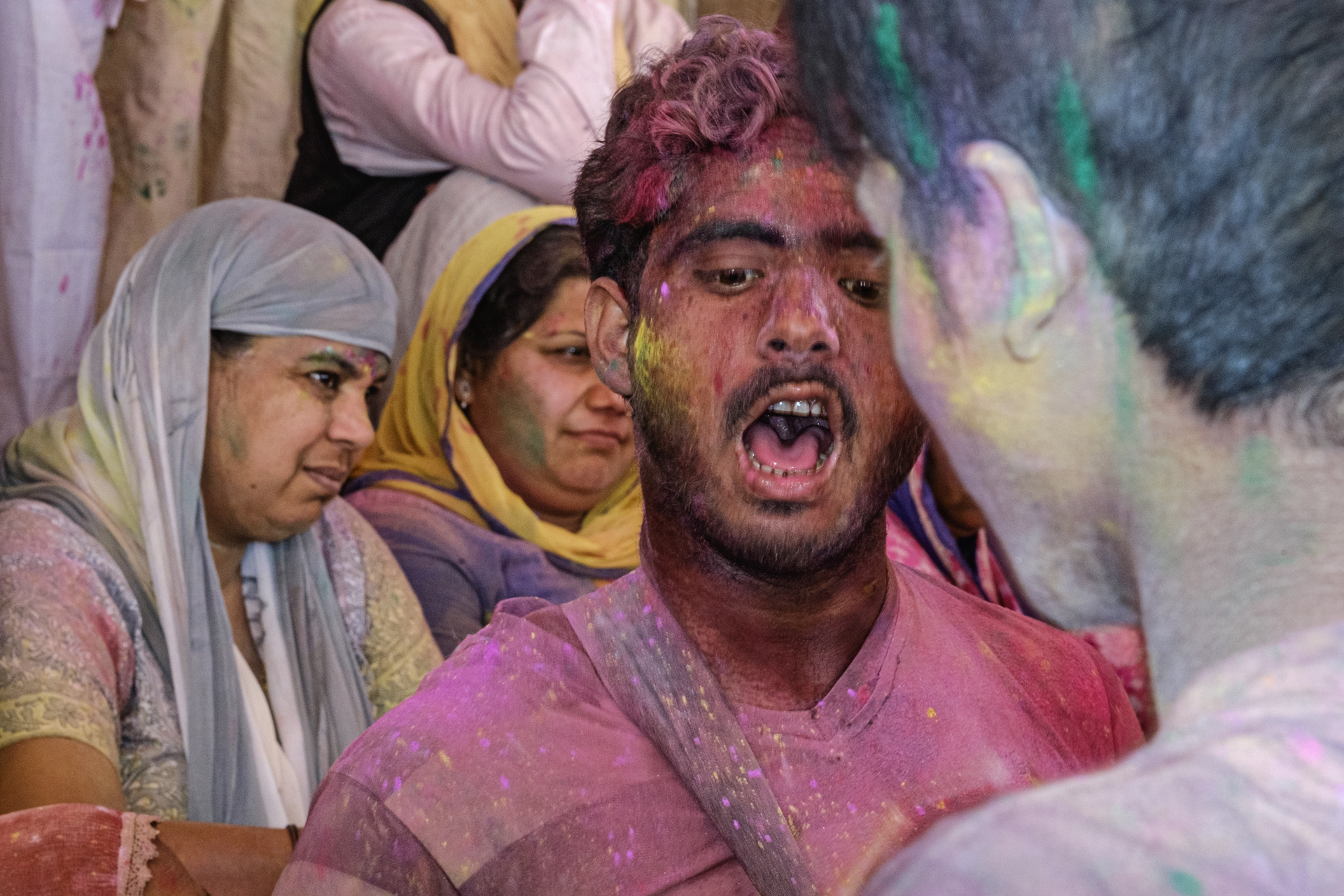
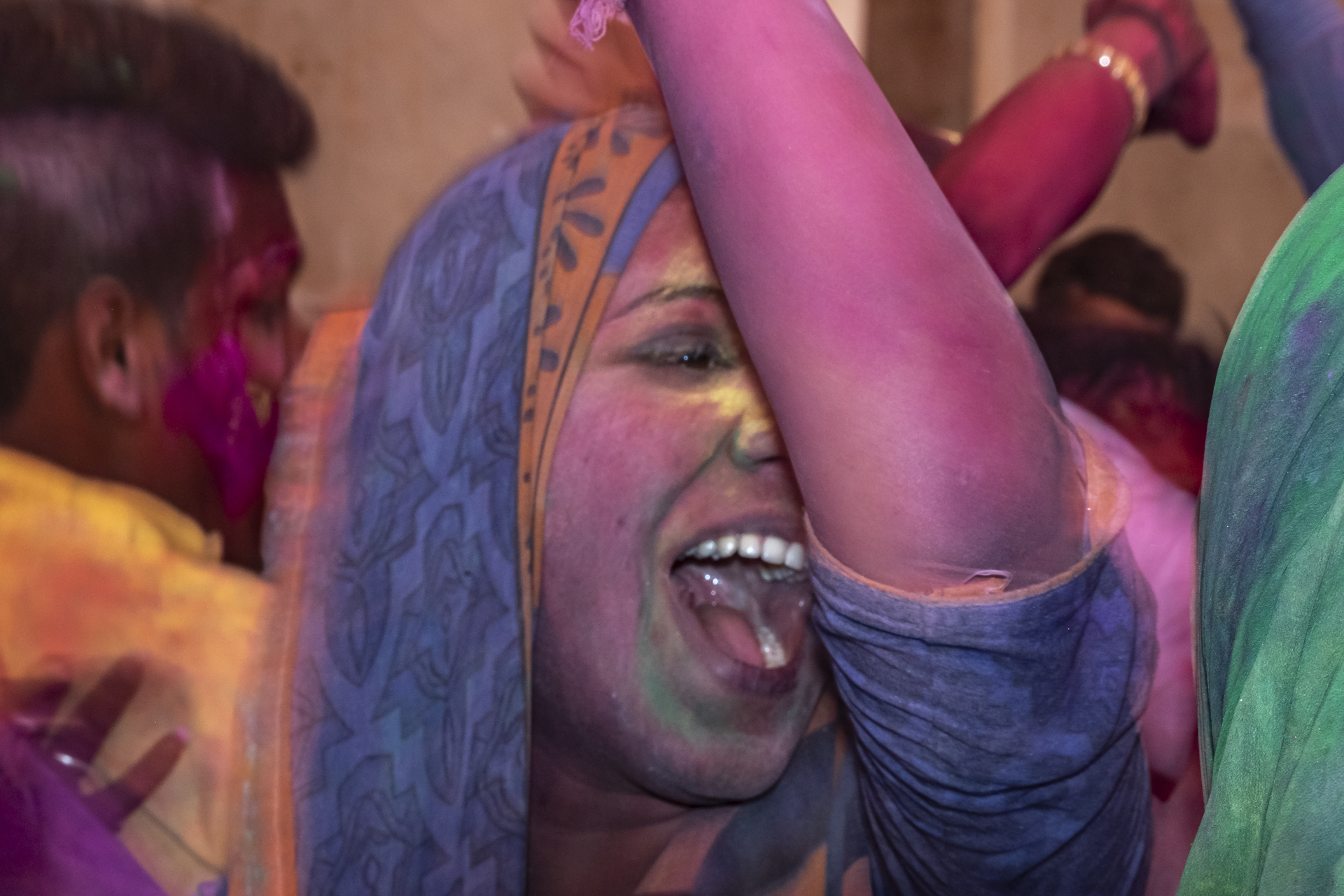
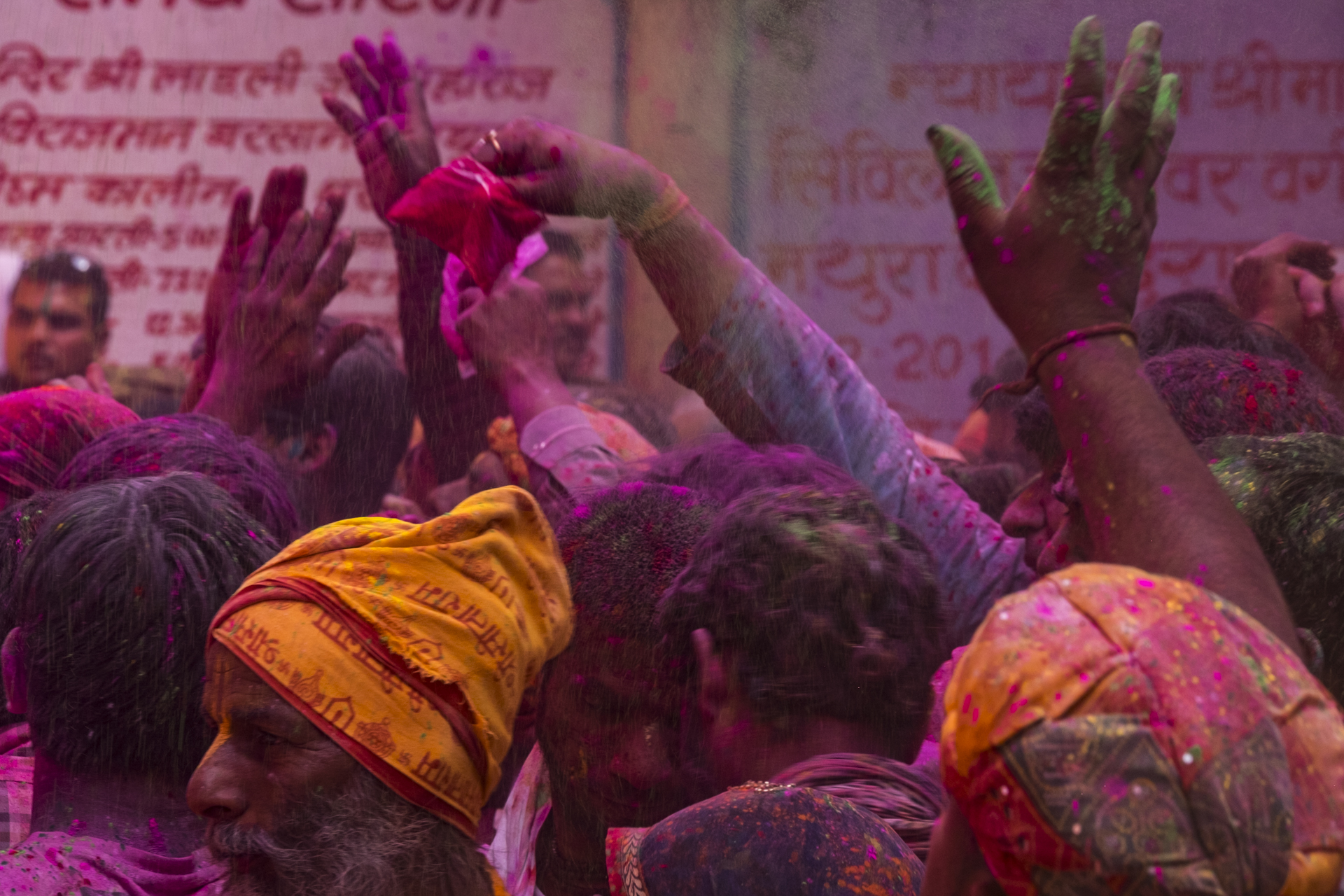
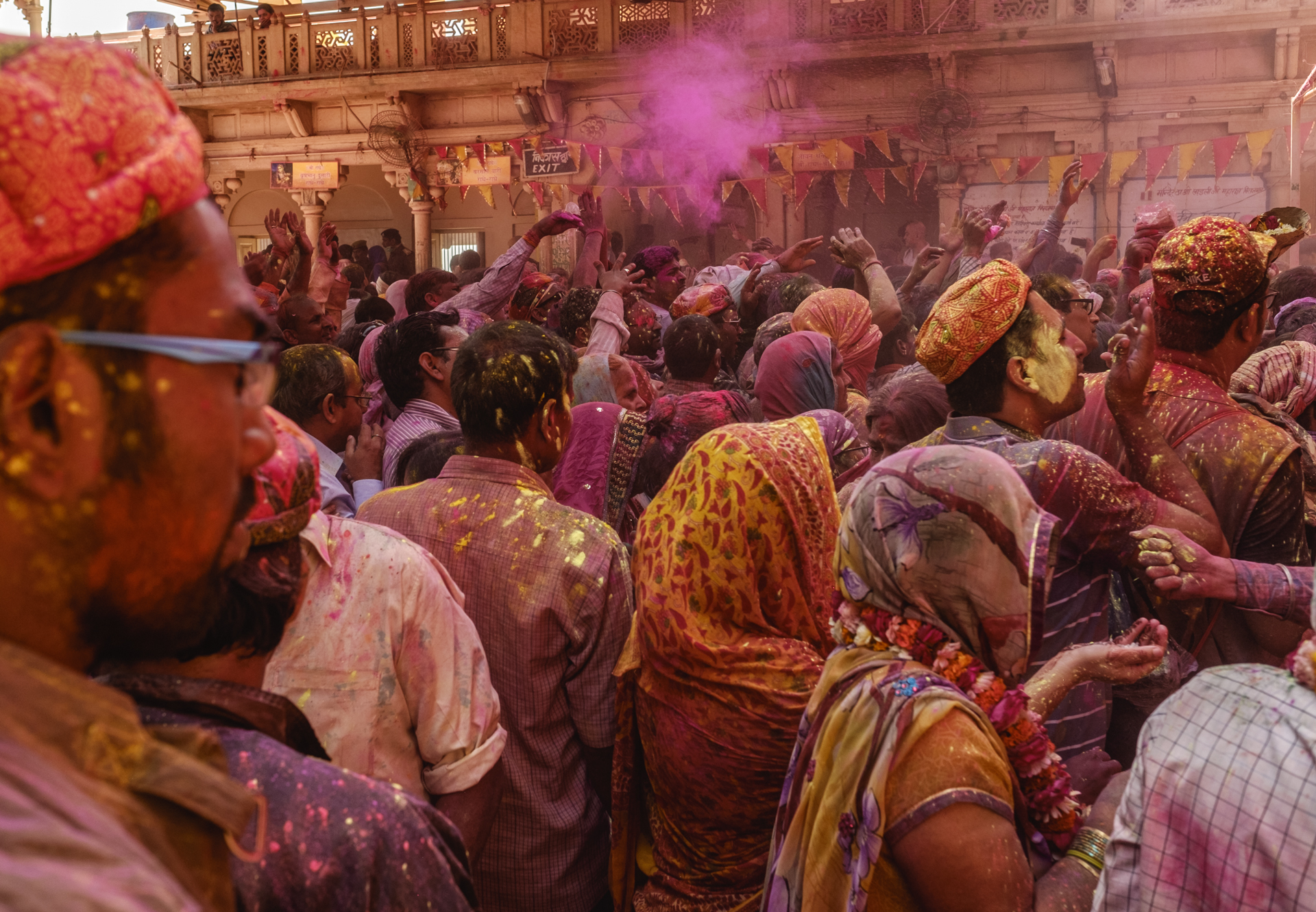
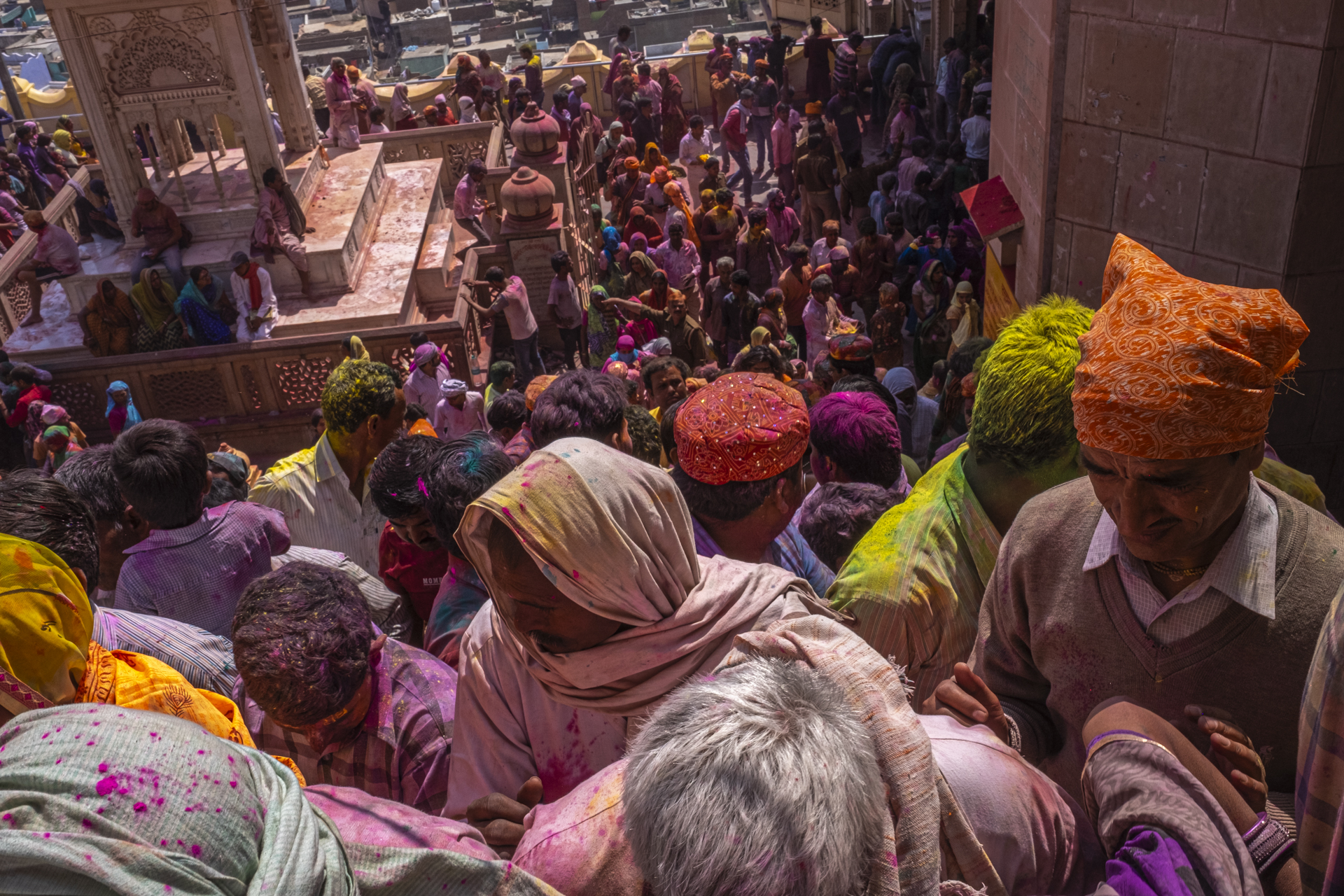
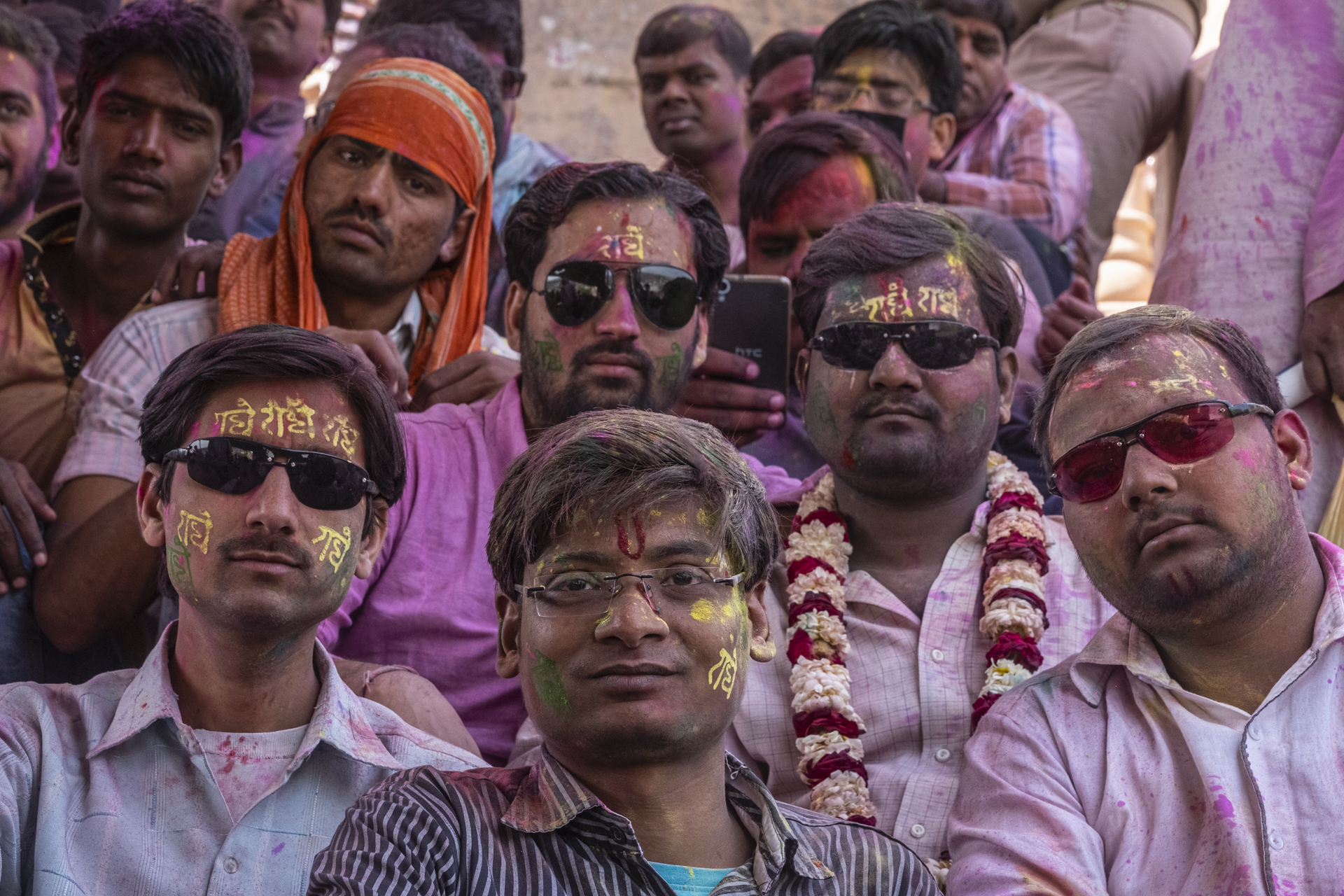
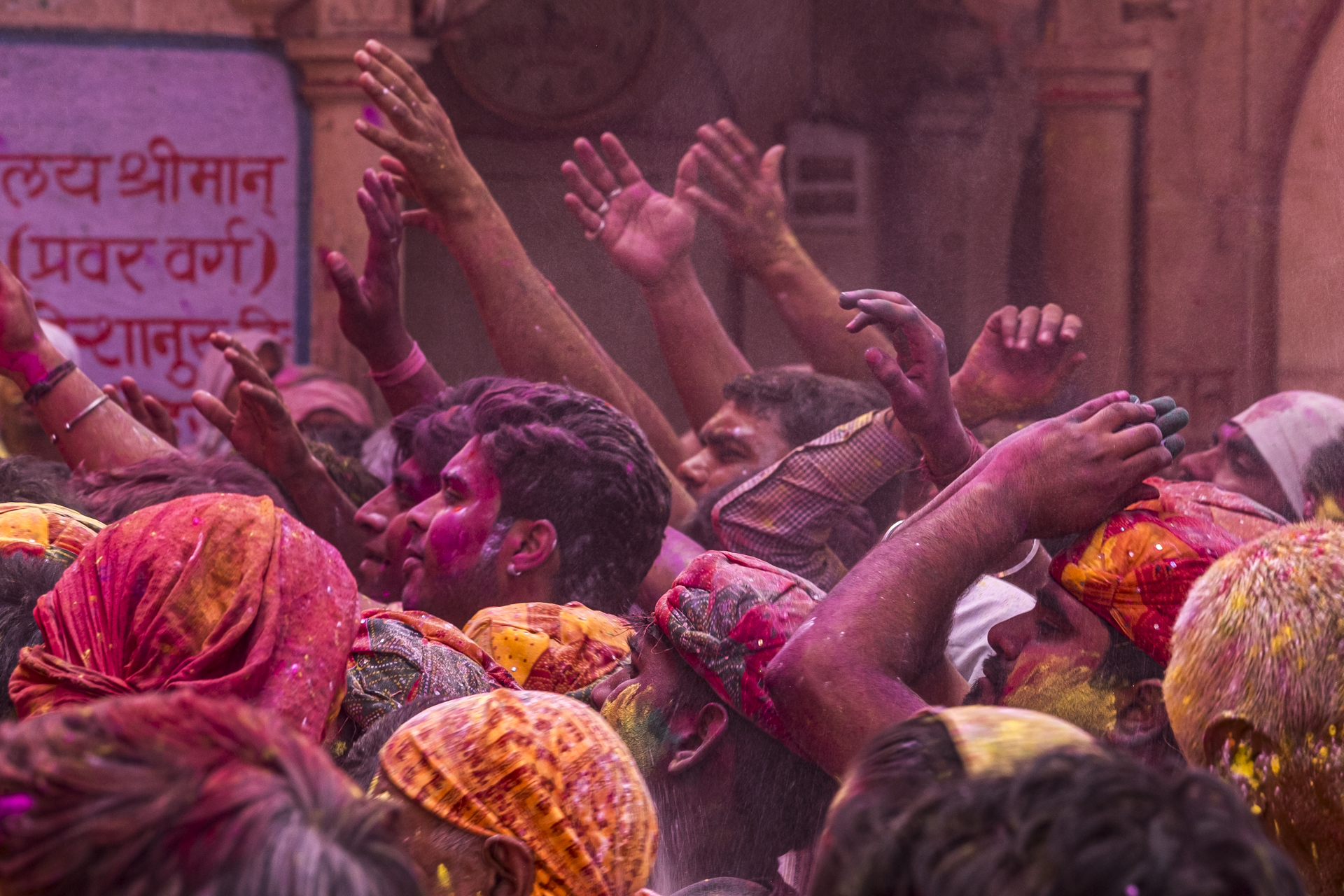
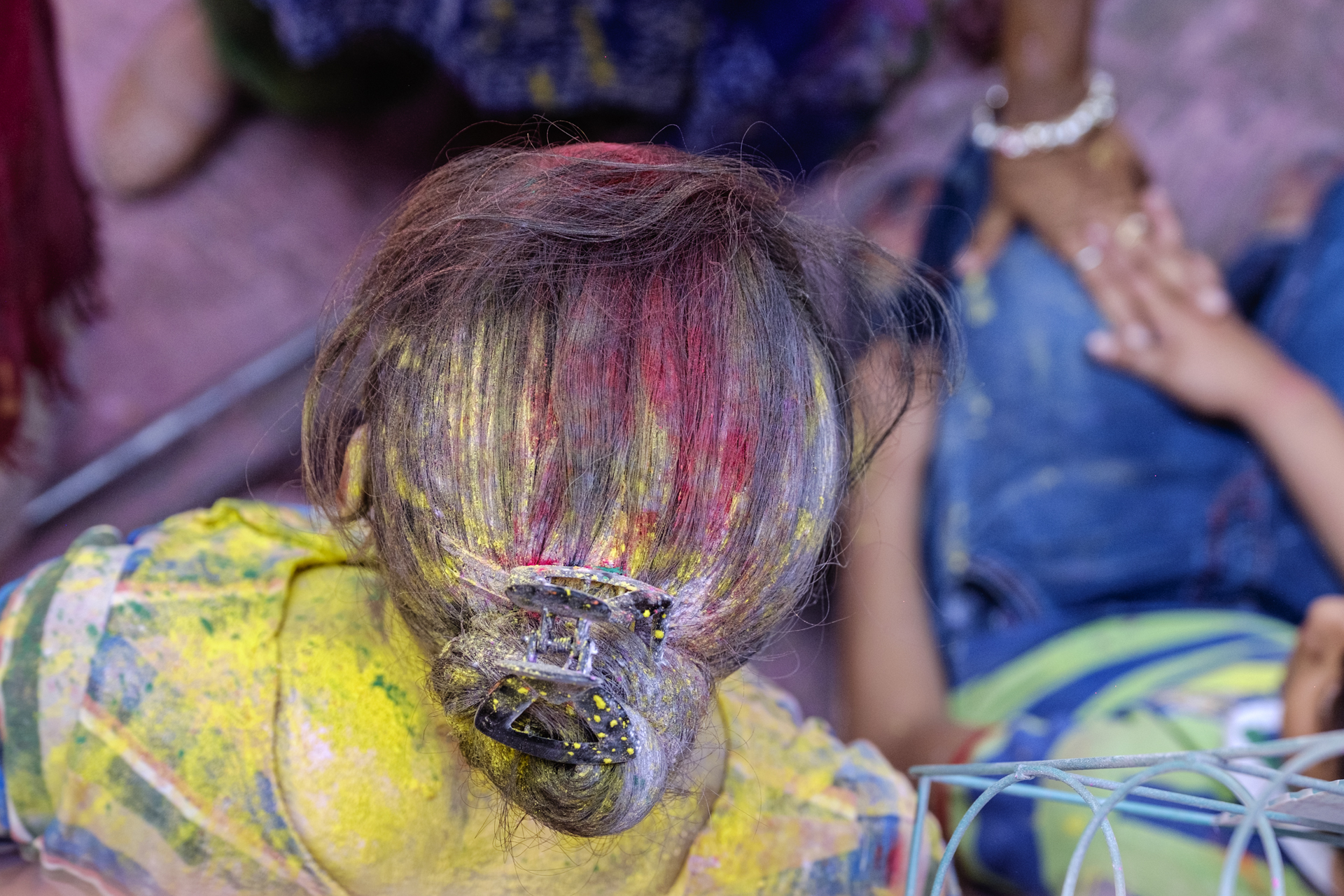
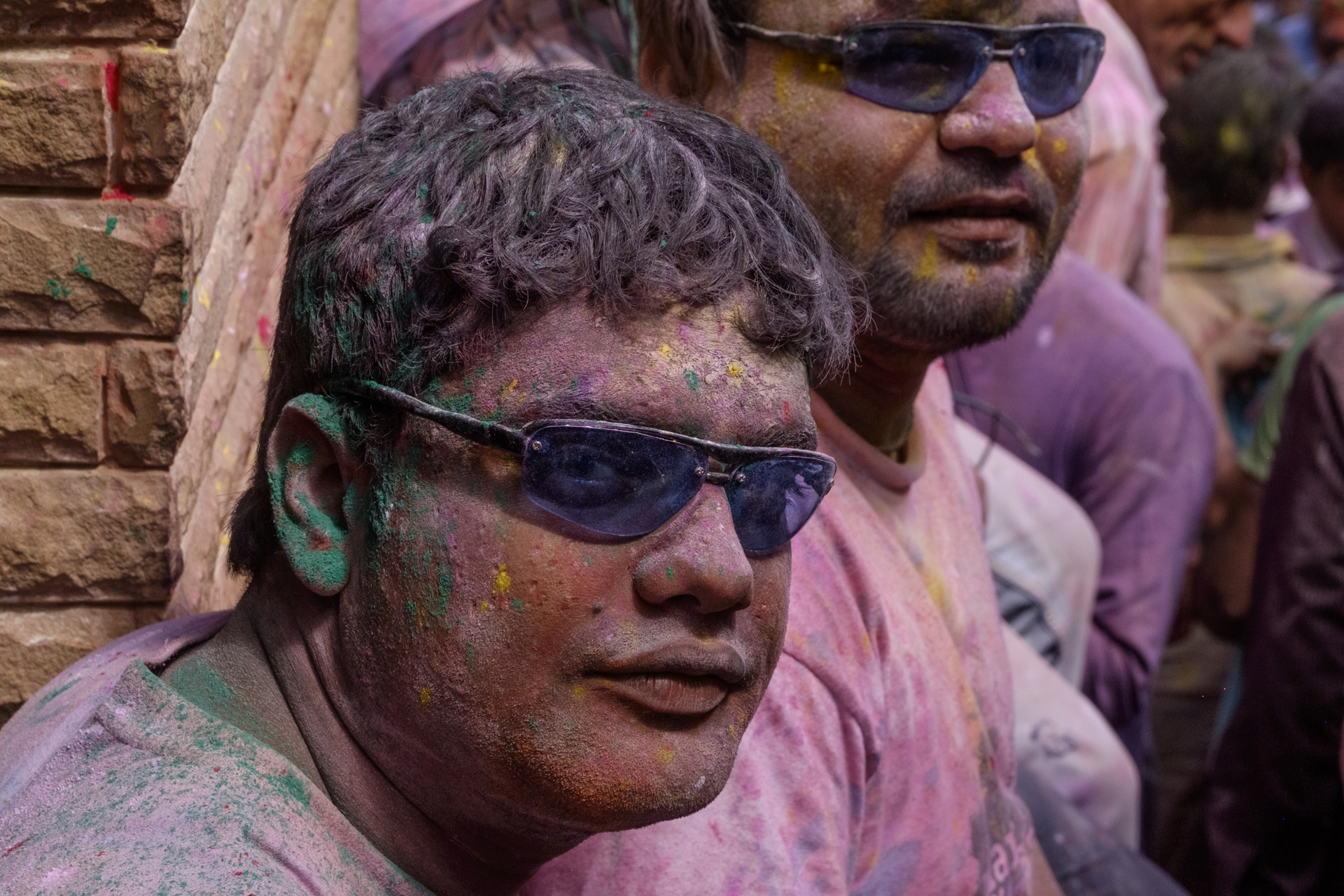
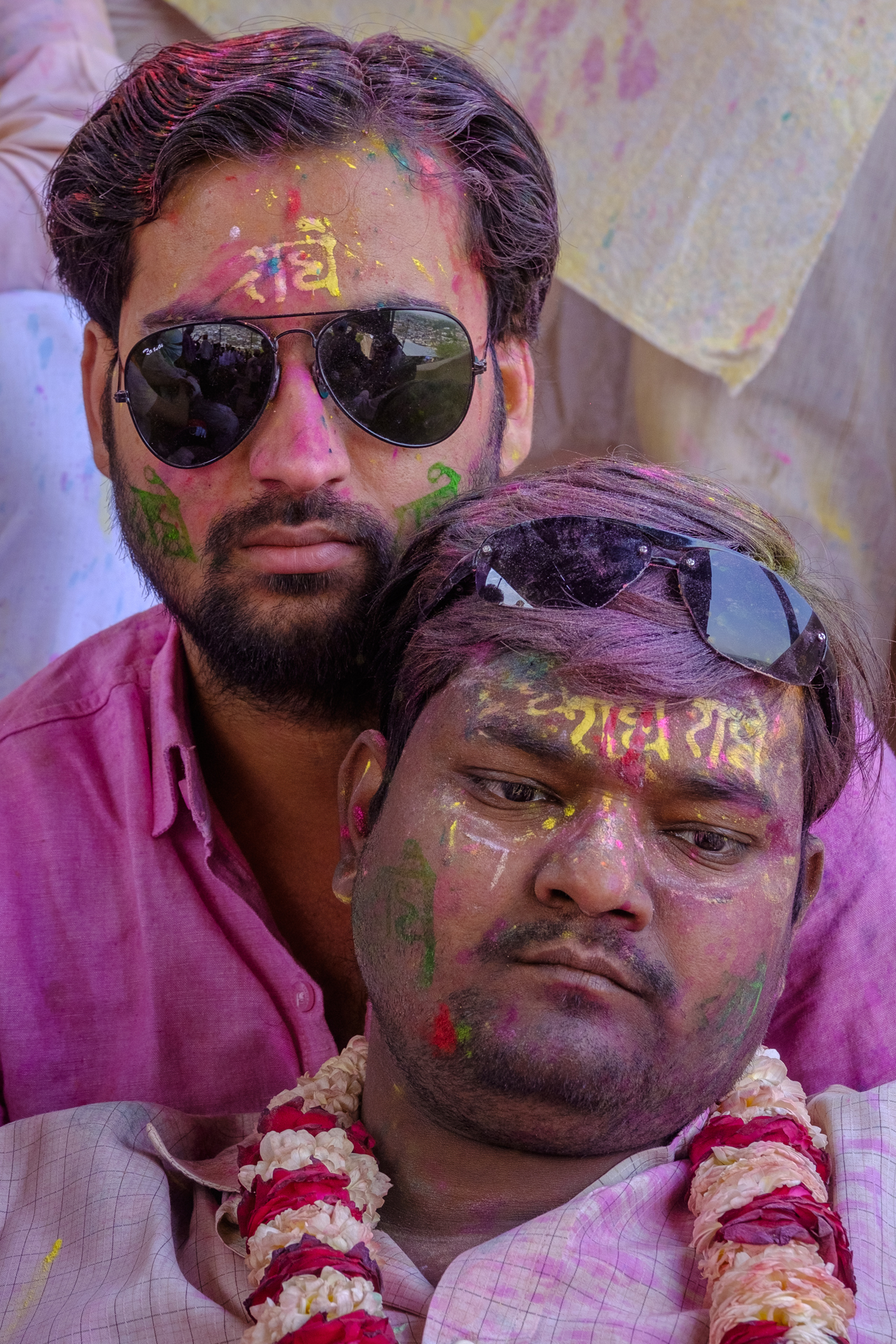
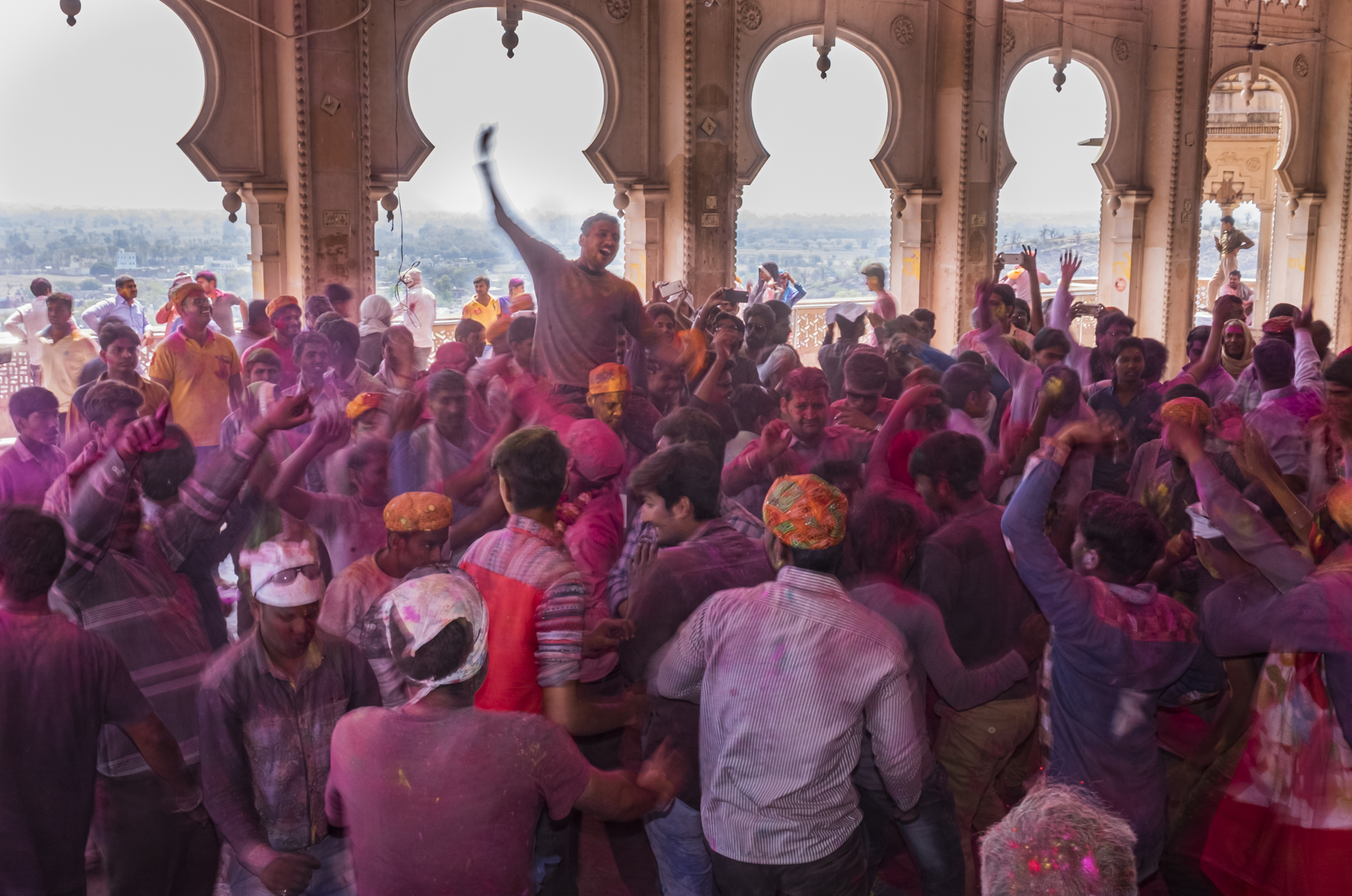
In March 2016 I spent unforgettable – and very colourful – days around the town of Barsanar in the Indian state of Uttar Pradesh to immerse myself in the special Holi celebrations that take place there.

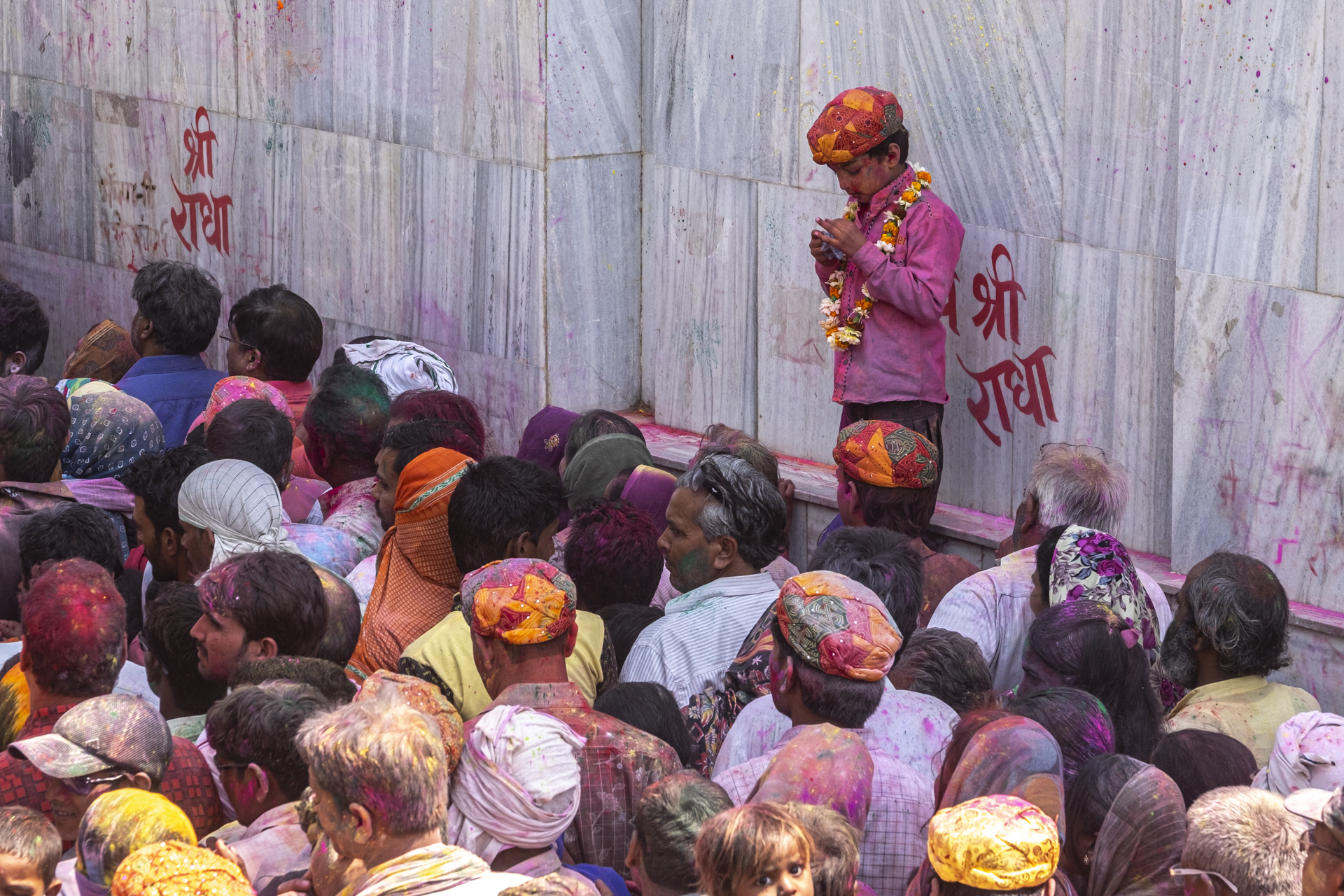
Lathmar Holi is celebrated in the towns of Barsana and Nandgaon, some days before the main Holi festival in the rest of India. During the celebrations, women hit men with sticks, a tradition based on the Hindu legend in which Krishna (supposedly born nearby) threw colours at women and the women shooed him away, beating him with sticks. At a stretch, it might be seen as a symbolic ceremonious enactment of women’s rights, since it’s the men who get beaten.

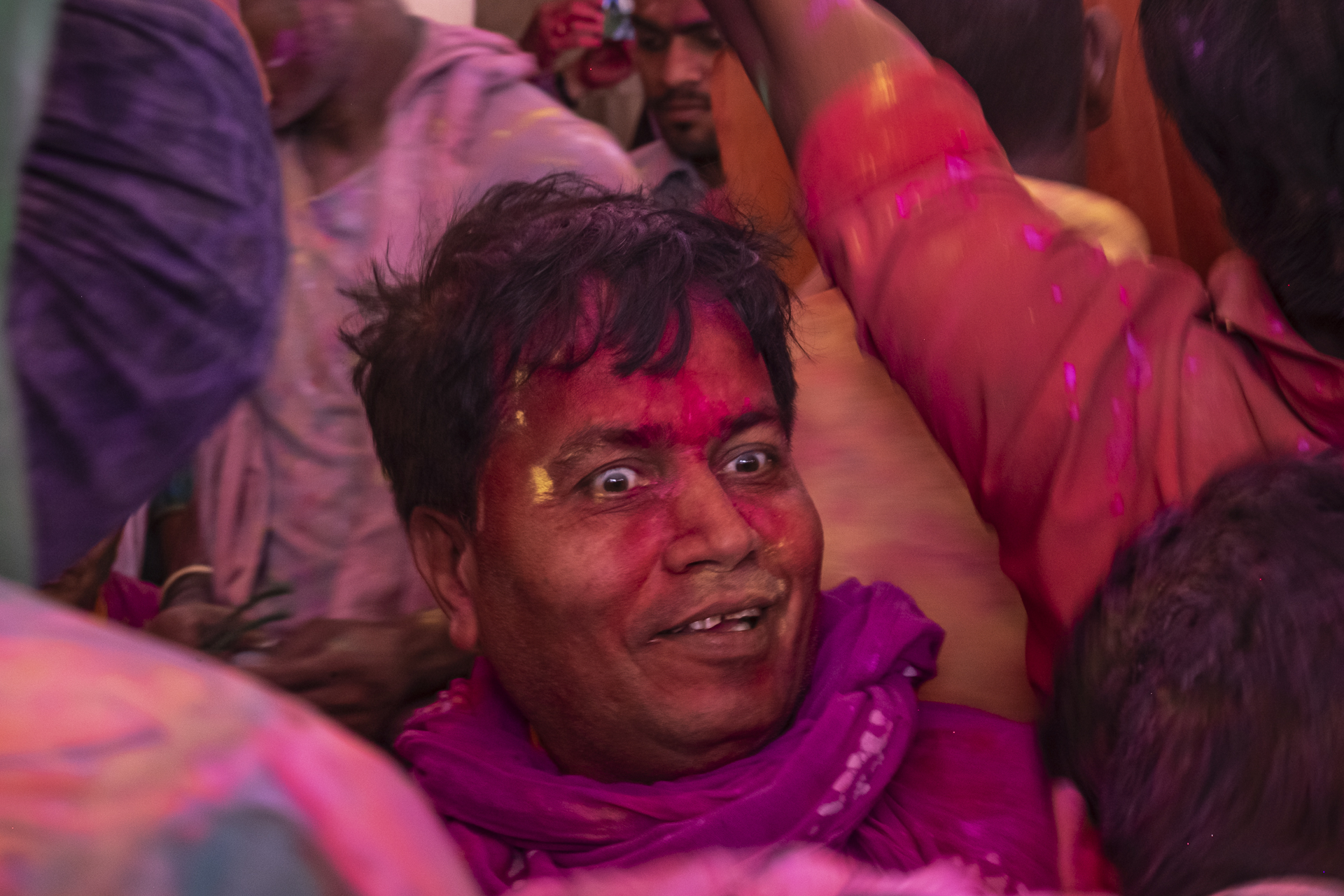
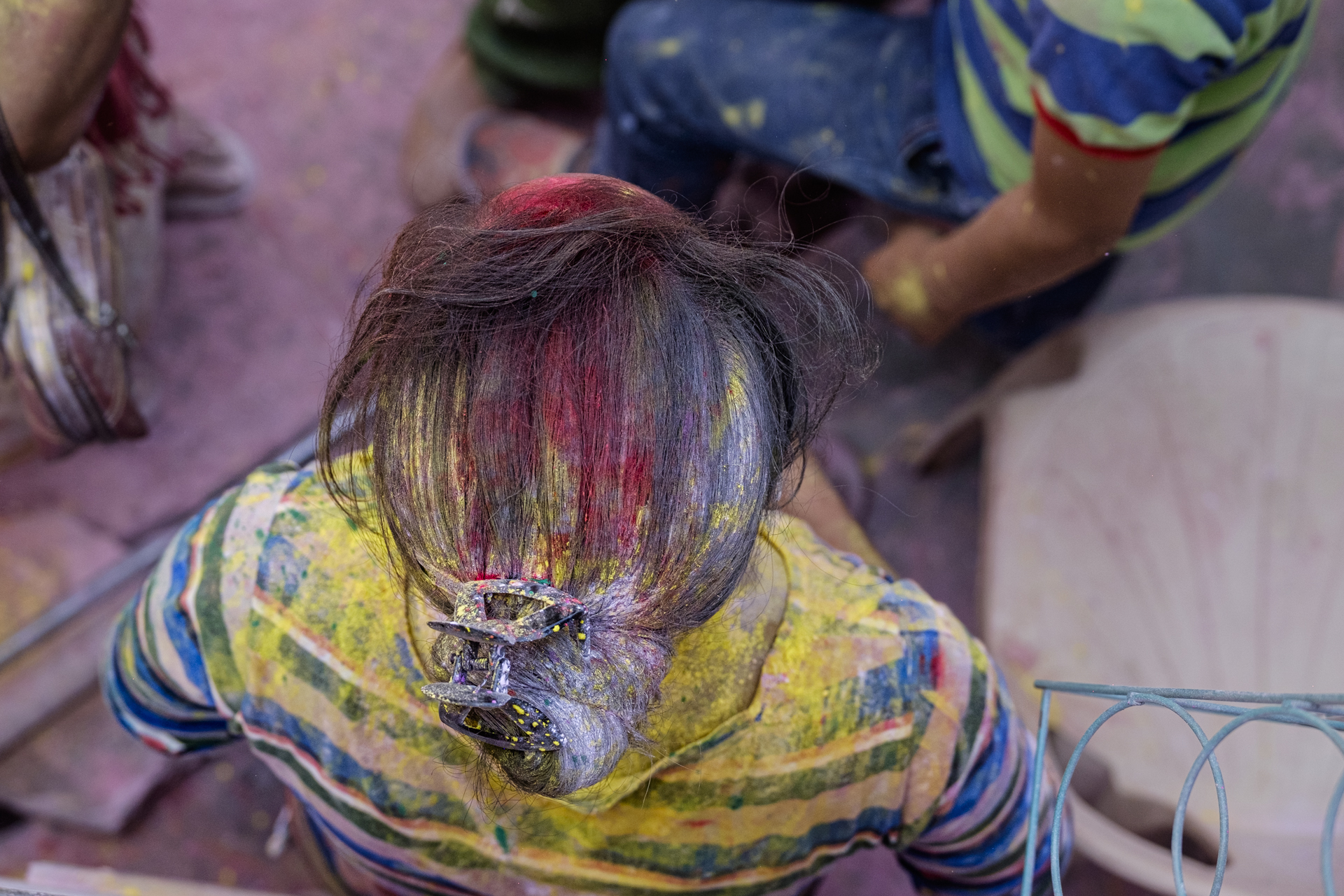
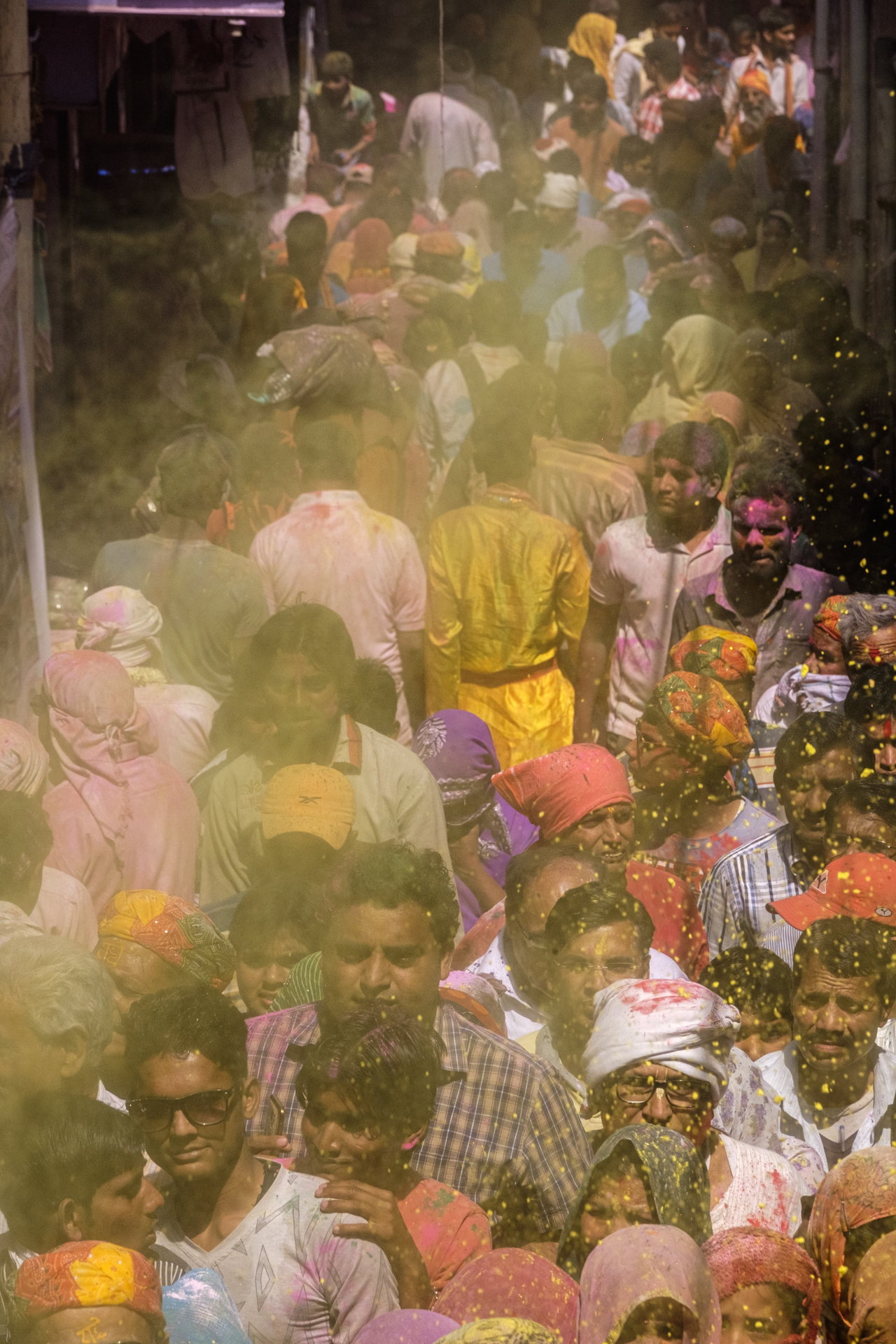
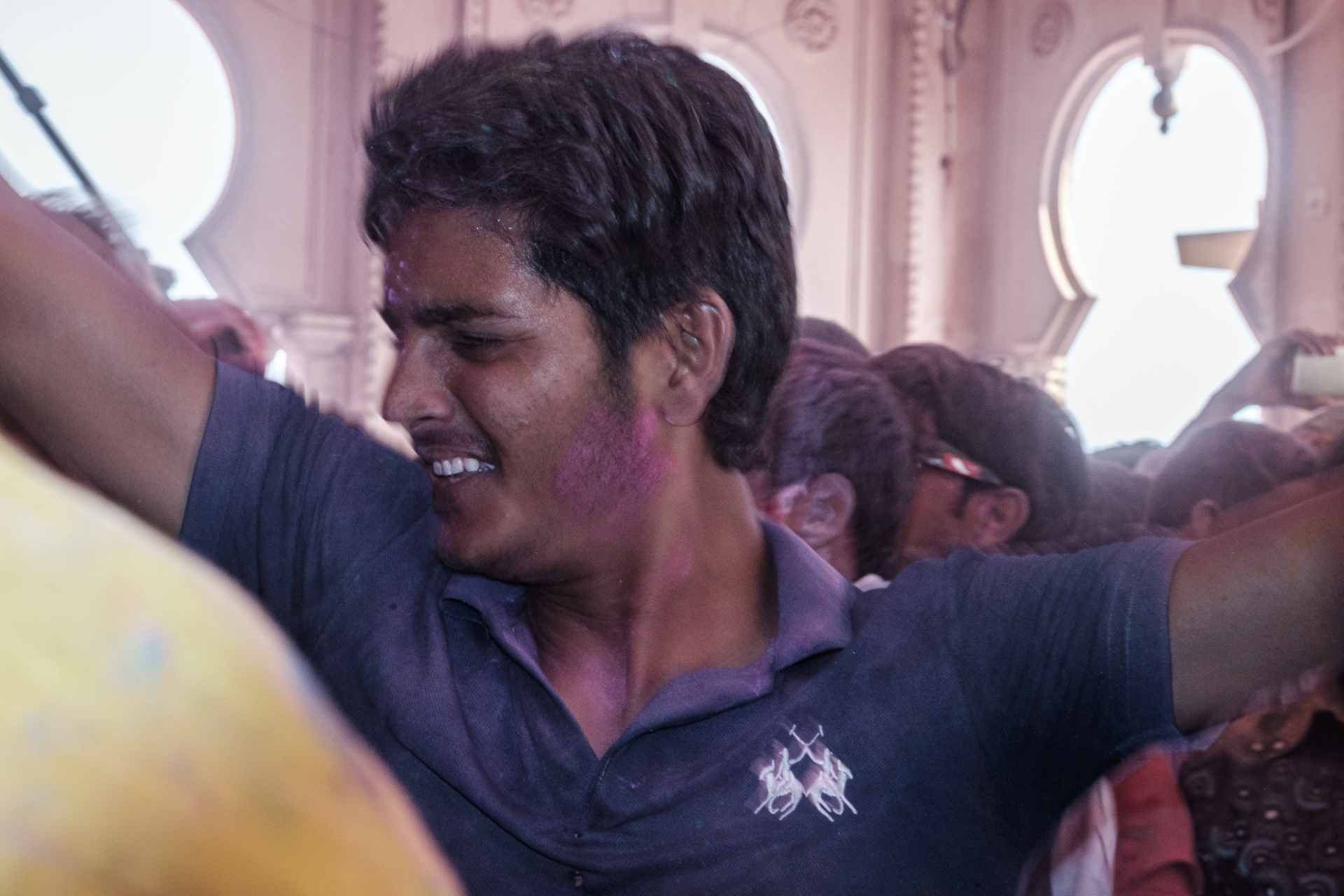
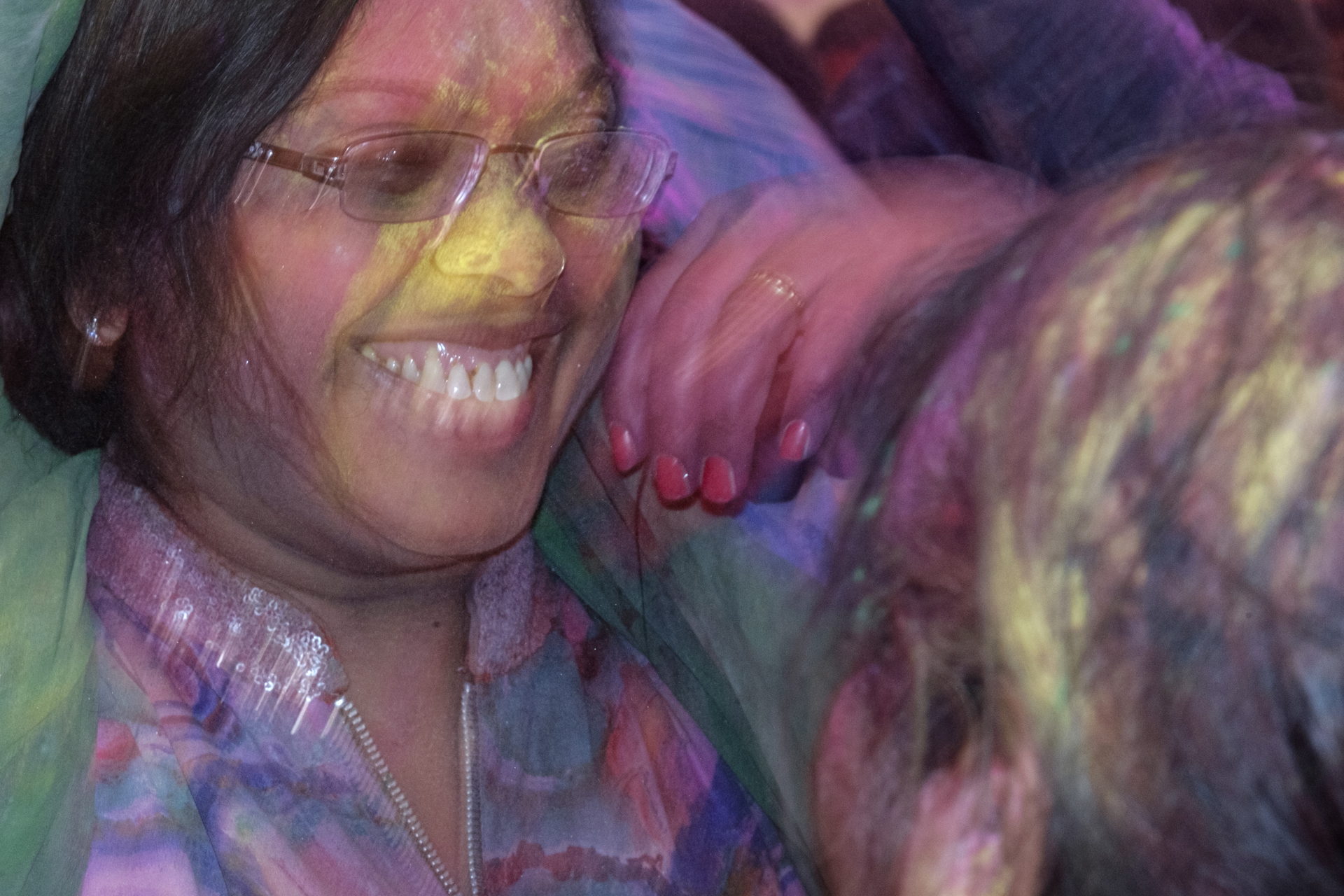
Due to some typically Indian travel confusion, I missed the stick hitting ‘play’ part of the festival, but I more than made up for that by being present at the temples during the extreme colour-throwing proceedings, as well as submersion in the general local ambience. Without actively intending to (honest!) I probably inhaled a fair amount of the suspiciously scented smoke hovering around the proceedings.

Photo tips for anyone attending Holi celebrations in India: Things get a little wild and there’s no point politely or even impolitely asking the locals not to throw any coloured paint or powder in direction – it will probably only goad them into throwing even more colours at you. So wear your grubbiest tattiest clothes, wear a hat, and wrap your camera in a plastic bag, sealed with an elastic band , but with the front of the lend poking out and covered with an affordable protector filter. Try to make your camera settings before sealing the camera, working out a versatile compromise for shutter speed and aperture. It could even be one of those occasions when setting everything to Auto makes perfect sense!

Here’s a gallery of images from my Lathmar Holi adventures.

Share this:

  • Click to share on Facebook (Opens in new window) Facebook
  • Click to email a link to a friend (Opens in new window) Email
  • Click to share on LinkedIn (Opens in new window) LinkedIn
Like Loading...

2024: celebrating a year of brilliant auroras

15 Sunday Dec 2024

Posted by Tim Bird in Arctic travel, aurora borealis, Finland, lapland, northern lights, photography, Travel, travel photography

≈ Leave a comment

Tags

astronomy, aurora, aurora borealis, finland, Lapland, night photography, night skies, northern lights, photography, sapmi, travel, travel photography

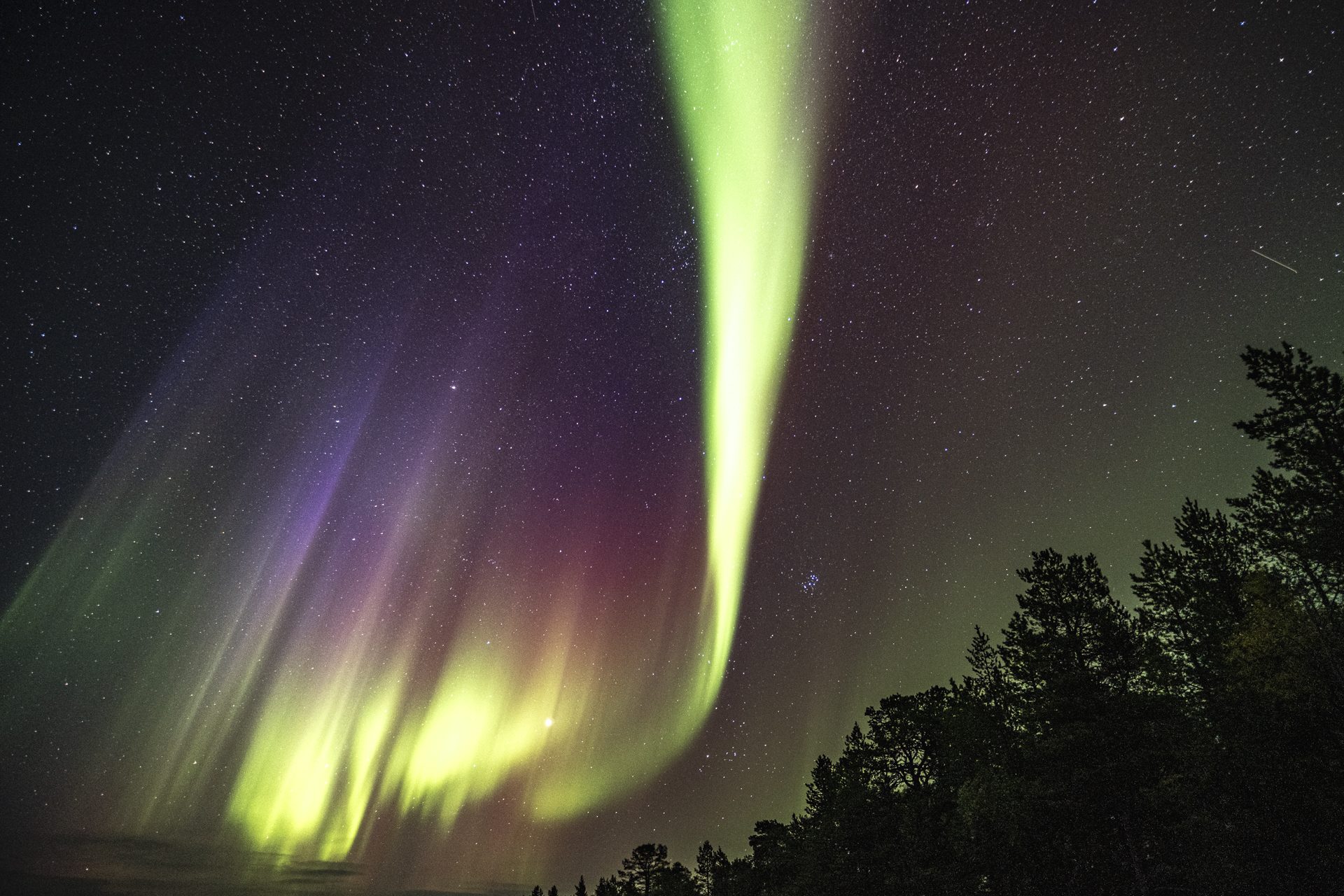
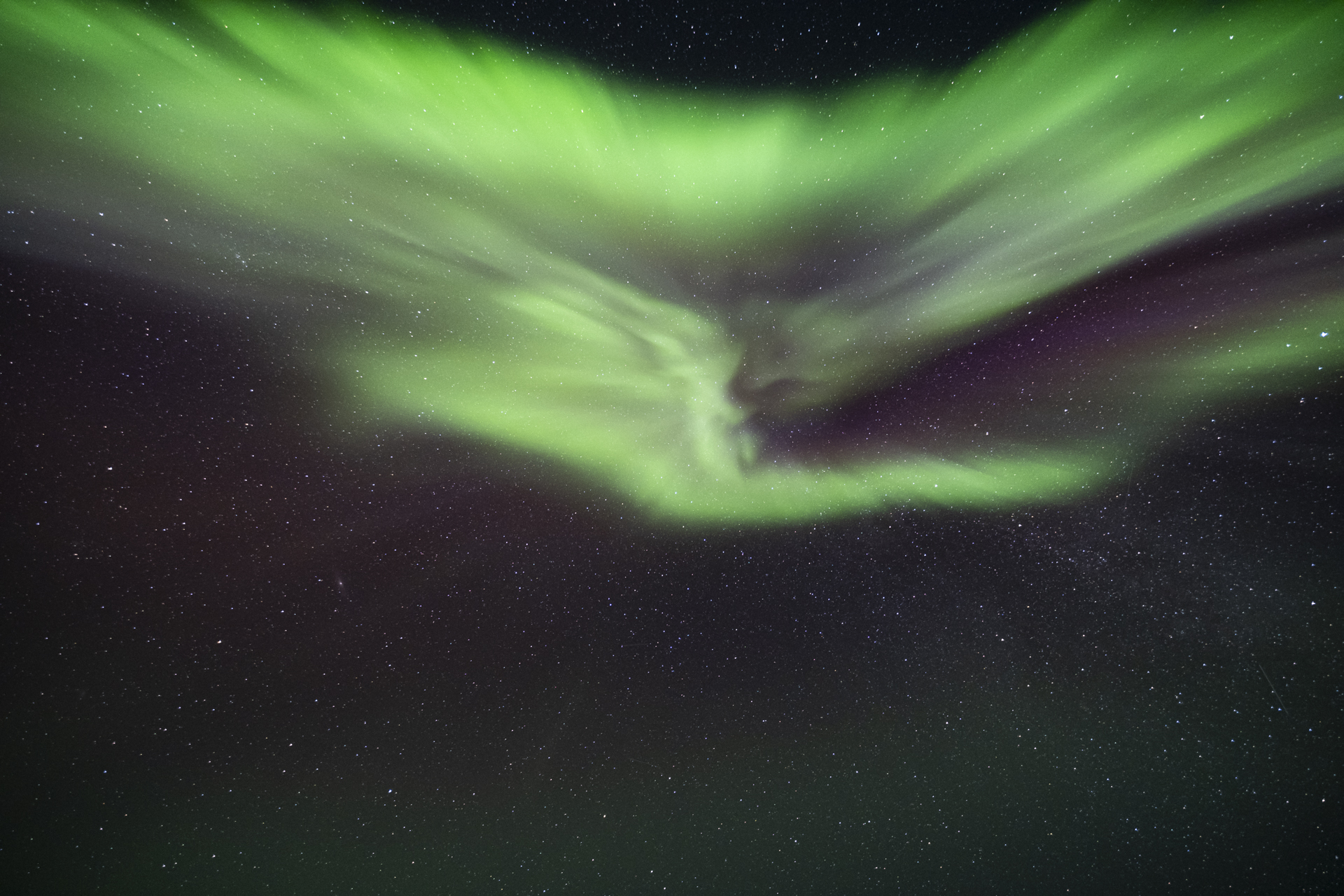
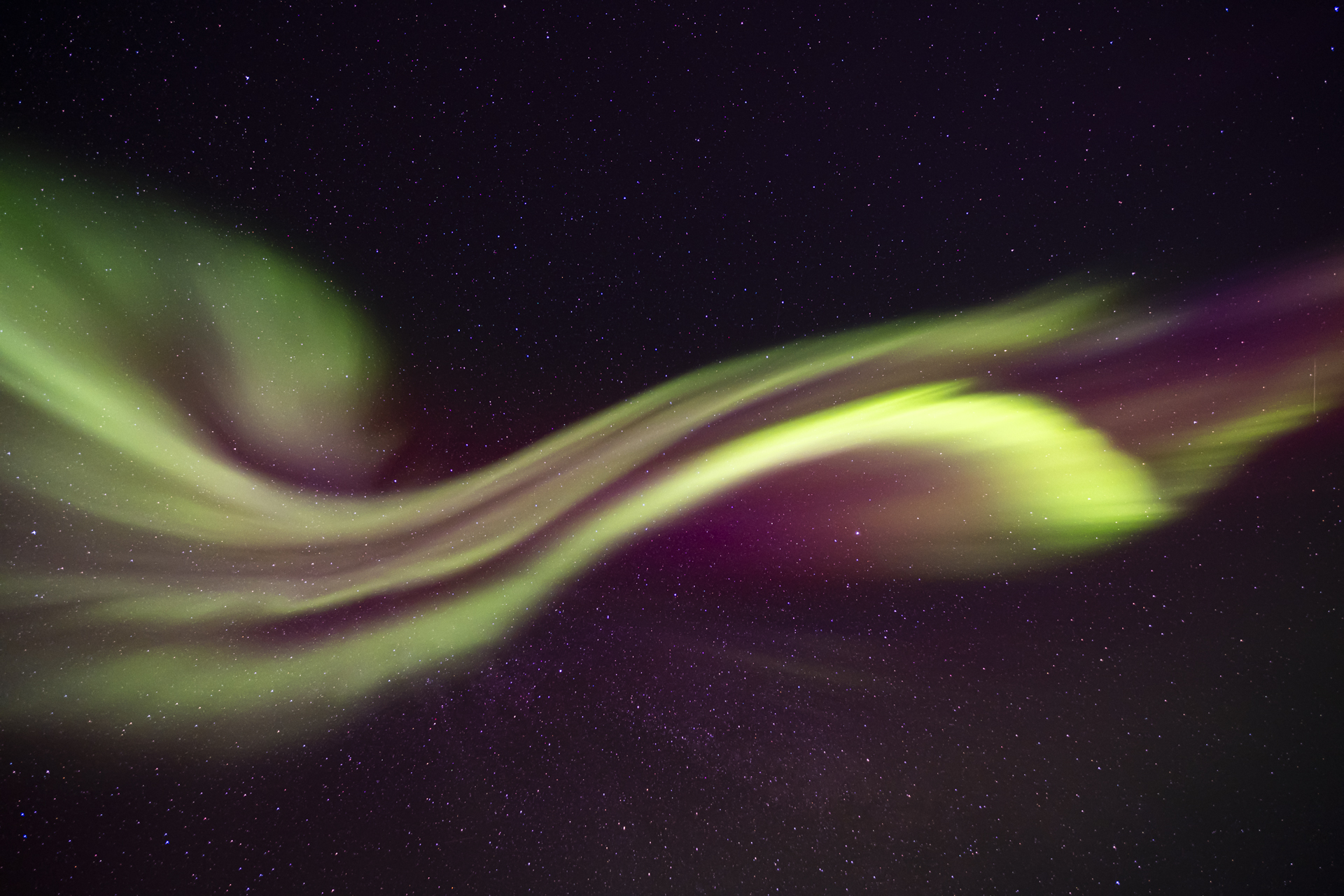
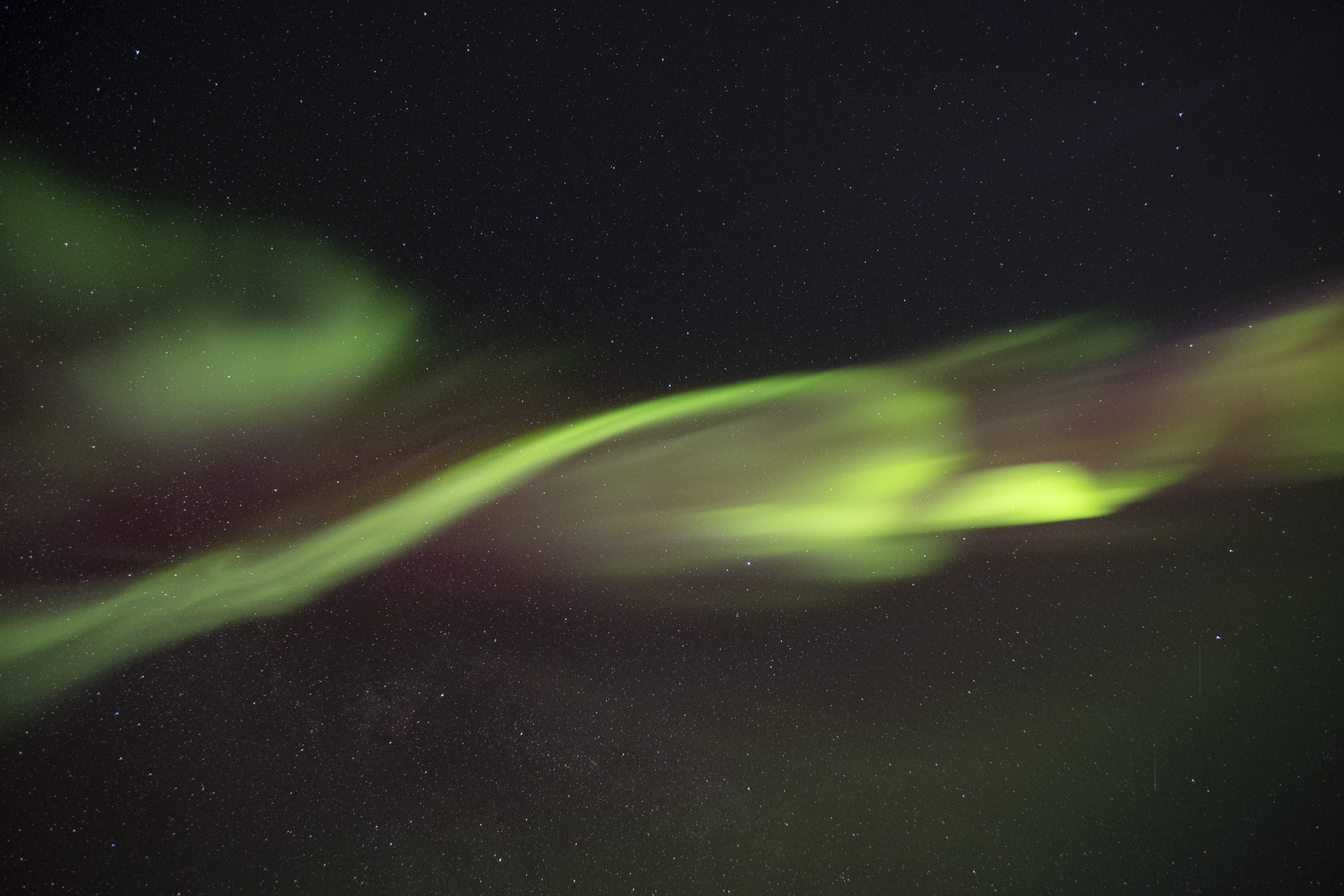
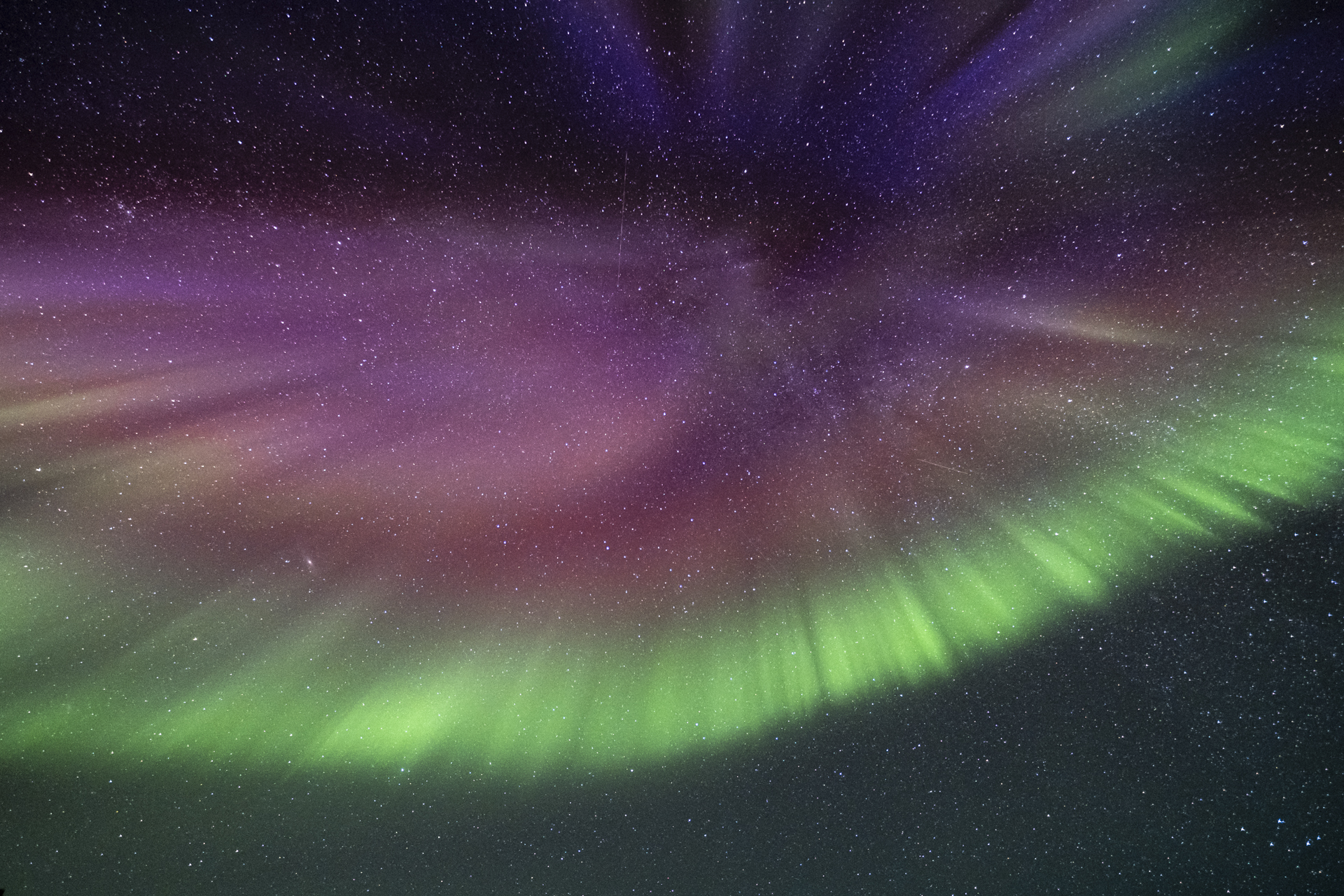
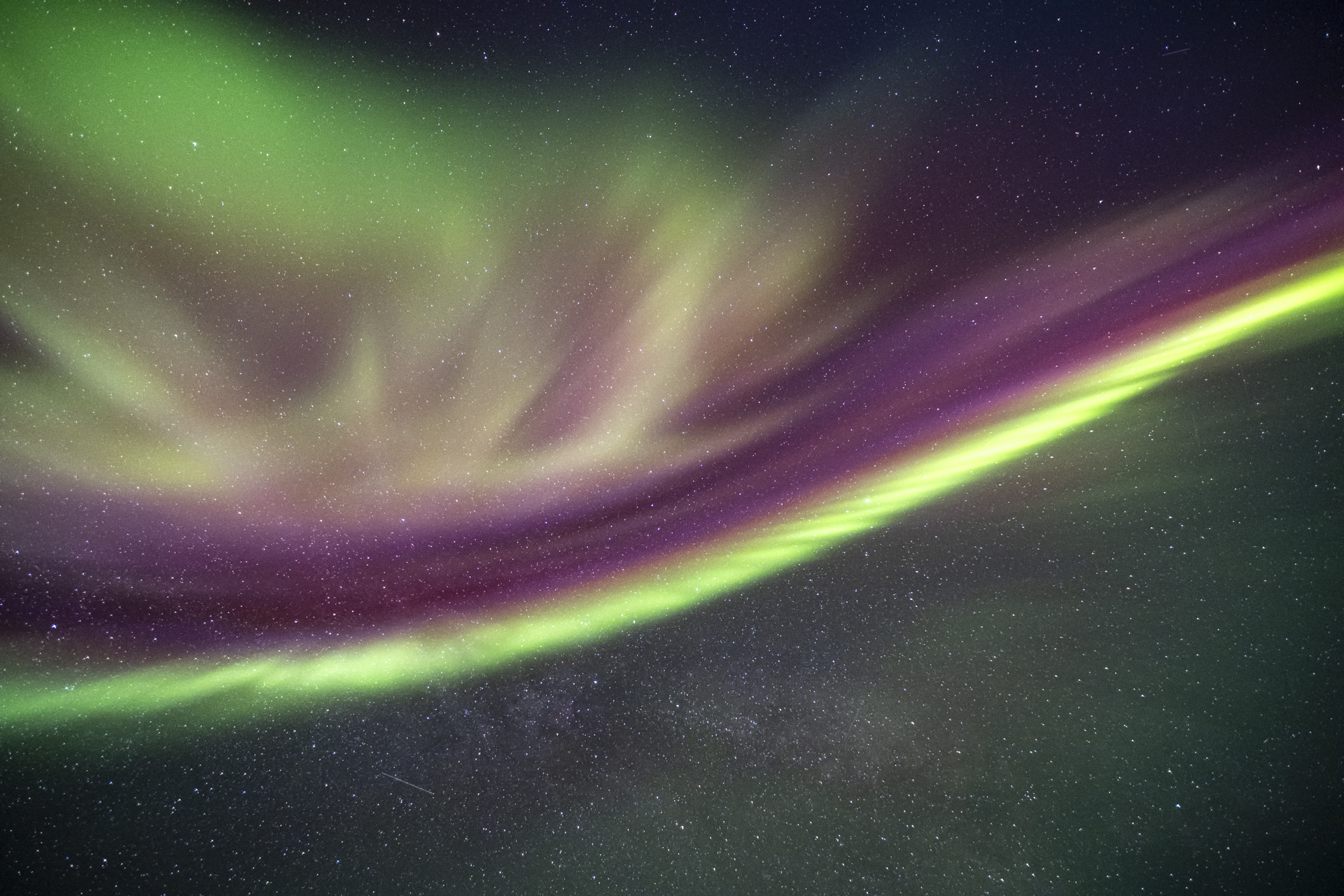
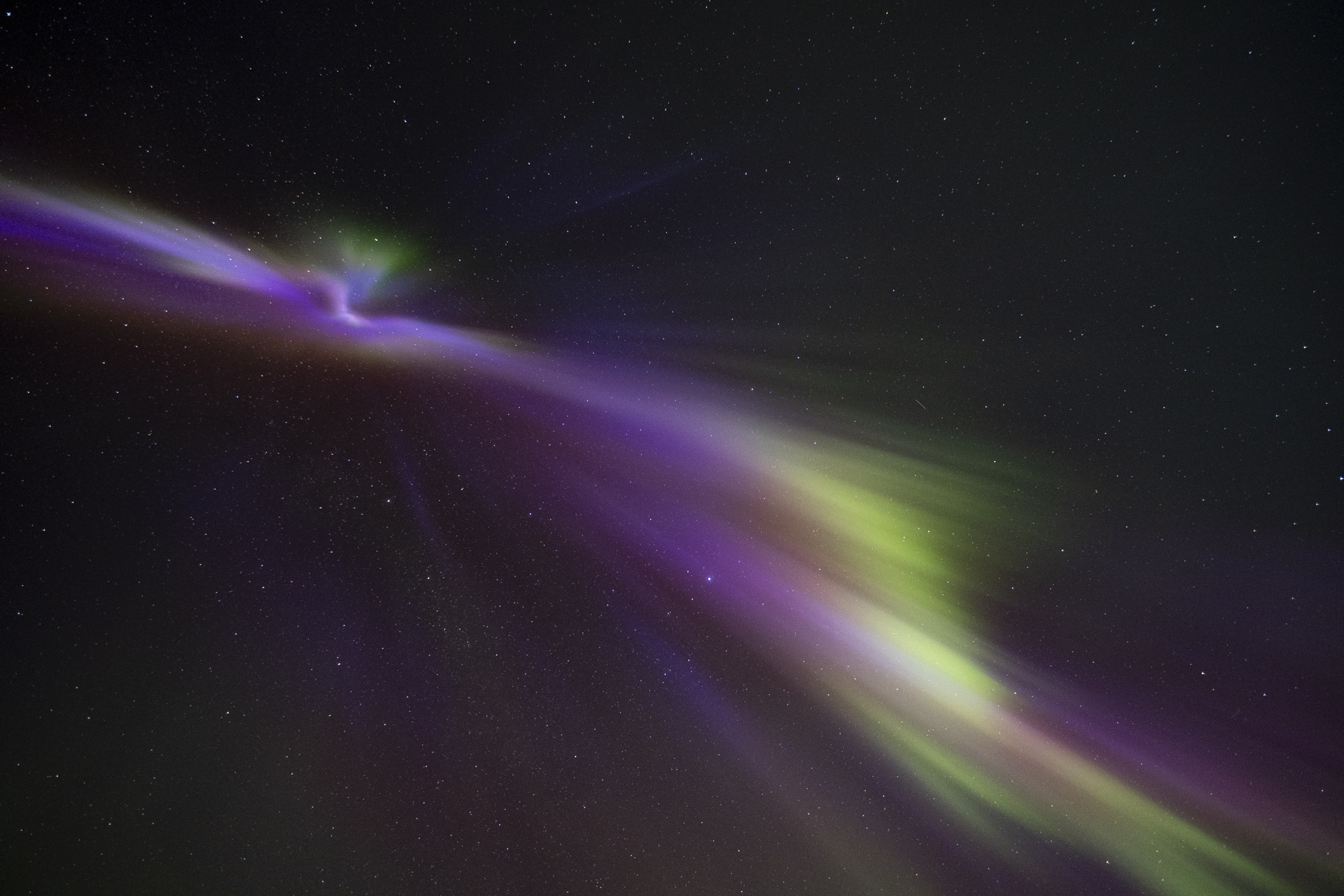
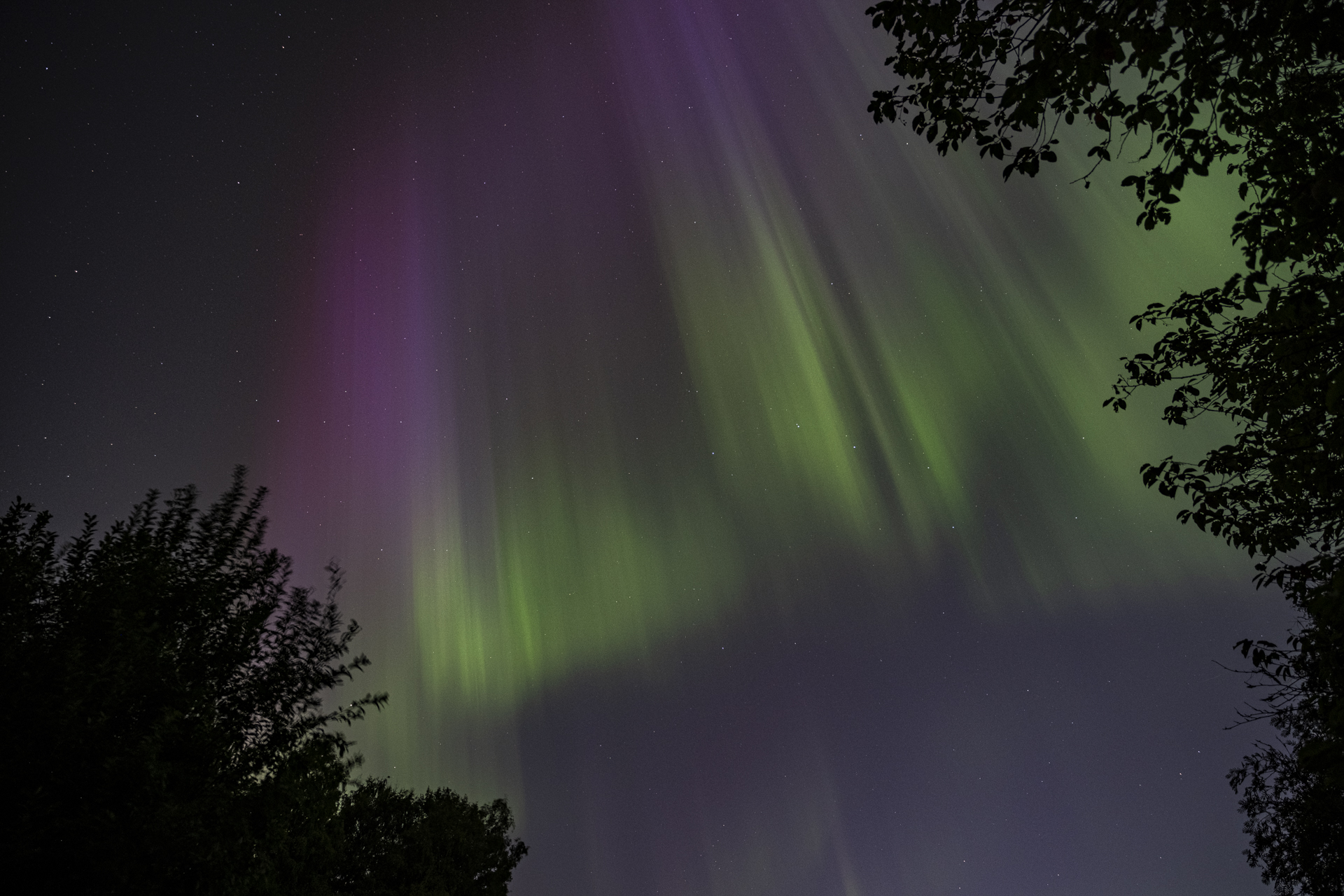
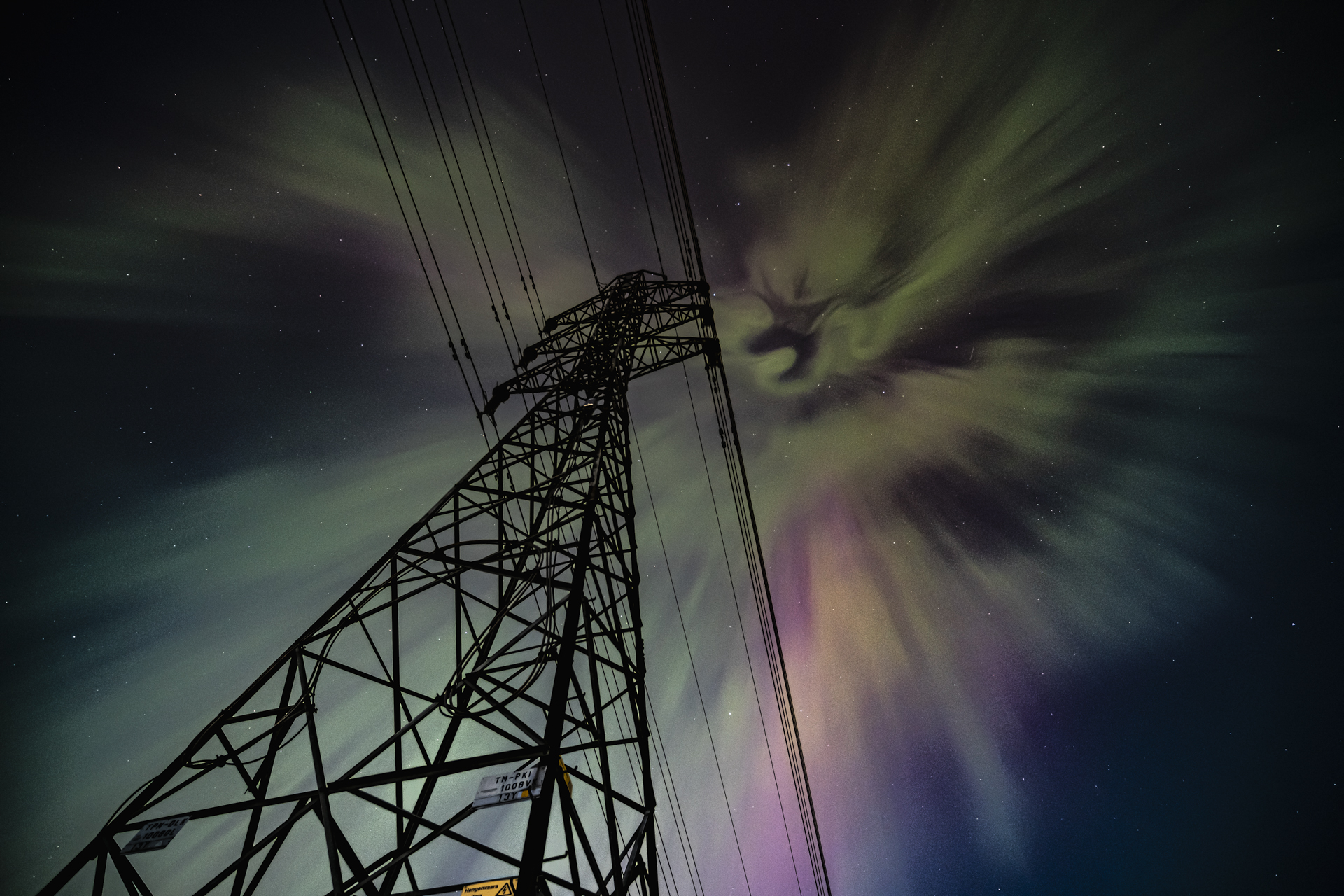
2024 was a vintage year for Northern Lights viewing and photography.

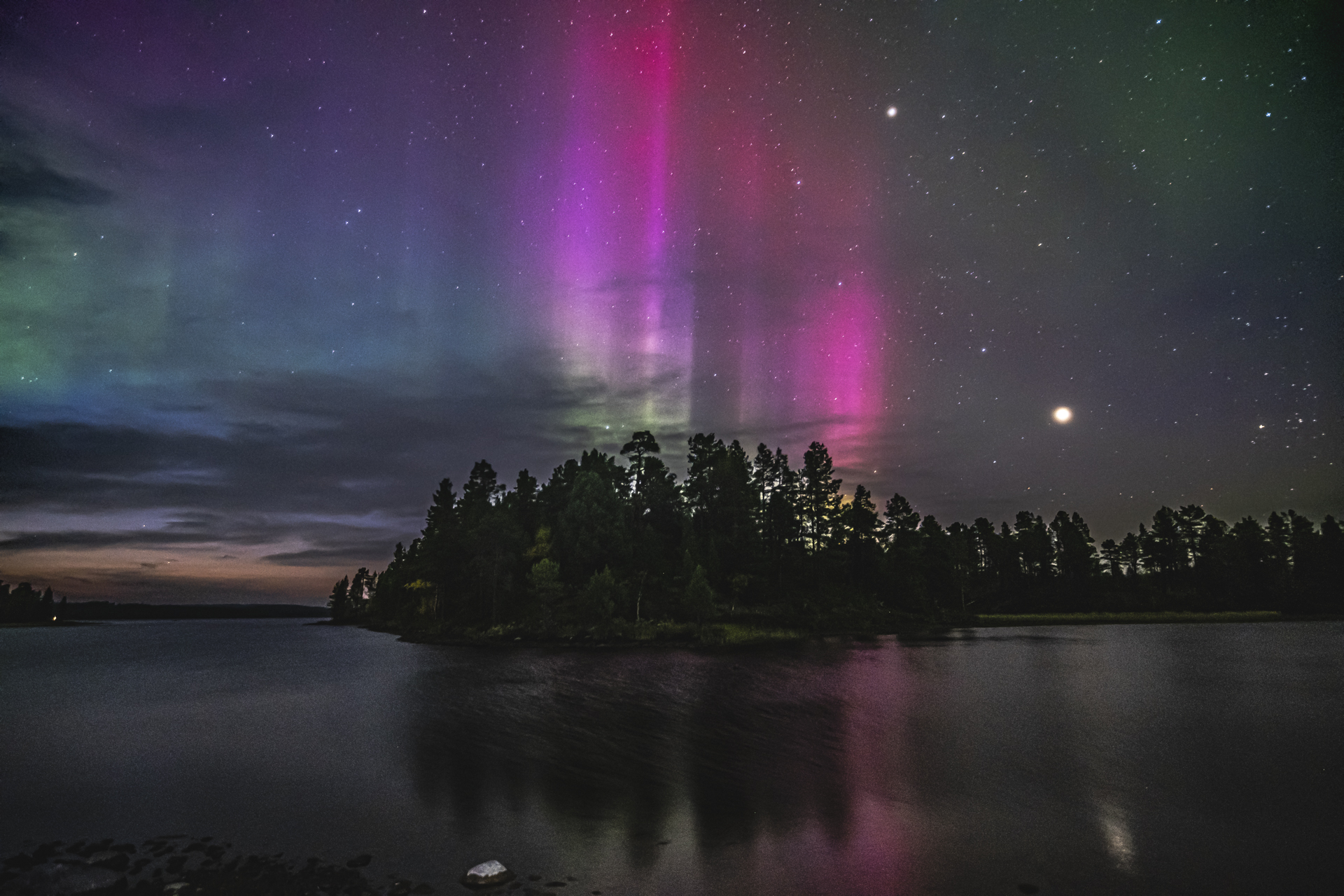
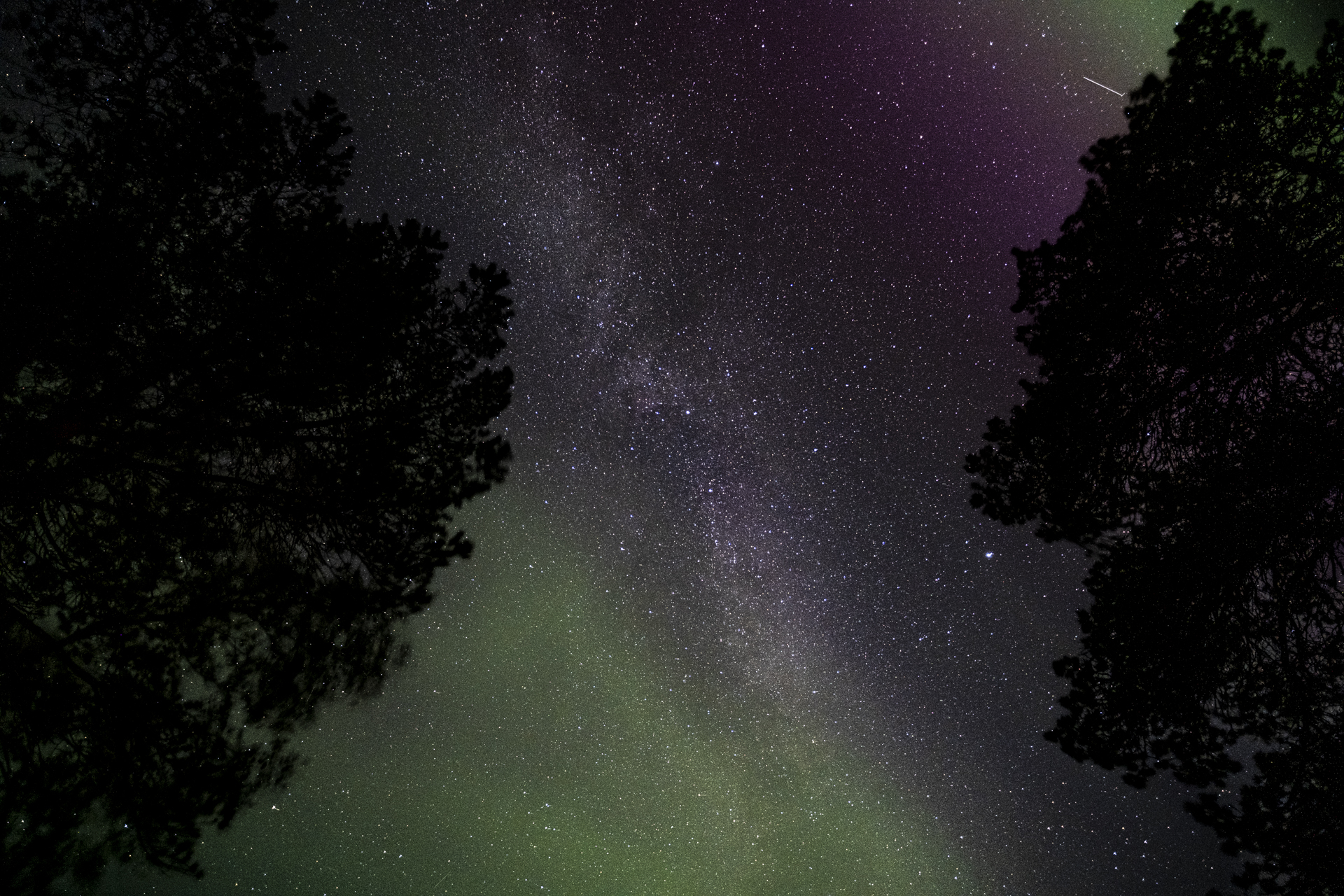
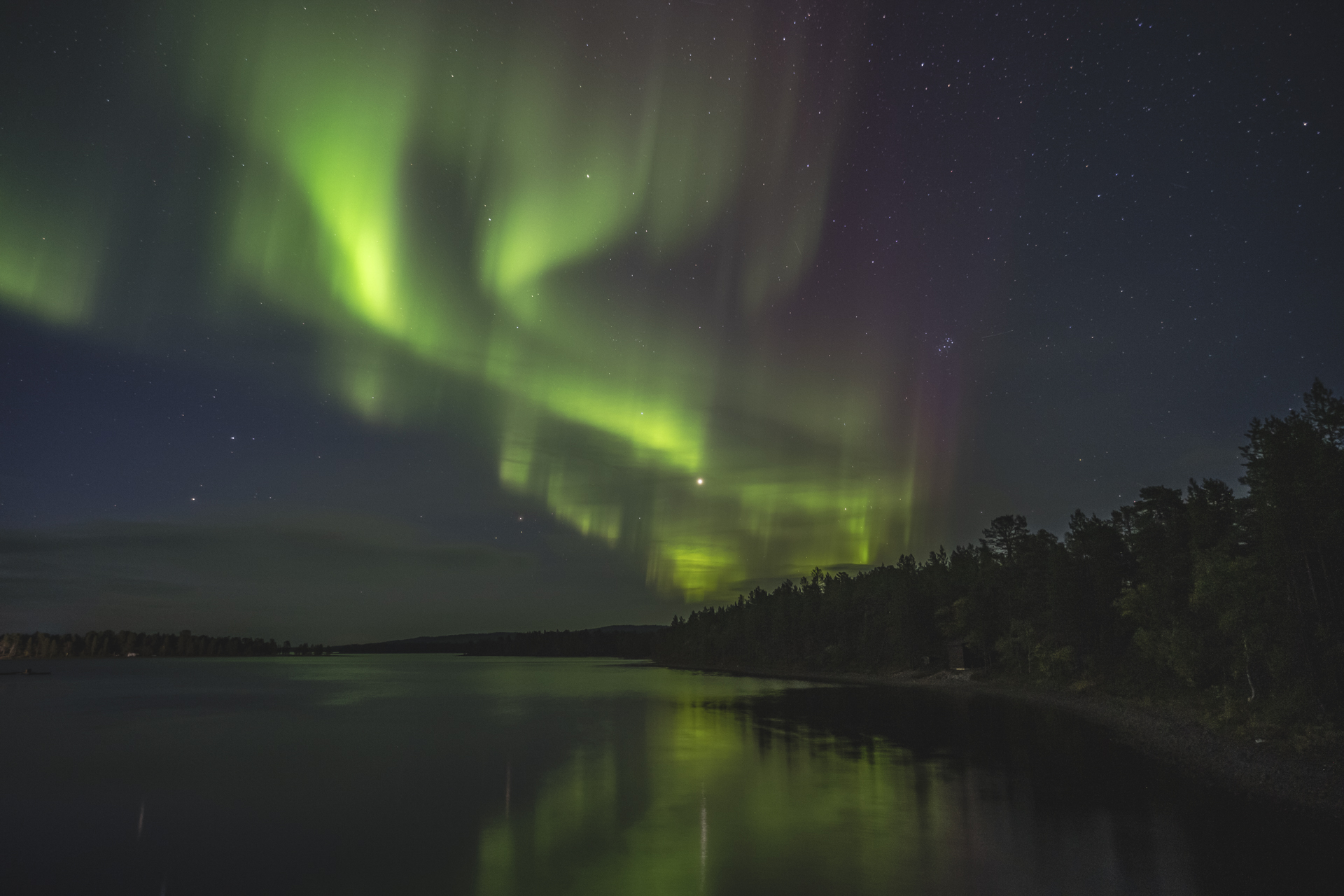
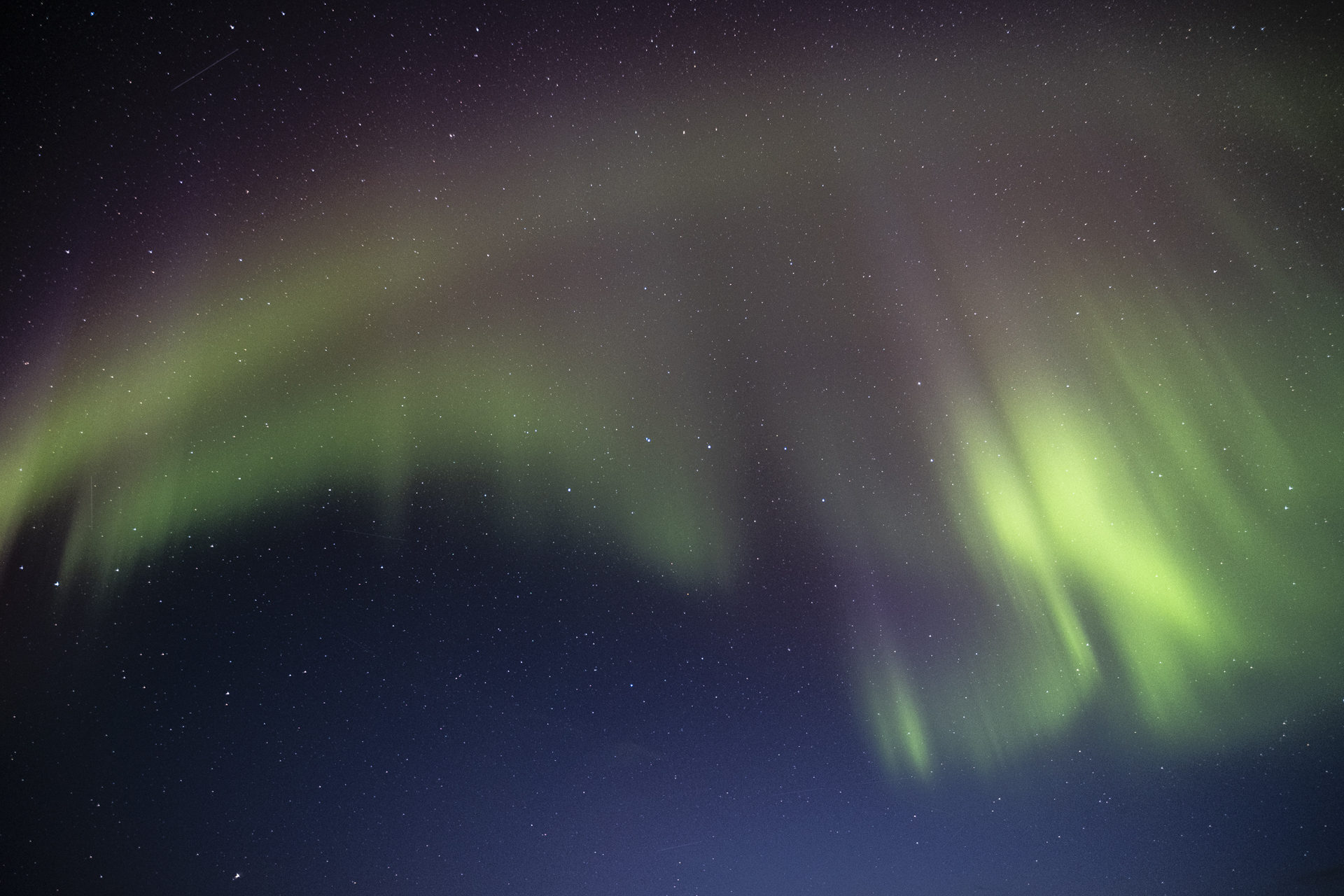
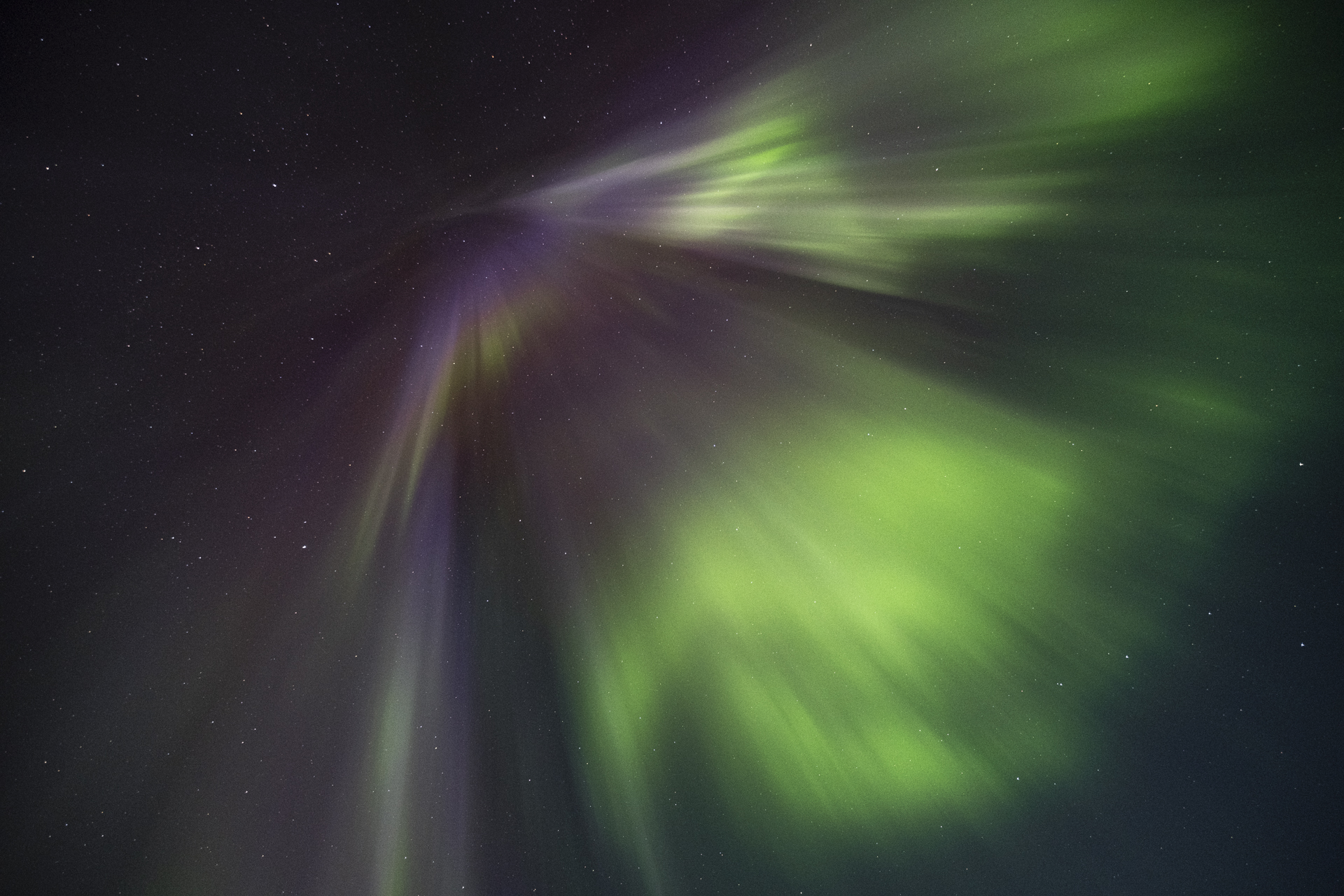
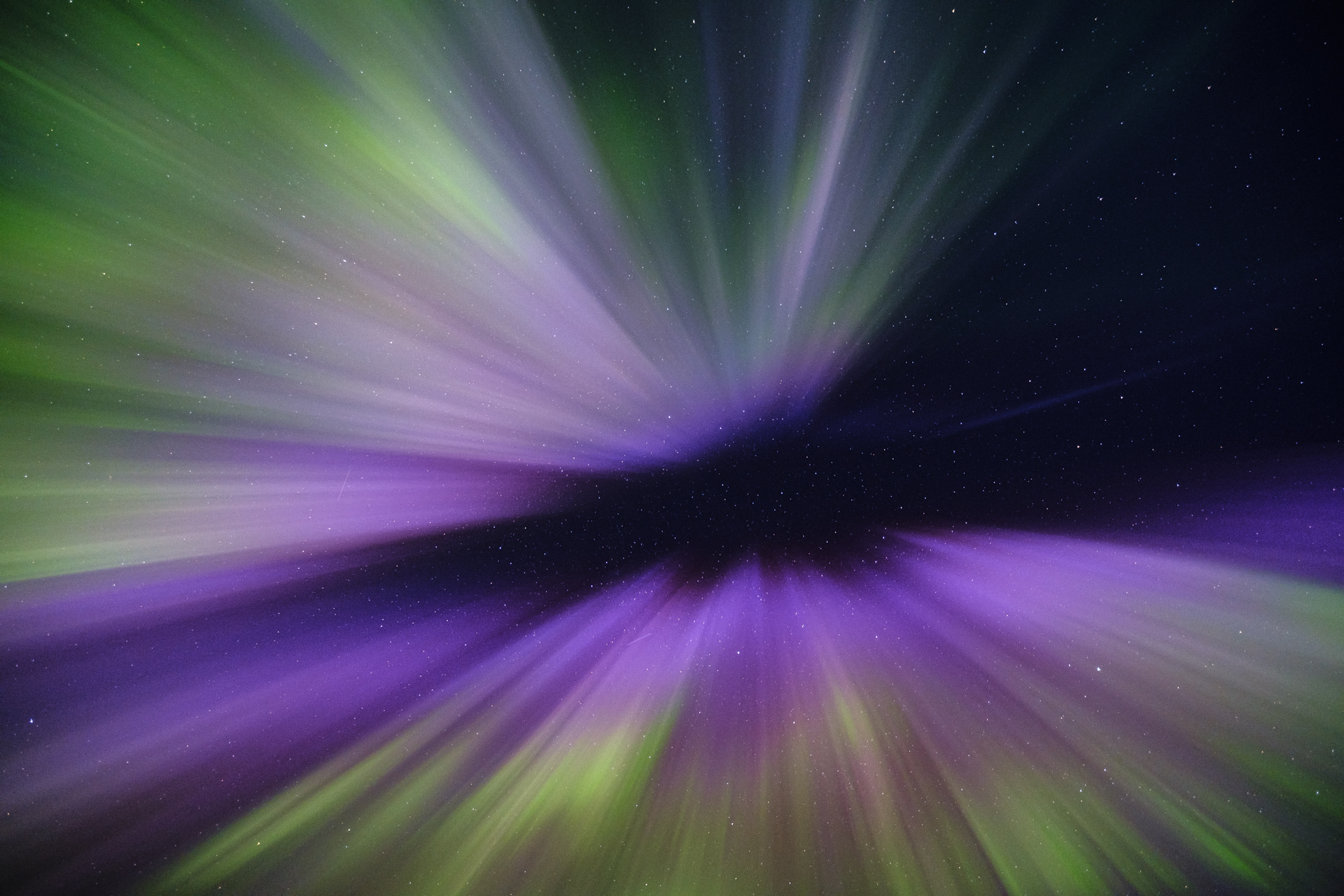
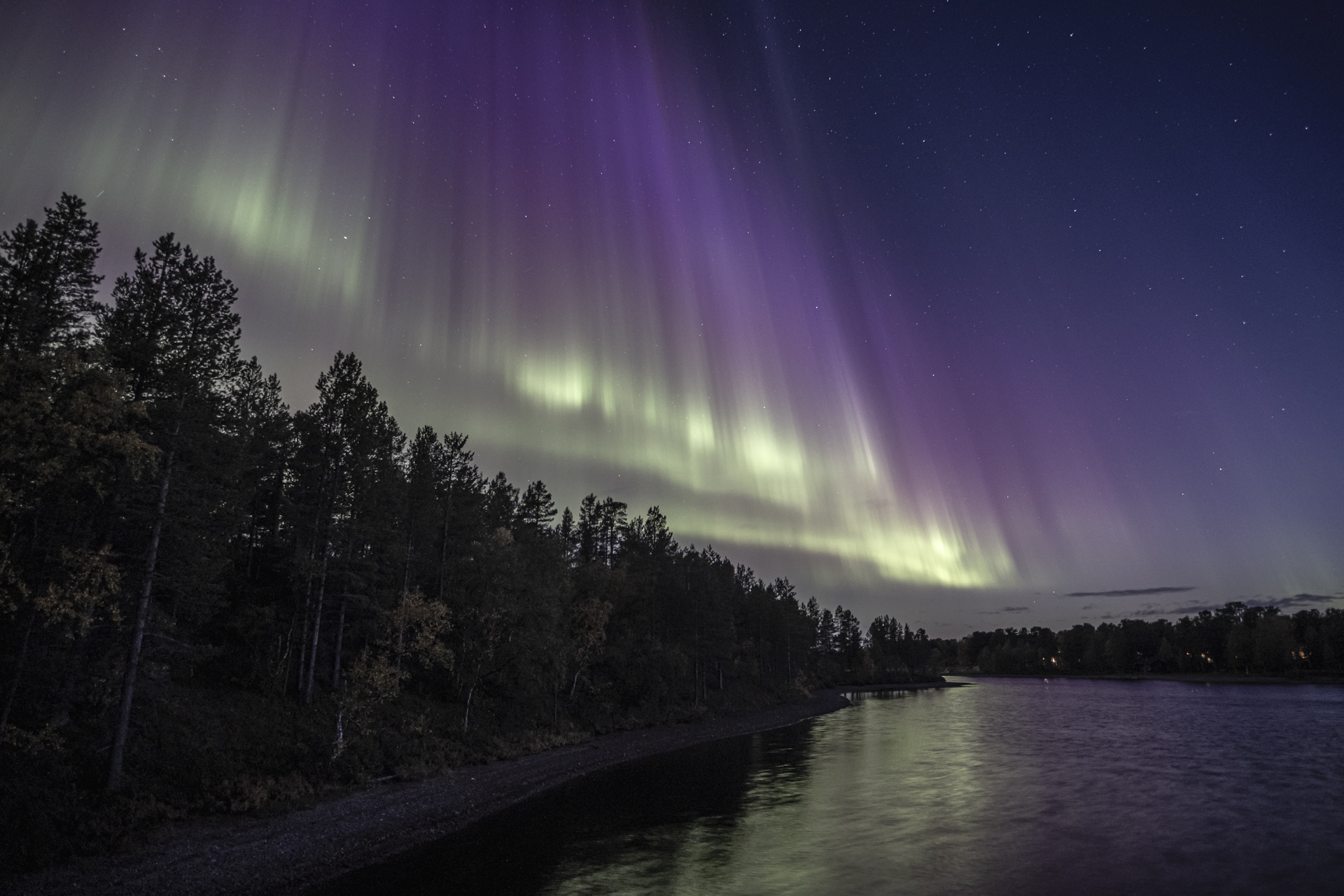
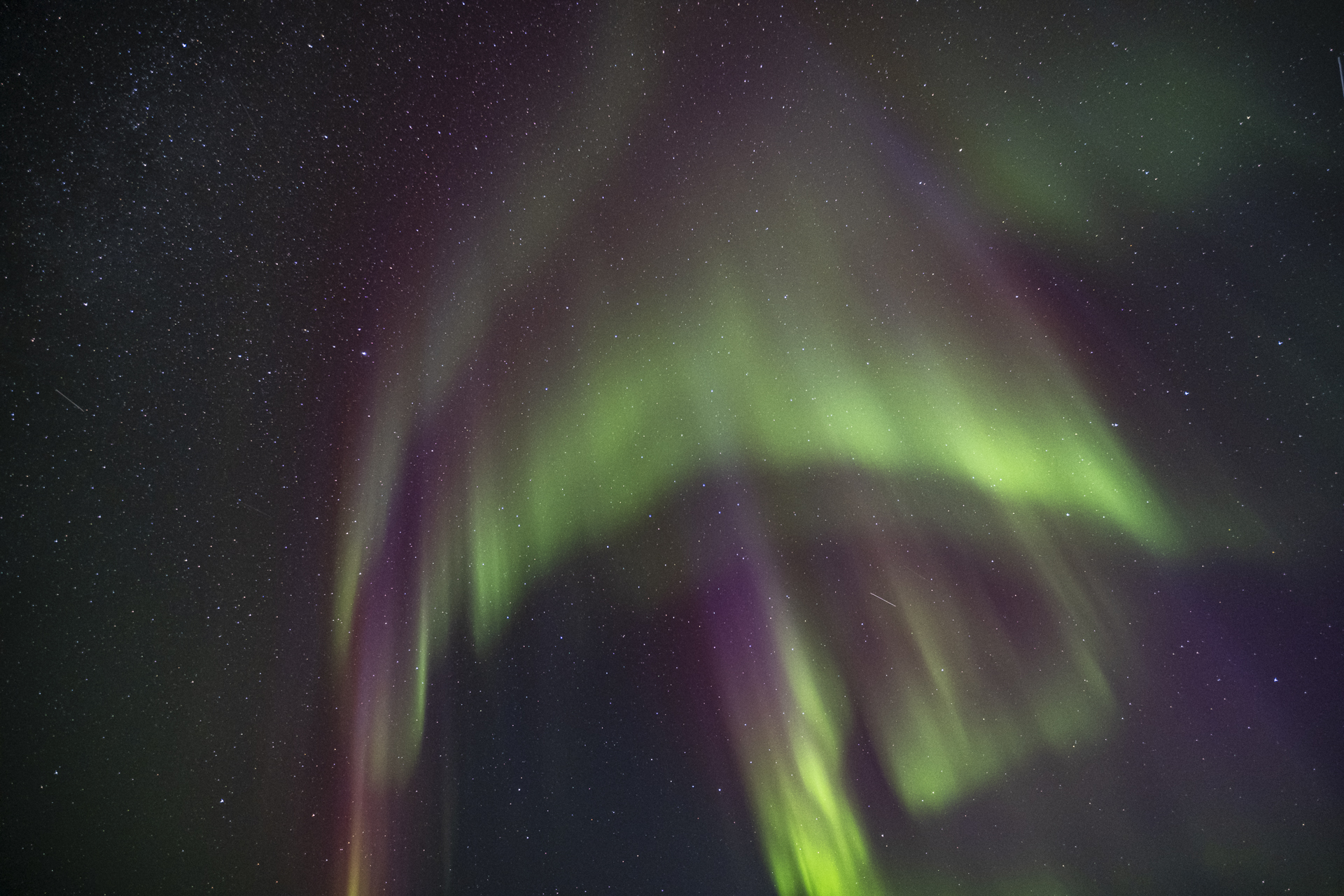
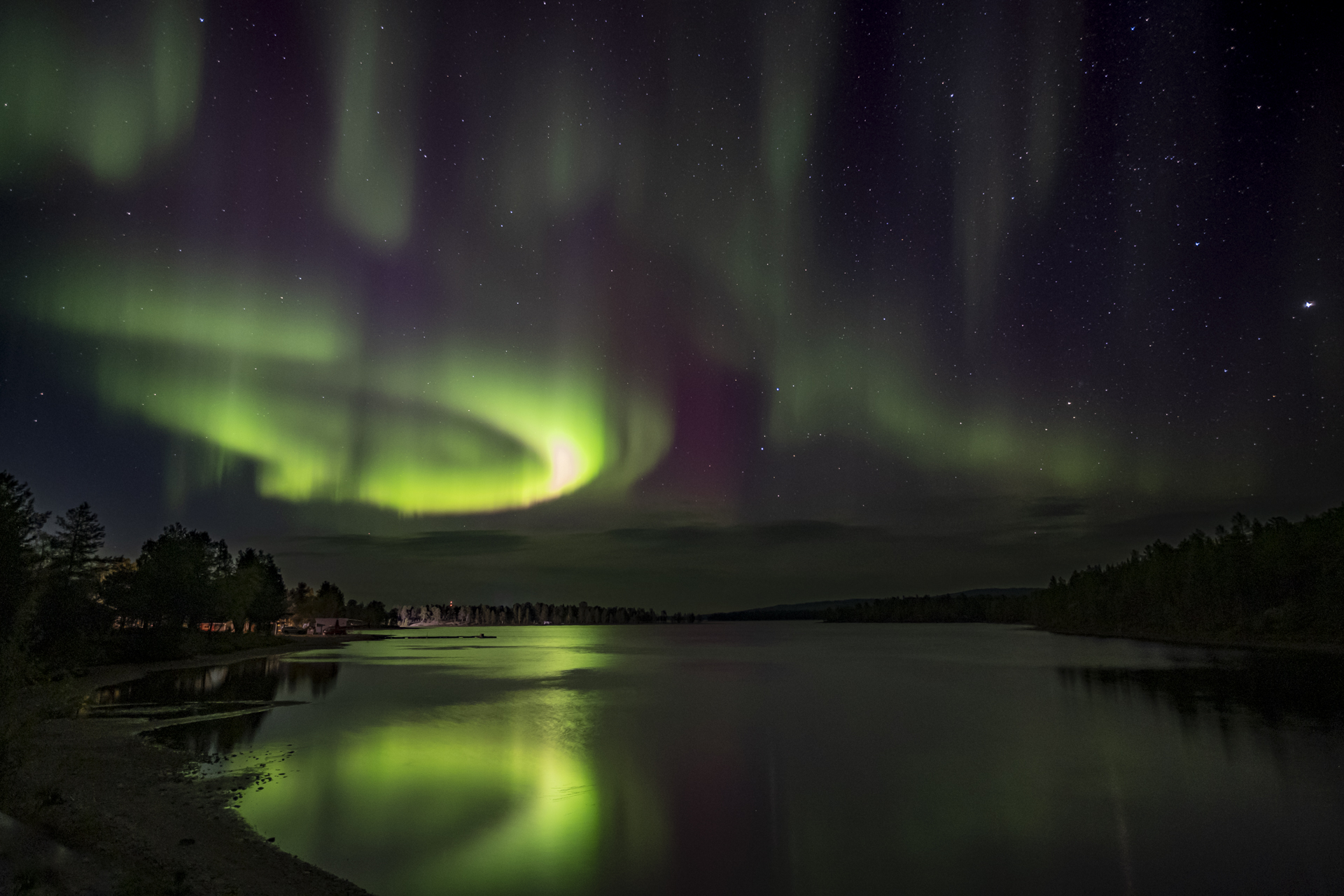
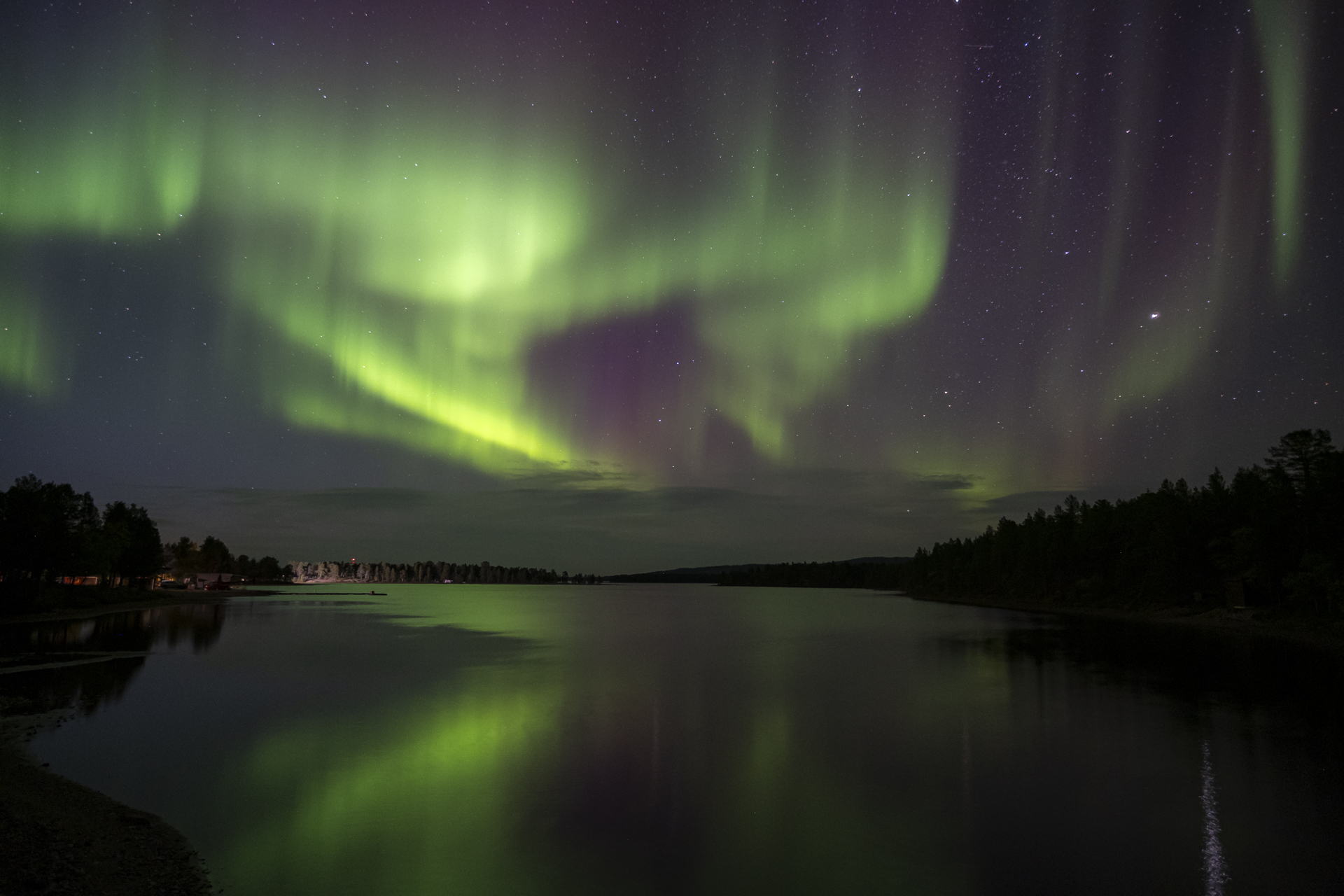
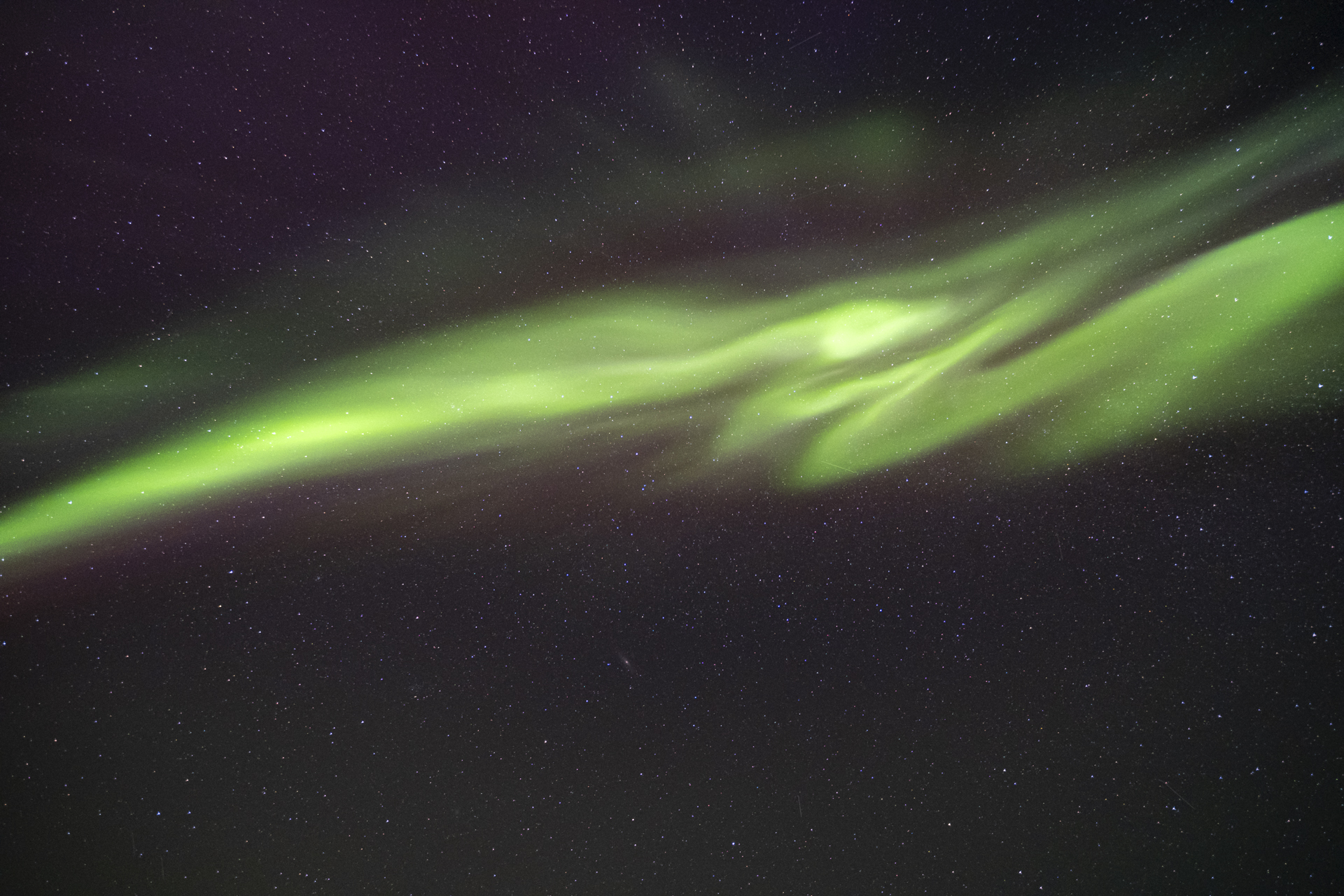
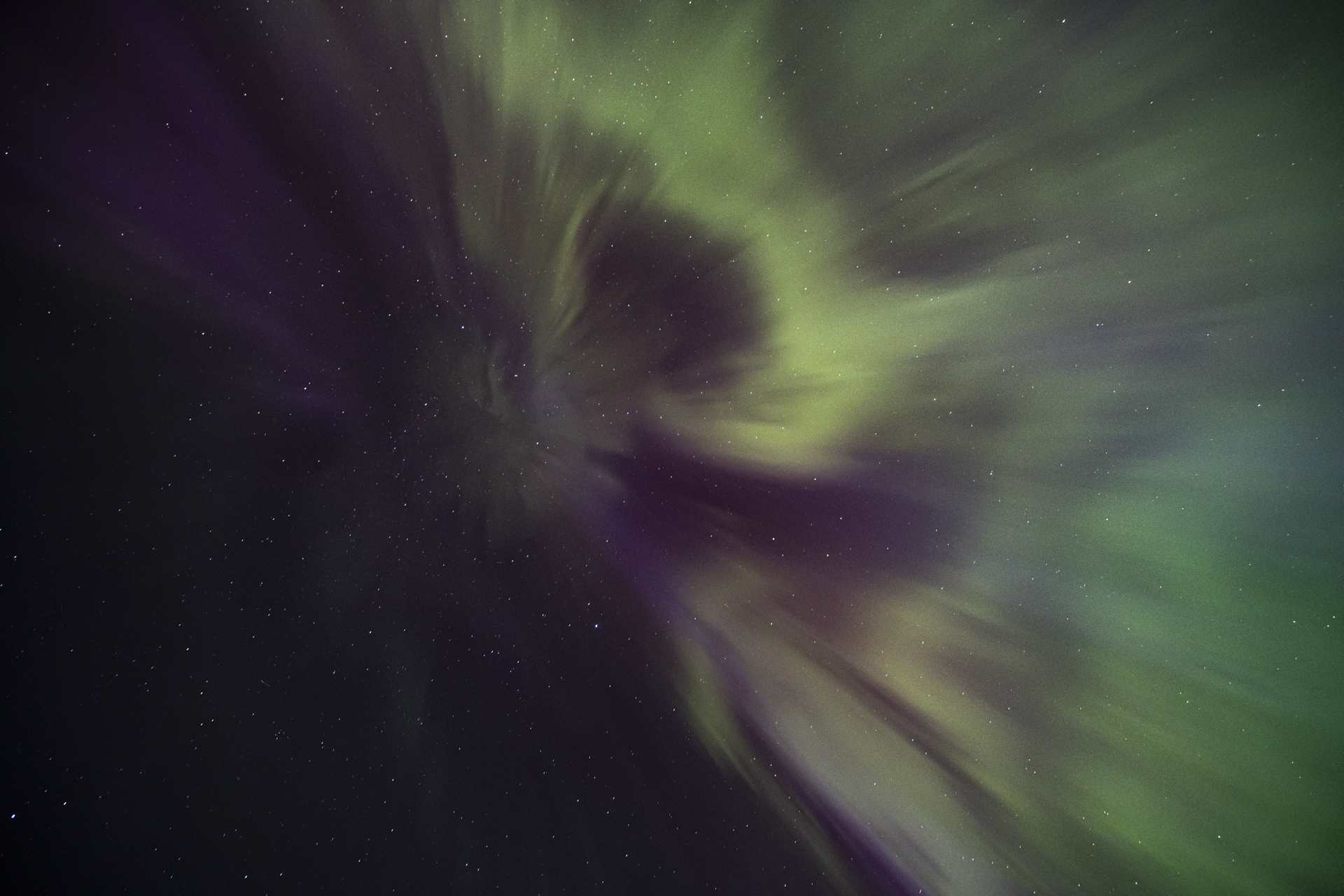
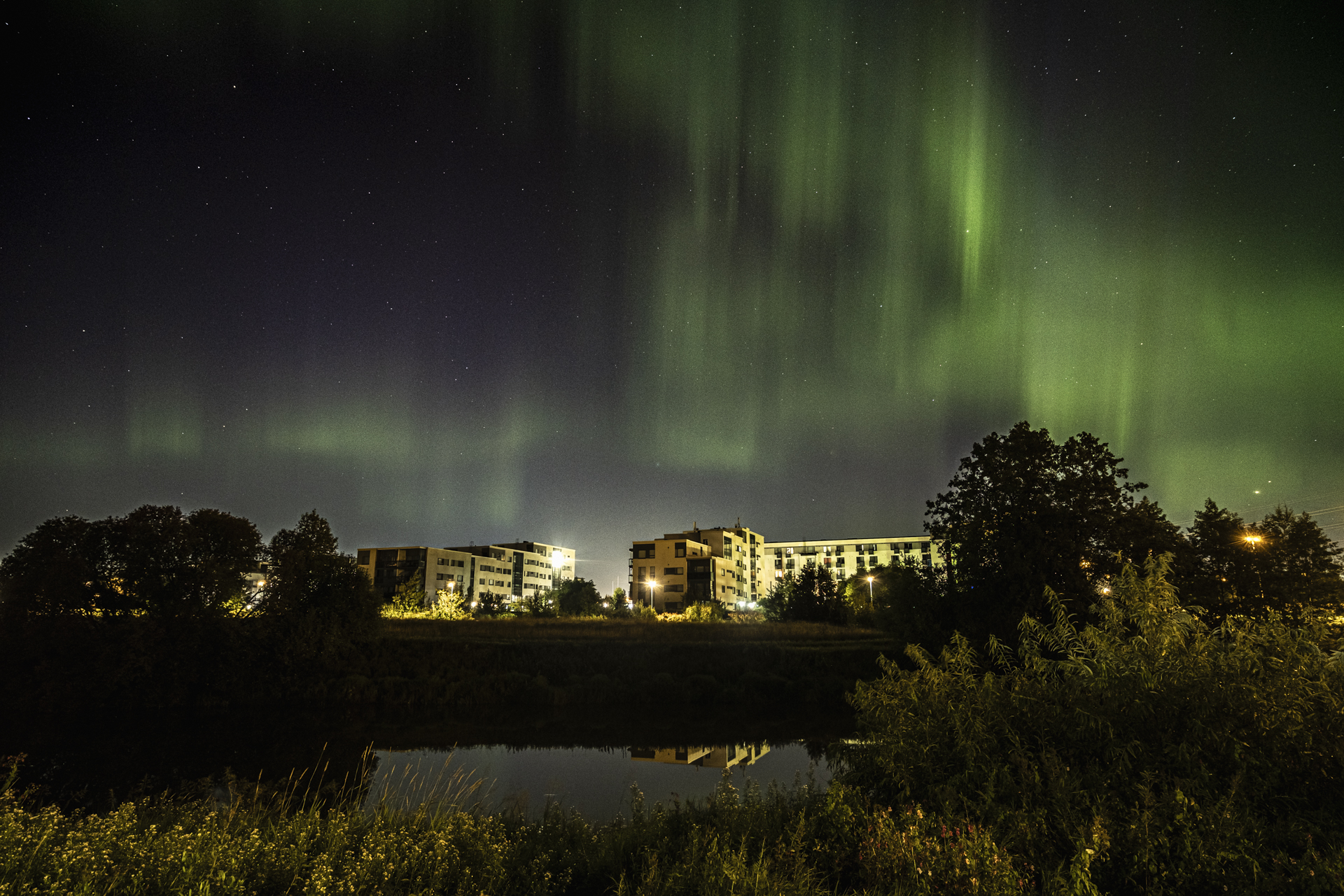
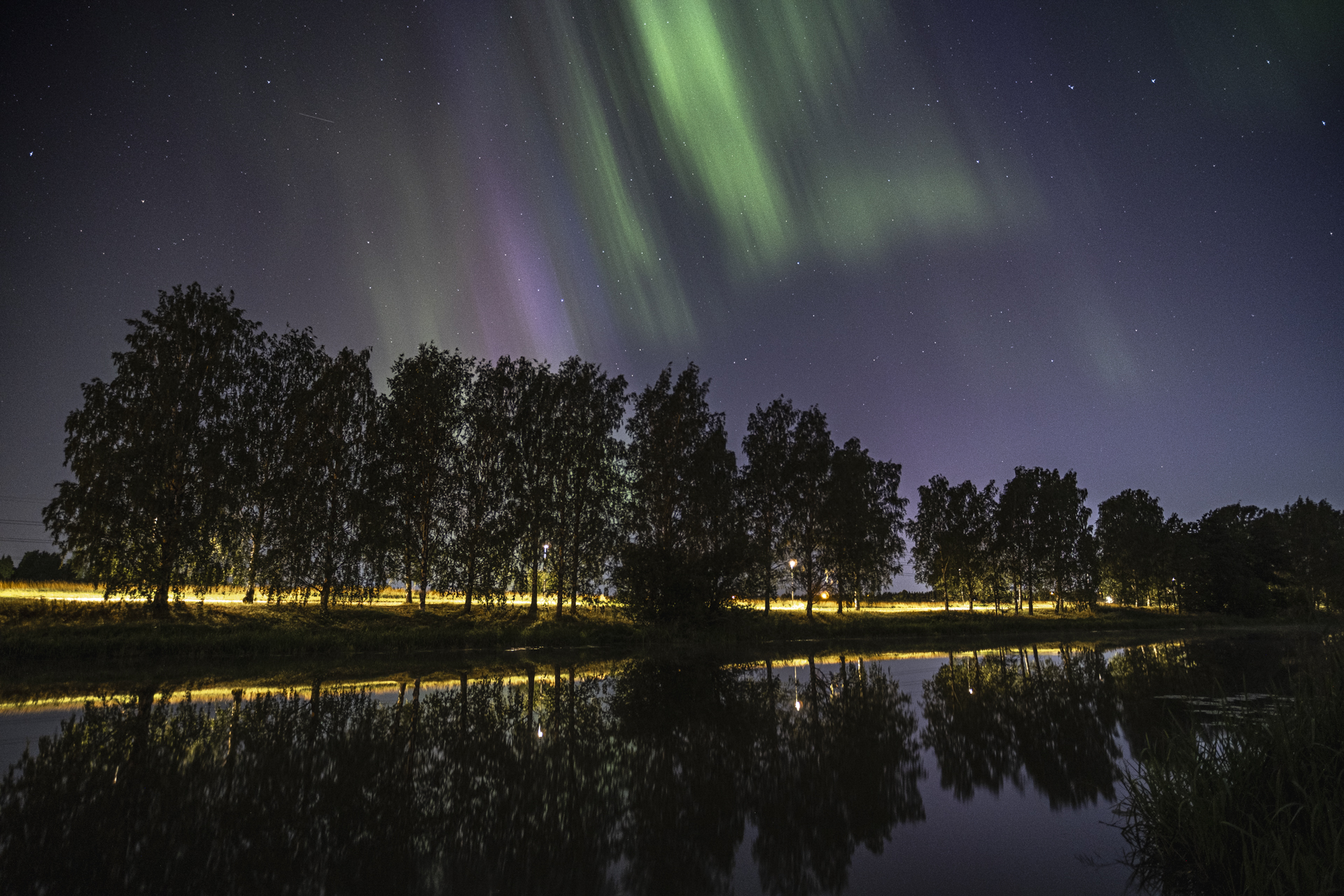
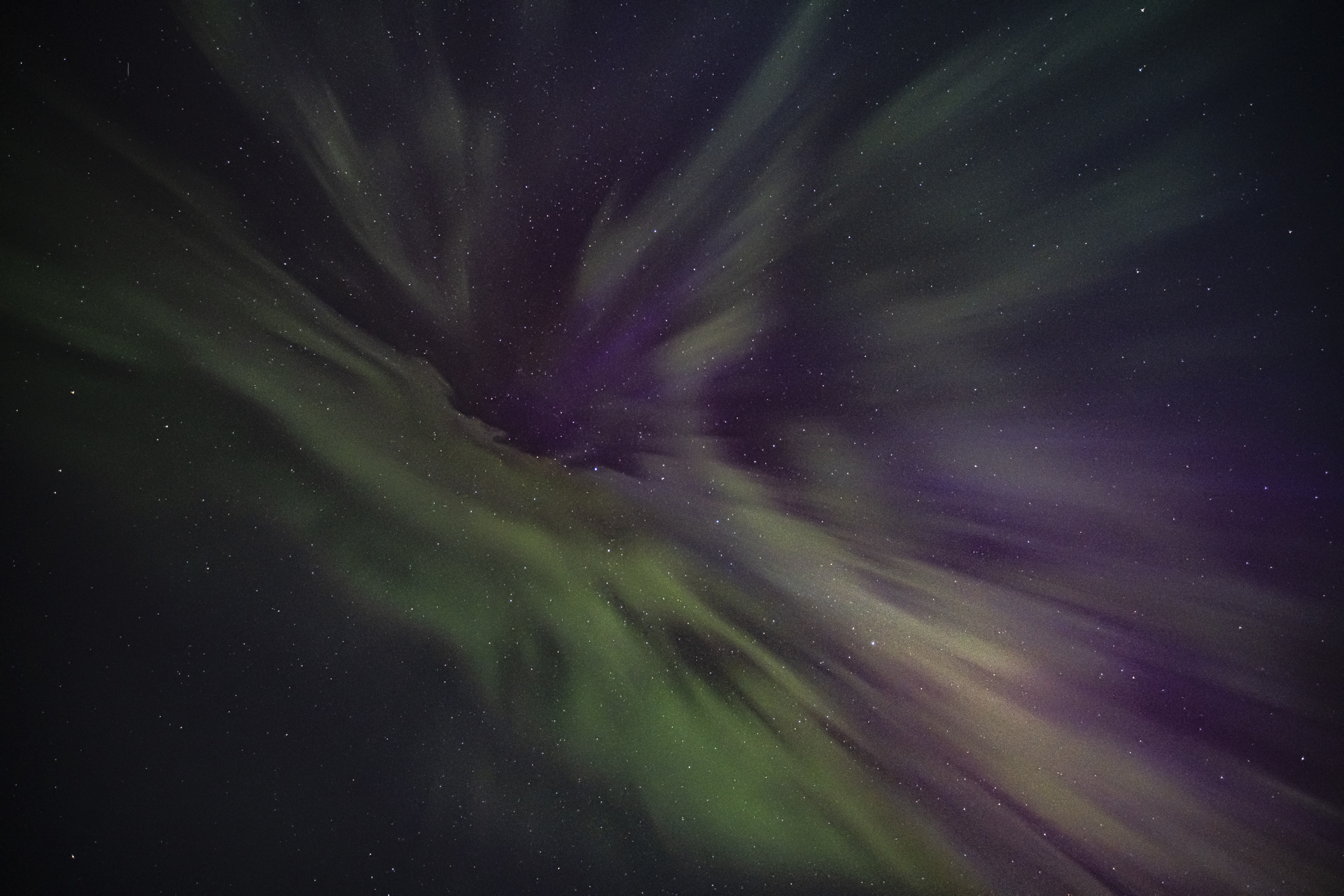
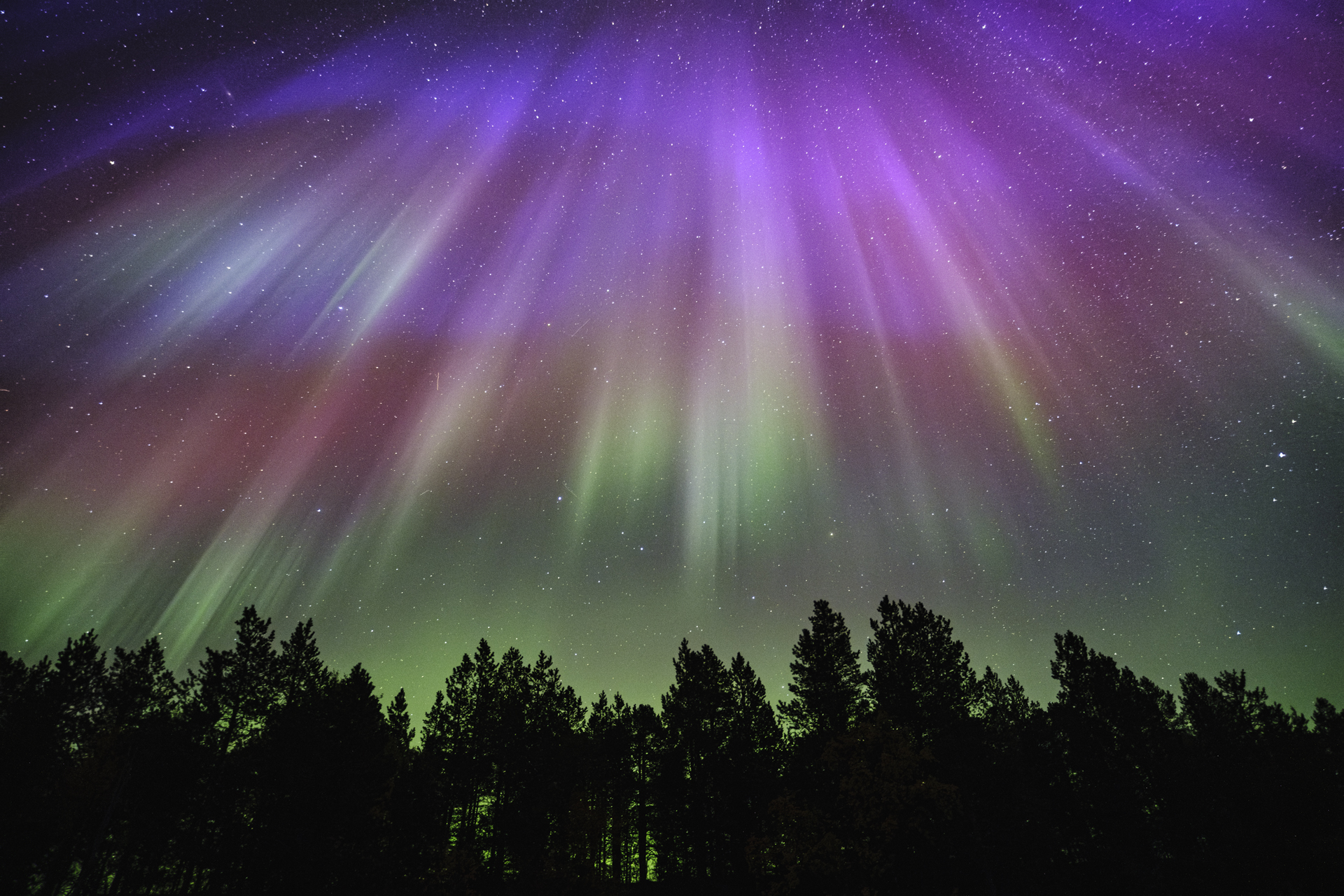
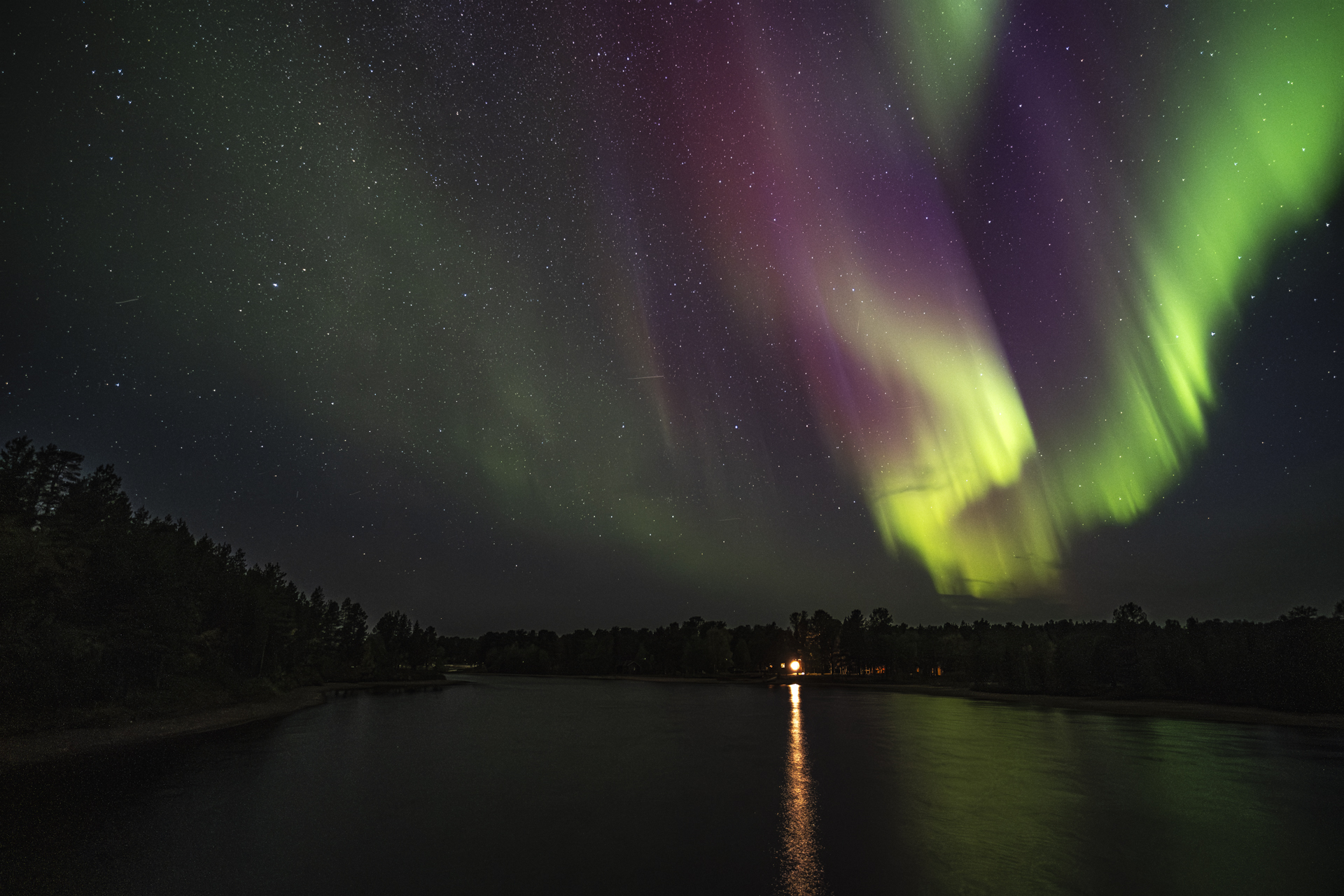
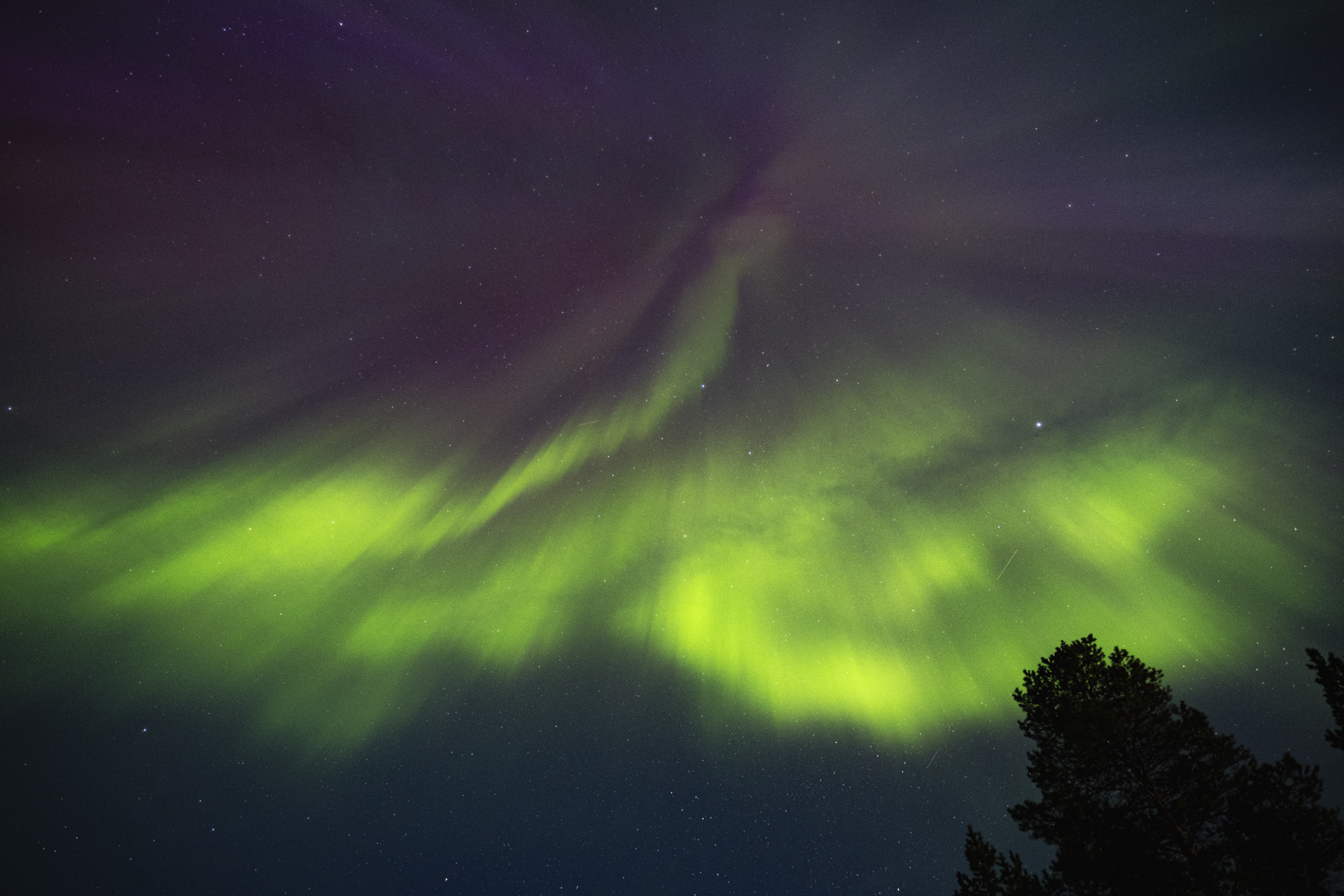
Looking back over my photo folders from the various adventures of the past year, one phenomenon jumps out from everything else: the amazing aurora borealis shows that I was lucky enough, like many other stargazers this year, to witness over the course of 2024. We’ve reached the peak of the 11 year solar cycle when the aurora – in this part of the world, otherwise known as the Northern Lights – is especially active, and that should continue into 2025. It was even clearly visible in southern Finland, in and around Helsinki where I live, on a number of occasions – not something we can take for granted with the amount of development and subsequent light pollution in the capital area. On my annual autumn trip to Sapmi – also known as Lapland – my timing was brilliant, with three clear nights out of four and increasingly intense shows on each night.

The aurora is triggered by the collision of solar wind’s protons and electrons, released by flares on the surface of the Sun and directed towards the polar regions by the Earth’s magnetic fields. The colours depend on the concentration of gas molecules with which the particles collide. Green is the most common colour, and also the easiest for the human eye to register, and results from the collision with oxygen at relatively low altitudes, from about 60 to 180 miles. Red displays occur at higher altitudes where oxygen is more rarified. Less common blue and purple auroras are caused by a collision with nitrogen at up to about 60 miles. 

Myths and legends

So much for the science. The myths and legends, conceived long before any prosaic and scientifically devised theories were applied, are almost easier to believe, and much more fun. The Finnish name for the Northern Lights, revontulet, which translates as ‘fox’s fires’, derives from the idea, as plausible as any when they evolved, that the apparition was caused by sparks set off when the tails of scampering foxes brushed the fells. Believing the aurora to be a bad omen, the indigenous Sámi were reluctant to converse about the aurora, believing them to be the souls of the departed, capable of scooping the living into the sky. Other Arctic tribes were similarly in awe, but attributed more benign functions to the aurora, believing them to be a guiding light for the deceased on their way to a well-illuminated afterlife. If I had been alive in a pre-science Lapland, I like to think my own proposal might have gained some traction, that the Northern Lights are orchestrated at the whim of an invisible giant – a specially designated auroral god, perhaps – using a series of mystical hand gestures.

Anyway, I thought I’d post a big selection of my best aurora moments over the course of the 2024 as a celebration as the turn of the year approaches. I hope you enjoy the show! The first block of images are from my September trip to the village of Sevettijärvi in Lapland, way above the Arctic Circle in northern Finland.

The following selection were all captured in the locality of our Helsinki home, on the northern edge of the city, in the Central Park area and close to the River Vantaa at the end of our road, in early May and August. It’s very rare that we get such vivid displays, although the occasional faint flicker isn’t so unusual.

Share this:

  • Click to share on Facebook (Opens in new window) Facebook
  • Click to email a link to a friend (Opens in new window) Email
  • Click to share on LinkedIn (Opens in new window) LinkedIn
Like Loading...

Grosseto and the Maremma Regional Natural Park in southern Tuscany

29 Tuesday Oct 2024

Posted by Tim Bird in photography, sustainable development, tourism, Travel, travel photography, Uncategorized

≈ Leave a comment

Tags

Grosseto, Italy, Maremma, Tuscany

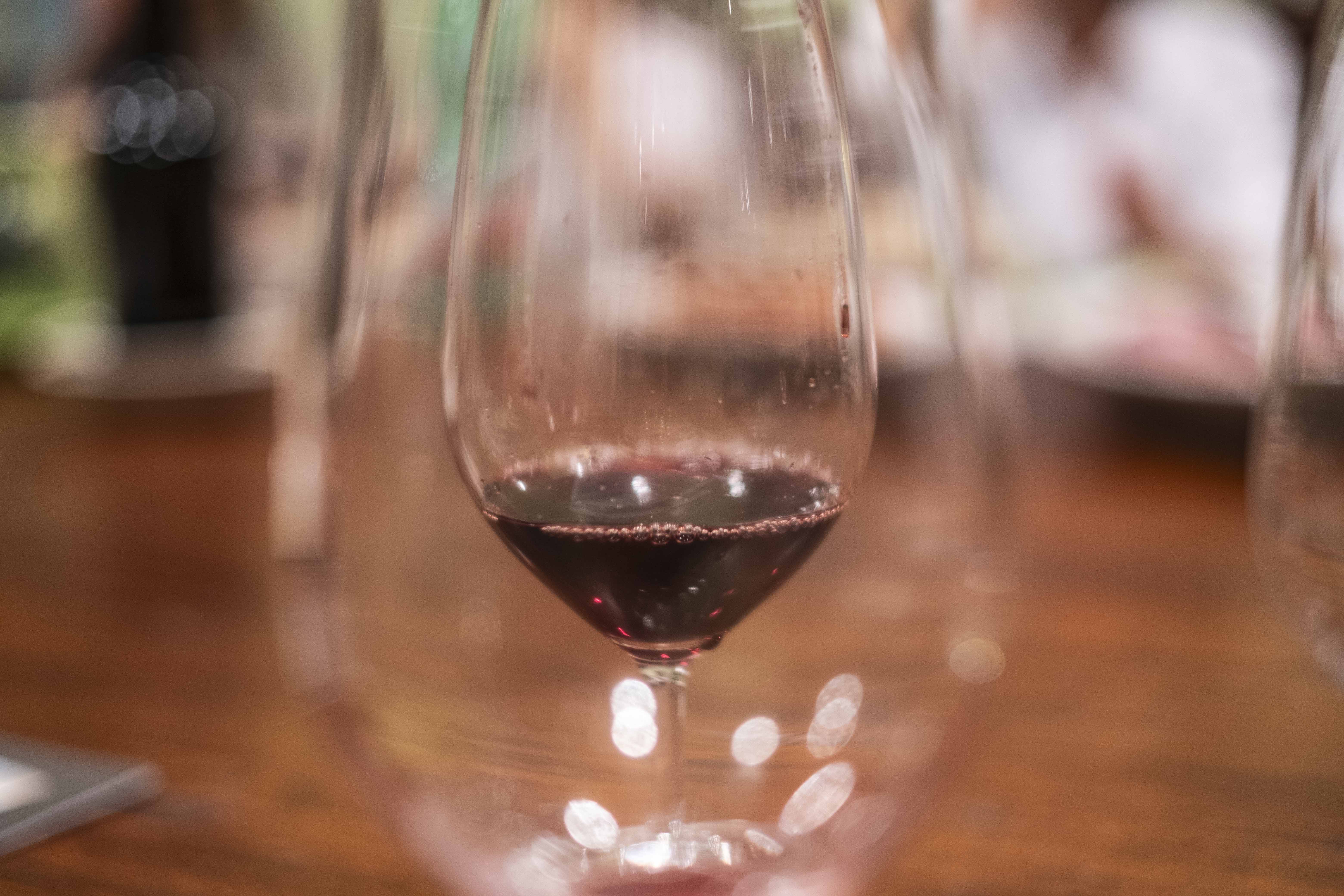
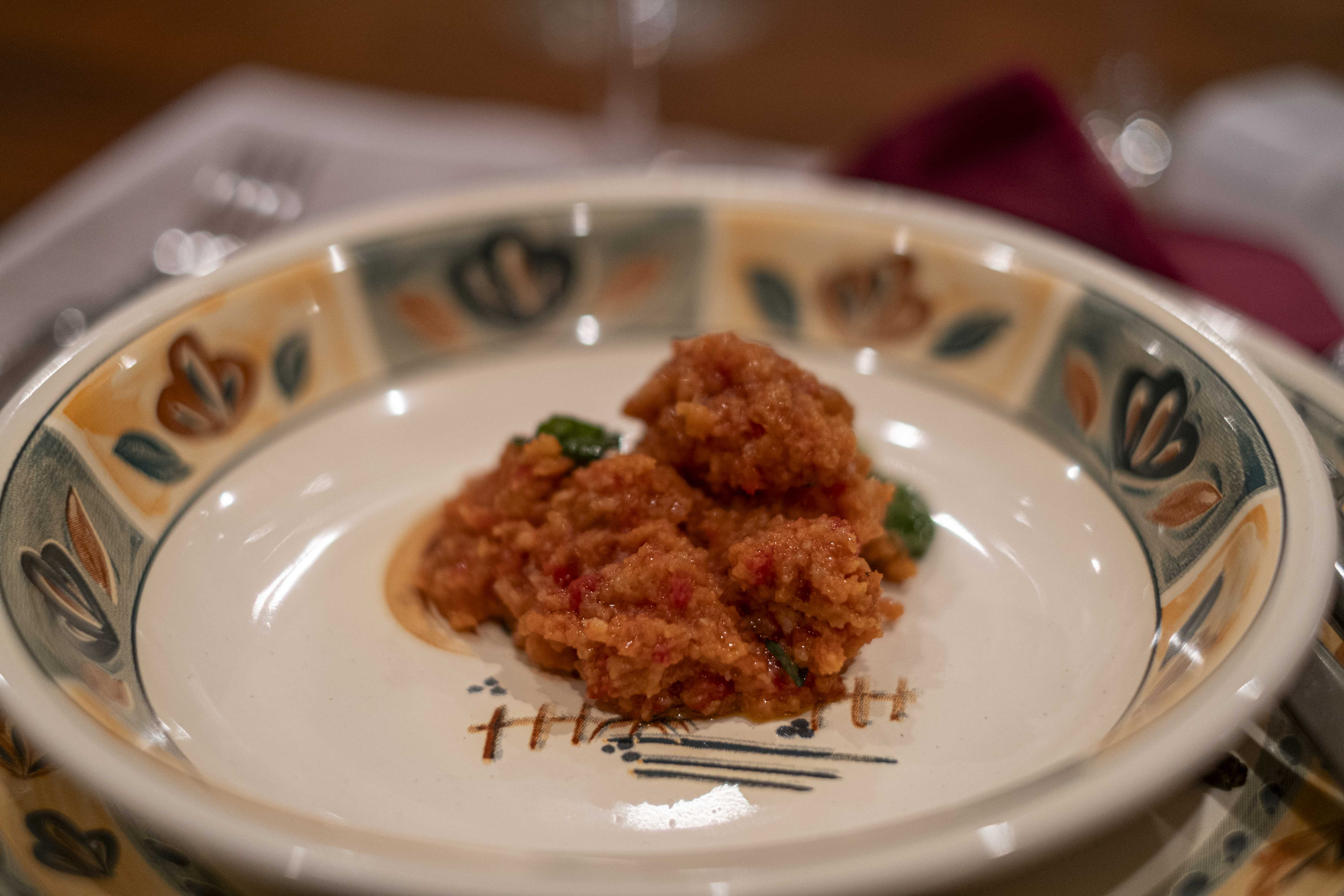
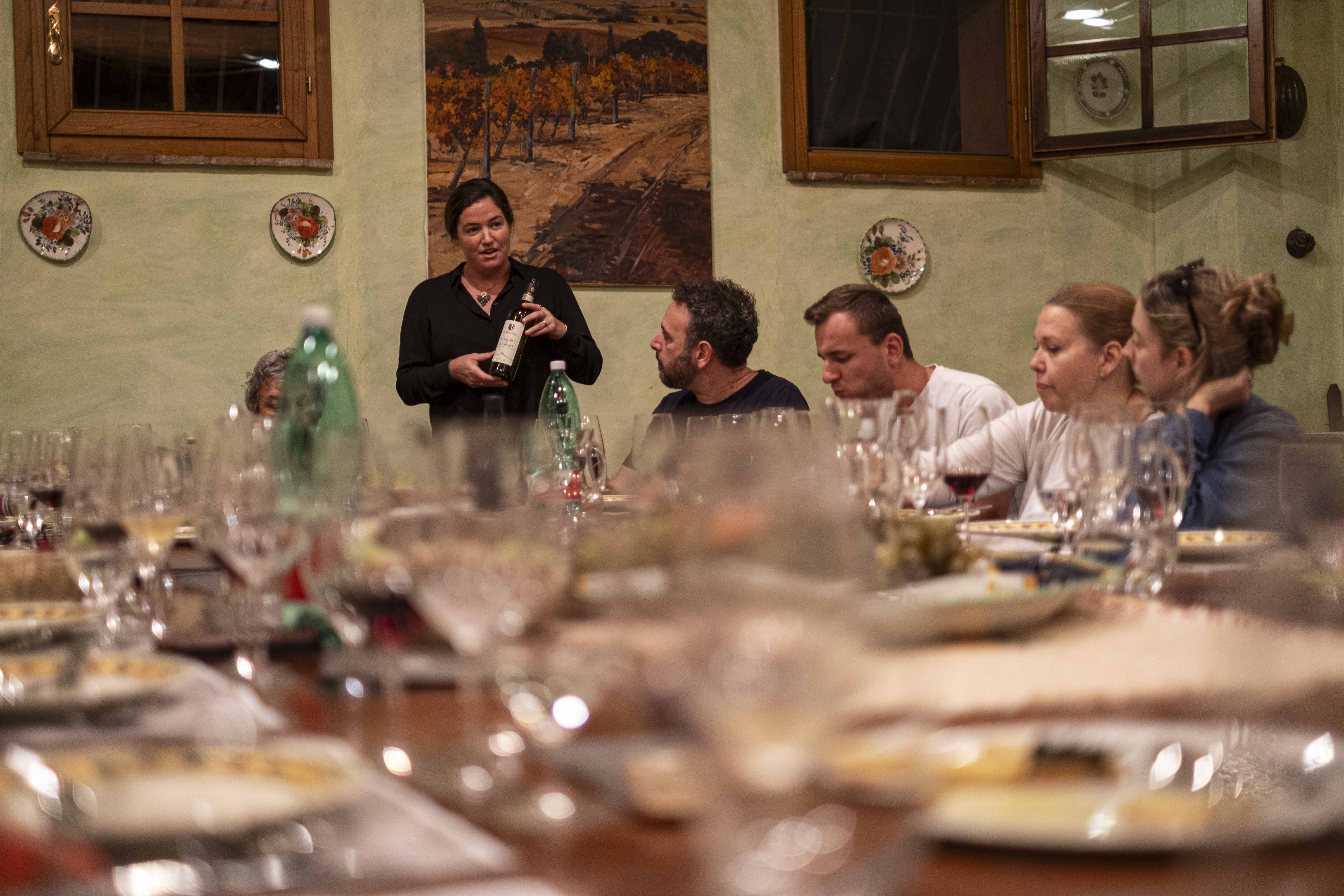
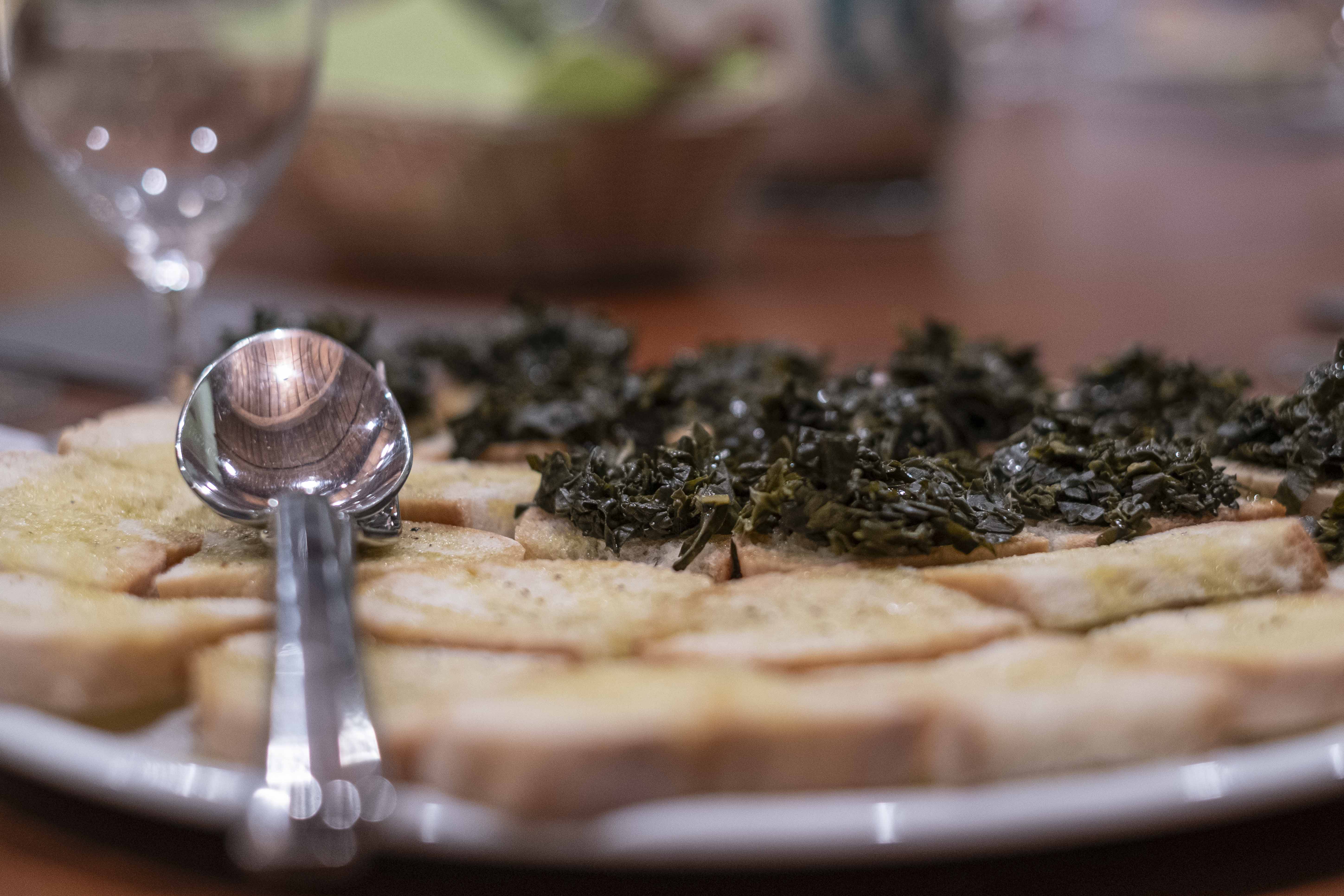
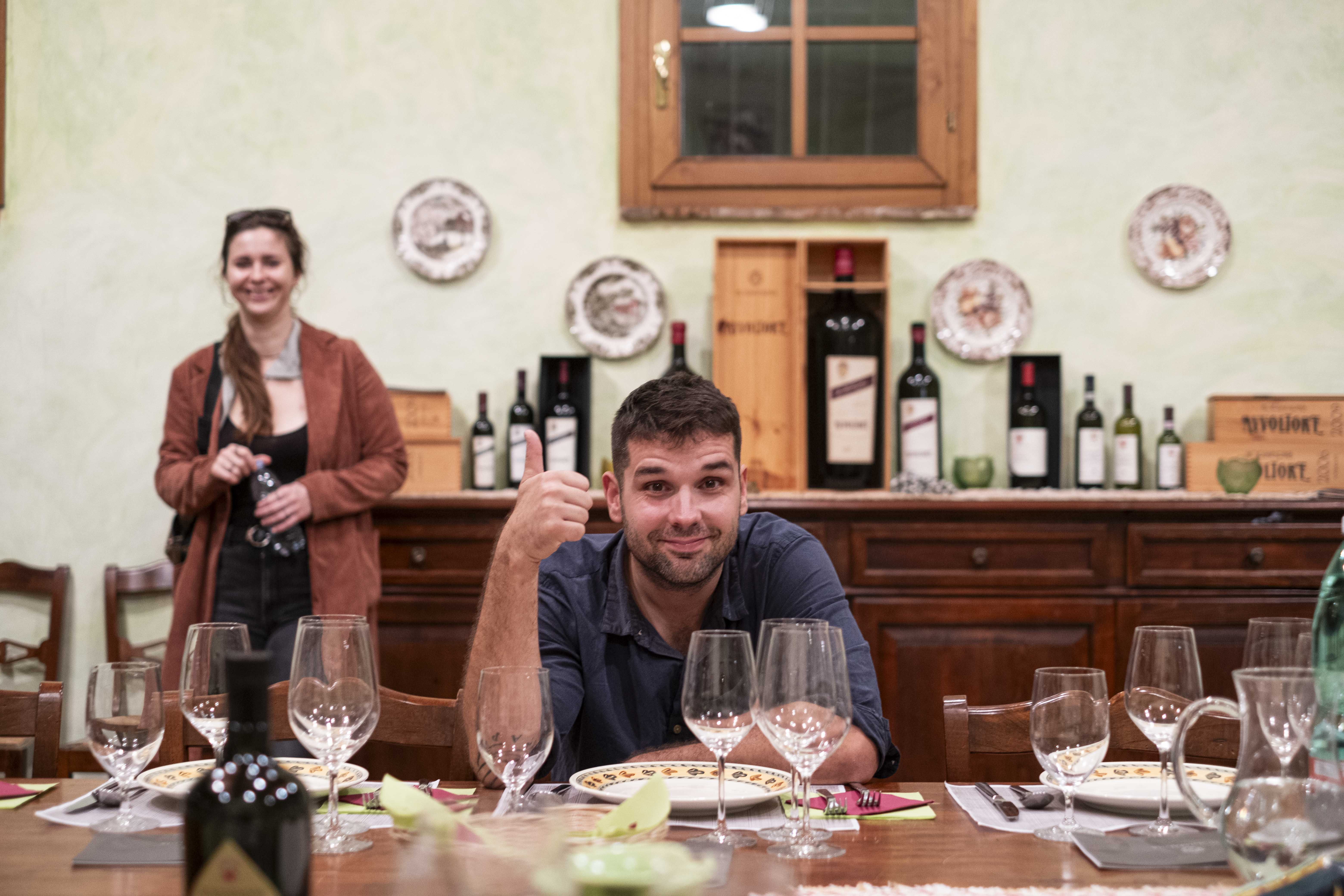
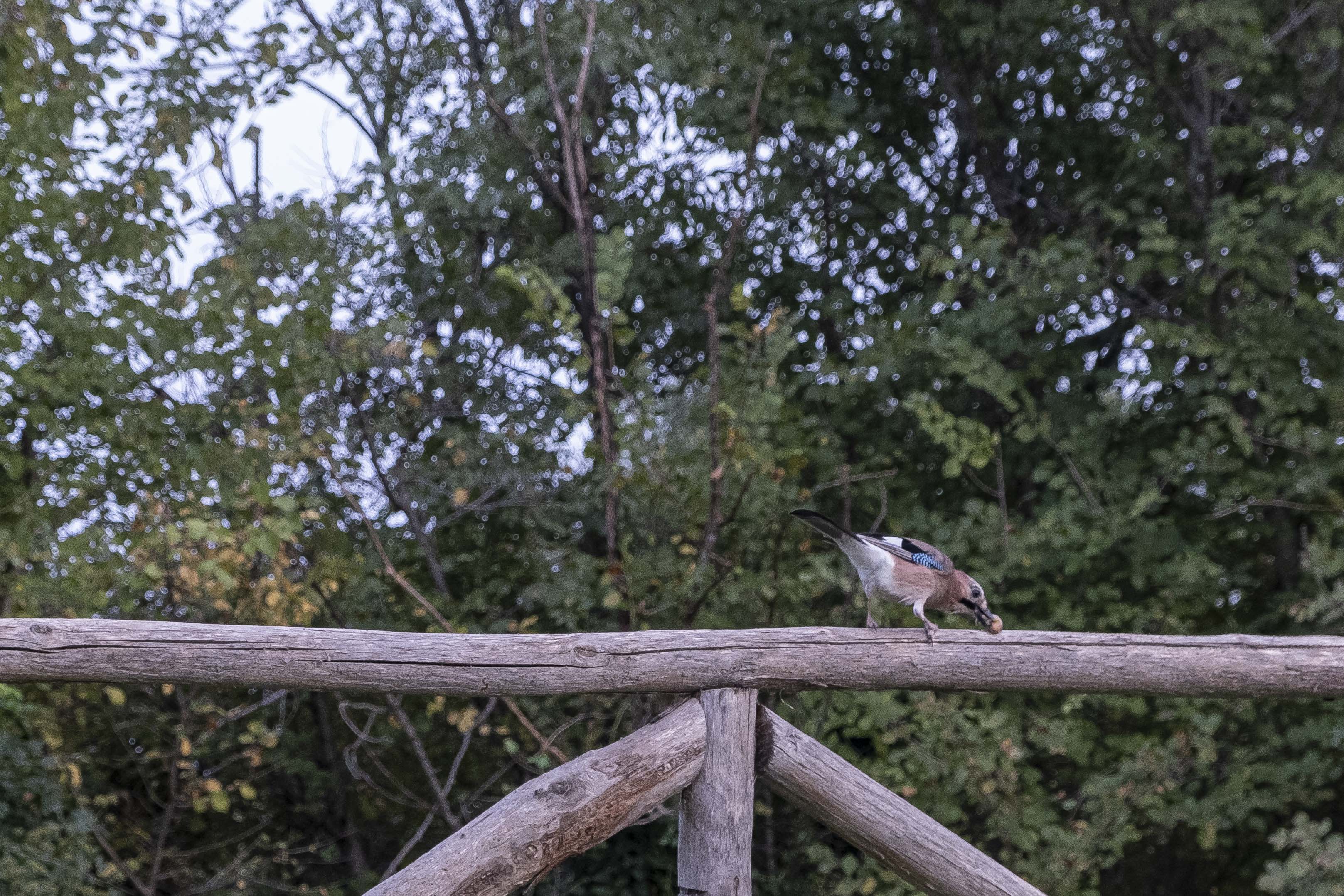
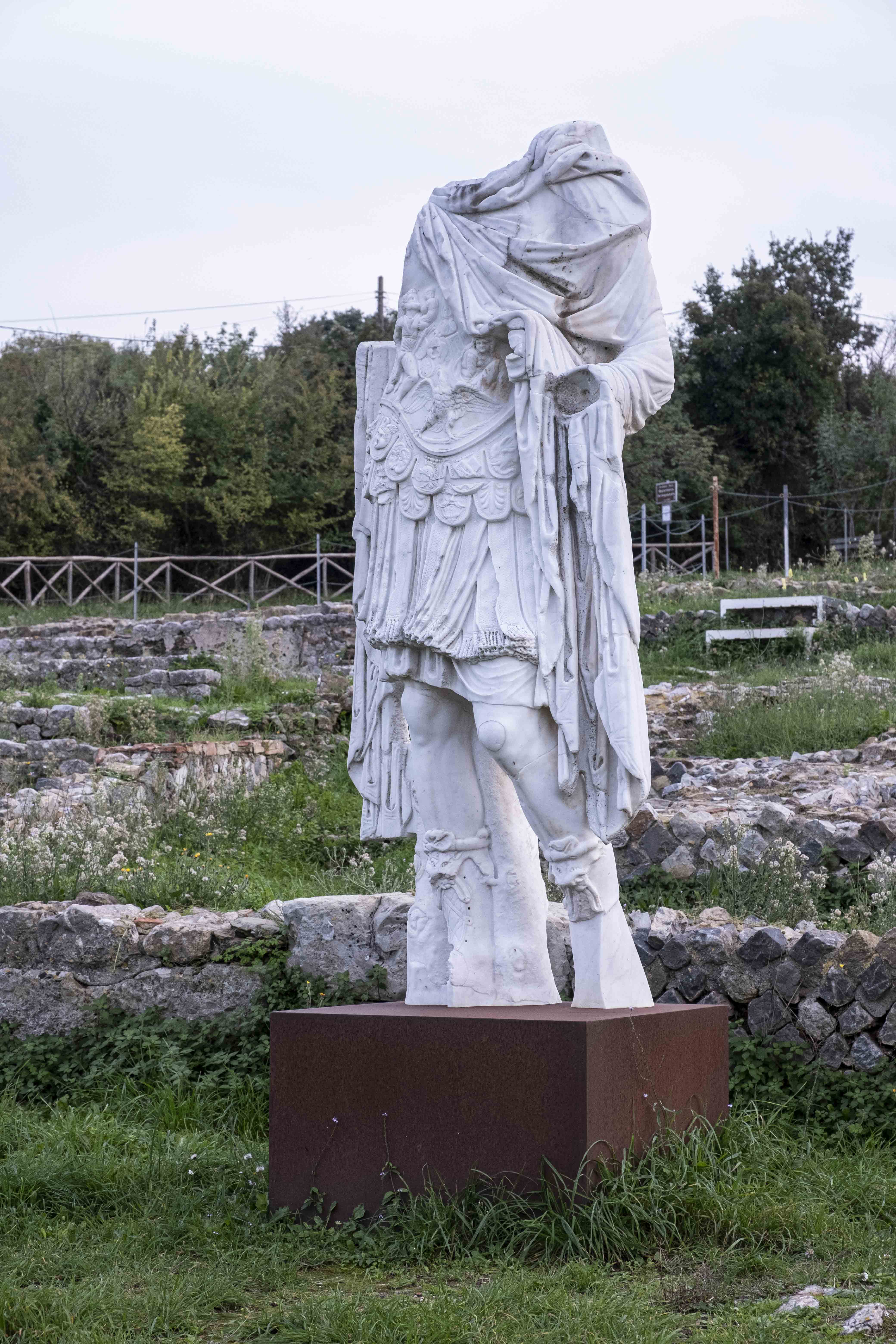
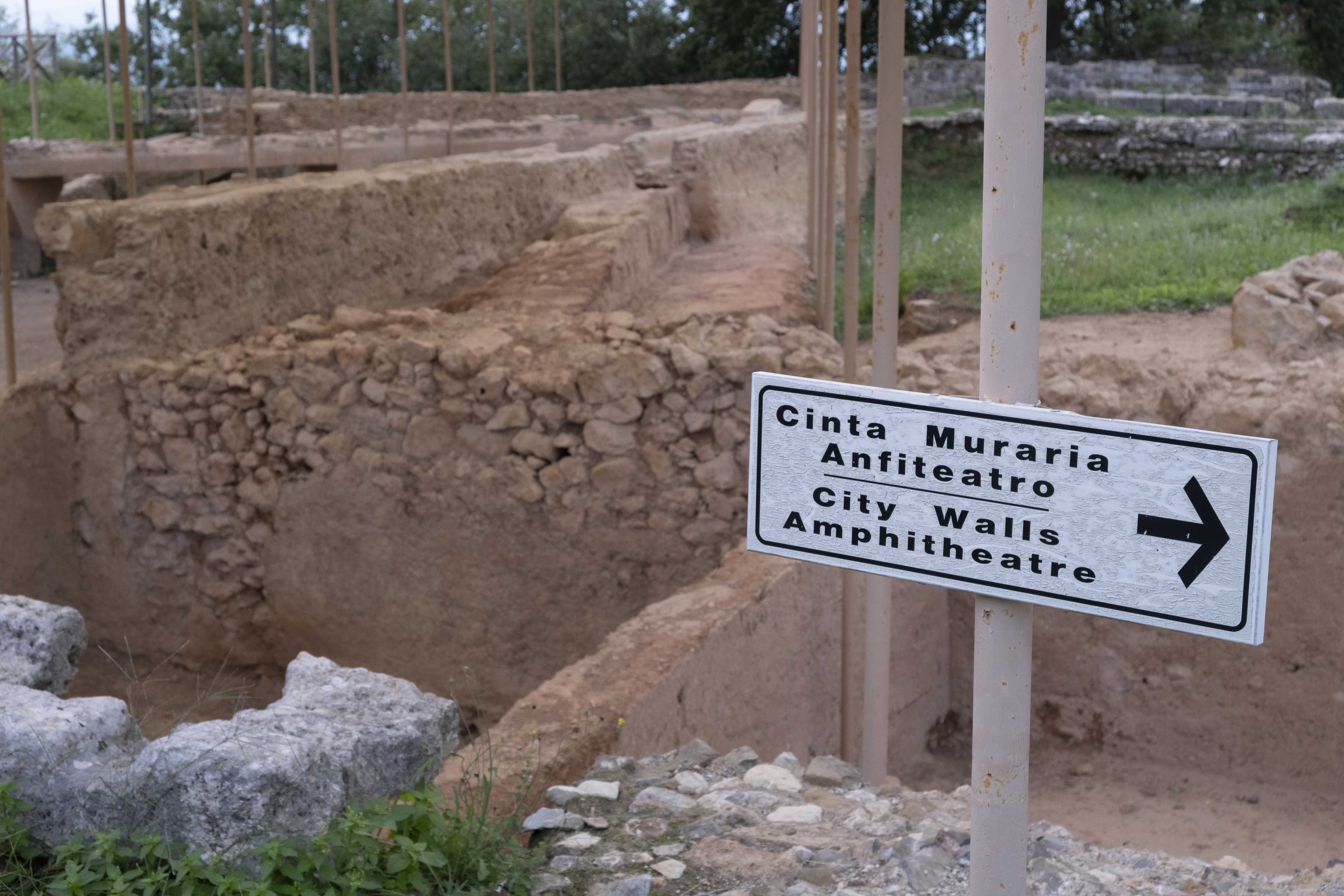
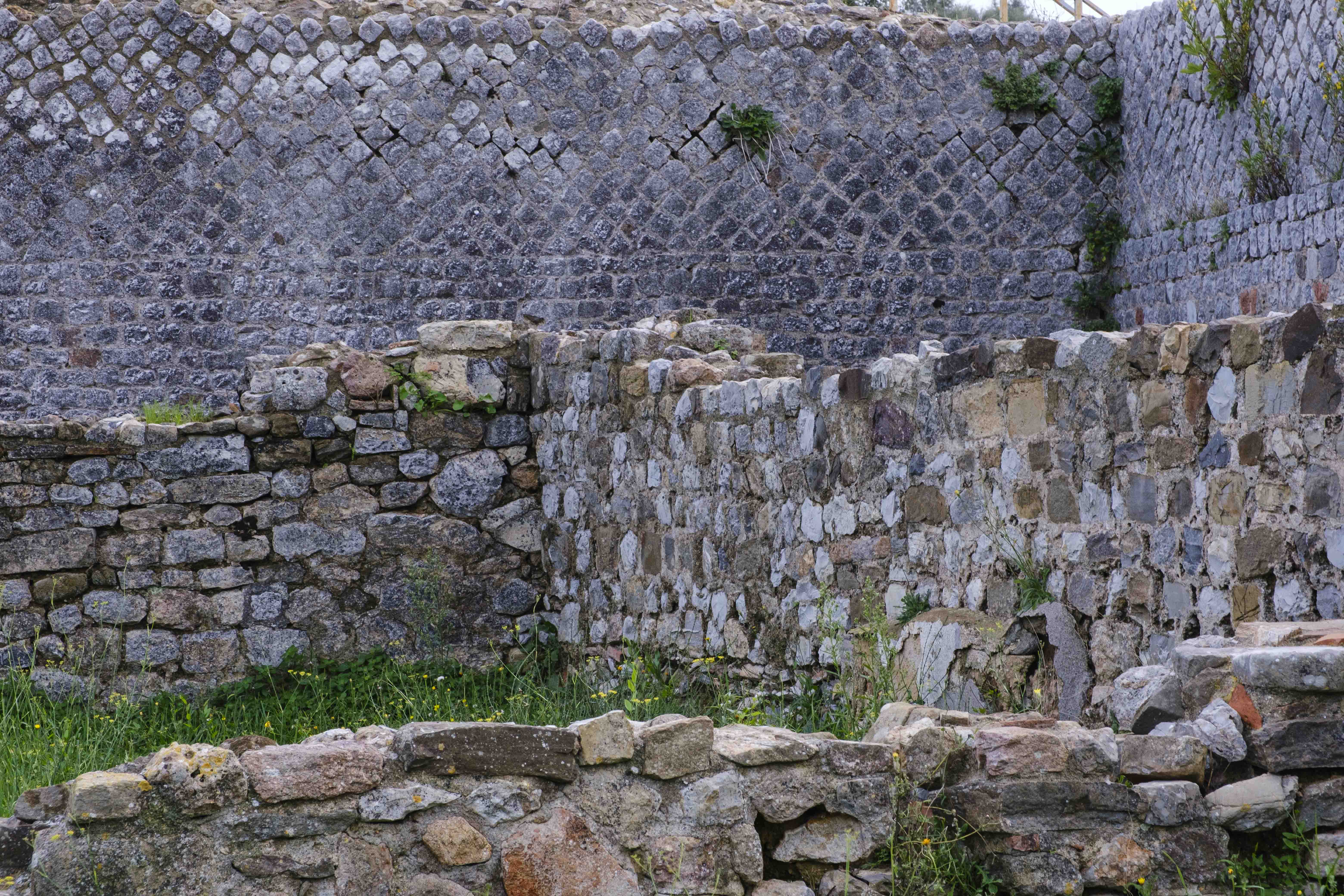
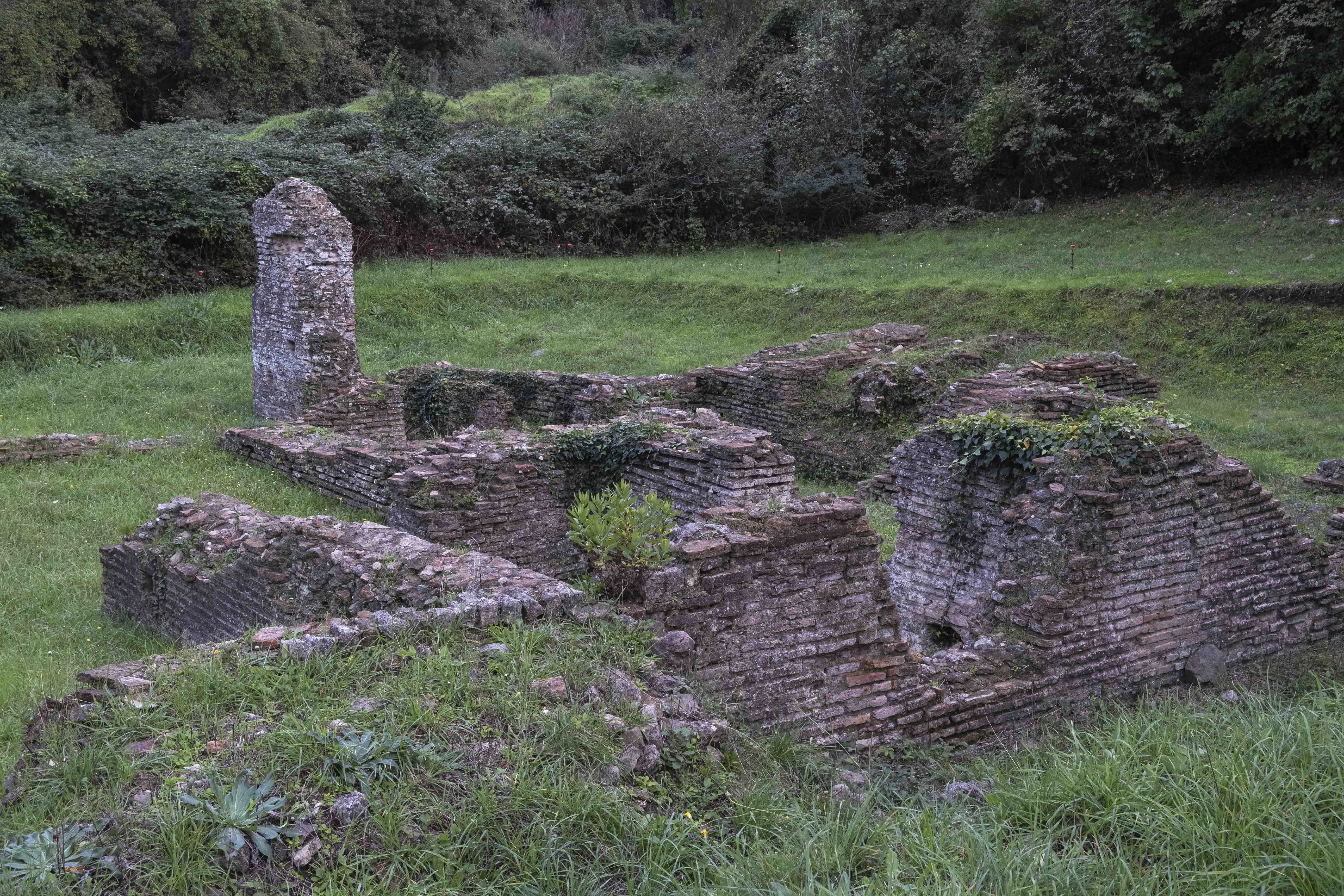
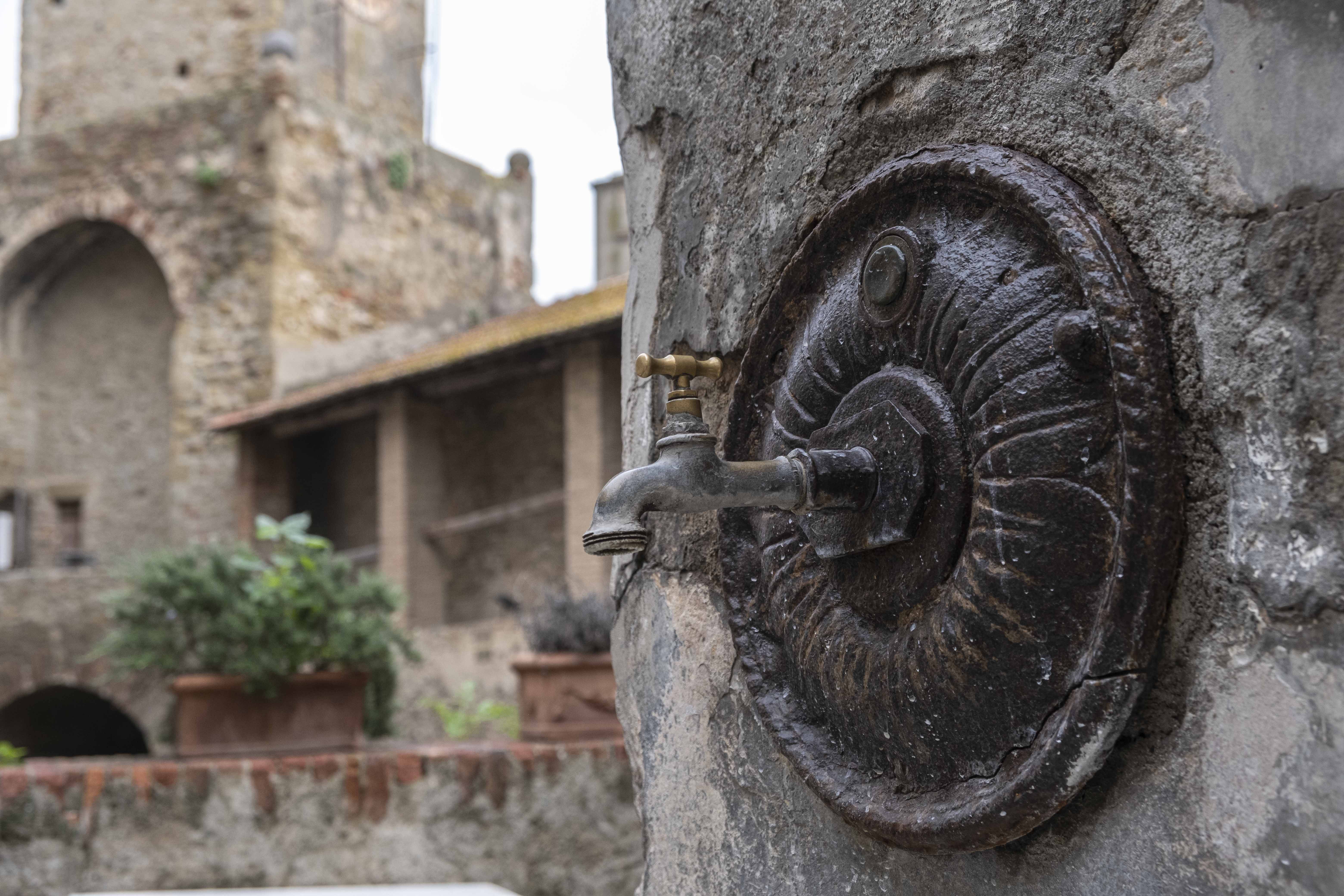
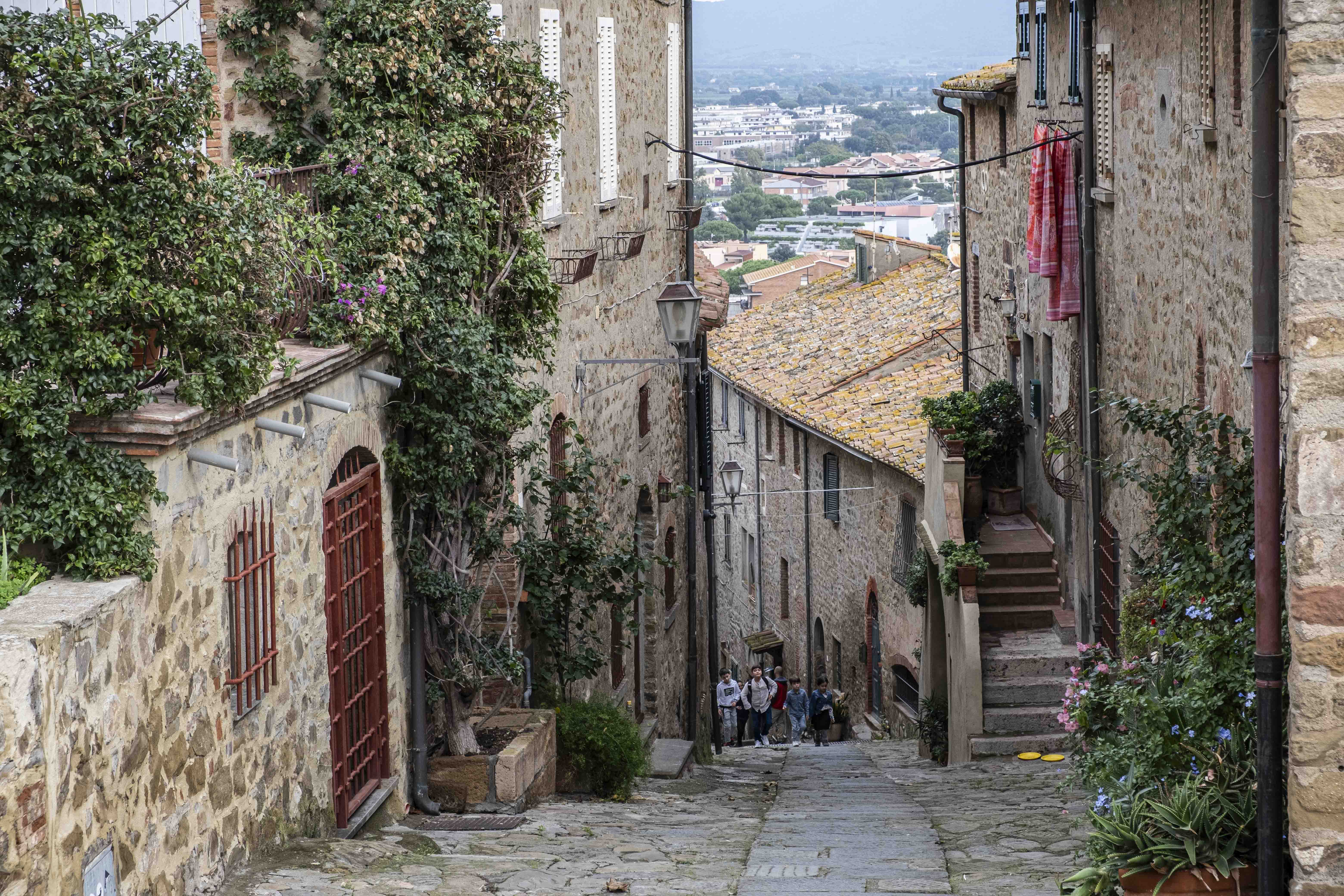
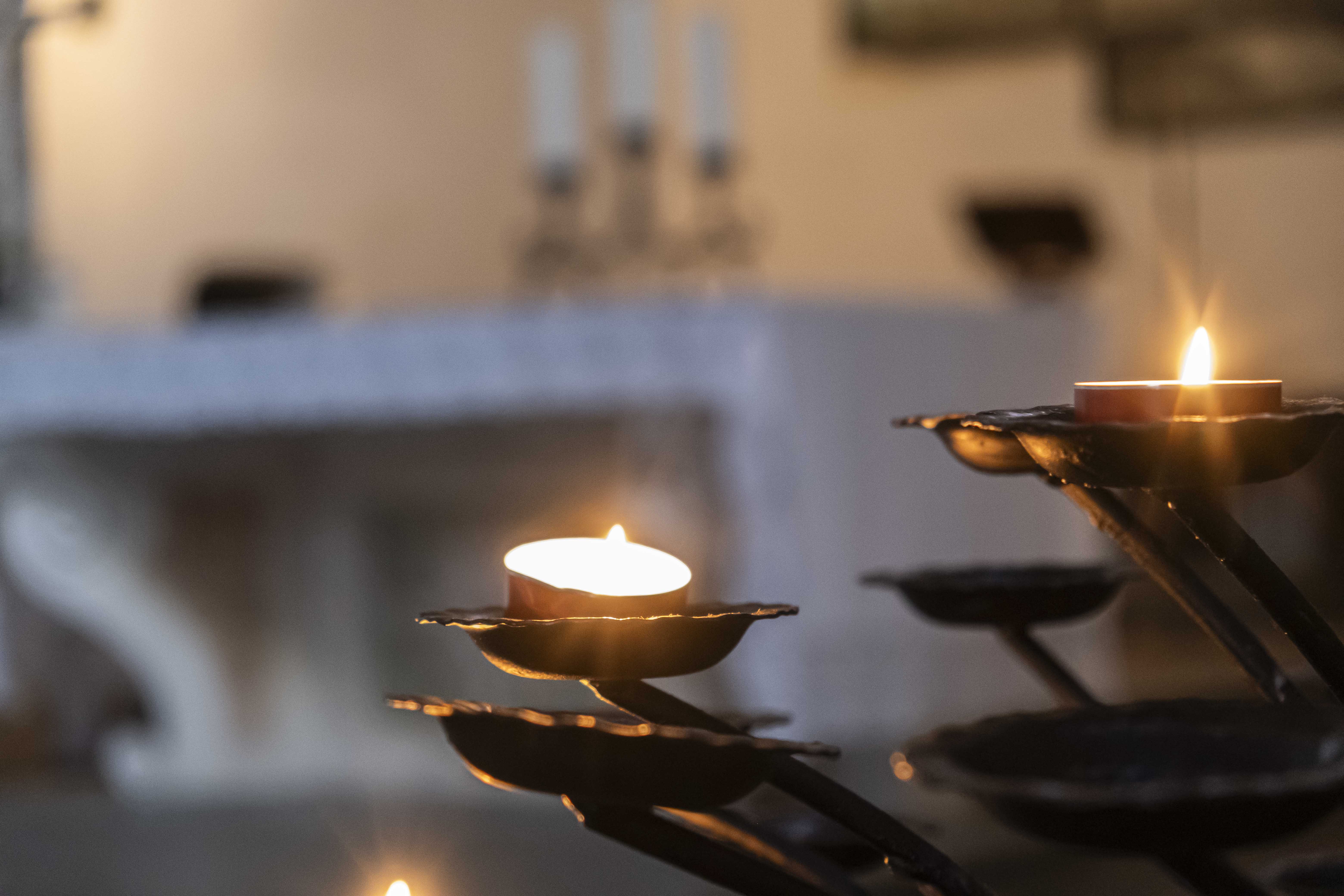
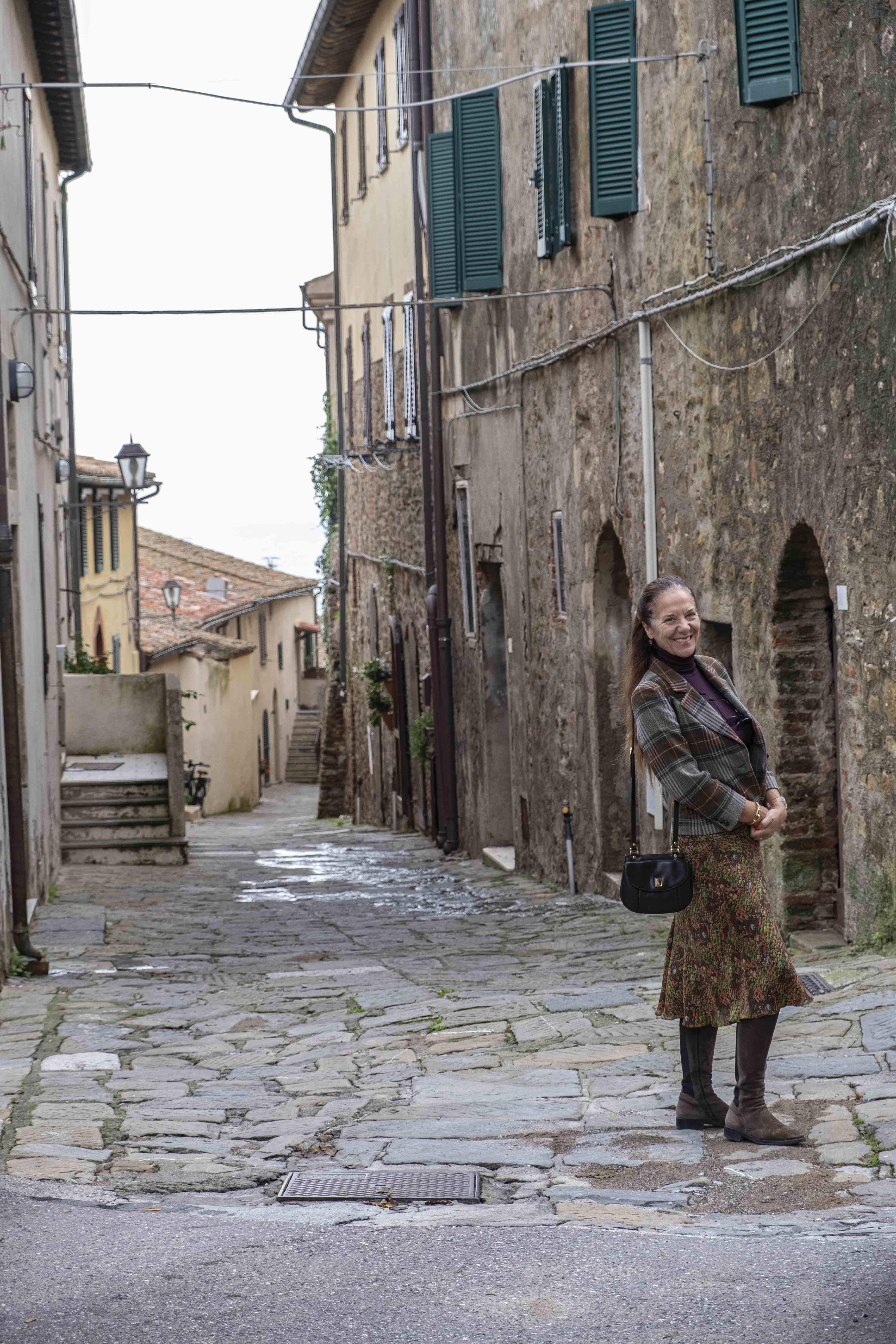
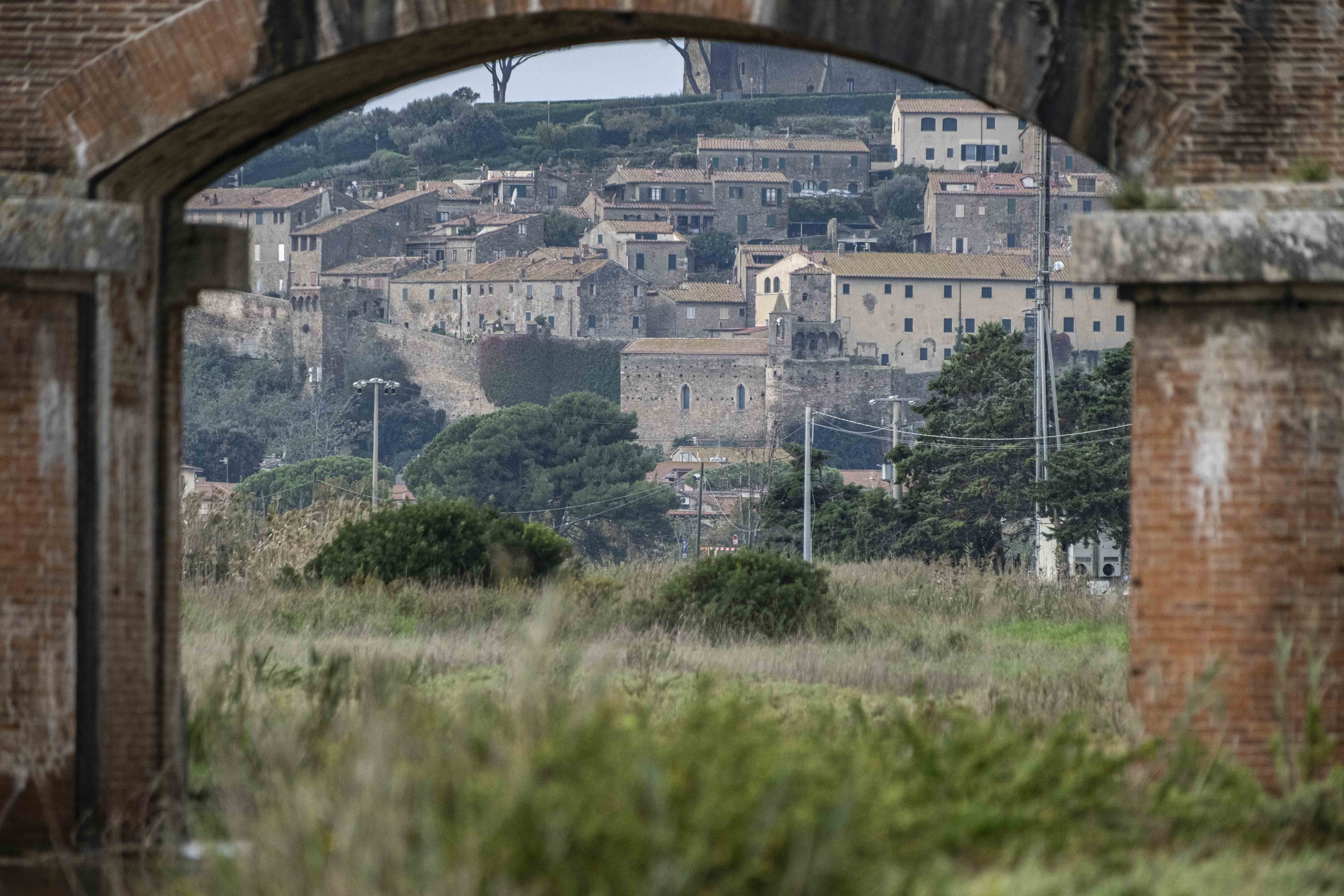
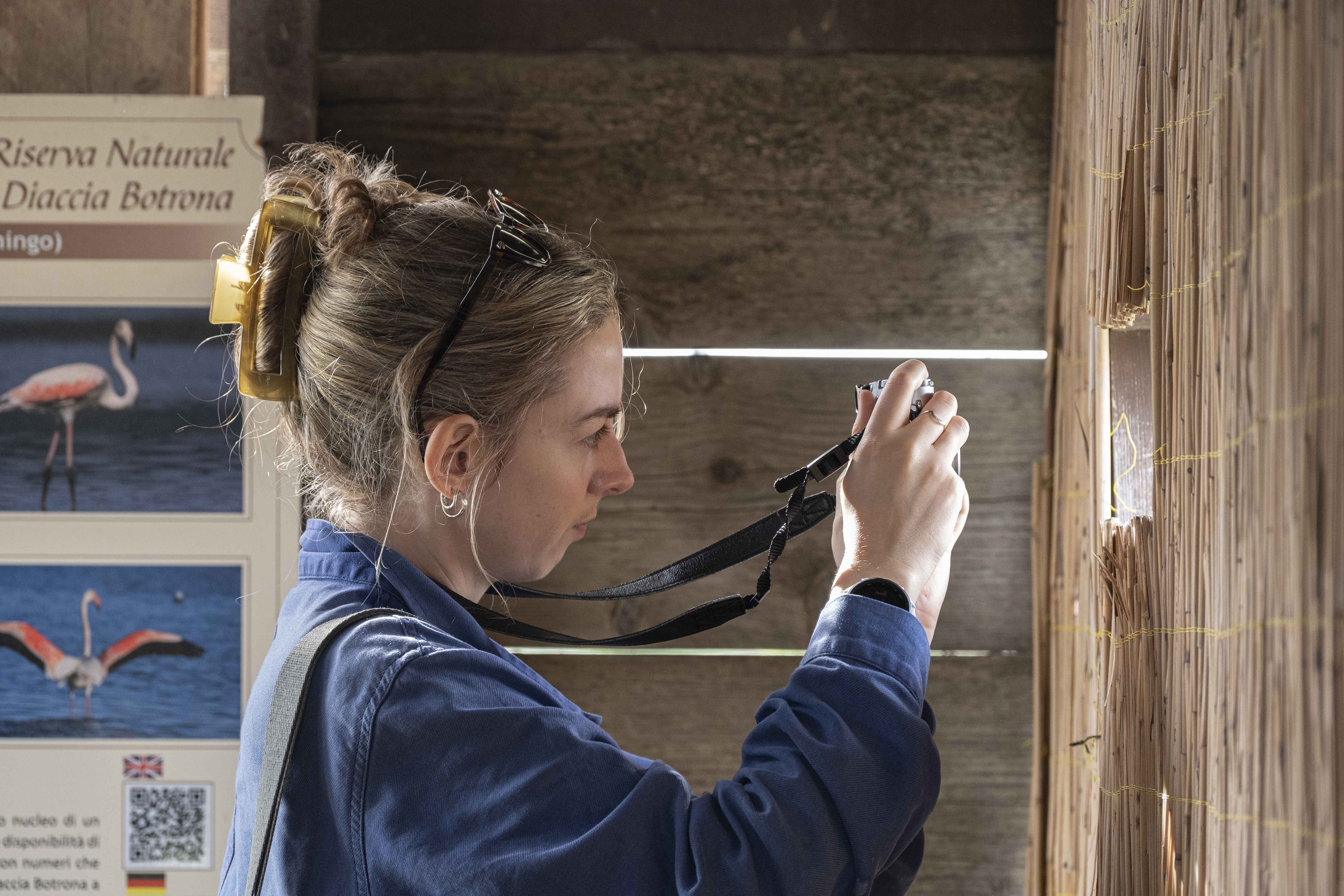
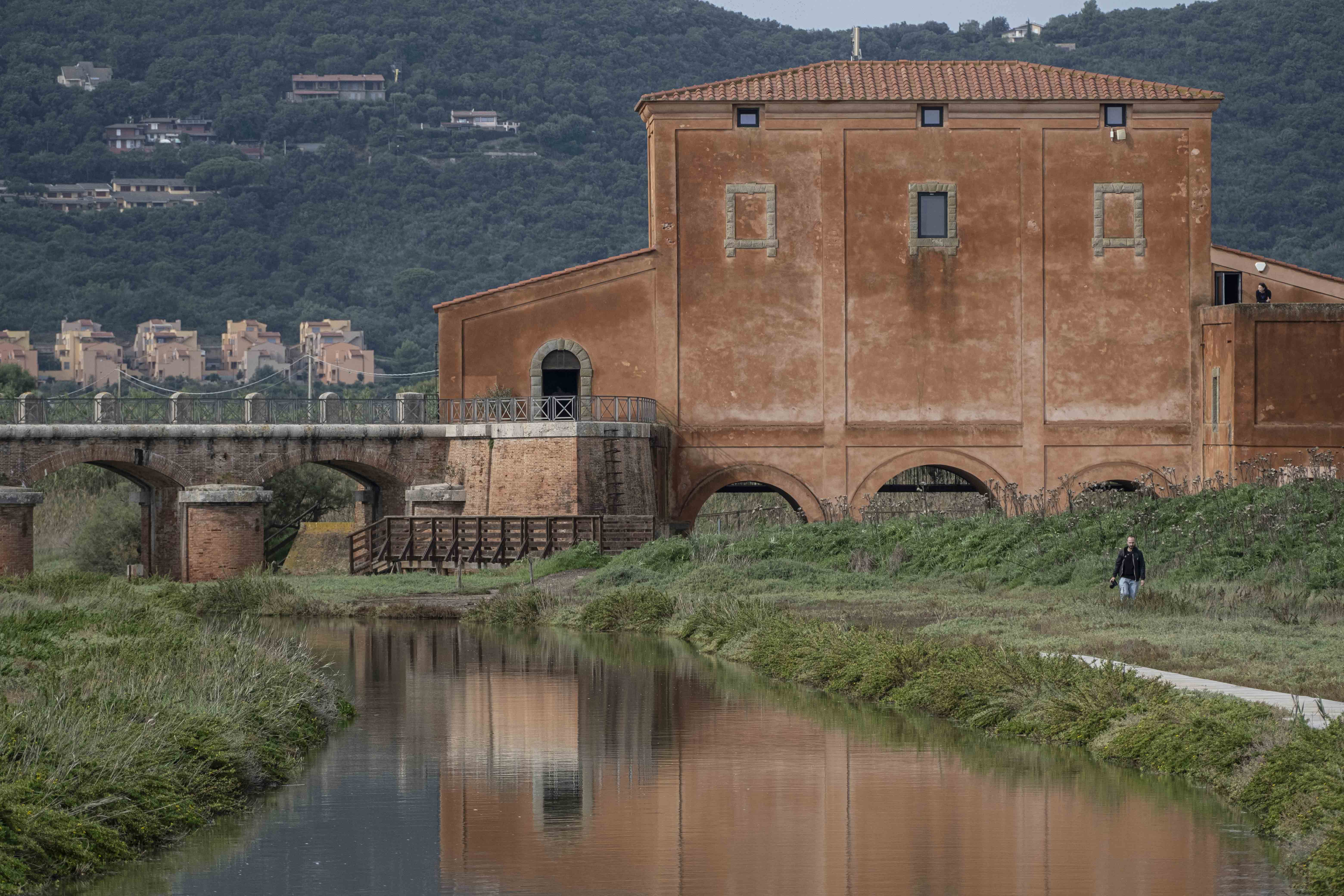
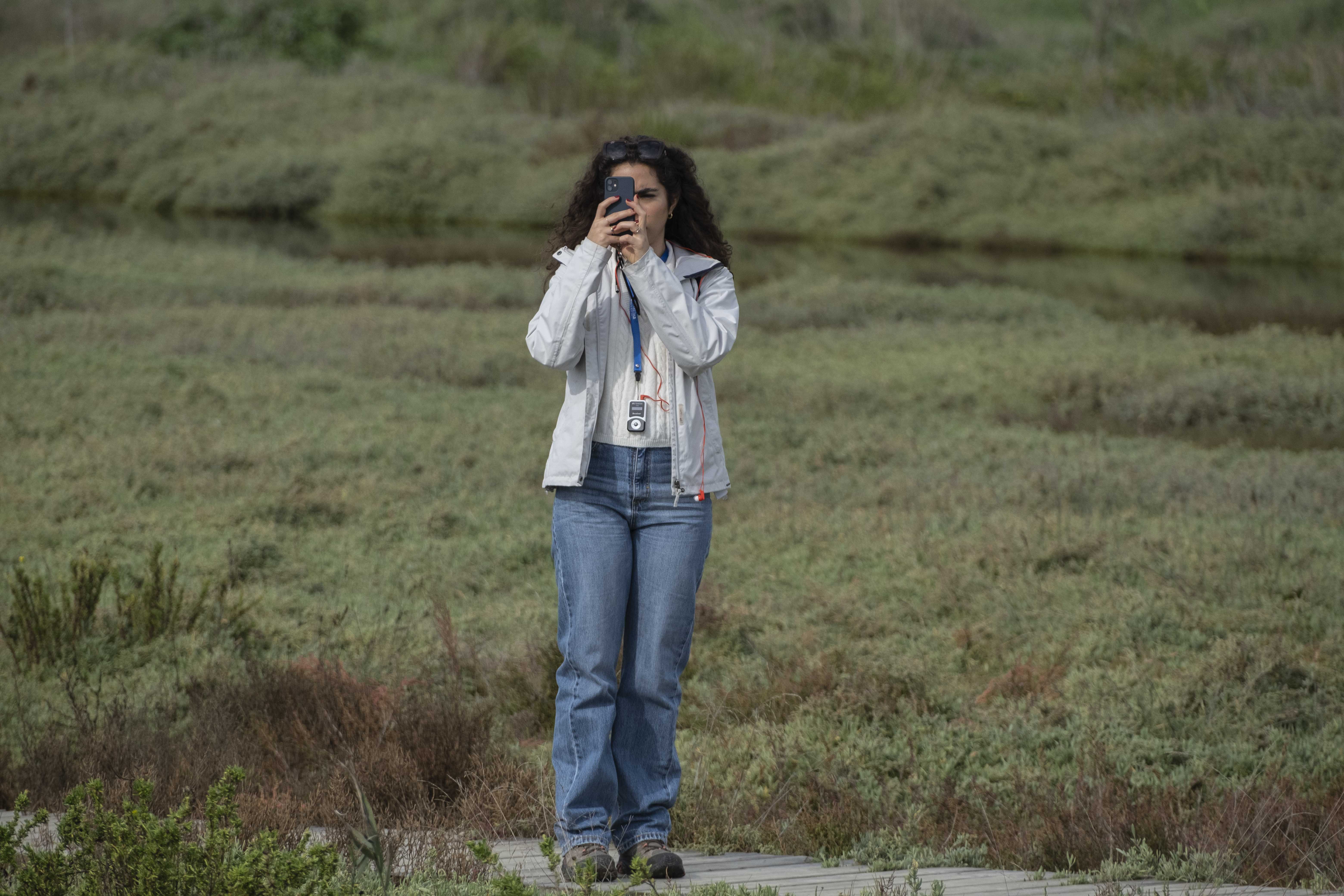
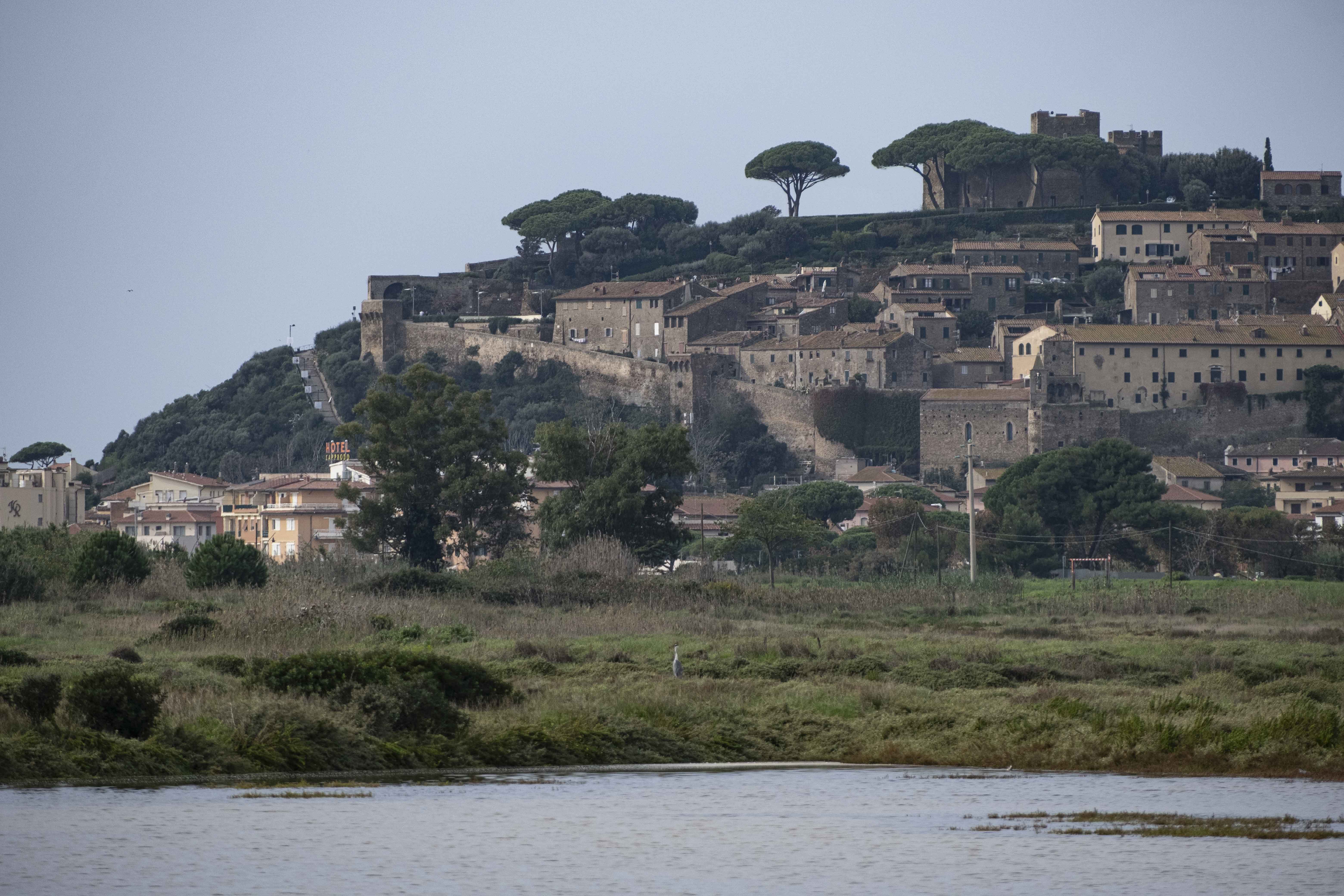
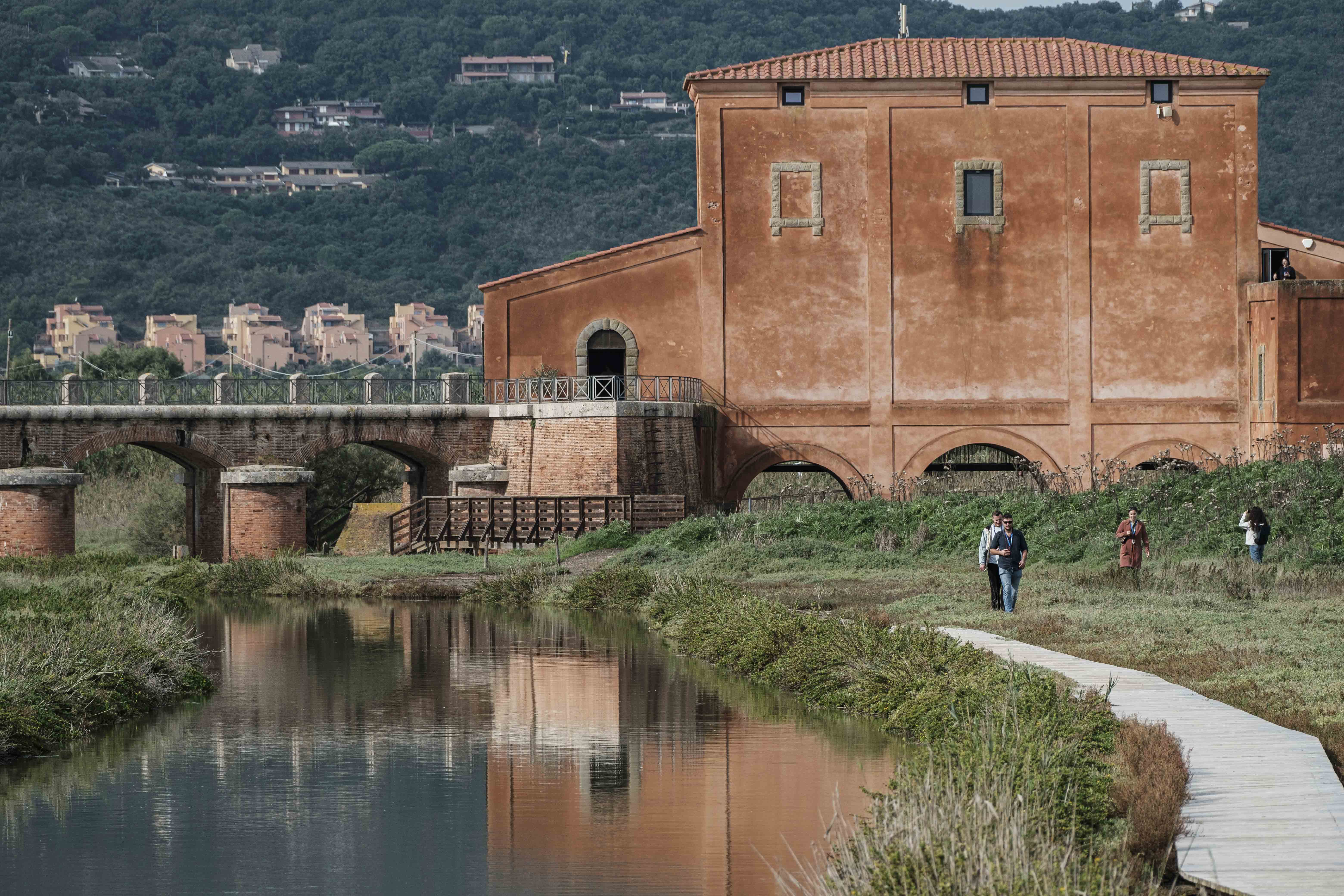
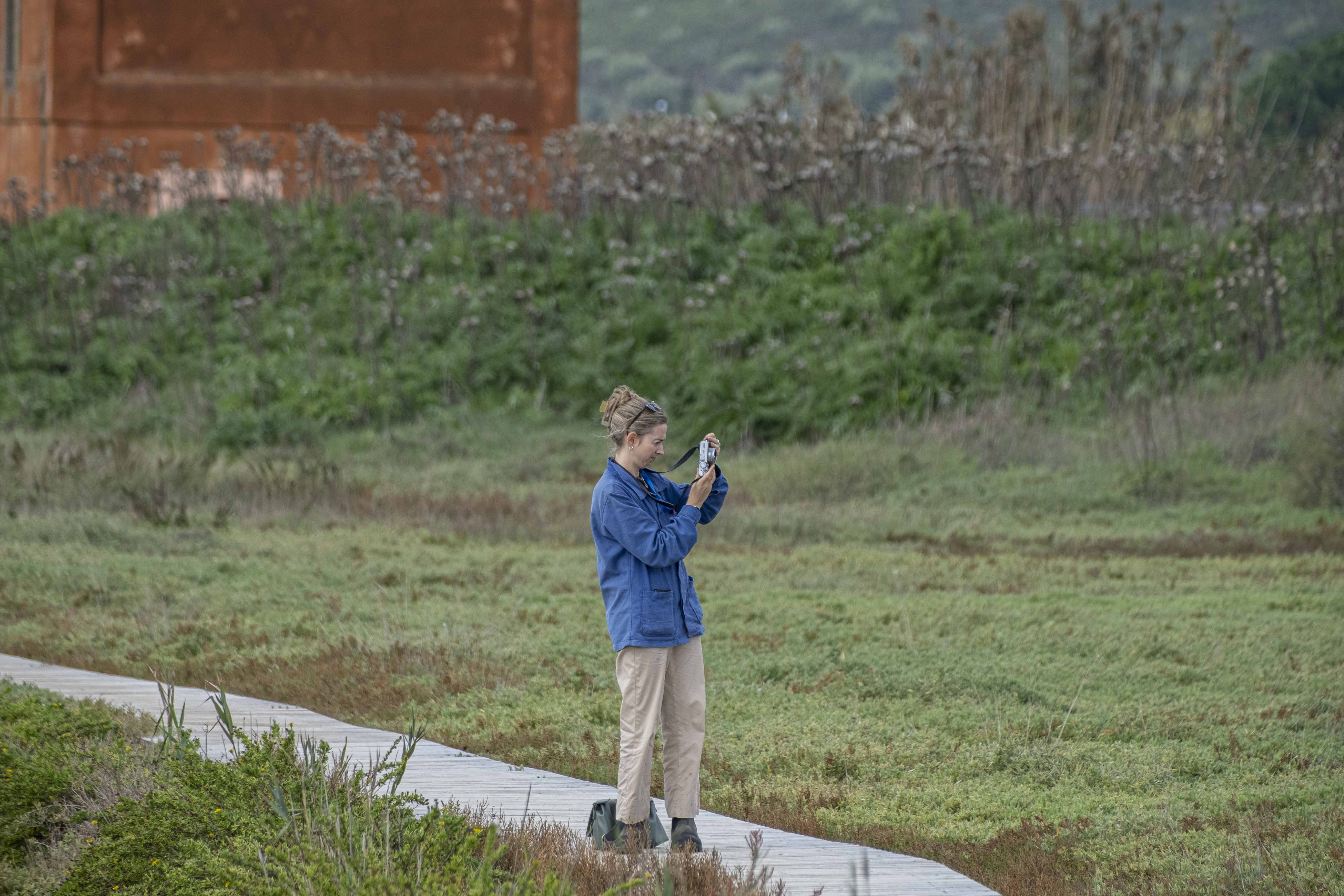
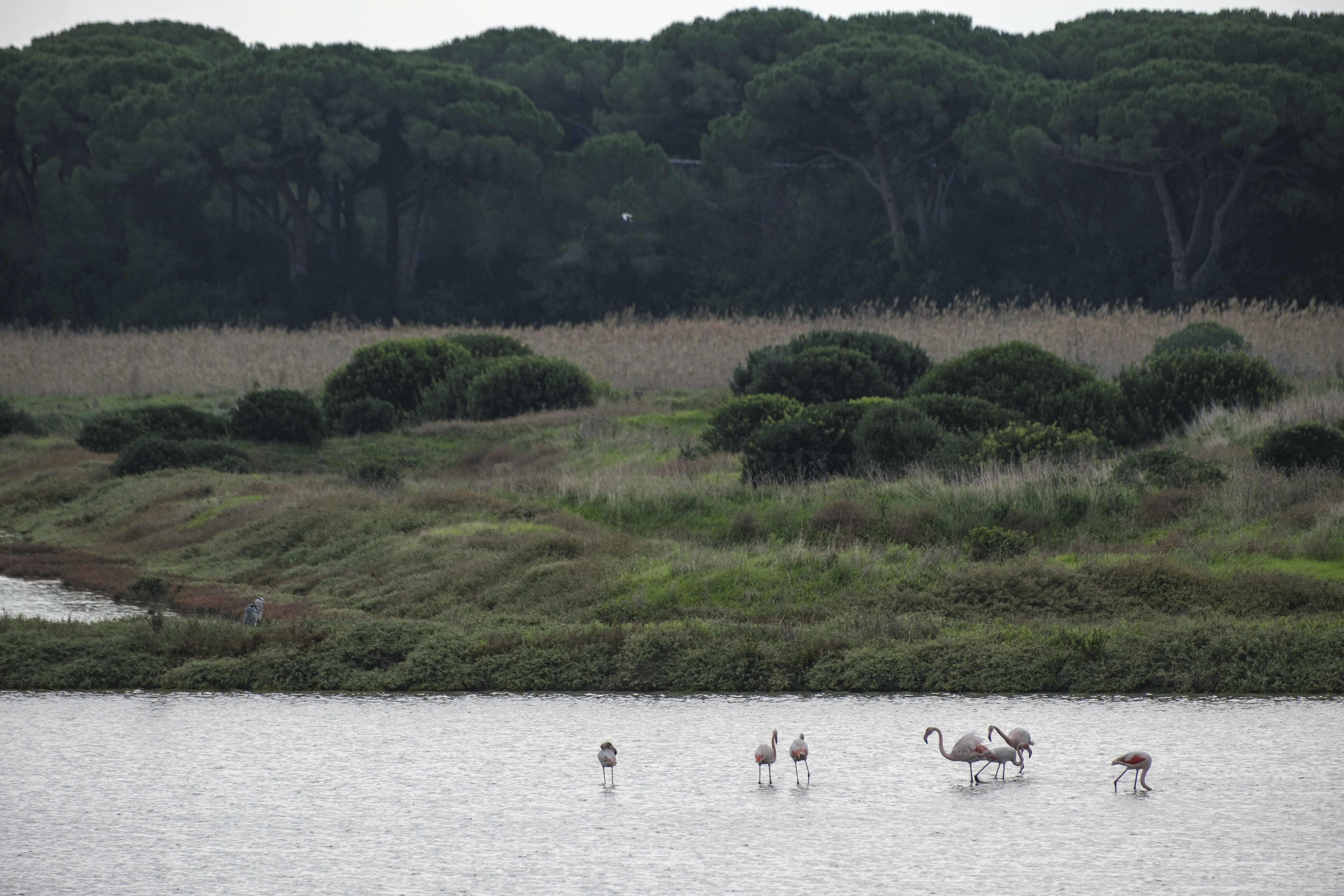
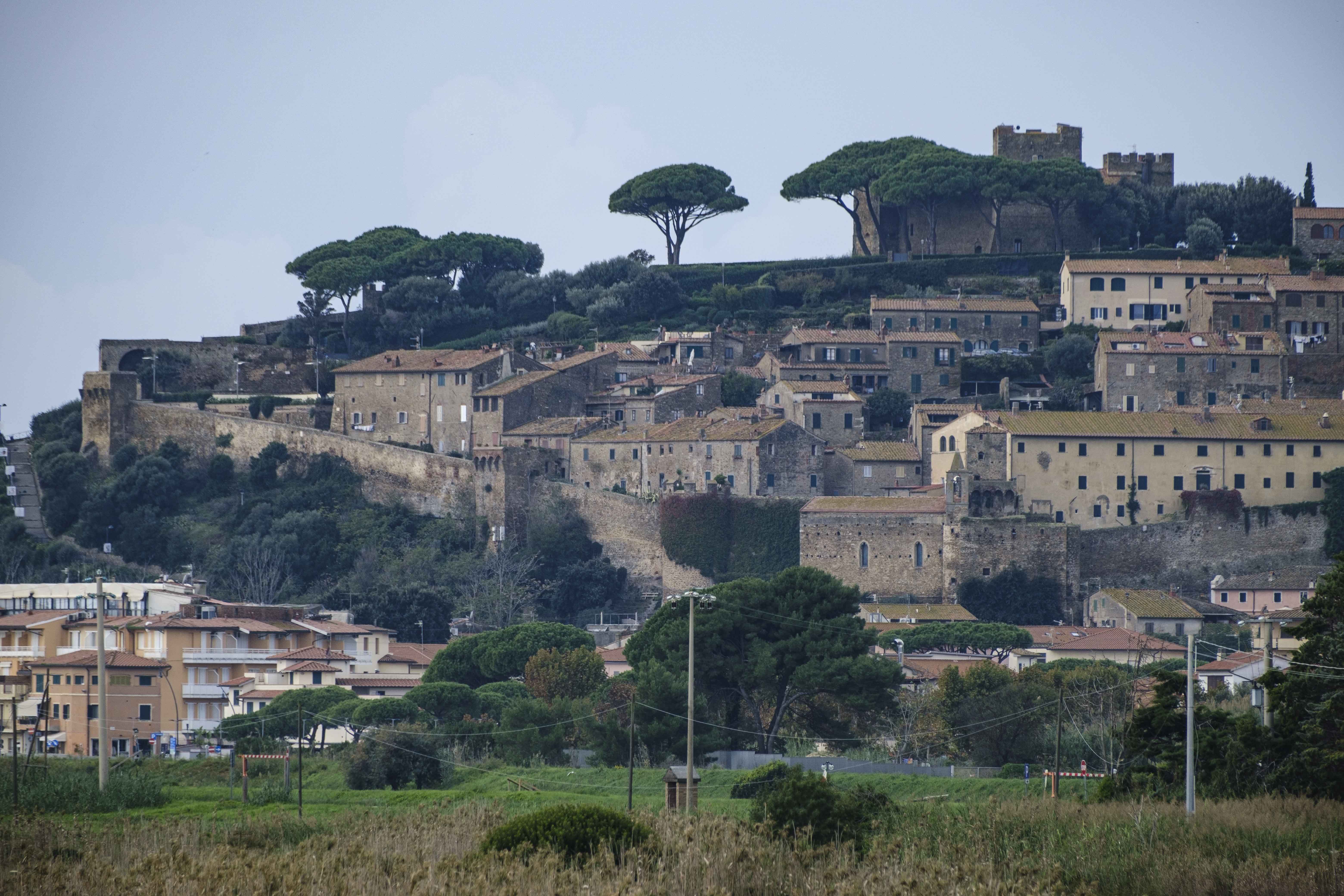
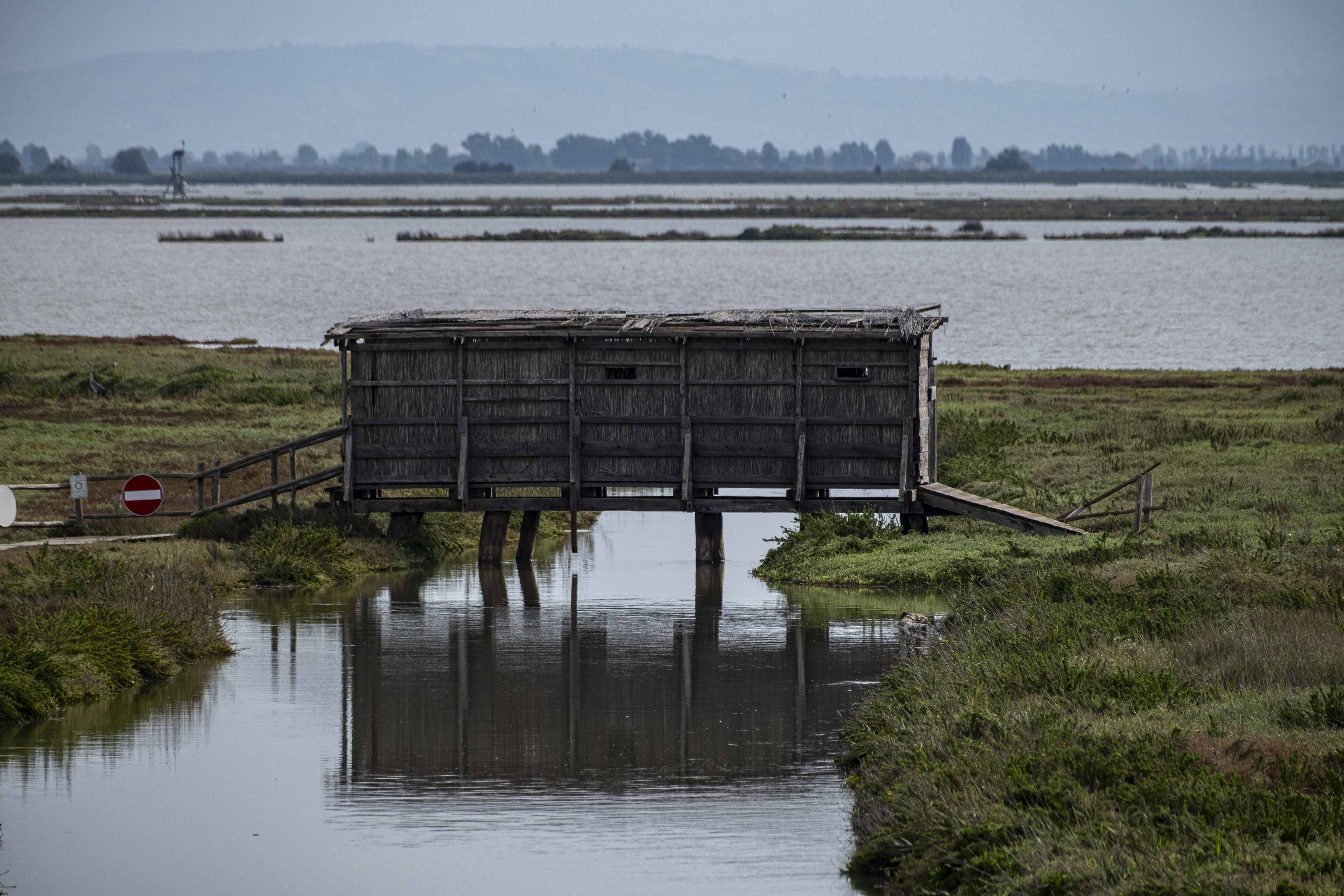
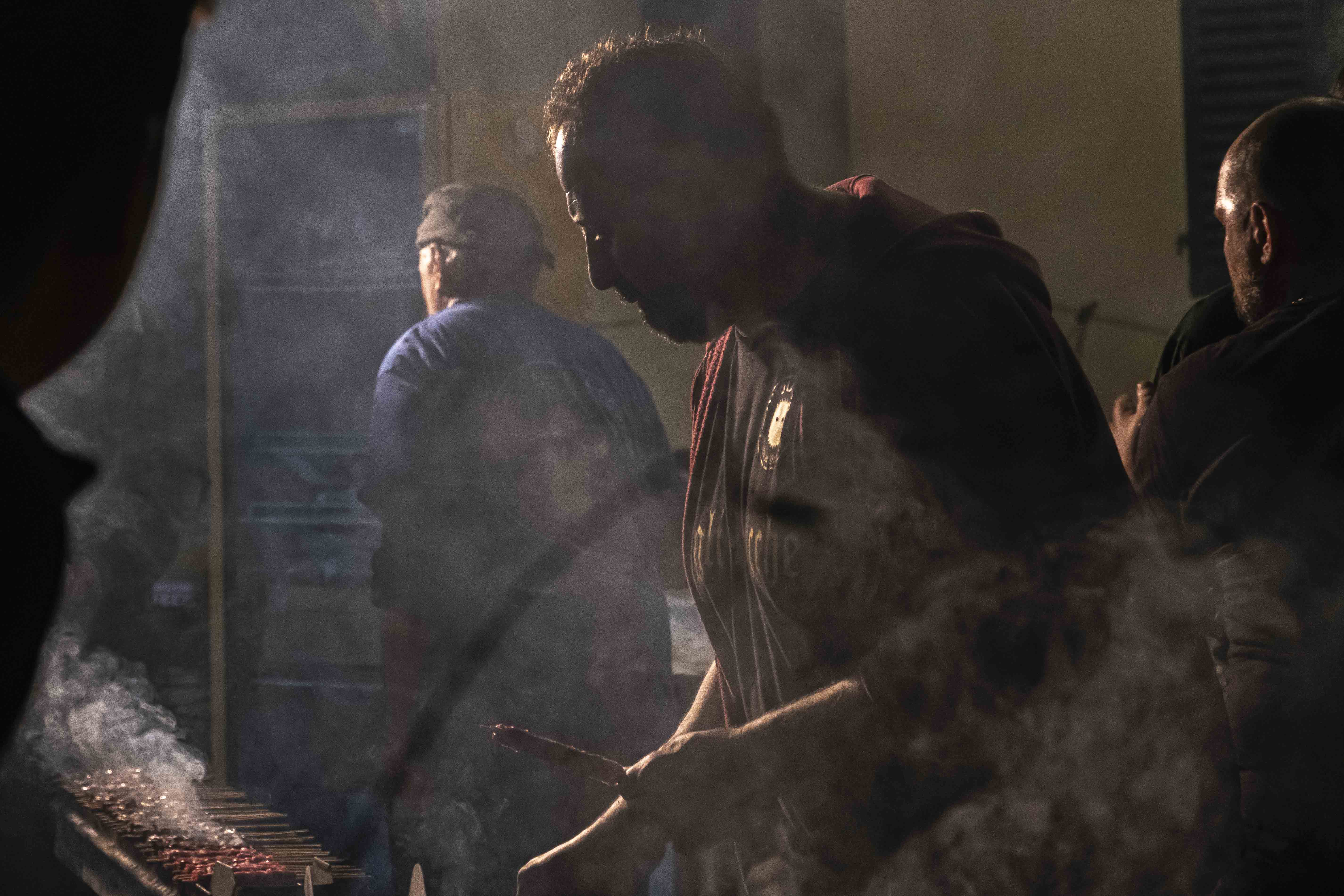
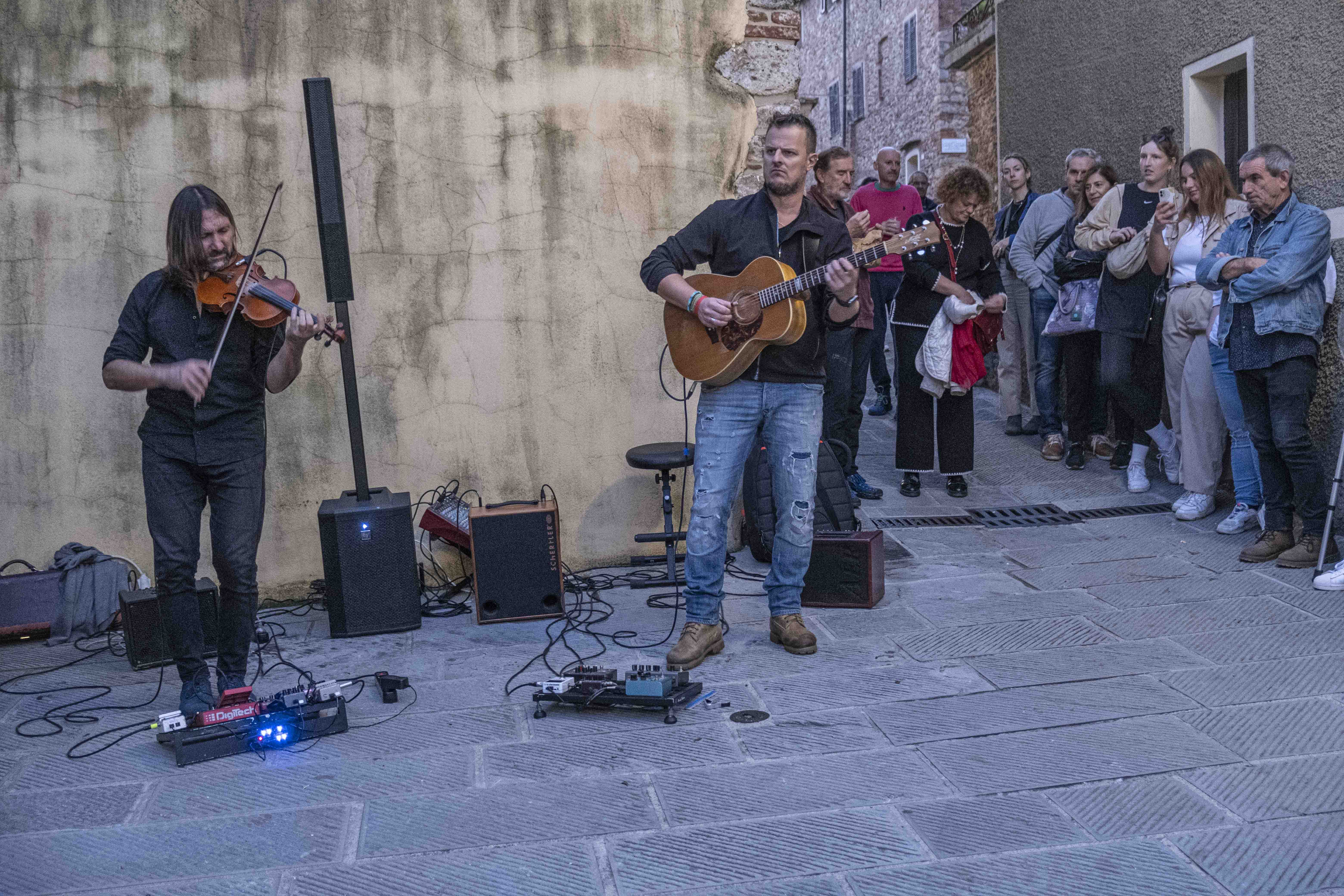
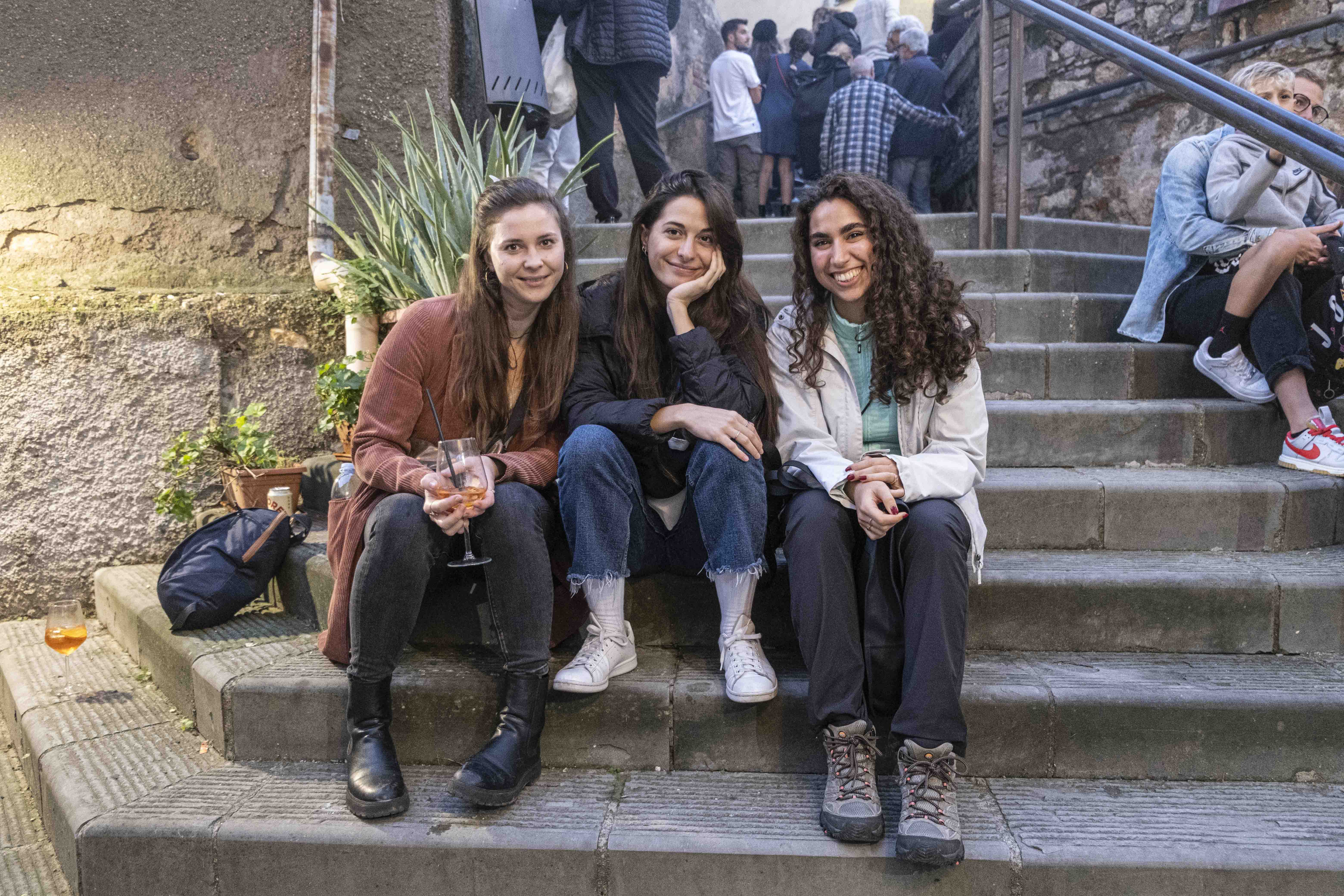
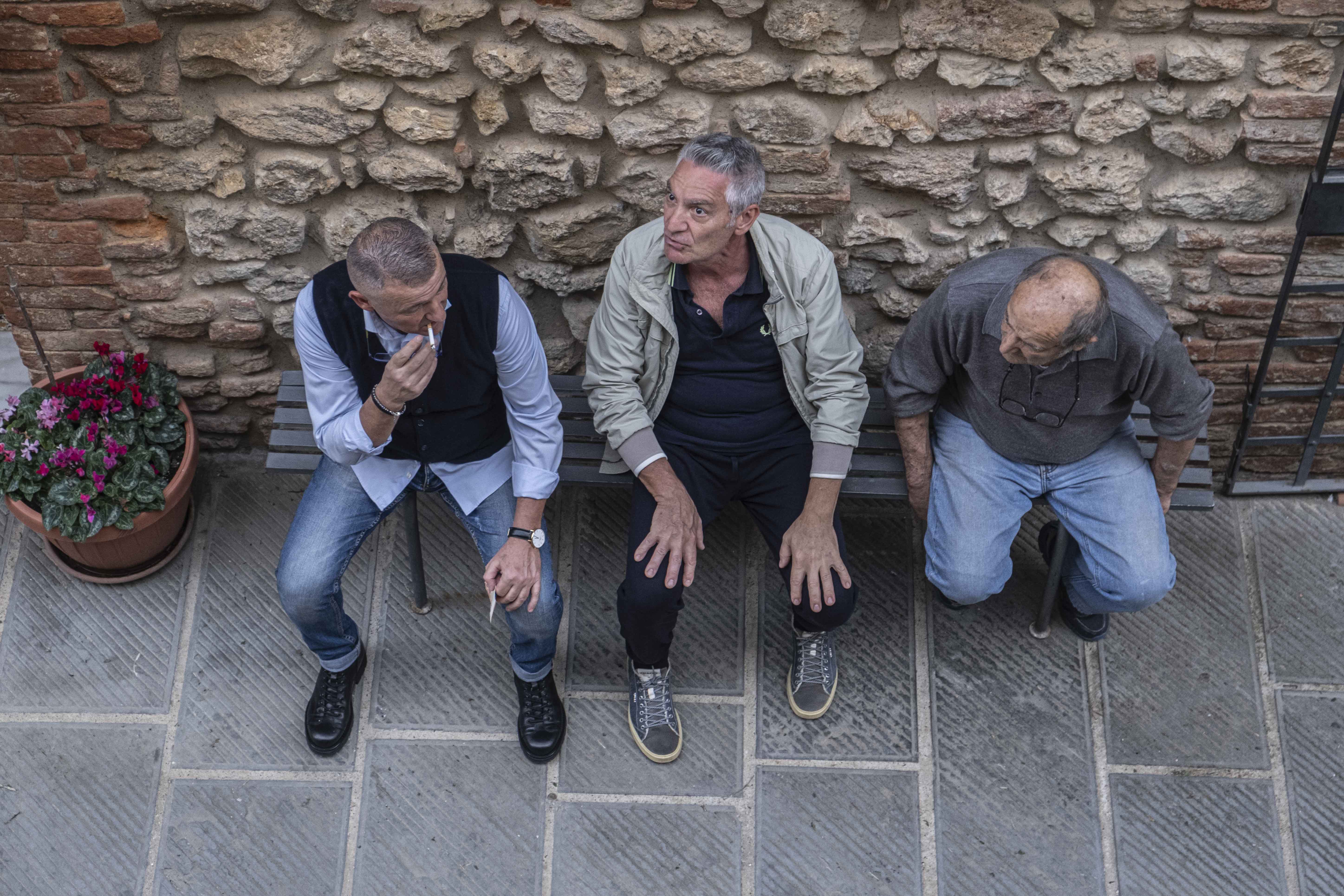
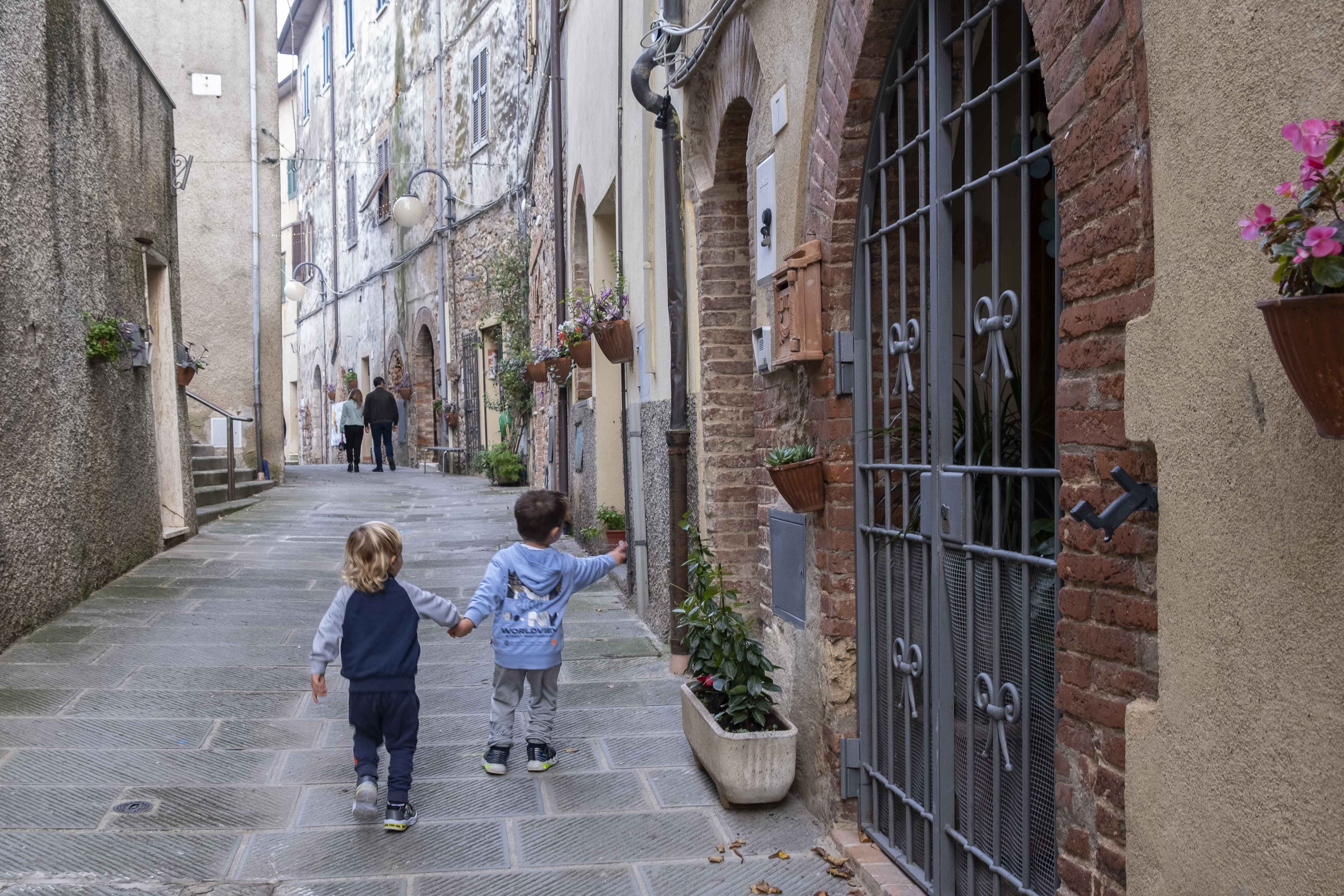
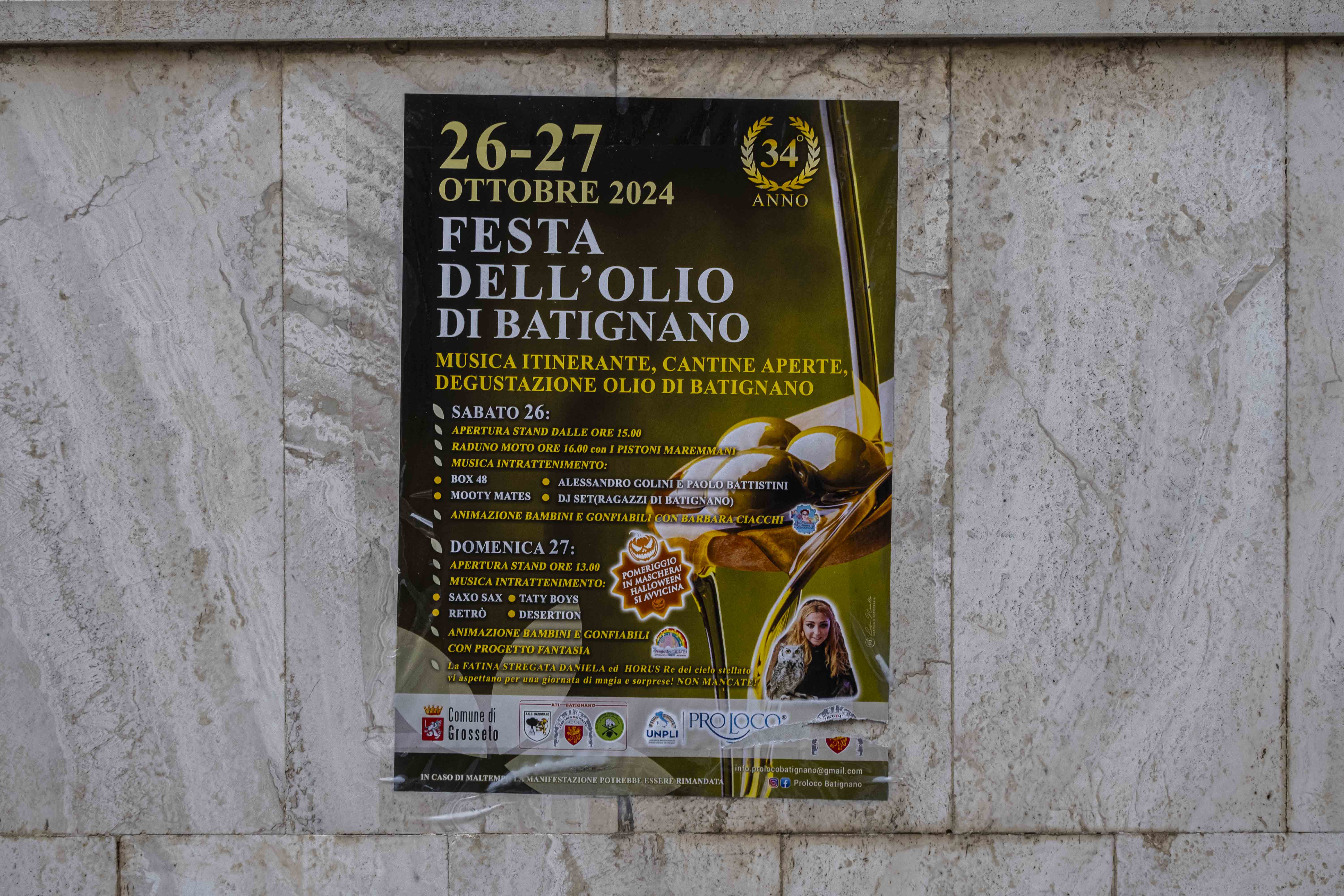
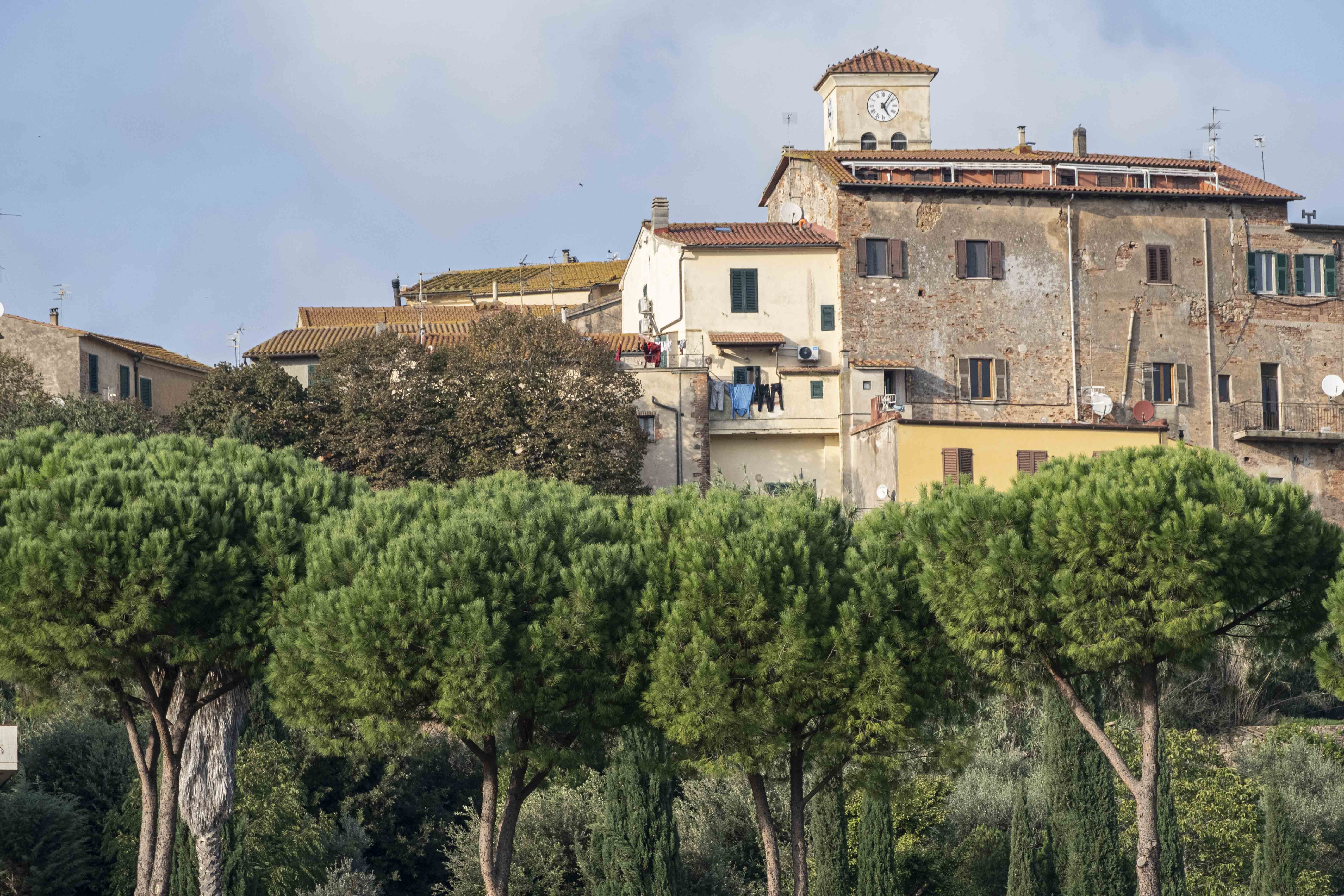
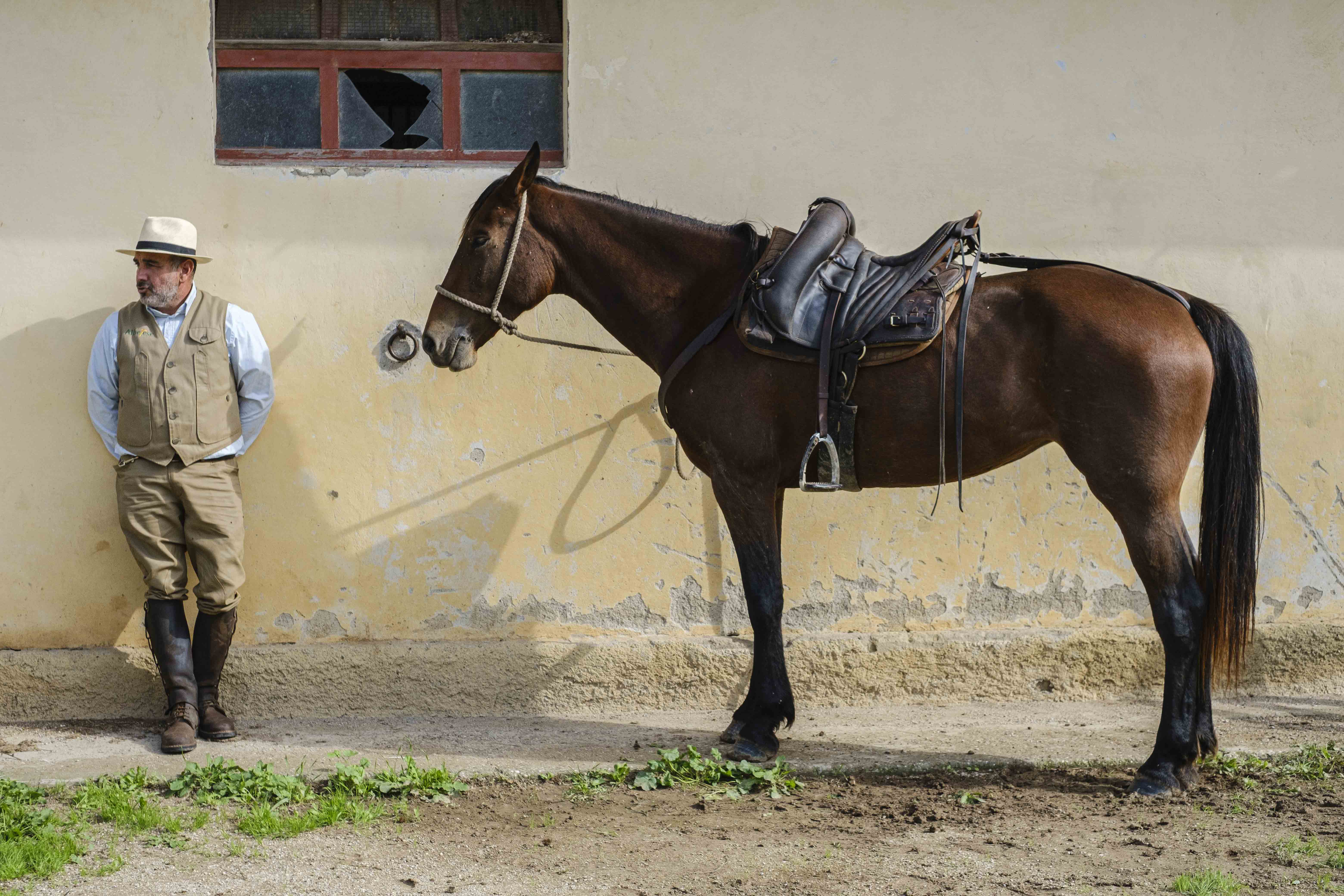
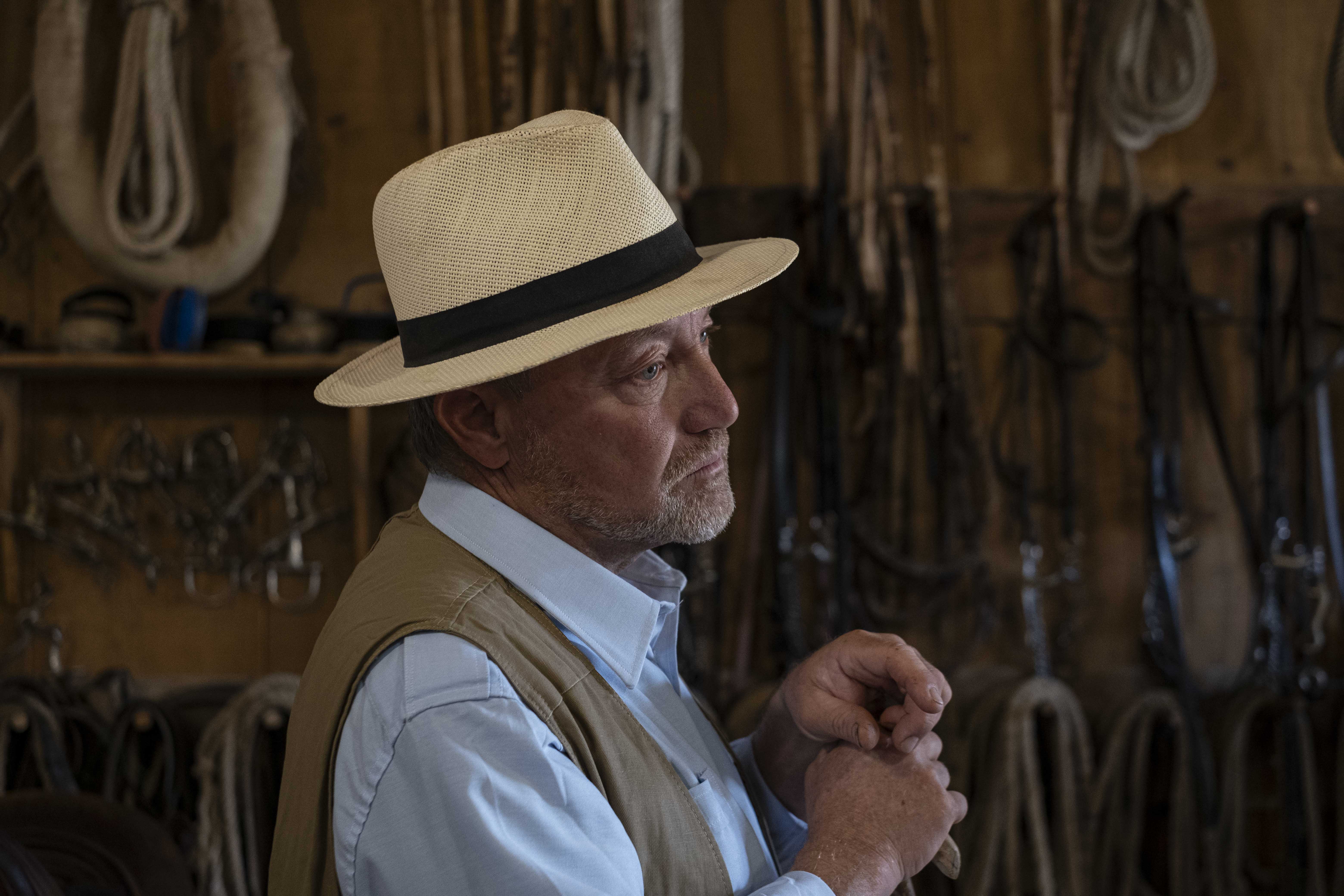
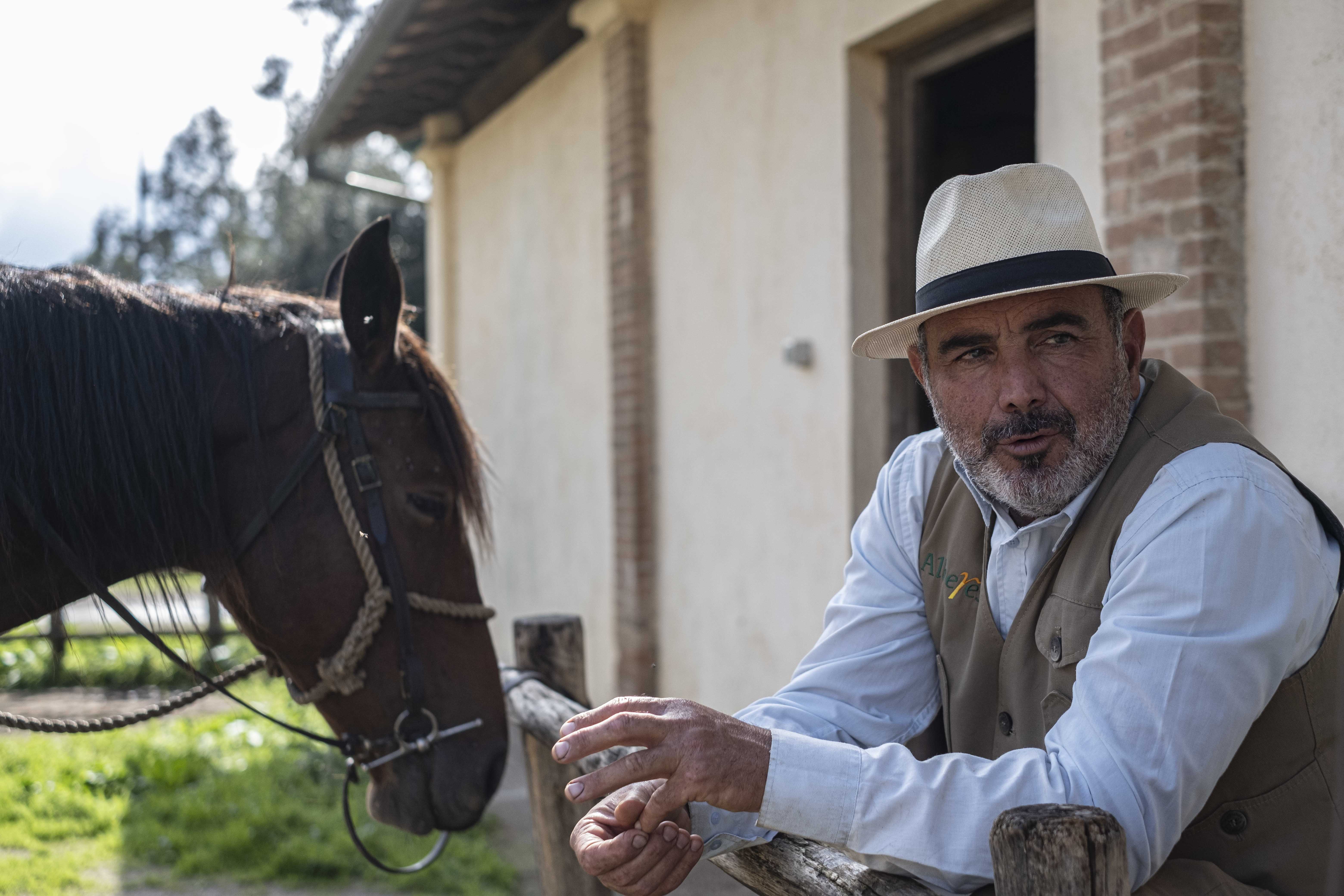
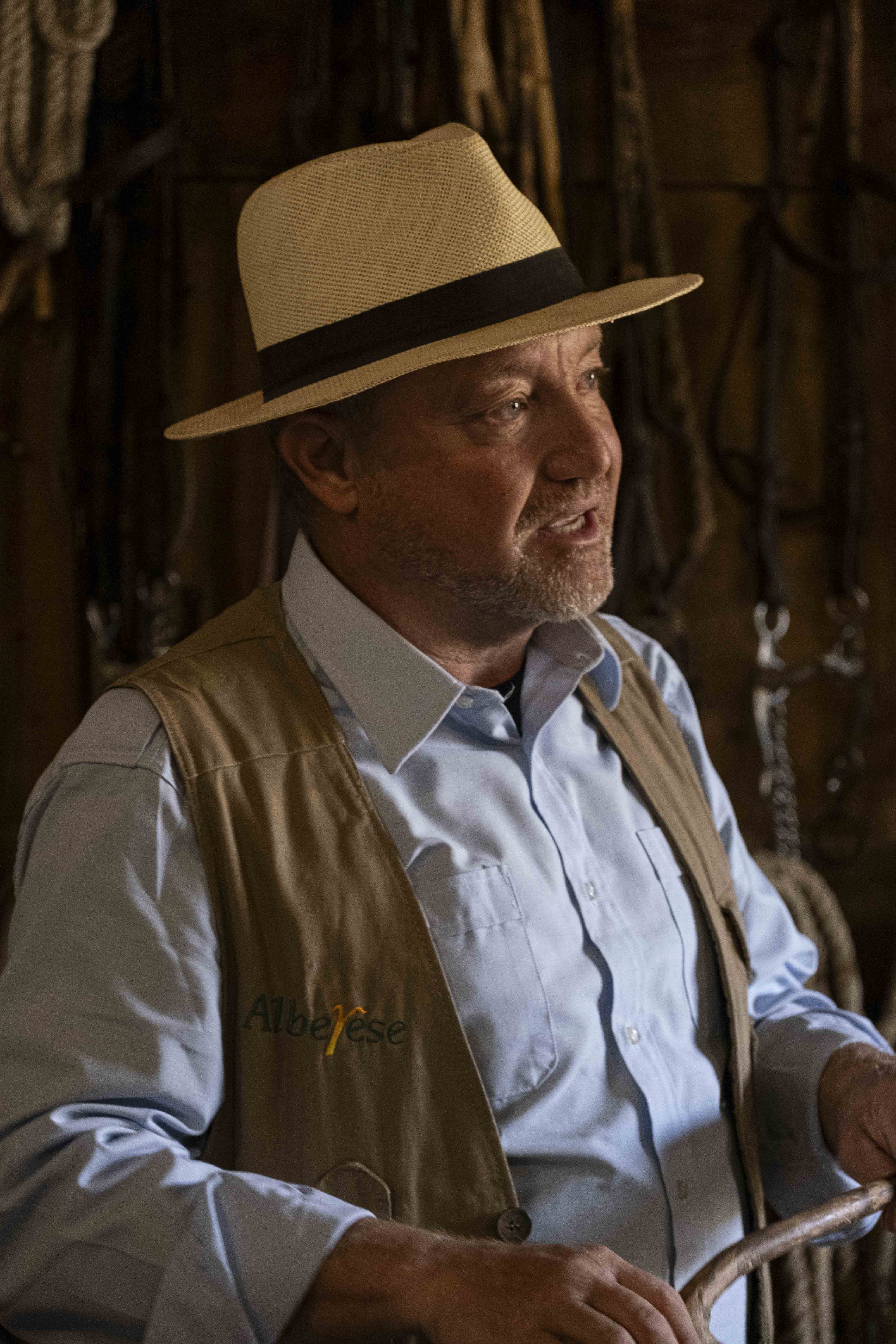
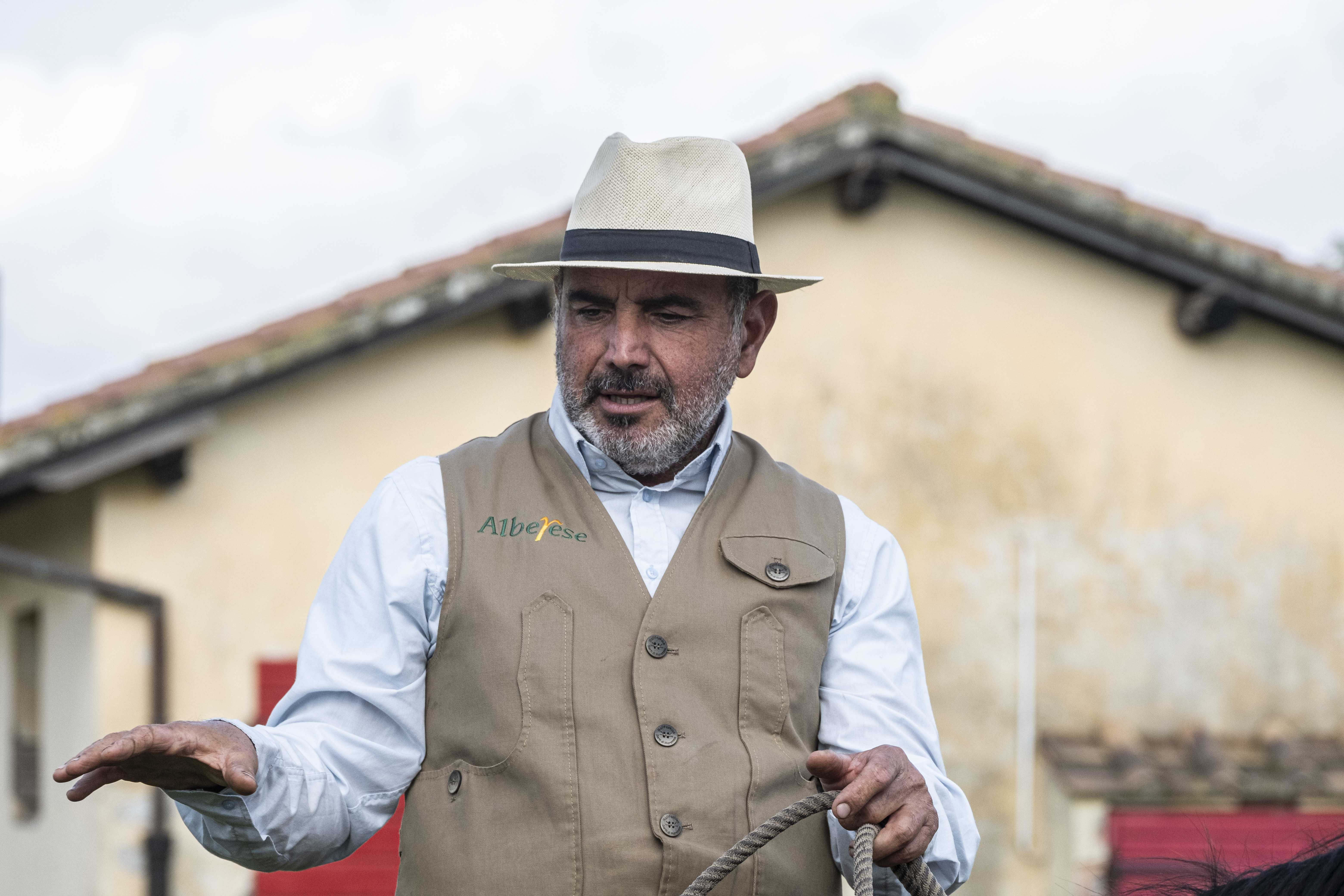
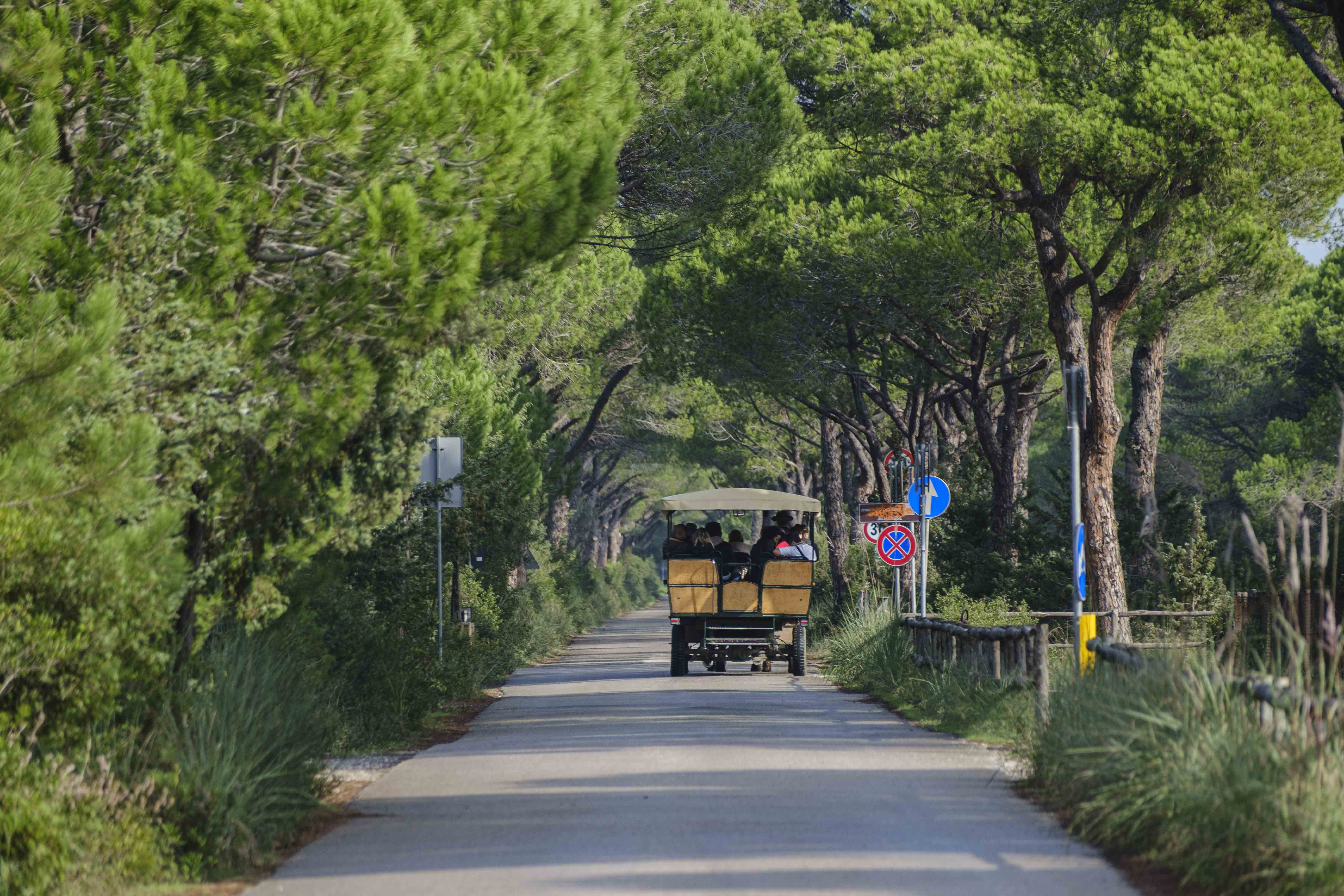
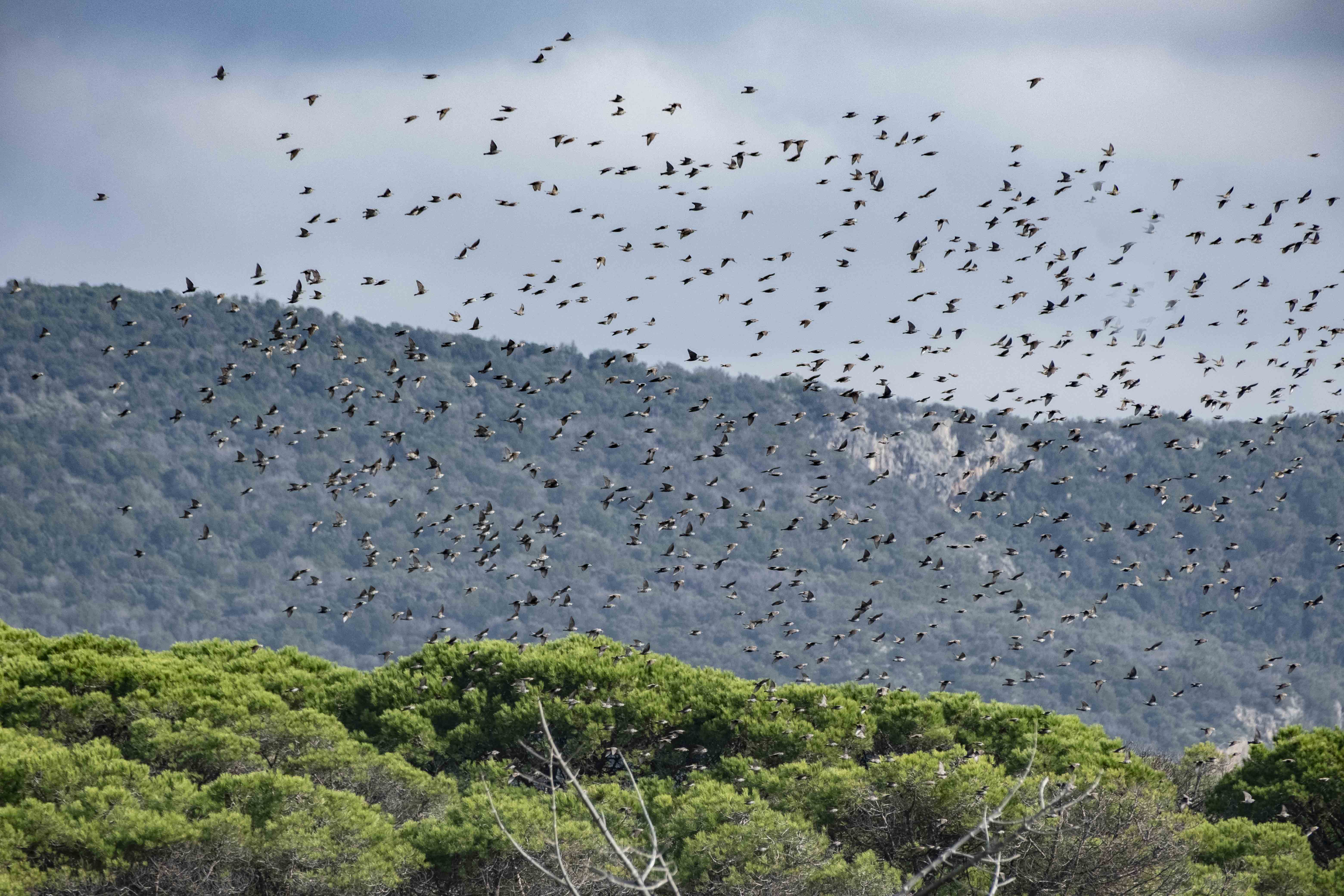
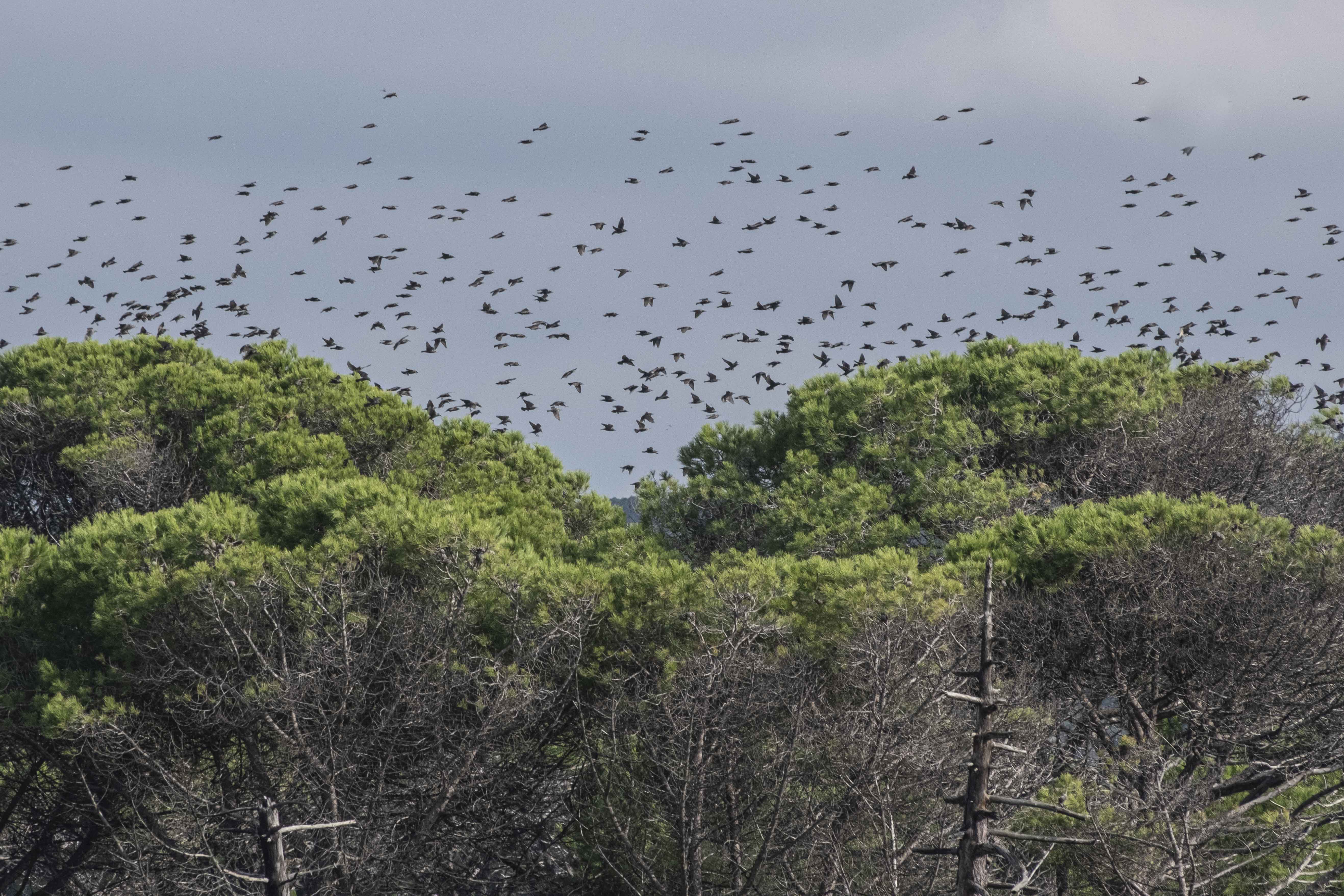
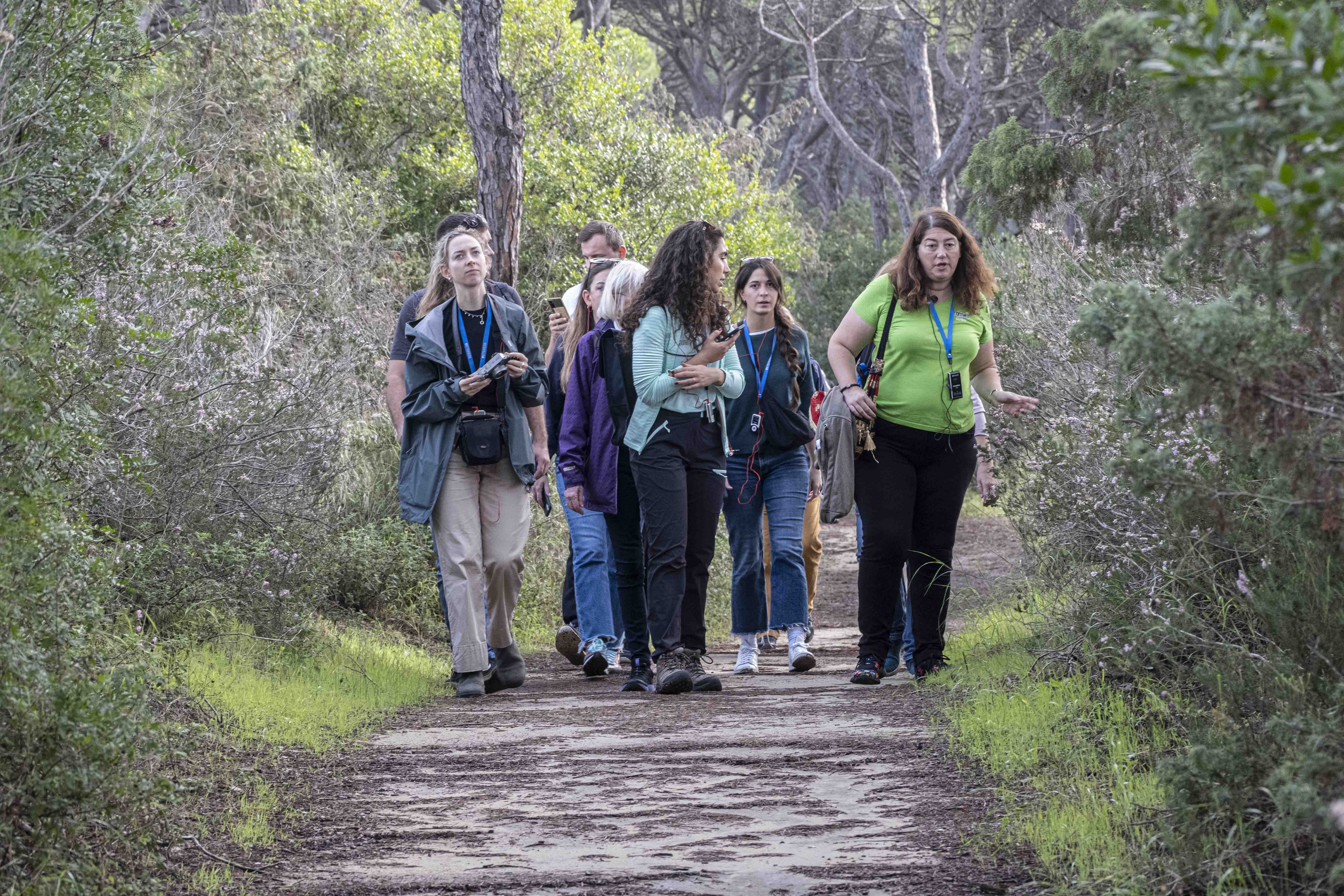
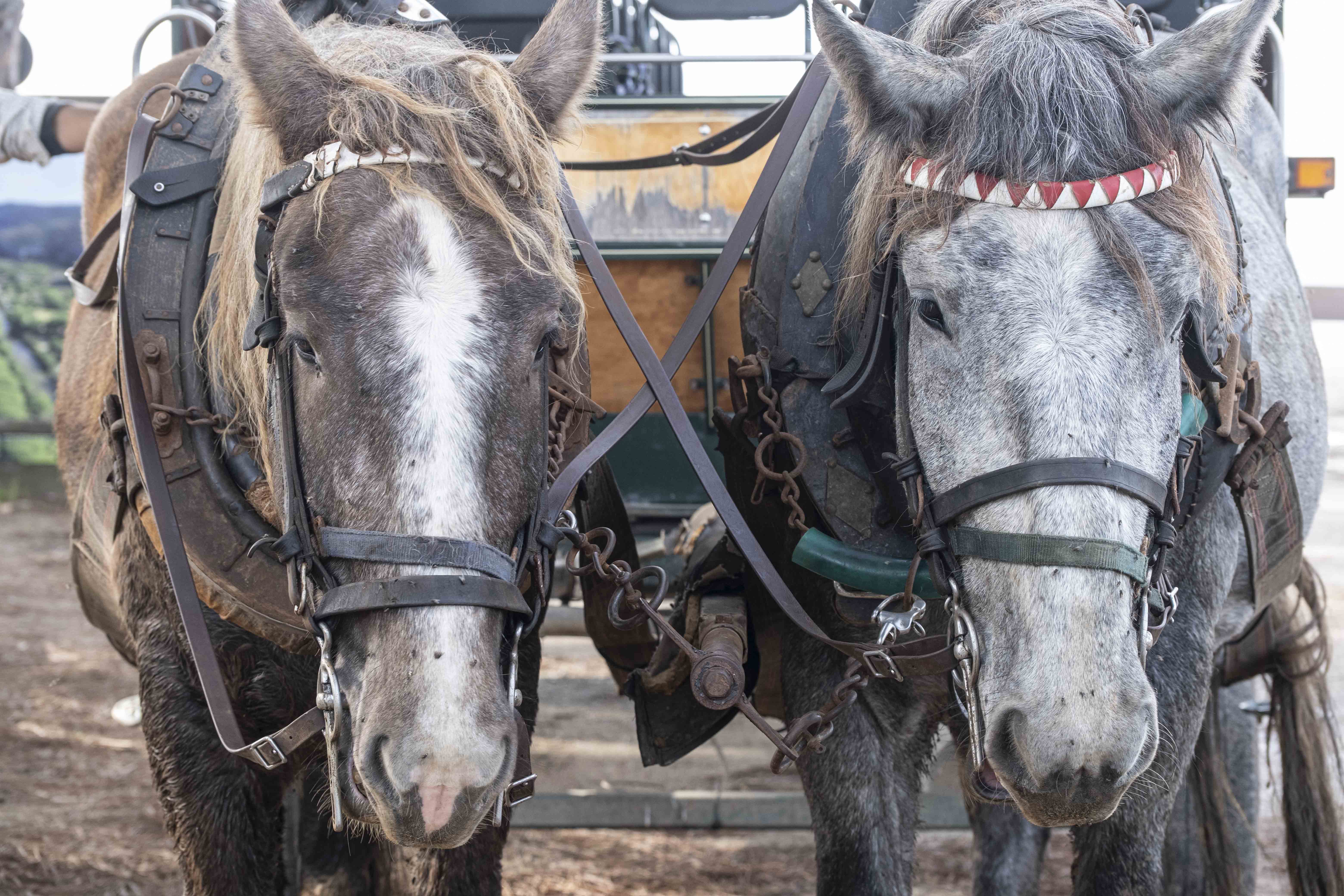
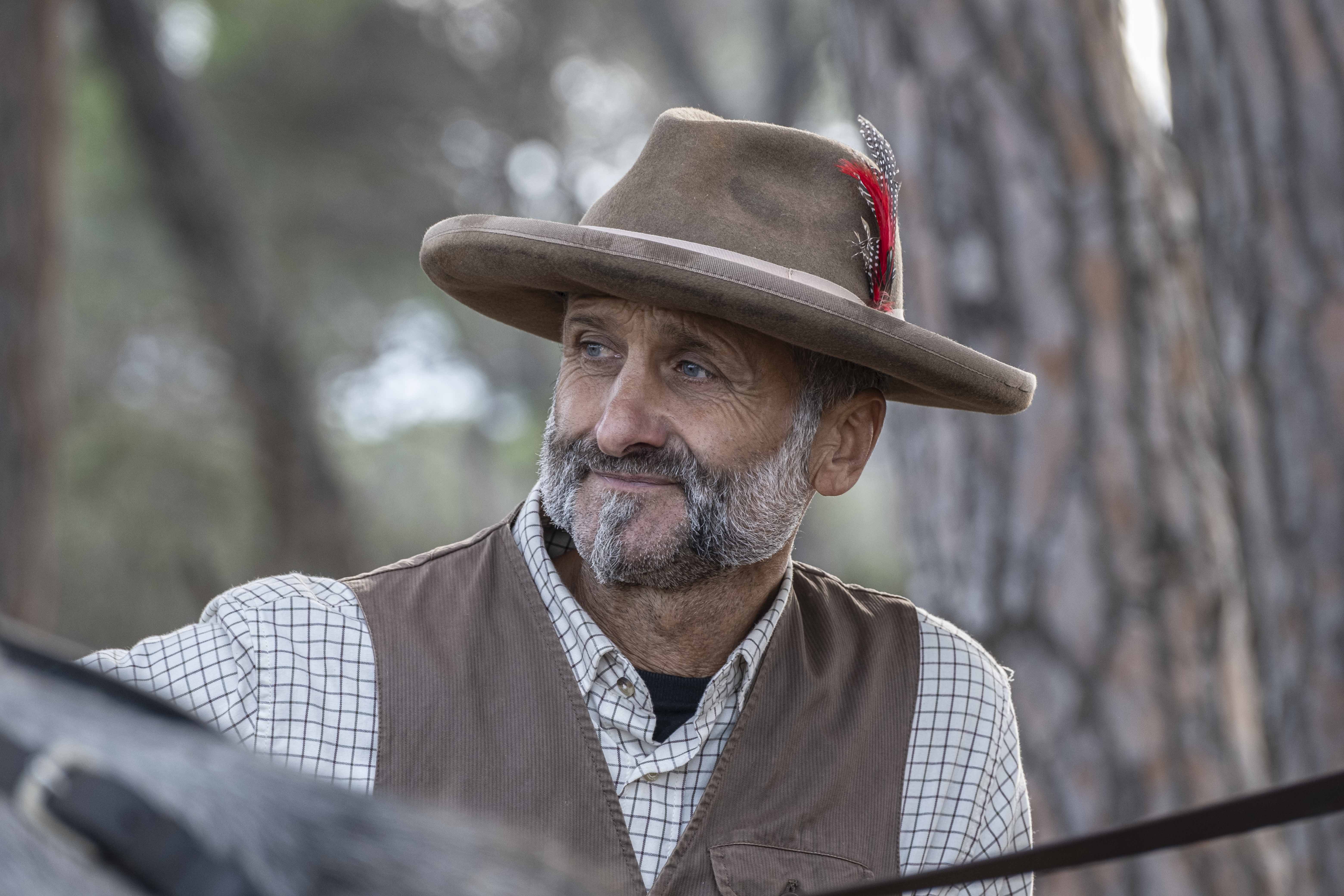
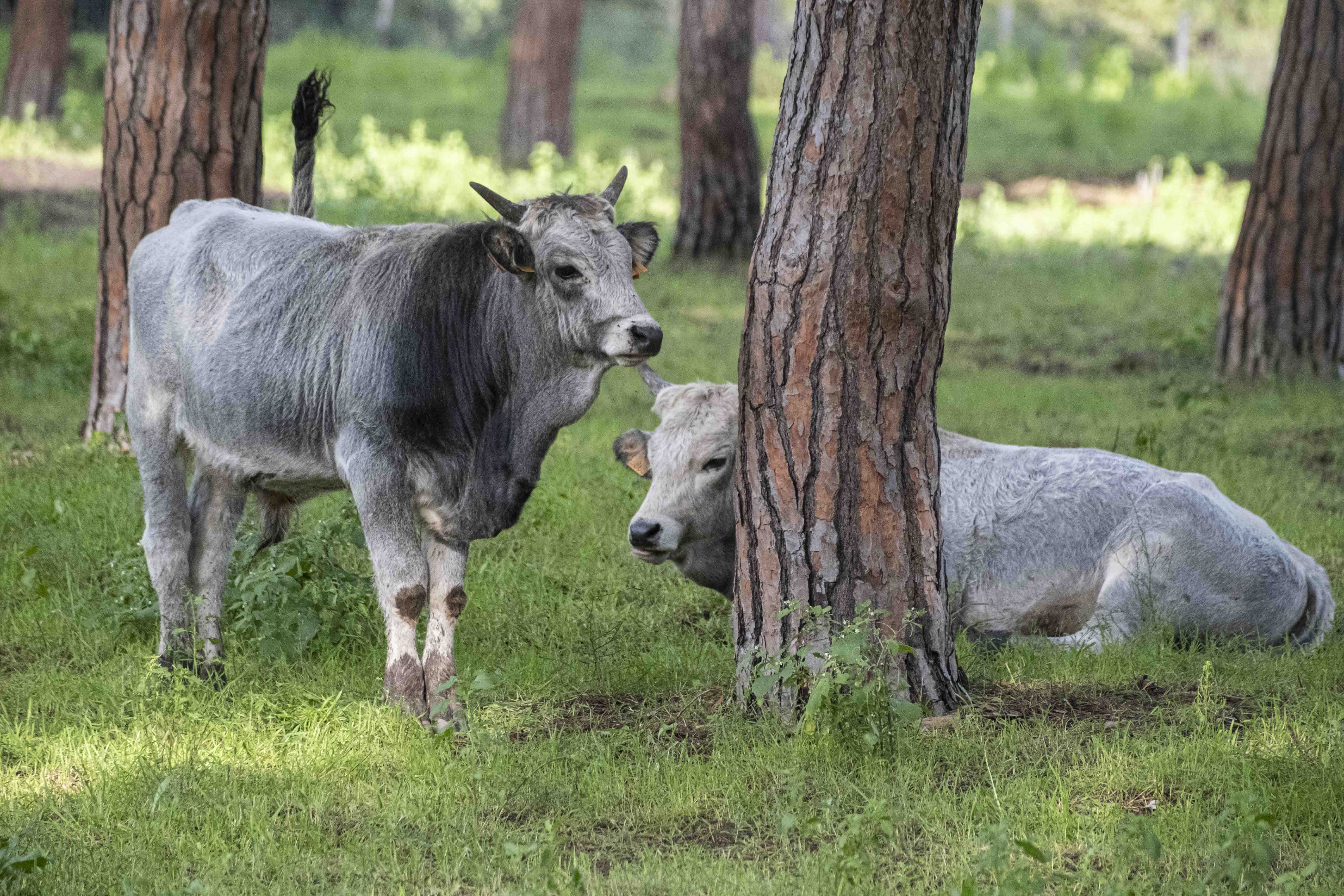
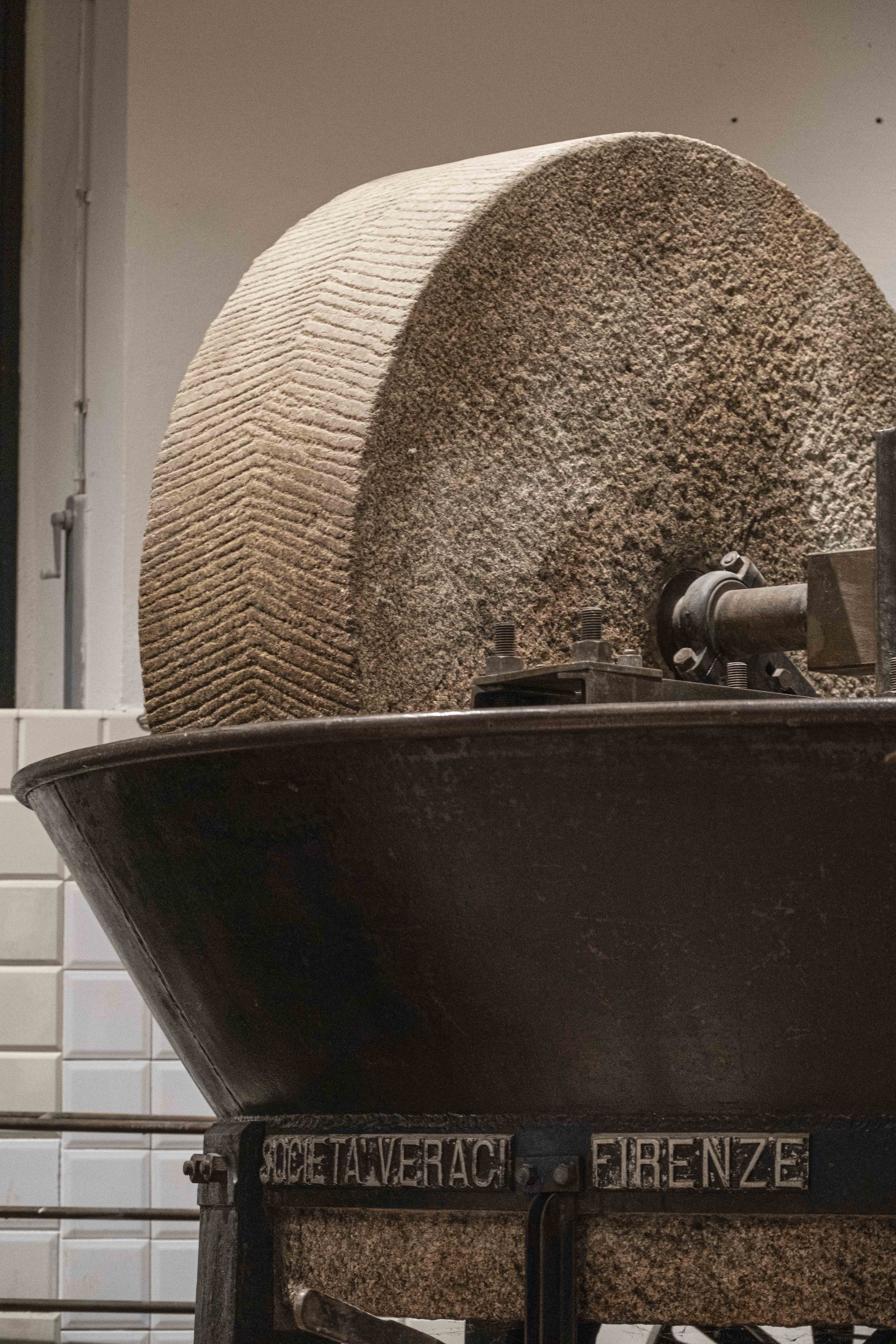
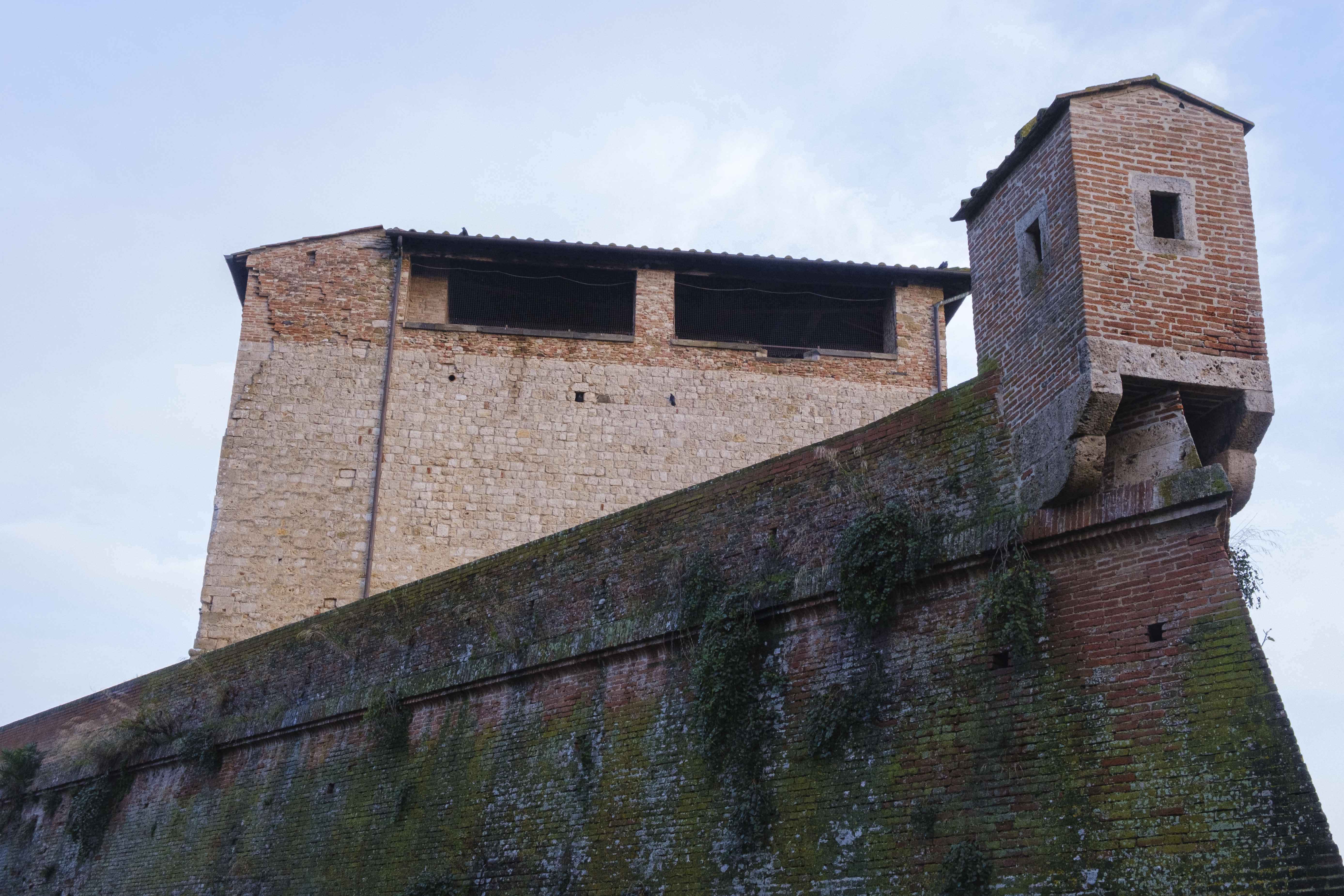
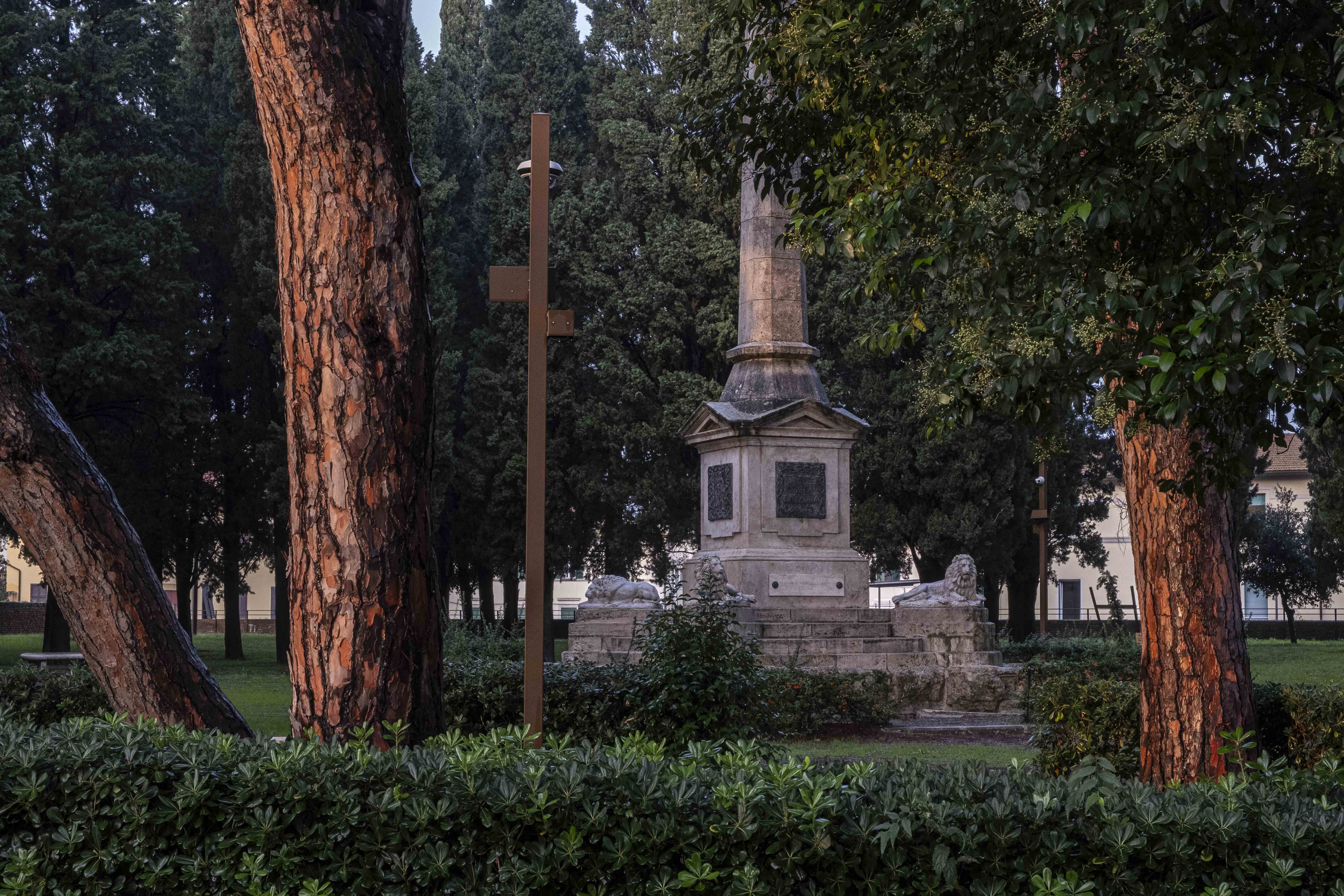
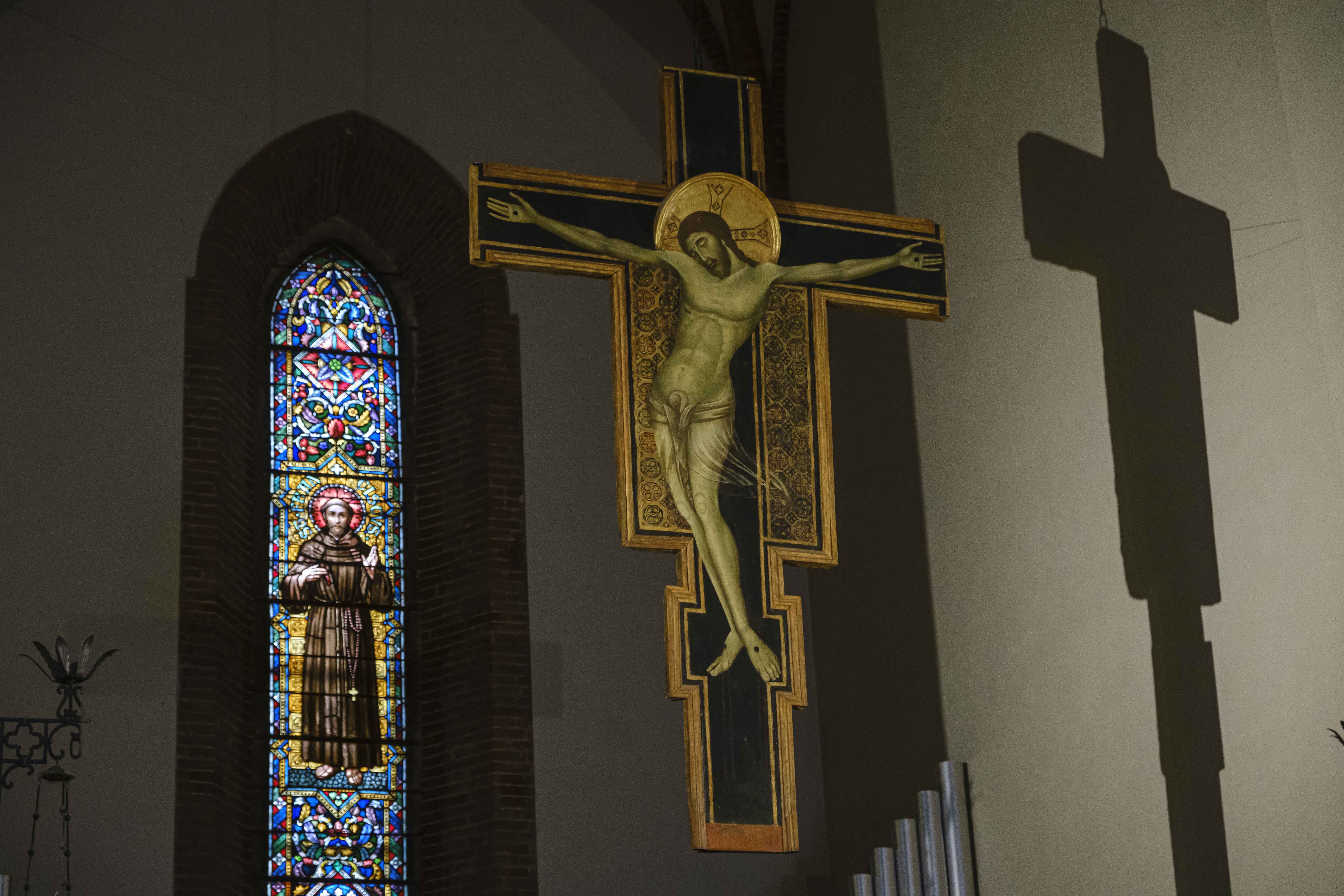
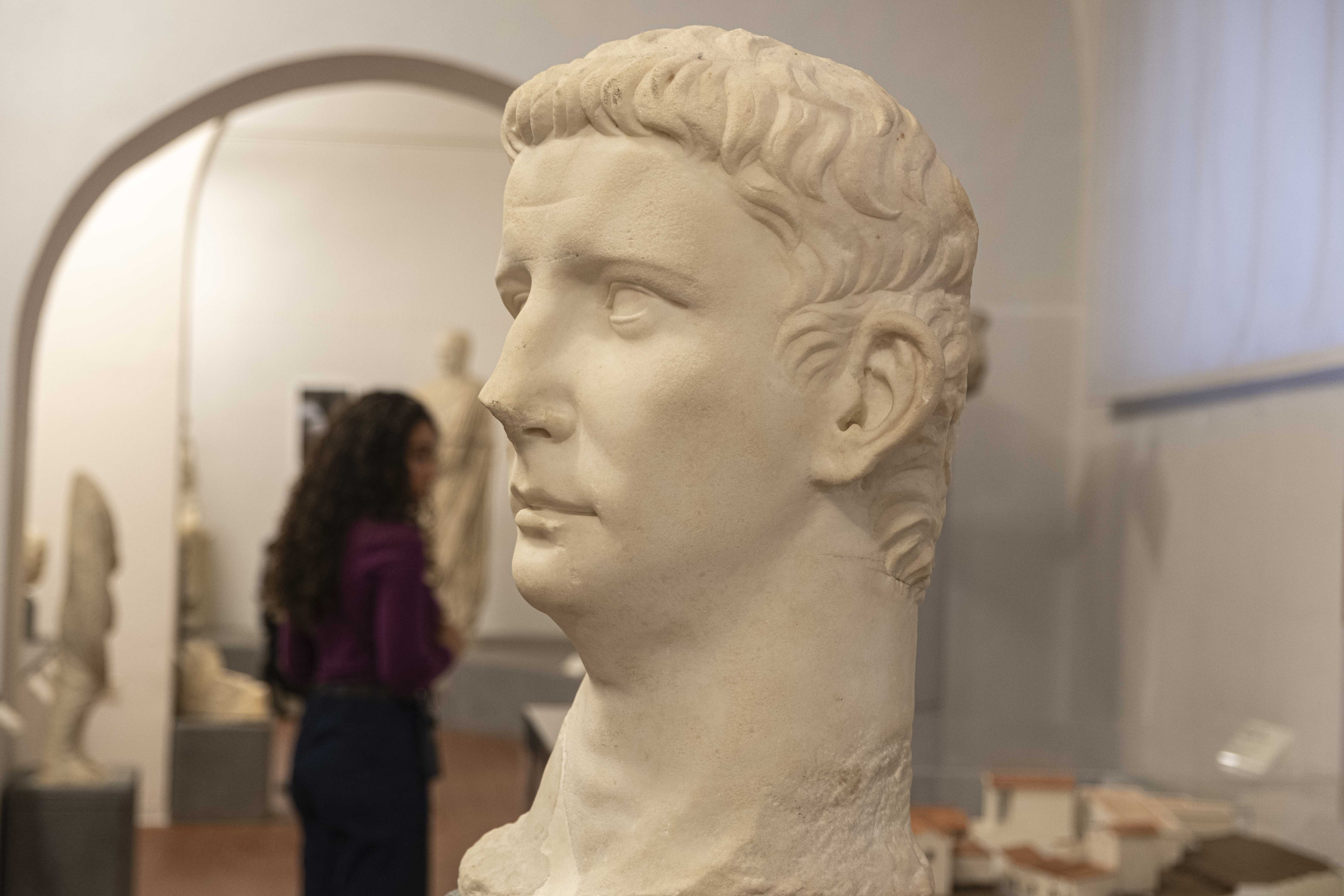
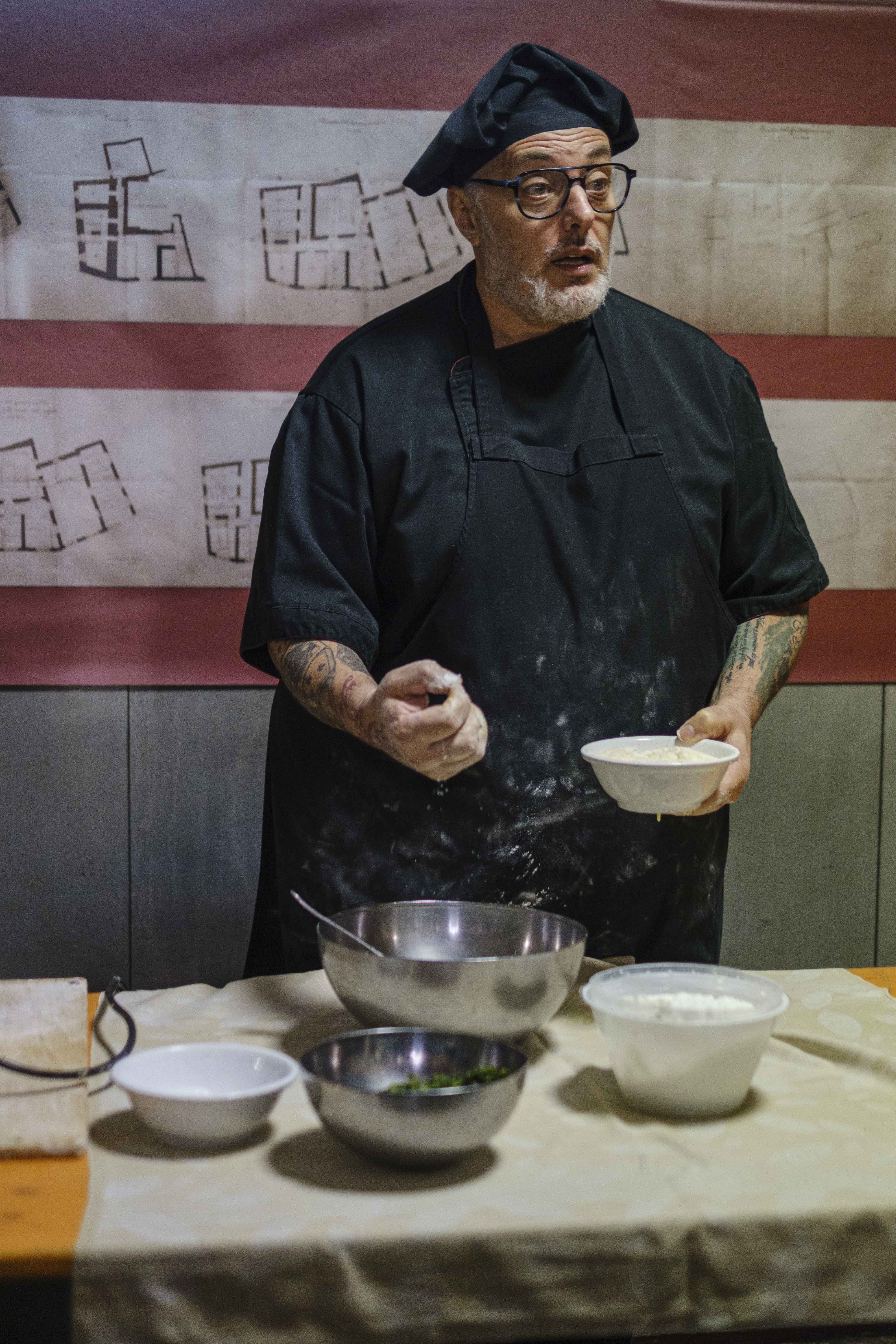
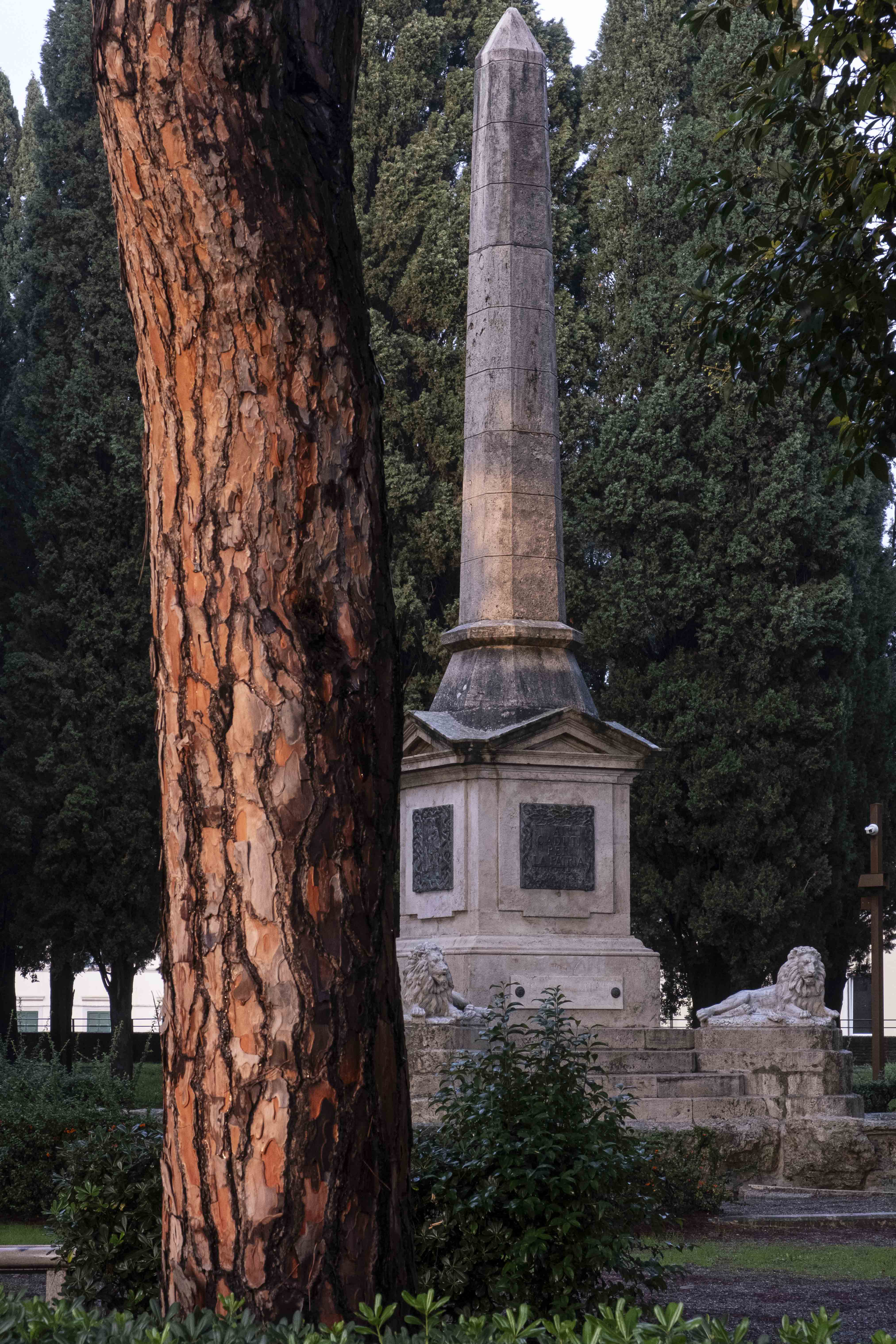
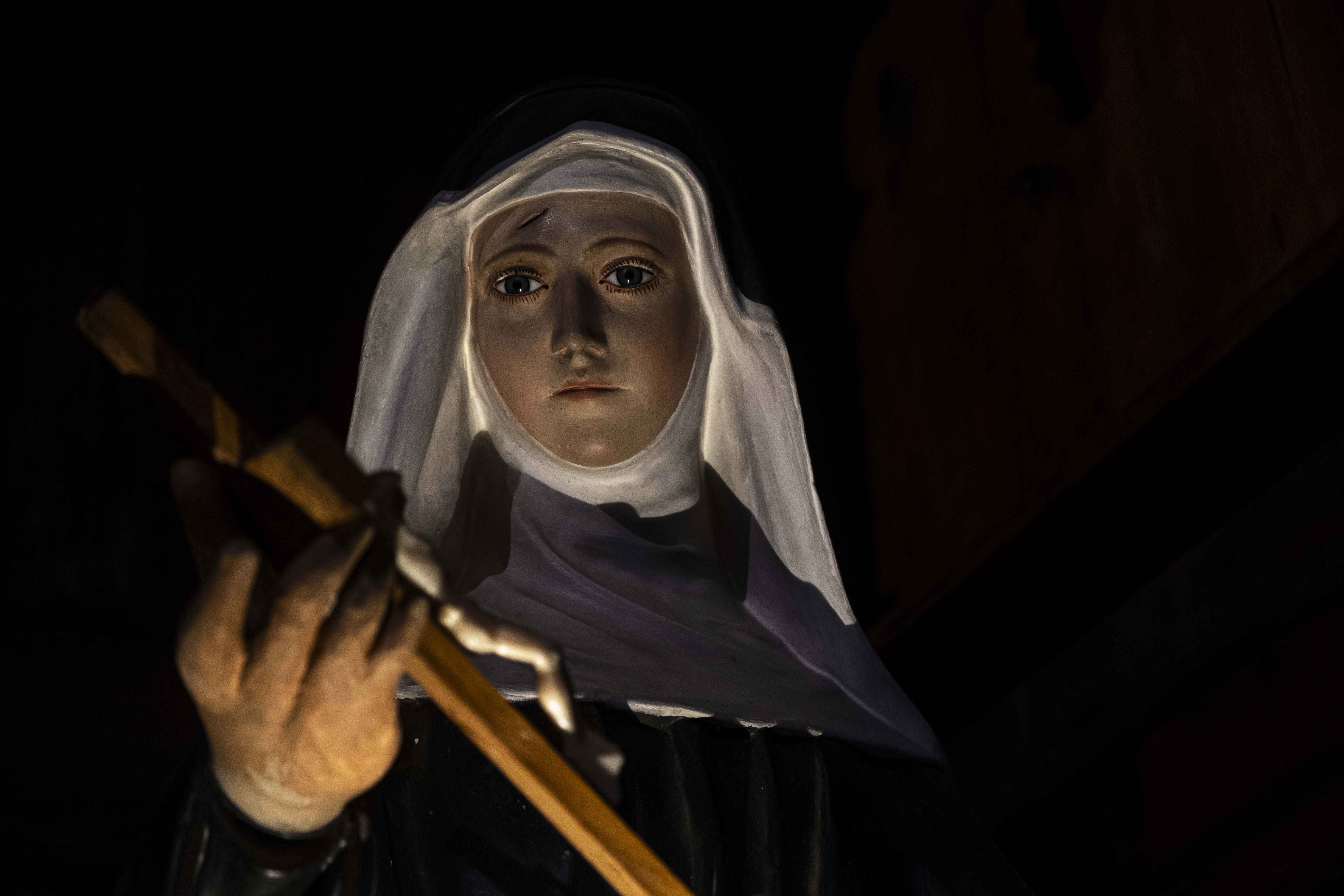
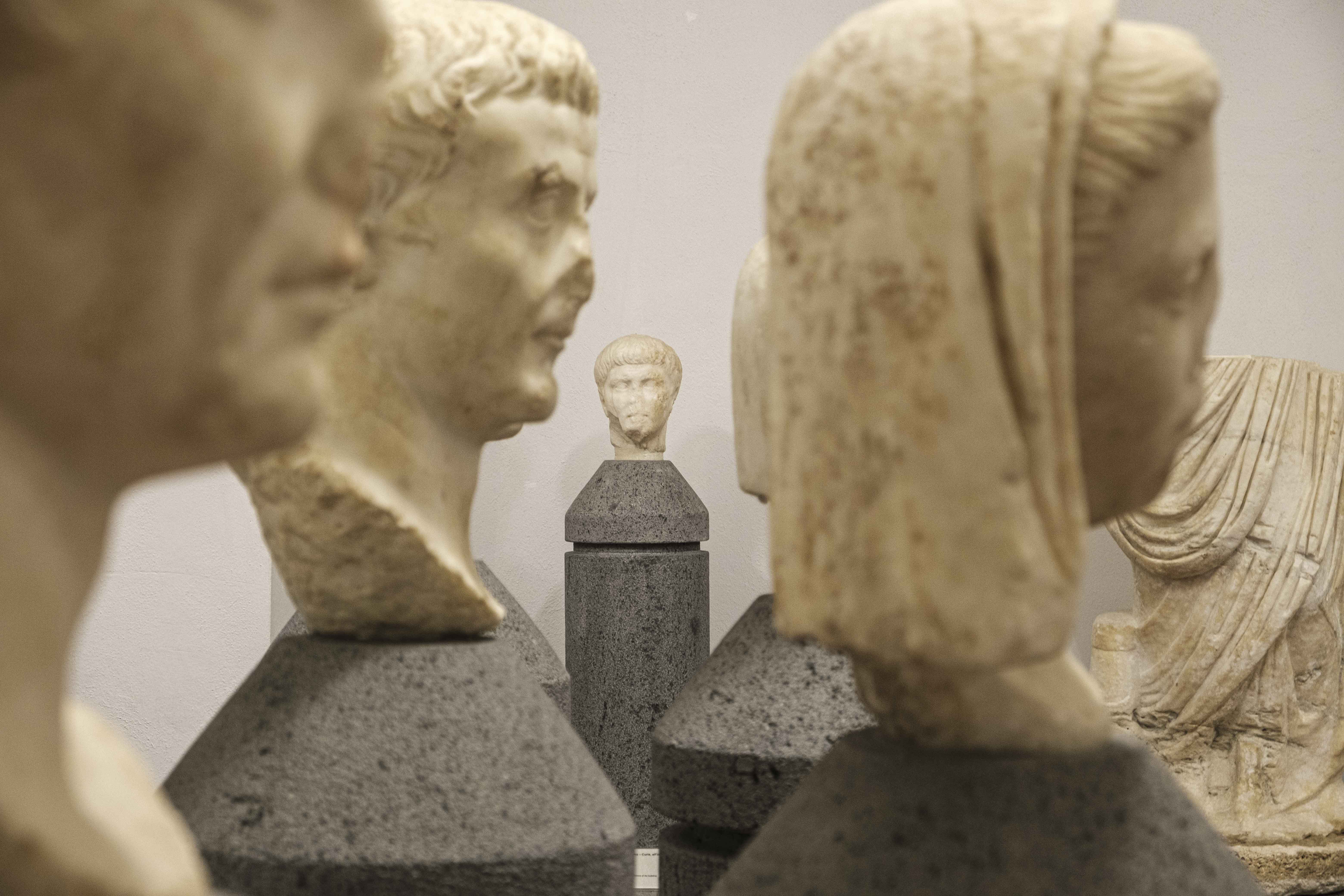
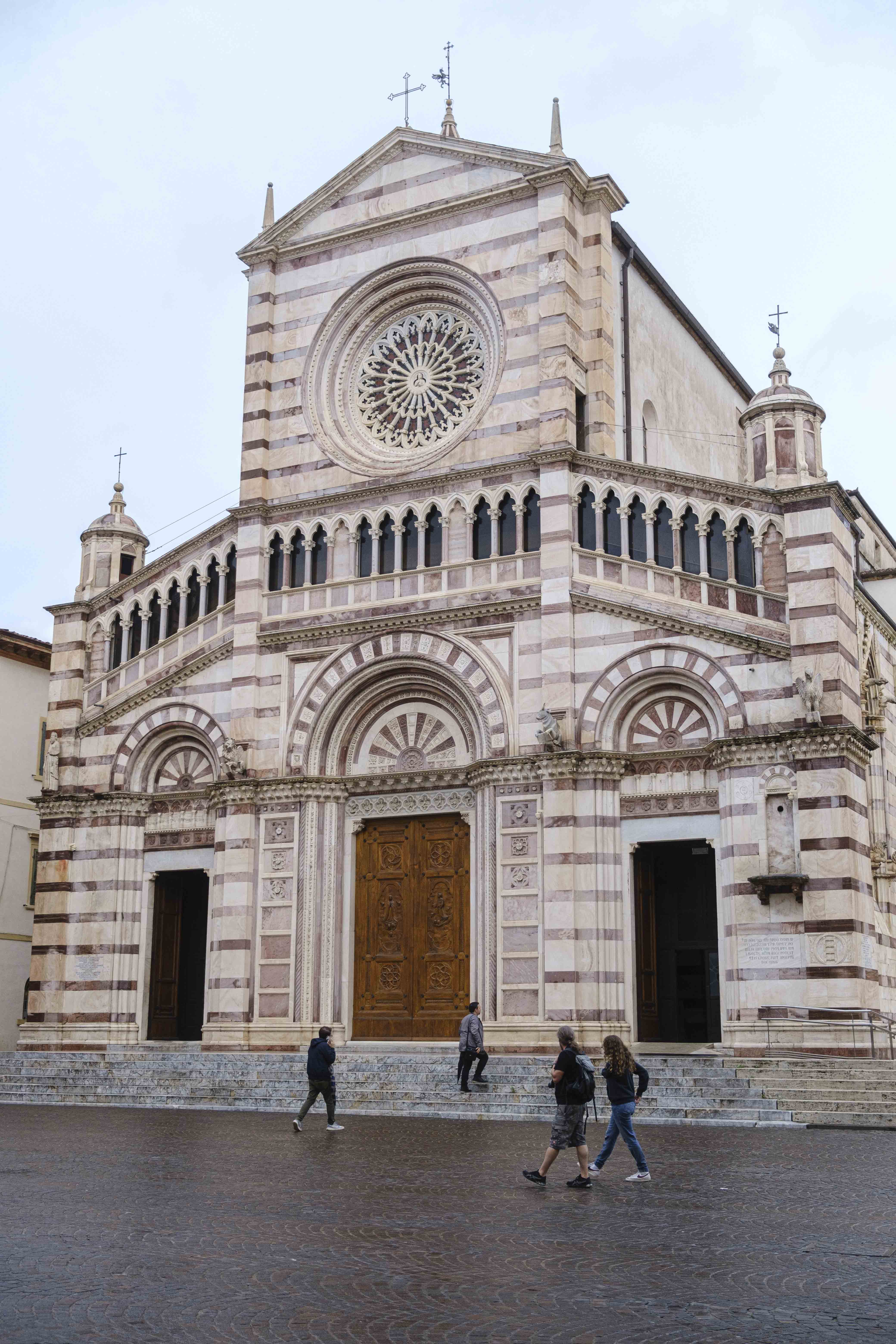
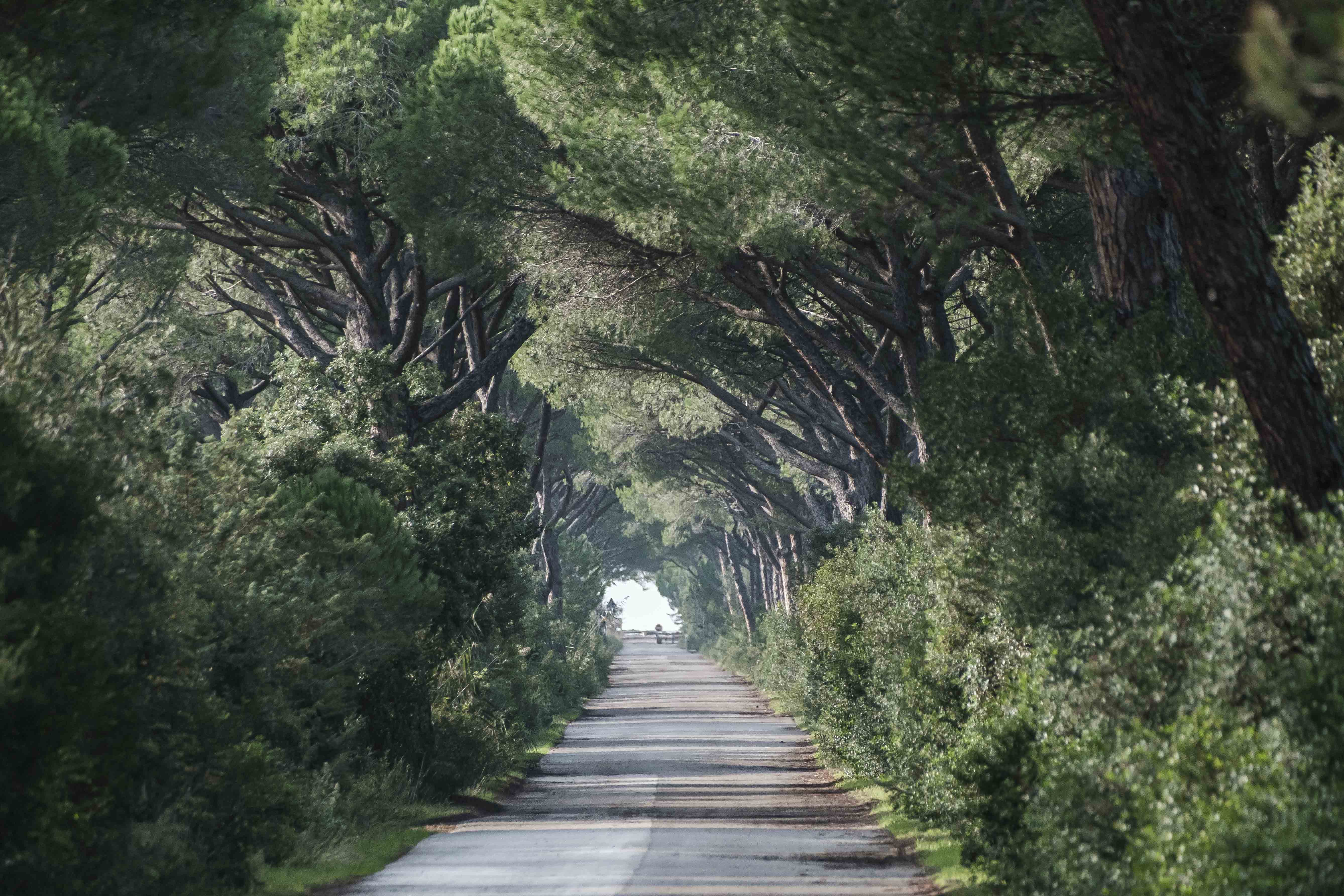
A selection of images from a trip to southern Tuscany with a great bunch of journalists and tour operators from different parts of Europe, introducing us to the delights and surprises of Grosseto, the 2024 European Green Pioneer of Sustainable Tourism, and the nearby beautiful Regional Natural Park of Maremma. Those surprises included beautiful beaches, a wildlife reserve (flamingos!), ancient cowboy and equestrian traditions and culture, medieval villages, archaeological and artistic treasures, a lively olive oil festival, well-preserved Etruscan ruins and, mmm, what else, oh yes, a fair amount of food and drink.

Share this:

  • Click to share on Facebook (Opens in new window) Facebook
  • Click to email a link to a friend (Opens in new window) Email
  • Click to share on LinkedIn (Opens in new window) LinkedIn
Like Loading...

International Women’s Day: Women of India

08 Friday Mar 2019

Posted by Tim Bird in India, travel photography

≈ 2 Comments

Tags

India, indian women, international women's day, travelphotography, women, women of india, women's rights

Every day seems to be Something Day and today, March 8, is International Women’s Day. I don’t think it should be necessary to set aside certain days for particular causes or ideas, but I do have some interest in this one since I am in the middle of my Women of India project. This is an ongoing project which gives me even more motivation, as if any were needed, to seek out interesting tales from India, to photograph the people involved, who in this case are girls and women, and to summarise their stories.

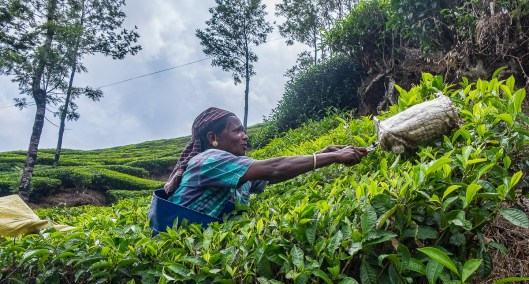
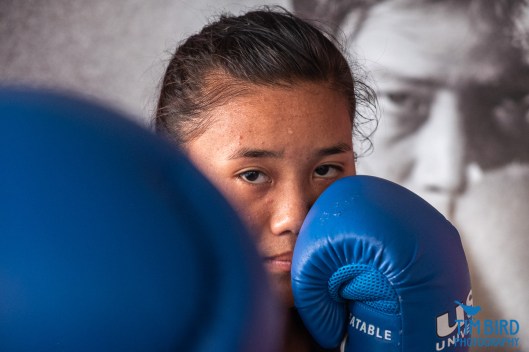
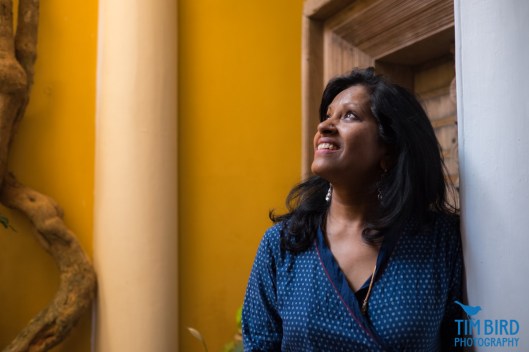
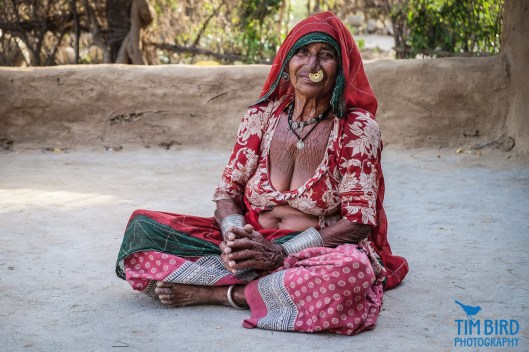
So I have encountered tea pickers in Kerala, young female cricketers in Himachal Pradesh on the edge of the Himalayas, and trainee girl boxers in Manipur in the northeast. I’ve photographed a beautiful Assamese bride and tribal women in Rajasthan, female petrol pump attendants in Delhi and a charming dancer turned designer and entrepreneur in Pondicherry.

There are a lot of negative stories being told to the outside world about India and how women are treated there. There is a lot of bad stuff going on in what is a very patriarchal society. I don’t intend to ignore the bad stuff, but I hope my stories give a counterweight to the negative impressions. There are lots of gutsy women doing interesting things on a day to day basis, not necessarily celebrities or leaders, although there are plenty of them too.

I’d like this to turn into an exhibition and even a book eventually. But meanwhile it seems like a worthwhile thing to do for its own sake, and at my own expense. So in celebration of International Women’s Day, you are looking at a few of the stories so far…

The tea plantations of Munnar are a spectacular and beautiful green patchwork quilt spread across the valleys and slopes of this part of the state of Kerala. Life isn’t always so beautiful for the women tea pickers, and tea picking is a gruelling task. Each picker can collect more than ten kilos of tea every hour. Women have demonstrated and protested against poor working conditions and low wages in recent years, but the health, housing and school facilities provided by the dominant Tata company make this a relatively attractive source of livelihood. The Kerala pickers have been demanding an increase of the minimum daily wage for a tea picker from 350 rupees – less than 5 euros – to 600 rupees.
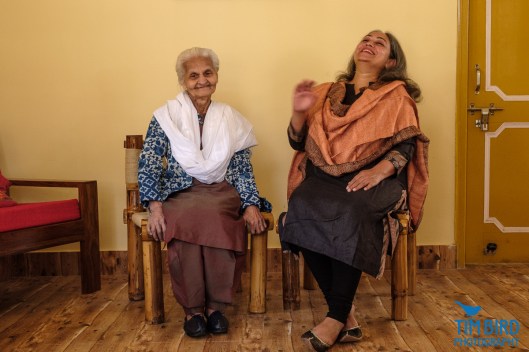
Rahana Hasam Husain and her daughter Nasma live in a village at the foot of the Himalaya foothills, close to Dharamsala in Himachal Pradesh, home of the Dalai Lama and seat of the Tibetan Government in Exile. Nasma runs a charming homestay (Home in the Himalayas), Rahana spends much of her time in peaceful meditation.
Rahana was one of a dozen siblings born into a Muslim family in the later period of British rule, a decade before Independence in 1937 (her birth was undocumented). Her father was a barrister, a landowner in the time when a feudal society still existed in India. They lived in the small town of Fatehpur in Uttar Pradesh. There was rioting in nearby towns at the time of partition in which her grandfather was killed, but Fatehpur was peaceful. Up until partition, Muslims and Hindus lived quite harmoniously together, celebrating each other’s festivals, as they generally still do today. There was a strong sense of community.
“Her father – my grandfather – was a practicing Muslim, but Rahana’s upbringing was not especially religious,” says Nasma. “My mother hates rituals and superstition, and so do I. If you want something, you work towards it, we believe, you don’t try to keep the Gods happy. My mother is very unconventional in many ways. Very down to earth and carefree.”
Rahana’s husband and Nasma’s father, who died in 1999, was the radical Marxist journalist, Najmul Hasan. An especially happy time of her life was in Delhi in the 1970s and early 1980s, when Delhi was a real cultural hub.
“In their house, before I was born, there was a lot of poetry and music,” says Nasma. “My mother was tutored by Begum Akhtar, a well-known Indian singer of Ghazal, Dadra, and Thumri genres of Hindustani classical music. Rahana still sings but she doesn’t like an audience! She experimented with drinking and smoking. She liked to throw parties. My parents were not very conventional. My father had his Communist Party work and studied Farsi and Sanskrit. She was balanced in her views but supported his causes, and he made sure that she went through college.”
Now they live far from the choking air of Delhi, beneath the snow-capped peaks of the Dhauladhar sub-Himalayan range. “I’m here with her, she likes me being around,” says Nasma. “We sit and chat and talk about old times and she tells me a lot of stories. We have huge family albums but we don’t have any shelves to put them on yet!”

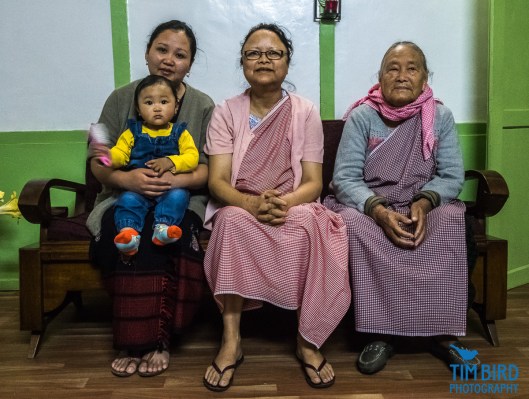
Meghalaya in northeastern India is home of the Khasi people, believed to be among the largest cultures that still adhere to a matrilineal system. Traditionally, the youngest daughter of the family inherits ancestral wealth and the mother’s family name is taken by children. Matrilineal does not mean matriarchal, however, and abuse and exploitation of girls and women still occur in vulnerable communities. The Faith Foundation was co-founded by Shannon Dona Massar, pictured here with her baby Amenia, her mother Nelifa and mother Mary (from the Monpa tribe of Arunachal Pradesh in the far northeast of India) – four generations of ladies – in the family home in Shillong, the state capital. Although the name implies a religious link, the NGO works on preventive strategies, promoting indigenous collective rights in communities and empowerment of girls and women.
I travelled to Imphal, the capital of the northeastern state of Manipur close to the border with Myanmar, to visita boxing academy for both young men and women. It was set up by Indian boxing champ Mary Kom, who claimed a bronze medal in the London Olympics in 2010 among her many titles and is one of the most famous women in India. I wanted to meet and shoot Mary herself but that wasn’t possible, so I met the young students who are inspired by her and had fun shooting and talking to them instead.
Former classical dancer Vasanty Manet is the founder, designer and owner of the Via Pondichery fashion boutique and business in the south-east coastal city of Pondicherry. Her shop on Romain Rolland Street in the French quarter of the city backs onto her beautiful 17th century wooden-beamed house. Vasanty’s ancestors made the choice offered to them in the 1880s to take French citizenship along with a French name. She studied in France but her mother was a Tamil language teacher. She professes to be comfortable sitting between the French Christian and Indian Hindu cultures. Her bags, pashminas, bangles and necklaces combine Indian elements with modern European style. Her entrepreneurial spirit is an example of the kind of modern, cosmopolitan Indian woman whose actions speak louder than words in the face of Indian society’s prevalent patriarchal tendencies.
Bishnoi tribal lady in a village in Rajasthan. One of the traditional tribal tenets is for new mothers to be separated from the rest of the villagers, with their newly born children, on the grounds of impurity for a month after childbirth. A tribal legend about the Bishnoi from the 18th century tells of Amrita Devi who tied herself to a tree to prevent a forest being felled by the Maharaja of Jodhpur who wanted the wood to build his palace. The tale has it that 362 of Devi’s fellow villagers joined the protest, and all of them were slaughtered by the Maharaja’s soldiers. Amrita Devi, an early Indian environmental activist.

Share this:

  • Click to share on Facebook (Opens in new window) Facebook
  • Click to email a link to a friend (Opens in new window) Email
  • Click to share on LinkedIn (Opens in new window) LinkedIn
Like Loading...

Six images: On target for a lucky break

30 Friday Mar 2018

Posted by Tim Bird in India, Travel, travel photography

≈ 2 Comments

Tags

archery, betting, fortune, gambling, India, lottery, Meghalaya, Shillong

Every now and then I’m tempted to waste anything from 5 to 10 euros on the instant lottery tickets sold at the check-out in the supermarket. I gave up choosing my own numbers ages ago. The street number of my house, my birthday, my mum’s birthday, the date of that particular day – none of these made any difference. I never win more than two or three euros, which I can’t usually be bothered to collect. It’s my belief that a lotto-cop watches me at the check-out using some hidden close-circuit camera and presses a button to prevent me winning more than a pittance. “Here comes Bird, press the win-exempt button.” So I reckon a random choice made by a computer gives me as a good a chance as any of achieving instant riches – that is, practically none at all.

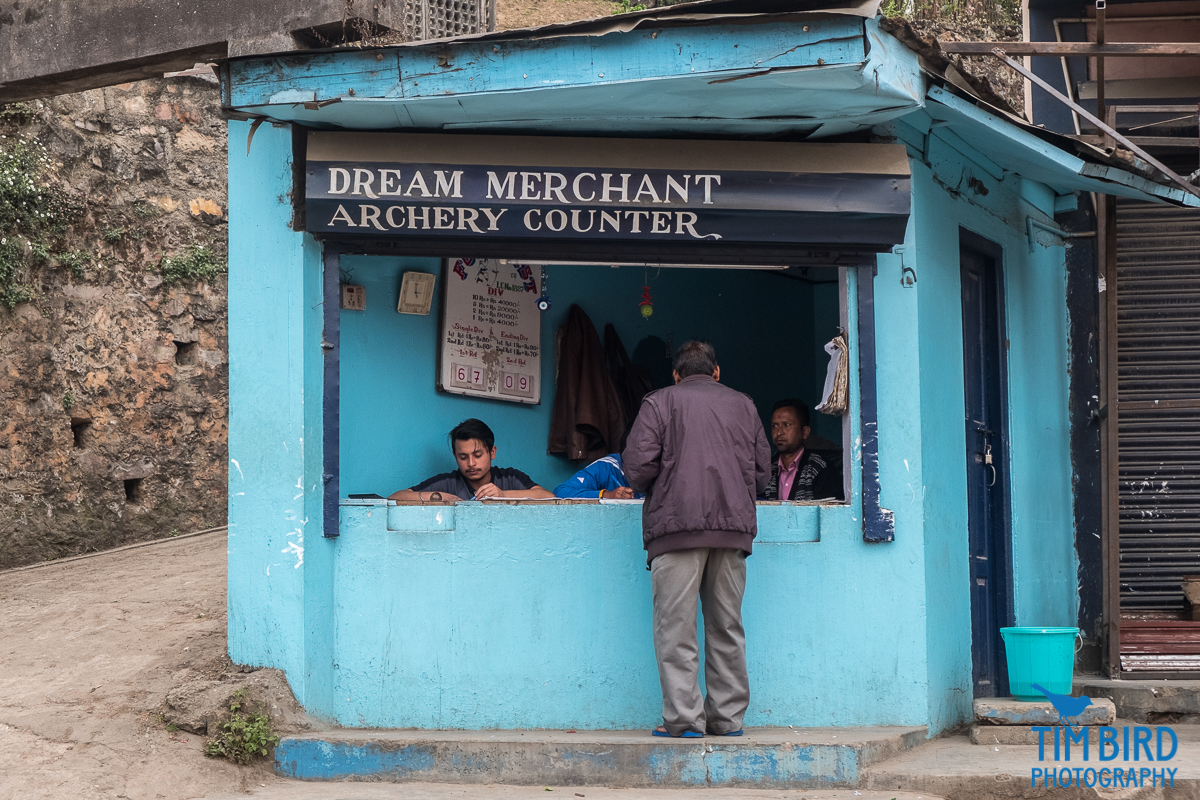
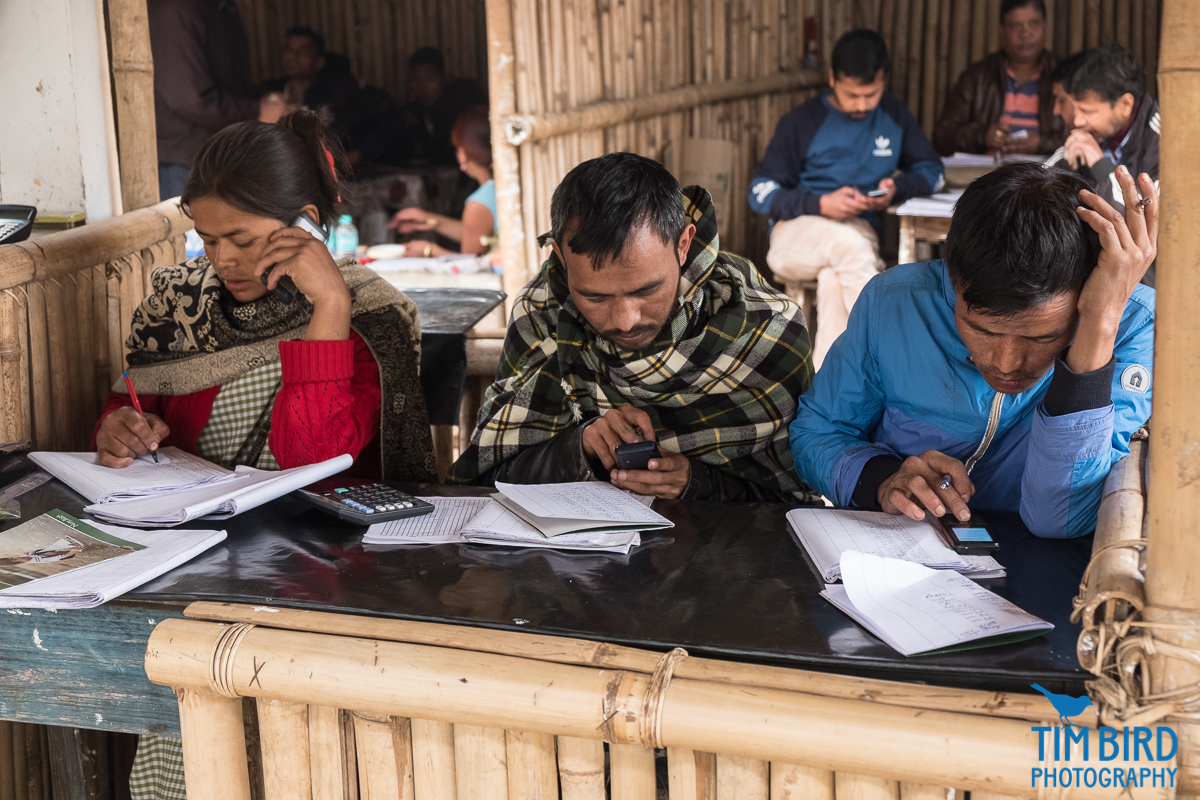
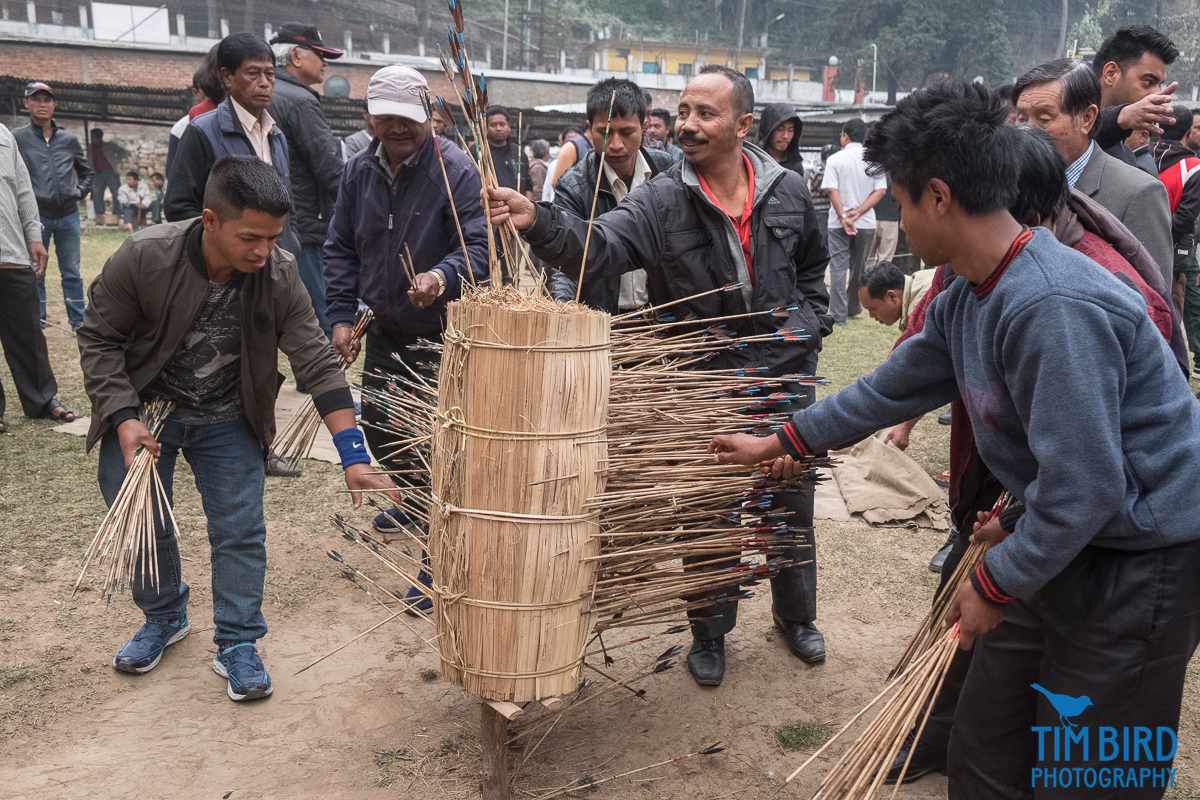
I have just been to one of India’s less well-known and more remote states, Meghalaya in the country’s far north-east, where I encountered a much more original and exciting potential route to a quick fortune.  The archery lottery is decided on the number of arrows that hit a target aimed at by archers from  local clubs, who are paid a fee and stand to earn extra cash prizes depending on how many times they hit the target, which is a bundle of hay situated about 12 metres from the archers.

meg-7837

Place your bets, dream on.

The contests are held at the back of the Polo stadium in the centre of Shillong, the state capital, but you come across betting shops everywhere. You have to collect your winnings, if you get any, from the same shop at which you placed the bet. Bets are also placed online, and not just from India.

meg-7839

Bookmakers take bets from far and wide.

The winning numbers are arrived at by taking away the first digit of the total number of arrows that hit the target. So if 978 arrows hit the target, the winning number is 78. There are two rounds of arrow-shooting at each daily session, each producing separate results that yield a return of 8/1 – so for a 100-rupee (€1.2) bet, the winning sum would be 800 rupees (€10). If you bet successfully on the combined result of both rounds, your winning prize would be 4000/1. So a modest bet of 100 rupees would reward you with a prize of 400,000 rupees, or about €5,000, if you guessed the result of both rounds correctly.

That kind of money goes a long way in India and it’s no wonder the punters, the vast majority of which are male, look so apprehensive after the arrows are all fired and the count begins. I bet 100 rupees on two numbers for the first round only – number 9 (my house number – how predictable) and number 87 (I can’t remember why). Needless to say, I didn’t win anything.


meg-7853

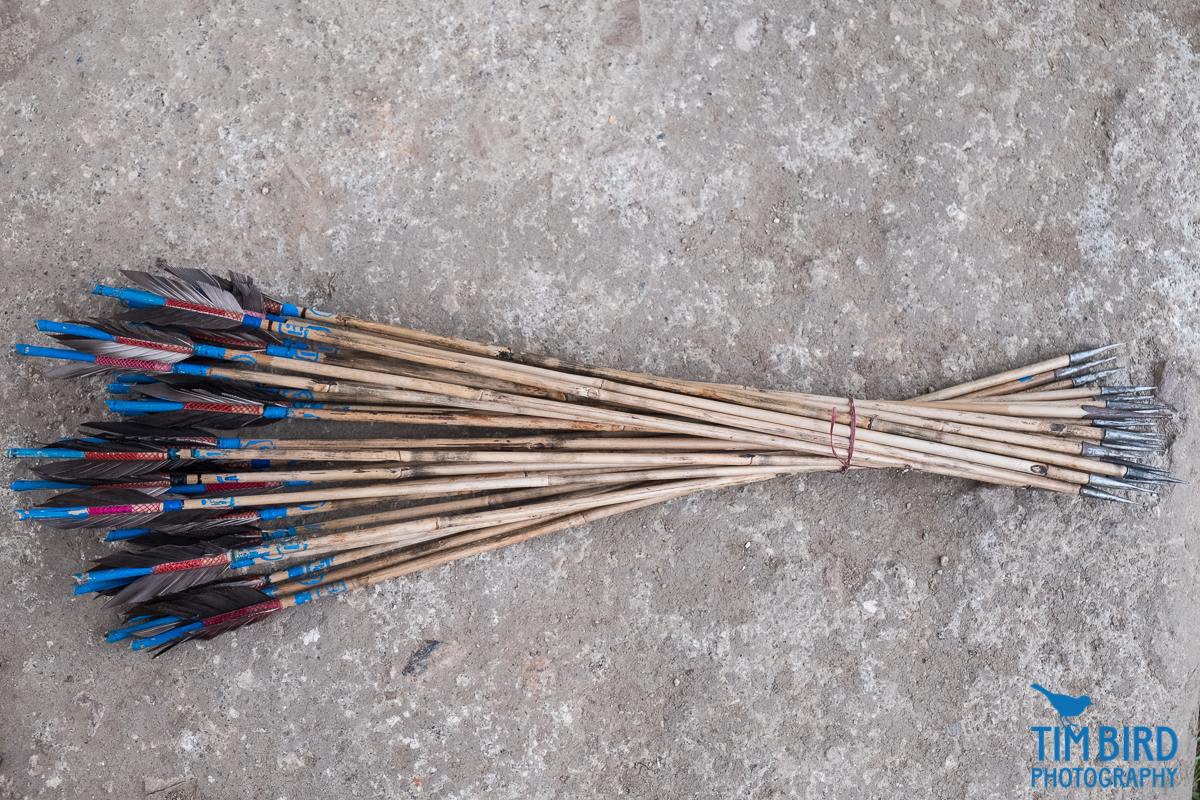
Arrows are colour-coded for each archer and are a regulation length.

meg-7891

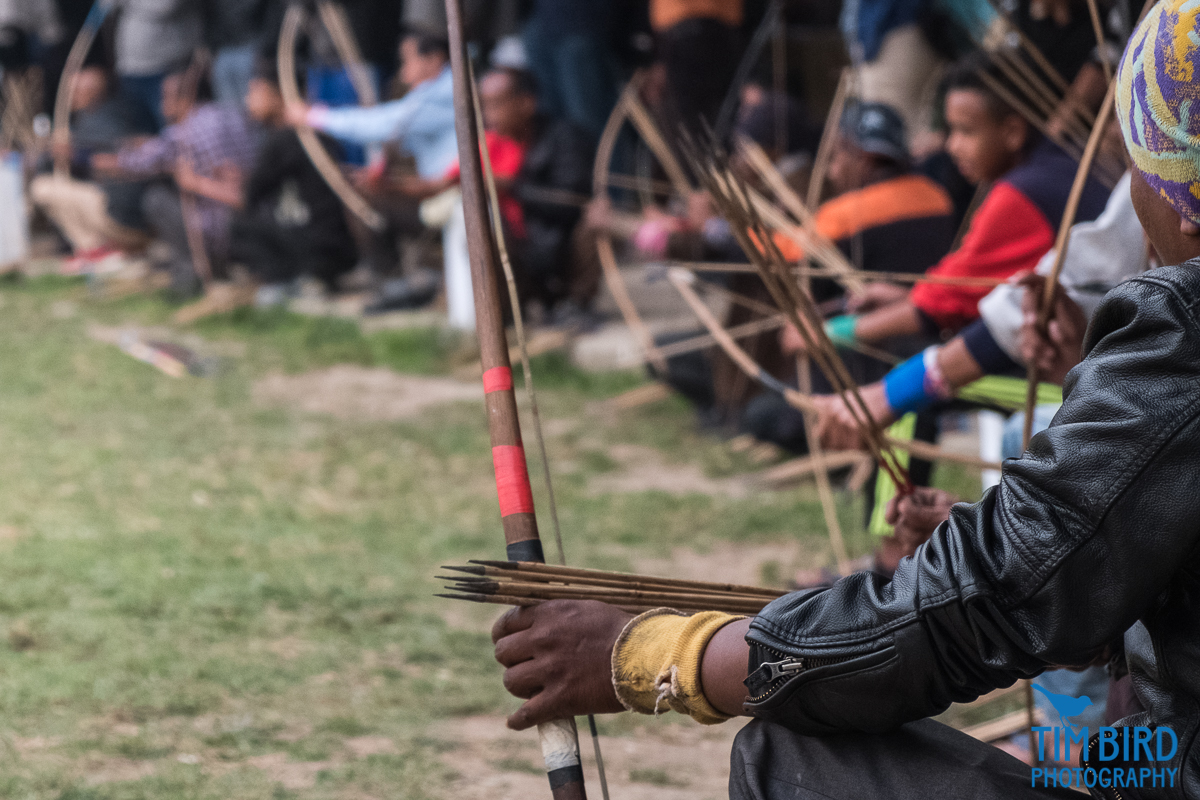
The archers sit in an arc facing a single target.

meg-7943

Arrows are extracted from the target and counted immediately after each round.

meg-7983

Anxious faces await the results of the first round.

It makes for a much more interesting spectacle than watching numbers being drawn or balls being spun on Saturday night. Health and safety regulations would probably prevent it being launched in any European country, for fear of some aggrieved archer turning his arrows on the spectators. So it’s back to the supermarket for my instant ticket this week. Wish me luck.

Share this:

  • Click to share on Facebook (Opens in new window) Facebook
  • Click to email a link to a friend (Opens in new window) Email
  • Click to share on LinkedIn (Opens in new window) LinkedIn
Like Loading...

My name is Tim, I’m a Facebook-aholic

12 Sunday Nov 2017

Posted by Tim Bird in addiction, social media, travel photography, Uncategorized

≈ 18 Comments

Tags

addiction, facebook, instagram, some, travel, travel photography

I gave up smoking in the early 90s. I decided that changes of scene and routine would be the best circumstances in which to make the break, and my companion, now my wife, also reckoned this would be a good plan. So we decided that a trip to Singapore and Bali would be a good time to kick the habit. We had been upgraded to Business Class (those were the days) so we sat in the Lounge at Helsinki Airport waiting for our flight to Singapore to start boarding. We had bought one last ceremonious pack of cigarettes (yes, kids, you could smoke in airport lounges in those days) and sat puffing away over our gins and tonics.

smokers-3373

An Indian pilgrim at a festival in Allahabad lights up for the first smoke of the day. But has he checked his Facebook yet?

The time to board arrived. There were maybe a dozen cigarettes left in the packet. Solemnly, we crumpled up the pack, making its contents unsmokeable, and gathered our bags to make our way to the plane. This was the allotted time at which we had decided to quit. Then came the announcement: a delay of 40 minutes. Damn. We could have smoked at least four more cigarettes each in that time.

smokers-4879

Temple offerings in Ubud, Bali. Notice the cigarette in one of the baskets. Even the Gods like a ciggy.

I haven’t smoked another cigarette since. It was actually quite easy. I had tried many times before, aware that I was getting a reputation for smoking that special brand known as OP’s – Other People’s. This time I realized that I really wanted to give up and it wasn’t difficult. Sometimes I still lift a cigarette to my nose and inhale the scent of dry tobacco, finding it strangely pleasant. But I’m never tempted to light it. Sometimes I dream that I’m smoking too, but I never wake up reaching for a packet at my bedside.
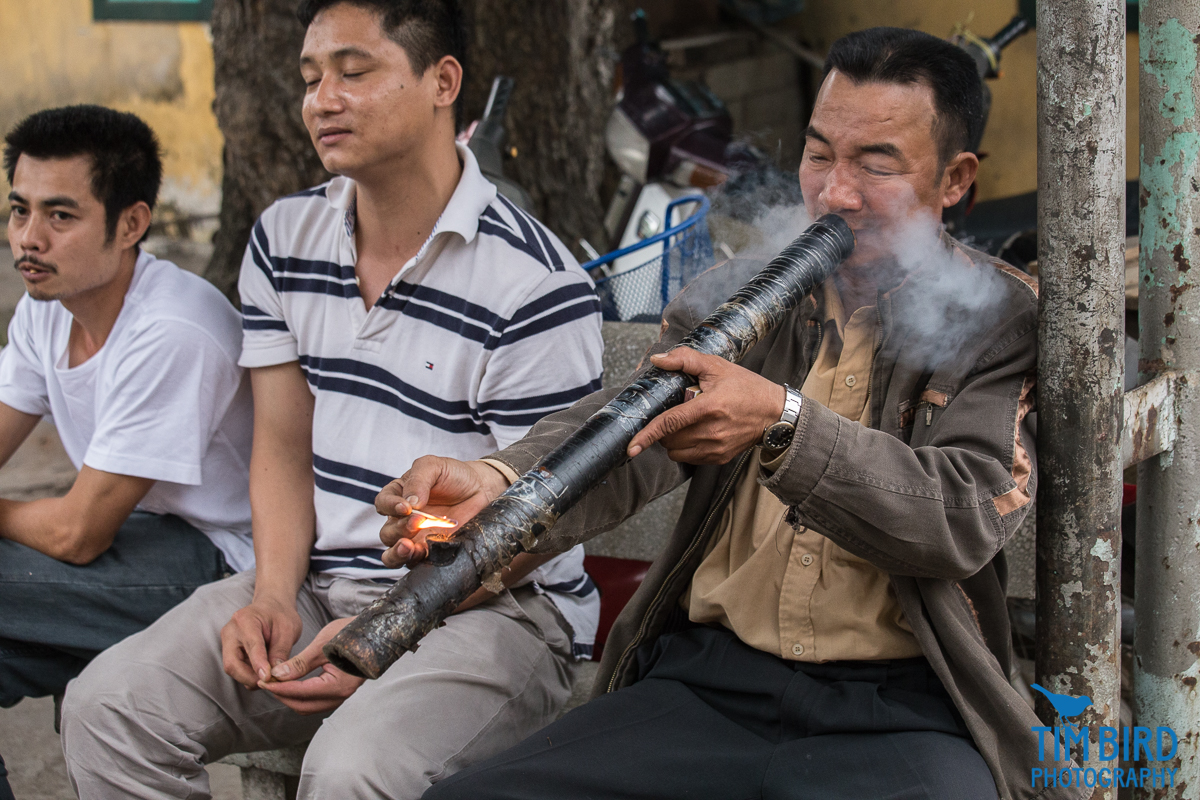
smokers-6234

‘Giving up’ probably wouldn’t have been in the vocabulary of these smokers in Hanoi, Vietnam.

So I don’t think I have an addictive personality. I can go a whole week without a drink. Like most people of my age and circumstances, I dabbled with drugs in my youth, but I never tipped into the abyss, although I might have looked into it a couple of times. Until now tobacco was the most addictive drug I’ve ever sampled, and I managed to kick that instantly. But now I find myself facing a much deadlier addictive beast: Social Media.

If you share my addiction you’ll understand. The urge to look at my phone in the morning – before I have my breakfast, before I shower – to gorge on the Facebook ‘likes’ being offered to me, or to feel a deadly slump at their absence, must be familiar to many of you. Likewise the thrill at that throbbing red heart in my Instagram account.
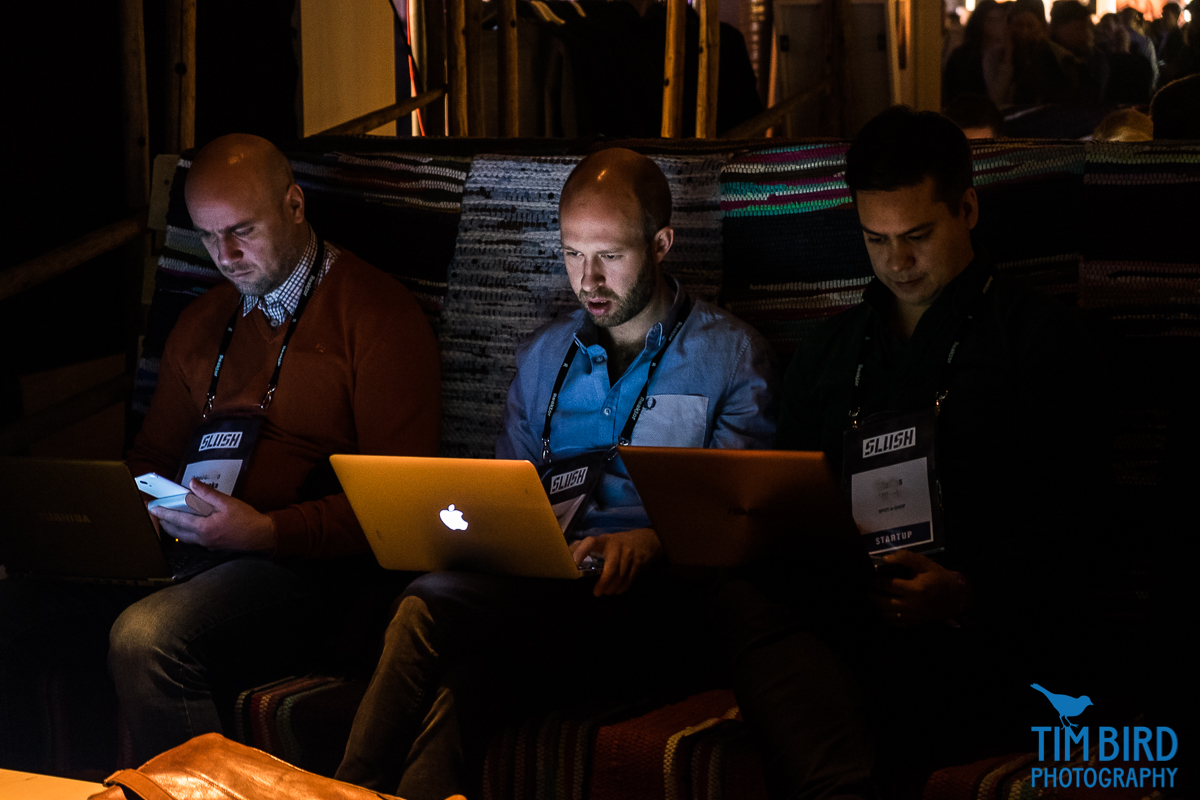
smokers-1923

Delegates at a Helsinki start-up conference try to look important while actually liking silly videos on Facebook.

Largely, I blame Brexit and Trump. Both of them make me so angry that I need a way of venting my fury and receiving confirmation that my fury is shared. But I also blame my work, not because of the pressure it incurs, but because Social Media (or ‘Some’ as it’s now being called – oh dear) is the canal de choix for anyone involved in media production, especially if you’re freelance. A large part of my work is as a travel writer and photographer. So I get to boast about all the cool places I’m lucky enough to visit. It’s actually desirable for me to do this, so that people know that I ‘walk the talk’ in terms of travel. You’re not much of a travel writer/photographer if you never go anywhere, are you?

The conventional wisdom is that a presence on Social Media, whether Facebook, Twitter, Instagram, LinkedIn, Sprinkle or LumpedUp – OK, I invented the last two – is essential if you want to build and maintain the kind of visibility that converts to financial income. You don’t even exist without a presence on SM. Only a few brave souls are prepared to challenge this idea.
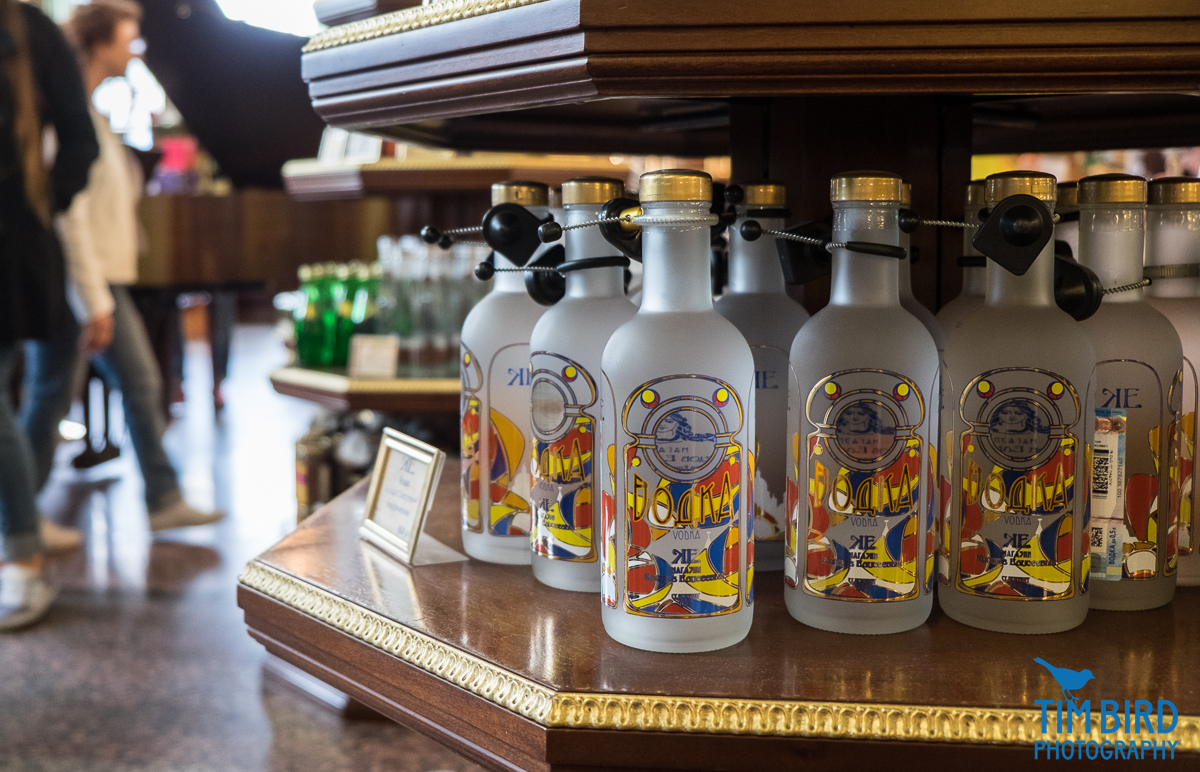
smokers-1354

Russian vodka in a St Petersburg store. If you had to give up Social Media or Social Drinking, which would you choose?

The knowledge that I am addicted means that I have a love-hate relationship with Social Media, especially with Facebook. It doesn’t stop me living an active and interesting life (and lets me brag about its best moments), but it’s like speaking in a parallel voice that I don’t always recognize. I find myself getting sucked into outraged political arguments with people I haven’t even met, for example, afterwards suffering from the kind of guilt that you feel after a night in a pub making a lot of noise and with the vague sense that you misbehaved in some way. Or am I the only one who knows what that’s like?

smokers-3983

A casino in Las Vegas. Those cynical designers of Facebook aimed to replicate the addiction of gambling. I wouldn’t bet against it.

Meanwhile, my dependence continues. And I am relying on yours to spread the word. So please feel more than free to share, tweet, re-tweet, post, re-post and like this blog to your (and my) heart’s content.

If you follow this blog you won’t have to keep looking at Facebook (https://www.facebook.com/timbirdphoto) to see when I’ve published a new one. And like a barman at happy hour, let me tempt you to visit my Instagram account at @tim_bird_photo
Share this:

  • Click to share on Facebook (Opens in new window) Facebook
  • Click to email a link to a friend (Opens in new window) Email
  • Click to share on LinkedIn (Opens in new window) LinkedIn
Like Loading...

Six Images: Six photos to check from the bucket-list

18 Wednesday Oct 2017

Posted by Tim Bird in bucket-list, travel photography, Uncategorized

≈ 1 Comment

Tags

aurora, Baltic, Bandhavgarh, bucket-list, finland, himalayas, India, mountains, northern lights, Stromboli, Taj Mahal, tigers, travel, travel photography, volcano

There are certain things you simply have to get shots of. As a travel photographer you can never exhaust the photographic possibilities of the world around you, whether it’s the people or the places or the natural phenomena. I know I am fortunate to have had the opportunity to tick off quite a few items on my photo bucket list. On the other hand, if you don’t go looking for those opportunities they’re not going to fall into your lap. So luck is only part of the story. You need to be at least a little bit adventurous and resourceful.

Here are six images of things I really wanted to photograph and managed to. Some of them, like the Northern Lights, I could happily photograph daily – or nightly – if I had the chance. But then I wouldn’t have time to shoot all the other amazing people and things I see on my travels.bucketlist-9397

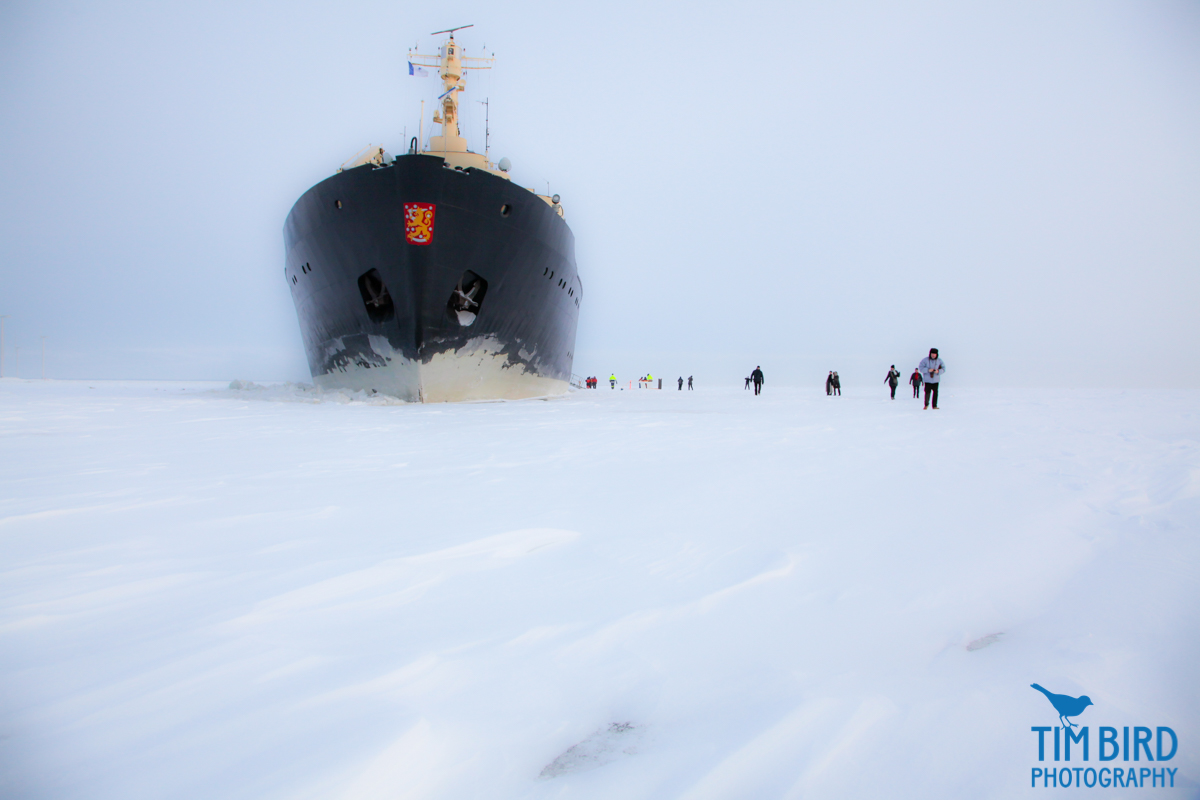
Walking on water: I live in Finland and large parts of the Baltic Sea freeze every winter, although climate change is affecting the extent to which ice forms. But it’s still possible to walk on water – an enthralling experience. I shot this during a cruise on the Sampo icebreaker, converted to tourist use from the north-west port of Kemi.

http://www.visitkemi.fi/en/sampo

bucketlist-6463

2. An erupting volcano: Shooting an active volcano has always been an ambition. I went through a period of travelling throughout Central America peering into dramatically smoking craters, even glimpsing red hot lava just a few metres away. But I didn’t see a properly erupting volcano until I went to Sicily and the island of Stromboli, probably the most frequently and visibly active volcano in Europe. When I was there the lava spewed out every 20 minutes or so. This was shot from a ledge about half a kilometre from the eruption. Less intrepid volcano-watchers have the option of viewing more distantly but very comfortably from the terrace of a pizzeria further down! Or like my even more intrepid companion, trek for several hours almost right to the rim of the thing, where shooting has to be done at far greater speed.

bucketlist-8331

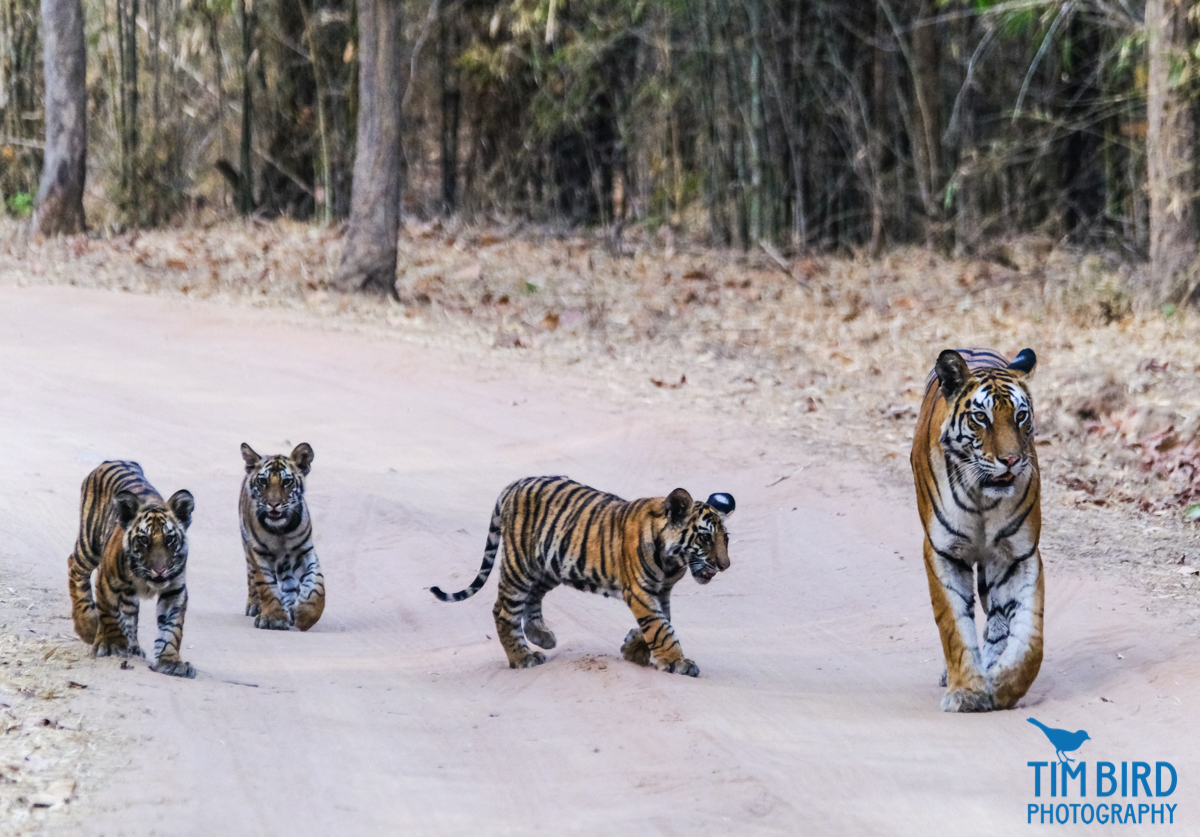
3. Wild tigers in India: The first time I tried this, I got one shot of a tiger’s head emerging from the bush and another of its tail disappearing into the undergrowth on the opposite side of the track! My second visit to the Bandhavgarh tiger reserve in the state of Madhya Pradesh was much more fruitful. This little family (minus Dad) came strolling along the track towards our jeep and passed within a few feet of us. A breath-holding moment.

Thanks to my hosts at http://junglemantrasafaris.com/ for helping me on this one.

bucketlist-7145

4. The Taj Mahal: This extraordinary building has a lot of hype to live up to as India’s most famous tourist destination – but it succeeds. It really is magnificent. It also is really crowded during the daytime, so get up early (getting up early is an essential thing for photographers to do if they want to get the most interesting light) and head across to the other side of the river just before sunrise. When I did this I was rewarded with this wonderful view of the marble domes wrapped in mist. The night before I had seen it in moonlight. Go out at different times, see the same places in a different light…

bucketlist-5195

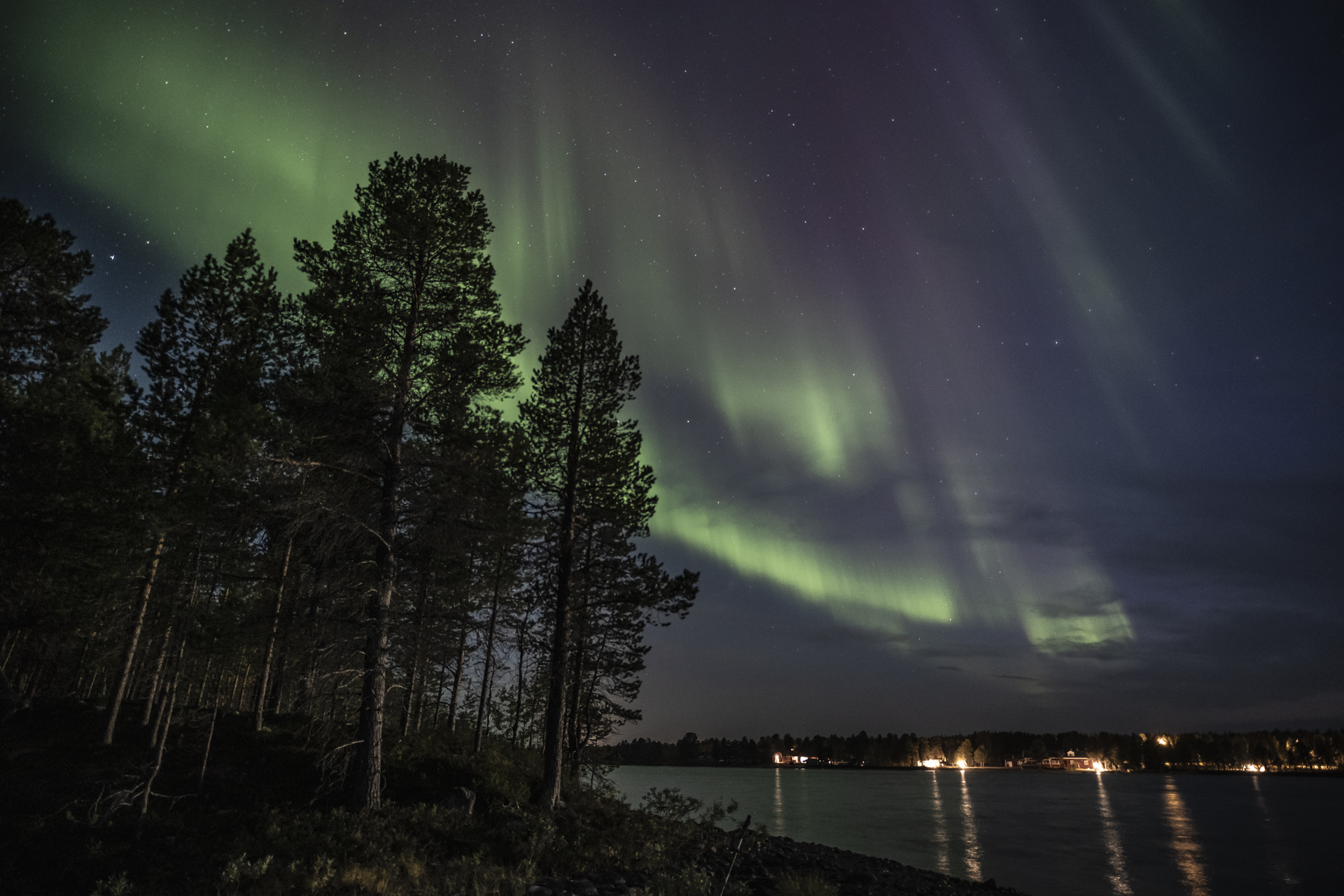
5. The Northern Lights: The aurora borealis is without question – in my view at least – the most magical, transfixing and addictive spectacle on the planet. It reduces me to blubbering infancy every time. You can’t just see the Northern Lights once, you have to keep trying to see it again once you’ve seen it. It casts a spell. I still haven’t got what I think is the perfect shot and the alerts I have on my phone frustratingly let me know that activity is sometimes strong – even when the sky is covered in cloud! This shot was from a lakeside near Rovaniemi in Finnish Lapland, almost bang on the Arctic Circle. Note the reflections on the water – this was taken in September before the lake was frozen and snow-covered. So you don’t need freezing temperatures but you do need clear skies.

bucketlist-0364

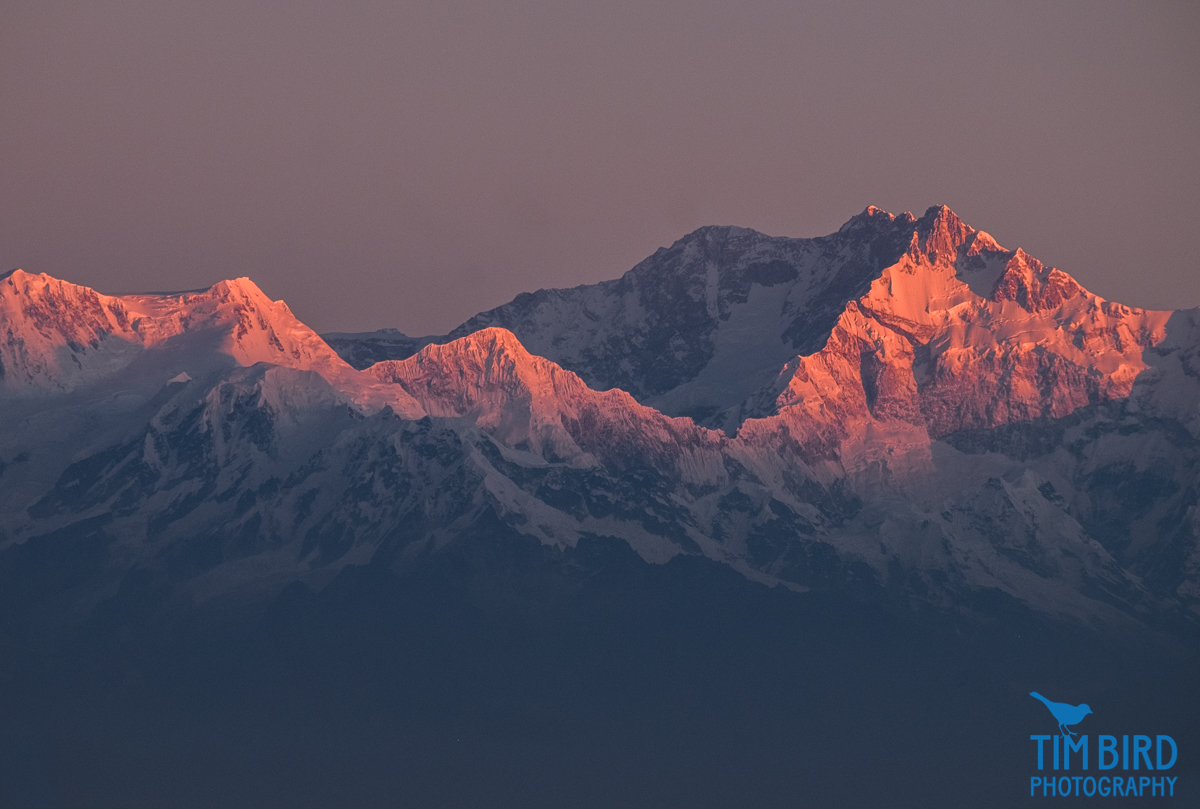
6. The Himalayan Mountains: This dawn shot of Kanchenjunga, the summit of which is in Nepal, was from Darjeeling in India. I love mountains, all the more for their rarity in Finland where I live! I remember waking in a village in Nepal on the Annapurna trail and parting the shutters on my guesthouse window and seeing the Annapurna range in this kind of light, shaking my room mate awake and telling him: “Juha, you have to see this!” Is there anyone who cannot be humbled and awestruck by a view of mountains?

That is my bucket list shortlist. If you have enjoyed this visit (and thanks for dropping by), do come again, and feel free to share, but contact me if you have something commercial in mind – copyright for all photos is mine, all mine. If you’d like to find out more about me and my photography, visit my website at www.timbirdphotography.com

I am also in Instagram at @tim_bird_photo
and Facebook at https://www.facebook.com/timbirdtravelphoto/

Share this:

  • Click to share on Facebook (Opens in new window) Facebook
  • Click to email a link to a friend (Opens in new window) Email
  • Click to share on LinkedIn (Opens in new window) LinkedIn
Like Loading...

Six images: Outcastes revisited – a village in India

10 Tuesday Oct 2017

Posted by Tim Bird in India, Odisha, photography, rural India, sustainable development, travel photography, Uncategorized

≈ 5 Comments

Tags

artisans, caste system, dalits, handicrafts, India, multimedia, Odisha, orissa, village life

A couple of years ago, with the help of my friend Finnish photographer and expert on all-things-multimedia Kari Kuukka I published Outcastes – a Village in Odisha, India, an experimental multimedia documentary about a Dalit community – or rather Kari did, on his innovative multimedia site DocImages.fi. The village in question is the target of work, especially for organising women artisans, carried out by Tikau Share, a Finnish NGO of which I am a member. I’m still really proud of the documentary, even if it is a bit rough round the edges. So every now and then I bring it back to life. You can download and view it here – please do!

Pictures below are some of the stills in the package which also includes video, some less-than-slick time-lapses, some amazing 360 panoramas showing the village and house interiors, and narrative text.

Where the world ends on the horizon

The distant low rumble of a train drifts across the flat rice fields, its horn scaring away the occasional cow and dispersing the women using the railway line as a short cut back from market. The sun has risen to a punishing height and most of the villagers are huddled in the shaded porches of their mud and straw houses, breathing life into their fires or stirring rice.

odisha-8535

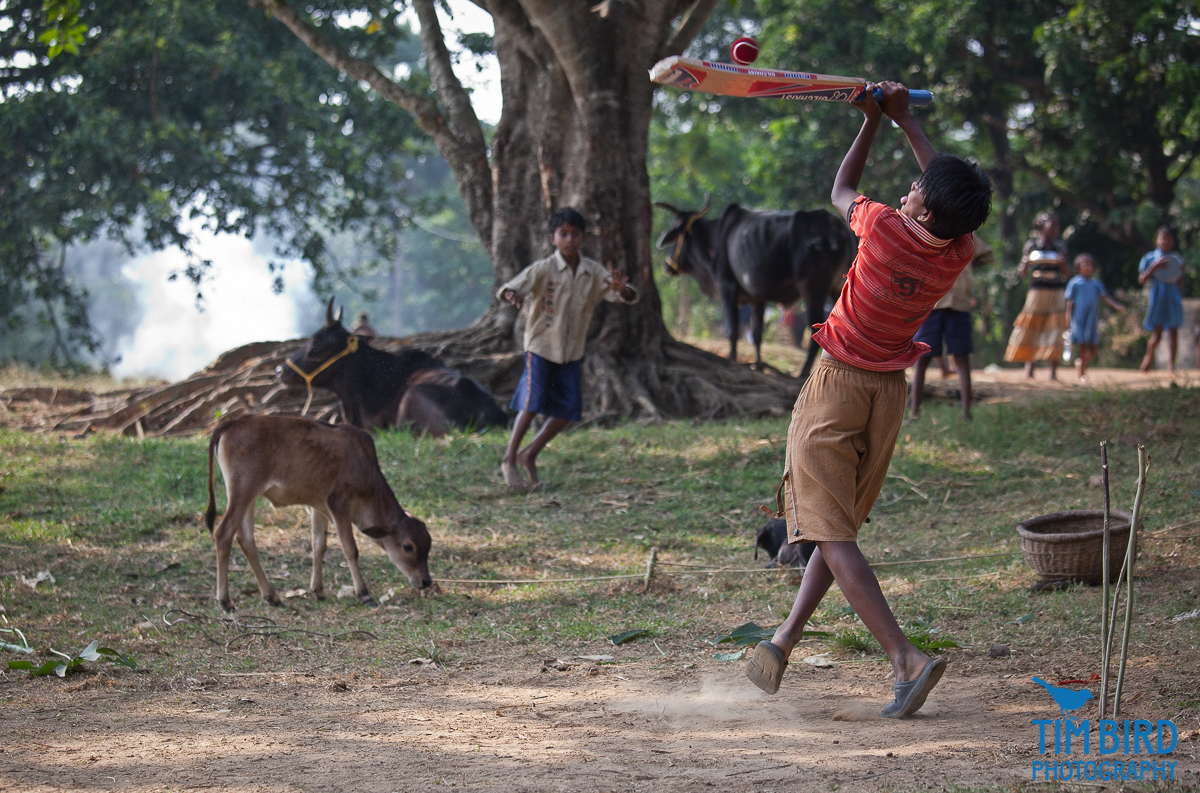
The boys take a break from their cricket game and a group of girls are giggling by the water pump. At the back of the village, just-washed saris flap in the breeze, vivid flags of mauve and orange. A cow saunters into view, flicking its tail at a spiral of flies, oblivious to the stacks of its own dung left drying in the sun for fuel. A chicken pecks fussily at the ground and a baby starts to cry inside one of the windowless houses.

odisha-0431

Out on the flat plains of northern Odisha, the world ends on the horizon. The soaring tower blocks of Delhi, the call centres and high-tech offices of Bangalore and the glitter and honking taxis of Mumbai might as well be on another planet.

odisha-9113

The village architecture of mud walls on mud platforms, crowned with tussled roofs of straw that gets washed away with each torrential monsoon, has not changed for decades, perhaps even centuries. Nor have the daily concerns, of earning enough to buy rice for the next meal, of weaving baskets for the market, of heading out to the fields to defecate.

odisha-3943

Isolated economically and socially, this Dalit village is not unique. Odisha, like other Indian states, remains home to the impoverished and the underprivileged. The Dalits, at the bottom of the caste system, still suffer discrimination and a social stigma from other sectors of India’s vast and complex society.

odisha-3790

I can call these people my friends. Tim Sir is the man with the camera, which no longer makes them scared or nervous. I observe their lives, they laugh at the photos I produce of them. I sit on their mud floors and listen to their stories. During my visits I am briefly humbled by their lifestyle. And I return to the comforts of my western existence, the petty stresses of which are unknown to them.

odisha-8541

If you like what you have seen, do come back and browse my back pages, and look out for future posts. Feedback and comments also welcome!

Share this:

  • Click to share on Facebook (Opens in new window) Facebook
  • Click to email a link to a friend (Opens in new window) Email
  • Click to share on LinkedIn (Opens in new window) LinkedIn
Like Loading...

Six images: Happy World Animals’ Day!

03 Tuesday Oct 2017

Posted by Tim Bird in Central America, Costa Rica, Finland, India, Mexico, namibia, nature, photography, Travel, travel photography, Uncategorized, wildlife

≈ 1 Comment

Tags

animals, Bandhavgarh, brown bears, conservation, Costa Rica, crocodiles, finland, India, kuhmo, Mexico, Monarch butterflies, namibia, natural environment, whales, wildlife, world animals' day

Who knew it? October 4 is World Animals’ Day! Time to feel the beast in you.

The official World Animal Day website states its aim as “To raise the status of animals in order to improve welfare standards around the globe. Building the celebration of World Animals’ Day unites the animal welfare movement, mobilising it into a global force to make the world a better place for all animals. It’s celebrated in different ways in every country, irrespective of nationality, religion, faith or political ideology. Through increased awareness and education we can create a world where animals are always recognised as sentient beings and full regard is always paid to their welfare.”

It seems like an event worth marking in photo form, so here are six photos from some of the unforgettable close encounters I’ve had with various wildlife in recent years. I’m not a wildlife photographer as such – I probably don’t have the required patience – but I have still been lucky enough to photograph animals in many special locations.

More observant readers will notice that there are in fact seven images here, not six. Sorry about that. It might happen again.

animals-1

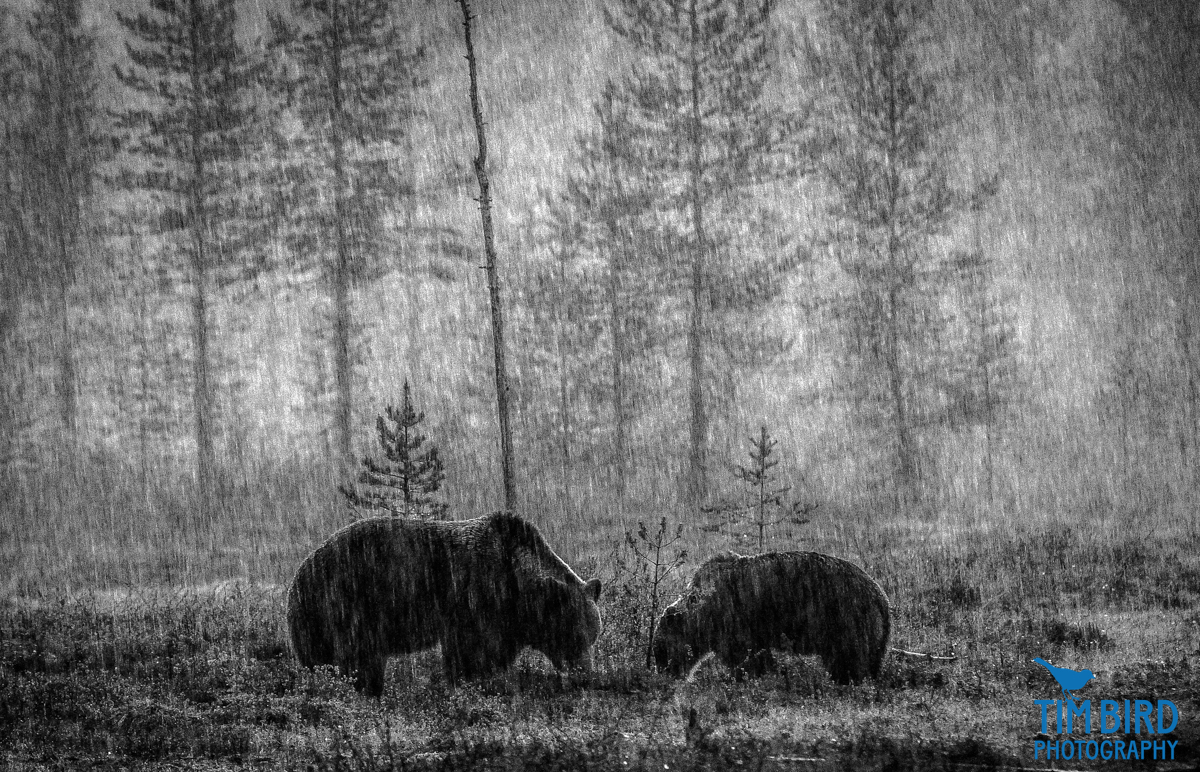
Brown bears sound each other out in a summer storm in eastern Finland. There are a number of hides along the border between Finland and Russia where you can watch brown bears through the summer night. This time I was hosted by the Boreal Wildlife Centre near Kuhmo in Kainuu, right up on the northeast of Finland.

animals-0001

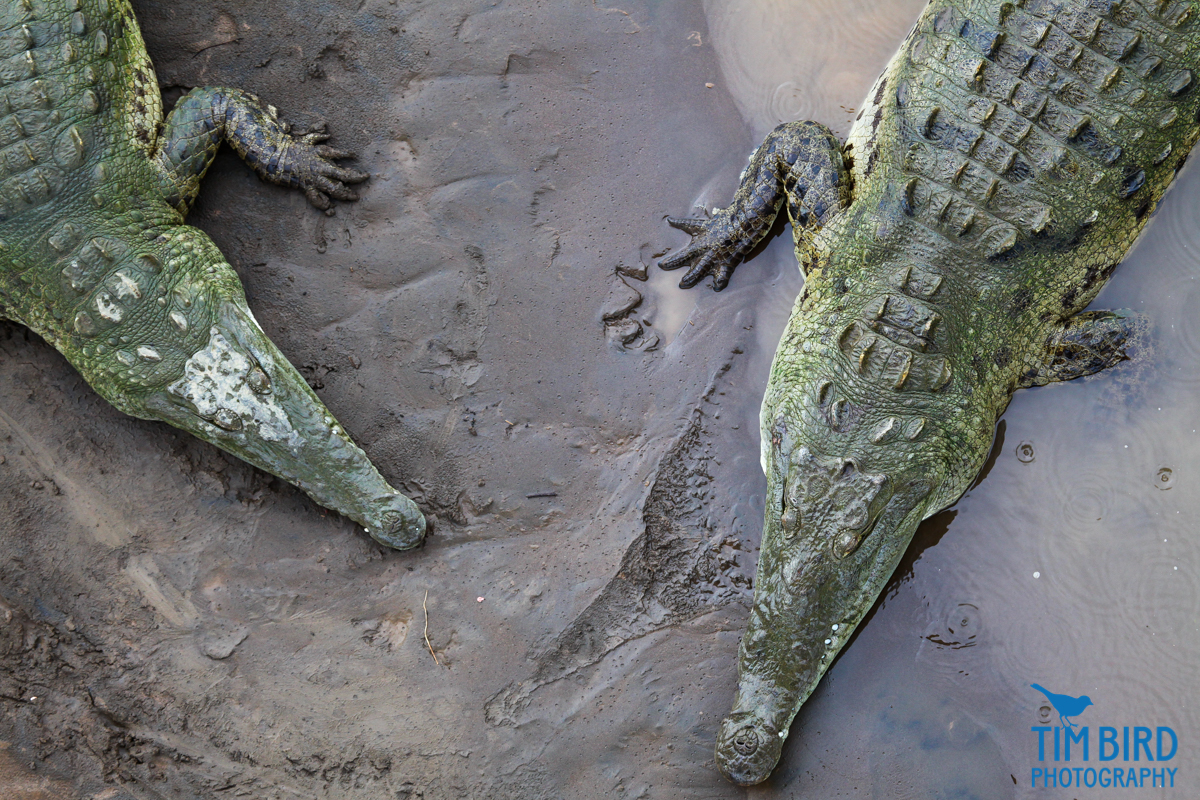
Crocodiles, Costa Rica. This shot is from a famous bridge on one of the main highways crossing the country and spanning the Tarcoles River. Like much wildlife in Costa Rica, the crocs are easy to spot, sometimes dozens of them, basking in the mud beneath the bridge.

animals-4380

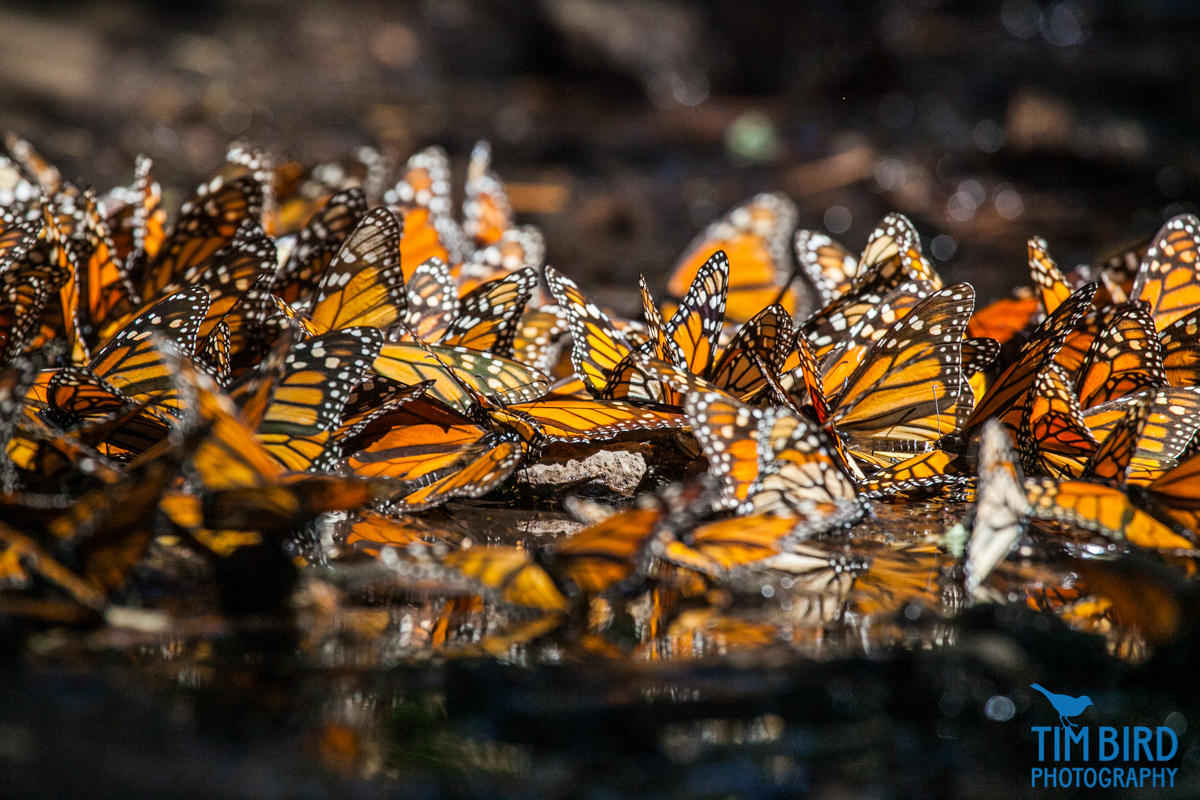
Monarch butterflies, El Rosario, Angangueo, Mexico. This reserve is in the hills above the otherwise unexciting town of Angangueo, about four hours from Mexico City, to which millions of Monarch butterflies make their way each winter, migrating from the mountains of northwest America. I got to the forest before anyone else early in the morning and watched the wings of the insects warm and open as the sun rose. Truly extraordinary.

animals-5390

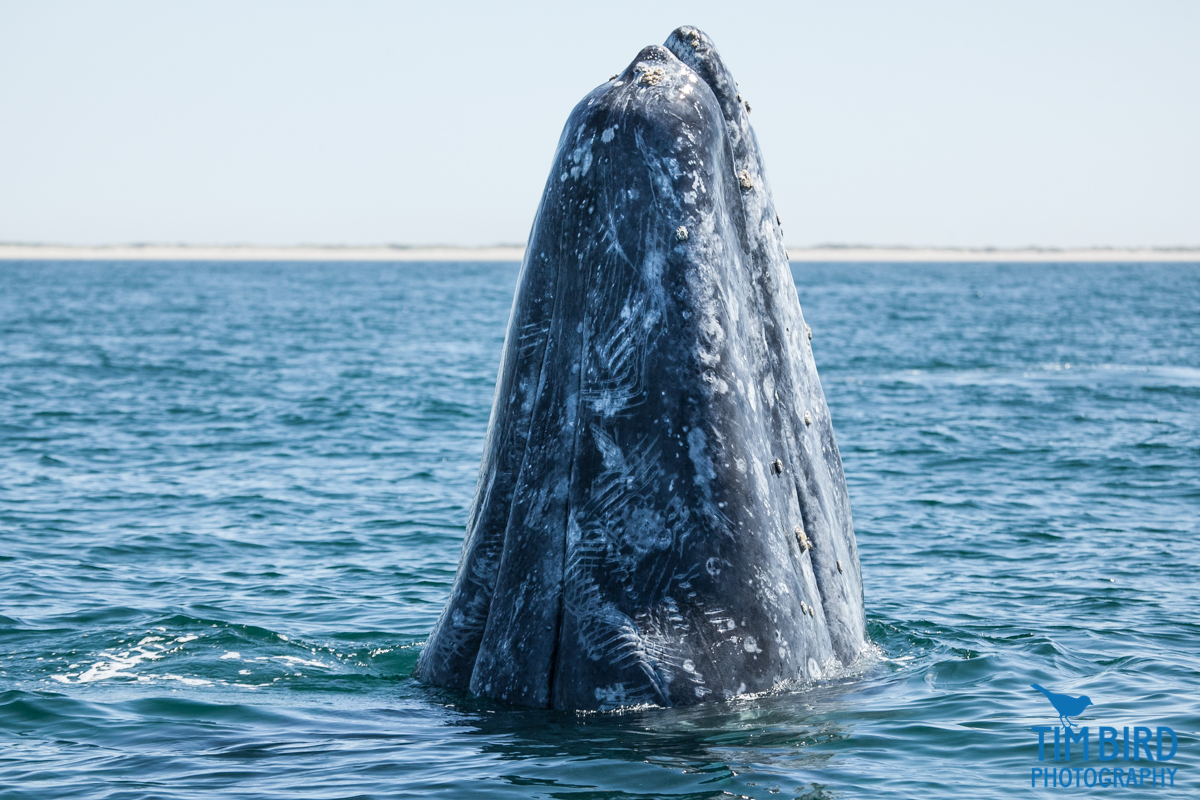
Grey whale, Baja California, Mexico. I timed my trip to Mexico to be able to see both the butterflies (above) and the grey whales that congregate here to mate before heading back north. I can still barely believe that I saw these enormous animals. Rather than breaching, grey whales pop their heads above water and rotate their heads like periscopes. They are very curious and once they realised that myself and my two companions in a small boat were not a threat, they started to emerge, dozens of them in all directions. It was hard to know which way to look.

animals-7430

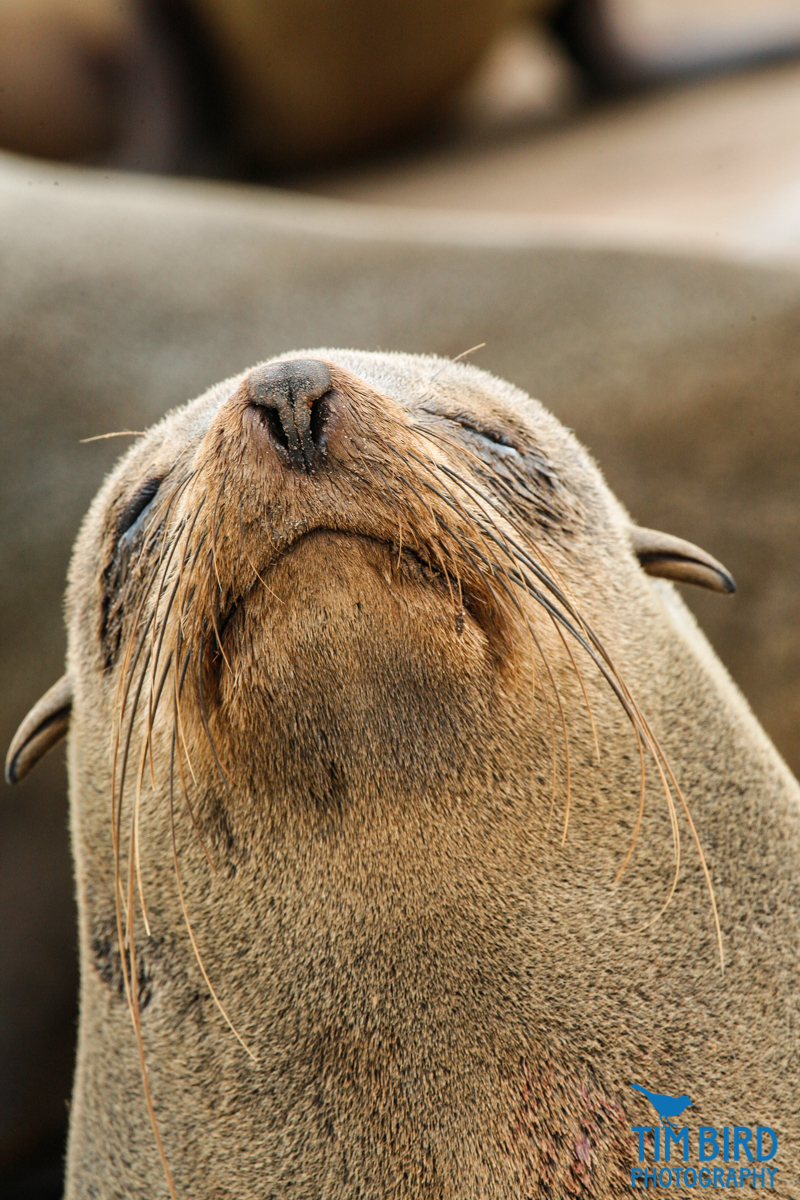
Cape fur seal, Cape Cross seal colony, Namibia. I left the group of journalists I was with for half a day to take a private trip up to Cape Cross, and I could smell the vast colony and hear their calls before I saw them, hundreds of them, spread across the rocks and spilling into the South Atlantic. The saddest thing was spotting the pups separated from their mothers and being instructed by the warden that it was against the rules to try to pair them up – nature must take its own course.

animals-7671

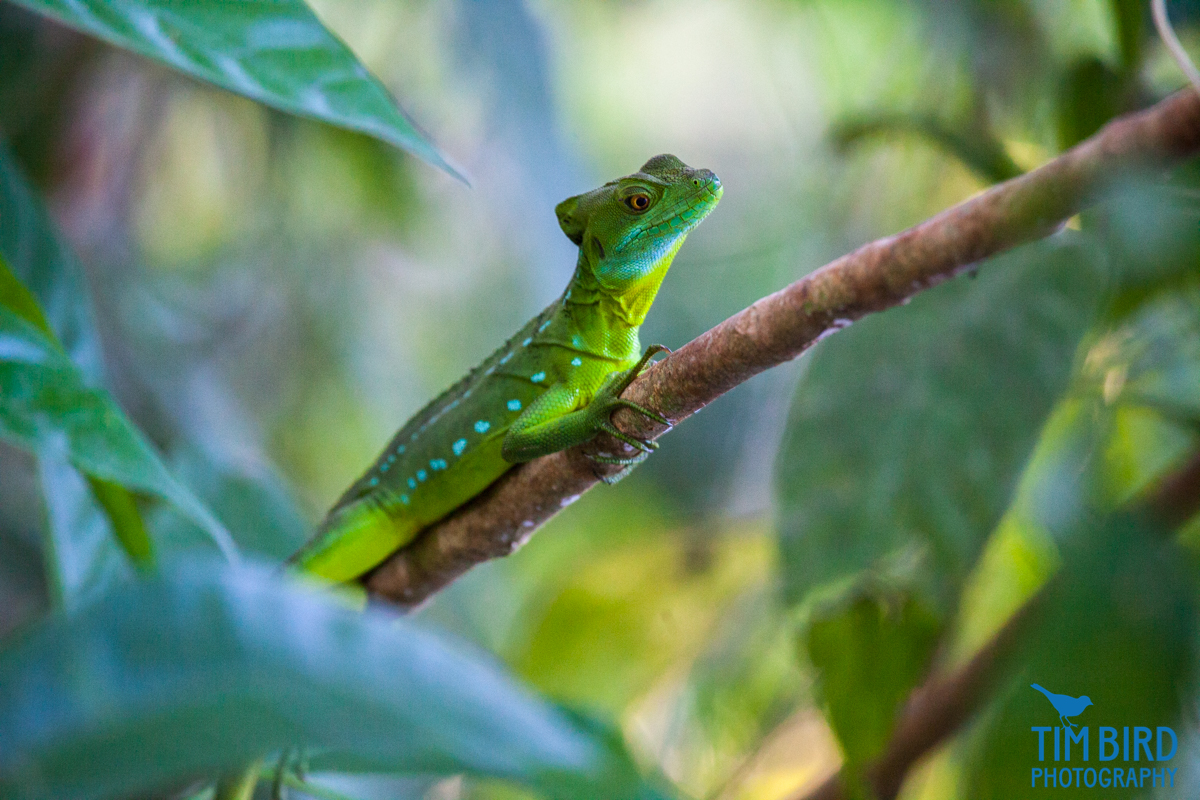
A green lizard, Tortuguero swamps, Costa Rica. Tortuguero is on a waterway running parallel to the Caribbean coast. All sorts of wildlife, including sloths, iguanas, snakes and brightly coloured tree frogs can be spotted on early morning boat ‘safaris’. A magical place.

animals-8357

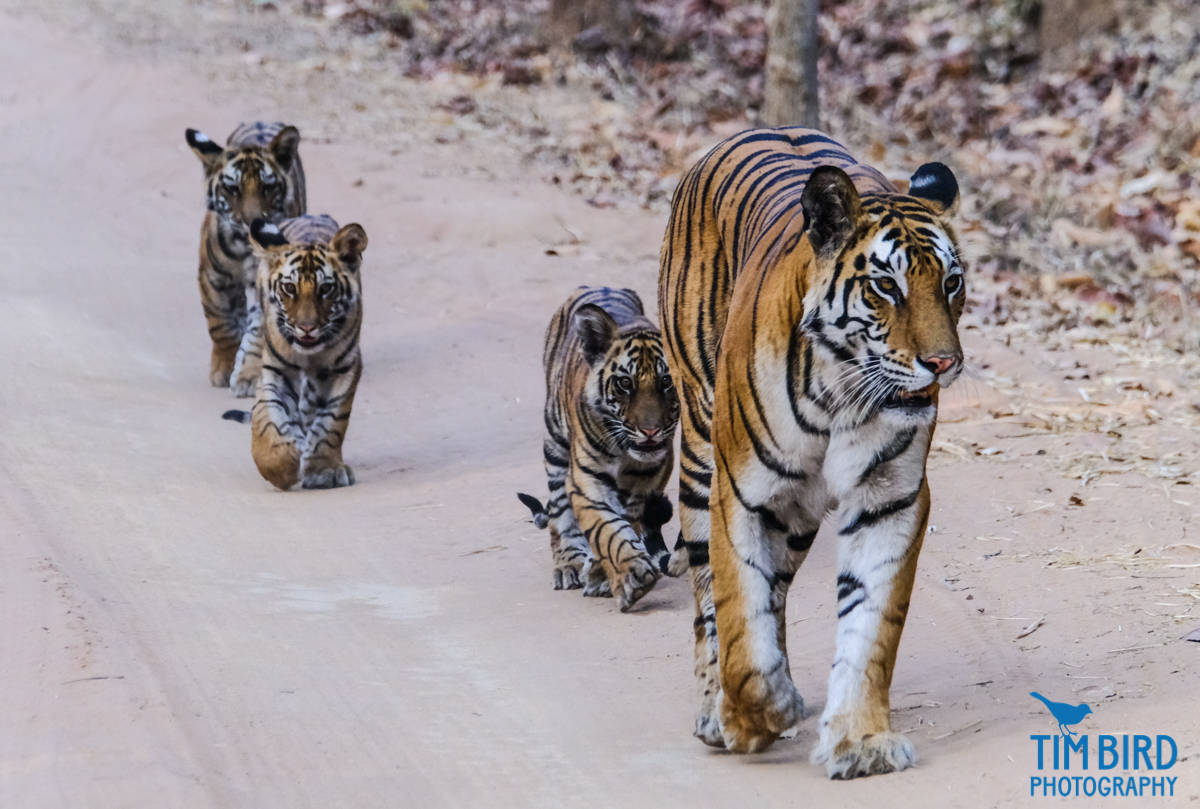
A mother tiger and cubs, Bandhavgarh Tiger Reserve, Madhya Pradesh, India. This little family, minus father, came strolling along the forest track by surprise, obligingly passing my jeep within just a couple of metres. My pulse shoots up when I look at these photos. My base was the very accommodating, friendly and knowledgeable Jungle Mantra Resort – recommended.

These images are the tip of my photographic iceberg, much of it stored on my website at www.timbirdphotography.com. Watch out for my Instagrams at @tim_bird_photo, Tweets at https://twitter.com/BirdTimothy and Facebook stuff at https://www.facebook.com/timbirdtravelphoto/

Thanks for dropping in. Please share and do visit again!


Share this:

  • Click to share on Facebook (Opens in new window) Facebook
  • Click to email a link to a friend (Opens in new window) Email
  • Click to share on LinkedIn (Opens in new window) LinkedIn
Like Loading...

Six Images: Mad about mountains

26 Tuesday Sep 2017

Posted by Tim Bird in mountains, Switzerland, travel photography, Uncategorized

≈ 3 Comments

Tags

Alps, beauty, Jungfrau, Lauterbrunnen, mountains, Schilthorn, Switzerland, travel, travel photography

Time to revive my sadly neglected photo blog, formerly Six Picks, now rechristened Six Images, in which I present six themed photos – sometimes a few more if I am feeling especially generous – from my uncontrollably mushrooming archives. Visit my Instagram site at @tim_bird_photo for more regular postings, and my website at www.timbirdphotography.com – the home page features a ‘slide show’ portfolio of selected images.
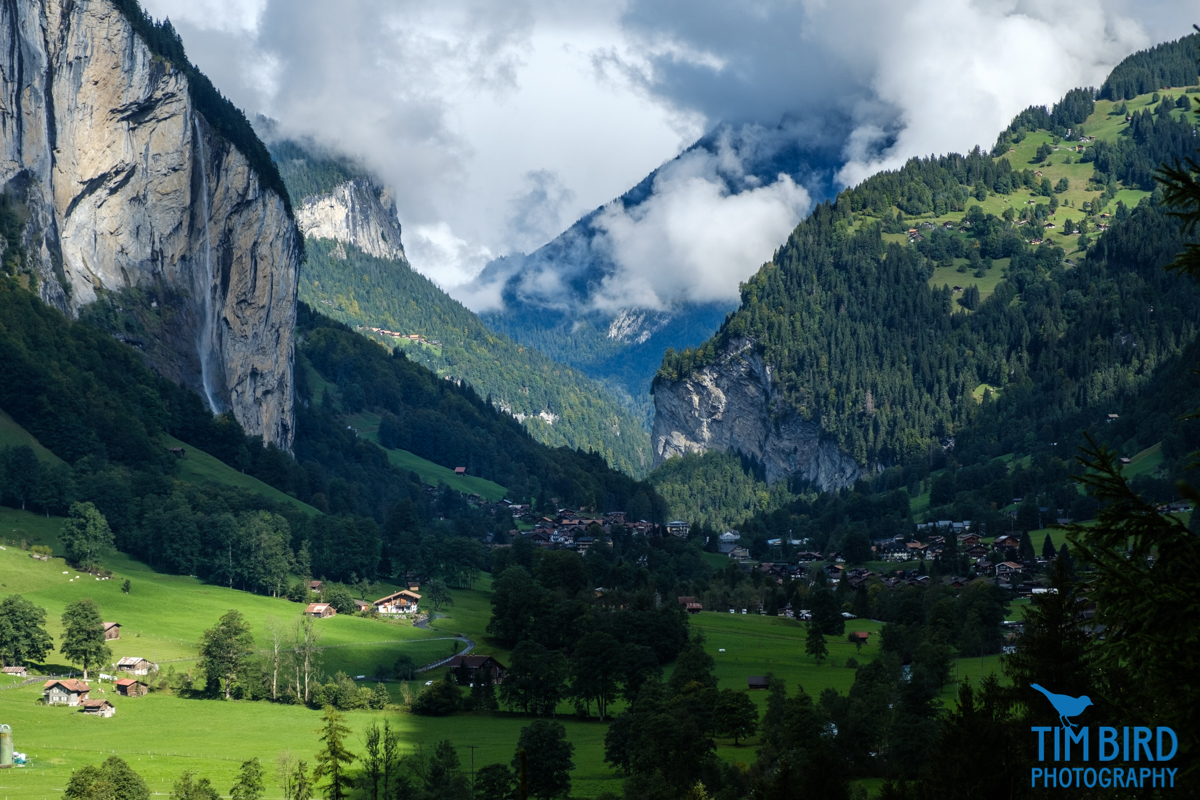
I was inspired to kick-start the blog again by memories of a visit to the Swiss Alps, specifically the region dominated by the three mountains of Mönch, Eiger and Jungfrau. Living in Finland, we have to travel to see mountains although there are a few in northern Lapland. That’s OK, Finland has other charms (the climate not always being one them). But I do love a good mountain and I think that if I woke up to the view across the Lauterbrunnen Valley every day, I would never cease to be amazed by it. It doesn’t seem fair for some places to have more than their share of mountains. I thought I should show a few views to press the point home.

mountains-9339
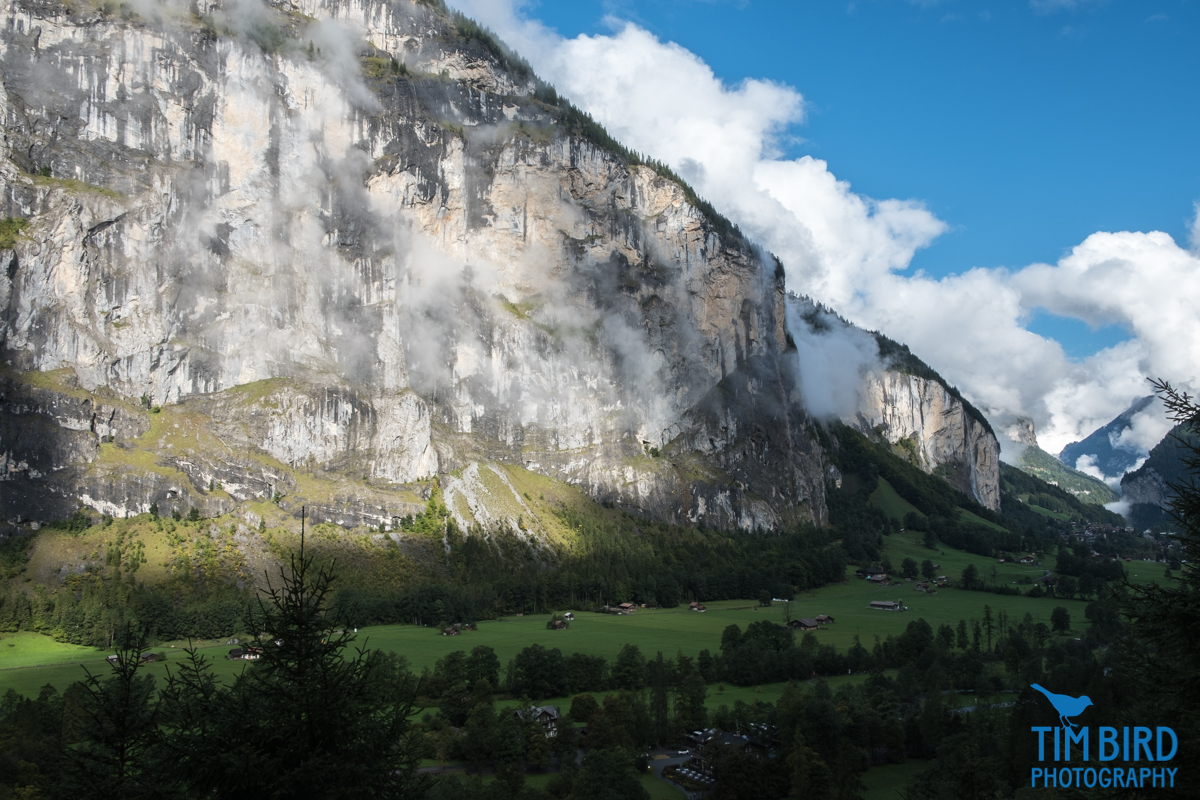
The sheer sides of the Lauterbrunnen valley reflect spectacular morning sunlight. Waterfalls cascade down the cliff face.
mountains-9421
Another view along the valley from the Trümmelbach falls, towards the town of Lauterbrunnen.
mountains-8942
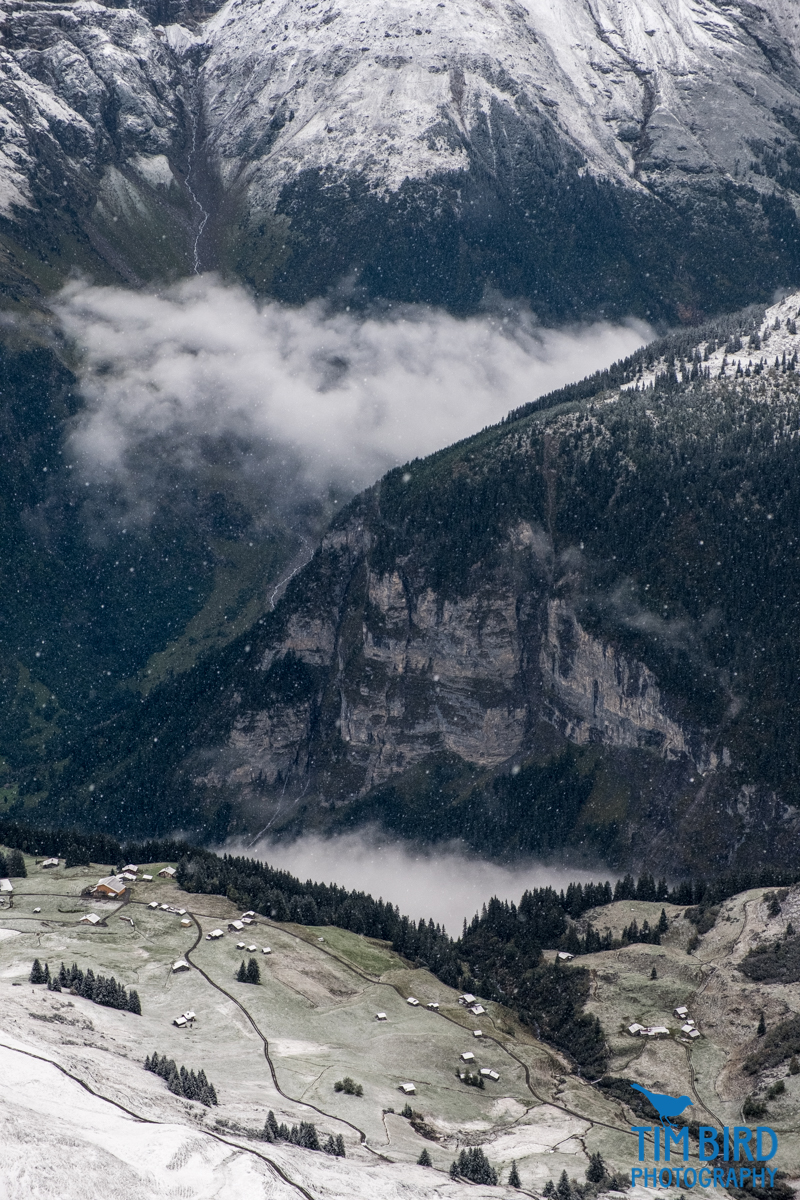
Outlying farms and cottages close to the town of Mürren, at the foot of the Schilthorn mountain. The Schilthorn Cableway takes you up from the valley to the Bond World museum at mountaintop Piz Gloria, where scenes from the Bond movie, On Her Majesty’s Secret Service, were filmed. I wasn’t ready for wintery snow, nor temperatures of minus seven centigrade – in September, for goodness sake. But it was beautiful.
mountains-9671
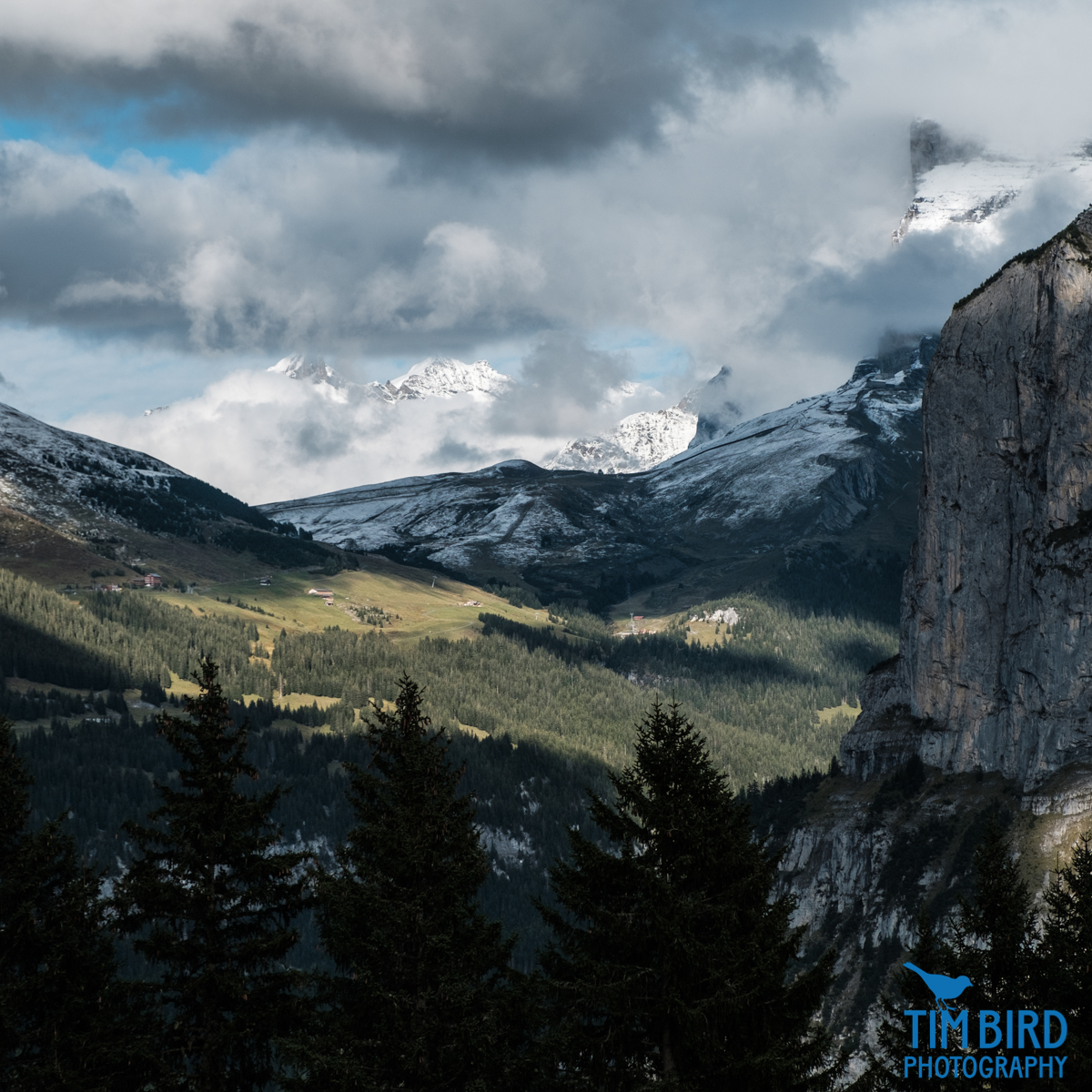
Mönch, the smallest of the three peaks, glimpsed through the clouds from the blissfully traffic-free town of Mürren.
mountains-9718
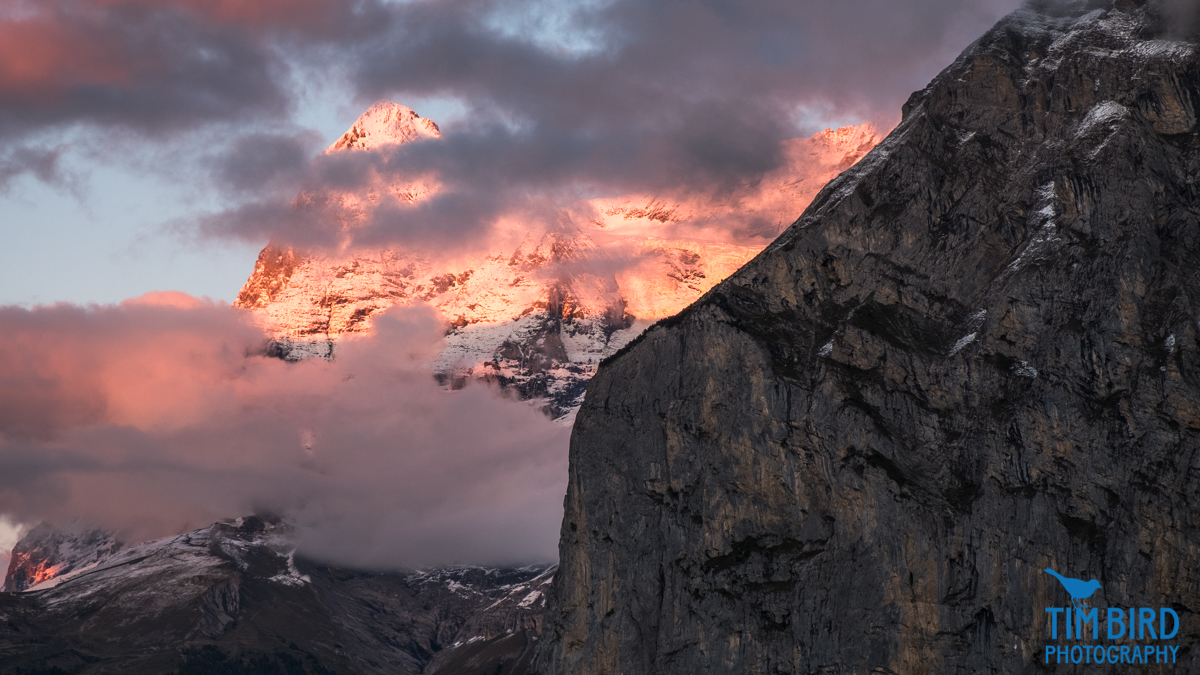
OK, so it could be Eiger, it could be Jungfrau, but it’s magnificent anyway, especially in the magical light just before sunset.
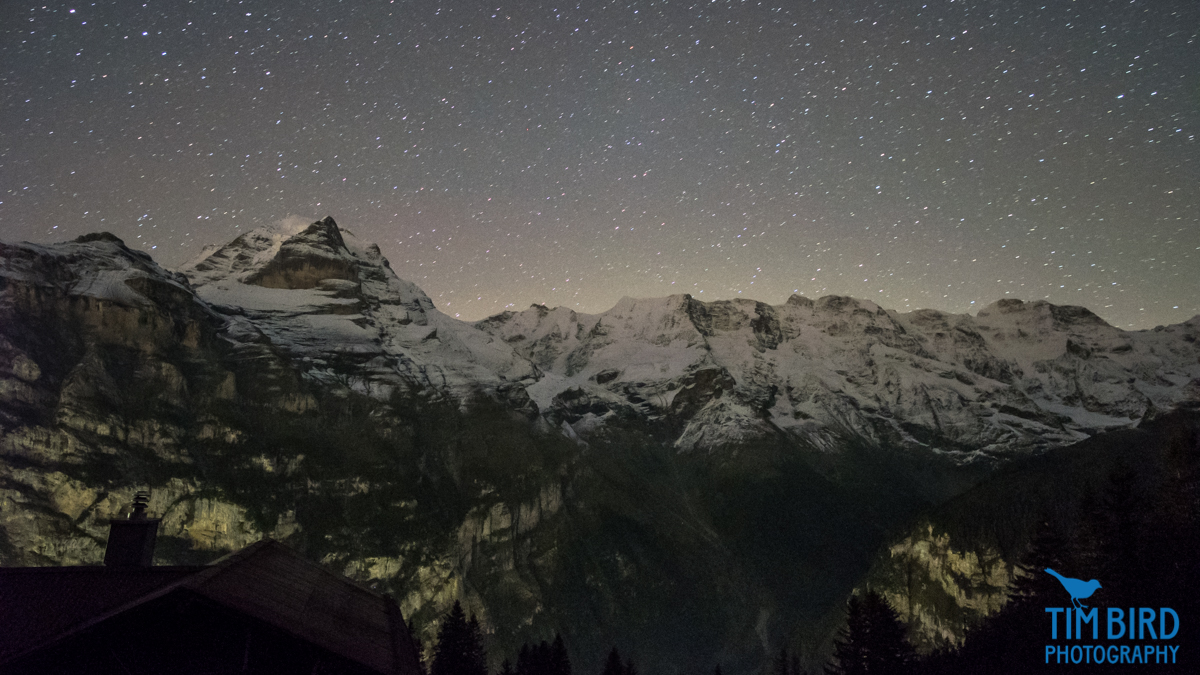
mountains-9740
A night shot of the ridge of mountains further along the valley from Mürren. I spend an hour in the darkness here gazing at the Milky Way and making a few wishes on shooting stars (I’ll tell you only if they come true).

To see more of my pictures visit my website at www.timbirdphotography.com, or my Instagram site at @tim_bird_photo, and occasionally on Facebook at https://www.facebook.com/timbirdtravelphoto/ and https://www.facebook.com/timbirdphoto .
Thanks for dropping by. Do follow the blog so you don’t miss future posts! And tell all your friends and families the good news – in fact, shout it to the mountains: Six Images is back!

Visit https://schilthorn.ch/en/Welcome to find out more about the local attractions and the Cableway.

Want a nice hotel to stay in? Here’s one:

http://alpenruh-muerren.ch/en/Offer/Willkommen

Share this:

  • Click to share on Facebook (Opens in new window) Facebook
  • Click to email a link to a friend (Opens in new window) Email
  • Click to share on LinkedIn (Opens in new window) LinkedIn
Like Loading...
← Older posts

Recent Posts

  • Hazy Crazy Days of Lathmar Holi
  • 2024: celebrating a year of brilliant auroras
  • Grosseto and the Maremma Regional Natural Park in southern Tuscany
  • Kreenholm – a post-industrial, captivating wilderness
  • International Women’s Day: Women of India

Recent Comments

Tim Bird's avatarTim Bird on Six Picks: Finalists and …
Arnold Greg's avatarArnold Greg on Six Picks: Finalists and …
Tim Bird's avatarTim Bird on Six images: Outcastes revisite…
Roaming Rhonda's avatarRoaming Rhonda on Six images: Outcastes revisite…
Tim Bird's avatarTim Bird on Six picks: Easter at York…

Archives

  • March 2025
  • December 2024
  • October 2024
  • January 2024
  • March 2019
  • September 2018
  • June 2018
  • March 2018
  • December 2017
  • November 2017
  • October 2017
  • September 2017
  • June 2017
  • April 2017
  • January 2017
  • December 2016
  • November 2016
  • October 2016
  • January 2016
  • November 2015
  • October 2015
  • August 2015
  • July 2015
  • June 2015
  • May 2015
  • April 2015
  • March 2015
  • February 2015
  • January 2015
  • December 2014
  • November 2014
  • October 2014
  • September 2014
  • August 2014
  • July 2014
  • June 2014
  • May 2014
  • April 2014

Categories

  • addiction
  • Amritsar
  • architecture
  • Arctic travel
  • art
  • Assam
  • aurora borealis
  • books
  • bookshops
  • bucket-list
  • celebration
  • Central America
  • China
  • Christmas
  • Costa Rica
  • culture
  • culture shock
  • Estonia
  • festival
  • FIFA World Cup
  • Finland
  • football
  • France
  • geology
  • Golden Triangle
  • Guilin
  • helsinki
  • hotels
  • Independence
  • India
  • Juhannus
  • lapland
  • Mexico
  • Midsummer
  • mountains
  • music
  • namibia
  • nature
  • northern lights
  • Odisha
  • Paris
  • photo tours
  • photography
  • Punjab
  • religion
  • rural India
  • social media
  • Solstice
  • spirituality
  • summer
  • sustainable development
  • Switzerland
  • tourism
  • Travel
  • travel photography
  • Uncategorized
  • wildlife
  • wildlife
  • winter
  • Yangshuo

Meta

  • Create account
  • Log in
  • Entries feed
  • Comments feed
  • WordPress.com

Recent Posts

  • Hazy Crazy Days of Lathmar Holi
  • 2024: celebrating a year of brilliant auroras
  • Grosseto and the Maremma Regional Natural Park in southern Tuscany
  • Kreenholm – a post-industrial, captivating wilderness
  • International Women’s Day: Women of India

Recent Comments

Tim Bird's avatarTim Bird on Six Picks: Finalists and …
Arnold Greg's avatarArnold Greg on Six Picks: Finalists and …
Tim Bird's avatarTim Bird on Six images: Outcastes revisite…
Roaming Rhonda's avatarRoaming Rhonda on Six images: Outcastes revisite…
Tim Bird's avatarTim Bird on Six picks: Easter at York…

Archives

  • March 2025
  • December 2024
  • October 2024
  • January 2024
  • March 2019
  • September 2018
  • June 2018
  • March 2018
  • December 2017
  • November 2017
  • October 2017
  • September 2017
  • June 2017
  • April 2017
  • January 2017
  • December 2016
  • November 2016
  • October 2016
  • January 2016
  • November 2015
  • October 2015
  • August 2015
  • July 2015
  • June 2015
  • May 2015
  • April 2015
  • March 2015
  • February 2015
  • January 2015
  • December 2014
  • November 2014
  • October 2014
  • September 2014
  • August 2014
  • July 2014
  • June 2014
  • May 2014
  • April 2014

Categories

  • addiction
  • Amritsar
  • architecture
  • Arctic travel
  • art
  • Assam
  • aurora borealis
  • books
  • bookshops
  • bucket-list
  • celebration
  • Central America
  • China
  • Christmas
  • Costa Rica
  • culture
  • culture shock
  • Estonia
  • festival
  • FIFA World Cup
  • Finland
  • football
  • France
  • geology
  • Golden Triangle
  • Guilin
  • helsinki
  • hotels
  • Independence
  • India
  • Juhannus
  • lapland
  • Mexico
  • Midsummer
  • mountains
  • music
  • namibia
  • nature
  • northern lights
  • Odisha
  • Paris
  • photo tours
  • photography
  • Punjab
  • religion
  • rural India
  • social media
  • Solstice
  • spirituality
  • summer
  • sustainable development
  • Switzerland
  • tourism
  • Travel
  • travel photography
  • Uncategorized
  • wildlife
  • wildlife
  • winter
  • Yangshuo

Meta

  • Create account
  • Log in
  • Entries feed
  • Comments feed
  • WordPress.com

Blog at WordPress.com.

Privacy & Cookies: This site uses cookies. By continuing to use this website, you agree to their use.
To find out more, including how to control cookies, see here: Cookie Policy
  • Subscribe Subscribed
    • Six Images (and then some)
    • Join 65 other subscribers
    • Already have a WordPress.com account? Log in now.
    • Six Images (and then some)
    • Subscribe Subscribed
    • Sign up
    • Log in
    • Report this content
    • View site in Reader
    • Manage subscriptions
    • Collapse this bar
 

Loading Comments...
 

    %d